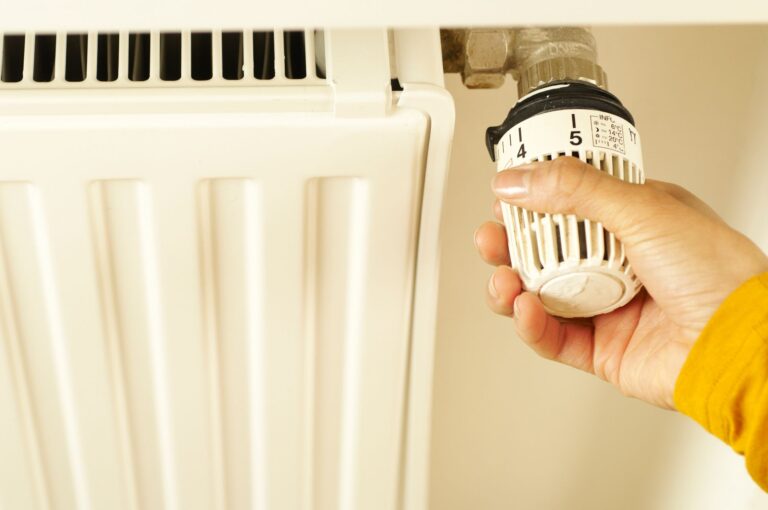

Swapping out a wall thermostat sounds like a small project, yet the right choice quietly reshapes how your home feels year-round. If you’re staring at a confusing wall of model numbers and stage counts, this roundup is built for you. The picks below cover common 1H/1C systems, multi-stage gas setups, heat pumps, and even a water-heater lower thermostat, so you can match the control to your actual equipment without overspending on features you’ll never touch.
A Closer Look At The Lineup
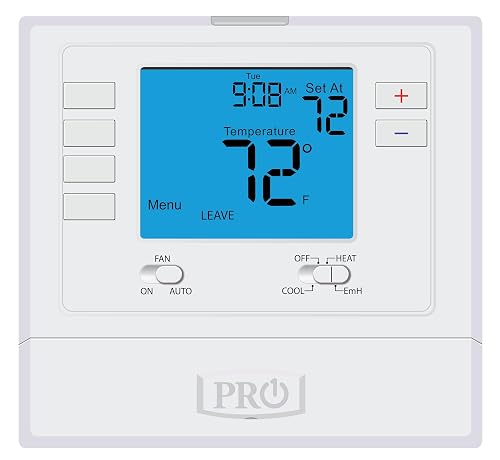
PRO1 T725 Heat Pump/Conventional Programmable Wall Thermostat

PRO1 T771 Single Stage Non-Programmable Wall Thermostat
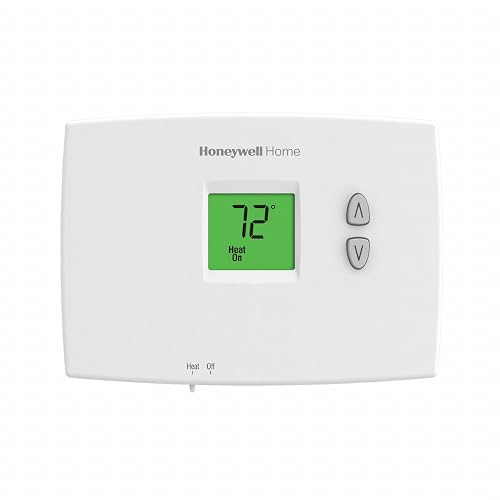
Honeywell TH1100DH1004 Horizontal PRO 1000 Thermostat
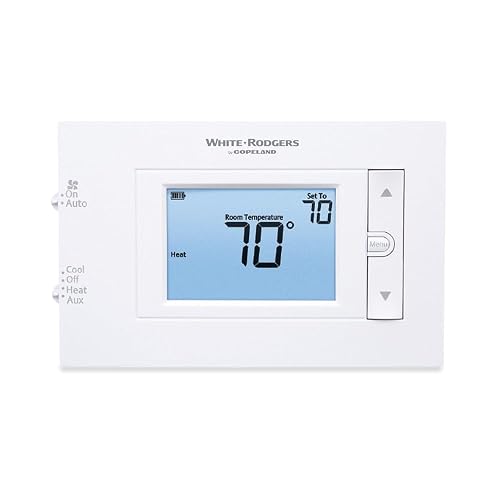
White-Rodgers 80 Series 1F83H-21NP Heat Pump Thermostat
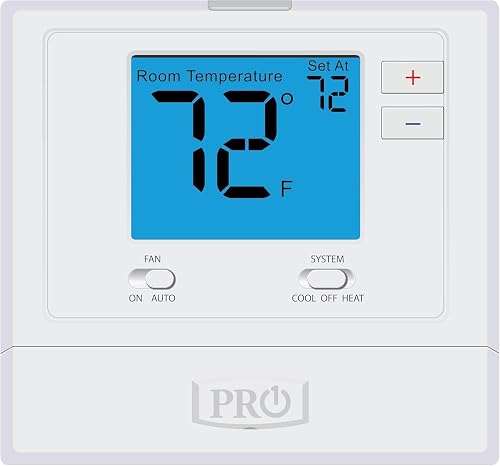
PRO1 T701 Single Stage Non-Programmable Wall Thermostat

PRO1 T715 Multi-Stage Programmable Gas Thermostat
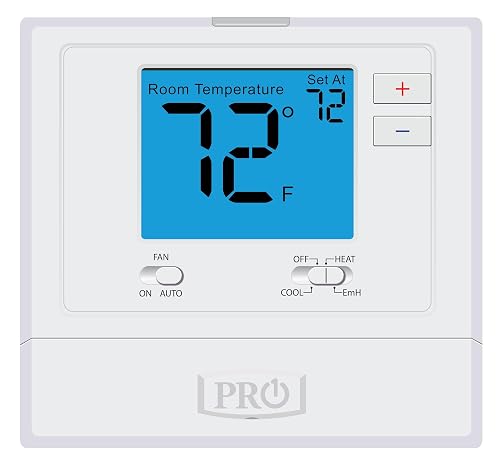
PRO1 T721 Non-Programmable Wall Thermostat
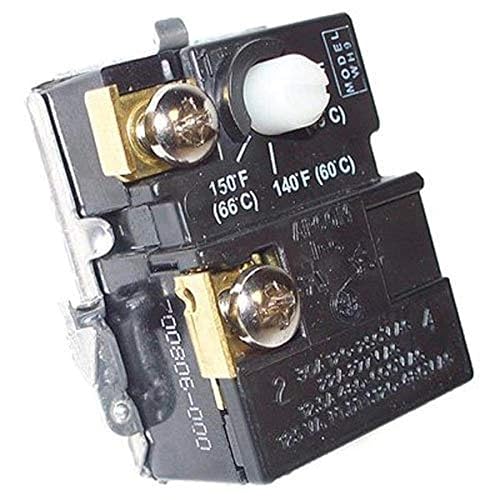
Reliance 9000507-045 Lower Electric Thermostat

White-Rodgers 1E78-144 Single Stage Thermostat

PRO1 T805 Single Stage Programmable Wall Thermostat
A Breakdown Of The Leading Choices
The PRO1 T725 sits at the top of the list for a good reason: it speaks two equipment languages. It supports 2H/1C heat pump systems and 1H/1C conventional systems from the same wall plate, which removes a real headache for anyone whose home has been updated piecemeal. The 7-day or 5/1/1 scheduling (weekday/weekend blocks you can tune independently) lets a family set different temperatures for workdays, school mornings, and lazy Saturdays without rerunning setup every night.
A 4 sq. in. blue backlit screen shows the current schedule mode at a glance, useful for older eyes and dim hallways. Compared to the PRO1 T701 reviewed later, this model adds programmability and heat-pump support, so the extra capability actually justifies the step up. In our view, the wider applicability pays off most in homes where the original furnace was swapped for a heat pump and the old thermostat no longer cooperates.
Where It Excels
- Dual compatibility covers 2H/1C heat pumps and 1H/1C conventional systems on a single device.
- 7-day or 5/1/1 programming matches how most working households actually live.
- Large 4 sq. in. blue backlit display is readable from across a room.
- Schedule mode readout (wake, leave, return, sleep) keeps the current block visible at a glance.
- Sits on the T700 platform, meaning a familiar PRO1 interface if you upgrade later.
Things To Consider
- Requires a C-wire (common wire) or appropriate power-stealing setup in many installs, so older homes may need a small wiring tweak.
- Programming is done on the wall unit, not via an app, which feels dated to anyone used to phone control.
- Not a fit for multi-stage gas systems, where the T715 takes over.
Feature Snapshot
Who It Suits Best
Homeowners with a heat pump system who still want weekday-and-weekend scheduling without learning a phone app.
Where Another Pick Suits Better
The PRO1 T715 is the better match when your furnace runs two heat stages and two cool stages rather than a single compressor.
The PRO1 T771 leans hard into one specific job: keeping a chilly, mostly unheated space from freezing. Its setpoint range drops to 25°F, well below what a normal living-room thermostat allows, which makes it genuinely useful in detached garages, workshops, and sheds where a deep cold snap could otherwise burst pipes. The 4 sq. in. blue backlit display is the same family you’ll find on the T701 and T721 reviewed here, so the look stays consistent if you mix it with another PRO1 in the house.
Swing adjustment and calibration controls let you fine-tune the differential (the gap between “heat kicks on” and “heat stops”), which matters in a drafty garage where a half-degree overshoot can feel like a sauna. Compared to the PRO1 T701 below, this model trades programmability for that lower setpoint ceiling, so it isn’t a swap-in for a primary living area. For most homeowners, this one earns its spot on the wall of an outbuilding, not the main hallway.
Benefits That Matter
- 25°F to 90°F setpoint range covers true cold-weather protection in unheated spaces.
- Swing and calibration adjustments dial in comfort for drafty rooms.
- Single-stage design is straightforward to wire for simple 1H/1C systems.
- Matches the visual language of the T701 and T721 for a tidy look across buildings.
Worth Noting
- Non-programmable, so any setback has to happen manually on the wall.
- Designed for single-stage conventional equipment, not multi-stage or heat pump setups.
Made For
Shoppers who need a reliable, no-fuss thermostat for a garage, shed, or workshop where winter temps can plunge well below the normal comfort range.
Consider Something Else When
The PRO1 T701 is a smarter pick for a primary living area, since it shares the same display but is sized for typical indoor comfort.
The Honeywell TH1100DH1004 is the kind of thermostat you install in a basement furnace room and then forget about. It’s heat-only, non-programmable, and dual powered, meaning it can run on either 24V common wire power or off two AA batteries, which sidesteps one of the most common install headaches. The horizontal layout sits low on the wall, useful in utility spaces where you want it out of the way of shelves and pipes.
A standard temperature scale runs 40 to 90°F, with a separate garage scale option dipping to 35°F for spaces that need a deeper safety net. The backlit display makes it readable even when the boiler room light is a single bare bulb. Compared to the PRO1 T701 above, the Honeywell is narrower in scope: it has no cool stage, no scheduling, and a more utilitarian feel, but for a heat-only system, that restraint is the point.
Strengths Worth Knowing
- Dual power via 24V common wire or AA batteries, which simplifies older wiring setups.
- Horizontal housing fits tight wall spaces in mechanical rooms.
- Backlit display is readable in dim utility areas.
- Standard or garage temperature scale lets you swap between comfort and protection mode.
Trade Offs
- Heat-only design means it’s a non-starter if your home also runs central air through the same thermostat wires.
- No programmability, so any setback requires manual adjustment.
Quick Facts
Best Suited To
Owners of heat-only furnace systems, especially in older homes where pulling a new common wire would be a project in itself.
Look Elsewhere When
The PRO1 T725 makes more sense when you need both heat and cool stages, plus scheduling, in a single wall unit.
The White-Rodgers 1F83H-21NP is built around a single idea: get a heat pump thermostat on the wall without the install becoming a weekend project. A built-in level sits right on the baseplate, which removes one of those small annoyances that turns a 20-minute swap into an hour-long fishing expedition. The backlit display keeps the current temperature and mode visible, even when you walk past at midnight.
This is a non-programmable model, so you won’t find a seven-day schedule, just straightforward up and down control. For owners who never set a schedule anyway, that’s a feature, not a limitation, since fewer buttons mean fewer confusing menus. Where it differs from the PRO1 T725 reviewed above is the missing conventional-system fallback, so this one is dedicated to heat pump homes.
Useful Touches
- Built-in level on the baseplate simplifies a level wall mount.
- Backlit display reads clearly in dim hallways and bedrooms.
- Non-programmable layout means the controls are nearly self-explanatory.
- Sized for typical heat pump wiring, reducing installer guesswork.
Points To Note
- Heat pump only, with no conventional-system support.
- No scheduling, so vacation setbacks have to be set manually before you leave.
Who Will Love This
Heat pump owners who want a reliable wall control without learning a schedule interface, particularly anyone replacing a thermostat for the first time.
Skip It When
The PRO1 T725 is the better fit when you want both heat pump and conventional compatibility on a single device.
The PRO1 T701 is a textbook 1H/1C wall thermostat for a primary living area. It runs on the T700 platform with the same 4 sq. in. blue backlit display you see on the T721 and T725, but it skips programming, which keeps the price and the learning curve low. A glow-in-the-dark light button makes the unit locatable at night without needing to flip a hallway switch first.
You can run it on AA batteries or hardwire it through a common-wire setup, which gives you flexibility if the existing wires don’t include a C. Gas or electric configuration is selectable in the menu, so the same thermostat covers a furnace or an electric strip system. Compared to the Honeywell TH1100DH1004 reviewed earlier, this one adds a cool stage, which is what most conditioned homes actually need.
The Helpful Details
- 4 sq. in. blue backlit display with a glow-in-the-dark light button for nighttime use.
- Battery or hardwire power, so it adapts to most existing thermostat wires.
- Gas or electric system configuration covers the two most common furnace types.
- Sits on the larger T700 platform, which makes the screen easier on aging eyes.
Honest Caveats
- No scheduling, so any setback means pressing buttons before bed or work.
- Single-stage only, which rules out multi-stage gas or heat pump systems.
Core Details
Perfect Match For
Homeowners with a basic single-stage furnace and central air setup who want a clear, simple wall thermostat without monthly programming.
Swap It Out When
The PRO1 T805 is worth stepping up to when you do want a 7-day schedule and a noticeably larger display for the same single-stage system.
The PRO1 T715 is the model to reach for when your furnace isn’t a simple on-and-off system. It supports 2H/2C gas setups, meaning two heating stages and two cooling stages, which lets the equipment ramp up gradually instead of blasting full power every time the temperature drifts. The T700 platform 4 sq. in. blue backlit display with a glow-in-the-dark light button keeps the visual language consistent if you’ve already installed a T701 or T721 elsewhere.
You get 7-day, 5/1/1, or non-programmable modes, so the same wall unit works whether you want a hands-on schedule or prefer to leave it alone. Battery or hardwire power covers older and newer homes without forcing a re-wire. Compared to the PRO1 T725 above, the T715 trades heat pump compatibility for the second heat and cool stage, so it really shines on a two-stage gas furnace.
Useful Strengths
- 2H/2C support unlocks the smoother operation of a two-stage furnace and AC.
- Three programming modes give you 7-day, 5/1/1, or no schedule at all from the same device.
- Battery or hardwire power adapts to whatever’s behind the wall.
- Glow-in-the-dark light button pairs with the backlit display for low-light visibility.
Soft Spots
- Multi-stage systems can be more involved to wire, so first-timers may want a second pair of hands.
- More internal settings mean a longer first-time setup than a single-stage model.
The Right Fit
Households running a two-stage gas furnace and two-stage AC who want scheduling flexibility without jumping to a smart thermostat.
Another Choice May Suit
The PRO1 T725 is the better answer when the home uses a heat pump rather than a two-stage gas system.
The PRO1 T721 is a quiet multitasker. It works with both a 2H/1C heat pump and a 1H/1C conventional system, which makes it a sensible replacement when you aren’t 100% sure what the old wires were driving. The T700 platform 4 sq. in. blue backlit display and glow-in-the-dark light button keep the look uniform with the rest of the PRO1 family reviewed here.
AA battery or hardwire power keeps the install flexible, and the non-programmable interface means fewer menu layers to learn. For a homeowner who just wants the temperature to follow what they set on the wall, that’s a relief. Compared to the PRO1 T725 reviewed earlier, the T721 drops programmability while keeping dual compatibility, so you trade schedules for a friendlier learning curve.
Practical Advantages
- Heat pump and conventional compatibility covers a wide range of HVAC setups.
- Blue backlit display plus glow button improves nighttime usability.
- Battery or hardwire power eases install in older homes without a C-wire.
- Non-programmable controls keep the wall unit approachable for first-time users.
A Few Limitations
- No scheduling, so any setback needs a manual adjustment before bed or work.
- Single cool stage limits use on two-stage AC systems, where the T715 fits better.
Feature Rundown
Whose Shelf It Belongs On
Homeowners with mixed or uncertain equipment who want one thermostat that adapts without locking in scheduling right away.
Reach For A Different Pick When
The PRO1 T725 is the smarter choice once you’re ready to add weekly programming to the same dual compatibility.
The Reliance 9000507-045 isn’t a wall thermostat in the usual sense, it’s a lower element thermostat for an electric water heater, which is a different job entirely. The lower thermostat sits at the bottom of the tank and controls the lower heating element, working in tandem with an upper thermostat to recover hot water after heavy use. For a standard residential electric water heater that’s running cool showers, this is often the part doing the heavy lifting.
It comes in at a fraction of the cost of a full wall thermostat and installs with basic hand tools, which makes it a sensible repair part rather than a feature upgrade. In our view, this one belongs in the toolbox of a DIYer who has already diagnosed a failed lower element, not on a shopping list for a new wall control. Compared to the rest of the roundup, it’s the most specialized pick on the page.
The Practical Payoff
- Direct replacement part for the lower element of a standard electric water heater.
- Compact form factor fits inside common residential tank jackets.
- Targets the most common failure point when only the lower element stops working.
Practical Considerations
- Specific to electric water heaters, with no role in a forced-air HVAC setup.
- Replacing it requires shutting off power and draining the tank, which goes beyond a wall swap.
Right Fit
Homeowners and renters who have already confirmed the lower element in an electric water heater has failed and want a focused repair part.
Look Elsewhere When
The PRO1 T701 is the appropriate wall thermostat when the actual project is a living-area HVAC replacement, not a water-heater repair.
The White-Rodgers 1E78-144 is a non-programmable single-stage thermostat with a quietly useful feature set. It works on 24-volt systems and millivolt systems, which covers everything from a modern furnace to an older gas wall heater or a fireplace insert. For a homeowner with a mix of equipment, that voltage flexibility can save a return trip to the store.
The backlit display sits behind a clean digital face, and the non-programmable interface keeps the wall unit uncluttered. Compatibility with single-stage heat, cool, and heat pump without aux means it handles a meaningful slice of residential systems, but skips electric baseboard heat. Compared to the Honeywell TH1100DH1004 reviewed earlier, this one adds a cool stage and heat pump support, which broadens where it can be installed.
Positive Points
- 24V and millivolt compatibility covers modern and legacy heating systems.
- Backlit digital display reads well in dim utility rooms.
- Single-stage heat, cool, and heat pump without aux support broadens install options.
- Non-programmable layout keeps the controls simple for everyday adjustments.
Less Ideal Details
- Not compatible with electric baseboard heat, which limits it in some older homes.
- No scheduling, so any setback is a manual button press away.
Who Should Grab It
Owners of millivolt or 24V systems who want a flexible, no-fuss wall thermostat without the cost of a multi-stage model.
Where A Sibling Pick Shines
The PRO1 T805 is worth the step up when you want a larger display and 7-day scheduling on a single-stage conventional system.
The PRO1 T805 is the largest-screen option in this roundup, with a 7 sq. in. blue backlit display that dominates the wall plate. That extra real estate matters if you’ve ever squinted at a smaller thermostat from across the living room or tried to read setpoint numbers in a sunlit hallway. The T800 platform also adds a glow-in-the-dark light button, a small touch that pays off every night.
You get 7-day, 5/1/1, or non-programmable modes, so the schedule can grow with your routine rather than locking you in. It runs on AA batteries or hardwire power and works with 1H/1C conventional systems, gas or electric. Compared to the PRO1 T701 reviewed earlier, the T805 trades the smaller screen for a programmable schedule and a noticeably bigger display, which is the whole reason to spend the difference.
Useful Highlights
- 7 sq. in. blue backlit display is the largest on this list and easy to read from a distance.
- 7-day, 5/1/1, or non-programmable modes support both schedule-heavy and hands-off users.
- Battery or hardwire power installs in homes with or without a C-wire.
- Glow-in-the-dark light button pairs with the display for nighttime visibility.
Small Caveats
- Single-stage only, so multi-stage gas or heat pump homes should look at the T725 or T715.
- Programming is wall-based, which may feel limiting compared to a phone-controlled unit.
Key Attributes
Built With In Mind
Homeowners with a standard 1H/1C system who want a 7-day schedule and the easiest reading experience in the roundup.
Not Your Match When
The PRO1 T715 is the better fit when the system actually runs two heating and two cooling stages rather than a single furnace and AC.
What To Match Before You Swap In A New Thermostat
The single biggest decision is whether your system is single-stage (one heat, one cool) or multi-stage (two heat, two cool), followed by whether it uses a heat pump or a conventional gas/electric furnace. Match the thermostat to that equipment first, then narrow by scheduling needs, because a programmable thermostat on a system that doesn’t support multi-stage won’t deliver any extra comfort.
System Stages And Equipment Type
Single-stage homes do well with the PRO1 T701, T805, or the White-Rodgers 1E78-144. Two-stage gas setups need a unit like the PRO1 T715 that can talk to both heating stages. Heat pump homes should look at the PRO1 T725, T721, or the White-Rodgers 1F83H-21NP, all of which speak the heat pump’s reversing valve language.
Wiring And Power Considerations
Older homes without a C-wire (the common wire that returns 24V power to the thermostat) often need either a battery-powered unit or a small rewiring job. Models like the Honeywell TH1100DH1004 and several PRO1 units run on AA batteries as a fallback, which sidesteps that headache without changing the wall wiring. Always switch off the breaker at the panel before touching thermostat wires, and photograph the existing wiring before disconnecting anything.
Scheduling Versus Set-And-Forget
Programmable models like the PRO1 T725, T715, and T805 let you set weekday and weekend temperatures that run on autopilot. Non-programmable options like the PRO1 T701, T721, and the White-Rodgers 1E78-144 suit households where the temperature barely changes day to day, since the extra menus would just sit unused. The honest read is that programming earns its keep only when your schedule actually shifts between weekdays and weekends.
Key Considerations Across These Picks
Pitfalls Shoppers Hit
A common stumble is buying a programmable thermostat for a single-stage system that doesn’t need scheduling, which adds buttons without adding comfort. Another is picking a heat pump model for a home with a conventional furnace, or vice versa, which leads to a “heat on but AC dead” headache the first time the seasons change. Always confirm the existing wire labels (R, W, Y, G, C) before ordering.
When Paying More Pays Off
The step from a non-programmable to a programmable unit tends to pay back most in homes where daytime and nighttime temperatures truly differ, think working adults who want a setback while the house is empty. Multi-stage thermostats earn their upgrade when the furnace itself is two-stage, otherwise the extra stages have nothing to control and you’re paying for capability that sits dormant.
Frequently Asked Questions
How do I know if my system is single-stage or multi-stage?
Count the number of heating and cooling wires connected to your current thermostat, and check your furnace or air handler label. A single-stage conventional system usually uses a basic set of wires (R, W, Y, G), while multi-stage systems add wires for the second heat and cool stages. Your HVAC installer’s paperwork is the most reliable source if the original labels are gone.
Can I install a thermostat myself, or do I need a pro?
Most swaps are a manageable DIY project for anyone comfortable turning off a breaker and matching wire letters. The wiring is low-voltage 24V, which is far safer than the 120V/240V lines elsewhere in the home, but the breaker should still be off before you touch any wires. If the existing wiring lacks a C-wire and the new unit needs one, that’s where a pro call starts to make sense.
Will a non-programmable thermostat save me money on my energy bill?
It can, but only if you actively adjust the temperature when you leave or sleep, since the thermostat won’t do it for you. A programmable unit automates that pattern, which usually wins in homes with predictable schedules. In a home where the setpoint barely changes day to day, the energy savings between programmable and non-programmable tend to be modest.
What’s the difference between a heat pump thermostat and a conventional one?
A heat pump thermostat expects an “O” or “B” wire for the reversing valve, which lets the same outdoor unit switch between heating and cooling. A conventional thermostat doesn’t speak that language, so the heat pump would run backwards or fail to change modes. The PRO1 T725, T721, and White-Rodgers 1F83H-21NP all handle that reversing-valve wire; the T701, T805, and 1E78-144 do not.
Do any of these work with electric baseboard heat?
No, none of the thermostats in this roundup are designed for line-voltage electric baseboard heaters, which need a different class of control entirely. For baseboard heat, a dedicated line-voltage thermostat rated for the wattage is the right call. The 1E78-144 and the rest of the units here are intended for low-voltage 24V or millivolt systems.
Wrap Up
The best thermostat is the one that matches your equipment first and your schedule second. Start with the system stages and heat-pump-or-conventional question, then decide whether weekly programming will actually change how you live. From there, the roundup above should narrow the choice to a single model without much fuss.