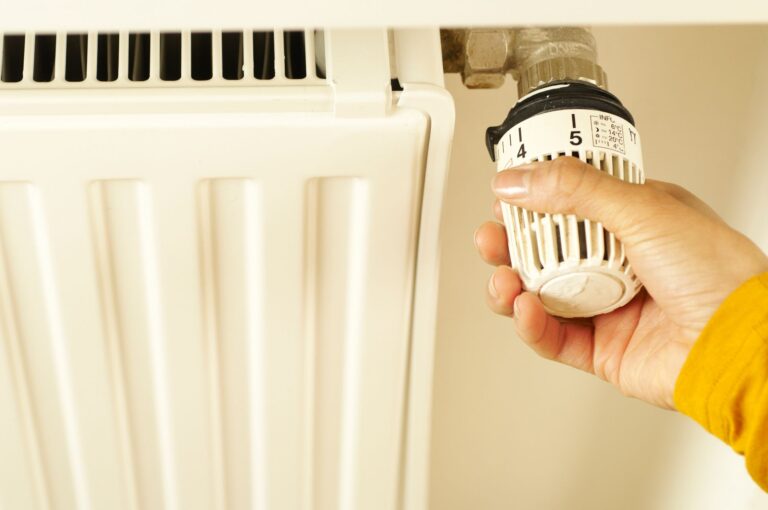

Cold tile at 7 a.m. is a small daily misery, and the right thermostat is what turns a heated floor from a luxury into a routine you barely think about. Renovators planning a bathroom refresh, homeowners finishing a basement, and DIYers adding warmth to a single room all share the same core question: which control will actually keep the floor at the temperature you set, day after day, without fuss. The ten options below cover the full spread, from full cable kits with bundled thermostats to standalone smart controls, plain-and-simple manual dials, and wall-mounted sensors built for whole-home automation. The goal here is a shortlist that matches the room, the floor type, and the level of control you want.
The Lineup, Simplified
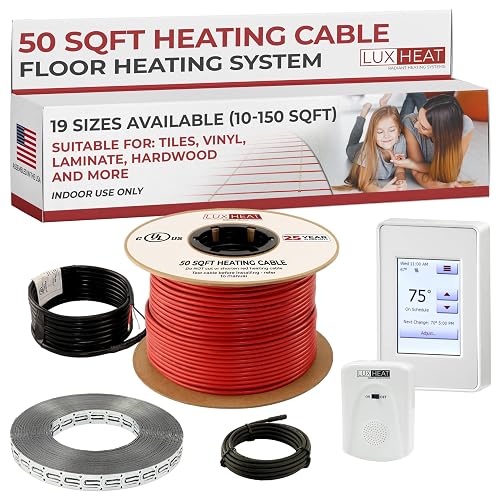
LuxHeat 50sqft Floor Heating Cable Kit with UDG4 Thermostat
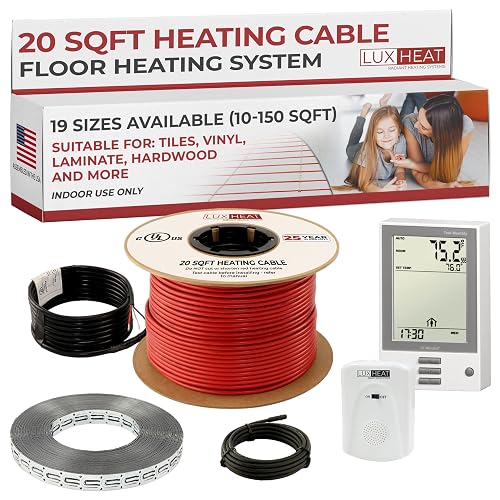
LuxHeat 20sqft Floor Heating Cable Kit with UDG Thermostat
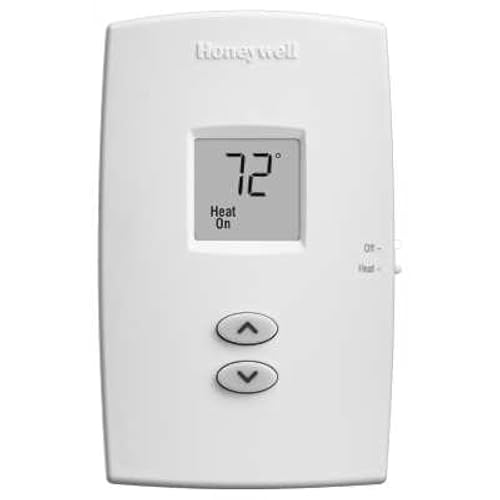
Honeywell TH1100DV1000 PRO 1000 Vertical Non-Programmable Thermostat

SunTouch SunStat ConnectPlus Smart Wi-Fi Floor Heating Thermostat
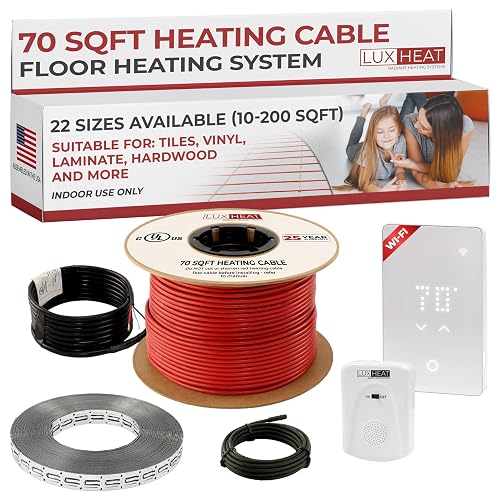
LuxHeat 70sqft Floor Heating Cable Kit with UWG5 WiFi Thermostat

Honeywell Home X2P Programmable Thermostat, Single-Stage
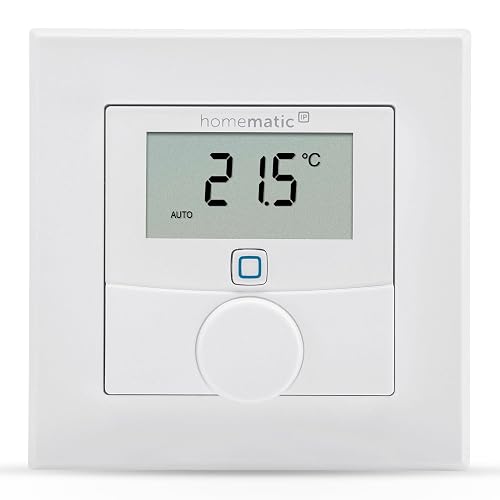
Homematic IP Wall Thermostat with Humidity Sensor
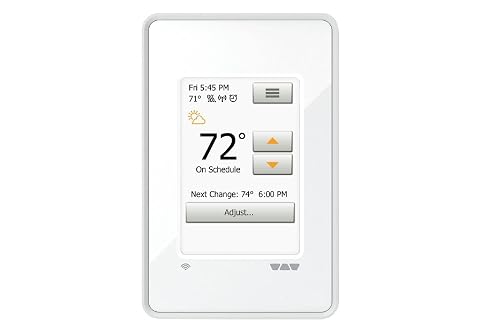
Schluter Ditra-Heat-E-WiFi Programmable Thermostat (DHERT104/BW)
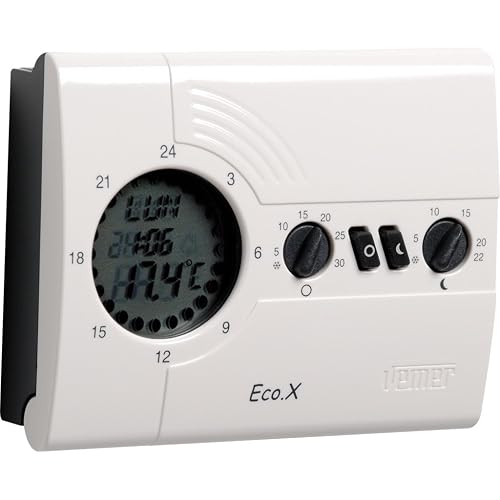
VEMER VN161600 ECO.X-D Digital Heating Thermostat

OJ Microline UTN4 Radiant Floor Heat Thermostat with Class A GFCI
More On The Choices That Made The List
This 50-square-foot cable kit pairs a 120V heating wire with a programmable UDG4 thermostat, a floor sensor, strapping strips, and an alarm that watches for damage during installation. For anyone tiling a mid-size bathroom, the bundled approach removes the guesswork: the thermostat is already matched to the cable, and the included sensor takes the worry out of the embed depth.
The UDG4 is a touchscreen unit with GFCI protection, which most tile projects in wet zones require. You can set daily schedules, target a specific floor temperature, and walk away. Compared with the smaller 20-square-foot LuxHeat kit later on this list, this one gives you more running room in the same room without crossing into a different voltage class.
Strong Points
- Complete kit removes the need to match a thermostat to a third-party cable.
- Programmable touchscreen lets you dial in floor temperature, not just air temperature.
- Built-in GFCI meets the protection requirement for heated floors in wet areas like bathrooms.
- Installation alarm flags cable damage during layout, before the tile goes down.
Things To Consider
- 50 square feet is sized for one room; larger open-plan spaces will need a bigger cable.
- 120V only, so larger loads and whole-home projects call for a 240V system instead.
Feature Snapshot
Who It Suits Best
Homeowners tiling a single mid-size bathroom who want one kit to install and one app-free touchscreen to program.
Consider Something Else When
The LuxHeat 20sqft Cable Kit is the better match for a small entryway or half-bath where 50 square feet would be overkill.
Think of this as the 50-square-foot kit’s little sibling: the same brand, the same UDG programmable thermostat with GFCI, the same floor sensor and installation alarm, but only 20 square feet of cable. It suits tight zones where pulling warmth through every tile is the goal but laying extra cable would just be wasted resistance.
The trade-off is exactly what you’d expect, and the upside is that it keeps the project list short. Small mudrooms, half-baths, and the floor under a freestanding tub are realistic fits. Compared with the Honeywell TH1100DV1000 later in the list, you get a touchscreen and floor-sensor logic out of the box rather than a heat-only wall unit.
Why It Works Well
- Compact 20-square-foot coverage avoids wasted cable in small rooms.
- Programmable GFCI thermostat included, so no separate control purchase.
- Floor sensor targets surface temperature, not just air temperature.
Honest Caveats
- 20 square feet is the ceiling here, so any room larger than a small bath needs a bigger kit.
- 120V design means it cannot be paralleled onto a 240V household circuit.
- Programmable features still need a neutral and line-voltage wiring at the thermostat box.
Made For
Anyone finishing a small bath, entry vestibule, or mudroom who wants a complete cable-and-thermostat package sized to the room.
Skip It When
The OJ Microline UTN4 is the better pick if you are only replacing a thermostat on an existing floor system and do not need new cable.
The Honeywell TH1100DV1000 is the opposite end of the spectrum from a touchscreen kit. It’s a single-stage, heat-only, vertical-mount thermostat with no scheduling, no app, and a simple dial. For a system that just needs a target temperature and a reliable switch, that plainness is the appeal.
Its 4 11/16-inch height and narrow profile mean it slips into standard residential junction boxes without extra trim work. In a heating-only setup, you set the dial and forget it. The catch is that this is a heat-only control, so anyone with cooling or multi-stage equipment will need a different Honeywell model.
The Helpful Details
- Vertical, low-profile housing fits standard wall boxes cleanly.
- Single-stage heat-only design is purpose-built for simple radiant loops.
- Manual dial keeps setpoint changes obvious and immediate.
Trade Offs
- Heat-only compatibility rules out cooling or multi-stage systems.
- No programmable schedule means the floor runs at one setpoint until you change it.
- Lacks a dedicated floor-sensor input for slab or mat systems.
Best Suited To
Anyone replacing a basic wall thermostat on a heat-only underfloor loop who values simplicity over scheduling.
A Better Fit Elsewhere
The Honeywell Home X2P Programmable Thermostat is the smarter choice for a single-stage system that also needs a weekly schedule.
The SunStat ConnectPlus pushes a 4.3-inch color screen onto the wall and pairs it with Wi-Fi so you can change floor temperature from the couch or the airport. Compared with the LuxHeat kits above, the selling point is not the cable, it’s the control layer: the unit pulls outdoor temperature, handles automatic clock setting, and supports home-automation platforms for hands-free scheduling.
For households already running a connected ecosystem, this is the underfloor thermostat that quietly blends in. The trade-off shows up in the price tier and the setup, since the Wi-Fi features and voice-assistant pairing benefit from a stable network and a homeowner comfortable with app-based scheduling.
What Earns Its Place
- Wi-Fi connectivity enables remote temperature changes and scheduling.
- 4.3-inch color display is easier to read at a glance than a small LCD.
- Weather compensation and outdoor temperature readouts help fine-tune runtimes.
Room For Improvement
- Smart features only pay off if your home Wi-Fi is reliable and consistently reachable at the mounting location.
- Higher learning curve than the dial-style Honeywell TH1100DV1000 covered earlier.
Feature Snapshot
Perfect Match For
Connected-home households that already run schedules, voice assistants, and a stable Wi-Fi mesh.
Not Your Match When
The VEMER VN161600 ECO.X-D is the simpler fit for a renter or anyone who wants battery power and zero app setup.
This LuxHeat kit pairs a 70-square-foot 120V heating cable with a UWG5 Wi-Fi LED touch thermostat, the same installation alarm, floor sensor, and strapping guides as the smaller kits. The extra square footage covers a larger bathroom or a small bedroom, and the Wi-Fi thermostat means you can warm the floor before you get home.
Compared with the 50-square-foot LuxHeat kit, you trade a wired touchscreen for a wireless one and add 20 square feet of cable. The UWG5 includes GFCI protection, which is the non-negotiable part of any wet-area install. For laminate, the spec sheet calls it out specifically, but tile works just as well with proper embed.
A Favorable Mix
- Wi-Fi control lets you pre-warm the floor from your phone.
- 70-square-foot cable handles larger rooms than the smaller LuxHeat kits.
- Built-in GFCI satisfies the safety requirement for heated floors in bathrooms.
- Alarm during layout catches cable damage before the floor goes down.
Points To Note
- 120V rating means the run length is capped, so a true open-plan area may push past its comfortable use case.
- Wi-Fi features only earn their keep with a stable network at the thermostat location.
Right Fit For
Homeowners covering a larger bathroom, small bedroom, or open laminate area who also want app-based scheduling.
Look Elsewhere When
The OJ Microline UTN4 is the better replacement thermostat if the cable is already in place and only the control needs swapping.
The X2P is Honeywell’s flexible programmable unit, built for single-stage, 1-heat, 1-cool systems. It supports 5-1-1, 5-2, and 7-day scheduling, plus a non-programmable mode, and reminds you to swap the air filter. For most homes, that kind of weekly flexibility is plenty.
It does not speak Wi-Fi natively, so the SunStat ConnectPlus and the LuxHeat UWG5 still win on remote control. The honest read is that the X2P suits people who prefer a wall-mounted, button-driven interface and a static schedule they set once and forget. For underfloor loops running off a single-stage relay, it works just fine.
A Strong Showing
- Multiple schedule formats, including 5-1-1 and 7-day, fit different weekly routines.
- Filter reminder nudges routine maintenance at sensible intervals.
- Non-programmable mode keeps the unit usable for set-and-forget households.
Less Ideal Details
- No built-in Wi-Fi, so remote changes happen only at the wall.
- Single-stage design is not a fit for multi-stage heating or cooling equipment.
Who Should Grab It
Owners of single-stage systems who want weekly scheduling and a familiar Honeywell interface without paying for app control.
Another Choice May Suit
The SunTouch SunStat ConnectPlus is the better fit if you want a color screen and Wi-Fi-driven scheduling on the same system.
The Homematic IP wall thermostat adds a humidity sensor to the temperature reading, which is useful in rooms where condensation matters, such as a basement bath or a spa-style shower zone. It pairs with the Homematic IP access point and integrates with voice assistants, so it fits neatly into a broader home-automation setup.
The catch is the ecosystem: it needs either a Homematic IP access point with the cloud service or a CCU3 hub for local control. Standalone, the thermostat does very little, so a single-room retrofit is not the natural fit. For whole-home automation already running Homematic, the value lands where the rest of the system lives.
Useful Strengths
- Humidity reading alongside temperature gives a fuller picture of room comfort.
- App and voice-assistant control fit a multi-device smart home.
- Wall-mounted design keeps the room layout uncluttered.
Potential Drawbacks
- Requires a Homematic IP access point or compatible hub, an extra cost for new shoppers.
- Overkill for a single-room install with no other Homematic devices.
Feature Snapshot
Built With In Mind
Households already running a Homematic IP or compatible whole-home automation setup that want to add underfloor control to the mix.
Swap It Out When
The SunTouch SunStat ConnectPlus is the friendlier choice for a single-room install where adding a hub is more than the project calls for.
The Ditra-Heat-E-WiFi is Schluter’s color-screen thermostat for its Ditra-Heat uncoupling membrane system, and it supports both 120V and 240V cables with a max load of 15 amps. That dual-voltage support is the practical headline, since it removes a barrier if your home runs one voltage class and a guest suite runs another.
The 3.5-inch color screen gives the wall a more finished look than a basic LCD, and the app tracks energy use so you can spot waste. Compared with the OJ Microline UTN4 later on, you trade the non-programmable simplicity for Wi-Fi scheduling and a more graphical interface, which suits homeowners who treat the floor as part of a smart-home project.
Practical Advantages
- Supports both 120V and 240V heating cables, broadening install options.
- Built-in Class A GFCI covers the safety side for wet areas.
- Color screen and energy tracking add a polished control experience.
Possible Compromises
- Most useful as part of a full Ditra-Heat install, less so as a standalone thermostat swap.
- 15-amp max load means a power module is needed for larger systems.
Whose Shelf It Belongs On
Schluter Ditra-Heat homeowners who want a matched thermostat with a color screen and dual-voltage flexibility.
Where A Sibling Pick Shines
The Honeywell Home X2P Programmable Thermostat is the better fit for a single-stage system where you do not need a Ditra-specific control.
The VEMER ECO.X-D is the most old-school pick on the list: a battery-powered, wall-mounted thermostat with daily programming and two practical control knobs. Two AAA batteries keep it running, so you do not need to fish a neutral wire to the box, which is a real benefit in older homes and rentals.
It is built for heater control, and the daily programming model is straightforward: set two temperatures per day, walk away. For a quick retrofit where pulling a new cable is not part of the plan, the ECO.X-D does the basics without app clutter. Compared with the Honeywell TH1100DV1000 above, the difference is the daily schedule and the battery option, both of which suit minimal-effort installs.
The Practical Payoff
- Battery power means no neutral wire needed at the thermostat box.
- Daily programming keeps the routine simple to set and adjust.
- Two-knob control avoids touchscreen menus for anyone who prefers a tactile dial.
Things To Weigh
- Battery replacement is an ongoing maintenance task, generally on an annual cadence for typical use.
- No Wi-Fi or app, so schedule changes happen only at the wall.
Right Fit For
Renters, older homes, or quick retrofits where running a neutral wire is impractical and simple daily scheduling is enough.
Where Another Pick Suits Better
The SunTouch SunStat ConnectPlus is the better match for homeowners who want a color screen, app control, and weekly automation.
The OJ Microline UTN4 is a non-programmable replacement thermostat with dual sensing, a Class A GFCI, and compatibility with both 120V and 240V systems. The dual-sensor setup is the practical detail: one probe reads floor temperature, the other reads air, so the control can balance comfort in the room and the surface.
It is c UL us listed for the US and Canada and ships with a floor sensor in the box. The 3-year warranty and US-based product support are nice cushions for first-time installers. For a replacement job where the cable is already in the slab, this is the thermostat that focuses on the fundamentals rather than the app.
Positive Takeaways
- 120/240V compatibility suits a wide range of existing radiant systems.
- Class A GFCI meets safety requirements for heated floors in wet zones.
- Dual-sensor design balances air and floor temperature for steady comfort.
Worth Bearing In Mind
- Non-programmable design means no built-in weekly schedule.
- No Wi-Fi, so remote adjustments only happen at the wall.
Feature Snapshot
Who Will Love This
Anyone replacing a thermostat on an existing 120V or 240V radiant loop who values dual-sensor accuracy over app-based scheduling.
Reach For A Different Pick When
The Honeywell Home X2P Programmable Thermostat is the better fit for a single-stage system where a weekly schedule matters more than dual sensing.
Matching A Thermostat To Your Floor And Routine
Underfloor heating thermostats are not all interchangeable, and a few core details drive whether a given control will work in your home. Match these before you fall in love with a touchscreen.
Voltage And Cable Compatibility
US radiant systems run on 120V or 240V, and they are not cross-compatible. A 120V cable needs a 120V thermostat, and the same goes for 240V. The LuxHeat kits on this list are 120V, while the Schluter Ditra-Heat-E-WiFi and OJ Microline UTN4 support both. Verify the system voltage before any swap, since mismatched loads can trip breakers at best and damage the cable at worst.
For a new install, the voltage decision often comes down to circuit length and room size. Larger rooms generally favor 240V because the same wattage pulls less current, which keeps wire gauges reasonable. Smaller baths and entryways stay comfortable on 120V without extra electrical work.
Floor Sensor And GFCI Protection
Two safety and accuracy features matter for any heated floor. A floor sensor probes the slab or mat directly, so the thermostat controls what your feet actually feel, not just the air above it. GFCI protection, the Class A type specifically, is required for underfloor circuits in wet areas and trips fast on a ground fault. Every proper kit on this list includes both, but if you mix and match components, double-check before tile goes down.
Floor sensors also have a finite embed depth, so follow the manufacturer’s cable spacing. Too much spacing, and the floor feels like alternating warm and cool stripes. Too little, and the cable can overheat in spots. The installation alarms included with the LuxHeat kits exist because mistakes caught at this stage are far cheaper to fix than after thinset cures.
Control Style: Manual, Programmable, Or App-Driven
How you want to interact with the floor matters as much as the floor itself. The Honeywell TH1100DV1000 and OJ Microline UTN4 are manual dials, set and forget. The Honeywell Home X2P adds a weekly schedule. The SunTouch SunStat ConnectPlus, LuxHeat UWG5, and Schluter Ditra-Heat-E-WiFi add Wi-Fi and app control. The Homematic IP wall thermostat goes further, adding humidity sensing for whole-home automation.
Pick the level of complexity you will actually use. A weekly schedule pays off in homes with predictable routines. App control pays off when you want to pre-warm the floor before you arrive. For a guest bath used twice a week, a manual dial is honest engineering.
Key Considerations Across These Picks
Common Shopping Slip Ups
The most common mistake is buying a thermostat without checking the existing cable’s voltage, which leads to a control that does not power on or trips a breaker. The next is ignoring the floor-sensor requirement: a thermostat without a sensor measures air temperature, which sits below the floor and over-runs the system.
Another trap is underestimating the GFCI requirement in wet zones. Even in a powder room, local code typically requires Class A GFCI on the heated-floor circuit. Buying a non-GFCI thermostat to save a few dollars usually means a return trip later.
Where The Extra Money Goes
Higher-tier thermostats like the Schluter Ditra-Heat-E-WiFi and SunTouch SunStat ConnectPlus cost more because of the color screens, Wi-Fi radios, and energy-tracking apps. Those features pay off in homes with smart-home ecosystems and predictable routines, where scheduling and remote control cut runtime and trim electric bills.
For a single-room install in a guest bath, the extra features rarely justify the higher cost. A programmable unit like the Honeywell Home X2P covers most of the comfort and savings benefit at a lower price point. The honest trade-off is paying for what you will actually use.
Frequently Asked Questions
Do I need a floor sensor for underfloor heating?
Yes, in most cases a floor sensor is what lets the thermostat control surface temperature instead of air temperature alone. Without it, the system tends to over-run and leave hot spots in the slab.
The LuxHeat kits, OJ Microline UTN4, and Schluter Ditra-Heat-E-WiFi all ship with a sensor. If you mix and match, confirm the sensor is compatible with the thermostat’s input before tile goes down.
What voltage should I choose for a new install?
120V is fine for small to mid-size rooms, especially where existing 120V circuits are easy to reach. 240V makes more sense for larger rooms or whole-home projects, since the same wattage pulls less current.
For a guest bath or entryway under about 70 square feet, a 120V kit like the LuxHeat 50sqft Cable Kit is a comfortable fit. For larger open areas, a 240V-compatible thermostat like the Schluter Ditra-Heat-E-WiFi gives you more headroom.
Can I install an underfloor heating thermostat myself?
Homeowners comfortable working with line-voltage wiring can often handle the thermostat side, but the cable embed and sensor placement benefit from experience. Local code typically requires a licensed electrician for the final circuit connection, and GFCI protection must be in place.
For first-timers, the LuxHeat kits are a friendly starting point because the cable, sensor, and thermostat are matched and the installation alarm catches mistakes during layout.
Are smart thermostats worth it for floor heating?
Smart thermostats pay off when you want to pre-warm the floor on a schedule, track runtime, or tie the system into a broader smart-home setup. They cost more, and the Wi-Fi features only help if your home network reaches the thermostat.
If your routine is steady and you mainly want a setpoint, a programmable unit like the Honeywell Home X2P covers most of the comfort benefit without the higher price tag.
What is GFCI and why does it matter?
GFCI, or Ground Fault Circuit Interrupter, is a safety device that cuts power fast when it senses current leaking to ground, which is the kind of fault a damaged heating cable can create in a wet floor. Class A GFCI is the type most codes require for underfloor circuits.
Every thermostat on this list either includes GFCI protection or assumes a GFCI breaker upstream. Confirm the configuration matches your local code before commissioning the system.
Closing Remarks
The right underfloor heating thermostat comes down to three honest questions: what voltage is your cable, how much square footage are you covering, and how much control do you actually want beyond a wall dial. Answer those, and the shortlist above narrows quickly. From full cable kits with bundled controls to a simple replacement thermostat for an existing loop, the goal is the same: a floor that warms up on your schedule and stays put once you set it.