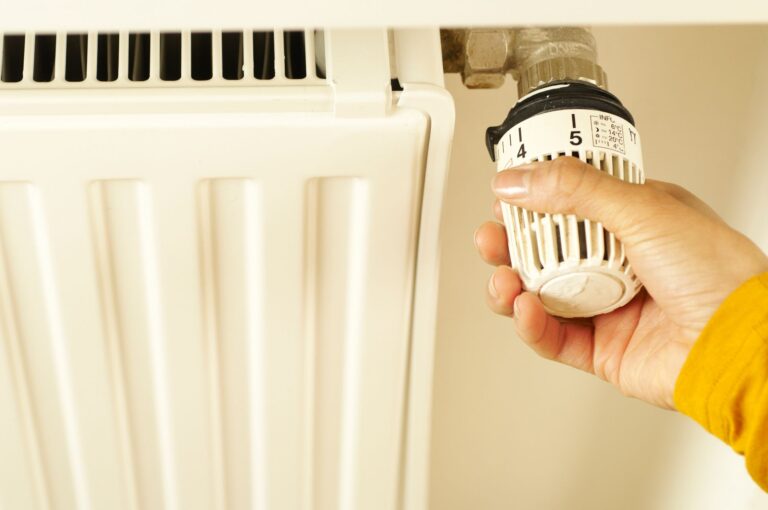

Picture the last time you forgot to adjust the thermostat before a weekend away, or cranked the heat in a room nobody was using. The right smart thermostat quietly handles those moments, learning your routine, trimming waste, and keeping every corner of your home at a temperature that actually feels right. The picks below cover central HVAC systems, electric baseboards, and room-by-room sensor setups, so the match depends less on brand hype and more on how your home is wired and how you live day to day.
The Shortlist At A Glance
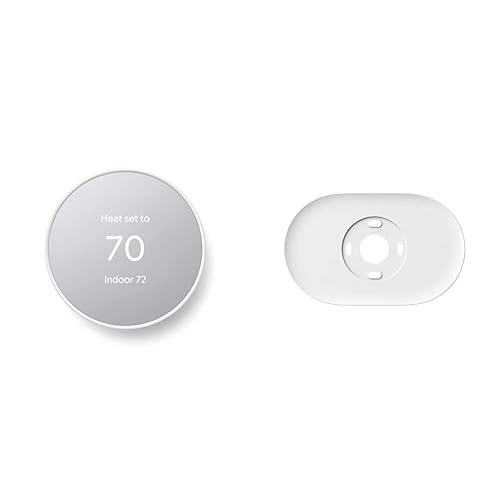
Google Nest Thermostat with Trim Kit (Snow)
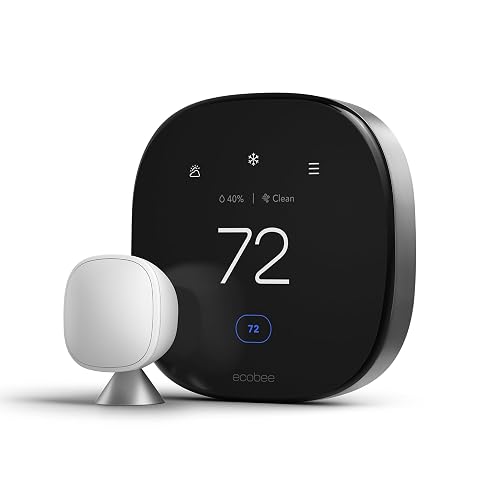
ecobee Smart Thermostat Premium with Smart Sensor
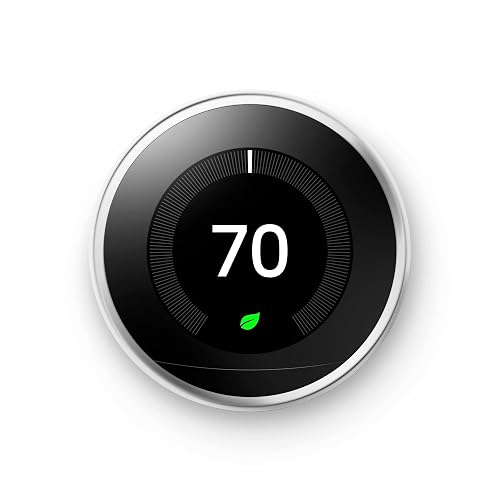
Google Nest Learning Thermostat (Polished Steel)

Mysa Smart Thermostat for Electric Baseboard Heaters 240V

ecobee SmartSensor 2-Pack
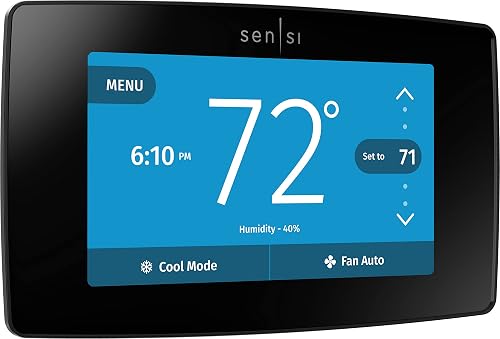
Sensi Touch Smart Thermostat ST75 (Black)
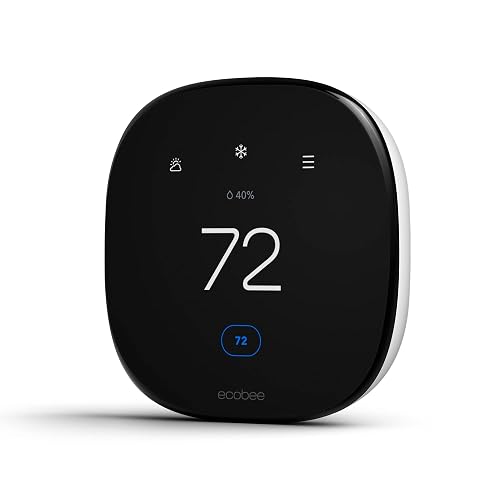
ecobee Smart Thermostat Enhanced
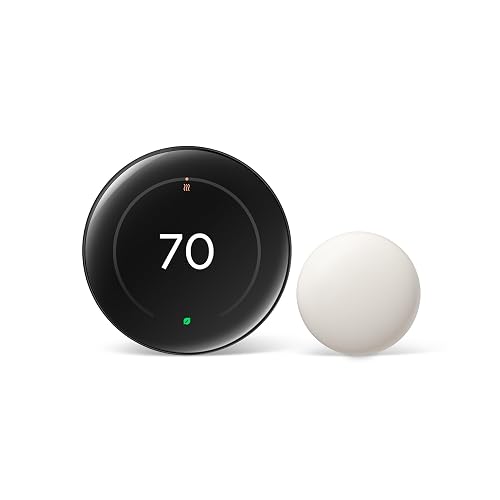
Google Nest Learning Thermostat 4th Gen with Temperature Sensor (Obsidian)
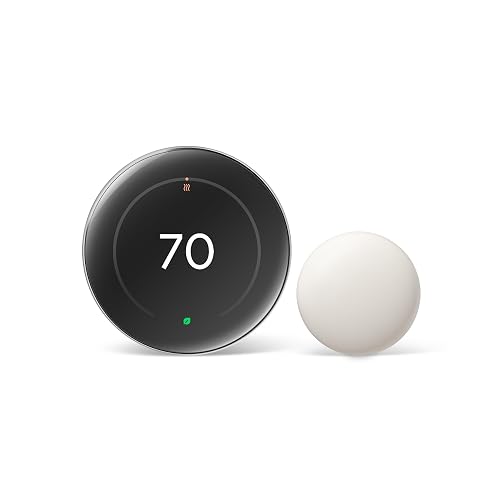
Google Nest Learning Thermostat 4th Gen with Temperature Sensor (Silver)
A Closer Look At Each Pick
Most households shopping smart thermostats for the first time want something that simply works, and the Google Nest Thermostat delivers exactly that. Its mirrored Snow finish blends into a hallway or living room without becoming the focal point. Compared to the larger 3rd-gen Learning model, this version trades a rotating dial for a touch strip on the right edge, which keeps the face clean and low-profile.
The included trim plate and steel plate make old-work and electrical-box installs easier, which matters in older homes where the existing opening is bigger than the new base. For a two-bedroom apartment or a family home, the everyday experience feels straightforward: set it up once, let the app handle the schedule, and adjust from a phone when plans change.
Points In Its Favor
- ENERGY STAR rated, so it targets efficiency from day one without extra configuration
- Auto-Schedule behavior trims heating and cooling when nobody is home, lowering utility bills over time
- Trim and steel plates cover paint lines and uneven drywall for a clean retrofit
- Google Home app control works on both Android and iPhone, which keeps shared households happy
Worth Noting
- Lacks the rotating dial that longtime Nest users may miss
- No built-in voice control, so a separate speaker is needed for hands-free commands
Feature Snapshot
Who Will Love This
First-time smart thermostat shoppers in apartments or single-family homes who want simple app control and a subtle wall profile.
Where A Sibling Pick Shines
Upgraders who want voice control built into the wall unit should look at the ecobee Smart Thermostat Premium with Smart Sensor instead.
The ecobee Smart Thermostat Premium is the model to beat when sensors, voice, and air quality all live on the wall. Unlike the original Google Nest, this unit ships with a SmartSensor that you can place in a nursery or finished basement to balance hot and cold spots. The built-in air quality monitor adds another layer for households sensitive to wildfire smoke or seasonal allergens.
For Siri and Alexa households, the built-in microphones and speakers remove the need to buy a separate smart speaker just to shout a temperature change. Most families will find the touchscreen snappy, the wall mount slim, and the bundled sensor enough to justify stepping up from the Enhanced model.
A Few Strong Suits
- SmartSensor included, so room-by-room comfort works out of the box
- Built-in air quality monitor tracks VOCs and CO2 trends for healthier indoor air
- Far-field microphones handle voice commands without a separate device
- Premium glass face looks at home in modern living spaces
Trade Offs
- Higher tier price makes it a stretch for basic central HVAC setups
- Smart home platforms work best when you already use HomeKit, Alexa, or Google
Built With In Mind
Smart home enthusiasts with multi-room layouts who want sensors, voice, and air monitoring in a single wall unit.
Consider Something Else When
Shoppers who only need basic scheduling should save money with the ecobee Smart Thermostat Enhanced below.
Older homes with thicker walls and high ceilings often have one room that never feels quite right, which is where the 3rd-gen Nest Learning Thermostat earns its reputation. The polished steel ring rotates with a satisfying click, and the brighter display makes temperatures readable from across a long hallway. Compared to the slimmer Snow model above, this one feels more substantial on the wall.
Learning takes a week or two of normal use, after which the schedule starts to write itself. The HVAC monitoring feature flags early signs of system trouble, which is useful for households with aging furnaces or heat pumps that benefit from a heads-up before a breakdown.
Why It Works Well
- Self-programming schedule saves you from manual setup after the first few days
- Energy History shows why your bill changed, which helps with seasonal planning
- HVAC alerts catch furnace or heat pump issues before they become emergencies
- Rotating ring and high-contrast display remain easy to operate without a phone
Points To Keep In Mind
- Learning period can feel unpredictable for the first two weeks
- Requires more wall space than the touch-strip Nest, which matters on narrow stairway walls
Quick Facts
Right Fit For
Homeowners with predictable weekday routines who want the thermostat to learn their habits without constant tinkering.
Skip It When
Renters who need a slimmer profile should choose the Google Nest Thermostat with Trim Kit instead.
Most picks in this roundup are built for central forced-air systems, but homes with electric baseboards need a different solution, and the Mysa is one of the few thermostats that handles line-voltage heat cleanly. It supports 120V to 240V baseboards and fan-forced heaters, which covers the majority of older condos and cottages in cold climates.
The catch, depending on your wiring, is that the unit needs four wires including a neutral or second live wire, so a quick peek behind the existing thermostat saves a return trip. You may find the install slightly different from a typical low-voltage swap, but the resulting app control and HomeKit support make daily life easier.
The Case For It
- Designed for line-voltage heaters that other smart thermostats cannot drive
- Temperature and humidity alerts help protect pipes in vacation homes
- Works with HomeKit, Alexa, and Google Home for flexible voice control
- Slim profile looks at home on modern baseboard trim
Some Limits To Know
- Requires a four-wire setup, so older two-wire homes may need an electrician
- Not compatible with low-voltage HVAC, which limits its use in mixed-heating households
Best Suited To
Owners of 120V or 240V electric baseboard or fan-forced systems who want app control and voice integration on a previously dumb heater.
Look Elsewhere When
Households with central forced-air HVAC should choose the ecobee Smart Thermostat Enhanced for a smoother experience.
Even the smartest thermostat on the wall can only read the room it sits in, which is why the ecobee SmartSensor 2-Pack belongs in many homes. The sensors detect occupancy through infrared and temperature changes, then talk to a compatible ecobee thermostat up to about 60 feet away. For split-level houses, finished basements, or bonus rooms over a garage, the difference in comfort is noticeable within a day.
Used alongside the ecobee Enhanced or Premium, the sensors shift the system to whichever room matters most at that moment. You may find that one sensor in the primary bedroom at night makes a bigger difference than any amount of new HVAC equipment.
Positive Takeaways
- Two sensors included, so you can cover the bedroom and living area in one purchase
- Occupancy detection helps the system focus on rooms people are actually using
- Wireless install means no extra wiring or drilling through finished walls
Potential Drawbacks
- Only pairs with compatible ecobee thermostats, not third-party systems
- Placement affects accuracy, so a hallway near an exterior door can skew readings
Perfect Match For
Households with an existing ecobee thermostat who want balanced comfort across bedrooms, offices, or finished basements.
Swap It Out When
You do not yet own an ecobee unit. Start with the ecobee Smart Thermostat Enhanced instead and add sensors later.
The Sensi Touch ST75 leans into a different philosophy from the rest of the list, with a color touchscreen that feels closer to a small tablet than a wall dial. The Black finish suits darker accent walls and modern kitchens where you want the device to read as a deliberate design choice. Compared to the Sensi Lite, the touchscreen makes manual adjustments fast for guests and kids.
Data privacy is the headline feature, since Sensi publicly commits to not selling usage data, which matters to households wary of cloud-connected devices. A C-wire is required, so older homes may need a simple adapter or a pull from the furnace before installing.
What Stands Out
- Color touchscreen reads cleanly from across the room
- Strong data privacy stance for households concerned about cloud tracking
- DIY-friendly install with clear in-app wiring guidance
- Works with Alexa for hands-free adjustments
Honest Caveats
- C-wire requirement adds an extra step during install in older homes
- App interface is functional rather than flashy, which may feel dated next to Nest or ecobee
At A Glance
Who Should Grab It
Families with a C-wire already in place who want touchscreen control and a privacy-forward platform.
Not Your Match When
Households without a C-wire and no easy access to the furnace should consider the Google Nest Thermostat with Trim Kit instead.
Stepping up from a basic programmable model does not always require a flagship spend, and the ecobee Smart Thermostat Enhanced sits in that useful middle. It borrows the occupancy-aware scheduling of the Premium while skipping the air quality monitor and the glass face, which keeps the wall profile friendly to a tighter budget.
For a young family or a recent homeowner, the Enhanced model often makes more sense than a top-tier unit. You can always add SmartSensors later to handle a stubborn nursery or home office, which keeps the upfront cost reasonable.
Practical Pluses
- eco+ features adjust temperatures automatically when you sleep or leave
- Compatible with existing SmartSensors for future room-by-room expansion
- Touchscreen interface is faster than scroll-and-click alternatives
Things To Consider
- SmartSensors are not included, so multi-room comfort requires a separate purchase
- Lacks the built-in voice control of the Premium tier
Feature Card
Made For
Budget-minded upgraders who want smarter scheduling and the option to add sensors later without replacing the thermostat.
Another Choice May Suit
Shoppers who want sensors in the box from day one should consider the ecobee Smart Thermostat Premium with Smart Sensor.
The 4th generation Nest Learning Thermostat is the biggest redesign in years, and the Obsidian finish leans into a darker, more sculptural look than the older polished steel. The bundled Nest Temperature Sensor (2nd gen) brings room-level awareness from the first day, which closes one of the biggest gaps that earlier Nest owners filled with separate purchases.
For households already deep in the Google Home ecosystem, the new display reads brighter, the learning feels smoother, and the system fits in well alongside Nest cameras and doorbells. In most homes, the result is a wall unit that pulls double duty as a small information display and a thermostat.
What Works In Its Favor
- Sensor bundled in the box, which saves a future add-on purchase
- Refined learning algorithm handles routine changes more gracefully than the 3rd gen
- Dark Obsidian finish suits modern, moodier interiors
- Brighter edge-to-edge display reads cleanly from across the room
Less Ideal Details
- Higher cost than the 3rd gen, which may be hard to justify for a basic swap
- Best experience requires a Google account and steady Wi-Fi
Whose Shelf It Belongs On
Style-conscious tech enthusiasts who want the latest Nest hardware, a darker finish, and a sensor in the box from day one.
Reach For A Different Pick When
Shoppers who prefer a lighter wall finish should choose the Google Nest Learning Thermostat 4th Gen with Temperature Sensor in Silver.
The Silver version of the 4th-gen Nest delivers the same learning and sensor bundle in a lighter finish, which suits kitchens and hallways with white or warm-neutral walls. Compared to the Obsidian model, the Silver ring catches daylight differently and looks slightly more traditional on a classic craftsman interior.
For households that want the newest Nest hardware without committing to a dark face, the Silver edition is the easy compromise. The included sensor means a single purchase covers the wall unit and a nursery or home office in one go.
The Value In It
- Sensor included for room-level comfort out of the box
- Silver finish blends with light wall colors and traditional trim
- Same refined learning engine as the Obsidian sibling
Where It May Fall Short
- Costs more than the 3rd-gen Nest, which may feel like a stretch for simple setups
- One included sensor may not be enough for large multi-level homes
The Right Fit
Homeowners with light or neutral interiors who want the latest Nest hardware, a sensor in the box, and a finish that does not dominate the wall.
A Better Fit Elsewhere
Buyers who prefer a darker aesthetic should pick the Google Nest Learning Thermostat 4th Gen with Temperature Sensor in Obsidian instead.
Matching A Thermostat To Your HVAC And Daily Routine
Start with the system itself, since not every thermostat speaks every furnace language. A C-wire is a common wire that provides continuous power to the thermostat, and many newer models require one for steady Wi-Fi and a lit display. Homes with electric baseboard heat need line-voltage thermostats like the Mysa, while central forced-air systems work with most other picks on this list.
Sensor support matters in multi-level homes, since a single wall reading rarely reflects the upstairs bedroom. The ecobee SmartSensor 2-Pack or the bundled Nest Temperature Sensor (2nd gen) make the biggest difference in houses with hot and cold pockets. For voice-first households, built-in microphones on the ecobee Premium remove the need for a separate smart speaker.
Privacy and data handling are worth comparing before you commit. Sensi publishes a clear data policy, while Google and ecobee lean on their broader smart home platforms. Pick the platform that matches how you already use your phone, since switching ecosystems later is rarely painless.
Key Considerations Across These Picks
Common Shopping Slip Ups
Buying for a system you do not have is the most frequent error, especially with line-voltage baseboards that need a unit like the Mysa. Skipping the C-wire check on the existing wall can lead to install-day surprises with models that need constant power. Compatibility matters more than app screenshots, so confirming HVAC type, voltage, and wire count before checkout saves a return trip.
Where The Extra Money Goes
Premium models add voice control, air quality sensors, and bundled room sensors that a budget thermostat cannot replicate. For households with stubborn hot or cold rooms, the sensor bundle alone often justifies the upgrade. If the home has a single open floor plan and predictable routines, the mid-tier Enhanced or 3rd-gen models usually deliver most of the benefit at a friendlier cost.
Frequently Asked Questions
Do smart thermostats really cut energy bills?
Most ENERGY STAR-rated models pay for themselves over a few seasons by trimming heating and cooling when nobody is home. Actual savings depend on climate, insulation, and how often the schedule changes, but a programmable schedule is the main driver.
Will a smart thermostat work without Wi-Fi?
Yes, every model here still runs as a programmable thermostat on the wall, so manual adjustments work during internet outages. App control, voice assistants, and learning features pause until the connection returns.
What is a C-wire and do I need one?
A C-wire, or common wire, supplies constant 24-volt power to the thermostat for Wi-Fi and the display. Models like the Sensi Touch ST75 require it, while the Google Nest Thermostat can work around it in many homes using the included trim plate setup.
Can I install a smart thermostat myself?
Most swaps take under thirty minutes with a screwdriver, a phone, and the in-app wiring guide. Turn off the HVAC breaker first, label each wire, and photograph the original wiring before disconnecting anything.
How long do these thermostats typically last?
Expect five to ten years of service with normal use, though Wi-Fi standards and smart home platforms evolve faster than the hardware. Plan to check for software updates a few times a year and consider a replacement if the app loses support.
Bottom Line
The best match depends less on brand and more on what your HVAC system needs and how your household actually lives day to day. Central-air homes with simple routines get plenty of value from mid-tier picks like the ecobee Enhanced or the Google Nest with Trim Kit, while sensor-heavy or voice-first households benefit more from the Premium and 4th-gen Nest bundles. Match the thermostat to the wiring, the wall, and your routine, and the rest of the savings tend to take care of themselves.