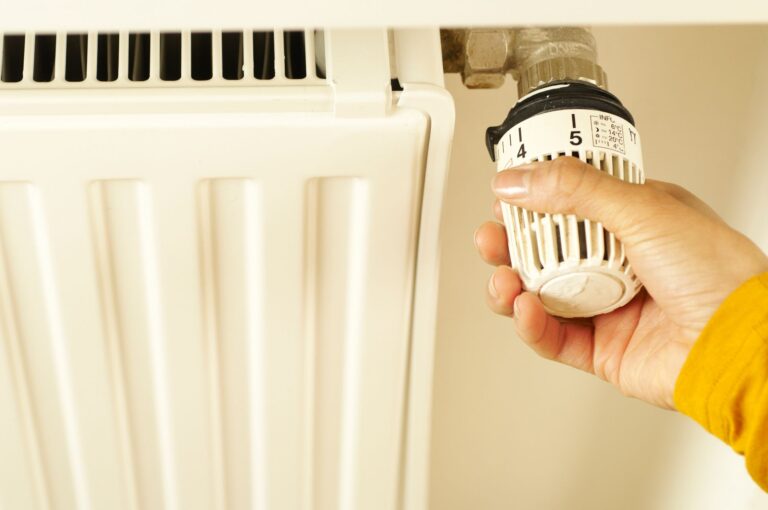

Heating an electric home is one of those quiet expenses that adds up faster than people expect. Picking the right thermostat changes that math by learning your routine, trimming run-time when nobody’s home, and keeping rooms steady through cold snaps. The picks below run the full spectrum, from app-driven learning thermostats with sensors to straightforward wall-mounted programmers that just get the job done. Most homeowners shopping in this category fall into one of three buckets: someone replacing a basic dial with something smarter, a renovator wiring a new system from scratch, or a homeowner looking to expand comfort control into the rooms that always feel off.
A Fast Comparison Of The Options
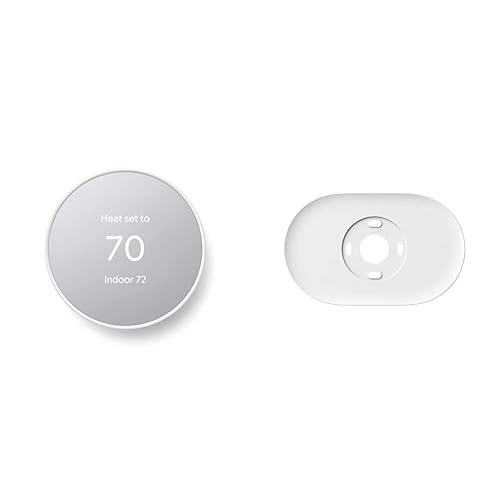
Google Nest Thermostat + Trim Kit (Snow)
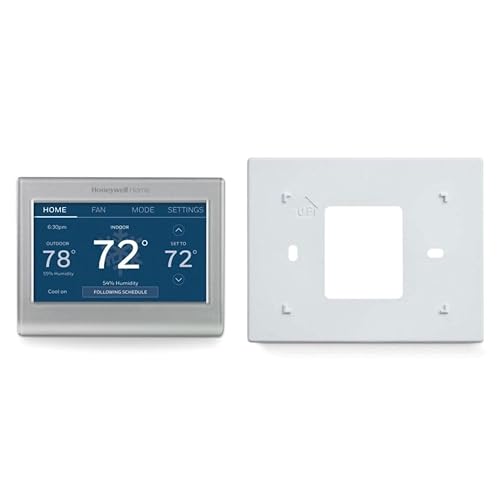
Honeywell Home RTH9585WF Wi-Fi Smart Color Thermostat + Wall Plate
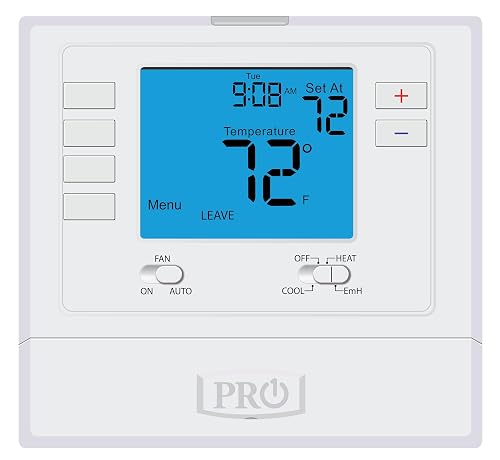
PRO1 T725 Heat Pump/Conventional Programmable Thermostat
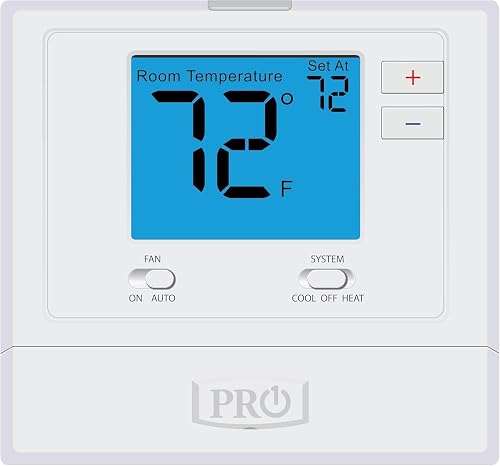
PRO1 T701 Single Stage Non-Programmable Wall Thermostat

PRO1 T715 Multi-Stage Programmable Gas Thermostat
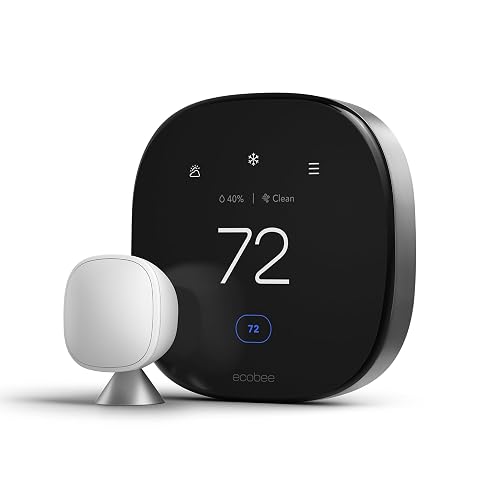
ecobee Smart Thermostat Premium with Smart Sensor
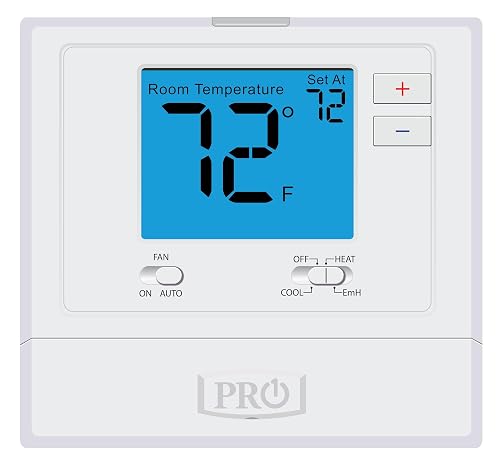
PRO1 T721 Non-Programmable Wall Thermostat
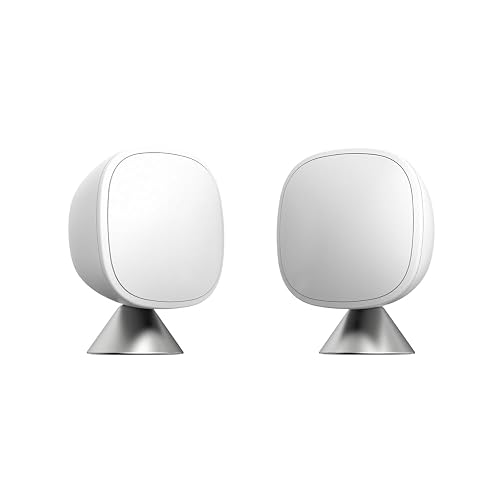
ecobee SmartSensor 2-Pack
ecobee Smart Thermostat Enhanced

PRO1 T805 Single Stage Programmable Wall Thermostat
More On The Choices That Made The List
The Google Nest Thermostat in Snow shows up most often in homes where someone wants smart features without the learning curve of a more complex panel. Setup runs through the Google Home app, and once it’s calibrated, the thermostat reads your patterns and turns the temperature down when the house empties out.
For electric heating, the real payoff is scheduling: cooler overnight setbacks and warm-up timing that lines up with when you actually wake up. A built-in trim plate helps cover paint lines from the old unit, and a steel plate lets you mount over an existing electrical box. ENERGY STAR certification means independent efficiency verification, useful when utility rebates come into play.
Bright Spots
- ENERGY STAR certified, so efficiency claims are independently verified and rebate-eligible in many regions
- Auto-away feature dials back the heat the moment it senses an empty home
- Trim plate and steel electrical-box plate included, saving a trip back to the hardware store
- Schedules and remote control run through the Google Home app on iPhone or Android
Points To Note
- Like the Honeywell Home RTH9585WF reviewed later, this model needs a common wire (C-wire) for full-time power in many electric systems, so older homes may need a workaround
- The mirror-finish Snow face shows fingerprints during routine touch adjustments
- Smart features depend on a stable Wi-Fi signal, which can matter in larger homes with the router at the far end
Built With In Mind
App-first households who want scheduling, learning, and remote control without paying for premium-tier sensors.
Swap It Out When
The ecobee Smart Thermostat Premium suits homeowners who want a built-in air quality monitor and bundled room sensor out of the box.
The Honeywell Home RTH9585WF leans into flexibility, giving homeowners a color touchscreen they can dress up to match the wall. It’s a smart choice when you want forced-air compatibility with electric, hot water, or steam systems but need to know one exclusion upfront.
For electric heating, this thermostat plays well with heat pumps that have electric backup strips, a common configuration in milder climates. Programming accepts seven-day or 5/1/1 schedules (weekday blocks plus Saturday and Sunday), and a peak-rate mode can throttle the temperature during expensive utility hours. The included wall plate hides older paint rings and gives a clean, level mount on drywall.
Useful Touches
- Customizable color screen blends into hallways, kitchens, or bold accent walls
- Compatible with forced air, hot water, steam, and heat pumps with electric backup
- Flexible 7-day programming plus peak-rate scheduling for off-peak utility use
- Bright, readable touchscreen works well from across the room
Things To Consider
- Will not work with 120-240V electric baseboard heat, so verify your system voltage before installing
- Wall plate is decorative only and won’t correct a misaligned junction box behind it
- Color customization happens through the app, not on-device, which is worth knowing if you skip the app entirely
Quick Facts
Right Fit For
Homeowners with forced-air electric, hot water, or steam systems who care as much about the look of the wall control as its features.
Look Elsewhere When
The PRO1 T725 is a more direct match for heat-pump homes that want heat-pump-specific staging without Wi-Fi complexity.
The PRO1 T725 lives in a useful middle ground, supporting 2 heat/1 cool heat pump systems while also running 1 heat/1 cool conventional setups. That dual identity matters for homeowners who might switch heating types down the road.
Programming accepts 7-day or 5/1/1 schedules, and the 4 sq. in. blue backlit screen reads cleanly from across a hallway. It’s a hardwired option that trades app connectivity for reliability, and the backlit glow-in-the-dark light button helps during late-night adjustments.
Notable Upsides
- Heat pump and conventional system support in one unit, useful for future system changes
- Flexible 7-day and 5/1/1 programming suits varied work and family routines
- Backlit display plus glow-in-the-dark light button for low-light operation
- Programmable scheduling runs the heating based on wake, leave, return, and sleep periods
Honest Caveats
- No Wi-Fi or app control, so remote adjustments aren’t possible from a phone
- Wiring and setup may require careful attention to terminal labels, especially during a heat-pump swap
- Display is functional rather than decorative, which may feel plain in renovated interiors
Who Will Love This
Heat-pump households with electric backup who want straightforward scheduling without a connected app.
Consider Something Else When
The ecobee Smart Thermostat Enhanced makes more sense for homeowners who want occupancy learning and remote app access.
The PRO1 T701 is the sort of thermostat that disappears into daily life. It’s designed for conventional 1 heat/1 cool systems and skips programming entirely, which is exactly the point for people who never wanted a learning curve.
Built on the T700 platform, it carries the same 4 sq. in. blue backlit display you’ll see on the T725, T721, and T715. Owners who appreciate low-fuss gear tend to like the glow-in-the-dark light button for hallway tweaks at night. For electric furnaces, this is a reliable upgrade from an old mercury dial.
Real Benefits
- Non-programmable design keeps daily use as simple as turning a dial up or down
- Blue backlit screen stays readable in dim hallways and at night
- Glow-in-the-dark light button for quick locating in low light
- Reliable replacement option for aging mercury-switch thermostats
Points To Keep In Mind
- No scheduling, so any efficiency gains come from manual adjustment rather than automation
- Single-stage only, so it won’t run a multi-stage electric furnace or heat pump with multiple heating steps
- Display is utilitarian, so it may clash with carefully designed interiors
Best Suited To
Homeowners with a straightforward 1 heat/1 cool conventional system who want reliability over features.
Where Another Pick Suits Better
The PRO1 T805 is a better fit for someone who wants programming flexibility on a similar single-stage platform.
The PRO1 T715 lands squarely in the multi-stage category, handling 2 heat/2 cool configurations. It works for 2 heat/2 cool systems and accepts 7-day, 5/1/1, or non-programmable modes, giving a household room to grow.
The 4 sq. in. blue backlit display follows the T700 family pattern, with a glow-in-the-dark light button for late-night visibility. Power can come from batteries or a hardwired common-source setup, which simplifies installation in older boxes. Programming covers the wake, leave, return, and sleep periods that define most household routines.
Notable Gains
- 2 heat/2 cool staging supports more advanced furnace and AC configurations
- Three operating modes, programmable, 5/1/1, or non-programmable, let you decide how much scheduling to use
- Battery or hardwired power options ease installation in older junction boxes
- Backlit display and glow-in-the-dark light button improve visibility in low light
Small Caveats
- No Wi-Fi or app control, so adjustments happen only at the wall
- Multi-stage wiring demands careful terminal mapping, especially during a switch from single-stage
- Plastic housing picks up scuffs over years of hallway use
Feature Card
Made For
Owners of multi-stage gas or electric systems who want scheduling without needing an app.
Not Your Match When
The Google Nest Thermostat (Snow) is a better fit for households wanting learning behavior and app-driven control on a single-stage system.
The ecobee Smart Thermostat Premium stretches the smart-thermostat category past temperature alone. It bundles a built-in air quality monitor and includes a SmartSensor, a small wireless accessory that detects both temperature and occupancy in another room.
Compared with the Google Nest Thermostat earlier in this list, the Premium leans harder into multi-room comfort. The included SmartSensor prioritizes rooms that matter most, like a home office during the day or a nursery overnight. Built-in voice control through Siri and Alexa removes the need for a separate smart speaker on the counter.
The Helpful Details
- Built-in air quality monitor, an unusual addition that helps track indoor conditions beyond temperature
- Included SmartSensor reads occupancy and temperature in another room for balanced comfort
- Built-in Siri and Alexa voice control without a separate smart speaker
- Geofencing uses your phone’s location to set back the temperature automatically when everyone leaves
- Smoke alarm detection sends a phone alert if a connected alarm goes off
Some Limits To Know
- Premium features like the air quality monitor and bundled sensor come at a noticeably higher cost than mid-tier picks
- Doorbell Live View depends on a compatible doorbell, which most households will need to add separately
- Glass front panel benefits from a microfiber wipe during routine cleaning to keep the display clear
Spec Overview
Who Should Grab It
Smart-home households with multi-room layouts who want sensor-based comfort and voice control in a single device.
Where A Sibling Pick Shines
The ecobee Smart Thermostat Enhanced fits homeowners who want most of these features without paying for the air quality monitor.
The PRO1 T721 keeps the same non-programmable philosophy as the T701 but extends it to 2 heat/1 cool heat pump or 1 heat/1 cool conventional systems. It’s the T700 platform with one extra stage of heating, which is the practical difference that matters for heat pumps.
You get the same 4 sq. in. blue backlit display and glow-in-the-dark light button found across the T700 family. Power comes from AA batteries, so installation stays clean in junction boxes that lack a common wire.
Useful Highlights
- Supports 2H/1C heat pumps or 1H/1C conventional systems without reprogramming
- AA battery power removes the need to fish a C-wire through existing walls
- Blue backlit display stays readable in dim hallways
- Glow-in-the-dark light button for quick locating at night
Less Ideal Details
- No scheduling capability, so the unit runs the system whenever temperature drifts past the setpoint
- Battery-only operation means periodic AA swaps, usually once per heating season
Perfect Match For
Heat-pump households that want set-and-forget operation without app control or scheduling.
Another Choice May Suit
The PRO1 T725 is a better fit when you want the same heat-pump support but with full 7-day programming.
The ecobee SmartSensor 2-Pack is an accessory, but a useful one. Each sensor reads temperature and occupancy in a separate room and pushes that information to a compatible ecobee thermostat over a wireless link.
For multi-room electric heating, this is often the missing piece. A main thermostat typically lives in a hallway, so the bedroom or home office ends up over- or under-heated. The sensors let the system prioritize whichever room matters most at that moment, adjusting heating to keep the occupied space comfortable.
What Makes Sense
- Infrared occupancy detection knows when a room is actually in use
- Wireless range of up to 60 feet covers most homes without repeaters
- Two-pack allows coverage of a primary and secondary room at once
- Integrates with the ecobee Smart Thermostat Enhanced or Premium without extra hubs
Worth Bearing In Mind
- Only works with compatible ecobee thermostats, not as a standalone accessory
- Battery-powered sensors need occasional battery changes, typically once a year
- Placement matters; sensor reads best at seated height away from drafts and direct sunlight
Feature Rundown
Whose Shelf It Belongs On
Owners of compatible ecobee thermostats in homes with rooms that always feel off compared to the hallway.
Skip It When
The ecobee Smart Thermostat Premium makes more sense as a starting point for new smart-thermostat owners, since it ships with one sensor already.
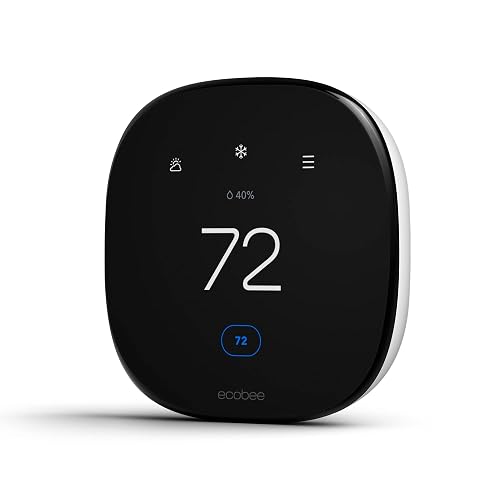
The ecobee Smart Thermostat Enhanced sits a step below the Premium in the lineup but keeps most of the everyday functionality. It runs the eco+ suite, which is the umbrella for ecobee’s automatic energy savings features.
For electric heating, the standout is occupancy-based scheduling. The thermostat tunes itself down when it senses an empty home, and revives the temperature before you walk back in. It also suggests schedule changes based on real usage patterns, which is the kind of low-effort tuning most people won’t sit down to do manually.
What Helps Most
- eco+ savings adjust temperatures automatically when you’re away or asleep
- Schedule suggestions tune the program to match how you actually live
- Works with Apple Watch, phones, and major smart-home platforms
- Compatible with the SmartSensor 2-Pack reviewed above for room-by-room comfort
Practical Considerations
- Lacks the air quality monitor and voice control of the Premium model
- Wi-Fi dependence means the smart features quiet down if the network drops
- Touchscreen surface collects fingerprints during routine adjustments
Made For
Mid-tier smart-home households who want energy savings and remote control without the top-of-line price.
Reach For A Different Pick When
The Google Nest Thermostat (Snow) is a strong alternative for households already invested in the Google Home ecosystem.
The PRO1 T805 steps the T700-platform formula up to a 7 sq. in. blue backlit display, noticeably larger than the 4 sq. in. screens on the T701, T721, and T725. For anyone with aging eyes or a thermostat mounted across a large room, that extra real estate matters.
It supports 1 heat/1 cool conventional systems and offers 7-day, 5/1/1, or non-programmable modes. Programming covers the same wake, leave, return, and sleep blocks as the rest of the family. The glow-in-the-dark light button follows the family pattern, helpful in dim hallways.
Everyday Wins
- Extra-large 7 sq. in. display for clearer temperature and schedule reading
- 7-day, 5/1/1, or non-programmable modes for flexible scheduling
- Glow-in-the-dark light button for quick locating at night
- Reliable single-stage performance for standard conventional systems
Trade-Offs To Consider
- Single-stage only, so it won’t run a multi-stage electric furnace or heat pump system
- No Wi-Fi or app connectivity, so remote adjustment isn’t an option
- Larger display means a slightly bigger footprint on the wall than the T701
Spec Overview
Who It Suits Best
Conventional-system households who want a programmable thermostat with an oversized, easy-to-read display.
A Better Fit Elsewhere
The ecobee Smart Thermostat Enhanced is worth a look if remote app control and occupancy learning matter more than display size.
What Matters Most When Shopping For Electric-Heating Thermostats
System Compatibility Comes First
Electric heating covers more territory than people expect. Forced-air electric furnaces, heat pumps with electric backup strips, hot water radiators, steam systems, and 120-240V baseboard heaters all fall under the “electric heat” label, and each has different thermostat requirements. The Honeywell Home RTH9585WF reviewed above is a useful example: it works with most of those systems but explicitly excludes line-voltage baseboard heat. Always check the voltage and staging before ordering, because swapping in the wrong thermostat can mean return shipping and a delayed project.
Programmable vs Non-Programmable
A programmable thermostat with a 7-day or 5/1/1 schedule can trim run-time during work hours and overnight. For electric heating, those setbacks matter because electricity tends to cost more per BTU (British thermal unit, a measure of heating energy) than gas, so wasted run-time shows up on the bill faster. Non-programmable options, like the PRO1 T701, work for households that prefer to set the temperature once and let the system hold it. The honest read is that most electric homes benefit from at least basic scheduling, but a learning thermostat only helps if someone actually engages with the app.
Smart Features And Sensors
Wi-Fi control, occupancy learning, and remote sensors add comfort, especially in homes where the main thermostat sits in a hallway and the rooms that matter are bedrooms, home offices, or finished basements. The ecobee SmartSensor 2-Pack reviewed above solves that exact problem by feeding room-level data back to a compatible thermostat. For multi-story electric homes, one or two sensors often matter more than the brand of the wall unit itself.
Wiring Reality Check
Many smart thermostats need a common wire (C-wire) for continuous power, which older homes may lack. Battery-powered options, like the PRO1 T721, sidestep the issue but trade convenience for periodic battery swaps. Before ordering, take a photo of the existing thermostat’s wiring and check the terminal count.
Key Considerations Across These Picks
Mistakes Worth Dodging
The most common slip-up in this category is buying a thermostat that doesn’t match the system voltage. A line-voltage baseboard heater running at 240V needs a different class of thermostat than a low-voltage forced-air furnace, and the two are not interchangeable. The next common error is ignoring the C-wire, then discovering after install that the smart features only work with a power adapter. Finally, a surprising number of households pick a learning thermostat, install it, and never set up a schedule, which leaves the savings features idle. Smart thermostats reward a few minutes of upfront configuration.
When Paying More Pays Off
The premium tier in this category buys three things: a built-in air quality monitor, integrated voice control, and bundled room sensors. For most electric-heating homes, those features are nice-to-have rather than essential, but they earn their place in households that want one device on the wall rather than a stack of accessories. The ecobee Smart Thermostat Premium is the clearest example. Paying more also tends to buy better build quality, larger displays, and more polished apps, which matters if the thermostat lives in a visible part of the home.
Frequently Asked Questions
Do smart thermostats actually save money on electric heat?
In most homes, yes. The savings come from automatic setbacks during empty hours and smarter recovery times. A programmable or learning thermostat typically pays for itself over one or two heating seasons for electric systems, where each degree of setback compounds across a long winter.
Will any of these work with electric baseboard heaters?
Most of the picks in this roundup are designed for low-voltage systems, which excludes 120-240V baseboard heat. Line-voltage baseboard thermostats are a separate product category and need different wiring, so verify your system type before ordering.
Is a C-wire always required?
Not always. Battery-powered options like the PRO1 T721 work without one, and many smart thermostats ship with power adapters that draw from existing wires. That said, a proper C-wire gives the most stable power supply and is worth adding during a renovation.
How do room sensors change the experience?
A single thermostat in a hallway can leave bedrooms or offices over- or under-heated. Room sensors, like the ecobee SmartSensor 2-Pack, push actual room data back to the main unit, so the system prioritizes whichever space is occupied. In a multi-story electric home, that can be the difference between comfort and constant manual adjustments.
What is staging, and does it matter for electric homes?
Staging refers to how many heating steps the system can run, like a low and high fire. A multi-stage furnace (2 heat/2 cool) uses a thermostat like the PRO1 T715, while a single-stage system uses a thermostat like the PRO1 T701. Matching the thermostat to the system keeps the heating cycle efficient and prevents short-cycling.
Closing Remarks
The right smart thermostats for electric heat depend on the system you have, the rooms you want to prioritize, and how much you want to think about it afterward. A straightforward single-stage electric furnace pairs well with a dependable programmable pick. A heat pump home benefits from a model with explicit heat-pump support. A multi-story house with rooms that never feel right can lean on smart features and room sensors to handle the imbalance. Pick the unit that matches the wiring on the wall, give it a few minutes of setup, and let the schedule do the work.