

Finding a thermostat that fits your HVAC setup shouldn’t feel like decoding a wiring manual. The right wall unit cuts your energy bill, keeps the nursery at a steady 68°F, and stops you from walking downstairs at midnight to adjust a finicky dial. After sorting through ten options built for different system types, room sizes, and comfort preferences, these are the wall-mounted and specialty picks worth your attention this year.
Your Options, Compared
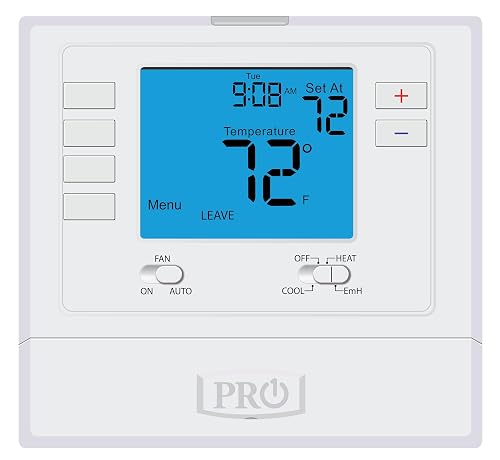
PRO1 T725 Heat Pump/Conventional Programmable Wall Thermostat

PRO1 T771 Single Stage Non-Programmable Wall Thermostat
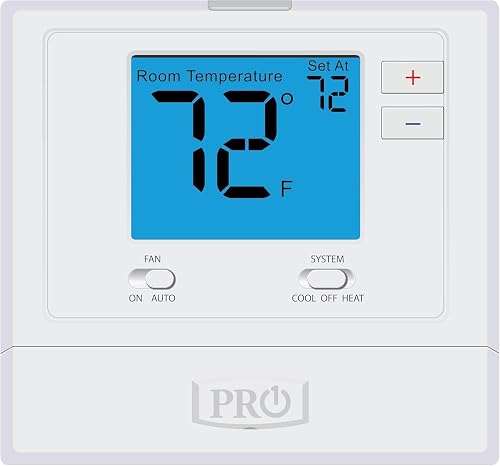
PRO1 T701 Single Stage Non-Programmable Wall Thermostat

PRO1 T715 Multi-Stage Programmable Gas Thermostat
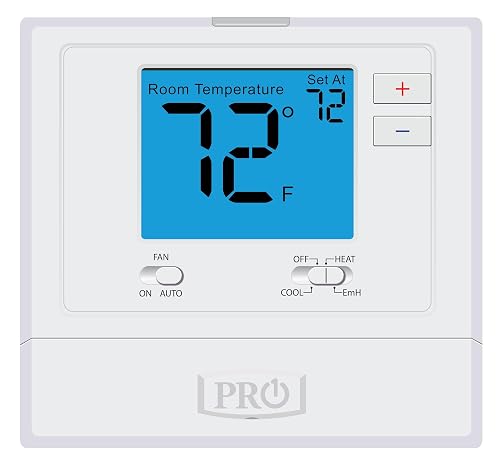
PRO1 T721 Non-Programmable Wall Thermostat
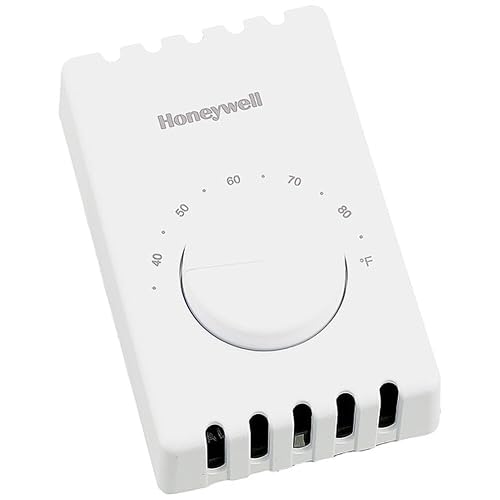
Honeywell T410A1013 Electric Baseboard Heat Thermostat
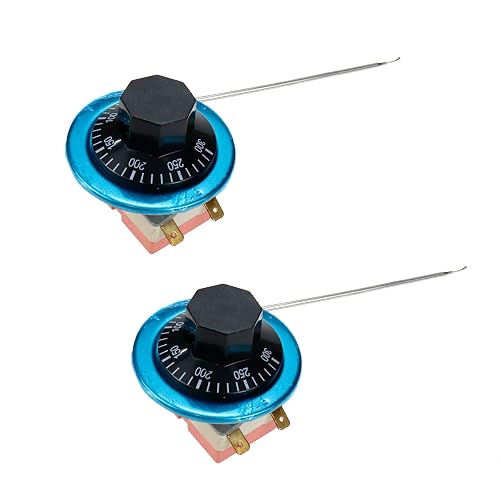
Rannb Capillary Thermostat Switch 50-300°C (2-Pack)
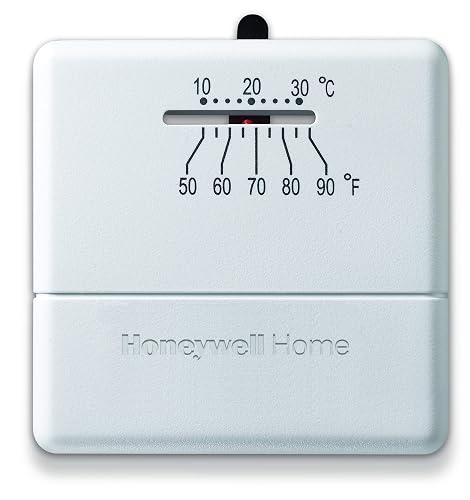
Honeywell Home CT30A1005 Standard Manual Economy Thermostat

PRO1 T805 Single Stage Programmable Wall Thermostat
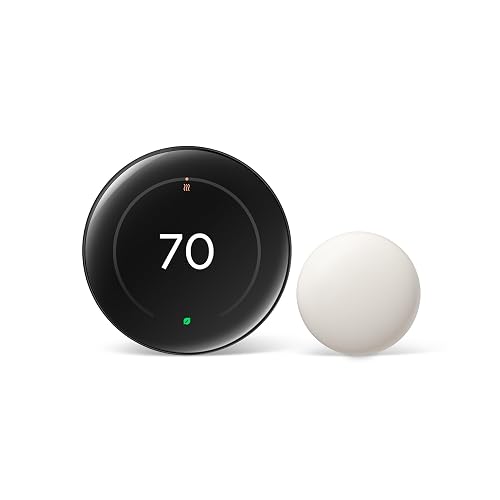
Google Nest Learning Thermostat (4th Gen) + Sensor Bundle
The Strengths Of Each Pick
Homes running a heat pump on one system and a conventional furnace on another rarely find a single wall unit that covers both. The T725 changes that by accepting 2 heat/1 cool heat pump wiring and 1 heat/1 cool conventional wiring, so the same wall box handles backup heat switching without a second thermostat. Sitting on the PRO1 T700 platform, it offers 7-day or 5/1/1 day programming, which means a different wake, leave, return, and sleep temperature for each weekday, then a separate weekend block.
The 4 sq. in. blue backlit display is large enough to read across the room, and the glow-in-the-dark light button helps during late-night adjustments. You can power it with AA batteries or hardwire it from the common wire, which simplifies retrofit installs. You may find the menu navigation takes a session or two to learn, but once configured, it runs quietly in the background.
What Makes Sense
- Dual compatibility covers both heat pump and conventional setups in one unit
- 7-day and 5/1/1 scheduling matches real weekly routines instead of a single fixed program
- Blue backlit 4 sq. in. display stays readable in low light, helpful for hallways and bedrooms
- Battery or hardwire power options suit retrofit homes without a C-wire
Small Caveats
- Programming menu has a learning curve, so the first setup takes patience
- Lacks Wi-Fi, so no app-based remote adjustments when away
Who It Suits Best
Homeowners with a heat pump plus a backup conventional system who want one wall control instead of two.
Consider Something Else When
You want full smartphone control and learning behavior, in which case the Google Nest Learning Thermostat (4th gen) is the more fitting choice.
Most living-room thermostats bottom out at 50°F, which is useless in an uninsulated garage in February. The T771 goes the other way with a setpoint range stretching from 25°F to 90°F, making it a natural fit for spaces that need freeze protection or unusually cool holding temperatures. It’s a non-programmable unit designed for 1 heat/1 cool conventional systems, so the controls stay simple.
The 4 sq. in. blue backlit display shows the current temperature clearly, and swing adjustment plus calibration settings let you fine-tune the reading to match a separate thermometer. Owners commonly mount this in detached workshops, sheds, and converted bonus rooms where a smart thermostat would be overkill. The catch is the lack of scheduling, so you set it and forget it, adjusting the dial manually with the seasons.
Noteworthy Benefits
- 25°F to 90°F setpoint range covers low-temp spaces that standard thermostats cannot reach
- Swing adjustment and calibration help dial in accuracy for sensitive storage areas
- Simple non-programmable operation reduces accidental setting changes
Trade-Offs To Consider
- No scheduling means manual adjustment for seasonal shifts
- Not designed for multi-stage or heat pump systems, so it stays a specialty pick
Made For
Anyone heating or cooling a garage, shed, or workshop that needs setpoints beyond the range of a standard home thermostat.
Look Elsewhere When
You need a 1 heat/1 cool conventional unit for a main living space, where the PRO1 T701 offers similar simplicity with a more typical temperature range.
The T701 is the kind of thermostat you install and barely think about again. It handles standard 1 heat/1 cool conventional systems, supports gas or electric configurations, and runs on the same T700 platform found across the PRO1 IAQ lineup. You turn the dial, the room responds, and nothing else demands your attention.
The 4 sq. in. blue backlit display is generous for a non-programmable unit, and the glow-in-the-dark light button makes mid-night adjustments painless. You can power it with two AA batteries or pull from a common wire, which keeps the install flexible. Without scheduling, this thermostat works best in homes where one person sets a temperature in the morning and nobody else touches the wall.
Where It Excels
- 4 sq. in. display and glow-in-the-dark button improve visibility for older eyes and late-night use
- Gas or electric compatibility broadens the install options across most conventional HVAC setups
- Battery or hardwire power accommodates older homes without a C-wire
- Non-programmable design keeps operation intuitive for guests, kids, and older relatives
Honest Caveats
- No weekly scheduling, so energy savings depend on manual discipline
- Single-stage only, which limits it to simpler furnaces and AC units
Quick Facts
Best Suited To
Households running a straightforward central system who want a low-fuss wall thermostat without app distractions.
A Better Fit Elsewhere
Two-stage furnace owners should look at the PRO1 T715 instead, since the T701 cannot manage multi-stage heating.
Larger homes with two-stage gas furnaces need a thermostat that knows the difference between low fire and high fire, and the T715 does. It supports 2 heat/2 cool systems with 7-day, 5/1/1, or non-programmable modes, which means you choose the level of scheduling that fits your routine. Where the T701 only handles a single stage, this one spreads the load across your equipment for steadier temperatures.
The 4 sq. in. blue backlit screen with a glow-in-the-dark light button keeps things visible after dark, and the menu gives you enough depth to set temperature differential and cycle limits. Battery or hardwire power keeps the install friendly for retrofits. You may find the configuration process more involved than a basic non-programmable, so budget a quiet afternoon for setup.
Bright Spots
- 2 heat/2 cool support matches two-stage gas furnaces and matching AC compressors
- Flexible scheduling with 7-day, 5/1/1, or non-programmable modes in one unit
- Blue backlit display plus glow-in-the-dark button for low-light visibility
- Battery or hardwire power suits homes with or without a C-wire
Points To Note
- Setup takes more attention than a single-stage unit, especially the first configuration
- More menu depth than casual users may want for a basic room thermostat
Right Fit For
Homeowners with two-stage gas furnaces who want better temperature control without paying smart-thermostat prices.
Skip It When
Your system is single-stage, since the PRO1 T701 covers that scenario with less menu complexity.
Mid-transition homes often have a heat pump today and a conventional system in the wings, which leads to buying the wrong thermostat twice. The T721 sidesteps that by accepting either 2 heat/1 cool heat pump wiring or 1 heat/1 cool conventional wiring, so you can swap the equipment type without swapping the wall unit. It runs on the T700 platform, keeping the controls familiar if you’ve used other PRO1 IAQ thermostats.
The 4 sq. in. blue backlit display with a glow-in-the-dark light button is consistent with the rest of the line, and you can power it from AA batteries or a hardwired common. Because it is non-programmable, you skip the schedule menus entirely, which is the trade-off for the lower cost. Depending on your climate, you may miss scheduling on winter mornings, but the simpler controls mean fewer accidental changes.
A Few Strong Suits
- Switchable between heat pump and conventional system types without rewiring the wall plate
- Backlit display with glow-in-the-dark button supports nighttime adjustments
- Battery or hardwire power fits older and newer homes alike
Worth Noting
- Non-programmable only, so no automatic setback for sleeping or working hours
- No Wi-Fi connectivity, which rules out remote app control
Feature Snapshot
Who Should Grab It
Homeowners planning a future equipment swap who want one thermostat that survives the transition.
Reach For A Different Pick When
You want full weekly scheduling, in which case the PRO1 T805 offers a larger display and 7-day programming on the same platform.
Electric baseboard heaters run on line voltage, and a low-voltage thermostat will not work on them. The T410A is a line voltage unit built specifically for 120/240V electric heating, and it replaces most two-wire T410A-style wall thermostats already in place. The snap-action switch closes the heating circuit on temperature fall, which is a simple mechanism that lasts.
Installation is friendly thanks to the 6 in. color-coded leads, and the rugged plastic mounting base plus one-piece vented cover handle the heat a baseboard generates. The Micro Switch mechanism inside is rated for long-term cycling, which matters because electric heat tends to short-cycle more than gas. The honest read is that this is a no-frills dial, and that’s the point, but you trade any scheduling or backlit display for that simplicity.
Strengths Worth Knowing
- Line voltage compatibility (120/240V) matches electric baseboard and convection heaters
- Color-coded leads simplify replacement wiring for DIYers comfortable with electrical work
- Micro Switch mechanism supports long-term cycling on electric heating loads
- Snap-action switch closes the circuit on temperature fall, reducing relay wear
Points To Keep In Mind
- Mechanical dial only, so no backlit display or digital readout
- Not compatible with low-voltage central HVAC systems, limiting it to line-voltage electric heat
Who Will Love This
Anyone replacing a worn-out baseboard thermostat in a bedroom, addition, or basement where electric heat is the primary source.
Not Your Match When
You need a heat-only mechanical thermostat for a low-voltage system, where the Honeywell Home CT30A1005 fits more conventional furnace wiring.
Living-room thermostats cap out around 90°F, which is useless when you are rebuilding a 500°F electric oven or a 250°F water boiler. The Rannb Capillary Thermostat Switch runs a 50°C to 300°C rotary control range, with a 130 mm probe on a 6 mm diameter capillary that reads the temperature where the bulb sits. The two-pin connection drops into the appliance’s existing wiring.
Each unit is rated for 16A at 250V, which covers most household appliance loads. You get two switches in the pack, so a single purchase covers a paired project like a kiln and a curing oven, or one as a spare. Owners commonly report that the rotary adjustment is sensitive, so small turns make noticeable temperature shifts, which is worth knowing during calibration.
The Value In It
- 50°C to 300°C range handles ovens, water boilers, and warm-air equipment
- 130 mm probe reaches into appliance interiors for accurate readings
- Two-pack format supports paired projects and provides a spare for future repairs
Practical Considerations
- Not a living-space wall thermostat, so it is not a direct replacement for home HVAC units
- Two-pin connection requires basic wiring knowledge for safe install
Built With In Mind
DIYers repairing or upgrading electric ovens, water boilers, and warm-air equipment who need a high-temp replacement switch.
Swap It Out When
You need a wall thermostat for a home HVAC system, in which case the Honeywell T410A1013 is the correct line-voltage option for electric baseboard heat.
Not every wall needs Wi-Fi, learning algorithms, or a backlit touchscreen. The CT30A1005 is a heat-only manual thermostat with a bimetal temperature sensor, which is the same technology that has warmed older homes for decades. Turn the dial, the bimetal coil responds, and the heat comes on. The almond finish blends into older interiors where glossy white screens would look out of place.
There is no off switch, so the unit is always in heating mode, and no programming means no menus to learn. Mercury-free construction removes the older switch fluid, and the decorative back plate hides rough paint edges around the wall opening. The trade-off is real: in most homes, this is a single-room or single-zone solution, and you lose any chance of scheduling.
Notable Gains
- Bimetal sensor provides decades-proven reliability for heat-only systems
- Mercury-free design suits modern environmental preferences
- Almond finish and decorative back plate complement traditional wall paint
Trade-Offs To Consider
- No off switch, so the unit always governs heating when wired in
- Heat-only, so cooling systems are not supported on this thermostat
Perfect Match For
Older homes with simple heat-only systems where a no-frills dial is more useful than a programmable screen.
Where A Sibling Pick Shines
You want heat and cool control in one unit, where the PRO1 T701 handles 1 heat/1 cool conventional systems with a digital display.
Reading a thermostat from across the kitchen is easier when the screen is large, and the T805 stretches the display to 7 sq. in., noticeably bigger than the 4 sq. in. panels on the T700-series models earlier in this list. It supports 1 heat/1 cool conventional systems with 7-day, 5/1/1, or non-programmable modes, so you choose the scheduling depth that fits your routine.
The blue backlit display stays readable in low light, and the glow-in-the-dark light button makes it easy to find in a dark hallway. You can also drop into non-programmable mode if you decide the schedule is more work than it’s worth. Depending on your living space, the larger face may cover an oversized wall opening, so measure before swapping an older thermostat in.
Where It Helps
- 7 sq. in. display improves readability for aging eyes and across-room viewing
- Three mode choices (7-day, 5/1/1, or non-programmable) match a range of routines
- Glow-in-the-dark button makes the unit findable in dark hallways or bedrooms
Some Limits To Know
- Larger face may cover a wider hole in the wall than older thermostats left behind
- Single-stage only, so multi-stage furnace owners should look at the PRO1 T715
Key Product Details
Whose Shelf It Belongs On
Homeowners with a conventional 1 heat/1 cool system who value a large, easy-to-read display and flexible scheduling.
Not Your Match When
You need a heat pump-compatible wall unit, in which case the PRO1 T725 supports 2 heat/1 cool heat pump wiring.
The Nest Learning Thermostat (4th gen) sits at the smart end of this list and brings app-driven climate control to homes ready for connected devices. It learns the temperatures you prefer and the times you set them, adjusting the schedule as your routine shifts across the week. The bundled Nest Temperature Sensor (2nd gen) lets you prioritize a specific room, which solves the classic “thermostat reads the hallway, not the nursery” problem.
The Obsidian finish gives it a darker, low-glare look on the wall compared to earlier stainless options. Setup requires a C-wire in most homes, so older wiring may need a power adapter or professional install. You may find the learning period takes a couple of weeks before it nails your preferences, and remote features depend on a stable home network.
Good Reasons To Consider
- Learning behavior builds a schedule without manual programming
- Bundled temperature sensor prioritizes a specific room’s reading
- App control supports remote adjustments from anywhere with a network
- Obsidian finish offers a darker, less reflective wall presence
Things To Weigh
- Requires a C-wire or compatible power accessory in most installs
- Smart features depend on a reliable home Wi-Fi connection
Quick Technical Notes
The Right Fit
Smart-home users who want learning schedules, app control, and room-priority sensors in one bundle.
Where Another Pick Suits Better
Renters or anyone avoiding Wi-Fi dependency should consider the PRO1 T805, which keeps weekly scheduling without needing an internet connection.
What To Know Before Choosing A Wall Thermostat
Match The Thermostat To Your System Type
The single biggest mistake is buying a thermostat before confirming the HVAC system behind the wall. Heat-only mechanical units like the Honeywell Home CT30A1005 will not run a central air conditioner, and a 24V digital unit will not safely switch a 240V baseboard heater. Check the wiring first, count the terminals, and confirm whether you have a conventional furnace, a heat pump, or line-voltage electric heat. PRO1 IAQ’s T700 and T800 platforms cover most low-voltage configurations, while the Honeywell T410A covers the line-voltage cases.
Decide How Much Scheduling You Actually Need
Programmable thermostats only save energy when the schedule matches real life. A 7-day schedule makes sense for households where weekdays and weekends differ noticeably, while a 5/1/1 schedule works for the more common weekday routine plus a separate weekend block. Non-programmable units still have a place in rooms where one temperature is set and left alone, and skipping scheduling keeps the controls dead simple for guests and older family members.
Consider Display Size And Readability
The difference between a 4 sq. in. screen and a 7 sq. in. screen is meaningful across a living room or down a hallway. The PRO1 T805’s larger display helps anyone who struggles with smaller text, and glow-in-the-dark light buttons on most PRO1 IAQ units make nighttime adjustments easier. If the thermostat lives in a dark hallway or a bedroom, prioritize backlighting and a button that finds itself in the dark.
Think About Power Source And Installation
Battery-powered thermostats are friendly for retrofits in homes without a C-wire, which is the common return wire many smart and digital units require. The PRO1 IAQ lineup generally offers both battery and hardwire options, while the Google Nest Learning Thermostat typically needs a C-wire or a compatible power accessory. Line-voltage units like the Honeywell T410A1013 should be installed with care and a basic understanding of electrical safety.
Key Considerations Across These Picks
Common Shopping Slip Ups
The most common mistake is buying a multi-stage thermostat for a single-stage system, or a smart thermostat for a home without a C-wire and stable Wi-Fi. Measure the wall opening too, since the T805’s larger face may not cover a hole left by an older square unit. Always confirm terminal letters and system type before checkout, and remember that line-voltage electric heat needs a different class of thermostat than central HVAC.
Where The Extra Money Goes
The jump from a basic non-programmable unit to a learning smart thermostat pays for sensors, Wi-Fi radios, app development, and a larger display. The Nest bundle’s temperature sensor alone solves room-priority problems that no wall thermostat can fix, which is the real value of the higher tier. For most households, a mid-range programmable unit like the PRO1 T715 or T805 captures most of the comfort benefit without the smart-home learning curve.
Frequently Asked Questions
What is a C-wire and do I need one?
A C-wire, or common wire, provides continuous 24V power to a digital thermostat so it does not rely on batteries. Smart thermostats like the Google Nest typically need one, while most PRO1 IAQ units can run on AA batteries if your home lacks the wire.
Can one thermostat handle both a heat pump and a conventional system?
Some can. The PRO1 T725 is built for 2 heat/1 cool heat pump wiring and 1 heat/1 cool conventional wiring, making it a strong fit for homes with both system types feeding one indoor unit.
Are line-voltage thermostats safe to install yourself?
Line-voltage units like the Honeywell T410A1013 carry 120V or 240V, so you should turn off the breaker at the panel and confirm the circuit is dead before touching the leads. If you are not comfortable with electrical work, a licensed electrician is the safer call.
How does a room temperature sensor improve comfort?
A wireless sensor, like the one bundled with the Nest Learning Thermostat, reports the temperature from a specific room rather than the hallway where the thermostat sits. This lets the system prioritize the nursery, home office, or bonus room over a less-used corridor.
What is the difference between programmable and learning thermostats?
Programmable thermostats follow a schedule you set manually each week, while learning thermostats observe your adjustments and build a schedule automatically. Programmable units cost less and keep working without Wi-Fi, which is a real plus for simpler homes.
The Takeaway
Your system type, room layout, and comfort expectations do most of the talking here. A garage, a main living space, and a two-stage gas furnace each point toward a different pick, and the right thermostat should make your week quieter, not busier. Pick the model that matches your wiring today, and the rest of the comfort comes naturally.