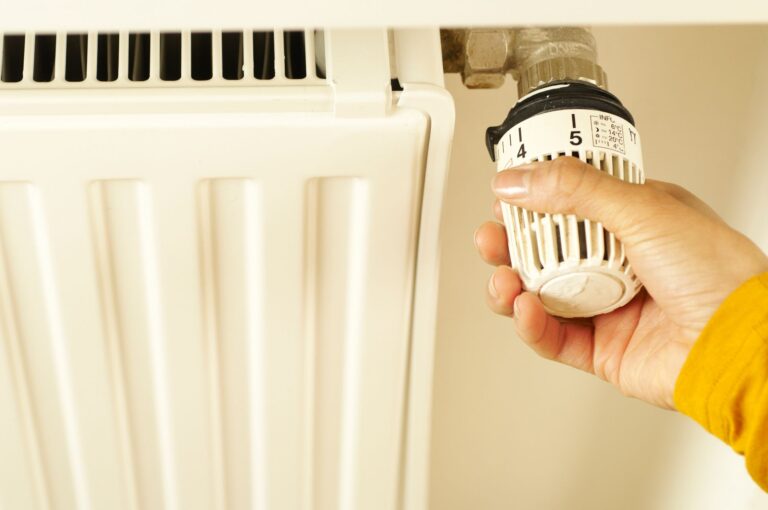

Picking the right thermostat shapes how your home feels every single day, and the category has sprawled in every direction. Some picks are simple mechanical dials for a single baseboard heater, while others learn your routine and adjust the climate room by room. This roundup covers nine solid options across the spectrum, from water-heater replacements to learning smart thermostats, so you can match a control to your wiring, your schedule, and your appetite for technology.
A Side-By-Side Look
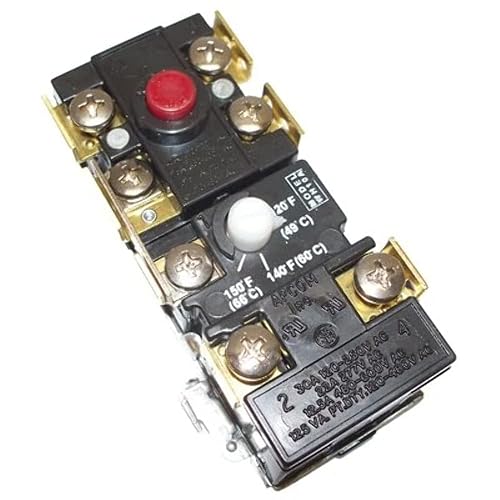
Reliance 9001954-045 Upper Electric Thermostat with ECO (Black)
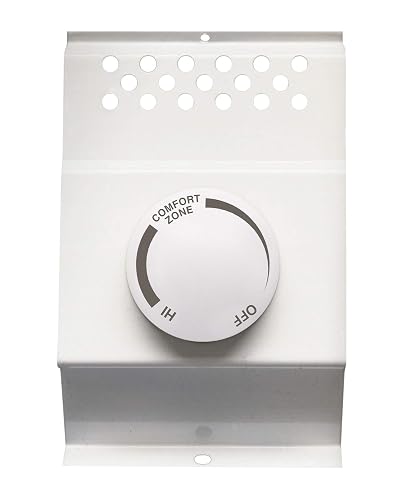
Cadet F Series Double-Pole Built-In Baseboard Thermostat (BTF2W, White)
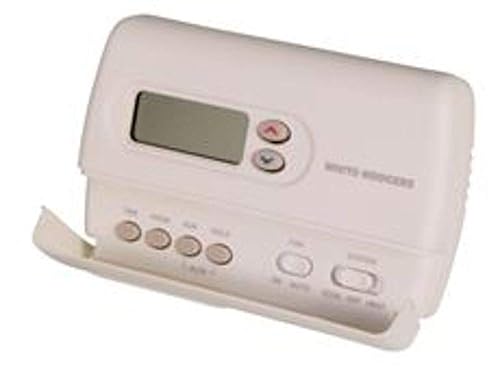
White-Rodgers 1F80-361 Emerson 80 Series Programmable Thermostat
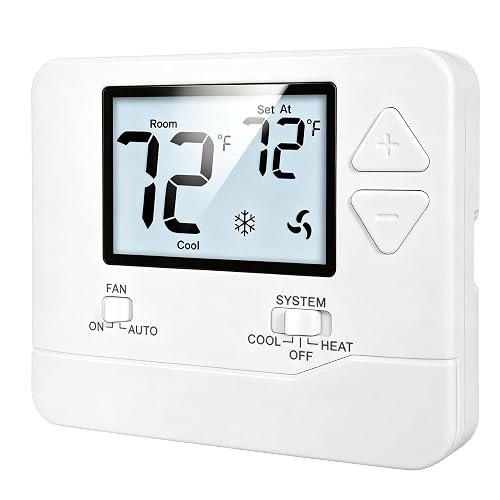
Heagstat Non-Programmable Thermostat 1 Heat/1 Cool (White Backlight)

EconoHome Non-Programmable Thermostat for Home Heating & Cooling
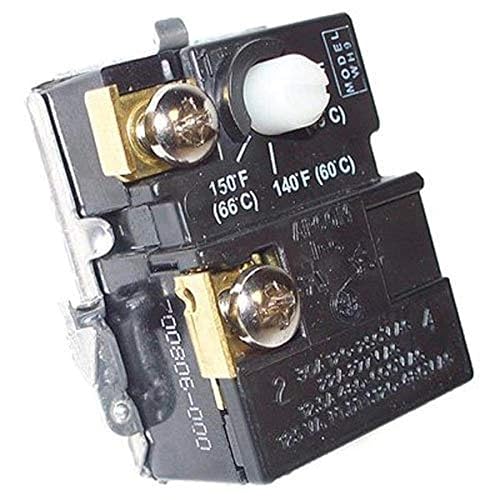
Reliance 9000507-045 Lower Electric Thermostat
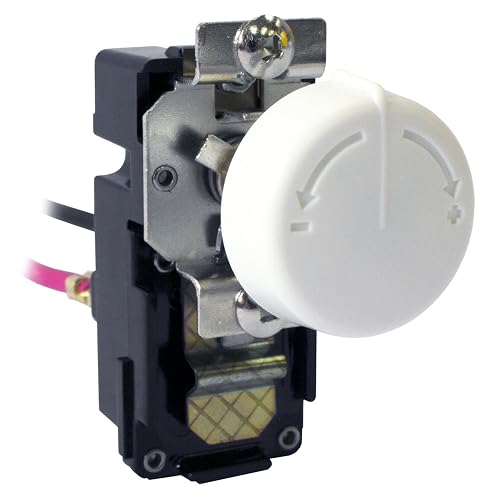
King Electric TKIT-1BW Single-Pole Built-In Thermostat Kit (White)
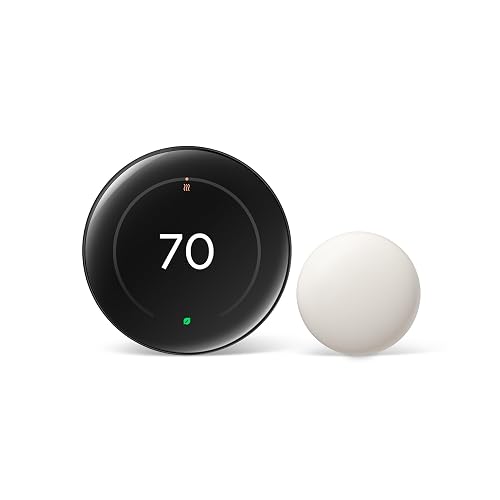
Google Nest Learning Thermostat (4th gen) with Temperature Sensor (Obsidian)
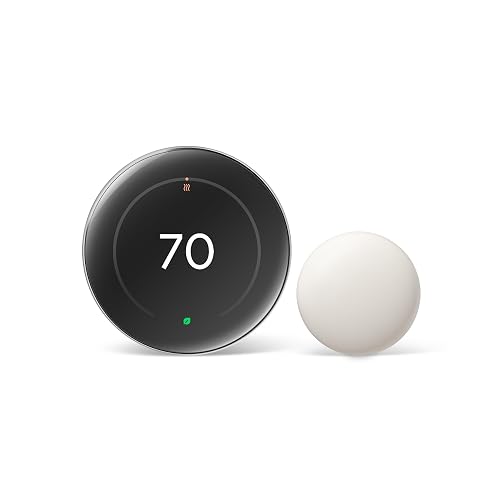
Google Nest Learning Thermostat (4th gen) with Temperature Sensor (Silver)
Why These Options Stand Out
Tucked inside an electric water heater, the upper thermostat does the high-demand work during heavy draws. The Reliance 9001954-045 takes that role, running on 240V at double-pole and pairing with a matching lower unit like the Reliance 9000507-045 later in this list. It’s the kind of part you reach for when a tepid shower points to a burned-out upper element rather than a system-wide failure.
It mounts in the upper access panel of a standard residential tank. Most homeowners with a screwdriver and a voltage tester can handle the swap, though killing breaker power first is non-negotiable. The black housing matches common factory equipment, so the install looks like an original part once closed up.
The Practical Payoff
- Double-pole 240V design handles typical residential electric water heater loads
- Direct replacement form factor for many Reliance, Rheem, and compatible tanks
- ECO (energy cut-off) safety feature helps protect against runaway heating
- Restores hot water quickly without replacing the entire heater
Trade Offs
- Not a universal fit, so model number cross-checking matters before ordering
- Requires basic electrical comfort and a safe breaker shutoff to install
Who It Suits Best
Homeowners troubleshooting a malfunctioning electric water heater who want a focused upper-element fix.
Consider Something Else When
Your problem lives in the lower element, where the Reliance 9000507-045 lower thermostat is the better match.
The Cadet BTF2W slots into either end of a Cadet F series baseboard heater, so it disappears into the room without extra wall boxes or visible wiring runs. A simple twist dial sets the temperature between 45 and 80°F, covering most living spaces without menus to dig through. Where earlier picks like the Reliance upper thermostat handle water, this one handles ambient air at floor level.
At 22 amps, it supports the kind of wattage a long baseboard run demands across 120, 208, or 240 volt circuits. That voltage flexibility helps in older homes where the supply circuit might not match modern defaults. Installation requires the heater to be powered down and the end cap removed, then the wiring is landed on clearly labeled screw terminals.
What Makes Sense
- End-mount design eliminates the need for separate wall-mounted control boxes
- Wide 45 to 80°F range suits bedrooms, basements, and additions
- Works across 120, 208, and 240 volt systems without rewiring
- Mechanical dial feels intuitive for anyone resistant to touchscreens
Minor Gripes
- Only fits Cadet F series baseboards, so cross-checking model numbers pays off
- No scheduling or remote sensing, which the Heagstat or Nest picks offer instead
Quick Facts
Made For
Homeowners running Cadet F series baseboards who want a clean, integrated mechanical control.
Where Another Pick Suits Better
Shoppers wanting whole-home smart scheduling should jump to the Google Nest Learning Thermostat (4th gen) for adaptive climate control.
The Emerson 80 series sits in the long, reliable middle of the programmable category. It runs on 24-volt or millivolt low-voltage systems, which covers most gas, oil, and electric furnaces in single-stage configurations. Where the Cadet BTF2W handles one baseboard at a time, this one orchestrates the whole home from a wall-mounted control.
Programming follows a familiar 5+1+1 layout: weekdays share a schedule, while Saturday and Sunday each get their own. Up to four periods per day let you fine-tune wake, leave, return, and sleep temperatures. The screen is backlit and the buttons are large, which helps anyone who fumbles through late-night adjustments.
What It Does Well
- 5+1+1 scheduling with up to four daily periods for nuanced routines
- Compatible with 24V and millivolt systems, including gas, oil, and electric
- Large backlit display reads clearly in dim hallways and bedrooms
- Hardwired reliability without depending on Wi-Fi or batteries for the schedule
Worth Noting
- Single-stage only, so multi-speed or multi-stage systems need a different model
- No app or voice control, which the Google Nest picks cover naturally
At A Glance
Right Fit For
Central HVAC households that want dependable weekly programming without leaning on a smartphone.
A Better Fit Elsewhere
Smart-home users wanting learning behavior will find more in the Google Nest Learning Thermostat (4th gen) with Temperature Sensor.
The Heagstat 1H/1C goes the other direction from the White-Rodgers 1F80-361, stripping out programming in favor of a clear set-and-forget interface. The white backlight is easy to read in low light, and the up/down arrows make immediate temperature changes obvious. For someone who never warmed to weekly schedules, this thermostat hands back direct control without menu diving.
It only works with conventional 24VAC single-stage systems, including gas, oil, and electric furnaces paired with a separate air conditioner. Crucially, the baseplate tops out at five wires, so homes with six to eight conductors won’t land cleanly here. Match your existing wire count against the spec sheet before clicking order.
Standout Benefits
- Clean up/down temperature control with no programming curve
- White backlight aids quick nighttime reading
- Compatible with most 24VAC single-stage furnaces and AC condensers
- Useful swap-in for older manual thermostats in rentals or guest rooms
Soft Spots
- Wired for 2 to 5 wires only, so larger HVAC harnesses need a different model
- No scheduling, which the Emerson 80 series delivers in the same price neighborhood
Feature Snapshot
Best Suited To
Renters and homeowners replacing an aging manual thermostat in a single-stage 24VAC system.
Skip It When
You have six or more thermostat wires, in which case a different baseplate or the multi-stage Emerson 80 series is the safer pick.
The EconoHome lands in the entry-level digital tier, pairing heat and cool control with a friendly push-button layout. Unlike the Heagstat 1H/1C, this one adds a fan switch with auto and on positions, which matters if your indoor blower is noisy at start-up. It’s the kind of first-time install that turns an analog dial into a digital readout without much fuss.
It’s compatible with central gas, oil, and electric furnaces plus cool-only air conditioners, which covers most rental and starter-home setups. The thermostat is single-stage, so multi-stage or heat-pump owners should look elsewhere. For basic seasonal comfort, it covers the essentials and nothing more.
Features That Help
- Fan toggle with on and auto positions for flexible airflow
- Works with central gas, oil, and electric furnace systems
- Push-button layout is approachable for first-time thermostat shoppers
- Compact footprint suits tight wall spaces and shallow gang boxes
Points To Note
- Single-stage only, so heat pumps and multi-stage systems are out of reach
- No programming, which the White-Rodgers 1F80-361 brings to the same category
Key Specs
Perfect Match For
First-time thermostat shoppers or budget-minded homeowners replacing a manual dial in a single-stage system.
Reach For A Different Pick When
You want adaptive learning behavior, in which case the Google Nest Learning Thermostat (4th gen) is a better long-term match.
Where the Reliance 9001954-045 handles the upper element, the 9000507-045 takes the lower position. It runs as a single-pole unit suited to standard residential electric water heaters, and it’s the natural counterpart when only the bottom of the tank has gone cold. Pairing the two covers a full element-and-thermostat refresh.
It’s a straightforward mechanical replacement, and the part is commonly found in homes with dual-element tanks. The black housing blends with most factory panels, and the wiring matches standard residential conventions. For homeowners comfortable with a multimeter and a breaker shutoff, the swap is a weekend project.
Real-World Strengths
- Single-pole design fits standard lower-element positions
- Mechanical simplicity means fewer failure points over time
- Pairs naturally with the Reliance 9001954-045 for a full refresh
- Universal-style compatibility with many common electric water heater brands
Honest Caveats
- Confirms the model number before ordering, since fit varies across tank brands
- Single-pole design, so double-pole setups need the 9001954-045 instead
Who Should Grab It
Homeowners diagnosing lukewarm water caused by a failing lower element in a dual-element electric water heater.
Not Your Match When
Your upper thermostat is the actual culprit, where the Reliance 9001954-045 is the right call.
The King TKIT-1BW is a snap-action thermostat kit built specifically for King PAW and W series wall heaters. It drops into the heater cabinet, so the control sits flush with the unit instead of hanging off a separate wall box. The fully protected bimetal sensor keeps the mechanism safe from dust and accidental contact during cleaning.
Operating range runs from 48 to 80°F, which covers the comfort band most rooms sit in. The single-pole design works for the heaters it’s engineered to support, though other brands will need a different kit. For owners of King wall heaters, this is the OEM-style replacement part to keep on hand.
Bright Spots
- Built-in fit for King PAW and W series wall heaters
- Protected bimetal sensor adds durability against dust and handling
- 48 to 80°F operating range covers typical room comfort
- Snap-action response gives clean, predictable cycling
Some Limits To Know
- Only fits specific King heater models, so cross-referencing matters
- Single-pole only, so double-pole installations need a different thermostat
Feature Card
Built With In Mind
Owners of King PAW and W wall heaters who need a factory-style replacement control.
Another Choice May Suit
Households with whole-home central HVAC will get more from the White-Rodgers 1F80-361 wall thermostat.
The fourth-generation Nest is the smart end of this roundup, and it changes the relationship between you and your HVAC. Instead of building a 5+1+1 schedule like the White-Rodgers 1F80-361, the Nest watches your manual adjustments and gradually builds a pattern on its own. The included second-generation temperature sensor adds a second data point in another room, useful when the thermostat lives in a hallway but you care about the nursery.
It learns over the first week or two, so a patient setup pays off. The Obsidian finish is a deep matte that disappears into darker walls, and the dial-style outer ring makes manual adjustments feel familiar. Compatibility depends on your home’s low-voltage wiring, so a quick compatibility check is worth doing before purchase.
Everyday Advantages
- Adaptive learning removes the chore of manual programming
- Second-generation sensor balances comfort in a second room
- App and voice control for adjustments from anywhere
- Energy-history reports help you understand usage patterns over time
Where It Is Less Suited
- Premium price tag puts it out of reach for tight budgets
- Depends on Wi-Fi and app ecosystem for full feature use
Whose Shelf It Belongs On
Smart-home households with compatible low-voltage HVAC who want comfort that adapts without manual scheduling.
Look Elsewhere When
You’re after a simple no-Wi-Fi swap, in which case the Heagstat 1H/1C or EconoHome delivers the basics for less.
The Silver version of the fourth-generation Nest shares every capability of the Obsidian model above, trading only the finish. The silver face brightens light-colored walls and tends to suit rooms with cooler palettes. Functionally, it’s the same learning thermostat with the same bundled second-generation temperature sensor for secondary-room monitoring.
For shoppers who already know they want adaptive climate control, the choice between Obsidian and Silver often comes down to interior design rather than features. Some homeowners find silver fingerprints less visible during routine cleaning, though both finishes wipe clean with a soft cloth. The learning curve and app dependency remain the same as the Obsidian sibling.
Useful Strengths
- Silver finish pairs well with light walls and modern interiors
- Self-programming behavior reduces the need for manual schedule edits
- Remote sensor extends comfort tracking to a priority room
- Detailed energy history helps inform future HVAC decisions
Factors To Consider
- Costs considerably more than a non-programmable wall unit
- Initial learning period means the first week or two of behavior may feel rough
The Right Fit
Design-conscious smart-home households with compatible HVAC who prefer a brighter metallic finish on the wall.
Swap It Out When
You’re on a tight budget, where the EconoHome or Heagstat gets the job done without the smart features.
What To Weigh Before Choosing Programmable Electric Thermostats
Match The Wiring First
Every thermostat lives or dies by wire count and voltage. A 24VAC system is the most common in central HVAC, and the White-Rodgers 1F80-361, Heagstat, and EconoHome all live there. Baseboard and wall-heater thermostats like the Cadet BTF2W and King TKIT-1BW run on line voltage instead, often 120 or 240 volts, and never get installed on a low-voltage system by mistake. Pull the faceplate off your current thermostat and count the conductors before clicking order.
Decide Between Schedule And Learning
Programmable wall units such as the Emerson 80 series ask you to set weekday and weekend routines. The Google Nest removes that chore by watching your manual changes and mirroring them. Mechanical dials like the Cadet BTF2W ask for nothing more than a hand on the knob. Match the interface to how much mental energy you actually want to spend on your thermostat.
Consider The Heated System
Electric water heaters, baseboard heaters, wall heaters, and central forced-air systems all take different thermostats. The Reliance 9001954-045 and 9000507-045 pair as upper and lower elements inside a tank, and they have nothing in common with a wall thermostat on the other side of the house. A mismatch here shows up fast, so a five-minute model lookup prevents returns and rewiring.
Plan For Sensors And Expansion
The included temperature sensor on the fourth-generation Nest matters more than people expect. It lets the system track a second room, like a nursery or home office, without running new wires. If you live in a multi-zone home with stubborn hot or cold pockets, that little sensor can be the difference between the thermostat being a decoration and actually solving a comfort problem.
Key Considerations Across These Picks
Mistakes Worth Dodging
The most common slip-up is buying on looks alone. A shiny smart thermostat does nothing in a home with the wrong wire count or an incompatible voltage system, and the return shipping eats any savings. The second is forgetting to check the C-wire (common wire), which many learning thermostats require for steady power. Pull the existing faceplate and snap a photo of the terminals before ordering, so the match is confirmed before the box even arrives.
What Separates Premium From Basic
The higher-tier picks like the Google Nest add learning behavior, app control, voice integration, and remote sensors, which together replace most of the manual fiddling. A mid-range programmable such as the Emerson 80 series trades those smarts for a fixed schedule that does most of the work without any internet connection. For households with predictable routines, the mid-range often delivers the same comfort at a fraction of the cost, while shifting households and frequent travelers get more back from the learning tier.
Frequently Asked Questions
What wire count do most programmable electric thermostats need?
Most low-voltage wall thermostats need at least five conductors, though simple 1H/1C units like the Heagstat handle two to five wires. Pulling the existing faceplate off and counting the conductors is the only reliable way to confirm fit.
Can one thermostat handle both heating and cooling?
Central units like the White-Rodgers 1F80-361, Heagstat, and EconoHome all support heat and cool in one device. Water heater and baseboard thermostats handle one heating circuit only, since they don’t switch an air conditioner.
Do learning thermostats need Wi-Fi to work?
The Google Nest uses Wi-Fi for app control, voice integration, and remote sensor reporting, but the on-device scheduling and learning behavior still run locally. Without Wi-Fi, you lose remote access but the comfort routines still function.
Are line-voltage and low-voltage thermostats interchangeable?
No, they are not. Line-voltage models like the Cadet BTF2W and King TKIT-1BW switch 120 or 240 volts directly, while low-voltage wall units switch a small signal that the furnace interprets. Swapping the two can damage the thermostat and the equipment.
How hard is it to swap an old thermostat for a new one?
Most homeowners with a screwdriver and a voltage tester can swap a wall unit in under an hour, after killing the breaker. Water heater and baseboard swaps run longer because the cover plates and wiring live in tighter spaces.
The Takeaway
The right thermostat depends less on which one is fanciest and more on the system already in your walls. Count the wires, confirm the voltage, and decide how much scheduling you actually want to do. With those three questions answered, any of the nine picks above should settle into your home and start earning its keep on day one.