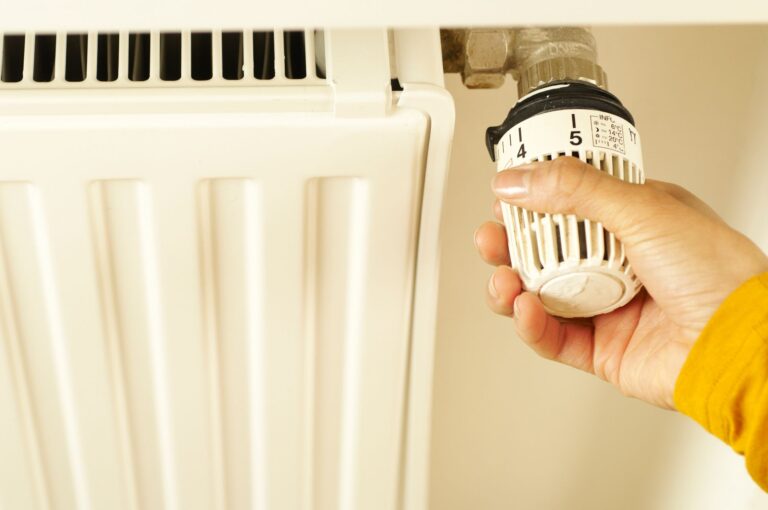

A thermostat sounds like a boring little disc, then you spend a summer stuck in traffic watching your temperature gauge climb, and suddenly it matters a lot. Racing thermostats open earlier than stock, so coolant circulates sooner and your engine spends more time in a comfortable temperature window. That matters if your car sees track days, hot climate commutes, or a turbo upgrade that pushes heat harder than the factory ever planned for.
The Choices Worth Comparing
The Choices Worth Comparing

Mishimoto MMTS-MUS-86A Racing Thermostat (Mustang GT/Cobra 1986–1995)
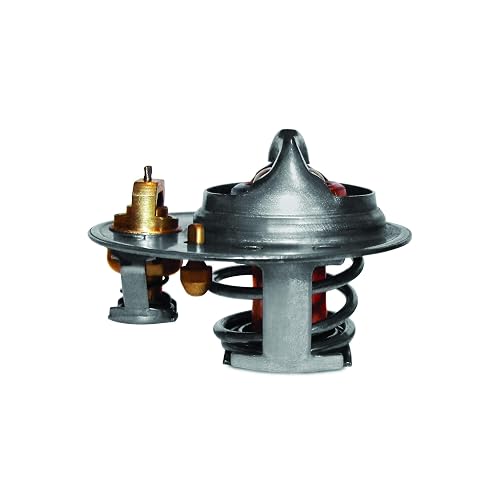
Mishimoto MMTS-MIA-90L Low Temp Thermostat (Miata 1990–1997)

Mishimoto MMTS-ECL-95TL Racing Thermostat (Eclipse 1995–1999)

Mishimoto MMTS-JGC-99L Racing Thermostat (Grand Cherokee 1999–2010)
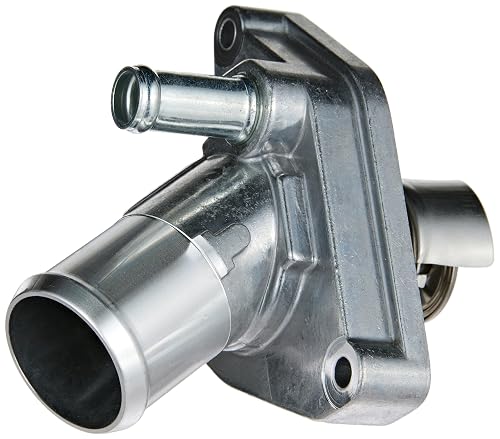
Mishimoto MMTS-350Z-03L Racing Low Temp Thermostat (350Z 2003–2006)

Mishimoto MMTS-RSX-02 Racing Thermostat (RSX 2002–2006)
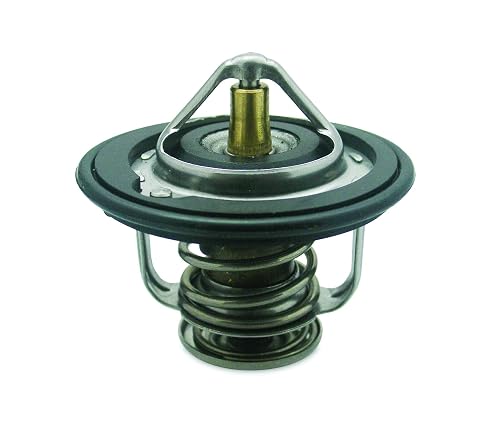
Mishimoto MMTS-CIV-92L Racing Low Temp Thermostat (Prelude 1992–1996)
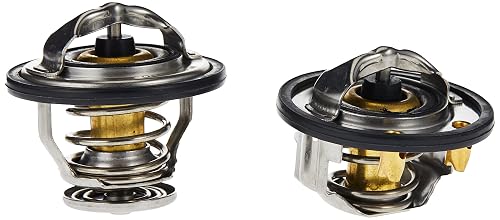
Mishimoto MMTS-CHV-01DH High-Temperature Thermostat (Duramax 2001–2016)
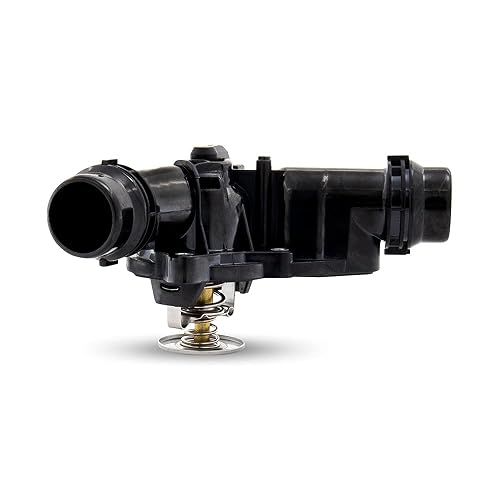
Mishimoto MMTS-E46-99V2 Racing Thermostat (BMW M52, M54, M56)
More On The Choices That Made The List
The Mishimoto MMTS-MUS-86A targets the 1986-1995 Ford Mustang GT and Cobra crowd, where the cooling system was sized for a stock pushrod 5.0 rather than anything modern you might have swapped in. It opens at a lower temperature than the factory unit, so coolant circulates sooner once the engine reaches operating temp, which keeps cylinder heads and intake runners cooler under load. In real-world terms, that means your Mustang’s gauge sits a touch lower on a hot track day at Buttonwillow or just idling in July traffic.
It is a direct-fit replacement, which keeps the install simple for anyone comfortable draining a radiator. A thermostat is a one-afternoon job in most driveways, and the swap requires no special tools beyond a basic socket set and a drain pan. Owners with heavily modified engines report the most noticeable gains, while daily drivers may see only a small change in gauge behavior.
What Stands Out
- Lower opening temperature than OEM, letting coolant move through the engine earlier
- Direct-fit design for 1986-1995 Mustang GT and Cobra cooling system
- Useful on a track-driven car where the stock thermostat is slow to react
- Affordable bolt-on upgrade for a popular platform
Points To Keep In Mind
- Fox-body installation requires draining coolant fully, so plan a refill and bleed before driving
- Gains on a completely stock daily-driver car are modest, you may not feel the difference
Key Attributes
Right Fit For
SN95 Mustang GT and Cobra owners running a stock or mildly built 5.0L who track the car or push it in summer heat.
Swap It Out When
The Mishimoto MMTS-350Z-03L is a better match if your build is a 2003-2006 Nissan 350Z rather than a Fox-body Mustang.
The first-generation Miata is a small, light roadster with a cooling system designed more for relaxed drives than for hammering apexes. The Mishimoto MMTS-MIA-90L is purpose-built for the 1990-1997 MX-5 Miata, opening at a lower temperature so coolant starts moving through the radiator sooner once the engine is warm. On a hot lapping day, that can keep oil temps and cylinder head temps in a happier range, especially on cars that already wear sticky tires and aero.
It is a direct fit, so there is no fabrication, and the housing gasket pattern matches the original. Most Miata owners handle the swap in a single afternoon with the car on jack stands. One thing worth considering: in truly cold climates, you may find the engine takes slightly longer to bring cabin heat up to full output, since the system reaches operating temp a little later than designed.
Practical Advantages
- Lower opening point supports hot-lap cooling needs
- Direct replacement for the 1.6L and 1.8L Miata cooling system
- Useful for turbo Miata builds that run harder coolant temps
- Simple bolt-in, no custom plumbing
Trade-Offs
- Cold-weather drivers may notice the cabin takes a beat longer to warm up
- The Miata bay is cramped, so plan a small extension or a flexible funnel for the coolant refill
Who Will Love This
Miata owners running track days, autocross, or a turbo setup who want the cooling system to react before temps climb.
Reach For A Different Pick When
The Mishimoto MMTS-MUS-86A suits a Fox-body Mustang owner more than a Miata enthusiast, given the platform fit.
The 1995-1999 Mitsubishi Eclipse, particularly in turbo 4G63 form, is the kind of car that punishes a tired cooling system. The Mishimoto MMTS-ECL-95TL addresses the platform directly, with a lower opening temperature that lets coolant cycle through the engine earlier once it is fully warmed up. For an Eclipse running a bigger turbo or a stiffer tune, that earlier opening behavior can be the difference between a comfortable gauge and a heat-soak warning light.
The part installs in the standard thermostat housing, so a home mechanic with basic tools can handle it in an hour or two. The honest read is that the gains show up most clearly on a built or modified turbo car, while a stock Eclipse will see a smaller change in day-to-day temps.
Useful Strengths
- Direct fit for 1995-1999 Eclipse cooling housing
- Lower activation temp helps turbo builds that run hotter under load
- Coolant circulates earlier, easing stress on a high-output 4G63
Points To Note
- On a completely stock Eclipse, the visible difference may be small
- The Eclipse thermostat housing gasket tends to leak if reused, so a fresh gasket is worth grabbing
Best Suited To
Eclipse owners running a turbocharged 4G63 with a built engine or upgraded fueling who push the car in heat.
Consider Something Else When
The Mishimoto MMTS-RSX-02 is the better fit for someone building a 2002-2006 Acura RSX with a K-series swap.
SUVs and trucks do not get a pass on heat, especially when the air conditioning is dragging on the engine at a standstill. The Mishimoto MMTS-JGC-99L is engineered for the 1999-2010 Jeep Grand Cherokee with the 3.7L or 4.7L V6, opening at a lower temperature than stock. That helps the cooling system react faster when you are towing a small trailer, climbing a long grade, or sitting in slow traffic on a 100-degree day.
The thermostat drops into the factory housing without modification, which makes the job approachable for a DIY crowd. You may find that the lower activation temp does shift the heater output a touch in winter, so a remote starter with a longer warm-up cycle helps on the coldest mornings.
Advantages To Know
- Targeted fit for 3.7L and 4.7L Grand Cherokee engines
- Cooler operating range under load, useful for towing
- Direct replacement in the OEM housing
- Comfortable choice for slow-speed summer driving
Less-Strong Areas
- Cold-weather drivers may see a small delay before cabin heat reaches full output
- The Grand Cherokee housing bolts can be stubborn on older vehicles, so penetrating oil the night before helps
Made For
Grand Cherokee owners who tow, drive in hot climates, or simply want the cooling system to react sooner in slow traffic.
Where A Sibling Pick Shines
The Mishimoto MMTS-CHV-01DH makes more sense for a diesel owner in a cold climate who needs the engine to reach operating temp faster.
The VQ35DE in the 2003-2006 Nissan 350Z is a stout engine, but it does run warm when pushed hard on a road course or a long canyon drive. The Mishimoto MMTS-350Z-03L activates at a lower temperature, so coolant starts moving through the radiator sooner and the engine spends less time creeping toward the upper end of the temperature scale. For a 350Z on track tires, that earlier reaction can keep oil and water temps in a more controlled range during back-to-back sessions.
The part drops into the factory thermostat housing, which makes it a clean project for a Saturday morning. The trade-off shows up mostly in deep winter, when a slightly lower operating temp can mean a few extra minutes before cabin heat feels generous.
What Works In Its Favor
- Lower activation temp helps track-driven 350Z builds
- Direct replacement for the OE housing
- Useful complement to other cooling upgrades like an aluminum radiator
A Few Limitations
- Cold-climate drivers may see slower cabin heat on the first few miles
- On a totally stock daily-driven 350Z, the change is subtle
Feature Snapshot
Right Fit For
350Z drivers who push the car on track or in hot weather and want a more responsive cooling system.
Look Elsewhere When
The Mishimoto MMTS-MIA-90L is the better pick for a Miata owner who tracks their roadster.
The 2002-2006 Acura RSX is a favorite K-series swap candidate, and the K20 engines do not love running hot. The Mishimoto MMTS-RSX-02 opens at a lower temperature than the factory unit, around 60°C, so coolant circulates earlier and the engine stays closer to its comfort zone under boost. For a turbo K-series or a high-compression NA build, that earlier opening behavior helps the cooling system keep up with heat the stock thermostat would simply let accumulate.
Install is straightforward in the factory housing, and the swap is one of the easier cooling upgrades on the platform. In really cold weather, a lower operating temp can mean the engine takes a little longer to feel fully warm, so a grille block or a block heater may be worth considering if you live somewhere truly frigid.
Strong Points
- Direct fit for 2002-2006 RSX cooling system
- Low opening temperature (60°C) supports turbo K-series builds
- Useful for K-swap projects in Civic and Integra chassis
Worth Bearing In Mind
- Deep-winter owners may see slower cabin heat on the first miles
- Make sure the housing gasket is replaced, since reused gaskets commonly weep on K-series cars
Quick Facts
Perfect Match For
RSX owners running a turbo K20 or a K-swap into another chassis who want the cooling system to react earlier.
Not Your Match When
The Mishimoto MMTS-ECL-95TL is a better match if your build is a turbo 4G63 Eclipse rather than a K-series RSX.
The 1992-1996 Honda Prelude with the H22 or H23 engine has a fan base that pushes the car hard on back roads and at autocross events. The Mishimoto MMTS-CIV-92L drops into the cooling system with a lower opening point, so coolant circulates earlier once the engine is up to temperature. For a Prelude that sees hard driving or a turbo conversion, that behavior takes some of the load off the radiator and helps the engine stay in a steadier temperature window.
Install is straightforward for anyone with basic Honda experience, since the thermostat housing is easy to access at the front of the engine. A small thing to keep in mind: the Prelude thermostat housing uses a rubber sealing ring that tends to harden over the decades, so a fresh one during the swap is well worth the few dollars.
Everyday Wins
- Direct fit for 1992-1996 Prelude cooling housing
- Lower activation temp helps a turbo H22 build breathe cooler
- Modest upgrade that complements an aluminum radiator
Honest Caveats
- You may notice a slightly slower cabin warm-up in deep winter
- The original sealing ring on a high-mileage Prelude often needs replacement to avoid a small weep
Key Details
Whose Shelf It Belongs On
Prelude owners driving hard on winding roads or running a turbo H-series build who want the cooling system to react sooner.
Skip It When
The Mishimoto MMTS-E46-99V2 is a smarter choice if the engine in question is a BMW M52, M54, or M56 inline-six.
The Mishimoto MMTS-CHV-01DH goes the other direction from most of the thermostats on this list. Designed for the 2001-2016 Chevrolet/GMC 6.6L Duramax, it opens at a higher temperature, so the engine holds onto heat a bit longer before sending coolant to the radiator. That is exactly what diesel owners in cold climates want, since the Duramax can struggle to reach full operating temperature on short winter drives, and cabin heat suffers when the engine is constantly running cool.
It is a direct replacement in the factory housing, so the swap is a normal thermostat job. The honest read is that this is a niche choice. If you live somewhere warm and tow hard in summer, a low-temp thermostat is a better call. In a cold state, though, the higher activation temp keeps the engine from wandering below its comfort range.
Key Advantages
- Direct fit for 2001-2016 6.6L Duramax engines
- Helps the engine reach operating temperature in cold weather
- Better cabin heat output on short winter drives
- Supports diesel particulate filter regeneration by keeping temps up
Practical Considerations
- Hot-climate drivers should look at a low-temp thermostat instead
- Tow crews in summer may see higher sustained temps on long grades
Core Details
Right Fit For
Duramax owners in cold climates whose trucks struggle to reach full operating temperature on short trips.
Look Elsewhere When
The Mishimoto MMTS-JGC-99L is the better fit for a Grand Cherokee owner who needs a lower-temp cooling upgrade.
BMW’s M52, M54, and M56 inline-six engines are well known for cooling-system quirks, especially as they age. The Mishimoto MMTS-E46-99V2 is built as a direct fit for those powerplants, and the headline feature is the earlier opening behavior. It begins to open about 48°F (27°C) earlier than the stock thermostat, which lets coolant reach the radiator and start shedding heat well before temperatures climb. For an E46 325i or 330i running a supercharger kit or a hotter tune, that earlier flow is meaningful.
Install follows the standard BMW thermostat housing procedure, and the housing commonly needs new seals on higher-mileage cars. One thing worth considering is the cabin heat on cold mornings: with coolant moving earlier, the heater core can take a few extra minutes to deliver full output, so a remote start or a block heater helps in real winter.
The Case For It
- Direct fit for M52, M54, and M56 inline-six engines
- Begins opening 48°F earlier than stock, a meaningful gap for modified builds
- Useful on supercharged E46 and Z3 builds that run hot under boost
- Supports cooling system longevity on a high-mileage BMW
Trade-Offs To Consider
- Real winter drivers may see slower cabin heat at startup
- BMW thermostat housing seals are best replaced during the swap to prevent a slow coolant weep
Feature Card
Made For
BMW owners running a modified M52, M54, or M56 who want earlier coolant flow to help with track days or hot-climate driving.
A Better Fit Elsewhere
The Mishimoto MMTS-CIV-92L is a smarter choice for a Honda Prelude enthusiast than an E46 BMW owner.
Picking A Thermostat That Matches Your Engine
Choosing a racing thermostat starts with the platform, since these are vehicle-specific parts rather than universal upgrades. The Mishimoto MMTS-MUS-86A only fits a 1986-1995 Mustang, and the MMTS-E46-99V2 only fits specific BMW inline-six engines, so confirming fitment is always the first step.
Once fitment is settled, the next decision is direction. A low-temp thermostat opens earlier to keep a heat-prone engine cooler under load, which helps turbo builds, track cars, and anyone in a hot climate. A high-temp thermostat, like the Mishimoto MMTS-CHV-01DH for the Duramax, does the opposite: it keeps the engine warm longer, which is what cold-climate diesel owners need.
Reading the fine print matters. Activation temperatures are often listed in Celsius, and the gap between a 60°C thermostat and an 80°C unit is bigger than it looks on paper. Cabin heat in winter is the most common real-world side effect of going low-temp, so remote start, a block heater, or a grille block can offset the change.
Consider the broader cooling system. A low-temp thermostat helps, but it works best alongside fresh coolant, a healthy radiator, and a working fan. A brand-new thermostat on a clogged radiator is like putting a wider door on a leaky dam. Build the system up as a whole, and the thermostat becomes the finishing touch rather than a magic fix.
What To Watch Before You Buy
Pitfalls Shoppers Hit
Many shoppers grab the lowest activation temperature they can find without checking their climate. A 60°C thermostat on a car that lives in a cold region can leave the engine running below its ideal temperature for long stretches, which over time is no kinder to an engine than overheating. Match the activation range to your climate and driving style, not just to the most aggressive number on the shelf.
Fitment is the other common trap. Racing thermostats are not one-size-fits-all, and listing pages sometimes lump together multiple vehicle models. Always confirm the part number matches your specific engine, displacement, and model year before you order, since the wrong thermostat can simply not seat in the housing.
Where The Extra Money Goes
Premium racing thermostats tend to use higher-quality wax elements, tighter activation tolerances, and better sealing components. That translates to a thermostat that opens at a more consistent temperature across many heat cycles, rather than drifting after a few months of summer driving. For a car that sees track days, that consistency matters more than a few dollars saved on a bargain part.
A better-built thermostat also tends to last longer, which means fewer cooling-system refreshes over the life of the car. For a daily driver, a mid-tier thermostat from a known brand is usually plenty. For a track car, a tow rig, or anything in extreme conditions, the upgrade to a tighter-tolerance part tends to pay off the first time you push the car hard.
Frequently Asked Questions
What does a racing thermostat actually do?
A racing thermostat opens at a lower temperature than the factory unit, so coolant starts circulating through the radiator sooner once the engine is warm. That helps the engine stay in a cooler, more stable temperature range under load.
Are racing thermostats bad in cold weather?
In very cold climates, a low-temp thermostat can keep the engine running below its ideal operating temperature on short trips. A block heater or grille block helps offset that, and high-temp thermostats exist for diesel owners in particular who need the engine to warm up quickly.
Is installation a DIY job?
Most thermostat swaps are accessible to a home mechanic with basic tools, a drain pan, and a torque wrench. Plan to replace the housing gasket or sealing ring during the install, since reusing an old seal is the most common cause of a slow coolant leak afterward.
Do these work on stock engines?
Yes, but the visible gains on a completely stock engine are smaller than on a modified or turbocharged build. Stock engines already run within factory tolerances, so the change shows up most on cars that are pushed harder than the original design intended.
How often should a thermostat be replaced?
A quality racing thermostat typically lasts many years under normal driving. Owners commonly replace them as part of a broader cooling-system refresh, which is a sensible time to swap in a low-temp unit on a build that is heading toward track use.
Final Verdict
A racing thermostat is one of the smallest, most affordable cooling upgrades you can make, and it pays off most on the cars that already run hot. Match the part to your engine, pick the right activation direction for your climate, and pair the swap with fresh coolant and a healthy radiator. Done together, it is a quiet improvement you feel more than see, which is exactly the kind of upgrade that earns its place.