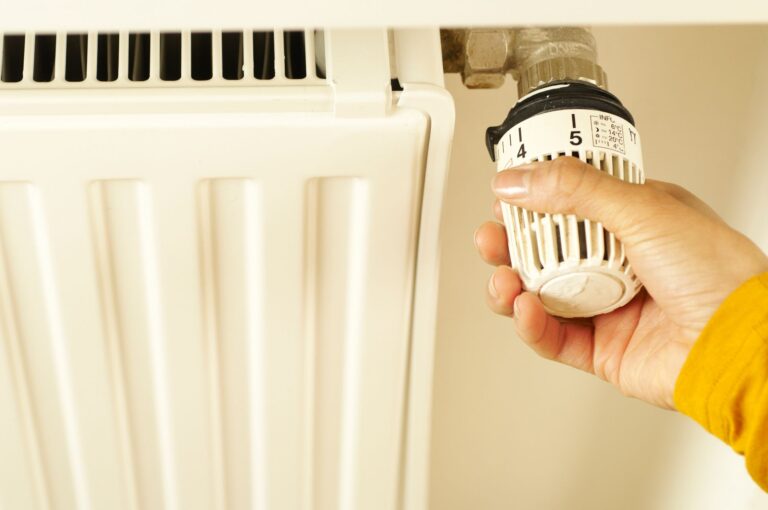

Tired of walking into a freezing house after a long day? Want your heat to back off automatically when the kids leave for school? Smart thermostats solve those everyday gripes, and a wave of models now play nicely with the major voice assistants and automation hubs. This lineup mixes full smart thermostats with a few simpler wall units and accessory picks, so you can match the tech to your actual heating setup, not the other way around. Each option below is sized to a clear use case, from app-driven climate learning down to a basic replacement thermostat that just gets the job done.
The Main Contenders
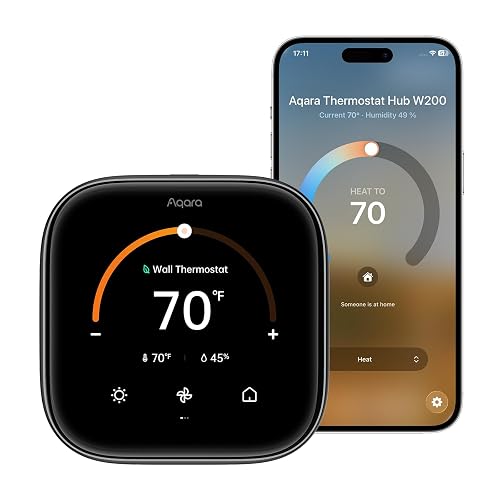
Aqara Smart Thermostat W200 with Apple Adaptive Temperature
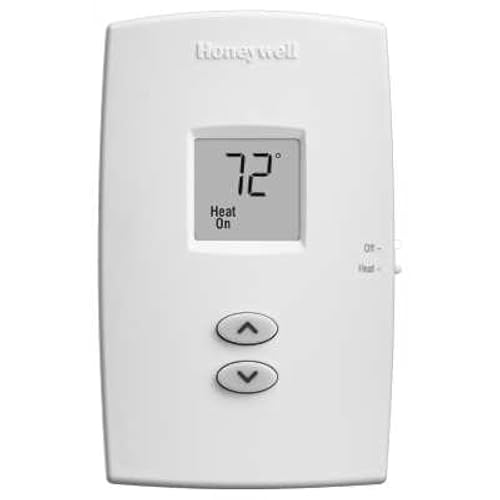
Honeywell TH1100DV1000 PRO 1000 Vertical Thermostat
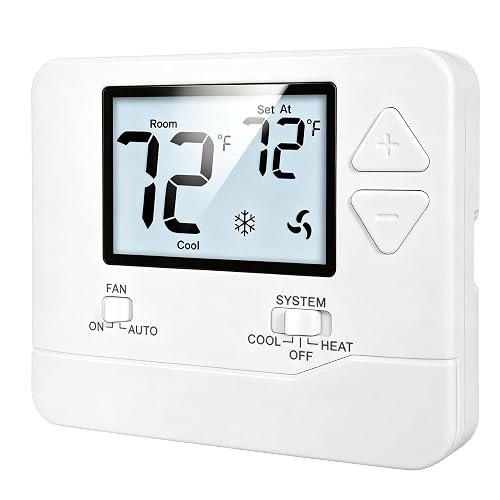
Heagstat Non-Programmable Thermostat 1 Heat/1 Cool

EconoHome Non-Programmable Thermostat for Home
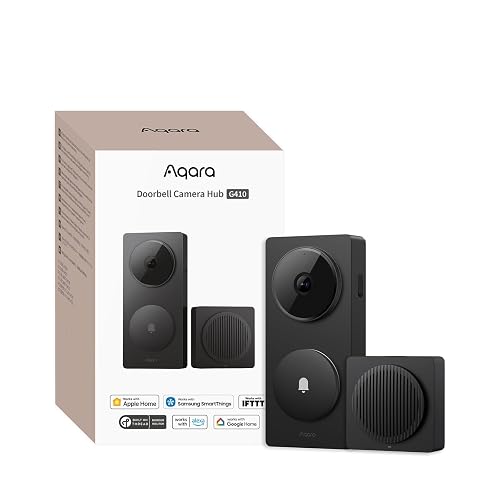
Aqara Smart Doorbell Camera G410 with Chime, Black
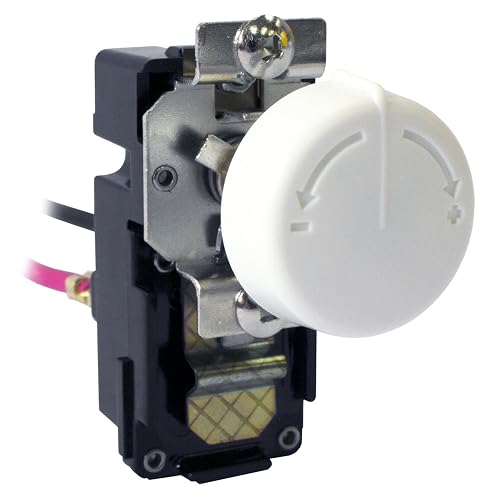
King Electric TKIT-1BW Single-Pole Built In Thermostat Kit
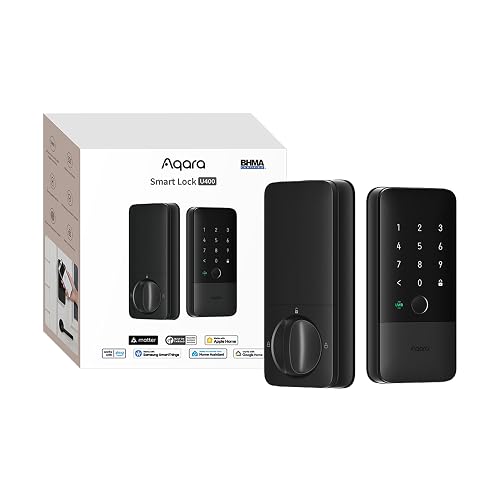
Aqara UWB Smart Lock U400 with Apple Home Key
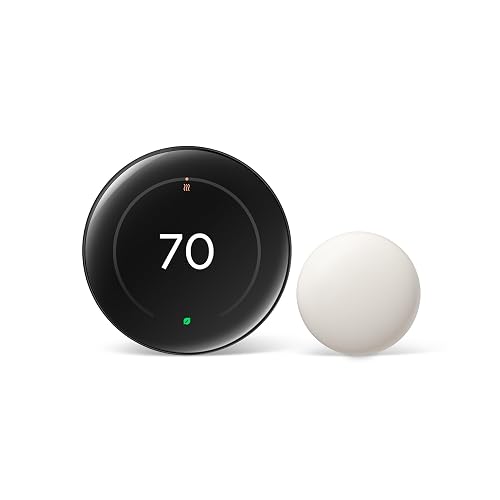
Google Nest Learning Thermostat 4th Gen with Sensor, Obsidian
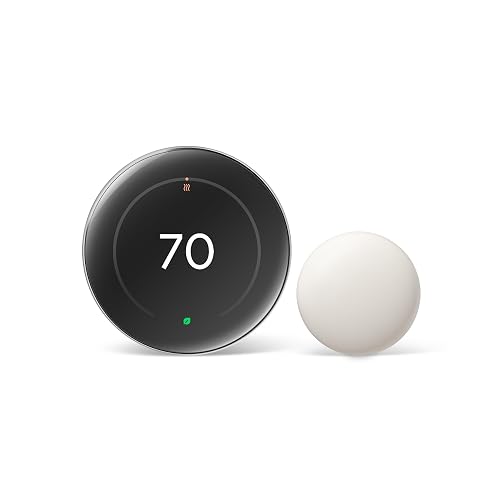
Google Nest Learning Thermostat 4th Gen with Sensor, Silver
A Deeper Look At The Lineup
The Aqara W200 is purpose-built for households that already live inside Apple Home. Rather than burying climate control behind a separate app, it leans into Apple’s Adaptive Temperature, a feature that reads your iPhone’s location and activity to shift between home, sleep, away, and extended-away modes without forcing you to build a schedule by hand. That means coming home from work in winter lands you in a warm living room without lifting a finger.
Under the hood, the W200 communicates over Matter, the new cross-platform smart-home standard that lets devices from different brands share a single language. Matter support matters because it future-proofs your investment: a thermostat bought today should still chat with whichever hub you pick tomorrow. Compared to the simpler Honeywell and Heagstat units reviewed below, this one trades straightforward knob-and-display design for genuine automation depth.
What Pays Off
- Adaptive Temperature removes the chore of programming weekday and weekend schedules
- Matter compatibility broadens hub choice beyond the Apple ecosystem
- Location-aware adjustments can trim heating bills during long workdays
- Works seamlessly with HomeKit scenes shared across iPhones, iPads, and Apple TVs
- Compact wall footprint keeps it visually quiet in hallways and bedrooms
Honest Caveats
- Adaptive Temperature requires an Apple TV or HomePod acting as a home hub, an extra piece of gear some households won’t already own
- Less useful for Android-first families who won’t tap into the deep Apple integration
- Full feature set depends on firmware updates that Aqara rolls out over time
Key Product Details
Made For
Apple-centric households wanting hands-off climate shifts without manually building schedules.
Look Elsewhere When
The Google Nest Learning Thermostat (4th Gen) fits households rooted in Google Home and Android devices.
The Honeywell TH1100DV1000 skips every smart feature in favor of a clean analog experience. It is a vertical, non-programmable thermostat aimed at heat-only systems, the kind found in many older homes, baseboard additions, and rental units. For a household that simply wants to walk up and twist a dial, this is the experience the TH1100DV delivers.
Its premier white finish and compact 2 7/8-inch-wide face make it disappear into most walls rather than dominate them. Unlike the Aqara W200 reviewed above, there’s no app to wrestle with and no ecosystem to commit to. You set the temperature, the furnace responds, and that’s the entire interaction.
Practical Pluses
- Single-stage heat-only design keeps wiring simple for furnace swaps
- Premier white color blends into classic wall paint and trim
- Mechanical reliability removes dependency on Wi-Fi or firmware updates
- Made in the United States for those prioritizing domestic manufacturing
Things To Consider
- No cooling support, so it cannot manage central air conditioning
- No scheduling or smart features means manual tweaks every season change
Right Fit For
Homeowners replacing a worn dial thermostat on a single-stage furnace and wanting nothing more.
Reach For A Different Pick When
The Heagstat Non-Programmable Thermostat serves homes that need both heating and cooling on a single-stage system.
The Heagstat 1 Heat/1 Cool fills the gap between Honeywell’s heat-only analog and full app-driven smart thermostats. It targets conventional single-stage forced-air systems, which cover a huge slice of North American homes that run a gas, oil, or electric furnace paired with a separate AC condenser. The white backlight makes the screen easy to read in a dark hallway at 2 a.m. when the furnace kicks on.
Wiring is the deciding factor here, and it matters to flag it clearly. The base accepts two to five wires, and installs with six to eight wires won’t fit, so you’ll want to peek at the existing thermostat’s wiring before committing. For most straightforward furnace-plus-AC setups, however, the install is approachable with basic tools.
The Helpful Details
- White backlight improves nighttime readability in bedrooms and hallways
- Supports both heating and cooling on conventional single-stage systems
- Digital temperature display replaces guesswork common with dial thermostats
- Non-programmable design removes scheduling confusion for less tech-confident users
Points To Note
- Limited to two to five wires, ruling out installs with six to eight conductors
- Lacks smart features, so remote adjustment requires being physically present
Perfect Match For
Homeowners with conventional forced-air systems who want a clear digital readout without app dependencies.
A Better Fit Elsewhere
The Aqara W200 is a stronger match for households wanting remote and adaptive climate control.
EconoHome leans hard on compatibility, accepting connections from central gas, oil, and electric furnaces alongside standard air conditioning condensers. That wide net makes it a sensible choice for older homes where the heating fuel has changed once or twice over the decades. The digital display replaces the analog dial that often drifts out of calibration after years of use.
Installation is the headline here for DIY-inclined households. Most homeowners can swap a thermostat in under thirty minutes with a screwdriver and the included wiring labels. Compared to the Heagstat unit, the EconoHome widens compatibility without tacking on scheduling or app control.
Strengths Worth Knowing
- Supports gas, oil, and electric furnace systems on a single-stage setup
- Push-button fan control with on and auto modes for seasonal airflow
- Digital readout improves accuracy over aging mechanical dials
- Approachable install process for homeowners comfortable with basic wiring
Where It Is Less Suited
- Multi-stage HVAC systems fall outside the supported configuration
- No programmable schedules means manual adjustment each season
Who It Suits Best
Landlords and homeowners wanting broad single-stage compatibility on a budget-friendly install.
Skip It When
The Honeywell TH1100DV1000 suits heat-only properties where cooling support isn’t needed at all.
The Aqara G410 video doorbell broadens this roundup beyond climate into the wider smart-home ecosystem, and that inclusion is intentional. A thermostat that triggers automations needs triggers to react to, and a doorbell with a built-in Zigbee and Matter hub gives your home the sensory input that makes climate routines actually useful. The chime ships in the box, sparing a separate purchase.
Compatibility is the headline. HomeKit Secure Video support means encrypted iCloud recording for Apple households, while Matter, Alexa, Google Assistant, SmartThings, and Home Assistant cover just about every other major ecosystem. That kind of cross-platform reach is rare in doorbells, which often lock you into one vendor’s app.
Notable Upsides
- Built-in Zigbee and Matter hub reduces the need for separate bridge hardware
- HomeKit Secure Video offers encrypted recording without third-party cloud fees
- Wide ecosystem support keeps your options open as your smart home evolves
- Included chime simplifies install for homes without an existing mechanical chime
Small Caveats
- Full feature set depends on iCloud storage subscriptions for longer clip history
- Wired doorbell installs require existing low-voltage transformer wiring
Best Suited To
Households building a connected home who want doorbell footage to trigger thermostat and lighting routines.
Not Your Match When
The King Electric TKIT-1BW serves a much simpler need, replacing a wall heater thermostat without any smart features.
The King TKIT-1BW is not a wall thermostat in the traditional sense. It is a replacement thermostat kit engineered specifically for King PAW and W series wall heaters, the kind of recessed units you find in older basements, additions, and bedroom suites that lack central HVAC. If your heating setup runs through a dedicated wall heater, this is the part that actually swaps in.
The bi-metal sensor inside uses a positive-response snap action, which simply means the switch clicks decisively into position rather than drifting slowly through a range. Owners commonly report this style of mechanical thermostat outlasting digital alternatives in garages and workshops where temperature swings are harsh.
The Case For It
- Bi-metal sensor provides decades of mechanical reliability without firmware
- 48 to 80 degree Fahrenheit range covers typical residential comfort needs
- Single-pole design simplifies wiring on compatible King heater models
- White finish matches standard interior trim in most rooms
Trade-Offs To Consider
- Only fits King PAW and W series wall heaters, not universal wall-mount installs
- No smart features, so remote adjustment isn’t possible
Whose Shelf It Belongs On
Owners of King PAW or W series wall heaters needing a genuine replacement thermostat kit.
Swap It Out When
The EconoHome Non-Programmable Thermostat fits whole-home single-stage HVAC rather than a single wall heater.
The Aqara U400 is the second Aqara pick in this roundup, and it earns its place for the same reason as the G410: a smart thermostat is only as useful as the routines that trigger it. UWB, or Ultra-Wideband, is a short-range radio protocol that detects not just presence but direction and intent. Walking up to your front door with arms full of groceries now means the deadbolt disengages before you reach for a handle or a phone.
Apple Home Key support turns your iPhone or Apple Watch into a digital key, and the fingerprint deadbolt covers households where not everyone carries a phone. Compared to traditional keypad locks, the U400 removes the need to memorize codes or replace batteries in wireless keypads.
Advantages To Know
- UWB detection unlocks automatically as you approach with intent
- Apple Home Key turns iPhones and Apple Watches into credentialed keys
- Fingerprint deadbolt backup suits households without phones in every pocket
- Directional sensing reduces accidental unlocks when passing by the door
A Few Limitations
- UWB features require a compatible Apple device for full hands-free behavior
- Battery life depends on how often the lock cycles through daily use
Built With In Mind
Apple-using homeowners wanting frictionless entry that pairs with HomeKit thermostat routines.
Consider Something Else When
The Aqara Smart Thermostat W200 alone is the right call for households focused purely on climate automation.
The fourth-generation Nest Learning Thermostat refines what the line has done for over a decade: study your routine and adjust the climate without a typed schedule. The included second-generation Nest Temperature Sensor extends reach into rooms that don’t match the hallway thermostat’s reading, which matters in homes with vaulted ceilings or a sun-drenched back bedroom.
For Google Home households, the integration depth is the headline. Voice commands through a Nest speaker, presence sensing through shared Android devices, and routines that react to your calendar all converge on the thermostat. The Obsidian finish, a near-black with subtle sheen, anchors modern interiors where a bright display would feel out of place.
Good Reasons To Consider
- Learning algorithms adapt to shifting routines without manual schedule edits
- Bundled temperature sensor balances hot and cold spots across larger homes
- Deep Google Home integration unlocks calendar-aware and presence-driven routines
- Obsidian finish offers a refined look for darker wall palettes
Some Limits To Know
- Advanced learning features work best after a few weeks of consistent data
- Full benefit requires some existing Google Home or Android presence in the household
Key Product Details
Who Should Grab It
Google-centric households wanting a thermostat that adapts to shifting routines with minimal manual input.
Where Another Pick Suits Better
The Aqara W200 fits Apple households who prioritize HomeKit and Adaptive Temperature over Nest learning.
The Silver variant of the fourth-generation Nest delivers the same learning engine and bundled temperature sensor as the Obsidian model reviewed above, wrapped in a brighter stainless-tone finish. For homes with light-colored walls, white trim, or open kitchen palettes, Silver tends to feel less heavy on the wall than darker alternatives.
Everything said about Obsidian applies here: Google Home integration, presence-driven routines, and a few weeks of learning before the thermostat settles into your patterns. The choice between the two finishes comes down to interior taste rather than feature differences. For households upgrading from a third-generation Nest, the 4th gen brings a refreshed display and refined sensors.
Well-Handled Touches
- Silver finish complements light-colored walls and modern kitchens
- Adaptive scheduling removes the need to program weekday and weekend rules
- Temperature sensor bundle addresses comfort imbalance in multi-room layouts
- Google Home routines let thermostat shifts trigger lights and locks
Factors To Consider
- Smudges and fingerprints tend to show more visibly on metallic finishes
- Full learning benefits take time to materialize after installation
Who Will Love This
Style-conscious Google Home households wanting the same learning thermostat in a lighter finish.
Another Choice May Suit
The Aqara Smart Thermostat W200 better serves Apple households who don’t use Google services.
Picking A Thermostat That Fits Your Home
Choosing the right thermostat starts with your existing HVAC system, not the thermostat itself. A multi-stage furnace, a heat pump, or a simple baseboard heater each demand a specific wiring configuration and voltage. Forcing the wrong unit onto incompatible wiring is the fastest path to a non-working install and a return trip to the retailer.
Smart features are worth matching to your daily life rather than chasing a spec sheet. Households with predictable routines benefit most from learning thermostats that build schedules on their own. Homes with chaotic schedules gain more from presence-based controls that react to who is actually in the room. If your household rarely touches the thermostat at all, a simple non-programmable model like the Honeywell or Heagstat may serve you just as well as a flagship smart unit.
Compatibility with your phone ecosystem matters more than raw feature lists. An Apple household with HomePods already on the network gets more value from an Adaptive Temperature setup than from a Nest learning engine that fights Google’s automation rules. In rentals or guest properties, a basic digital thermostat reduces tenant questions and prevents accidental schedule wipes. The right pick is the one your household will actually use without frustration.
Key Considerations Across These Picks
Pitfalls Shoppers Hit
The most common mistake is buying a thermostat that doesn’t match the wiring at the existing wall plate. Counting conductors behind the faceplate before ordering saves a lot of frustration, since smart models often need a common wire, also called a C-wire, that older mechanical thermostats didn’t require. Compatibility lists on retailer pages list specific HVAC system types, and reading them carefully prevents installs that simply won’t power on.
Where The Extra Money Goes
Higher-tier thermostats spend the extra budget on sensors and software rather than basic on-off switching. A learning engine, presence detection, and multi-room temperature sensors all add genuine comfort in homes with uneven heating. For households with a single open-concept floor plan and a reliable routine, that premium hardware offers little practical gain, and a mid-range non-programmable unit delivers the same end result for less.
Frequently Asked Questions
Do ifttt thermostats work without a smart home hub?
Many modern smart thermostats work with a phone app alone over Wi-Fi, but features like location-based adjustments and voice assistant integration often run more reliably when paired with a home hub. Check each model’s documentation for specific hub requirements before purchasing.
Can ifttt thermostats replace any existing wall thermostat?
Not always. Most require a common wire for continuous power, which older mechanical thermostats often lacked. Counting the wires at your current wall plate and comparing against the model’s compatibility list prevents install headaches.
How do ifttt thermostats save on energy bills?
Learning algorithms and presence-based scheduling reduce run time when no one is home, which typically trims heating and cooling costs over a full year. The savings depend heavily on your existing routine and how often the system would otherwise run unnecessarily.
Are ifttt thermostats hard to install?
Most wall-mount models install in under an hour with basic tools and a screwdriver. HVAC system compatibility matters more than technical skill, since mis-matched wiring is the usual cause of install trouble rather than the physical mounting process.
Do ifttt thermostats work with voice assistants?
Most current models support at least one major voice assistant, and many support several through Matter. Confirming compatibility with your specific speaker or display before purchase avoids surprises after install.
Wrap Up
Smart thermostats shine brightest when they match the wiring, ecosystem, and routine already in your home. The Aqara W200 leads for Apple households, the Nest fourth generation anchors Google-centric homes, and the Honeywell, Heagstat, and EconoHome picks deliver straightforward control without app dependencies. Pick the one that fits how you actually live, and the rest of the comfort gains follow.