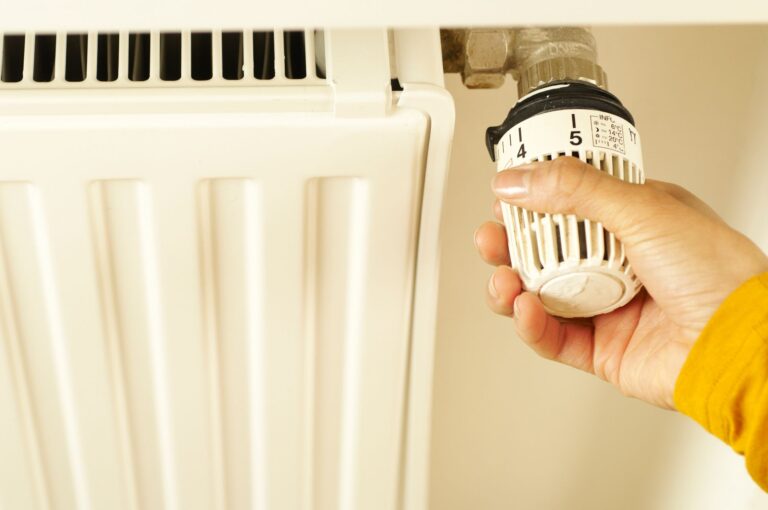

A wall thermostat shapes how every room in your home feels, yet most people replace it only when something breaks. The right unit matches your HVAC system (the furnace, air conditioner, and ductwork that heat and cool your house), fits your daily routine, and stays simple enough that the whole household can actually use it. This roundup sorts ten options by system type and complexity, so you can find a match whether you run a basic single-stage setup or a multi-stage heat pump.
An Overview Of The Picks
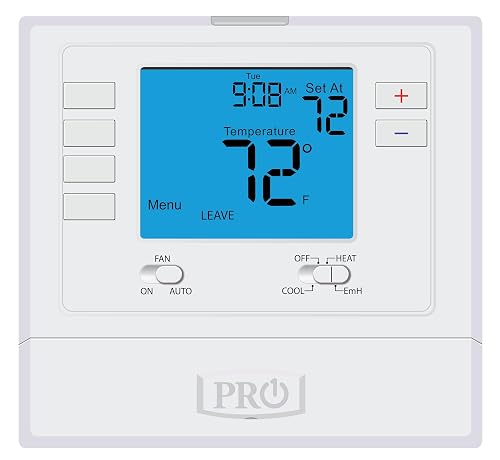
PRO1 T725 Heat Pump/Conventional Programmable Thermostat

PRO1 T771 Single Stage Non-Programmable Thermostat
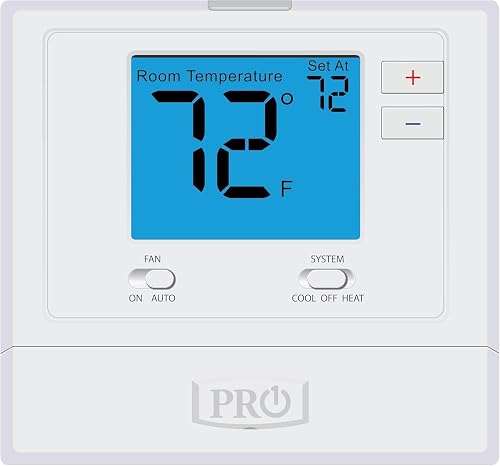
PRO1 T701 Single Stage Non-Programmable Thermostat

PRO1 T715 Multi-Stage Programmable Gas Thermostat
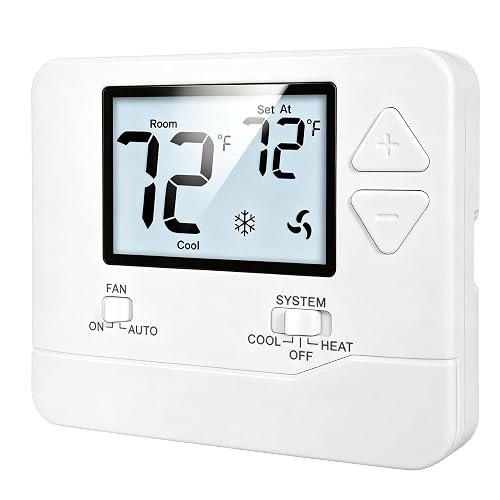
Heagstat NonProgrammable Thermostat 1 Heat/1 Cool
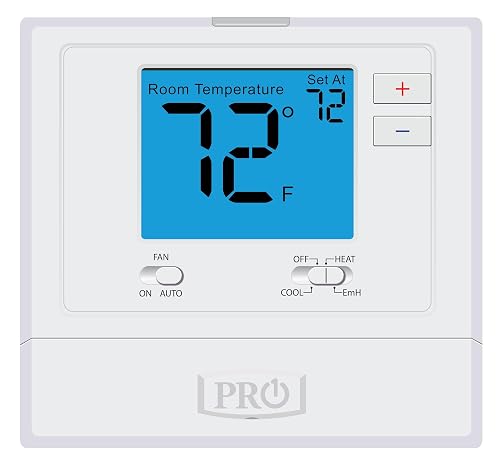
PRO1 T721 Non-Programmable Thermostat (Heat Pump or Conventional)
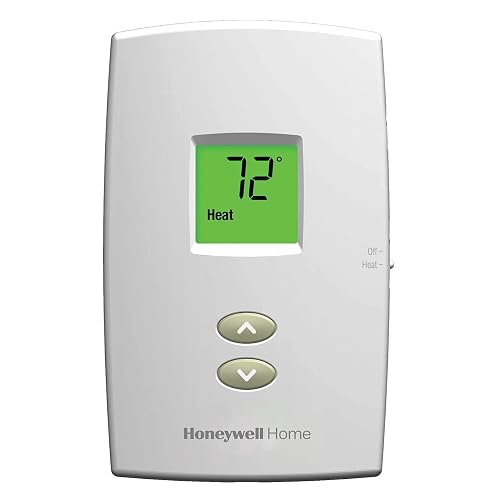
Honeywell TH1100DV1000 Pro-Digital 2-Wire Heat Only

PRO1 T805 Single Stage Programmable Thermostat
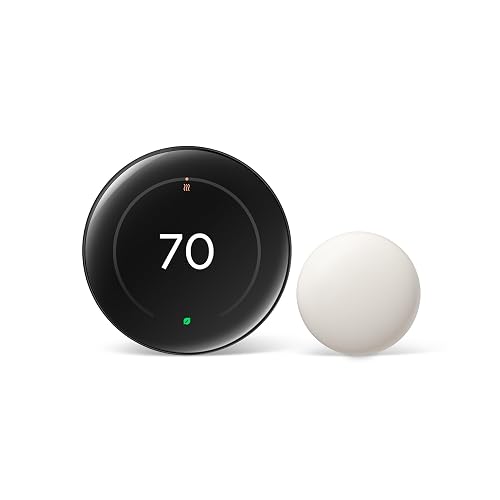
Google Nest Learning Thermostat (4th gen) Obsidian
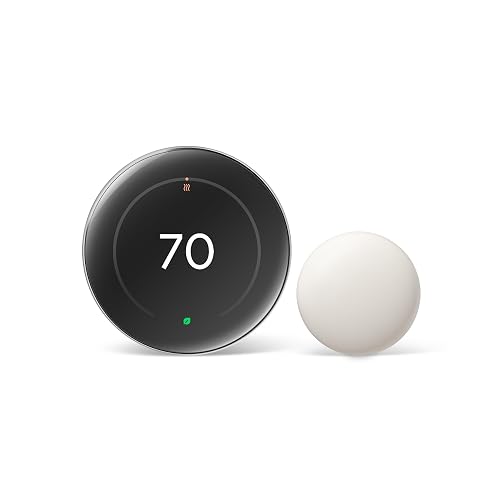
Google Nest Learning Thermostat (4th gen) Silver
A Deeper Look At The Lineup
Heat pump households often struggle with thermostats that lock them into one system type, and the PRO1 T725 solves that with dual-mode support. It runs a 2 heat/1 cool heat pump configuration or a 1 heat/1 cool conventional setup (a standard furnace-plus-air-conditioner layout), so a remodel that swaps equipment later won’t force another wall swap. The 4 sq. in. blue backlit screen gives you readable feedback without straining your eyes.
Programmable scheduling fits the way most families actually live, with 7-day or 5/1/1 options for weekdays and weekends. Set wake, leave, return, and sleep periods that mirror your real routine. The platform accepts either battery power or a common-wire hookup (a continuous 24V power line from your HVAC system), giving installers flexibility during a retrofit. For most homeowners, that combination lands in the sweet spot between features and complexity.
Points In Its Favor
- Dual-system compatibility removes guesswork during HVAC upgrades
- 7-day and 5/1/1 scheduling matches real work-and-rest patterns
- 4 sq. in. backlit screen stays readable from across the room
- Battery or hard-wired power gives installers two clean paths
- Schedule labels like wake and return feel intuitive on first use
Things To Consider
- Requires a C-wire (common wire) on some heat pump setups for steady power
- No Wi-Fi connectivity, so remote adjustments need a separate solution
Key Specs
Who It Suits Best
Heat pump owners with predictable weekly schedules who want programming without a learning curve.
Look Elsewhere When
The Google Nest Learning Thermostat (4th gen) Obsidian suits smart-home households that want remote app control and adaptive scheduling.
Garages, sheds, and hobby spaces usually get neglected when thermostats run on living-room logic, and the PRO1 T771 fixes that with a wider setpoint range. It stretches down to about 25°F, which matters in winter workshops where freezing pipes and stiff tools are real concerns. The same wider span handles warmer summer afternoons in uninsulated rooms without short-cycling the equipment.
It is non-programmable on purpose, so anyone walking in can adjust it without paging through menus. Swing adjustment and calibration settings let a careful installer fine-tune when the system kicks on and off. The blue backlit display stays readable in dim shop lighting. For detached structures, this is a refreshingly unfussy match.
Notable Gains
- Extended setpoint range handles sub-freezing workshop conditions
- Single-stage design keeps wiring straightforward for outbuildings
- Calibration and swing controls suit installer-tuned environments
- Backlit display reads clearly in low-light garages
Worth Noting
- Non-programmable design means manual daily adjustments
- Specialty focus limits appeal in primary living spaces
- Fewer comfort presets than the T701 reviewed earlier
Made For
Shop owners and shed dwellers who need precise low-temperature control in spaces where programmable features would go unused.
Consider Something Else When
Homeowners heating a primary residence should consider the PRO1 T701 Single Stage Non-Programmable Thermostat, which fits the same single-stage wiring but suits indoor living areas.
Most U.S. homes run a basic single-stage furnace and air conditioner, and the PRO1 T701 fits that setup without complicating the wall. Compared with the PRO1 T771 reviewed earlier, this model shifts the priority back to indoor living spaces. The 4 sq. in. blue backlit display gives a clear read on the current temperature, and the glow-in-the-dark light button helps during late-night adjustments.
It accepts gas or electric configurations, which covers the two most common fuel types in single-family homes. Battery or hard-wire power options keep installation flexible for older houses without a common wire. You give up programmability, but you gain a lower learning curve for kids, renters, or older family members. The trade-off works well for households that prefer one setpoint all day.
Practical Advantages
- Large backlit screen reads well from across the room
- Glow-in-the-dark button helps during nighttime checks
- Gas or electric compatibility covers common household fuels
- No scheduling menus means anyone can use it on day one
- Battery or hard-wire install adapts to older wiring
Trade Offs
- No scheduling means manual setpoint changes every season shift
- No app control for remote adjustments
Best Suited To
Renters and busy households that want reliable single-stage control without navigating programming menus.
A Better Fit Elsewhere
The PRO1 T805 Single Stage Programmable Thermostat is a smarter match for homeowners who want scheduled comfort plus the same single-stage wiring.
Two-stage gas furnaces deliver finer temperature control because the system can run on low fire most of the time, then ramp to high when outdoor temperatures plunge. The PRO1 T715 talks to that equipment properly with 2 heat/2 cool staging, avoiding the energy waste that happens when a single-stage thermostat forces a two-stage furnace into full output. You feel the difference in steadier indoor temperatures.
Programmability includes 7-day, 5/1/1, or fully non-programmable modes, so the thermostat adapts to how much you actually want to schedule. Battery or hard-wire installation gives installers options when the wall lacks a common wire. The blue backlit display stays readable in low light, with a glow-in-the-dark button for nighttime checks. For homeowners who already invested in a multi-stage system, pairing it with the right wall unit is essential.
Well-Handled Touches
- True 2 heat/2 cool staging matches multi-stage furnace behavior
- Three scheduling modes let you match programming to real routines
- Hard-wire or battery power suits retrofit installs
- Backlit screen and glow button improve low-light usability
Points To Note
- Overkill for single-stage homes
- Wiring complexity rises with multi-stage HVAC
Feature Snapshot
Perfect Match For
Homeowners with multi-stage gas furnaces who want finer temperature swings without paying for full smart-home integration.
Swap It Out When
The Heagstat NonProgrammable Thermostat is a smarter pick for single-stage renters who will never use the second stage.
First-time thermostat replacements and rental properties often need a simple, low-cost unit that still feels modern, and the Heagstat NonProgrammable Thermostat lands there. It works exclusively with 24VAC conventional single-stage 1H/1C forced-air systems (forced-air systems push heated or cooled air through ducts and vents using a blower fan), which means gas, oil, or electric furnaces paired with a separate outdoor AC condenser. That covers a lot of older American housing stock.
The white backlight keeps the screen readable at night without flooding a dark bedroom. The base accepts 2 to 5 wires, and that narrow range is actually a feature for older homes where 6- to 8-wire modern thermostats will not physically connect. Compatibility is strict, so check your wiring before buying. For the right home, installation takes well under an hour and the controls make sense on first glance.
Where It Helps
- Low entry price suits rental upgrades and starter homes
- 2-to-5 wire base fits older homes where modern units will not connect
- White backlight reads cleanly without blue-light glare
- Simple buttons reduce the learning curve for new occupants
Honest Caveats
- Not compatible with heat pump systems
- 6-8 wire installations will not connect, limiting some modern retrofits
- No scheduling features for set-it-and-forget-it routines
Quick Facts
Who Will Love This
Landlords and first-time homeowners on tight budgets who need a competent replacement for an aging thermostat in a single-stage conventional system.
Reach For A Different Pick When
The PRO1 T721 Non-Programmable Thermostat suits heat pump households that need both conventional and heat pump support in one unit.
Some homeowners want heat pump support without committing to a learning curve, and the PRO1 T721 strikes that balance. It handles 2 heat/1 cool heat pumps or 1 heat/1 cool conventional systems, which is useful when you inherit equipment and do not know what is behind the wall. Compared with the T725 reviewed earlier, this unit skips programmability for a stripped-down interface.
The 4 sq. in. blue backlit display pairs with a glow-in-the-dark light button, which helps in basements or hallways without nearby lighting. You can power it from AA batteries or a hard-wire setup, depending on what the existing wall allows. It is a sensible pick when you want flexibility across equipment types without touching a single programming screen.
A Few Strong Suits
- Works with heat pump or conventional systems, easing equipment uncertainty
- Glow-in-the-dark button helps during nighttime adjustments
- Battery or hard-wire power fits varied install situations
- Backlit display readable in dim hallways and basements
Small Caveats
- No scheduling features for automated daily routines
- Heat pump mode requires a common wire on most installations
Right Fit For
Homeowners with mixed or uncertain HVAC equipment who want simple control without programming menus.
Where A Sibling Pick Shines
The PRO1 T725 Heat Pump/Conventional Programmable Thermostat is the better choice when 7-day or 5/1/1 scheduling matters to your household.
Baseboard heaters, millivolt systems (low-voltage heating systems that use less than one volt to power a thermostat, common in old floor furnaces and some gas fireplaces), and older hot-water boilers often run on just two wires, and modern programmable thermostats do not always cooperate with that wiring. The Honeywell TH1100DV1000 Pro-Digital is built for exactly that situation. Two-wire heat-only operation removes the common-wire headache that derails most smart upgrades.
The display always shows the ambient temperature (the actual temperature of the air in the room right now), so you do not have to tap a button just to read the room. A backlit screen aids late-night checks, and one-touch setpoint access keeps adjustments to a single press. Built-in compressor protection is irrelevant here since there is no cooling stage, but the underlying temperature control is solid. It is a long-running product, which says a lot about reliability.
Benefits That Matter
- Two-wire installation fits baseboard and millivolt heaters
- Always-on ambient temperature readout improves daily awareness
- One-touch setpoint access simplifies adjustments
- Long-running Honeywell platform suggests proven reliability
Possible Compromises
- Heat-only design excludes cooling or heat pump homes
- No scheduling or app control for advanced routines
Who Should Grab It
Owners of baseboard, millivolt, or hot-water boiler systems who need a digital upgrade that respects their two-wire setup.
Skip It When
Central HVAC owners should pick the PRO1 T701 Single Stage Non-Programmable Thermostat, which adds cooling support to the same backlit screen experience.
The PRO1 T805 builds on the same single-stage foundation as the T701 reviewed earlier, with one meaningful upgrade: programmability. You get 7-day, 5/1/1, or non-programmable modes, which means the thermostat can run a full weekly schedule or stay manual if you prefer. For households that want automated comfort without paying for Wi-Fi, it lands in a useful middle ground.
The standout upgrade is the 7 sq. in. display, nearly double the screen area of the smaller T700 platform. That extra real estate makes the schedule readouts easier to scan at a glance. The glow-in-the-dark light button aids low-light adjustments in hallways or bedrooms. Battery or hard-wire installation gives installers flexibility, and the platform handles conventional 1 heat/1 cool setups cleanly.
Positive Points
- Three schedule modes cover any comfort routine
- Large 7 sq. in. display improves at-a-glance readability
- Glow-in-the-dark button supports nighttime use
- Battery or hard-wire install adapts to older homes
A Few Limitations
- Single-stage only, so multi-stage homes need the T715
- No Wi-Fi for remote app adjustments
Spec Overview
Built With In Mind
Single-stage homeowners who want programming without smart-home complexity or subscription apps.
Not Your Match When
Multi-stage furnace owners should pick the PRO1 T715 Multi-Stage Programmable Gas Thermostat for proper staging control.
The Google Nest Learning Thermostat (4th gen) is the smartest unit in this lineup by a clear margin. It studies the temperatures you set throughout the day and gradually builds a schedule around your actual habits, so the thermostat adjusts itself without programming menus. The included Nest Temperature Sensor (2nd gen) lets you measure comfort in a specific room, like a nursery or a drafty bedroom, and bias the system toward that reading.
The Obsidian finish leans dark and minimal, blending into modern interiors without drawing attention to the wall. The system also monitors your heating and cooling equipment to surface alerts about unusual runtime patterns. For smart-home households with reliable Wi-Fi, it is a meaningful upgrade from the conventional PRO1 models reviewed earlier. The honest read is that you are paying for intelligence and ecosystem, not just hardware.
Why It Works Well
- Adaptive learning removes the need to program schedules manually
- Remote sensor addresses hot and cold spots in multi-room homes
- Equipment monitoring flags unusual HVAC behavior
- App control supports remote adjustments from anywhere
- Obsidian finish suits modern, minimalist interiors
Where It Is Less Suited
- Requires reliable Wi-Fi and a C-wire for full functionality
- Premium pricing over the conventional PRO1 units in this list
The Right Fit
Smart-home households that want adaptive scheduling, app control, and room-specific comfort balancing.
Look Elsewhere When
Homeowners with simple single-stage conventional systems may prefer the PRO1 T701 Single Stage Non-Programmable Thermostat to avoid Wi-Fi dependency.
The Silver version of the Google Nest Learning Thermostat (4th gen) delivers the same intelligent platform as the Obsidian unit reviewed earlier, just with a brighter metallic finish. The smarts carry over fully: it learns your temperature preferences, builds a schedule around your routine, and pairs with the included Nest Temperature Sensor (2nd gen) for room-specific balancing. Silver tends to read better on light-colored walls, where the dark Obsidian can disappear into the background.
If you care about how the thermostat looks on a prominent hallway wall, the finish matters more than the specs would suggest. Beyond aesthetics, you get the same equipment monitoring, app control, and remote adjustments that come with the platform. The trade-off compared to the conventional PRO1 models is the same: you are paying for ecosystem, learning features, and a stronger app experience.
What Earns Its Place
- Bright silver finish complements light-colored walls
- Same adaptive learning as the Obsidian sibling
- Remote sensor addresses room-specific comfort
- App and ecosystem integration for smart homes
- Equipment monitoring flags HVAC irregularities
Practical Considerations
- Premium pricing relative to non-connected PRO1 units
- Requires stable Wi-Fi and a C-wire for full operation
Whose Shelf It Belongs On
Smart-home households that want the Nest platform’s intelligence and prefer silver over darker finishes on a visible wall.
Consider Something Else When
Renters and apartment dwellers without a C-wire should consider the Honeywell TH1100DV1000 Pro-Digital 2-Wire Heat Only for a simpler two-wire solution.
What To Weigh Before Buying custom thermostats
System compatibility is the first filter. Count the wires at your existing thermostat and check what your HVAC equipment actually supports, because a heat pump home has different needs than a baseboard or single-stage conventional setup. A mismatch means either the unit will not power on or it will short-cycle your equipment.
Decide how much scheduling you actually want. Programmable thermostats save energy on predictable routines, but a non-programmable model avoids menus altogether for households that prefer one setpoint. Wi-Fi and learning features add convenience for tech-comfortable homes, while simpler units suit rentals and older properties.
Display readability and button feedback matter more than people expect. Larger screens like the 7 sq. in. panel on the PRO1 T805 help in dim hallways, while glow-in-the-dark buttons support late-night checks. Power source flexibility, meaning battery or hard-wire, makes retrofit installs cleaner when no C-wire is present.
For specialty spaces like garages and sheds, wider setpoint ranges protect against freezing pipes and overheating. The PRO1 T771 reviewed above is built for that niche. Two-wire heat-only systems like the Honeywell TH1100DV1000 solve a different problem entirely: digital control where modern programmable units will not connect.
Smart Shopping Decisions For custom thermostats
Where Shoppers Go Wrong
Many replacements fail because the wiring count does not match the new thermostat’s expectations. Modern Wi-Fi and learning units typically demand a C-wire, and older homes without that conductor need either a power adapter or a battery-only model. Buying before checking the wall wires leads to returns and frustration.
Another common slip is choosing a multi-stage thermostat for a single-stage system, or vice versa. A 2 heat/2 cool unit connected to a basic furnace will not unlock extra comfort, just extra cost. Match the staging to the equipment you actually own, not the equipment you wish you owned.
What The Higher Tier Buys
Premium learning thermostats add adaptive scheduling, remote sensors, and app control that genuinely change daily comfort. The Google Nest units reviewed above balance room-specific temperatures and learn your habits without manual programming. The honest case for upgrading is when your routine shifts often or your home has hot and cold spots that a single thermostat cannot address. For predictable households with simple HVAC, the conventional PRO1 line offers solid control without the monthly-app dependency.