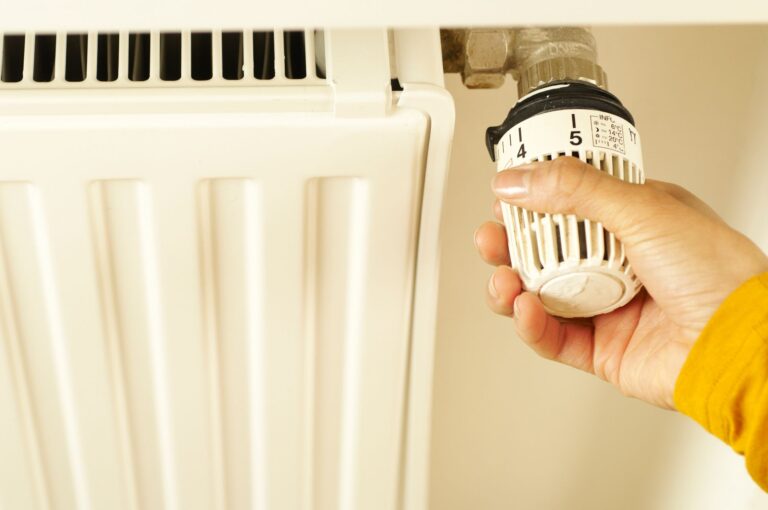

Adjustable deadband settings let you fine-tune how much the indoor temperature can drift before your heating or cooling system kicks in, which matters in homes with heat pumps, garages that swing wildly between seasons, and rooms where the furnace short-cycles. For homeowners chasing tighter temperature control, fewer short cycles, and lower wear on equipment, a thermostat with an adjustable deadband turns a wall control into a real calibration tool. This roundup covers ten solid options, from basic non-programmable dials to a learning smart thermostat, so you can match the level of sophistication to your system, your routine, and your tolerance for fiddling with settings.
The Shortlist At A Glance
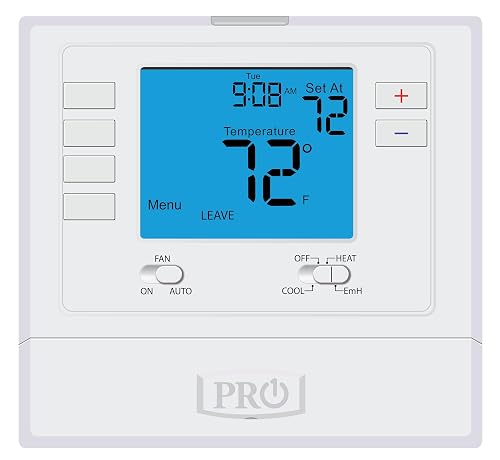
PRO1 T725 Heat Pump/Conventional Programmable Thermostat

PRO1 T771 Single Stage Non-Programmable Wall Thermostat
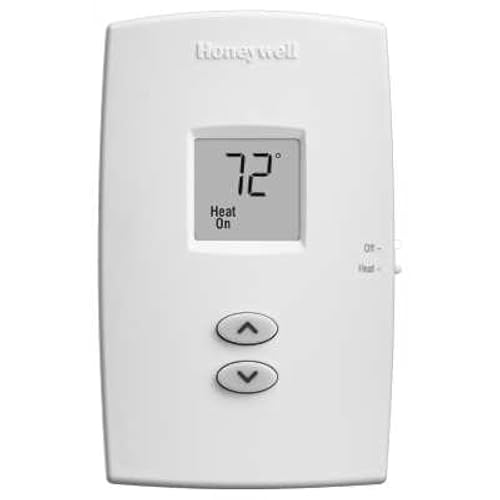
Honeywell TH1100DV1000 PRO 1000 Heat-Only Thermostat
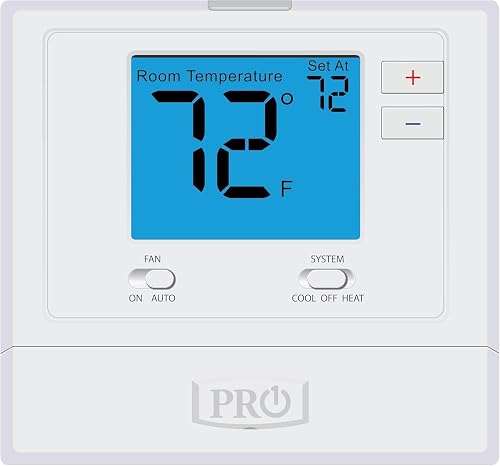
PRO1 T701 Single Stage Non-Programmable Wall Thermostat

PRO1 T715 Multi-Stage Programmable Gas Thermostat
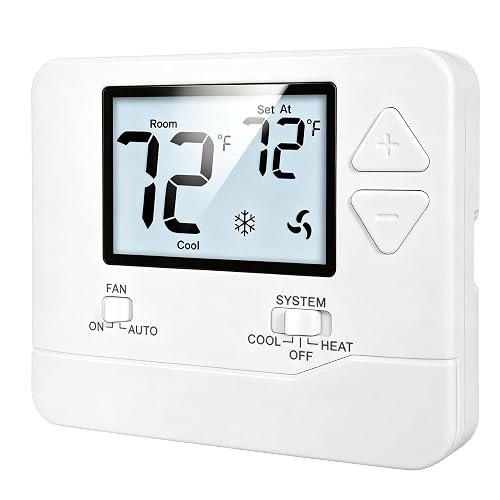
Heagstat 1 Heat/1 Cool Non-Programmable Thermostat
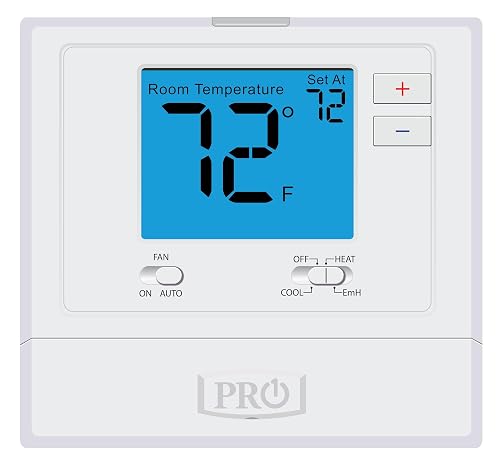
PRO1 T721 Non-Programmable Wall Thermostat

Ventamatic XXFIRESTAT Adjustable Thermostat

PRO1 T805 Single Stage Programmable Wall Thermostat
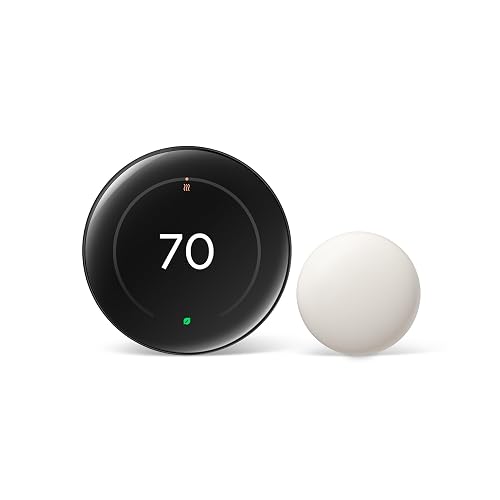
Google Nest Learning Thermostat (4th gen) + Sensor
What Each Pick Brings To The Table
The PRO1 T725 sits at the top of the lineup because it accepts two fundamentally different system layouts without forcing you to pick one. Configure it as a 2 heat/1 cool heat-pump thermostat or as a 1 heat/1 cool conventional thermostat, and the same wall unit covers either home.
Schedulers will appreciate the 7-day and 5/1/1 programming modes, which let weekdays follow one routine while weekends run a separate schedule. Compared with the PRO1 T771 covered later, the T725 trades that model’s wide low-temperature setpoint range for scheduling muscle.
Points In Its Favor
- Works with both heat-pump and conventional HVAC layouts, which is uncommon at this tier.
- 7-day and 5/1/1 programming keep wake, leave, return, and sleep periods distinct, useful for shift workers and home offices.
- A 4-square-inch blue backlit screen makes current setpoint and mode readable from across a small room.
- Adjustable deadband tuning means fewer short cycles on heat pumps that would otherwise click on and off aggressively.
Things To Consider
- Deadband adjustment lives in advanced settings rather than on the main menu, so plan for an extra trip into the installer menu.
- Wiring flexibility exists, but installers should confirm the system has a common wire before swapping units in older homes.
Feature Snapshot
Made For
Homeowners with a single heat-pump or conventional system who want scheduling flexibility plus genuine deadband tuning.
Consider Something Else When
You need the broader 25°F-to-90°F setpoint range of the PRO1 T771 for a garage or shed that runs colder than the rest of the property.
The PRO1 T771 is the unit to reach for when the space you’re heating or cooling doesn’t behave like a normal living room. Garages, workshops, sheds, and basements often swing through wider temperature swings, and this thermostat’s setpoint range reaches from 25°F on the low end up to 90°F on the high.
That range is the real story here. Compared with the T725 above, the T771 sacrifices programming but gains calibration room for spaces you actually want to run colder or warmer than a typical home.
Practical Advantages
- An unusually wide 25°F-to-90°F setpoint range covers freeze-protection mode and very hot summer setpoints alike.
- Swing adjustment and calibration controls let you tune the deadband to match a drafty or oversized space.
- A 4-square-inch blue backlit display keeps current readings visible when you’re walking in from cold air.
- Non-programmable design means no schedule to maintain, ideal for spaces used sporadically.
Points To Keep In Mind
- Limited to single-stage 1 heat/1 cool conventional systems, so it’s not the right call for heat-pump homes.
- No scheduling means you’ll nudge the setpoint manually when seasonal needs change.
Best Suited To
Owners of detached garages, sheds, or workshops running a single-stage conventional system who want genuine low-temperature protection.
Look Elsewhere When
You run a heat-pump system and need 2 heat/1 cool support, which the PRO1 T721 handles in non-programmable form.
The Honeywell TH1100DV1000 PRO 1000 is a vertical, non-programmable thermostat built for one specific job: turning a single-stage heating system on and off without the bells and whistles. That’s a feature in spaces where a fancy interface would be wasted.
Heat-only applications rule out central air conditioning, which is worth knowing up front. For boiler rooms, baseboard loops in an addition, or a workshop heated by a unit heater, the absence of cooling circuitry keeps the wiring simple.
A Favorable Mix
- The vertical layout suits narrow wall spaces and replaces many older Honeywell models without rewiring headaches.
- A premier white finish blends into utility spaces and laundry rooms.
- Adjustable anticipation lets you tune how soon the system shuts off before reaching setpoint, which is the heat-only equivalent of deadband adjustment.
- Made in the United States and built for long service in mechanical rooms.
Less Ideal Details
- No cooling support at all, so this is heat-only by design.
- Limited screen feedback compared with programmable units, which can frustrate users who want runtime data.
Right Fit For
Owners of single-stage heating systems in additions, basements, or utility spaces who don’t need cooling control.
A Better Fit Elsewhere
Heagstat users seeking heat-pump support should look at the PRO1 T721, which accepts both heat pump and conventional systems.
The PRO1 T701 is the everyday non-programmable pick on the T700 platform, aimed at homeowners who want a wall control that simply maintains temperature without schedule logic. It runs on conventional 1 heat/1 cool systems, which covers the majority of standard residential setups.
Against the PRO1 T771 in this same list, the T701 trades extra-low setpoint flexibility for a more typical living-area range. Glow-in-the-dark light button is a thoughtful touch for night-time setpoint nudges without fumbling for a phone flashlight.
Noteworthy Benefits
- Gas or electric configurable, which keeps the same unit useful across furnace swaps.
- The 4-square-inch blue backlit screen is generous for a non-programmable model.
- Adjustable swing lets you set the deadband wider or tighter depending on how often your current system short-cycles.
- AA battery or hardwire power options, so old homes without a common wire aren’t excluded.
Worth Noting
- No scheduling at all, so the T701 won’t auto-adjust for sleep or work hours.
- Limited to single-stage conventional, ruling out heat-pump homes.
Who It Suits Best
Homeowners with a conventional 1H/1C system who prefer turning a dial to programming a schedule and still want true deadband control.
Skip It When
Schedules matter to you, in which case the PRO1 T805 offers 7-day programming on the same 1H/1C platform with a larger display.
The PRO1 T715 targets households running two-stage heating and two-stage cooling, which covers most modern high-efficiency gas furnace installations. Two-stage equipment is gentle on fuel use, but it needs a thermostat that knows the difference between stage one and stage two, and that’s exactly what the T715 delivers.
Three operating modes, including 7-day, 5/1/1, and a fully non-programmable option, give the T715 unusual flexibility. Against the single-stage T701, this unit adds that second stage of heating and cooling without forcing a learning curve.
Practical Pluses
- True 2 heat/2 cool staging support makes it a clean match for two-stage furnaces and AC condensers.
- Adjustable deadband per stage keeps the first stage from clicking off prematurely when conditions are mild.
- Configurable scheduling covers households that occasionally prefer manual control without reprogramming everything.
- Battery or hardwire power, plus the glow-in-the-dark light button, simplify installs in older properties.
Honest Caveats
- Limited to gas furnace systems, which rules out heat-pump installations.
- Multi-stage tuning requires confidence with the installer menu; less technical owners may want a pro on the first setup.
Who Should Grab It
Households with two-stage gas furnaces and central AC who want scheduling plus meaningful deadband adjustment across both heating stages.
Reach For A Different Pick When
Your home runs a heat pump rather than a gas furnace, in which case the PRO1 T725 covers that configuration with scheduling built in.
The Heagstat NonProgrammable thermostat is built around a clear constraint: it works exclusively with 24VAC conventional single-stage systems, including gas, oil, and electric furnaces paired with a separate air-conditioning condenser. That specificity removes a lot of installer guesswork.
The wiring harness caps at two to five conductors. Six-to-eight-wire systems are not compatible, so confirm your existing wire count before pulling the old unit off the wall.
Useful Highlights
- White backlit display keeps the current temperature readable in dim hallways and basements.
- Adjustable temperature differential, the deadband setting, lets new installers tune cycle behavior without a service call.
- Single-stage focus means a quick install on most standard residential HVAC setups.
Potential Drawbacks
- Not compatible with heat-pump systems, multi-stage equipment, or systems requiring more than five wires at the base.
- Documentation is thinner than major-brand equivalents, so plan extra time for the installer menu walkthrough.
Quick Facts
Built With In Mind
First-time DIY installers replacing an aging non-programmable thermostat on a simple 1H/1C conventional system.
Where A Sibling Pick Shines
The PRO1 T725 is a better call for heat-pump owners, since it explicitly accepts 2H/1C heat pump configurations alongside conventional wiring.
The PRO1 T721 is the non-programmable sibling to the T725 covered earlier, and it accepts both 2 heat/1 cool heat-pump setups and 1 heat/1 cool conventional setups. Owners who keep their home on a manual setpoint but run a more capable HVAC system benefit most.
Power options include AA batteries or a hardwire common, which keeps the T721 useful in older homes lacking a C-wire. The glow-in-the-dark light button is a small but appreciated touch on a unit that lives in hallways and entryways.
Useful Strengths
- Dual configuration for heat-pump or conventional systems on one non-programmable wall unit.
- 4-square-inch blue backlit display with glow-in-the-dark light button for quick nighttime reference.
- Adjustable deadband tuning on a platform that doesn’t require schedule programming.
- Gas or electric compatibility on the conventional side extends its usefulness across furnace swaps.
Trade-Offs
- No 7-day scheduling, so this won’t auto-adjust between weekdays and weekends.
- Heat-pump support tops out at 2H/1C, which excludes multi-stage heat-pump installations.
Perfect Match For
Heat-pump or conventional homeowners who prefer manual setpoints and want deadband tuning without the complexity of programming.
Where Another Pick Suits Better
PRO1 T805 users who want both the heat-pump-or-conventional flexibility of the T721 and built-in 7-day scheduling on a larger display.
The Ventamatic XXFIRESTAT is a different animal from the wall thermostats above. It controls power attic ventilators, not living-area HVAC, and it carries a built-in Firestat safety cutoff that disengages the fan at 183°F.
Adjustment is screwdriver-based via an adjustable bi-metallic switch, which keeps the calibration physical and tamper-resistant. The setpoint range runs 50°F to 120°F, well matched to attic temperature swings through spring and summer.
Well-Handled Touches
- Firestat cutoff at 183°F protects the motor and ducting if attic temperatures climb dangerously high.
- Screwdriver-set deadband keeps calibration stable once adjusted, useful in spaces where curious hands might otherwise fiddle.
- Controls up to three power attic ventilators without exceeding 10 amps, useful in larger attics with multiple fans.
- Equalizes attic and outdoor temperatures, which reduces cooling load on the rest of the home.
Practical Considerations
- This is an attic-fan thermostat, not a living-area controller, so it does not replace any of the wall units in this roundup.
- Requires basic wiring knowledge and a screwdriver, since there’s no digital interface to navigate.
Whose Shelf It Belongs On
Owners of homes with power attic ventilators looking to replace an aging bi-metallic control or upgrade from a fixed-temperature model.
Swap It Out When
You actually need a living-area wall thermostat, in which case any of the PRO1 or Honeywell units above would suit.
The PRO1 T805 is the largest-display option on the conventional 1 heat/1 cool side of the T800 platform. The 7-square-inch screen is a meaningful jump from the 4-square-inch displays common across this roundup, and it shows up clearly across open-concept living areas.
Programming flexibility covers 7-day, 5/1/1, or fully non-programmable operation, which is rare at this display size. Compared with the PRO1 T701, the T805 adds a much larger screen and full scheduling.
Where It Helps
- 7-square-inch blue backlit display is the largest in this roundup, ideal for open-plan homes.
- 7-day, 5/1/1, or non-programmable modes let you start simple and grow into scheduling later.
- Adjustable deadband and glow-in-the-dark light button for fine-tuning and nighttime reads.
- Conventional 1H/1C compatibility covers most gas, oil, and electric furnace households.
Possible Compromises
- Limited to single-stage conventional systems, so heat-pump owners should look at the T725 or T721.
- Larger footprint may not fit existing decorator wall plates without repainting or patching.
At A Glance
Who Will Love This
Households with conventional 1H/1C systems who want a large display and the option to program schedules or run the unit manually.
Not Your Match When
You run a heat pump rather than a gas furnace, in which case the PRO1 T721 supports heat pumps in a non-programmable package.
The Google Nest Learning Thermostat (4th gen) sits at the opposite end of the roundup from the Honeywell PRO 1000 covered earlier. Where that unit runs a fixed mechanical anticipation cycle, this one observes your routine and adjusts automatically as your habits shift.
The included Nest Temperature Sensor (2nd gen) adds a remote reading point, which is useful in homes with hot or cold zones that the wall thermostat can’t feel. Owners who already run a smart-home ecosystem will appreciate the integration angle.
Positive Takeaways
- Learning algorithm builds a schedule from your manual adjustments rather than forcing you to program one upfront.
- Remote sensor expands the comfort zone to rooms the wall unit can’t measure directly.
- Obsidian finish looks at home in modern interiors, which matters in visible living spaces.
- App control and remote adjustment are convenient for vacation homes and rental properties.
Where It May Fall Short
- Higher learning curve than the dial-based units covered earlier, and some setup steps require the mobile app.
- Compatibility depends on the existing HVAC system, so confirm C-wire availability and system voltage before purchasing.
Feature Snapshot
Perfect Match For
Smart-home enthusiasts who want the thermostat to learn their routine and prefer app control over wall-mounted programming.
A Better Fit Elsewhere
Homeowners who want a simpler wall unit without app dependencies would do better with the PRO1 T701, which delivers true deadband tuning on a single-stage conventional system.
Picking The Right Adjustable Deadband Thermostat For Your Home
Adjustable deadband is the gap between your cooling setpoint and heating setpoint, sometimes called the swing setting. Wider gaps reduce how often your system cycles on and off, which is helpful on heat pumps and oversized furnaces that would otherwise click into action every few minutes. Narrower gaps hold temperature closer to your setpoint, which matters in homes with big thermal swings between day and night.
Match the thermostat to your system first. Heat-pump homes need units that explicitly list heat-pump support, such as the PRO1 T725 or T721. Two-stage gas furnace homes benefit from the multi-stage logic in the T715. Single-stage conventional homes have more choices, including the T701, T805, and Heagstat options covered above.
Garage, shed, and workshop owners should look past standard thermostats and consider units with extended low-temperature setpoints. The PRO1 T771’s 25°F-to-90°F range covers freeze protection and overheated summer garages alike. Power attic ventilator owners, meanwhile, need a different category entirely, and the Ventamatic XXFIRESTAT covers that niche with built-in Firestat safety.
For homeowners who want zero schedule programming, the T701, T721, T771, and Heagstat models keep operation manual. Schedulers will appreciate the T725, T715, T805, and Nest Learning Thermostat. The Nest is the only entry that learns your routine automatically, while the others require explicit programming.
Key Considerations Across These Picks
Common Shopping Slip Ups
Most missteps in this category come from system mismatch rather than feature gaps. Buyers sometimes order a thermostat with two-stage support when their furnace runs single-stage, which works but wastes the second stage. The opposite mistake is more costly: selecting a non-heat-pump thermostat for a heat-pump system, which leaves the outdoor unit unable to switch into heating mode correctly.
Another frequent slip is ignoring wire count. The Heagstat unit covered here caps at five wires, while many heat-pump installations run six to eight. Confirming your existing wire count before purchase avoids a weekend spent rewiring through the wall cavity.
Where The Extra Money Goes
Premium models in this roundup, including the PRO1 T715 and the Google Nest Learning Thermostat, justify the difference with multi-stage logic, learning algorithms, and remote sensor support. For two-stage furnaces, the T715’s stage-aware deadband tuning translates to measurable fuel savings over a single-stage control.
The Nest’s premium reflects its software layer and ecosystem integration rather than basic thermostat hardware. For households already running Google Home or similar platforms, that integration adds real daily convenience. For standalone use, a simpler PRO1 unit often does the same job without the recurring app ecosystem.
Frequently Asked Questions
What exactly is a deadband on a thermostat?
The deadband is the temperature gap between when your system stops heating and when it starts cooling, or vice versa. A wider deadband means your system cycles less often, while a narrower deadband holds temperature closer to your setpoint.
Do I really need an adjustable deadband setting?
An adjustable deadband matters most if your system short-cycles, meaning the furnace or AC kicks on and off repeatedly without reaching steady-state comfort. Owners of oversized equipment, heat pumps, and drafty spaces typically see the biggest benefit.
Can a non-programmable thermostat still have deadband adjustment?
Yes, several non-programmable units in this roundup, including the PRO1 T701 and T721, expose deadband tuning through the installer menu even without scheduling features. The setting controls swing behavior independently from any weekly schedule.
Will any of these work with a heat pump without a common wire?
Most heat-pump thermostats need a common wire for continuous power. Battery-powered models like the PRO1 T721 can work in homes lacking a C-wire, but you’ll trade some reliability for the simpler install.
Is a learning thermostat worth it over a basic programmable model?
Learning thermostats earn their keep in homes where schedules vary day to day, since they adjust without manual reprogramming. For rigid weekday-weekend routines, a programmable unit like the PRO1 T805 often does the same job at a lower entry point.
The Takeaway
The right pick depends on what your HVAC system actually needs. Heat-pump homes get the most flexibility from the PRO1 T725 or T721, two-stage gas furnaces benefit from the T715’s stage-aware logic, and shed or garage owners should focus on the T771’s wide setpoint range. For households ready to hand off scheduling to software, the Nest Learning Thermostat handles the routine automatically. Match the system, confirm your wire count, and the rest of the choice tends to fall into place.