

Central air feels different once your thermostat actually understands the house. A wall dial that you tweak twice a day cannot read humidity, remember that the upstairs bedroom runs hot, or notice that nobody is home. A smart thermostat for ac changes that quietly, and the gap between budget and premium shows up fastest during the first heat wave.
You have probably noticed the options multiplying: learning thermostats, geofencing units, and remote sensors that let the hallway finally feel the same as the bedroom. The seven picks below cover the main scenarios, from a quick DIY swap to a sensor-heavy setup that genuinely balances a stubborn two-story home.
A Side-By-Side Look
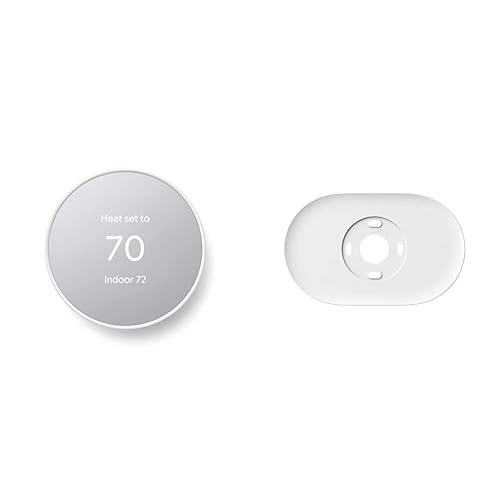
Google Nest Thermostat with Trim Kit (Snow)
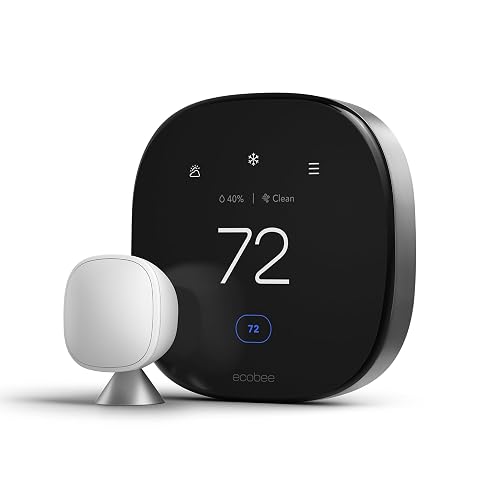
ecobee Smart Thermostat Premium with Smart Sensor
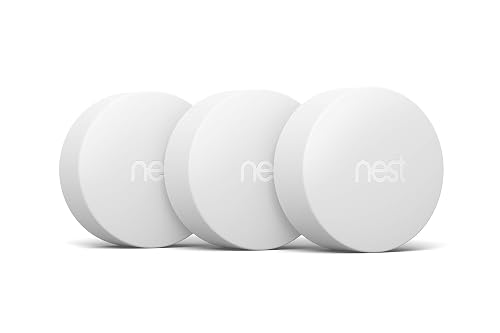
Google Nest Temperature Sensor 3-Pack
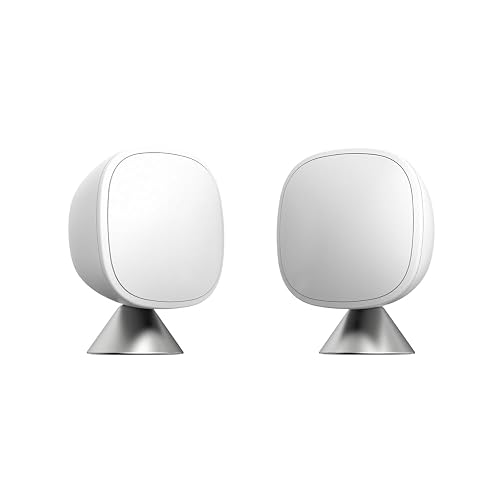
ecobee SmartSensor 2-Pack
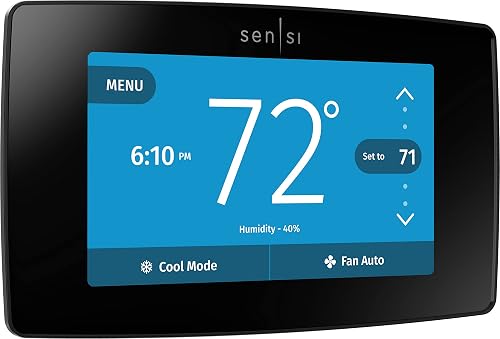
Sensi Touch Wi-Fi Thermostat ST75 (Black)
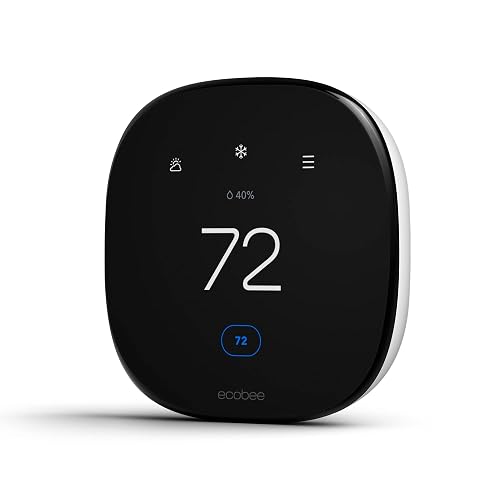
ecobee Smart Thermostat Enhanced
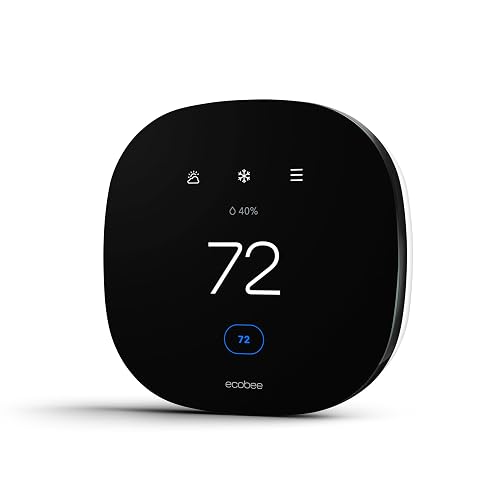
ecobee3 Lite Smart Thermostat (Black)
A Closer Look At Each Pick
For anyone stepping into smart climate control for the first time, the Google Nest Thermostat (Snow) keeps the on-wall hardware to a minimum and pushes the heavy thinking to the Google Home app. The frosted dial rotates with a satisfying click, and the included trim plate covers the holes left by older thermostats, which matters if you are swapping out a 1990s rectangle.
Where it earns its keep is scheduling. You tell it roughly when you sleep, leave, and come back, and it builds a temperature curve that follows your week. For a single-zone home or apartment with predictable hours, that automation does most of the work without you touching the app after setup.
Everyday Perks
- ENERGY STAR rated design that trims cooling costs during empty hours.
- Trim plate and steel mounting plate ship in the box, covering most older installations.
- App-based scheduling reads almost like a calendar, so you can override one evening without rewriting the week.
- Voice control works through any Google Assistant speaker already in the home.
Things To Consider
- No external temperature sensor ships with the unit, so upstairs bedrooms can still feel warmer than the hallway.
- Some HVAC systems need a C-wire adapter that is not always included.
Who It Suits Best
First-time smart home adopters running a single-zone central air system and wanting the shortest path to scheduled cooling.
Consider Something Else When
The ecobee Smart Thermostat Premium makes more sense for multi-room homes where you want bundled sensors and built-in voice control.
Ecobee’s top-of-the-line unit pushes the idea of a thermostat past temperature alone. The Premium ships with a SmartSensor and a built-in speaker that listens for Siri and Alexa, plus an air quality monitor that flags poor ventilation on stuffy summer afternoons. The metal-finish faceplate looks closer to a small control panel than a wall dial.
In a two-story home where the upstairs bedroom always seems warmer, the included sensor lets the system focus on that room instead of the hallway thermostat. For households already deep into Apple HomeKit or Alexa, the on-device voice control removes a layer of friction you may not have realized was annoying.
Positive Points
- Built-in air quality monitor gives a quick read on humidity and airborne particulates.
- Siri and Alexa live in the unit, so you can drop a smart speaker from the bedside table.
- SmartSensor included in the box covers the room that matters most from day one.
- Touchscreen interface feels responsive and the menu structure stays shallow.
- Geofencing reliably catches the moment your phone leaves the house.
Worth Noting
- The price gap over the Enhanced model is real, and you pay extra mainly for the speaker and air sensor.
- Some users report that the on-device microphone picks up ambient noise from across open living areas.
Made For
Homeowners with a multi-room floor plan, mixed smart home ecosystems, and a real interest in monitoring indoor air quality during cooling season.
Look Elsewhere When
The Google Nest Thermostat with Trim Kit is the better fit for a single-zone setup where you want a shorter install and a quieter wall unit.
Think of this as the accessory that finishes the job. The Google Nest Temperature Sensor 3-Pack adds three small wireless pucks that report the temperature from rooms your wall thermostat cannot see, and the parent thermostat uses that data to weight its decisions. Each sensor communicates over Bluetooth Low Energy up to roughly 50 feet.
A nursery, a sun-soaked living room, and a basement office can all get a dedicated reading. Compared to the standalone ecobee sensors, these tie into a Google Home routine, which is the part that matters if your home already runs on that platform.
Notable Upsides
- Three sensors in one pack covers a typical floor plan without buying extras.
- Small puck form factor sits on a shelf or mounts to a wall without rewiring.
- Setup runs through the same Google Home app you already use.
- Sensors let you prioritize specific rooms at specific times of day.
Room For Improvement
- Requires a compatible Nest thermostat to function, so this is an add-on, not a standalone climate solution.
- No occupancy detection, so a sun-warmed empty room can still trigger cooling.
Who Will Love This
Google Home households with finished basements, bonus rooms, or nurseries that run several degrees off from the hallway thermostat.
Not Your Match When
The ecobee SmartSensor 2-Pack is a smarter choice for homes that need occupancy-based cooling, since those sensors detect people, not just heat.
The ecobee SmartSensor 2-Pack goes a step beyond reading temperature. Each sensor uses infrared to detect when a room is actually occupied, and the parent thermostat then decides whether to push cool air that direction. Wireless range stretches up to about 60 feet, which covers most bedrooms and a home office with one sensor each.
This is the part that changes summer mornings. A baby’s room gets cooled only when the sensor sees movement, and a guest bedroom is ignored entirely when no one is staying over. For households where empty rooms were getting the same treatment as the occupied ones, the savings show up fast on the cooling bill.
Positive Takeaways
- Occupancy detection ignores empty rooms, which avoids wasted cooling.
- Wireless range handles most single-family homes without repeaters.
- Two-pack covers a primary bedroom and one secondary room out of the box.
- Integrates with Follow Me mode in the ecobee app for room-specific comfort.
Soft Spots
- Only pairs with ecobee thermostats, so you cannot mix these with a Nest setup.
- Battery replacement every couple of years is an easy-to-forget maintenance step.
Right Fit For
Ecobee households with a nursery, home office, or guest room that gets ignored by a hallway thermostat for hours at a time.
Skip It When
The Google Nest Temperature Sensor 3-Pack is the smarter buy for Nest households, since the two ecosystems do not talk to each other.
The Sensi Touch ST75 comes from Emerson, a name that has been building HVAC controls for over a century, and the experience shows in the install. The color touchscreen reads cleanly from across a room, and the app guides you through wiring with photos of your own terminals. For households that do not want to hand over personal usage data, the privacy-focused policy is a real differentiator.
Unlike the Google Nest Thermostat or the ecobee Smart Thermostat Enhanced, Sensi stays quiet about what it learns from your schedule. ENERGY STAR certification and a clear geofencing option cover the efficiency side, and the requirement for a C-wire keeps older homes honest about the wiring.
What It Does Well
- Touchscreen color display stays readable in low light and direct sun.
- Strong data privacy stance with no selling of personal information.
- DIY-friendly wiring guidance built right into the app.
- Works with Alexa for voice control without a separate hub.
Points To Note
- A C-wire is required, which means older systems may need a new wire run.
- No bundled remote sensor, so multi-room balance depends on the wall unit alone.
- Some users find the app layout less polished than the ecobee or Nest counterparts.
Best Suited To
Homeowners with a C-wire already in the wall who care about clear data practices and a touchscreen-first interface.
Reach For A Different Pick When
The ecobee Smart Thermostat Enhanced is the smarter choice for households that need a bundled sensor and a more refined app experience.
The ecobee Smart Thermostat Enhanced sits in the middle of the lineup, keeping the core scheduling and sensor support of the Premium while skipping the built-in speaker and air quality monitor. For most households, that is the right trade. The interface still feels modern, and the eco+ features handle the everyday energy savings without nagging you about every degree.
Compared to the older ecobee3 Lite, the Enhanced adds more refined occupancy handling and better compatibility with the latest smart home platforms. You get the same app ecosystem, just with a cleaner hardware revision and steadier firmware updates over time.
Bright Spots
- Mid-range price with most of the Premium’s scheduling intelligence.
- Works with Siri, Alexa, and Google Assistant from one install.
- Compatible with the ecobee SmartSensor 2-Pack for room-by-room comfort.
- Eco+ adjusts temperatures automatically when you are away or asleep.
Honest Caveats
- No built-in air quality monitor like the Premium model.
- Apple Watch support exists but is limited to basic temperature checks.
- A C-wire or the included adapter is required for most installs.
Who Should Grab It
Homeowners upgrading an older thermostat who want ecobee’s scheduling smarts without paying for features they would not use.
Swap It Out When
The ecobee Smart Thermostat Premium is the better fit if you want the on-device voice control and the air quality sensor baked in.
The ecobee3 Lite has been around long enough to feel like a known quantity, and that is part of the appeal. It skips the touchscreen flash of the Enhanced and Premium, trading it for a lower entry cost and the same reliable scheduling engine. The black square design looks clean on a modern wall and the app experience is the one ecobee users have refined over many seasons.
Renters and first-time smart thermostat shoppers tend to land here because the install runs on common wiring. Compared to the Sensi Touch, you give up the color display but gain deeper integration with Apple HomeKit and a stronger sensor ecosystem down the road.
Strong Points
- ENERGY STAR certified with proven cooling savings in real homes.
- Works with Siri, Alexa, and Google Assistant without extra hardware.
- DIY install designed for typical 24V HVAC systems.
- Pairs with ecobee SmartSensors for whole-home comfort later on.
Some Limits To Know
- Older hardware design lacks the touchscreen of the newer ecobee models.
- No built-in occupancy sensor, so room-specific behavior needs add-on sensors.
- Some advanced features require a subscription or newer firmware.
Perfect Match For
Renters, first-time smart home shoppers, and anyone swapping a basic programmable thermostat for something that actually schedules around their week.
Where A Sibling Pick Shines
The ecobee Smart Thermostat Enhanced is worth the stretch if you want a modern touchscreen and a more refined hardware revision for the same long-term software support.
What To Weigh Before Choosing a Smart Thermostat for AC
System Compatibility Comes First
C-wire (the common wire that delivers continuous power to a smart thermostat) requirements trip up more installs than any other detail. The Sensi Touch, ecobee Smart Thermostat Enhanced, and ecobee Smart Thermostat Premium all need a C-wire or the included power adapter. Homes with older furnaces may need a new wire pulled or a workaround. Skipping this check is the fastest way to a frustrating Saturday afternoon.
Sensors Solve Real Cooling Problems
Central air cools a hallway first and the rest of the house second. The Google Nest Temperature Sensor 3-Pack and ecobee SmartSensor 2-Pack fix that by reporting from the rooms you actually live in. Occupancy-aware sensors like the ecobee models also avoid cooling empty guest rooms, which matters most in homes with finished basements or bonus spaces.
Voice and App Ecosystems
Siri, Alexa, and Google Assistant support is nearly universal across this list, but the depth varies. The ecobee Smart Thermostat Premium bakes voice control into the unit itself, which is convenient if you would rather not place a smart speaker in every room. Most households only need app and voice support through an existing speaker, which keeps the choice simpler.
Privacy and Long-Term Support
Data practices vary, and Sensi leans hard on its no-sell policy. Look for brands that publish clear firmware support windows, since a smart thermostat should keep receiving updates for at least five to seven years.
Key Considerations Across These Picks
Where Shoppers Go Wrong
Many shoppers focus on the thermostat and forget the wiring. Pulling the faceplate off the existing unit and photographing the terminals before buying avoids a return trip. Another common slip is buying a sensor pack from a different ecosystem than the thermostat. The Google Nest Temperature Sensor 3-Pack will not pair with an ecobee, and the ecobee SmartSensor 2-Pack will not pair with a Nest.
What The Higher Tier Buys
The jump from the ecobee Smart Thermostat Enhanced to the ecobee Smart Thermostat Premium pays for the built-in speaker, the air quality monitor, and a metal faceplate. None of that matters for a small apartment with one zone, but it makes a real difference in a larger home where you want voice control in the kitchen and humidity alerts in the nursery. Decide based on the room count and the ecosystem you already use.
Frequently Asked Questions
Do smart thermostats for AC actually cut cooling bills?
Most ENERGY STAR certified units recover their cost over a couple of cooling seasons by trimming runtime when nobody is home. The exact savings depend on your climate, utility rates, and how aggressively you schedule.
Can I install a smart thermostat without a C-wire?
Some models work without a C-wire by drawing power from the heating and cooling circuits, but most modern units need one for stable operation. The ecobee line and Sensi Touch often include a power adapter for homes that lack a C-wire at the wall.
How many remote sensors do I really need?
A two-bedroom home usually does fine with two sensors covering the primary bedroom and a home office. Larger homes with a finished basement benefit from a three-pack, which is why the Google Nest Temperature Sensor 3-Pack is sized for that case.
Will a smart thermostat work with my existing voice assistant?
Every pick on this list supports at least one major voice platform. Check the model page for the specific assistant you use, since some integrations are deeper than others.
Do smart thermostats need Wi-Fi to function?
You can run them on basic schedules without Wi-Fi, but you lose remote control, updates, and energy reports. For most households, keeping the unit online is the whole point.
Bottom Line
A smart thermostat for AC pays off fastest when it matches your floor plan and your daily rhythm, not when it brags about the most features. Start with your wiring, pick a sensor strategy if any room runs hot, and let the ecosystem you already use guide the brand choice. The right unit fades into the background, and the right unit is the one that quietly keeps every room comfortable without you thinking about it.