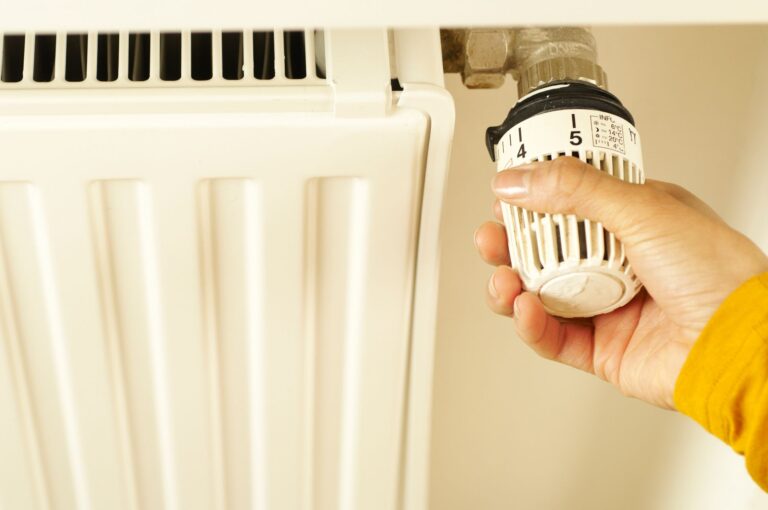

Finding the right control thermostat comes down to matching how and where you live. Some folks need a wall-mounted brain that runs a forced-air system, while others just want a plug-in outlet to keep a terrarium cozy. After looking at what’s on the shelves right now, here are six options that cover both worlds, from a learning smart unit to no-fuss analog-style plug controllers. Each one solves a slightly different problem, so think about your space first, then the brand.
The Main Contenders
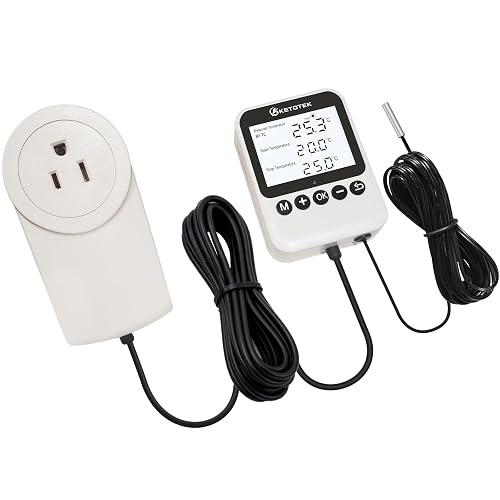
KETOTEK Digital Thermostat Timer Plug Outlet
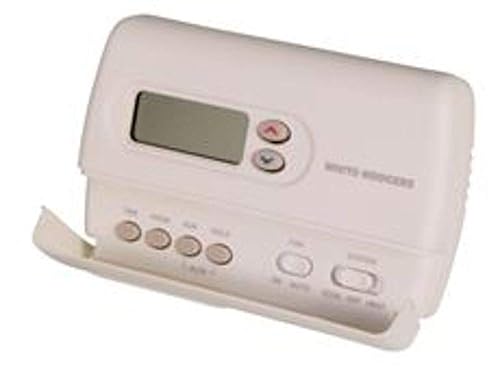
White-Rodgers 1F80-361 Emerson 80 Series Programmable Thermostat
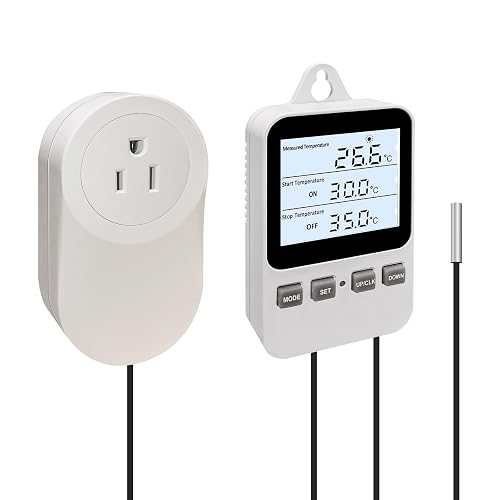
HIADA Heating and Cooling Digital Thermostat Outlet
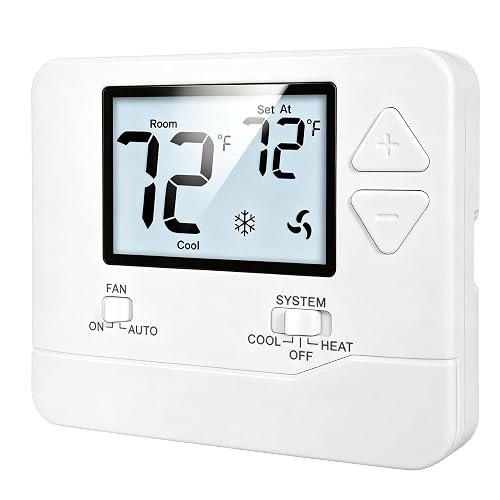
Heagstat NonProgrammable Thermostat 1 Heat/1 Cool
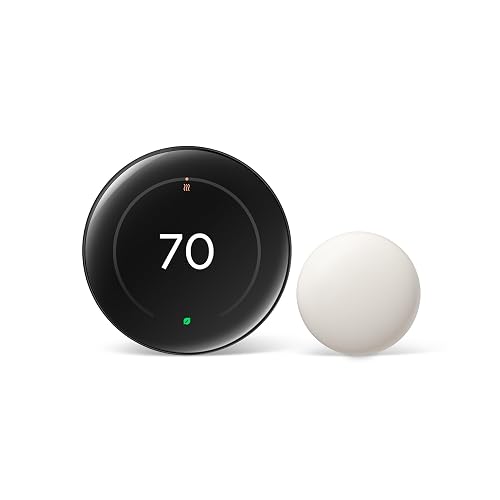
Google Nest Learning Thermostat 4th Gen with Temperature Sensor (Obsidian)
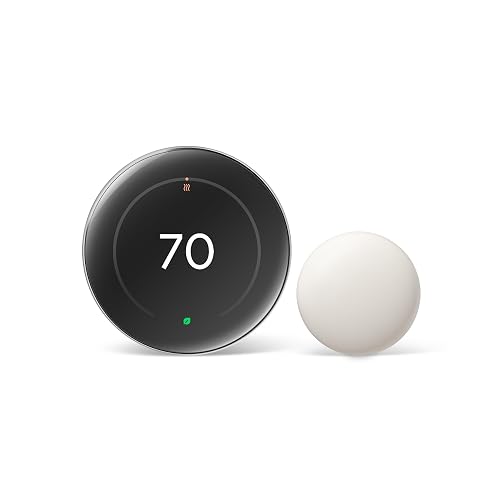
Google Nest Learning Thermostat 4th Gen with Temperature Sensor (Silver)
The Strengths Of Each Pick
The KETOTEK plug-in unit earns a spot on the list because it pulls triple duty where a wall thermostat simply cannot reach. It slides into any standard 120V outlet and reads the air through a wired sensor probe, which means you can drop the probe inside a tank or greenhouse while the controller itself sits outside.
That kind of flexibility is a real gift for anyone splitting time between a bearded dragon enclosure and a seedling rack. Three operating modes let you set a steady target temperature, run separate day and night readings, or use the outlet as a 24-hour on/off timer for lights. Compared to the Emerson wall unit covered below, this one is built for the sort of micro-environments a forced-air system would never know existed.
Everyday Wins
- Three selectable modes cover constant heat, day/night cycling, and timer duty in a single device
- Wired probe measures inside the enclosure for more accurate readings than ambient wall placement
- Backlit LCD stays readable in dim reptile rooms or late-night greenhouse checks
- Plugs into existing outlets, so no electrician is needed for basic setup
Things To Consider
- Outlet-style form factor means you sacrifice an open receptacle while it is in use
- The included 3-meter probe works for most setups, though deeper racks may need an extended cable
Who It Suits Best
Reptile keepers, small greenhouse growers, and homebrewers who need flexible day/night temperature control without rewiring a wall.
A Better Fit Elsewhere
The Heagstat NonProgrammable Thermostat is a stronger match for homeowners running a standard forced-air system who want a simple wall unit instead of a plug-in solution.
Where the KETOTEK unit looks after habitats, the White-Rodgers 1F80-361 steps in for the whole house. This is a wall-mounted, single-stage programmable thermostat that runs on the 24V low-voltage wiring common in most conventional gas, oil, and electric forced-air systems.
The 5+1+1 scheduling, meaning five weekdays plus Saturday and Sunday each get their own plan, gives working folks a way to stop heating an empty house. Owners commonly rely on the four daily periods to trim morning ramp-up and overnight setbacks. For households that want a schedule without phone apps or learning curves, this Emerson model lands in a useful middle ground.
Positive Points
- 5+1+1 programming with up to four periods per day covers most workweek routines
- Works with 24V and millivolt systems, including gas, oil, and electric setups
- Comes in a contractor bulk-pack, so replacement inventory stays consistent across properties
- Manual is hosted on the product page, helpful for installers and handy homeowners
Points To Note
- No Wi-Fi, so remote adjustments require physical presence at the wall
- Single-stage only, so homes with multistage heating or cooling should look elsewhere
The Right Fit
Owners of conventional single-stage systems who want dependable scheduling and simple wall controls without smart-home integration.
Look Elsewhere When
The Google Nest Learning Thermostat 4th Gen is a smarter match for households that want a thermostat that adapts to routines on its own rather than following a hand-entered schedule.
The HIADA outlet controller earns its place for one specific reason: it handles both heating and cooling loads in a single plug-in box. The 120V, 15A capacity covers most reptile heat mats, ceramic emitters, and small fans, which means a single unit can run a basking lamp in winter and switch to a cooling fan when summer rolls around.
That seasonal flexibility is something the KETOTEK and the dedicated wall thermostats cannot replicate in the same form factor. For keepers in climates with sharp seasonal swings, having one controller handle both sides of the equation cuts down on gear swaps. It also suits seedling mats, incubation projects, and small propagation chambers where conditions shift through the year.
Advantages To Know
- Switches between heating and cooling modes, so the same outlet works year-round
- 15A capacity handles larger ceramic heat emitters and many small fans
- Plug-and-play setup means no low-voltage wiring or wall mounting
- Fits reptile tanks, seedling racks, incubation boxes, and propagation tents
Small Caveats
- 15A ceiling rules out high-wattage space heaters or heavy-duty grow equipment
- Sensor placement matters; tucked-away probes may give readings that lag the actual enclosure temperature
Built With In Mind
Hobbyists and small-scale growers who need one controller to handle both warm and cool seasons without swapping hardware.
Skip It When
The KETOTEK Digital Thermostat Timer Plug Outlet is a better pick if day/night temperature cycling matters more to you than a heat/cool mode switch.
The Heagstat is the kind of thermostat you hand to a parent or a tenant who just wants the heat to come on. There is no schedule to program, no app to pair, and no learning curve beyond picking a temperature on the dial. The white backlight keeps the readout visible in hallways and bedrooms without flooding the room.
It runs on 24VAC and supports conventional single-stage 1H/1C forced-air systems, the most common residential setup in North America. For most homeowners, that compatibility is the whole point: install it, set the temperature, and move on. The Emerson 1F80-361 covered above adds scheduling; this Heagstat trades that flexibility for fewer buttons to press.
Features That Help
- No programming required, so anyone can adjust the temperature without instructions
- Works with standard 24VAC single-stage heating and cooling systems
- White backlight keeps the display readable at a glance
- Lower complexity often translates to fewer settings to misconfigure
Honest Caveats
- No weekly scheduling, so energy savings depend on manual adjustment
- Limited to 2 to 5 wires, so homes with 6 to 8 wire configurations are not a match
Best Suited To
Households with straightforward single-stage HVAC who want a manual wall thermostat that simply holds the temperature you set.
Another Choice May Suit
The White-Rodgers 1F80-361 is a stronger match for anyone who actually wants a 5+1+1 schedule but still prefers a traditional wall unit over a smart device.
The fourth-generation Nest in Obsidian is the thermostat for people who would rather not program anything at all. It watches how you adjust the temperature over the first week or two, then starts building a schedule on its own. Pair it with the included second-generation temperature sensor and the system can prioritize whichever room matters most at that moment.
For households with a nursery, a finished basement, or a home office that runs hot, that sensor-driven awareness solves real comfort problems. The plain wall units above react to one spot on one wall. The Nest considers the room you are actually sitting in. It also keeps an eye on system health, nudging you when something looks off, which is a small but practical ownership benefit over time.
Real Benefits
- Adaptive scheduling removes the chore of weekly programming
- Included second-generation sensor lets you target the rooms you actually use
- Obsidian finish blends with darker interior palettes and modern fixtures
- System health monitoring flags HVAC irregularities before they become breakdowns
Trade Offs
- Learning behavior takes a week or two to settle, so initial comfort may need manual nudges
- Most useful in homes with compatible HVAC wiring and a stable Wi-Fi network
Whose Shelf It Belongs On
Connected households that want a thermostat to handle scheduling on its own and value whole-room sensor data over a fixed wall reading.
Reach For A Different Pick When
The Heagstat NonProgrammable Thermostat is the better choice for anyone who would rather have a simple wall dial and skip the app-and-account setup entirely.
The silver edition of the fourth-generation Nest delivers the same learning engine and the same second-generation temperature sensor as the Obsidian version above, just wrapped in a brighter, more neutral finish. For homes with light walls, white trim, or stainless hardware in the kitchen, silver reads as a quieter, more architectural accent.
Everything that makes the Obsidian model useful applies here. The learning routine, the room-prioritization sensor, and the system health features carry over. In your view, the only real question is whether silver or obsidian suits the wall it is going on, which is why this pick earns the design-focused badge rather than a feature-focused one.
Practical Pluses
- Silver finish suits light-colored walls and modern, airy interiors
- Adaptive scheduling reduces manual program entry from day one
- Second-generation sensor targets whichever room matters most
- System monitoring flags maintenance issues early
Soft Spots
- Same setup commitment as any learning thermostat, including Wi-Fi and account creation
- Smart features go underused in homes with very simple, single-room HVAC setups
Perfect Match For
Style-conscious homeowners who want the smart features of the Nest line and prefer a lighter metallic finish over a darker one.
Swap It Out When
The KETOTEK Digital Thermostat Timer Plug Outlet is a smarter buy if the goal is controlling a terrarium or greenhouse rather than managing whole-home climate.
What Matters Most Before Choosing Control Thermostats
Match the Thermostat to the Load
Wall thermostats like the Emerson 1F80-361 and the Heagstat NonProgrammable model are built for 24VAC low-voltage HVAC systems. Plug-in outlet controllers such as the KETOTEK and HIADA units are built for 120V line-voltage devices, such as heat mats, lamps, and small fans. Putting the wrong type on the wrong load is the most common source of frustration, so identify the system first.
Decide How Much Scheduling You Actually Want
The four wall units sit on a spectrum: the Heagstat has no schedule at all, the Emerson 1F80-361 runs a 5+1+1 program with four periods per day, and the two Nest models learn a schedule over the first couple of weeks. If your routine is predictable and stable, a hand-entered program is honest and low maintenance. If your week shifts, learning thermostats tend to stay comfortable without you thinking about them.
Consider Sensor Placement
A wall thermostat only knows the temperature at the wall. For whole-home comfort, that is usually fine. For terrariums, greenhouses, and seedling mats, the temperature inside the enclosure is what matters, which is why the KETOTEK and HIADA controllers rely on wired probes. The Nest works around this limitation by including a remote temperature sensor that you can place in the room you care about most.
Match Wiring and Capacity to Your System
Conventional single-stage forced-air is the easiest match, and most of the wall units above work with that. If your home runs a multistage system or a heat pump, the single-stage models above will not be a fit. On the plug-in side, the 15A ceiling on the HIADA unit rules out high-wattage space heaters, so check the draw of the device you plan to plug in.
Key Considerations Across These Picks
Common Shopping Slip Ups
A frequent mistake is choosing a wall thermostat for a terrarium or a plug-in controller for whole-home HVAC. Each type of device is designed for a different electrical environment, and the install will not work if those two get crossed. Another slip is ignoring the wire count on a wall thermostat: a home with six or more existing wires may not match a thermostat that only accepts two to five. Always confirm wire count, voltage, and system stage before purchase.
What The Higher Tier Buys
Stepping up from a manual wall unit to a programmable or learning thermostat buys you schedule automation, room-level sensor data, and HVAC health monitoring. In our view, the upgrade makes the most sense in homes with predictable daily routines and compatible wiring. For a single terrarium, the higher tier is wasted money; a simple plug-in controller like the KETOTEK or HIADA does the job for far less.
Frequently Asked Questions
Do control thermostats need Wi-Fi to work?
No. The Emerson 1F80-361, Heagstat, KETOTEK, and HIADA all run on physical controls with no internet connection required. Only the two Nest models rely on Wi-Fi for setup and remote features.
Can a plug-in thermostat run a space heater?
Most plug-in thermostats cap out at 15A, which covers ceramic heat emitters and small fans but rules out high-wattage space heaters. Always check the wattage of the device against the controller’s rated load.
What does 5+1+1 mean on a thermostat?
5+1+1 means five weekdays share one program, while Saturday and Sunday each get their own. The Emerson 1F80-361 uses this format to give you weekend flexibility without losing weekday efficiency.
Will a Nest work with my existing HVAC?
Most conventional single-stage heating and cooling systems work with the fourth-generation Nest, but multistage systems, some heat pumps, and high-voltage electric baseboard may not. Wiring and compatibility checks are worth doing before installation.
How long does it take a learning thermostat to adapt?
Most learning thermostats, including the Nest 4th Gen, need a week or two of regular manual adjustments to build a reliable schedule. After that period, the thermostat typically runs on its own with only occasional nudges.
The Takeaway
The right control thermostat depends entirely on what you are trying to keep comfortable. Whole-home comfort points to the wall-mounted options, with the Emerson 1F80-361 for schedulers, the Heagstat for set-and-forget households, and the two Nest models for connected routines. Habitat and greenhouse work points to the plug-in KETOTEK and HIADA controllers. Pick the one that fits the load, and the rest of the decision tends to fall into place.