
Picking the right thermostat is rarely just about the gadget on the wall. It’s about how your home actually feels at 6 a.m. on a Tuesday, whether the back bedroom ever warms up, and how much you want to fiddle with an app versus just turning a dial. This roundup covers Nest thermostats, the trim kits that make them sit cleanly on older walls, add-on temperature sensors for room-by-room comfort, and a couple of straightforward non-smart alternatives for anyone who just wants reliable temperature control without the Wi-Fi learning curve.
An Overview Of The Picks
Petrichor Nest Thermostat Wall Plate (Snow)
Google Nest Thermostat with Trim Kit (Snow)
Heagstat Non-Programmable Thermostat (1H/1C)
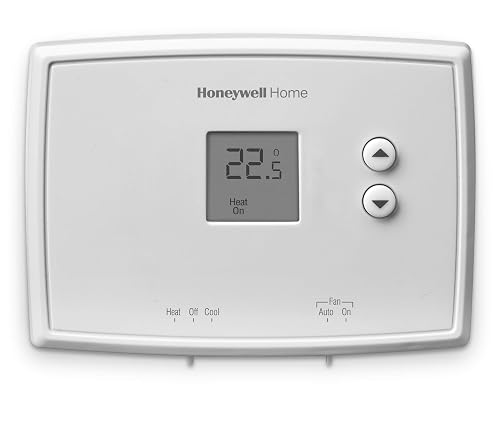
Honeywell Home RTH111B Digital Thermostat

Honeywell Home X2P Programmable Thermostat
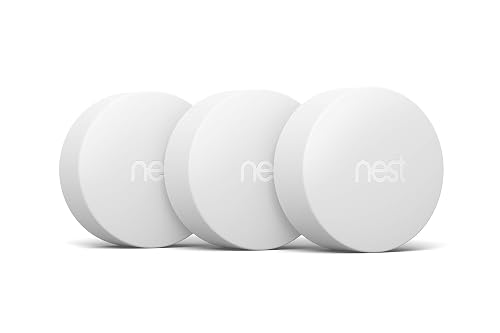
Google Nest Temperature Sensor 3-Pack
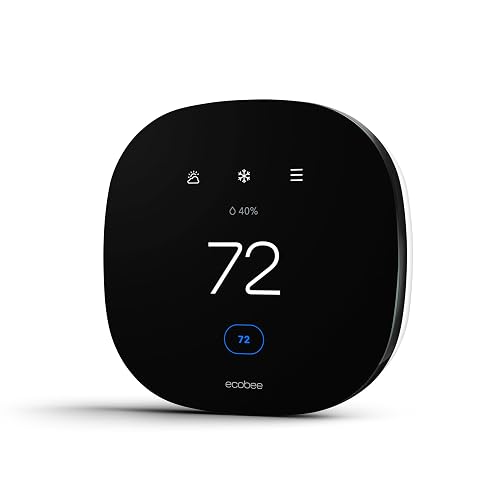
ecobee3 Lite Smart Thermostat (Black)
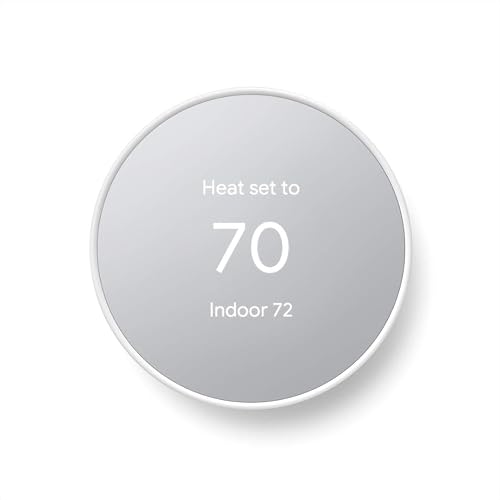
Google Nest Thermostat (Snow)
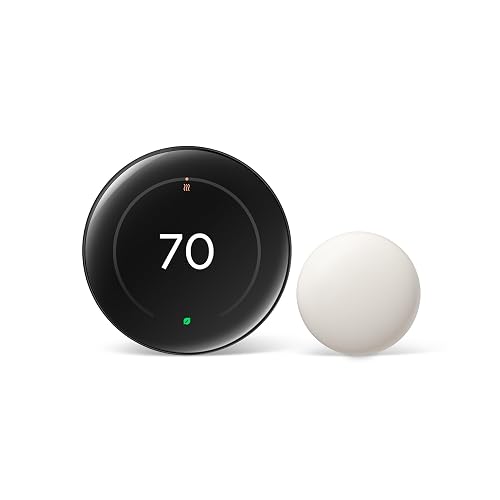
Google Nest Learning Thermostat 4th Gen + Sensor
A Closer Look At Each Pick
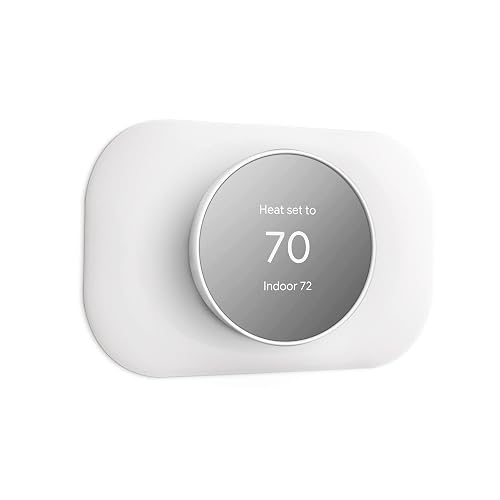
Pulling an old rectangular thermostat off a plaster wall almost always leaves a scar, and that scar sits right where a new round Nest wants to go. The Petrichor wall plate is built for exactly that situation, designed to cover gaps, missing paint, and old screw marks left behind by previous generations of thermostats.
It fits only the 2020 Nest Thermostat (the G4CVZ generation, models GA01334-US, GA02082-US, GA02081-US, and GA02083-US), so anyone with the older Learning Thermostat will need to look elsewhere. The plate sits flush against the wall and comes in a Snow finish that matches the matching Nest hardware, giving a tidy, intentional look once installed.
The Value In It
- Covers blemishes and old mounting holes from prior thermostats
- Sits flush with the wall for a clean, finished appearance
- Snow color matches the 2020 Nest Thermostat aesthetic
- Removes the need to patch and repaint around the install spot
Things To Consider
- Will not work with the Nest Learning Thermostat or the Thermostat E
- Requires the new 2020 Nest to be useful, so it is a secondary purchase
Key Advantages
Made For
Anyone upgrading to the 2020 Nest Thermostat who has paint chips, holes, or wallpaper gaps around the old thermostat location.
Consider Something Else When
Shoppers with the older Google Nest Learning Thermostat should look at a third-party trim plate rated for that model, since this one will not seat correctly.
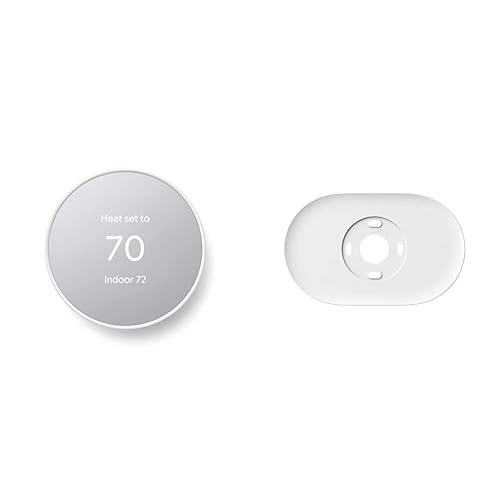
This version of the Google Nest Thermostat is the bundle most first-timers actually want. It comes with both a decorative trim plate for covering gaps on older walls and a steel mounting plate for installs over an electrical box, which removes two of the most common installation headaches before they even start.
On the software side, it integrates with the Google Home app on Android and iPhone for scheduling, remote adjustments, and energy tracking. The auto-away feature drops heating or cooling when it senses nobody is home, which is the kind of hands-off efficiency that justifies a smart upgrade for busy households.
Advantages To Know
- Includes a trim plate and a steel electrical-box plate in the box
- Auto-away learns your patterns and eases off heating or cooling when you leave
- Google Home app makes remote changes and weekly schedules straightforward
Honest Caveats
- Most setup steps require a stable Wi-Fi connection and a Google account
- Less granular room control than the ecobee3 Lite with paired sensors
Who It Suits Best
Newcomers to smart thermostats who want a kit that covers common wall-mount situations in a single purchase.
Not Your Match When
Homeowners who want a learning thermostat that adapts without programming should step up to the Google Nest Learning Thermostat (4th gen) instead.
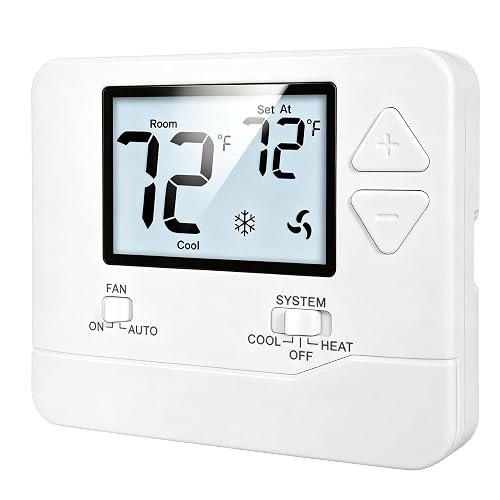
The Heagstat 1H/1C is a no-nonsense wall unit for a single-stage forced-air system, the kind found in many older homes with a gas, oil, or electric furnace paired with a separate air-conditioning condenser. The white backlight helps the temperature read clearly at a glance, even in dim hallways.
Compatibility is the headline here. It only works with 24VAC conventional single-stage systems, supports a maximum of two to five wires, and is not designed for heat pumps or multistage equipment. For the right home, that is a strength: less to wire, less to configure, and a clean replacement for a dying analog dial.
The Case For It
- Clear backlit display readable in low light
- Simple on-device adjustment with no app required
- Suited to single-stage conventional heating and cooling
Some Limits To Know
- Not compatible with heat pumps or systems using six to eight wires
- Lacks weekly scheduling, so comfort is fully manual
Core Details
Right Fit For
Owners of older conventional systems who want reliable manual control without paying for app features they would not use.
Look Elsewhere When
Anyone running a heat pump or multi-stage setup should look at the Honeywell Home X2P, which supports those configurations.
The RTH111B keeps the focus narrow: show the temperature, let you nudge it up or down, and stay out of the way. Soft-touch buttons under a straightforward digital display make the experience feel like a simple upgrade from a 1990s round dial without any learning curve.
It is non-programmable, which is the point. For someone living alone in a small apartment, or for a guest room that does not need a weekly schedule, the lack of menus is a feature rather than a limitation.
What Makes Sense
- Minimal digital display shows only the temperature and the setpoint
- Soft-touch buttons keep daily adjustments simple
- Compact form factor fits well in tight wall spaces
Points To Note
- No weekly scheduling, so comfort changes require manual tweaks
- Will not pair with smart speakers or remote apps
Best Suited To
Anyone who wants a digital thermostat that does one job well, especially in secondary rooms, rentals, or guest spaces.
A Better Fit Elsewhere
People wanting the same simplicity plus weekend programming will get more from the Honeywell Home X2P without much added complexity.
The X2P sits in a useful middle ground between basic digital units and full smart thermostats. It supports 5-1-1, 5-2, 7-day, and 1-week programming, with a non-programmable option if you change your mind later. That flexibility makes it a good fit for households whose routines actually differ between weekdays and weekends.
It is designed for single-stage heating and cooling, and it can be set up to send reminders for filter changes. For a homeowner who wants schedules but not app notifications, it hits a comfortable middle ground.
Points In Its Favor
- Multiple programming formats including 5-1-1 and 7-day
- Changeable reminders for air filter replacements
- Can run as non-programmable if routines shift
Worth Noting
- Limited to single-stage systems, so multi-stage homes will outgrow it
- Interface relies on small on-device buttons rather than an app
Who Will Love This
Homeowners with predictable weekday and weekend routines who want scheduled comfort without smartphone dependency.
Skip It When
Anyone wanting voice assistant control and remote app access will be happier with the ecobee3 Lite Smart Thermostat.
These small wireless sensors do not replace a thermostat. They give an existing Nest Thermostat or Nest Thermostat E a sense of what is happening in other rooms, like a nursery that always feels chilly or a sun-soaked living room in the afternoon.
They use Low Energy Bluetooth and talk to the host thermostat from up to about 50 feet away, depending on walls and layout. Owners commonly place them in bedrooms and main living areas, then tell the system which room to prioritize at different times of day.
Benefits That Matter
- Three sensors in one pack cover a typical home’s key rooms
- Works with the Nest Learning Thermostat and Nest Thermostat E
- Compact size sits unobtrusively on a shelf or wall
Soft Spots
- Does not work with the 2020 Nest Thermostat, so compatibility must be confirmed
- Useful only if you already own a compatible Nest host
Perfect Match For
Households with a compatible Nest thermostat that deal with stubborn hot or cold spots and want better balance room to room.
Another Choice May Suit
Owners of the 2020 Nest Thermostat should look at the bundled sensor option in the Google Nest Learning Thermostat (4th gen) kit instead.
The ecobee3 Lite is a Wi-Fi programmable thermostat aimed at households that have already chosen their voice assistant. It works with Siri, Alexa, and Google Assistant, so whether you are talking to an iPhone, an Echo, or a Nest speaker, the thermostat can listen in.
It is intended for DIY installation, with the in-box guide walking most homeowners through wiring in under an hour. Energy Star certification signals that it meets efficiency benchmarks, which can be reassuring for anyone looking to lower monthly utility bills without constant fiddling.
A Few Strong Suits
- Broad compatibility with Siri, Alexa, and Google Assistant
- Energy Star certified for efficiency-focused homes
- Designed for DIY install with straightforward wiring guidance
Potential Compromises
- Remote sensors are sold separately, unlike the Google Nest kit which bundles one
- App is essential for setup and scheduling, which is a barrier for non-smartphone households
Who Should Grab It
Connected-home enthusiasts who already use a voice assistant and want one thermostat to play nicely with all of them.
Reach For A Different Pick When
Anyone prioritizing a hands-off learning experience should consider the Google Nest Learning Thermostat (4th gen) instead.
This is the no-frills Nest Thermostat without the extra trim plate bundle. For a renter or first-time upgrader with a clean wall behind the old unit, it skips the cost of accessories that would never get used.
It still gives you Google Home app control, auto-away learning, and remote adjustments from your phone. Installation is generally reported as quick, with most homeowners finishing the swap in under half an hour.
The Practical Payoff
- App-based scheduling and remote control from anywhere
- Self-install friendly for most homeowners and renters
- Auto-away drops heating or cooling when no one is home
Trade-Offs
- No trim plate included, so it can leave gaps on older walls
- Does not ship with a steel electrical-box plate
Built With In Mind
Renters and first-time smart-thermostat owners who already have a clean wall and want the core Google Nest experience at the lowest entry cost.
Swap It Out When
Anyone with a scarred or uneven wall should grab the Google Nest Thermostat with Trim Kit instead, since it includes the cover plate.
The 4th-generation Learning Thermostat is Google’s most advanced model, pairing a brighter, larger display with the company’s signature learning engine. Over the first couple of weeks, it watches how you adjust the temperature, then starts doing those adjustments for you, even as your routine shifts with the season.
This bundle includes a 2nd-generation Nest Temperature Sensor, so you can immediately prioritize comfort in a single specific room, like a nursery or a home office, without buying accessories separately. The Obsidian finish gives it a darker, more decorative look that stands out compared with the white Snow options earlier in the roundup.
Notable Upsides
- Learns preferred temperatures and adapts as routines change
- Includes a 2nd-gen temperature sensor for room-level control
- Premium Obsidian finish suits design-focused interiors
Less-Strong Areas
- Higher upfront cost than the standard Nest Thermostat
- Learning period can feel unpredictable during the first two weeks
Feature Snapshot
Whose Shelf It Belongs On
Comfort-focused homeowners who want a thermostat that adapts without constant reprogramming and appreciate a bundled sensor.
Where A Sibling Pick Shines
Shoppers who want a more basic smart experience without the learning engine should save money with the standard Google Nest Thermostat with Trim Kit.
What To Weigh Before Choosing a Thermostat
Start with your system, not the screen. Single-stage forced-air homes have a wider selection of options like the Heagstat and Honeywell RTH111B, while heat pump or multi-stage homes need to step up to programmable units like the Honeywell Home X2P or smart thermostats like the ecobee3 Lite. A thermostat that does not match your wiring can short-cycle the equipment or simply refuse to power on, so confirm wire count and system type before anything else.
Next, decide how much you want the thermostat to think for you. A non-programmable unit is honest about what it does: you set it, it holds that temperature, and you adjust it as needed. Programmable and learning thermostats add weekly schedules or adaptive behavior, which works well for predictable routines and can feel intrusive during the first couple of weeks if your schedule is irregular.
Think about room-to-room comfort honestly. Most thermostats read a single spot, usually a hallway, which means bedrooms at the end of the duct run can run cold in winter. The Google Nest Temperature Sensor 3-Pack and the 4th-generation Learning Thermostat bundle both add room-level data, so households with stubborn hot or cold spots benefit from that layer.
Finally, weigh the smart home ecosystem you actually use. ecobee plays well with Siri, Alexa, and Google Assistant, while Nest is deepest inside the Google Home environment. Choosing a thermostat that already matches your phone and speakers will save setup time and reduce the number of apps sitting on your home screen.
Key Considerations Across These Picks
Mistakes Worth Dodging
The most common error is buying a thermostat that does not match the HVAC system. A smart thermostat with learning features is wasted on a system that only supports two wires, and a budget non-programmable unit will frustrate a homeowner with a multi-stage heat pump. Check the wire count at the wall and the system type in the breaker panel before you compare features.
Another trap is overlooking trim plates and sensors until after install day. Walls that held an older rectangular thermostat almost always have visible gaps, and homes with one central thermostat often have at least one uncomfortable room. The Petrichor wall plate and the Nest Temperature Sensor 3-Pack are inexpensive add-ons that solve real installation headaches, and they are easier to buy once than to chase down after the fact.
When Paying More Pays Off
Higher-tier thermostats like the Google Nest Learning Thermostat (4th gen) earn their price through adaptive behavior and bundled sensors. For households that forget to adjust schedules, that automation can pay for itself through modest energy savings and noticeably more consistent comfort.
The upgrade is harder to justify in guest rooms, short-term rentals, or homes with occupants who prefer full manual control. In those situations, a Honeywell RTH111B or a Heagstat delivers reliable temperature control without app setup or a learning curve.
Frequently Asked Questions
Do I need a C-wire for any of these thermostats?
Many modern smart thermostats draw constant power and typically expect a C-wire, which is the common wire that completes the 24VAC circuit. Some Nest models include adapters for systems without a C-wire, while non-smart units like the Heagstat generally do not need one.
Will the 2020 Nest Thermostat work with my old sensors?
No, the 2020 Nest Thermostat uses a different sensor protocol than the older Learning Thermostat and Thermostat E. The Google Nest Temperature Sensor 3-Pack in this roundup is built for the older generations, not the 2020 model.
How far can a Nest Temperature Sensor be from the thermostat?
They generally work within about 50 feet in open air, but walls, floors, and large appliances shorten that range. In most homes, that is enough to cover an adjacent room or a floor above.
Can I install these thermostats without professional help?
The non-smart Honeywell and Heagstat units are common DIY swaps for anyone comfortable turning off a breaker and matching wire labels. Smart thermostats like the ecobee3 Lite and Google Nest are also designed for self-install, with most owners finishing in under an hour.
What happens to my schedule if Wi-Fi goes out?
Smart thermostats usually keep running on their last-known schedule when Wi-Fi drops, and you can still adjust the temperature directly on the unit. Remote app control returns once the network comes back online.
Closing Remarks
The right thermostat is the one that matches your system, your routine, and how much you actually want to think about temperature. For a first smart upgrade, the Google Nest Thermostat with Trim Kit covers the most common install situations in one box, while the 4th-generation Learning Thermostat bundle is the natural step up for anyone ready to hand off scheduling to the device itself. Browse the list, match the features to your home, and pick the one that fits how you actually live.