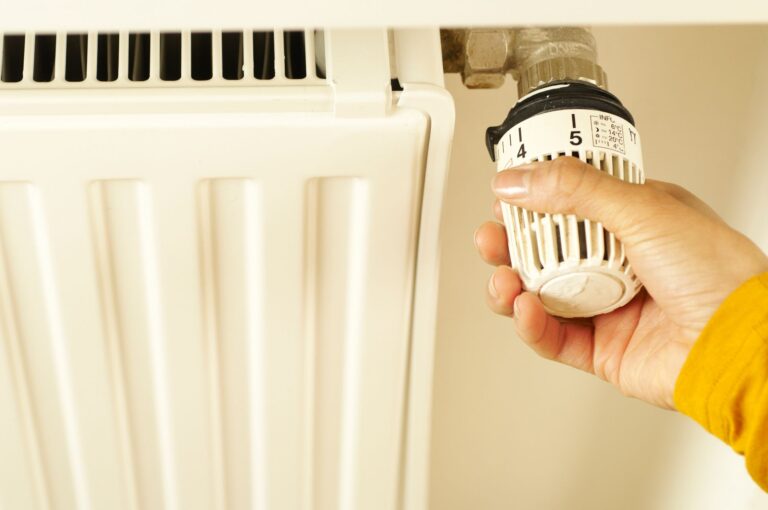

Dial thermostats have earned a quiet corner of the market for a reason. A simple twist knob feels intuitive in a spare bedroom, a workshop, or an older home where a programmable touchscreen feels like overkill. You turn the dial, the room warms up, and nothing on your phone buzzes. That tactile simplicity is the whole appeal, and the eight picks below cover the setups where that simplicity shines, from built-in baseboard controls to wall-mounted line-voltage switches and a single smart-thermostat option for those ready to cross over.
The Essentials At A Glance
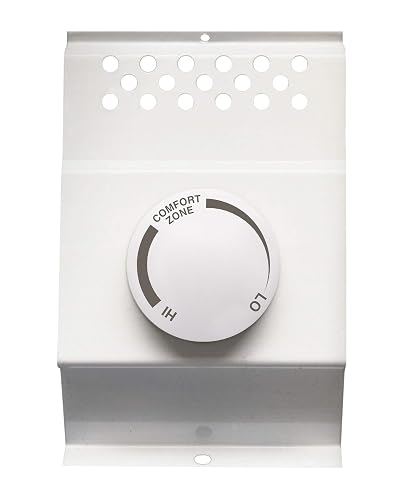
Cadet Single Pole Built-In Thermostat Kit BTF1W
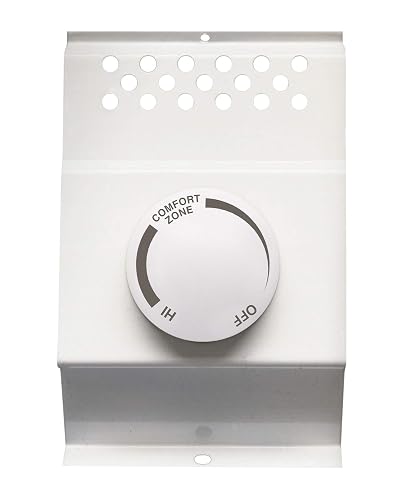
Cadet F-Series Double Pole Baseboard Thermostat BTF2W
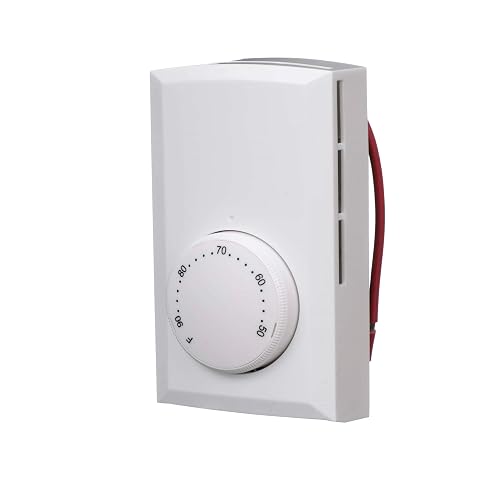
Cadet T-Series Single Pole Mechanical Thermostat T521-W
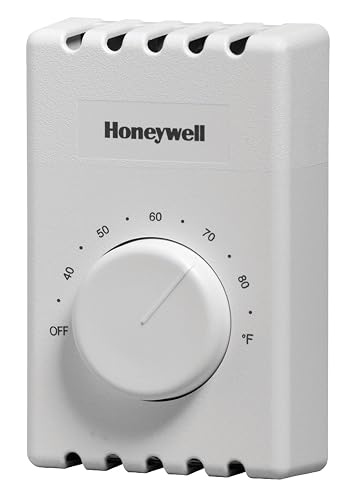
Honeywell CT410B 120/240V Mechanical Thermostat

Drako-Myxx Attic Fan Adjustable Thermostat

Stelpro Line Voltage Wall Thermostat SWT1F
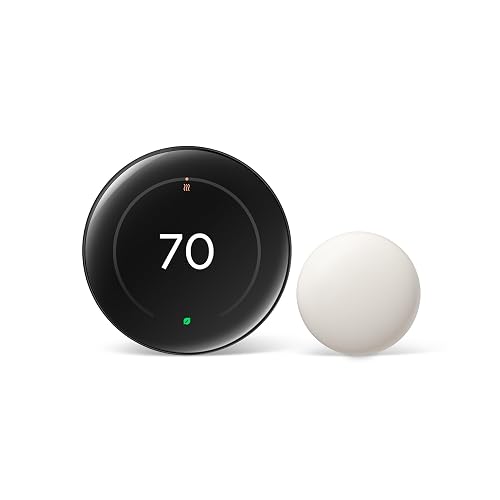
Google Nest Learning Thermostat 4th Gen + Sensor (Obsidian)
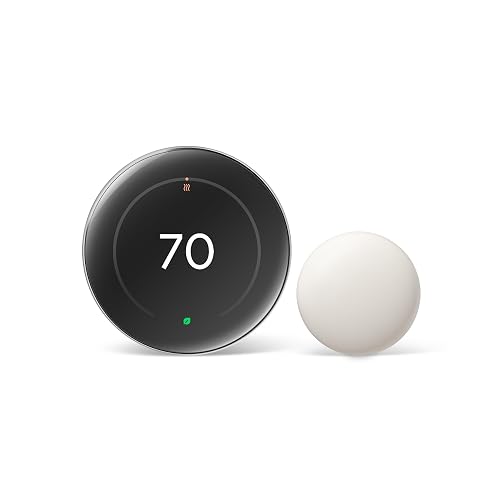
Google Nest Learning Thermostat 4th Gen + Sensor (Silver)
The Details Behind The Selections
Heaters tucked along the wall under a window are a familiar sight in older homes, and the Cadet BTF1W slots directly into that arrangement. Instead of mounting on the wall with a separate box, the unit clips onto either end of a Cadet F-Series baseboard, so the wiring stays short and the finished look stays clean.
A large, easy-to-grip twist dial sets the room between roughly 45 and 80 degrees Fahrenheit, which covers everything from a chilly guest room to a toasty nursery. Most homeowners comfortable swapping a light switch should manage the swap, since no extra low-voltage wire run is needed. This pick is purpose-built, so it only fits Cadet F-Series heaters, and that tight fit is the trade-off for the tidy install.
Real-World Strengths
- End-mount design hides wiring and keeps the wall looking uncluttered.
- Wide 45 to 80 degree F range handles most living-space temperatures.
- Rated for 22 amps at 120, 208, and 240 volts, covering the common residential hookups.
- Large dial is friendly for anyone who avoids touchscreens, including older family members.
Honest Caveats
- Compatible only with Cadet F-Series baseboard heaters, not a general wall-mount option.
- Single-pole design means the heater still draws a small amount of current when the dial sits at its lowest setting.
Key Product Details
Whose Shelf It Belongs On
Homeowners with Cadet F-Series baseboard heaters in a single room or two who want a clean, dial-style control without a wall box.
A Better Fit Elsewhere
Anyone running a mix of brands or a 120-volt wall heater should look at the Stelpro SWT1F instead, since it accepts a broader range of line-voltage loads.
The BTF2W is the sibling of the first pick and shares the same end-mount construction, but the electrical story is different. Double-pole means it breaks both legs of the circuit when you twist the dial all the way down, giving you a true off state rather than a barely-on standby.
For a vacation cabin, a basement, or any room that sits empty for stretches, that positive-off behavior adds peace of mind. The 22-amp, multi-voltage rating handles the same loads as the BTF1W, so the install footprint is identical from a wiring standpoint. The trade-off is the same compatibility wall, since it only fits Cadet F-Series heaters and nothing else in the room.
The Upside
- True positive-off behavior kills both hot legs for safer seasonal shutoff.
- Same end-mount tidy look as the BTF1W, with no extra wall box.
- Multi-voltage rating covers 120, 208, and 240-volt baseboard installs.
- Wide, grippy dial reads well from across the room.
Points To Keep In Mind
- Single-room scope: only works on Cadet F-Series baseboard heaters.
- Slightly bulkier than a low-voltage wall thermostat, which can matter in tight corners.
Feature Snapshot
Who Should Grab It
Owners of Cadet F-Series baseboard heaters who want a real off switch for guest rooms, basements, or seasonal spaces.
Look Elsewhere When
You run a non-Cadet wall heater or want a smart schedule, in which case the Google Nest Learning Thermostat 4th Gen covers a very different set of needs.
The T521-W trades the end-mount format of the first two picks for a standard wall box, which makes it useful for replacing an aging line-voltage thermostat almost anywhere on a wall. That flexibility matters in homes where the baseboard heaters are not all Cadet, since this unit is built to swap in for most wall-mounted line-voltage controls.
Color-coded wires simplify the connection, removing a little of the anxiety that comes with a four-wire line-voltage hookup. The unit can run up to 5,280 watts at 240 volts, so it has the headroom for larger rooms. Single-pole switching means a small parasitic draw at the lowest dial position, which is worth knowing if you want a fully off state.
What Helps Most
- Color-coded wires shorten the learning curve during install.
- Handles up to 5,280 W at 240 V, enough for many whole-room setups.
- Replaces most line-voltage wall thermostats, not just Cadet-branded ones.
Trade Offs
- Single-pole design, so the heater is never fully disconnected from the line.
- Wall-box form factor requires a little more drywall work than the end-mount Cadets.
The Right Fit
Homeowners replacing an existing line-voltage wall thermostat on a baseboard or wall heater where a clean dial control beats a touchscreen.
Skip It When
You specifically need a positive-off circuit, which is exactly what the Cadet BTF2W delivers.
Honeywell has been making the CT410B long enough that electricians reach for it almost on reflex, and the four-wire design signals what it is at a glance. A line-voltage thermostat uses your home’s actual 120 or 240-volt wiring to switch the heater, which is different from the low-voltage thermostats that control a central furnace.
Inside, a bimetal sensor strip bends as temperatures change, opening and closing the circuit without any digital brain to fail. That simplicity is the point, since there is nothing to program and no firmware to update. The CT410B works with electric baseboards, convectors, and non-inductive fan-forced heaters, which gives it more breathing room than the brand-specific Cadet models earlier on.
Standout Benefits
- Double-line break on a four-wire hookup for a positive-off state.
- Bimetal sensor gives decades of expected service with no batteries or chips.
- Compatible with baseboards, convectors, and fan-forced heaters.
- Straightforward dial, friendly for anyone who does not want a learning curve.
Worth Noting
- Mechanical dial can drift a degree or two from the set point, depending on room airflow.
- Wall-mount only, with no built-in option for end-of-heater mounting.
Quick Technical Notes
Best Suited To
Homeowners with mixed electric heat who want a single dial that handles older baseboards, convectors, and fan-forced units in one package.
Reach For A Different Pick When
Your heater is specifically a Cadet F-Series baseboard and you want the tidiest end-mount install, in which case the Cadet BTF1W or BTF2W is the cleaner match.
Most of the picks on this list are about keeping a room warm, but the Drako-Myxx thermostat runs the opposite job in a very literal sense. It is designed to switch an attic fan on when the space gets too hot, which is the kind of gear that lives in a hot utility zone rather than next to a thermostat on a finished wall.
The standout spec is the built-in fire-prevention cutoff. If the sensor sees dangerous temperatures, the unit cuts power permanently to the fan circuit, removing a potential ignition path. In an attic where temperatures can climb well past 130 degrees F, that hard shutoff is a meaningful safety layer beyond the standard thermal switch.
Practical Pluses
- Built-in fire-prevention cutoff gives a hard disconnect at dangerous temperatures.
- Adjustable temperature dial lets you tune when the fan kicks in.
- Targeted design for attic-fan circuits, so the form factor matches the install.
Some Limits To Know
- Narrow use case: designed for attic fans, not for living-area heaters.
- Permanent cutoff feature means a triggered unit will need replacement rather than a simple reset.
Right Fit For
Homeowners running a powered attic vent who want a dial-controlled switch that adds a high-temperature safety net.
Where A Sibling Pick Shines
Anyone focused on living-area heat should ignore this one and look at the Honeywell CT410B, which is built for baseboards and convectors.
Stelpro’s SWT1F is the wall-mount answer for someone who wants the dial feel without locking into a specific heater brand. The unit accepts electric baseboards, wall fan heaters, and even commercial fan-forced heaters, which gives it a reach the Cadet F-Series-only models cannot match.
A two-wire connection keeps the install relatively friendly, and a 240V single-pole design is the standard format for many North American line-voltage setups. The catch, as with most single-pole units, is that the circuit is not fully broken at the lowest dial position, so this is not the right pick for a hard shutoff.
Reasons It Performs
- Works across electric baseboards, wall fan heaters, and commercial fan-forced units.
- Two-wire hookup streamlines the install for most electricians and handy homeowners.
- 240V rating covers the common North American line-voltage circuits.
- Mechanical dial keeps the interface fully analog and predictable.
Potential Drawbacks
- Single-pole design does not deliver a true off state at the lowest setting.
- Mechanical sensors can drift a degree or two in drafty or sun-loaded rooms.
Spec Overview
Made For
Residential and light commercial spaces with mixed or non-Cadet electric heaters that need a clean wall-mounted dial control.
Swap It Out When
You need an end-mount retrofit on a Cadet F-Series baseboard, which is exactly what the Cadet BTF1W is built to do.
The Nest Learning Thermostat 4th Gen is the one item on this list that is not a mechanical dial, and it earns its place by being the right answer for a different kind of shopper. If you have a low-voltage central system and you want a smart thermostat, this is the modern reference point, paired here with a 2nd-gen temperature sensor to help balance hot and cold rooms.
The included sensor reads the temperature in another part of the home, so the thermostat can weight that reading when the rooms run unevenly. You do not twist a knob, you turn a ring and tap a screen, but the result is still a temperature you set, and the unit learns your patterns over time. C wire requirements and a more involved install are the trade-off for those features.
Useful Highlights
- Included 2nd-gen Nest Temperature Sensor helps balance rooms that run hot or cold.
- Learning behavior builds a schedule from your daily routine over the first weeks.
- App control and voice-assistant compatibility add remote access beyond a wall dial.
Practical Considerations
- Not a mechanical dial, so it sits outside the core spirit of this list.
- Install is more involved than swapping a single line-voltage wall thermostat.
Who It Suits Best
Tech-comfortable homeowners with a low-voltage central system who want a learning thermostat and a separate sensor to manage a stubborn room.
Where Another Pick Suits Better
Anyone running line-voltage baseboards and wanting a pure dial should stay with the Honeywell CT410B or the Stelpro SWT1F.
The Silver finish of the Nest Learning Thermostat 4th Gen is the same thermostat as the Obsidian version, with the only meaningful difference being the lighter color. On a bright wall, in a sunroom, or against pale paint, the silver can blend where the dark finish would feel heavier.
Functionally, you get the same 4th-generation learning features and the same 2nd-gen temperature sensor, so the operating experience is identical. For shoppers who care about how the unit looks on the wall, this is the version to pick when dark hardware would clash with the room. Performance is unchanged, so the choice comes down to aesthetics.
Where It Excels
- Same learning thermostat features and sensor as the Obsidian variant.
- Silver finish suits bright, neutral, or coastal-style interiors.
- Strong fit for low-voltage central heating and cooling systems.
Less Ideal Details
- Not a mechanical dial, so it does not satisfy a strict “dial thermostat” brief.
- Install steps are the same as the Obsidian version, with a C wire typically required.
Perfect Match For
Shoppers who want the Nest 4th Gen experience but prefer a lighter finish that disappears into a pale wall.
Not Your Match When
You actually want a true mechanical dial on a line-voltage heater, in which case the Cadet T521-W or the Stelpro SWT1F is the right call.
What To Weigh Before Choosing A Dial Thermostat
A dial thermostat looks simple, but the wrong match can mean a return trip or a callback to the electrician. Start with the heater itself, since line-voltage thermostats only work on heaters that draw the same voltage they switch. A 240-volt baseboard needs a 240-volt-rated thermostat, and a 120-volt wall heater needs a 120-volt unit, no exceptions.
Single-pole versus double-pole is the next decision that matters. Single-pole thermostats only break one leg of the circuit, leaving a small standby draw at the lowest dial position. Double-pole thermostats break both legs, so the heater is fully off when you turn the dial down. For a guest room or seasonal space, a double-pole model like the Cadet BTF2W or the Honeywell CT410B tends to feel more reassuring.
Compatibility is the third pillar. Brand-specific end-mount thermostats like the Cadet BTF1W and BTF2W only fit Cadet F-Series baseboards, while wall-mount units like the Stelpro SWT1F or the Cadet T521-W accept a wider range of electric heaters. Reading the install guide for the specific heater is a small step that prevents the wrong thermostat from showing up in the box.
Smart Buying Notes
Where Shoppers Go Wrong
The most common slip is buying a thermostat that looks like a fit but does not match the heater’s voltage or current rating. A 120-volt thermostat on a 240-volt baseboard is a fire risk, and a 240-volt unit on a 120-volt heater will not heat properly. Always confirm the heater’s spec plate before ordering.
Another trap is treating single-pole and double-pole as interchangeable. They look similar on the wall, but the off-state behavior is meaningfully different, especially in seasonal rooms where you want the circuit fully de-energized. Picking the wrong one means living with a small parasitic draw or paying an electrician to swap it later.
What The Higher Tier Buys
Stepping up from a budget mechanical dial to a brand-name unit like the Honeywell CT410B tends to buy a sturdier bimetal sensor, tighter temperature tolerance, and a longer track record in older homes. The jump from a wall-mount dial to a learning smart thermostat like the Nest 4th Gen is a different kind of upgrade, since you trade a tactile interface for scheduling, sensors, and app control. That tier makes sense when you have a low-voltage central system and you actually want those features, and it makes less sense on a single baseboard room where a $25 dial gets the job done.
Frequently Asked Questions
What Is A Line-Voltage Thermostat?
A line-voltage thermostat switches the same high voltage that powers the heater, usually 120 or 240 volts, and is the standard match for electric baseboards and wall heaters.
Can I Install A Dial Thermostat Myself?
Homeowners comfortable with basic electrical work often can, but line-voltage wiring is not a beginner project. When in doubt, a licensed electrician is the safer route.
What Is The Difference Between Single-Pole And Double-Pole?
Single-pole breaks one leg of the circuit, while double-pole breaks both, giving a true off state. Double-pole is the better pick for seasonal or rarely used rooms.
Do These Thermostats Work With Smart Home Systems?
Mechanical dial thermostats generally do not, since they have no radio or app layer. The Nest 4th Gen picks on this list are the exception, with app and voice-assistant support.
How Long Do Mechanical Dial Thermostats Last?
Many mechanical units run for decades, since the bimetal sensor has very little to wear out. Heat cycles and dust are the usual limiters over time.
Wrap Up
The right dial thermostat is the one that matches your heater’s voltage, fits the install format you actually need, and gives you the off-state behavior you want. For Cadet F-Series baseboards, the BTF1W and BTF2W are the cleanest fit. For broader compatibility, the Honeywell CT410B and the Stelpro SWT1F cover more setups. Take a quick look at the heater’s spec plate, decide between single-pole and double-pole, and the rest of the choice tends to fall into place.