
A working thermostat sits at the heart of every comfortable home, and you don’t need a smart system or a premium price tag to get reliable temperature control. Whether you’re replacing a dead unit in a rental, finishing out a workshop, or upgrading a basic wall heater, the right low-cost thermostat handles the job without extra apps or complicated programming. This roundup covers ten affordable picks across wall thermostats, heat pump controls, water heater sensors, and radiant floor setups, so you can match the part to the system you actually own.
The Main Contenders
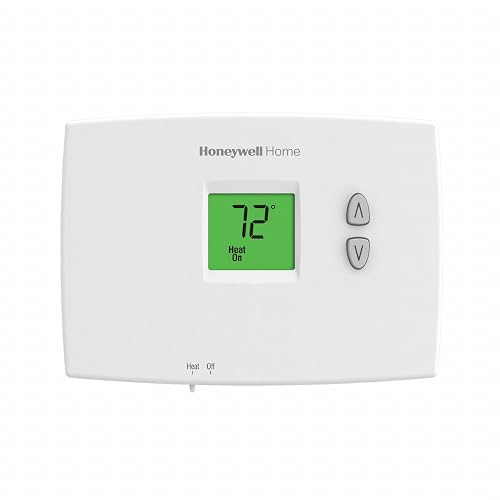
Honeywell TH1100DH1004 PRO 1000 Non-Programmable Heat Only Thermostat
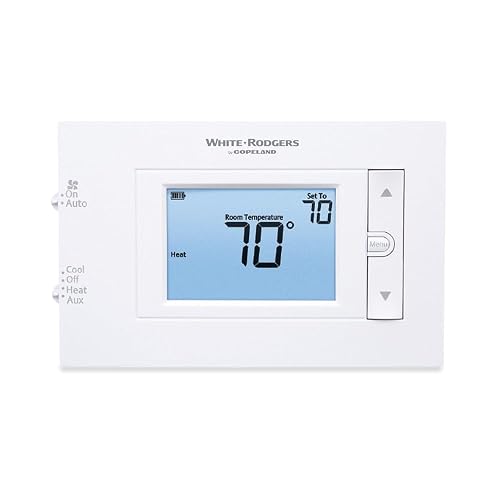
White-Rodgers 80 Series Non-Programmable Heat Pump Thermostat 1F83H-21NP
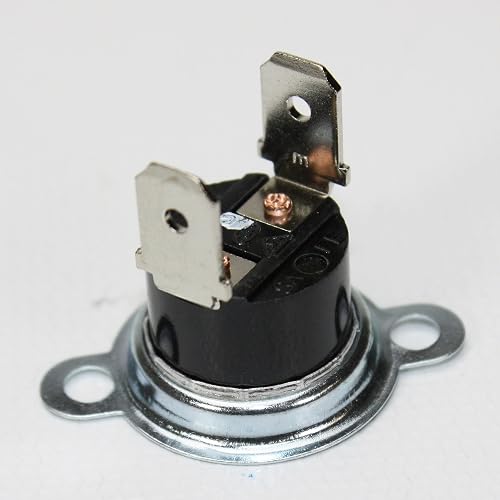
LG 6930W1A003X Replacement Thermostat
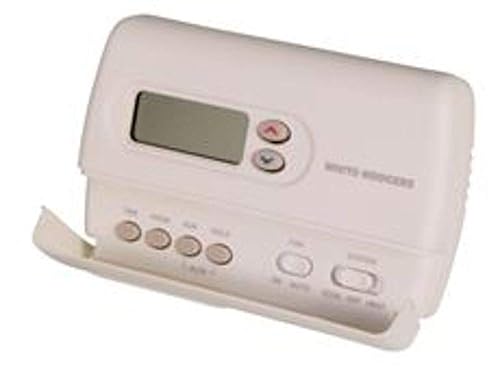
White-Rodgers 1F80-361 Emerson 80 Series Single Stage Programmable Thermostat
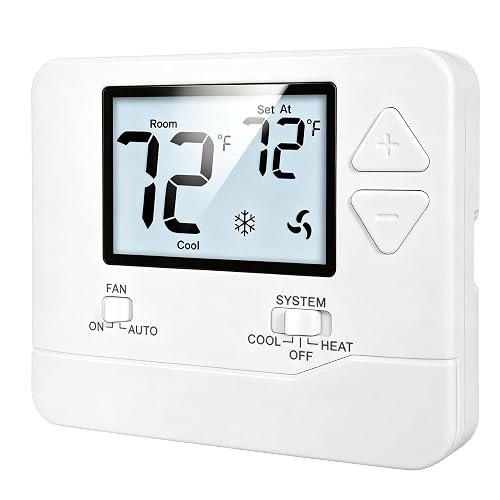
Heagstat Non-Programmable 1 Heat/1 Cool Thermostat with White Backlight
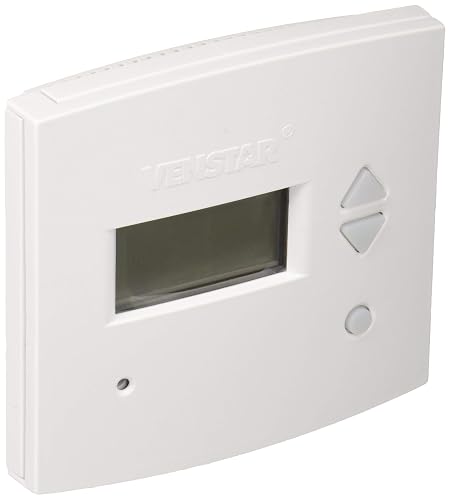
Venstar T2800 Commercial Platinum Slimline Thermostat (White)
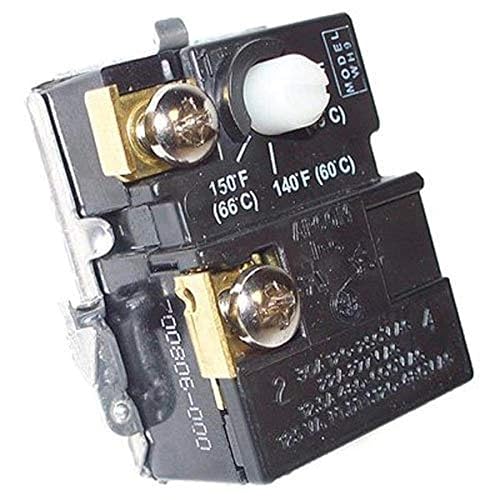
Reliance 9000507-045 Lower Electric Water Heater Thermostat

White-Rodgers 1E78-144 Single Stage Non-Programmable Thermostat
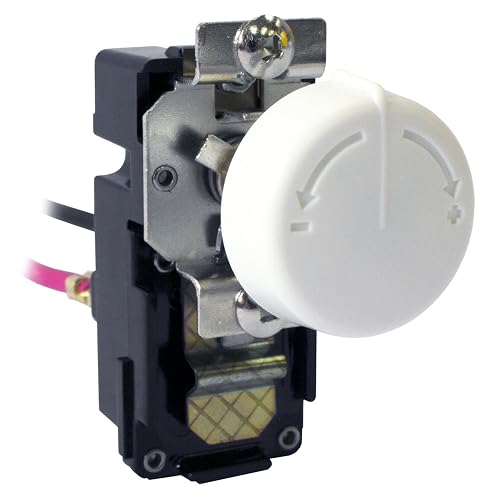
King Electric TKIT-1BW Single-Pole Built-In Thermostat Kit (White)

OJ Microline UTN4 Radiant Floor Heat Thermostat with Class A GFCI
What Each Pick Brings To The Table
Heat-only homes and garage workshops rarely need anything more than a wall unit that turns the system on and off, and the Honeywell TH1100DH1004 PRO 1000 fits that brief without clutter. The horizontal layout reads cleanly from across a room, and the dial-style control strips scheduling away entirely.
Where this Honeywell earns its place is in older single-stage heating setups where adding a programmable board would only complicate wiring. For most basic furnace or boiler retrofits, the PRO 1000 handles the job with the kind of straightforward reliability that made Honeywell a familiar name in this category.
Real-World Strengths
- Backlit display stays readable in dim basements and utility rooms.
- Dual power setup accepts either battery or system common wire for flexible installs.
- Adjustable temperature scale supports a garage mode (35–90°F) alongside the standard 40–90°F range.
- Half-degree precision keeps rooms from feeling overshoot-hot on mild days.
Things To Consider
- No cooling terminals, so a central air add-on would require a different unit.
- Heat-only labeling means installers should verify the system before wiring.
Key Specs
Who It Suits Best
Owners of older heat-only homes, garage workshops, and rental units who want a no-fuss dial that just works.
Consider Something Else When
Anyone with central air conditioning should look at the White-Rodgers 1E78-144 instead, since it handles single-stage cooling alongside heating.
Heat pump homes need a control that understands the reversing valve and auxiliary heat logic, and the White-Rodgers 1F83H-21NP keeps the experience manual without dropping that technical fit. The backlit display stays clear in hallways and bedrooms, and the buttons follow the brand’s familiar 80-series layout.
Compared to the Honeywell at #1, this one targets a more specific system type. For most heat pump owners who don’t want app control or scheduling, the 1F83H-21NP delivers a focused, contractor-friendly interface that installs cleanly.
Useful Touches
- Built-in level on the base plate helps with straight mounting on the first try.
- Heat pump compatibility covers the most common residential setups.
- Backlit screen makes night adjustments easy without fumbling.
Points To Note
- Non-programmable design means no setback savings for working schedules.
- Wiring for heat pumps can vary, so checking the existing terminal labels matters before install.
Right Fit For
Heat pump households that want manual control without the learning curve of a programmable board.
Look Elsewhere When
Anyone who wants weekday scheduling should pick the White-Rodgers 1F80-361 instead, which adds 5+1+1 programmability for similar system support.
Not every thermostat sits on a living room wall, and the LG 6930W1A003X is the kind of internal sensor that lives inside a refrigerator or another LG appliance. Listing it as a genuine replacement part keeps the fit and calibration matched to the original board.
Unlike the wall-mounted picks above, this one rarely gets installed by a homeowner in the traditional sense. For most appliance repairs, swapping in the OEM part restores the original temperature behavior without firmware guesswork.
Bright Spots
- Genuine LG part designed to match the original component’s specification.
- Restores factory temperature calibration after a sensor failure.
Points To Consider
- Application-specific, so it isn’t a substitute for a wall thermostat.
- Reference to the appliance manual is the only safe way to confirm fit.
Best Suited To
LG appliance owners diagnosing a failed internal temperature sensor and looking for a direct factory replacement.
Reach For A Different Pick When
Anyone shopping for a wall thermostat should skip to the Heagstat at #5, which covers standard forced-air systems.
Programmable thermostats usually come with a price premium, and the White-Rodgers 1F80-361 from the Emerson 80 Series lands on the more affordable end of that market. It supports 5+1+1 scheduling with up to four periods per day, which covers most weekday and weekend routines.
For single-stage heat and cool homes, the 1F80-361 adds scheduling depth without crossing into smart territory. Compared to the non-programmable White-Rodgers 1E78-144 at #8, this one trades simplicity for energy savings through setback periods.
What Stands Out
- 5+1+1 day programming handles weekday and weekend routines separately.
- Works with 24V and millivolt systems, so it fits gas, oil, and electric setups.
- Compatible with single-stage heat and cool, broadening install options.
Honest Caveats
- Contractor bulk-pack format means a thinner retail box and a manual hosted online.
- Programmable interface has a steeper learning curve than a basic non-programmable model.
Quick Facts
Made For
Homeowners on a budget who want setback scheduling and basic programmability without paying for smart features.
Swap It Out When
Anyone with a heat pump should consider the White-Rodgers 1F83H-21NP at #2, which targets that system type more directly.
Conventional forced-air homes running 24VAC with a single stage of heat and a single stage of cool make up a large slice of the housing stock, and the Heagstat non-programmable thermostat is built precisely for that scenario. The white backlight is easy on the eyes in bedrooms, and the button layout stays uncluttered.
For most homeowners with a standard gas furnace and central air setup, the Heagstat delivers the everyday temperature control they actually use, no app required. The trade-off shows up in wiring limits, so checking the existing terminal count matters before purchase.
Noteworthy Benefits
- Designed for 24VAC conventional single-stage 1H/1C systems including gas, oil, and electric furnaces paired with central AC.
- White backlight keeps the screen readable without harsh blue tones at night.
- Non-programmable design keeps the operation as simple as up and down arrows.
Where It May Fall Short
- Only supports 2 to 5 wires, so homes with 6 to 8 wire configurations aren’t compatible.
- Not suited to heat pump or multi-stage systems, which narrow its install base.
Whose Shelf It Belongs On
Owners of conventional single-stage forced-air homes who want a wallet-friendly replacement without scheduling complications.
Another Choice May Suit
Anyone with a heat pump should reach for the White-Rodgers 1F83H-21NP at #2, which is engineered for that equipment type.
Light-commercial spaces like small offices, retail back rooms, and workshops demand more flexibility than a residential thermostat offers, and the Venstar T2800 brings that versatility. The slimline housing fits tight wall cavities, and the backlit color-coded keys speed up adjustments in shared spaces.
For most small business owners, the T2800’s 3 heat and 2 cool staging plus configurable outputs cover rooftop unit installations that a basic wall thermostat can’t. Compared to the home-focused picks above, this one trades residential simplicity for system flexibility.
The Helpful Details
- 7-day programmable scheduling with smart fan mode for occupied hours.
- Three heat and two cool staging handles rooftop and multi-stage equipment.
- Configurable outputs allow installer customization based on the equipment type.
- LED indicator glows green or red to show heating or cooling at a glance.
- Service filter and UV light reminders help with maintenance scheduling.
Practical Considerations
- Feature density means a longer initial setup than a basic residential unit.
- Commercial pricing tends to sit higher than the home-focused picks on this list.
Feature Snapshot
Who Should Grab It
Small business owners and property managers running rooftop units or multi-stage equipment in offices, shops, or mixed-use spaces.
Skip It When
Residential users with a standard furnace and central air will find the Heagstat at #5 more than adequate and easier to live with.
Electric water heaters use a pair of thermostats, one upper and one lower, and a failed lower unit can leave a household with lukewarm showers. The Reliance 9000507-045 is the lower-position replacement that restores factory temperature control on standard residential tanks.
For most DIY water heater repairs, the lower thermostat is the part that goes when the bottom of the tank stops heating. The fix involves pulling the access panel, swapping the part, and resetting the temperature dial to a safe setting.
Points In Its Favor
- Direct lower-position replacement for electric water heater repairs.
- Compact form factor fits inside standard residential tank jackets.
Some Limits To Know
- Application-specific, so it’s not a substitute for a wall-mounted thermostat.
- Installation requires shutting off power at the breaker for safety.
Built With In Mind
Homeowners diagnosing a failed lower thermostat in an electric water heater who want a direct OEM-style replacement.
Where A Sibling Pick Shines
Anyone replacing a wall thermostat should turn to the White-Rodgers 1E78-144 at #8 for everyday single-stage control.
Single-stage heating and cooling systems are everywhere, and the White-Rodgers 1E78-144 covers that broad category with a digital display and familiar button layout. Backlighting makes the screen readable at night, and the non-programmable approach keeps the learning curve short.
For most households with a standard furnace and central air, the 1E78-144 lands as a dependable replacement that does the job without extras. It supports 24V and millivolt systems, so a wide range of older and newer installations can adopt it.
What Earns Its Place
- Digital display with backlight reads clearly in dim hallways and bedrooms.
- Compatibility with 24V and millivolt systems broadens the install options.
- Works with single-stage heating, cooling, and heat pump (without aux) systems.
Worth Bearing In Mind
- Not compatible with electric baseboard heat, which limits some retrofits.
- Non-programmable design means no automatic setback for working hours.
Quick Technical Notes
Perfect Match For
Standard single-stage homes looking for a reliable, no-frills replacement that works across common system voltages.
Not Your Match When
Anyone with electric baseboard heat should look at a line-voltage thermostat instead, since this unit is low-voltage only.
King PAW and W series wall heaters rely on a built-in snap-action thermostat to regulate room temperature, and the TKIT-1BW is the replacement module for that role. The bi-metal sensor sits behind a fully protected housing, and the snap-action response keeps the temperature tight to the dial setting.
For most wall heater owners, the kit installs into the heater cabinet rather than the wall, which means a small screwdriver and a careful approach to the wiring. The 48–80°F operating range covers typical room comfort zones without unnecessary spread.
What It Does Well
- Designed as a direct built-in replacement for King PAW and W wall heaters.
- Snap-action response keeps the room close to the dial setting.
- Fully protected bi-metal sensor adds durability behind the wall plate.
Less-Strong Areas
- Single-pole design means the heater receives a small parasitic current at the off setting.
- Limited to compatible King models, so cross-brand use isn’t an option.
Who Will Love This
Owners of King PAW and W wall heaters looking to restore temperature control with a factory-style replacement part.
A Better Fit Elsewhere
Anyone with a standard forced-air furnace should look at the Heagstat at #5, which handles whole-home systems rather than a single wall unit.
Radiant floor heating brings its own safety requirements, and a GFCI (Ground Fault Circuit Interrupter) is a device that cuts power quickly when it detects current leakage, preventing shock. The OJ Microline UTN4 integrates that Class A GFCI directly, which removes the need to add a separate breaker-mounted protection device.
For most bathroom and kitchen remodels, the UTN4 handles 120V and 240V systems and reads both floor and ambient sensors. Compared to the wall thermostats above, this one speaks the language of underfloor heating mats and cables, and the dual-sensing input keeps temperature swings in check.
Well-Handled Touches
- Integrated Class A GFCI satisfies code requirements for underfloor heating without extra hardware.
- Compatible with 120V and 240V systems, covering common residential floor heat installs.
- Dual-sensing monitors both floor and ambient temperatures for tighter control.
- Works under tile, carpet, stone, laminate, and engineered wood coverings.
Trade-Offs To Consider
- Non-programmable design means no automatic setback during work hours.
- Specialized application limits it to radiant floor projects, not whole-home HVAC.
Feature Snapshot
Who Should Grab It
Homeowners finishing a bathroom or kitchen remodel with electric radiant floor heating who want an all-in-one control and safety solution.
Skip It When
Anyone with a forced-air system should choose the Heagstat at #5 or the White-Rodgers 1E78-144 at #8 instead, since this unit is designed for floor heat only.
## Picking The Right Thermostat Without Overpaying A low-cost thermostat only saves money when it matches the system it controls, and the first decision is matching voltage and staging. Most wall thermostats run on 24VAC low voltage, while line-voltage thermostats in the 120V to 240V range are built for electric baseboard or radiant floor heat. Mixing the two doesn’t work, and forcing a mismatch can damage the control board or the heating element. Counting the wires at the existing terminal block before buying helps avoid that problem, since most picks on this list specify a wire range. System type matters as much as voltage. Heat-only homes can use a simpler control like the Honeywell TH1100DH1004 at #1, while heat pump owners need the dedicated heat pump logic in the White-Rodgers 1F83H-21NP at #2. Single-stage systems have plenty of options, but multi-stage or heat pump setups narrow the field considerably. Specialty applications like wall heaters and water heaters fall outside the wall thermostat category entirely, and picking a part from the matching section of this list keeps the install on track. Programmability is the other main trade-off. Non-programmable thermostats cost less and stay simple, which works for households with stable routines. Programmable picks like the White-Rodgers 1F80-361 at #4 add setback scheduling that can trim energy use, but only when the schedule is set correctly. For most casual users, a non-programmable control is the right pick, since an unused schedule offers no savings. ## What To Watch For Before You Order ### Common Shopping Slip Ups The most common mistake is ordering by appearance rather than system compatibility, and a thermostat that looks right but lacks the right terminals won’t install cleanly. Another slip-up is assuming any 24V thermostat works in any home, since heat pump and conventional systems use different terminal letters. Verifying the existing wire count and labeling before purchase keeps the swap on schedule. ### Where The Extra Money Goes Higher-tier thermostats tend to add scheduling, multi-stage support, and integrated safety features like the GFCI on the OJ Microline UTN4. The premium also covers wider voltage compatibility, which can matter in remodels where the system voltage is unusual. For most homeowners with a standard single-stage setup, a budget-friendly non-programmable control delivers the comfort they actually need without paying for features they won’t use. ## Frequently Asked Questions **What does non-programmable mean?** A non-programmable thermostat operates on a single manual temperature setting without scheduled setbacks, which keeps the interface simple for households with steady routines. **Will any thermostat work with my existing wires?** No, wire count and terminal labels must match the new control, and some thermostats specify a maximum wire count like the Heagstat’s 2 to 5 wire limit. **Do I need a C-wire for these thermostats?** Several picks on this list support battery or dual power, which sidesteps the common-wire requirement in older homes, but confirming the system’s existing wiring is still wise. **Can a heat pump thermostat work on a conventional system?** Heat pump thermostats include logic for reversing valves and auxiliary heat, so using one on a conventional system may cause confusing behavior; a standard model is the better match. **Is a GFCI required for floor heating thermostats?** Most electrical codes require Class A GFCI protection for underfloor heating systems, and the OJ Microline UTN4 integrates that protection directly to simplify the install. ## Final Verdict Cheap thermostats cover a wide range of systems, from heat-only wall units to radiant floor controls, and the right pick comes down to matching voltage, staging, and application. Start with the system type, confirm the wire count, and then decide whether programmability is worth the extra step. With the right match, a budget thermostat delivers reliable comfort without unnecessary features or complexity.