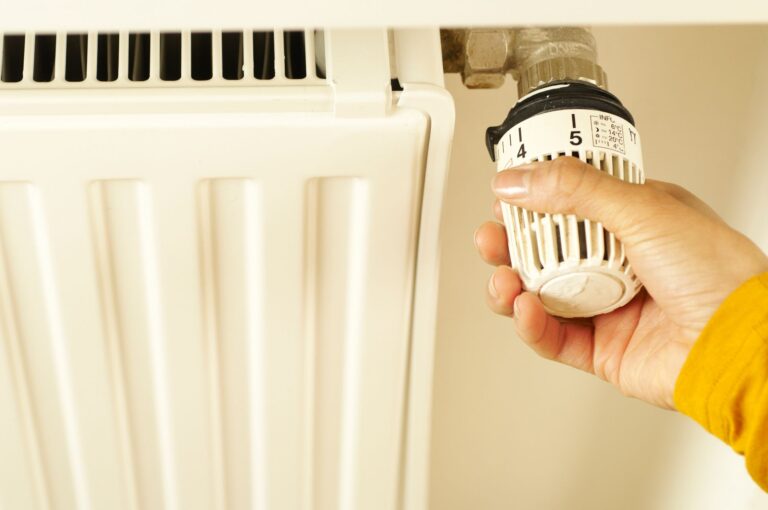

Lockable thermostats quietly solve a real household headache. Toddlers mash buttons, guests crank the heat, and roommates keep the AC arctic, so a keypad or PIN code restores order. The right model also handles your specific HVAC setup without forcing a costly rewiring job.
The list below leans into wall-mounted digital thermostats with built-in lockout features across a range of system types, from single-stage conventional to multi-stage heat pumps. A smart pick closes out the roundup for anyone who wants app-based control layered on top of physical PIN protection.
The Leading Options At A Glance
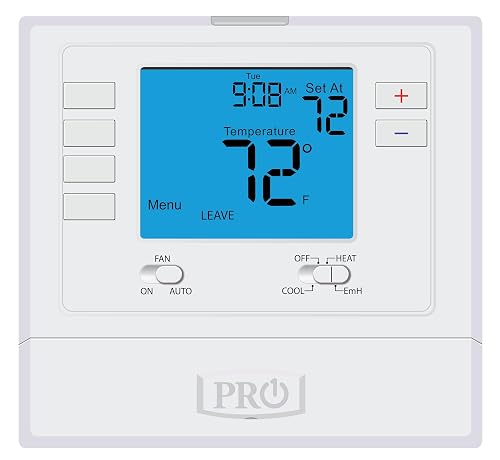
PRO1 T725 Heat Pump/Conventional Programmable Digital Wall Thermostat

PRO1 T771 Single Stage Non-Programmable Wall Thermostat
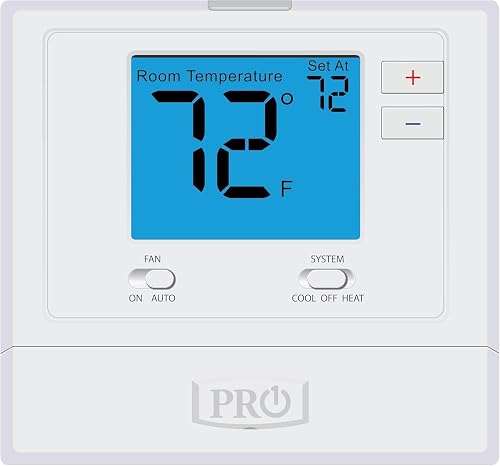
PRO1 T701 Single Stage Non-Programmable Wall Thermostat

PRO1 T715 Multi-Stage Programmable Gas Thermostat
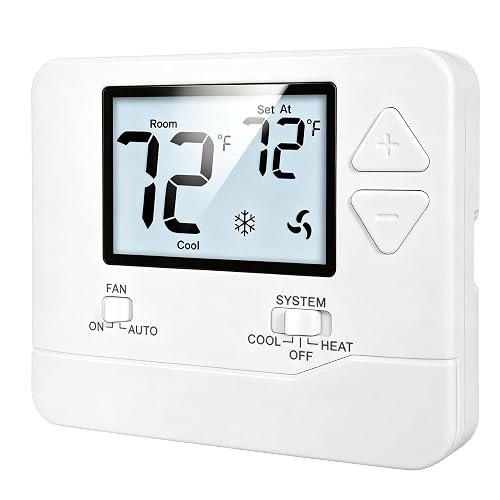
Heagstat NonProgrammable Thermostat 1 Heat/1 Cool

Suuwer Non-Programmable Thermostat for House (Green Backlight)
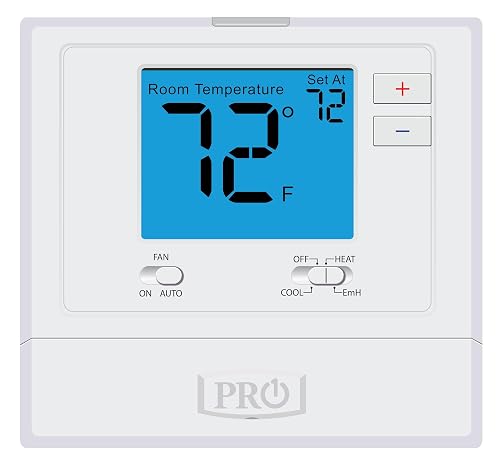
PRO1 T721 Non-Programmable Wall Thermostat (Heat Pump/Conventional)
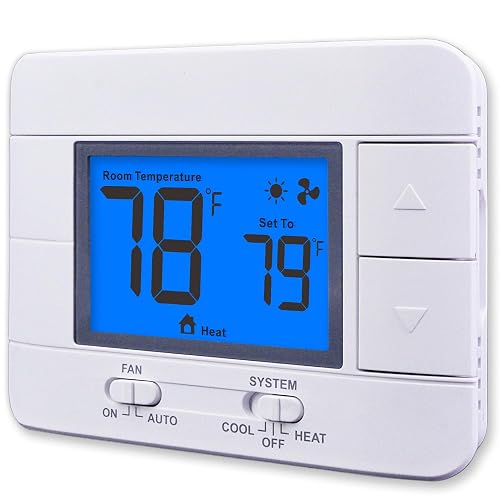
Aowel Non Programmable Thermostat with Humidity Display

PRO1 T805 Single Stage Programmable Wall Thermostat
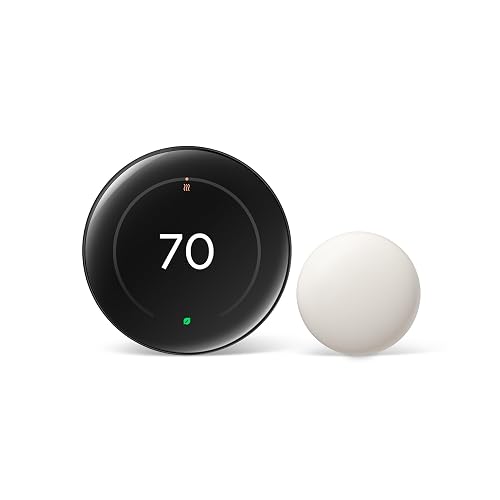
Google Nest Learning Thermostat (4th gen) with Temperature Sensor
The Strengths Of Each Pick
The PRO1 T725 is the sort of wall unit that earns its keep in homes where the heating system changes with the season, or where the installer isn’t entirely sure what is sitting behind the drywall. It covers 2 heat/1 cool heat pump configurations as well as straightforward 1 heat/1 cool conventional setups, which spares you from buying a second thermostat when the system gets upgraded.
Programmable scheduling with 7-day or 5/1/1 day layouts means weekdays, weekends, and one floating day can each run their own temperature plan, and the keypad lockout prevents any small fingers or curious guests from rewriting your programming. A 4 sq. in. blue backlit screen keeps the readouts legible in a dim hallway, and the unit accepts either battery or common-wire power for easier retrofit work.
What Makes Sense
- Dual compatibility across heat pump and conventional systems, reducing the chance of buying the wrong model
- Flexible 7-day or 5/1/1 programming that handles shifting work schedules
- Keypad lockout that protects setpoint changes from kids and visitors
- Blue backlit 4 sq. in. display that stays readable in low light
- Battery or hardwired power options, easing retrofit installations
Things To Consider
- Requires a small amount of setup time to enter the schedule and lock code
- Only 2 heat/1 cool stages, so it cannot drive a three-stage heating system
Who It Suits Best
Homeowners with a heat pump setup who want full weekly scheduling and reliable keypad lockout without stepping up to a learning thermostat.
Consider Something Else When
The PRO1 T715 Multi-Stage Programmable Gas Thermostat suits homes running a two-stage gas furnace where extra heating stages matter more than heat pump flexibility.
Unheated garages, workshops, and shed conversions live in a different temperature world than living rooms, and the PRO1 T771 leans into that reality. Its setpoint range reaches down to 25°F on the low end, which lets a space hold a freeze-protection temperature without burning through fuel all winter. For most attached homes this range is overkill, which is exactly what makes it a specialty pick.
The non-programmable layout keeps the interface minimal, and the keypad lockout stops curious kids or weekend visitors from nudging the setpoint when you step out. A 4 sq. in. blue backlit display makes readings visible at a glance, and swing adjustment plus calibration controls let you fine-tune the temperature match for the room’s quirks.
Where It Delivers
- Wide setpoint range down to 25°F for cold-space freeze protection
- Lockable keypad that locks in the setpoint after installation
- Compact, low-clutter interface suited to occasional adjustments
- Swing and calibration controls for matching the actual room temperature
Worth Noting
- Single stage only, so it cannot run multi-stage heating equipment
- Lacks weekly scheduling, which limits flexibility in main living areas
Made For
Owners of detached garages, sheds, and workshops needing reliable freeze protection and a tamper-resistant front panel.
Look Elsewhere When
The PRO1 T701 Single Stage Non-Programmable Wall Thermostat is a better match for a primary living area where the wider cold-range setpoint is unnecessary.
The PRO1 T701 sits in the same T700 platform family as the previous pick but pulls back from the extreme setpoint range. That restraint is the whole point. It targets standard 1 heat/1 cool conventional systems, the kind of furnace-and-air setup still found in a large slice of U.S. homes, so the interface stays simple enough for any household member to use without instructions.
The 4 sq. in. blue backlit screen is large enough to read across a room, and the glow-in-the-dark light button helps you find the controls during a midnight check. Keypad lockout keeps the setpoint sticky once you dial it in, which is a small but real quality-of-life feature in homes with kids or short-term guests.
Where It Excels
- Straightforward 1 heat/1 cool control that suits most conventional systems
- Generous 4 sq. in. blue backlit display for quick glances
- Glow-in-the-dark light button that aids nighttime adjustments
- Lockable keypad that prevents accidental setpoint changes
Trade Offs
- No programmable schedule, so the same setpoint runs all day
- Will not support heat pump or multi-stage equipment
Best Suited To
Owners of a conventional single-stage furnace system who want reliable set-and-forget control and a tamper-resistant front panel.
Skip It When
The PRO1 T805 Single Stage Programmable Wall Thermostat fits better when you want full weekly scheduling on the same single-stage conventional system.
The PRO1 T715 steps the T700 platform up to 2 heat/2 cool operation, which is the territory of a properly equipped two-stage gas furnace. The thermostat can run the lower fire stage on milder days for quieter operation and gentler temperature swings, and then call on the higher stage when the temperature drops fast. Owners of older single-stage units can still use the T715 in a non-programmable mode, which keeps it from being a poor fit on simpler systems.
Programmable modes include 7-day and 5/1/1 layouts, and the lockable keypad keeps the configuration you dialed in untouched by a curious toddler. The 4 sq. in. blue backlit screen is the same family size as earlier PRO1 units, and a glow-in-the-dark light button helps in dim hallways.
The Practical Payoff
- True 2 heat/2 cool staging for two-stage gas furnace and AC setups
- Schedule options including 7-day, 5/1/1, or full non-programmable mode
- Lockable keypad that protects the staging behavior from accidental changes
- Battery or hardwired power input for installation flexibility
A Few Limitations
- Overkill on a basic single-stage system where staging will not be used
- Does not support heat pump configurations
Whose Shelf It Belongs On
Households running a two-stage gas furnace who want the efficiency gains of low-fire operation and a tamper-resistant programmable schedule.
Not Your Match When
The PRO1 T725 Heat Pump/Conventional Programmable Digital Wall Thermostat is a smarter choice if your home runs a heat pump rather than a multi-stage gas furnace.
The Heagstat 1 Heat/1 Cool thermostat is a pared-down wall unit aimed squarely at standard 24VAC single-stage systems, meaning a basic gas, oil, or electric furnace paired with a separate AC condenser. The setup is strictly low-voltage and works with two to five wires, which lines up well with the most common residential wiring harness found in older homes.
White backlighting keeps the display easy to read, and a lockable front panel blocks accidental setpoint changes. For a primary living space, the missing weekly schedule may be a deal-breaker, but for a rental unit, in-law suite, or a property where the temperature only needs to stay within a set band, the trade-off often makes sense.
Practical Advantages
- 2- to 5-wire compatibility for easier retrofit on older low-voltage systems
- Lockable front panel that protects the chosen setpoint
- White backlit display that stays clear in dim hallways
- Non-programmable design that reduces accidental schedule changes
Points To Note
- Hard-wire installations should be done with the power off, since the unit runs on 24VAC
- Not suitable for systems needing more than two wires or heat pump configurations
Key Specs
Right Fit For
Renters and budget-focused owners with a standard low-voltage single-stage system who want lockable, fuss-free temperature control.
Another Choice May Suit
The Suuwer Non-Programmable Thermostat for House is a sensible alternative if you prefer a green backlight or a different brand of straightforward 1H/1C control.
The Suuwer non-programmable thermostat joins the same single-stage conventional pool as the Heagstat, but its green backlight is a nice differentiator for certain rooms. Green light tends to read softer at night than bright blue, so the Suuwer often lands in bedrooms, hallways, and other places where a harsh glow at 2 a.m. is unwelcome.
The 2- to 5-wire compatibility lines up with the most common low-voltage retrofit scenarios, and the lockable keypad holds the setpoint after installation. Its energy-saving framing points to a typical +/- 1°F accuracy range, which keeps the equipment from short-cycling in mild shoulder seasons.
Notable Upsides
- Green backlight that is gentler on the eyes in bedrooms
- 2- to 5-wire compatibility for typical retrofit wiring
- Lockable keypad that protects the chosen setpoint
- Single-stage focus that keeps the controls easy to learn
Honest Caveats
- Limited to 1 heat/1 cool systems, so it cannot run a heat pump
- No weekly scheduling, which limits energy savings in main living areas
Perfect Match For
Bedroom and hallway installations where a soft green glow at night and a locked setpoint matter more than a weekly schedule.
Reach For A Different Pick When
The PRO1 T805 Single Stage Programmable Wall Thermostat suits a main living area better if weekly scheduling on a single-stage system is the priority.
The PRO1 T721 fills a useful middle ground between the T701 and the T725. It accepts a 2 heat/1 cool heat pump configuration or a 1 heat/1 cool conventional setup, so it works for homes that have moved from a traditional furnace to a heat pump without the T725’s full multi-day programming. Think of it as the bridge option when you need heat pump compatibility but do not need a weekly schedule.
The T700 platform’s familiar 4 sq. in. blue backlit display carries over, and a glow-in-the-dark light button helps with nighttime visibility. AA battery or hardwired power is supported, and the lockable keypad keeps the chosen setpoint from drifting after a child or a houseguest walks by.
Everyday Wins
- Supports both heat pump and conventional systems in one unit
- Lockable front panel that holds the chosen setpoint
- Glow-in-the-dark light button for easier nighttime checks
- AA battery or common-wire power options
Things To Weigh
- Non-programmable, so the setpoint stays constant unless manually adjusted
- Single-stage cooling only on the conventional side, limiting use on multi-stage AC
Feature Snapshot
Who Will Love This
Owners who have switched to a heat pump but want a simpler non-programmable interface with a tamper-resistant lockout.
Swap It Out When
The PRO1 T725 Heat Pump/Conventional Programmable Digital Wall Thermostat is a better match if full weekly scheduling on the same heat pump system is the goal.
The Aowel non-programmable thermostat stays in the same single-stage conventional lane as the Heagstat and Suuwer, then adds a humidity reading on top. For most living rooms the temperature tells only half the story, and seeing a 60% humidity line on the same screen explains the clammy feeling on a 72°F summer afternoon. The unit accepts 2 to 5 wires, matching the most common low-voltage retrofit wiring.
The LCD blue backlit screen is easy on the eyes in a dim hallway, and a lockable keypad keeps the setpoint where you left it. Non-programmable operation means fewer settings to fuss with, which is a relief if you just want a stable temperature band with a humidity bonus.
A Few Highlights
- Built-in humidity readout alongside the temperature display
- Lockable keypad that protects the chosen setpoint
- Blue backlit LCD for clear readings in low light
- 2- to 5-wire compatibility for typical low-voltage installs
Small Caveats
- Non-programmable, so no automatic setback or schedule control
- Single-stage only, so it cannot run multi-stage equipment
Feature Card
Who Should Grab It
Households in humid climates where seeing the moisture level matters as much as the temperature, and a locked setpoint keeps things steady.
Where Another Pick Suits Better
The PRO1 T701 Single Stage Non-Programmable Wall Thermostat fits a basic single-stage home better if humidity readout is not a priority.
The PRO1 T805 jumps up to the T800 platform, and the change is immediately visible. The screen grows to roughly 7 sq. in., nearly double the T700’s display, which makes a real difference from across a large living room. It targets 1 heat/1 cool conventional systems and supports 7-day, 5/1/1, or fully non-programmable operation, so you can grow into scheduling later without swapping hardware.
A lockable keypad keeps that schedule from being rewritten by accident, and a glow-in-the-dark light button helps in low-light hallways. The combination of full weekly programming, large display, and lockout makes the T805 a strong fit for a primary living area where the thermostat is consulted often but rarely needs to be touched once set.
Practical Pluses
- Oversized 7 sq. in. blue backlit display for easy reading
- 7-day, 5/1/1, or non-programmable modes for flexible scheduling
- Lockable keypad that protects the chosen schedule and setpoint
- Glow-in-the-dark light button for nighttime visibility
Possible Compromises
- Single-stage cooling and heating only, so multi-stage systems need a different unit
- Larger footprint on the wall compared to T700-platform thermostats
Feature Rundown
Built With In Mind
Homeowners on a single-stage conventional system who want a generous display, full weekly programming, and reliable keypad lockout in one package.
A Better Fit Elsewhere
The PRO1 T715 Multi-Stage Programmable Gas Thermostat is the right call if you have a two-stage gas furnace and need more than single-stage control.
The Google Nest Learning Thermostat (4th gen) is a different category of device from the rest of this list. Where the wall units above rely on a physical PIN code to keep settings tamper-proof, the Nest adds a software lock plus a learning engine that builds a temperature schedule based on your real usage. The included Nest Temperature Sensor (2nd gen) lets the system weigh readings from another room, which solves the classic problem of a hallway thermostat that does not reflect the actual living space.
It is also a noticeably different purchase decision, so the lockout function here lives in the app and on the dial rather than on a hard keypad. For a household that wants remote control from a phone, automated scheduling, and physical PIN protection in one device, the 4th gen Nest is the smart-home end of this roundup.
Well-Handled Touches
- Learning engine that builds a schedule from your real adjustments
- Included Nest Temperature Sensor for multi-room averaging
- App-based lock features and remote control from your phone
- Obsidian finish with a low-profile dial that reads as a design object
Factors To Consider
- Higher price tier than the wall-mounted units above
- Smart features rely on a stable home network and a compatible HVAC system
Quick Technical Notes
Made For
Smart home enthusiasts who want learning scheduling, app-based lock features, and remote control rather than a purely wall-mounted unit.
Skip It When
The PRO1 T805 Single Stage Programmable Wall Thermostat is a better match for a straightforward single-stage system where a keypad-based lock and weekly schedule are all you need.
What To Weigh Before Choosing a Lockable Thermostat
A lockable thermostat only works if it actually matches the HVAC equipment behind your wall. Start with the system type, since a unit built for single-stage conventional equipment will not safely run a multi-stage gas furnace or a heat pump. Check the wire count on your existing base plate, because a 2- to 5-wire unit will not accept a 6-wire harness, and a missing C-wire can complicate power on some smart models.
For most homes, the choice between programmable and non-programmable comes down to schedule stability. Set-and-forget households often prefer non-programmable locks because there is no schedule to corrupt, while families with shifting routines gain more from a 7-day layout. The keypad lockout itself is the real differentiator here, so verify the lock is a true PIN or password rather than a simple hold-to-lock button.
Your room matters too. A wide-setpoint garage thermostat like the PRO1 T771 handles freeze protection that a living-room model cannot reach, and a green-backlight display works better in a bedroom than a bright blue glow. Match the display and lock style to where the thermostat actually lives.
Picking Wisely Across the Lineup
Wrong Turns To Avoid
The most common mistake is locking in a thermostat before confirming system compatibility, which usually shows up as the AC refusing to turn on after install. A second trap is overpaying for staging you do not have, since a 2 heat/2 cool unit on a single-stage furnace wastes money without changing comfort. Always check the wire count at the existing base, the equipment type in the breaker panel area, and the voltage rating before adding anything to a cart.
When Paying More Pays Off
Higher-tier thermostats in this category earn their keep through learning schedules, app-based PIN locks, multi-room sensors, and support for multi-stage equipment. You feel the upgrade most in homes with two-stage furnaces, rooms that run hot or cold relative to the hallway, and households that travel often enough to want remote lock control. For a basic single-stage setup, the cost difference rarely shows up on the energy bill, so the simpler wall units usually make more sense.
Frequently Asked Questions
Do all digital thermostats have a lock code feature?
No, lock code support varies by model. Most PRO1 T700 and T800 units include a keypad lockout, while many budget non-programmable thermostats offer either a simple lock or no lock at all. Always confirm the lockout type before purchasing, because some units use a hold-button lock rather than a true PIN code.
Can a lockable thermostat be installed without a C-wire?
Some can. Units like the PRO1 T725 and T721 accept AA battery power, which sidesteps the C-wire requirement. Smart thermostats like the Nest typically need a C-wire or the included power accessory, since Wi-Fi and learning features draw more current than a basic wall unit.
Will a thermostat lock code stop kids from changing the temperature?
A keypad lockout does prevent casual button-mashing, since the buttons stop responding until the PIN is entered. Curious kids may still find a way to power-cycle the unit, but the lock blocks the most common ways of nudging the setpoint up or down.
Do lockable thermostats work with heat pumps?
Some do, but not all. The PRO1 T725 and PRO1 T721 explicitly support heat pump configurations, while single-stage conventional units like the Heagstat or Aowel will not. Always match the equipment list on the product page to the labels on your indoor and outdoor units before installing.
How is a smart lock different from a keypad lock?
A keypad lock requires a PIN entered on the wall unit, while a smart lock is managed through an app on your phone. Smart thermostats can layer both, meaning a PIN on the dial and a remote lock from the app, which is convenient if you want to keep the wall interface limited for guests.
Closing Remarks
The right lockable thermostat comes down to a small list of honest answers: what equipment is on the wall, how many wires are present, and how much scheduling you actually want. Match those three and the keypad lockout becomes a quiet upgrade rather than a daily chore. Take a quick photo of the wiring at the existing base before you shop, and the rest of the decision usually falls into place.