

You probably want a thermostat that listens to your voice, plays nicely with the rest of your smart home, and quietly trims your heating and cooling bills without you babysitting it. That’s exactly what this list is built around. We’ve looked at ten models that work with Alexa, span every wiring situation, and cover budget shoppers to whole-home automation fans.
The Picks In Brief

Mysa Smart Thermostat for Electric Baseboard Heaters 240V

ecobee Comfort and Security Bundle, Smart Thermostat Premium & SmartSensor
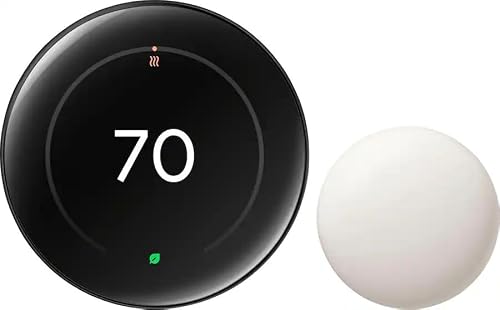
Google Nest Learning Thermostat (4th Gen, 2024) with Nest Temperature Sensor
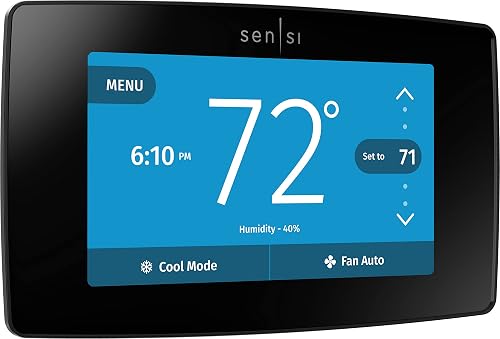
Sensi Touch Smart Thermostat by Emerson ST75 (Black)
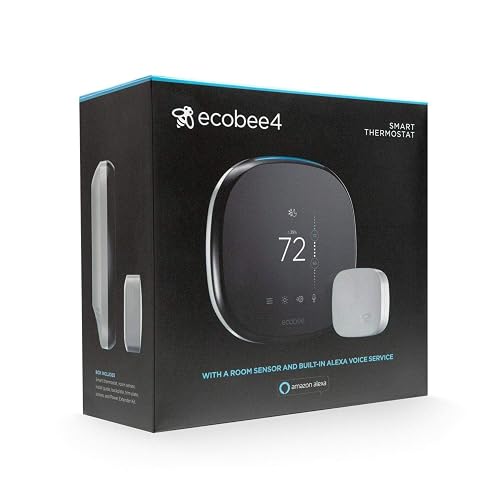
ecobee4 Smart Thermostat with Built-in Alexa, Room Sensor

ecobee Smart Thermostat Premium with Smart Sensor and Air Quality Monitor
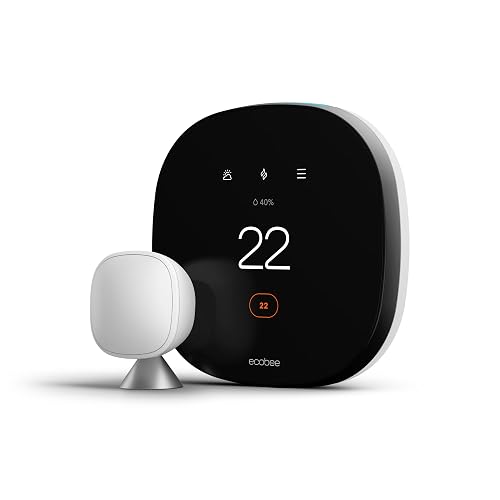
ecobee SmartThermostat with Voice Control
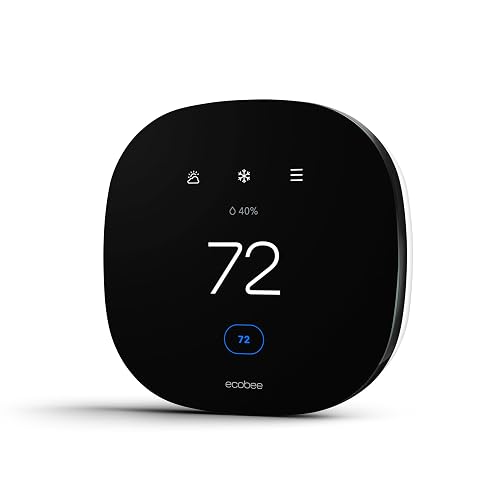
ecobee3 Lite Smart Thermostat (Black)
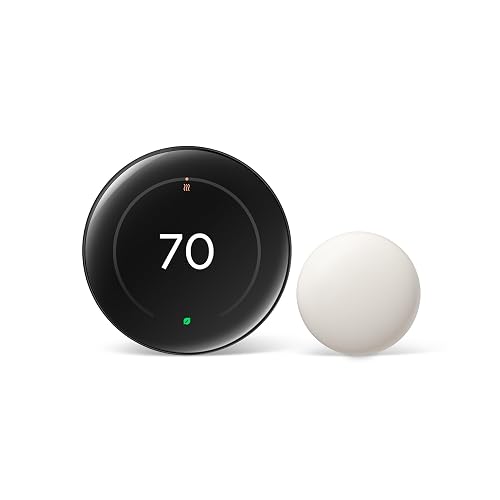
Google Nest Learning Thermostat (4th Gen) Renewed, Polished Obsidian
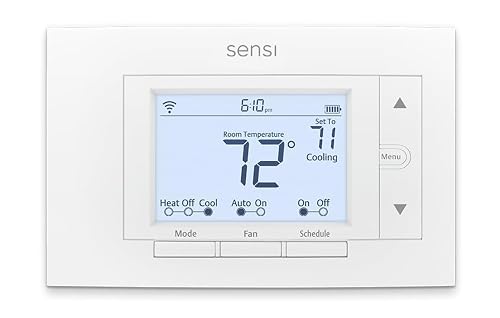
Sensi Smart Thermostat ST55
More On The Choices That Made The List
Mysa is the model most people overlook until they open their breaker panel and realize they have 240V electric baseboards. That’s the niche this thermostat owns: it speaks the same electrical language as line-voltage heaters, the type of system most smart thermostats politely refuse to talk to.
If your home runs on high-voltage electric heat, you already know how limited the smart options feel. Mysa fills that gap with a clean, minimalist faceplate and a companion app that handles scheduling without burying every setting three menus deep.
The Helpful Details
- Built specifically for 120V to 240V electric baseboard and fan-forced systems, so compatibility headaches disappear.
- Works with HomeKit, Alexa, and Google Home, which is unusual for this voltage class.
- Temperature and humidity alerts land on your phone before rooms drift into uncomfortable territory.
- The free companion app handles grouping multiple Mysa units across rooms, handy in older homes with several baseboard zones.
Points To Keep In Mind
- Requires at least four wires, including a neutral or a second live wire, so older two-wire installations may need extra work.
- Does not work with low-voltage systems, so don’t try to retrofit it onto a standard furnace setup.
- Owners commonly report that the unit runs slightly warm during heavy cycling, which is expected at these voltages but worth knowing.
Made For
Homeowners in older houses with electric baseboards who finally want voice control and scheduling.
Look Elsewhere When
You have a standard 24V forced-air system, where the ecobee3 Lite offers a friendlier entry point.
This bundle pulls double duty. You get the premium ecobee thermostat plus motion-aware SmartSensors that double as the foundation for a light home security setup. It’s pitched at people who want one device to handle comfort and basic awareness without stacking subscription services.
Where the standalone Premium thermostat is a temperature expert, the bundled version leans into a quiet security story. The included sensors listen for unusual sounds and can trigger routines when motion is detected in rooms that should be empty.
Points In Its Favor
- Combines climate control and entry-level security into a single ecosystem, reducing the need for separate hubs.
- SmartSensors follow you between rooms, so the bedroom is the temperature that actually matters at night.
- Compatible with Alexa, HomeKit, and Google Home, which keeps multi-platform households happy.
Trade Offs
- Some monitoring features require an ecobee subscription, so the full pitch is gated behind ongoing fees.
- Heavier than a basic thermostat, so older plastic wall plates may need upgrading for a clean fit.
- Wiring is similar to other ecobee units, and a C-wire is generally expected at the wall.
Feature Card
Who It Suits Best
Households that want one wall-mounted device to anchor both comfort routines and basic security alerts.
Consider Something Else When
You only need a thermostat and not the security angle, in which case the standard ecobee Smart Thermostat Premium keeps things simpler.
The fourth-generation Nest is the most polished learning thermostat Google has shipped. After a few weeks it quietly figures out when you wake up, when the house empties, and what temperatures you actually want in the evening, then starts making those adjustments without prompting.
It ships with a Nest Temperature Sensor in the box, so the thermostat can read conditions in a second room instead of just the hallway where it lives. The Obsidian faceplate gives it a darker, more architectural look that blends with contemporary walls.
Key Advantages
- Learns your schedule on its own, so manual programming becomes optional after the first couple of weeks.
- Works with most 24V systems and does not require a C-wire, which simplifies retrofits in older homes.
- Compatible with Alexa, Apple HomeKit, and the Google Home app, giving unusual flexibility for a Nest-branded product.
- Adaptive Eco mode trims energy use when routines shift unexpectedly, useful for hybrid commuters.
Honest Caveats
- The learning curve means the thermostat runs through a few odd temperature decisions before it understands your home.
- Listed in non-retail packaging, so the unboxing experience feels utilitarian and spare.
- Some advanced features lean on Google’s app, which is a deal-breaker for households that prefer Alexa routines.
Best Suited To
People who want the thermostat to anticipate their schedule and aren’t interested in building complex manual programs.
Swap It Out When
Privacy is a top concern, where the Sensi Touch keeps your data off the cloud selling floor.
Sensi has carved out a quiet corner of the market by leaning into a simple promise: your usage data stays yours. The Touch version adds a color screen that reads at a glance and physical controls that don’t rely on a smartphone app for the basics.
Emerson brings a century of HVAC manufacturing to the table, which matters more than spec sheets suggest. You’re getting a thermostat made by a company that has built furnace controls for decades, not a software team that recently added a relay board.
Reasons It Performs
- Color touchscreen shows temperature, humidity, and system status without menu diving.
- Works with Alexa and keeps your data out of advertising-style resale pipelines.
- Designed for straightforward DIY installation, which keeps electrician costs out of the picture.
Some Limits To Know
- A C-wire is required, so homes without one will need a workaround before installation.
- No built-in room sensor is included, unlike the ecobee entries on this list.
- Current availability can be inconsistent in some regions, so it pays to check the listing before committing.
Feature Card
Perfect Match For
Privacy-minded homeowners who still want a premium touchscreen and Alexa voice control.
Skip It When
You want a C-wire-free install, where the Google Nest Learning Thermostat avoids the wiring step entirely.
The ecobee4 is the model that kicked off built-in voice control at the wall. It was the first ecobee with Alexa actually living inside the faceplate, no separate Echo needed. That makes it a natural fit for kitchens, hallways, or bedrooms where you want a voice assistant without adding another puck to the counter.
It includes a room sensor right in the box, which means you can balance temperatures across the main living area and a bedroom from day one. Compared to the earlier ecobee3, this version adds a speaker and far-field microphones for clearer voice pickup across the room.
Practical Pluses
- Alexa is built into the unit, so commands like “raise the temperature” and “set a timer” work without extra hardware.
- Comes with a room sensor that helps reduce hot and cold spots between zones.
- Touchscreen interface is clear and responsive for quick manual adjustments.
Worth Bearing In Mind
- An older generation, so the design feels chunkier next to the newer ecobee Smart Thermostat Premium.
- Uses a C-wire or a power adapter kit, and homes without either need an extra install step.
Who Should Grab It
Folks who want Alexa built into the wall rather than scattered across separate Echo devices.
Not Your Match When
You want the latest display and air quality monitoring, where the ecobee Smart Thermostat Premium takes over.
Premium is the right word here. The largest display in the ecobee lineup lives on this faceplate, paired with a zinc body that feels closer to a high-end speaker than a wall gadget. It also has the brand’s first built-in air quality monitor.
If you care about more than temperature, this thermostat keeps an eye on air quality and reminds you when the furnace filter needs swapping. For households with allergies, pets, or a baby in the next room, that extra layer of awareness tends to earn its keep quickly.
A Favorable Mix
- Built-in air quality monitor alerts you to poor conditions and offers improvement tips in the app.
- Includes a SmartSensor, so you can extend balanced comfort into a room the thermostat can’t see.
- Compatible with both Alexa and Siri, a rare combination that suits mixed households.
- Premium materials give the wall plate a weight and finish that cheaper thermostats don’t match.
Things To Consider
- The price sits above entry-level ecobee models, so it makes more sense for users who will use the air quality features.
- Some monitoring features, like smoke alarm detection, require a paid ecobee subscription.
- Wiring follows standard ecobee requirements, with a C-wire expected at most installation sites.
Feature Card
Right Fit For
Households focused on air quality, with sensitivity to allergens, smoke, or pets.
Where Another Pick Suits Better
Shoppers who want simple temperature control, where the Sensi Smart Thermostat ST55 keeps the cost down without extras.
This ecobee sits in a comfortable middle ground. You get built-in voice control, a SmartSensor in the box, and the same scheduling depth as the premium model, just without the air quality sensor and upgraded display.
For most homes, that tradeoff feels right. The thermostat handles the day-to-day comfort work while the included sensor reaches the rooms the wall plate cannot.
Useful Touches
- SmartSensor comes in the box, which would otherwise be a separate purchase.
- Alexa and Siri both supported through the built-in speaker, so you can talk to it directly.
- Energy savings are competitive, with the brand citing up to 26% on heating and cooling costs.
Practical Considerations
- Lacks the air quality monitor of the newer Premium model.
- Display is functional rather than cinematic, so it doesn’t double as a piece of wall decor.
Whose Shelf It Belongs On
Mid-budget smart homes that want ecobee quality without paying for the premium tier.
Another Choice May Suit
You want the latest hardware and air quality tracking, where the ecobee Smart Thermostat Premium pulls ahead.
The ecobee3 Lite is the brand’s invitation to smart home newbies. It drops built-in voice control, the room sensor, and the bigger display, and in return hands you a wall thermostat that handles schedules and app control at a noticeably lower price point.
For households that want a trustworthy brand name and don’t need the extras, the Lite is a smart, low-fuss first step. You still get ecobee’s app, multi-platform voice support, and energy tracking without the bells and whistles.
The Practical Payoff
- Sits well below the premium tier while keeping ecobee’s scheduling and energy reporting.
- Works with Alexa, Siri, and Google Assistant, so it fits any smart home voice ecosystem.
- DIY-friendly installation is one of the more approachable in this category.
Potential Sticking Points
- No room sensor in the box, so multi-room balance requires a separate purchase.
- No built-in microphone, so voice control relies on a separate Echo or HomePod.
- The black faceplate can look heavy next to lighter wall paint colors, depending on your taste.
Feature Card
Built With In Mind
First-time smart home owners stepping into the ecobee ecosystem on a tighter budget.
Reach For A Different Pick When
Voice control at the wall matters to you, where the ecobee4 covers that need.
The renewed version of the fourth-generation Nest gives shoppers a way to grab the flagship learning thermostat at a lower entry point. Polished Obsidian is a striking dark finish that doesn’t pick up fingerprints as easily as the lighter bands on the original.
You get the same learning engine, the included temperature sensor, and the same broad compatibility as a brand-new unit, just through the refurb pipeline. For shoppers comfortable with renewed electronics, the trade is a lower price for similar performance.
Why It Works Well
- Same learning engine and Adaptive Eco features as the new unit at a lower spend.
- Nest Temperature Sensor included, so room-by-room comfort works out of the box.
- Works with Alexa and Google Home, which covers the most common voice ecosystems.
Room For Improvement
- Renewed condition can vary, so the cosmetic finish may show light wear depending on the unit.
- Packaging is typically utility-grade rather than full retail, which matters for gifts.
- Warranty terms are often shorter than a new unit, so it’s worth checking the listing details before purchase.
Feature Card
The Right Fit
Cost-conscious shoppers who want flagship learning features without the full retail price.
Where A Sibling Pick Shines
You want a brand-new unit with full retail packaging, where the standard Nest Learning Thermostat 4th Gen fits the bill.
The ST55 is what happens when a thermostat maker focuses on the basics and stops there. No touchscreen, no built-in voice, no fancy faceplate. Just a clean LCD, dependable scheduling, and a price tag that feels friendly to landlords and first-time DIYers.
For renters or anyone who treats a smart thermostat as a one-time install and not a hobby, the ST55 keeps the experience grounded. It works with Alexa, runs on Emerson’s well-tested app, and asks for very little from you in return.
Where It Helps
- Setup is genuinely DIY-friendly, with clear instructions for common HVAC wiring situations.
- Privacy-first approach keeps your usage data out of advertising pipelines.
- Compatible with Alexa, which covers the most common voice setup in homes today.
Where It May Fall Short
- Basic LCD display rather than a color touchscreen, so it feels understated next to the Sensi Touch.
- No room sensor included, so multi-room balancing requires additional hardware.
- Some homes will need a C-wire adapter depending on the existing wiring.
Who Will Love This
Renters, landlords, and DIY newcomers who want a reliable, no-fuss thermostat.
A Better Fit Elsewhere
You want a touchscreen interface, where the Sensi Touch ST75 steps in with a color display.
What To Match Against Your Home Before You Pick
Start with the wiring. Most 24V forced-air systems, heat pumps, and radiant setups work with mainstream smart thermostats, but electric baseboards run on 120V to 240V, which is its own category entirely. The Mysa on this list handles that case, while everything else assumes a low-voltage common wire or, in some cases, a power adapter kit.
Think about where the thermostat lives. If it’s in a hallway that nobody actually uses, the wall reading will never reflect how the living room or bedroom feels. That’s where a bundled room sensor, like the ones included with several ecobee models, starts to pay off. One extra sensor can quietly balance a house that previously had a five-degree swing between rooms.
Match The Voice Stack You Already Have
Amazon households will find every model on this list works with Alexa, but only a few have Alexa built into the wall. The ecobee4 and ecobee Smart Thermostat Premium put the voice assistant into the faceplate itself, useful in kitchens and bedrooms where you don’t want a separate Echo on the counter. If you live between ecosystems, look for the models that support HomeKit, Google Home, and Alexa at the same time.
Decide What Sensors And Alerts Matter
Temperature is the baseline, but humidity, air quality, and motion are where premium models separate themselves. Households with allergies, fireplaces, or cooking-heavy kitchens tend to get real value from the air quality monitor on the ecobee Premium. Homes with simpler routines can skip the extras without losing day-to-day comfort.
Key Considerations Across These Picks
Common Shopping Slip Ups
The most frequent mistake is buying a thermostat before checking the wiring at the wall. Several models require a C-wire, and a “not compatible” surprise after the box is open is rarely a fun afternoon. Pull the cover off the existing thermostat and count the wires before you commit.
Another common miss is choosing a thermostat based on brand familiarity without checking room coverage. A single wall sensor cannot see a whole house, so a model without a bundled or add-on room sensor will leave bedrooms noticeably different from the hallway.
What The Higher Tier Buys
Moving up the price ladder tends to add three things: a larger or higher-resolution display, a built-in voice assistant, and extra sensors for air quality or room-by-room comfort. The trade is that not every household uses all three. Spending up makes sense when you will actually use the premium features day to day, not when they look nice in a product photo.
Paying more also tends to mean better build quality. The ecobee Smart Thermostat Premium, for example, uses premium materials that feel closer to a high-end speaker than a plastic wall plate. That weight and finish tend to hold up better over years of touchscreen swipes.
Frequently Asked Questions
Do Alexa thermostats work without a subscription?
Yes. Every model on this list handles core scheduling, app control, and Alexa voice commands without any ongoing fee. Some premium features, like advanced security monitoring, sit behind paid plans on certain brands.
Can I install an Alexa thermostat myself?
Most homeowners can handle the install with basic tools, a phone, and a low-voltage wiring check. High-voltage systems like baseboards may need a qualified electrician for safety reasons.
Do smart thermostats save money on energy bills?
They can, especially when schedules and geofencing actually match how you live. The biggest savings usually show up in homes that previously left the temperature constant day and night.
Will a smart thermostat work with my existing Alexa devices?
Yes. Pairing happens inside the Alexa app, and once the thermostat is named, voice routines like “Alexa, lower the bedroom” work across any Echo or compatible device in the home.
What happens to my schedule if Wi-Fi goes out?
Most modern thermostats keep running on their last-known schedule, with manual adjustments still working at the wall. Once Wi-Fi returns, schedules and app control pick up where they left off.
Bottom Line
The right pick depends on your wiring, your rooms, and how much you want the thermostat to do for you. The ecobee Smart Thermostat Premium and the Nest Learning Thermostat stand out for households that want the thermostat to handle the heavy lifting, while the Sensi ST55 and the ecobee3 Lite cover anyone who just wants reliable, voice-friendly comfort without the premium add-ons. Match the model to your home, and you’ll be set for years of quieter, smarter heating and cooling.