
A reliable thermostat quietly shapes your daily comfort, and the wrong one can leave you fiddling with the dial or calling a technician at the worst moment. Whether you manage a heat pump, a single-stage furnace, or a power attic ventilator, the right adjustable thermostat turns temperature control into a set-and-forget experience.
This roundup covers eight models spanning whole-home wall units and specialized attic fan controllers, so you can match the spec sheet to your actual system and skill level. Think of it as a way to narrow the field before you commit, not a sales pitch.
A Side-By-Side Look
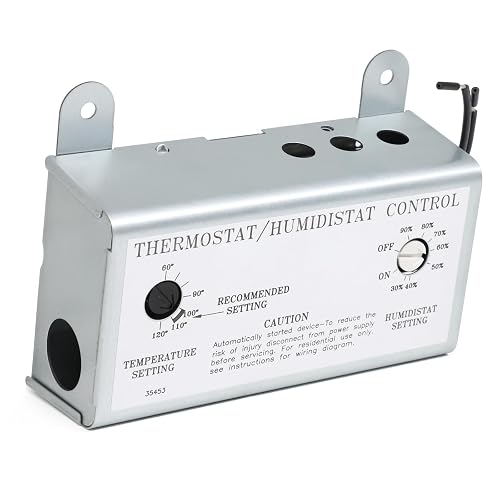
Criditpid Attic Fan Thermostat & Humidistat Controller Box
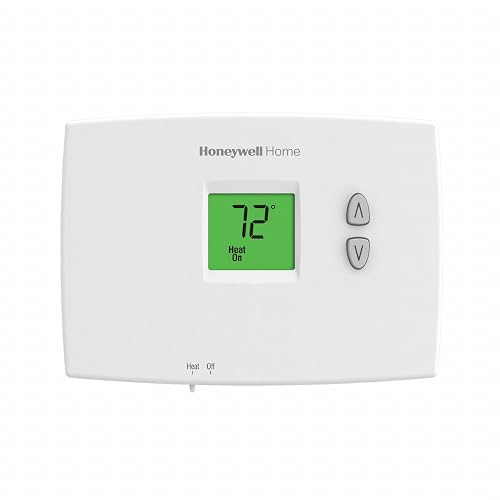
Honeywell TH1100DH1004 PRO 1000 Non-Programmable Thermostat
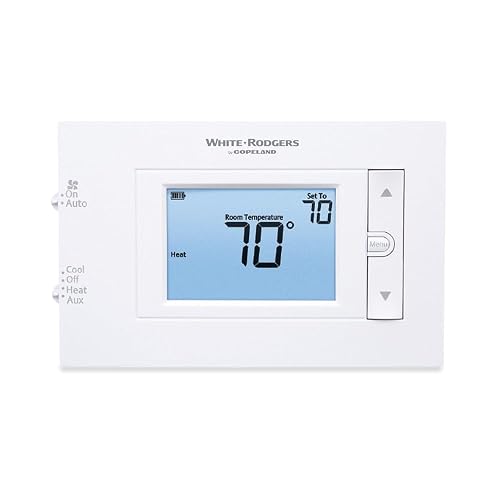
White-Rodgers 80 Series 1F83H-21NP Heat Pump Thermostat
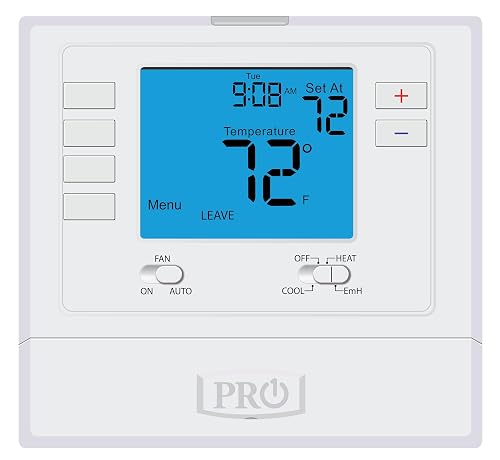
PRO1 T725 Programmable Digital Wall Thermostat
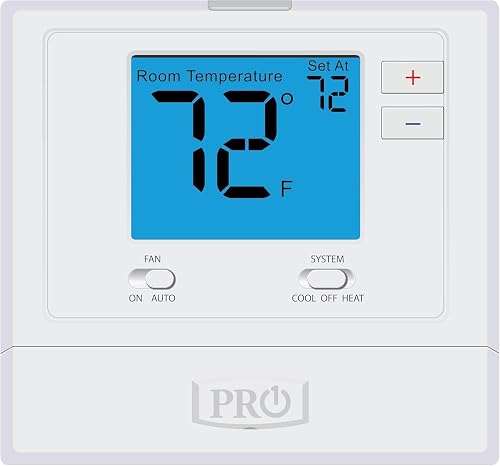
PRO1 T701 Single Stage Non-Programmable Wall Thermostat
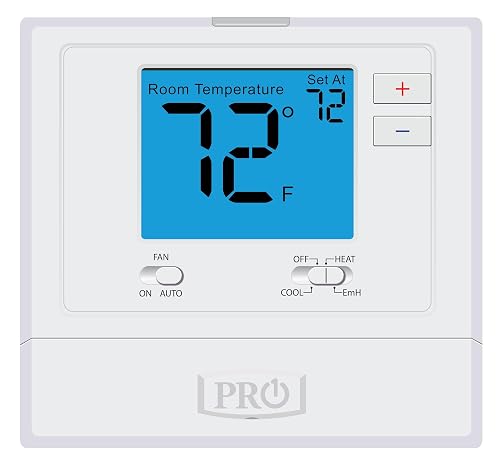
PRO1 T721 Non-Programmable Wall Thermostat 2H/1C

Criditpid 58033 Single Speed Adjustable Thermostat
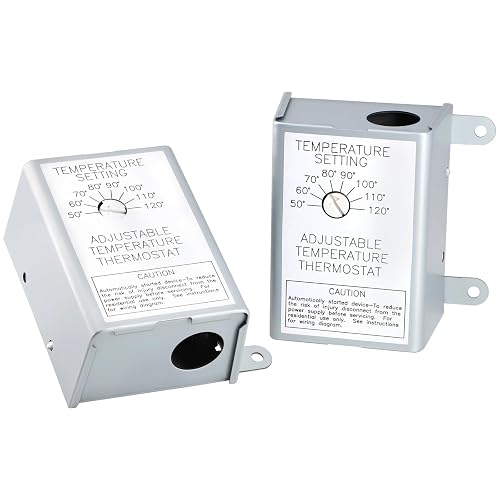
Criditpid 58033 Adjustable Thermostat 2-Pack
The Picks, Examined More Closely
An attic ventilator that runs only when needed saves energy and reduces wear on the motor, and this controller box handles both temperature and humidity on the same circuit. You set the dial between 60°F and 120°F for the thermal trigger, then fine-tune moisture handling from 30% to 90% relative humidity. In a hot southern attic, that combination keeps the fan dormant on cool mornings but spinning fast once the space crosses both thresholds.
Built around a 120-volt, 10-amp alloy housing, the unit is positioned as a replacement module rather than a primary wall thermostat. Owners commonly pair it with Lomanco Lomancool 2000 and 1800 series power vent motors, where the original controller has failed. The box-style enclosure mounts near the fan assembly rather than inside living space, so it stays out of sight.
What Makes Sense
- Dual temperature and humidity adjustment handles sticky summer attics that need moisture management, not just heat relief.
- Wide 60°F–120°F range covers most North American attic conditions without constant re-tuning.
- 120V, 10-amp rating suits common powered attic ventilators without extra relay hardware.
- Alloy construction tolerates the high-heat environment most attics reach by mid-afternoon.
Things To Consider
- Compatibility is limited to specific Lomanco power vent models, so verify the part number before ordering.
- The box-style form factor requires accessible mounting space near the fan, which can be tight in finished attic sections.
Key Specs
Who It Suits Best
Homeowners with a compatible Lomanco power vent who want combined heat and moisture control in a single attic-mounted module.
Look Elsewhere When
The Criditpid 58033 Single Speed Adjustable Thermostat makes more sense for owners of Lomanco and Broan attic fans who only need temperature-triggered fan cycling without humidity logic.
The PRO 1000 strips scheduling, app connectivity, and learning algorithms out of the equation, leaving a horizontal wall unit focused purely on heat-only control. Its backlit display stays readable in dim basements and unlit garages, where many competing models wash out. The dual-power design draws from either a common wire or batteries, which removes one common installation headache.
Honeywell offers two temperature scales during setup, a standard 40°F to 90°F range for living space and a wider 35°F to 90°F range for garages. The trade-off is no cooling stage at all, so this belongs in homes with a separate air conditioning system or a single-purpose heating environment. For most detached workshops, that simplicity is the entire point.
A Few Strong Suits
- Backlit display reads clearly in dark utility rooms, basements, and garage walls.
- Dual power options simplify retrofit installs where a C-wire is missing.
- Standard and garage temperature scales let you match the range to the room’s actual use.
- Non-programmable design keeps operation to up and down arrows, which suits occasional users.
Worth Noting
- Heat-only operation rules out central air conditioning control entirely.
- No scheduling means manual adjustment for day and night setbacks.
- Plastic housing feels lighter than the metal PRO series, so handle the wall plate carefully during mounting.
Key Specs
Made For
Garage and workshop owners who heat a single space and don’t need programming or cooling stages.
Where Another Pick Suits Better
The PRO1 T701 Single Stage Non-Programmable Wall Thermostat fits homeowners with a conventional furnace and central air who want a similar no-frills approach but with both heat and cool control.
Heat pump systems need a thermostat that understands auxiliary heat lockouts and reversing valve logic, and the 1F83H-21NP delivers that without forcing a learning curve. The non-programmable format keeps the wall unit to a small number of buttons, while the 80 Series platform supports the wiring that heat pump installers expect. For most heat pump households, this hits the practical middle ground between a basic mercury switch and a fully programmable touchscreen.
White-Rodgers built the unit around a backlit display that activates with a button press, which helps during nighttime adjustments. The horizontal layout takes a little more wall real estate than compact vertical models, but the trade-off is bigger tactile keys. Depending on your existing wiring and indoor unit, you may need a common wire for steady power, which is worth confirming before installation day.
Notable Upsides
- Heat-pump-specific logic supports auxiliary heat and reversing valve operation out of the box.
- Backlit display keeps readings visible during nighttime adjustments.
- Non-programmable interface is approachable for first-time heat pump owners.
- 80 Series platform is widely supported by HVAC technicians, which simplifies service calls.
Trade Offs
- No scheduling means manual setback changes for day and night.
- Horizontal form factor takes more wall space than compact vertical thermostats.
Key Specs
Right Fit For
Heat pump owners who want a dedicated non-programmable wall unit without the complexity of a learning thermostat.
Consider Something Else When
The PRO1 T725 Programmable Digital Wall Thermostat suits households that want full weekly scheduling on a heat pump system and don’t mind setting a program.
Weekly programming is the headline feature here, and the T725 supports both 7-day and 5/1/1 schedules (a pattern where weekdays share one program, Saturday gets its own, and Sunday gets its own) so working households can tune comfort around the actual rhythm of the week. It handles 2 heat and 1 cool stages on heat pump systems, plus 1 heat and 1 cool on conventional systems, which covers the wiring most residential HVAC equipment uses.
The 4-square-inch blue backlit display shows the current schedule mode (wake, leave, return, sleep) at a glance, so nobody in the household needs to guess what the thermostat is doing. The T700 platform underneath gives the unit a slightly larger footprint than the Honeywell PRO 1000 reviewed earlier, but the trade-off is the larger readout. Setup assumes a basic comfort with low-voltage wiring, so first-timers may want a technician on hand.
Where It Helps
- 7-day and 5/1/1 programming covers both flexible and structured weekly routines.
- Supports 2H/1C heat pump or 1H/1C conventional systems in a single unit.
- Large blue backlit screen displays schedule mode clearly during the day.
- T700 platform offers broad compatibility with common HVAC wiring standards.
Honest Caveats
- Programming setup takes longer than non-programmable installs and may overwhelm first-time users.
- Larger footprint demands more wall space than compact vertical models.
Key Specs
Best Suited To
Set-and-forget households with heat pump or conventional HVAC who want a weekly program without jumping to a smart thermostat.
Skip It When
The PRO1 T701 Single Stage Non-Programmable Wall Thermostat works better for shoppers who want a simpler dial-style interface without weekly scheduling.
Conventional furnaces paired with central air only need one heating stage and one cooling stage, and the T701 dedicates its entire interface to that straightforward setup. The 4-square-inch blue backlit display matches the T725 sibling, so the screen is easy to read across the room, while the glow-in-the-dark light button helps in power-outage moments. Owners of simple 1H/1C systems get a clean upgrade without paying for heat pump logic they will never use.
Gas or electric compatibility makes the unit a flexible replacement for aging wall thermostats in older homes, where the original wiring may not include a common wire. The single-stage design is also forgiving during installation, since there are fewer terminals to mis-wire. For most conventional households, this lands in the sweet spot between the Honeywell PRO 1000’s heat-only focus and the T725’s programming depth.
Everyday Perks
- Single-stage operation simplifies wiring and reduces setup mistakes for first-time installers.
- Large 4 sq. in. backlit display remains readable from across a living room.
- Glow-in-the-dark light button helps locate the unit during a power outage.
- Works with both gas and electric conventional systems, covering the most common residential HVAC setups.
Points To Note
- No programming means manual setback changes for daytime and overnight comfort.
- Single-stage control doesn’t support multi-speed fan equipment.
Key Specs
Who Should Grab It
Conventional furnace and central air households that want a clean, non-programmable upgrade without heat pump logic.
Not Your Match When
The Honeywell TH1100DH1004 PRO 1000 fits detached garages and workshops that need heat-only control on a similar non-programmable platform.
The T721 sits between the simpler T701 and the programmable T725, supporting 2H/1C heat pump systems or 1H/1C conventional systems in one chassis. For homeowners whose HVAC configuration might shift during a future equipment upgrade, that dual-mode support avoids replacing the wall unit again. The same 4-square-inch blue backlit display carries over from the rest of the T700 platform, so the visual experience matches its siblings.
AA battery power or hardwire common-wire options give the installer flexibility when no C-wire is present, which is a common obstacle in older homes. Setup follows the same navigation pattern as the T701, so swapping between the two is a small learning curve. You may find the non-programmable limit worth it for the system’s flexibility, especially if you want a low-fuss interface and a forgiving wiring path.
What Stands Out
- Dual-mode support for 2H/1C heat pump or 1H/1C conventional systems in one unit.
- AA battery or hardwire power adapts to homes with or without a C-wire.
- T700 platform consistency means similar navigation if you upgrade across the family.
- Glow-in-the-dark light button helps locate controls during a power outage.
Room For Improvement
- Lacks the weekly scheduling of the T725 sibling, so adjustments remain manual.
- Heat pump logic adds slight cost over a pure conventional unit you may not need.
Perfect Match For
Mixed-system households that may switch between heat pump and conventional equipment and want a flexible non-programmable wall unit.
A Better Fit Elsewhere
The PRO1 T725 Programmable Digital Wall Thermostat suits shoppers who want the same dual-mode support but with full weekly scheduling baked in.
The 58033 acts as a dedicated attic fan thermostat, turning a roof-mounted or gable-mounted ventilator on and off based on a single temperature dial. Adjustment runs from 50°F to 120°F, so you can set the trigger high enough that the fan only kicks in during genuine attic heat rather than mild afternoons. Compared to the Criditpid thermostat-and-humidistat box earlier in this list, this unit strips out moisture sensing entirely in favor of pure temperature logic.
It is built as a single-speed replacement controller rather than a variable-speed unit, and the compatibility list targets specific Lomanco and Broan power vent models, including the F0510B2944 and 97009317 motor part numbers. The compact form factor slides into the existing fan housing, so most owners only need basic tools for the swap. Whole-house fans are explicitly out of scope, which is worth confirming against your installation before ordering.
A Favorable Mix
- Wide 50°F to 120°F adjustment range covers most North American attic conditions.
- Single-speed simplicity avoids the wiring complexity of multi-stage fan controls.
- Direct replacement design fits existing Lomanco and Broan power vent housings.
- Pure temperature logic is easier to dial in than combined temperature and humidity units.
Some Limits To Know
- Compatibility is limited to specific Lomanco and Broan power vent models, so check the part number.
- Not designed for use with whole-house fans, despite the similar appearance.
Built With In Mind
Owners of compatible Lomanco and Broan attic ventilators who need a temperature-only replacement thermostat without humidity logic.
Swap It Out When
The Criditpid Attic Fan Thermostat and Humidistat Controller Box is a stronger fit for attics where both heat and moisture drive the fan cycling decision.
This two-pack mirrors the single 58033 reviewed above but bundles two controllers for homes with more than one power vent, or for owners who want a spare on the shelf. The 50°F to 120°F adjustment range stays identical, so the dial behavior matches the single-unit version. The Lomanco Lomancool 2000 and 1800 series compatibility list is the main reason to choose this bundle over the Broan-targeted single pack.
Having a second controller on hand pays off when a fan motor fails during a heat wave, since the replacement is already in the garage. For most households with a single ventilator, the single-pack version reviewed earlier is the more focused buy, but the two-pack format suits multi-fan homes and rental property managers. You may find the bundled approach saves time and a return trip to the retailer when an aging controller finally gives out.
Positive Takeaways
- Two-controller bundle covers homes with multiple Lomanco power vents from one order.
- Identical 50°F to 120°F adjustment range as the single 58033 for consistent setup.
- Spare unit on the shelf avoids emergency sourcing during peak summer heat.
- Single-speed design keeps wiring simple for first-time attic fan repairs.
Potential Drawbacks
- Two-pack format is overkill for households with a single attic ventilator.
- Compatibility still excludes whole-house fans, so verify your specific Lomanco model first.
Whose Shelf It Belongs On
Multi-fan households and rental property managers who want a matching spare for Lomanco Lomancool 2000 or 1800 series power vents.
Reach For A Different Pick When
The single Criditpid 58033 Single Speed Adjustable Thermostat is the cleaner choice for owners of a single compatible attic fan who don’t need a spare unit.
What To Weigh Before Picking An Adjustable Thermostat
The first decision point is system type, since a heat pump, conventional furnace, and a powered attic ventilator each use a different class of controller. Wall thermostats like the PRO1 T725 and White-Rodgers 1F83H-21NP expect low-voltage HVAC wiring, while attic units such as the Criditpid 58033 line up with line-voltage fan motors. Match the controller to the equipment on the other end of the wires before anything else.
Next, decide how much scheduling and automation you actually want. Non-programmable models like the Honeywell TH1100DH1004 and PRO1 T701 keep the interface to up and down arrows, which works for set-and-leave households. Programmable units such as the PRO1 T725 add weekly schedules with wake, leave, return, and sleep modes, which suit working families with predictable routines.
Power source is a quieter but practical factor. Dual-power thermostats accept either a hardwired common wire or batteries, which removes a major installation barrier in older homes without a C-wire. Heat-only units and attic fan controllers generally run on different electrical paths, so verify the voltage rating against the equipment label before ordering.
Finally, look at the display and ergonomics. A 4-square-inch backlit screen is easier to read from across the room than a compact vertical display, and glow-in-the-dark light buttons help during power outages. Smaller text and tighter button layouts reduce wall footprint but can frustrate older eyes and arthritic fingers, so think about who will actually be adjusting the temperature day to day.
Key Considerations Across These Picks
Where Shoppers Go Wrong
A common slip is matching the thermostat to the wrong system type, such as buying a heat pump unit for a conventional furnace or a non-programmable wall thermostat for an attic fan. Each controller expects a specific wiring configuration, and the wrong match usually shows up as a blank screen or short cycling on installation day.
Another trap is ignoring the existing C-wire (the common wire that delivers continuous 24-volt power) or the lack of one. Dual-power thermostats and battery-capable models sidestep this issue, but a programmable unit that needs steady 24-volt power will lose its clock and schedule without one.
What The Higher Tier Buys
Stepping up to a programmable model like the PRO1 T725 adds a weekly schedule, larger backlit screen, and dual-mode heat pump or conventional support. The case for spending more comes down to how much you value automatic setbacks and a wider system envelope, especially in homes where the equipment may change over the next decade.
The premium is harder to justify for detached workshops and single-purpose spaces, where a non-programmable heat-only unit delivers the comfort control you need at a lower entry point. Match the spend to the equipment, not the other way around.
Frequently Asked Questions
What Is A C-Wire And Why Does It Matter?
A C-wire, or common wire, delivers continuous 24-volt power from the HVAC system to the thermostat so it doesn’t have to rely on batteries or steal power from other circuits. Programmable and Wi-Fi thermostats typically need a C-wire to keep their clocks and schedules running without interruption, while many non-programmable models can run on battery power alone.
Can I Use A Heat Pump Thermostat On A Conventional Furnace?
Most heat pump thermostats will technically power up on a conventional system, but they will look for signals from a reversing valve and outdoor unit that don’t exist, which can confuse the equipment. A conventional thermostat like the PRO1 T701 is the safer match for a furnace and central air setup, while heat pump households should stick with units like the White-Rodgers 1F83H-21NP.
How Do I Know If A Thermostat Will Fit My Attic Fan?
Check the part number on the original controller or the fan motor housing against the compatibility list for the replacement unit. The Criditpid 58033 line, for example, targets specific Lomanco and Broan power vent motors, and the wrong match usually means the dial does not line up with the housing or the wiring terminals don’t match.
Do Non-Programmable Thermostats Save Money?
Non-programmable thermostats typically cost less upfront, but the real savings come from how you use them. A manual setback habit (turning the temperature down at night and up in the morning) can match the energy savings of a programmed schedule, while leaving the temperature flat all day wipes out the benefit on either type.
How Often Should Adjustable Thermostats Be Replaced?
Mechanical wear on the relay contacts, sensor drift, and software obsolescence drive most thermostat replacements. For wall units, ten to fifteen years is a common service life, while attic fan controllers in high-heat environments may need replacement sooner if the alloy housing or thermal sensor degrades.
The Takeaway
Adjustable thermostats cover a wide range of equipment, from whole-home heat pumps to a single attic ventilator, so the right pick depends entirely on what is on the other end of the wires. Match the system type first, then layer in features like weekly scheduling, dual-mode support, or combined humidity control based on how the space actually gets used. Once the controller is the right fit for the equipment, the rest of the decision comes down to personal preference on interface and power source.