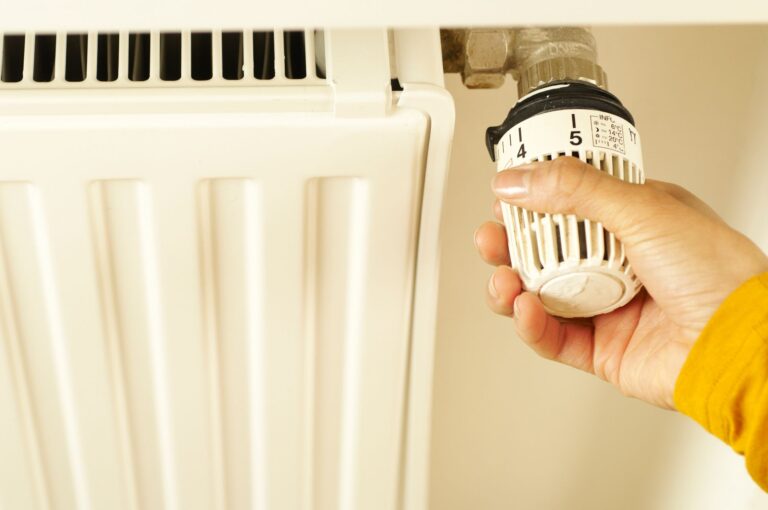

A freezer that frosts up or a wall thermostat that drifts two degrees off target usually traces back to a small component doing big work. The picks below cover both flavors of bimetal thermostat: internal refrigerator defrost switches and wall-mounted temperature controls that depend on a bimetal strip to react to heat.
Some are exact-fit replacement parts for Whirlpool, Kenmore, Maytag, and similar fridges. Others are room thermostats that use bimetal sensing to manage a single-stage furnace or baseboard heater. Choosing the right one means knowing which job you are actually trying to do.
A Side-By-Side Look
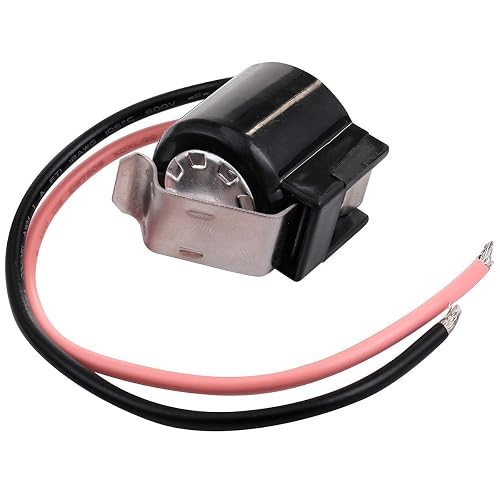
Seentech W10225581 Refrigerator Bimetal Defrost Thermostat

Seentech W10225581 Refrigerator Bimetal Defrost Thermostat (Pack of 2)
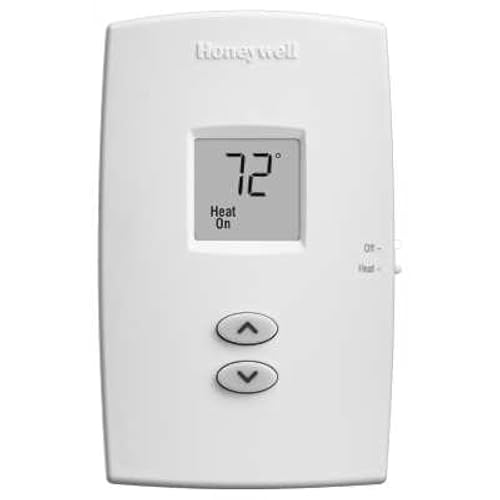
Honeywell TH1100DV1000 Pro 1000 Heat Only Thermostat
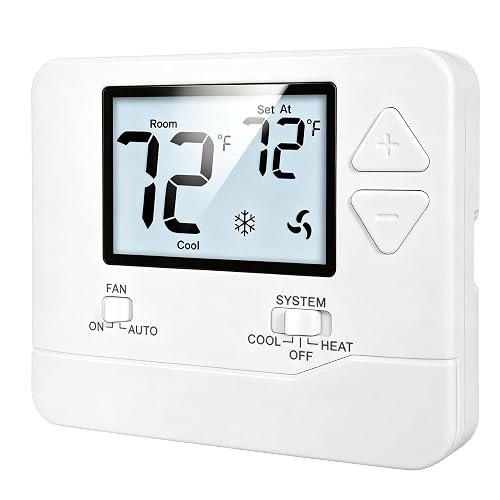
Heagstat 1 Heat/1 Cool Non-Programmable Thermostat
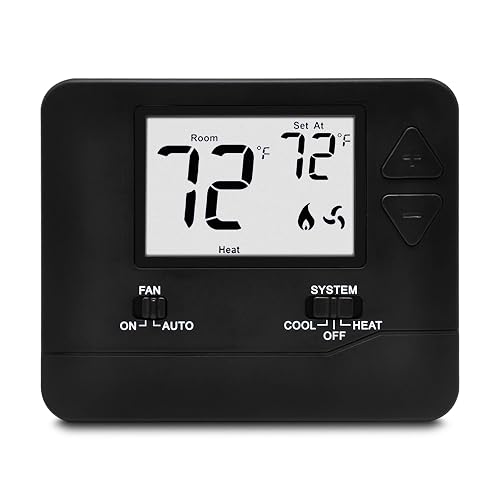
ELECTECK Digital Non-Programmable Thermostat, 1 Heat/1 Cool
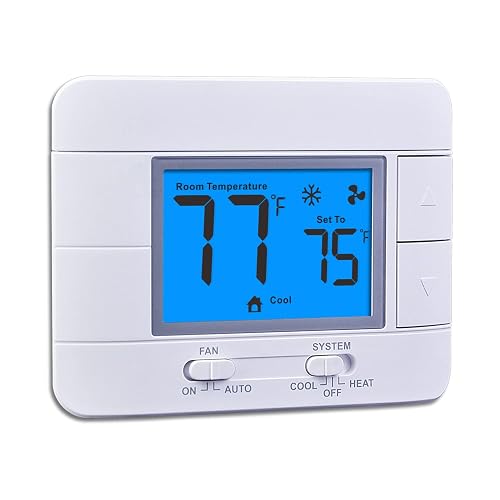
Garystat 1 Heat/1 Cool Thermostat with Humidity Monitor
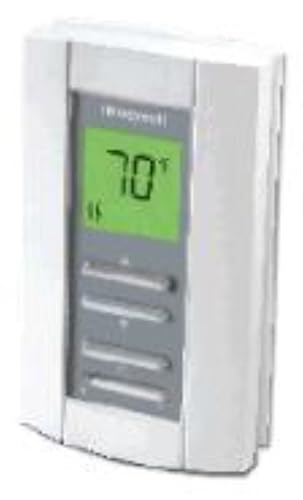
Honeywell TL7235A1003 Line Volt Pro 240V Thermostat

Miuputake 1 Heat/1 Cool Digital Thermostat, Blue Backlight
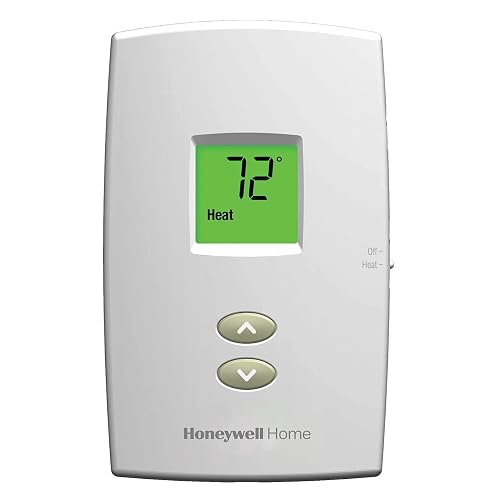
Honeywell TH1100DV1000 Pro-Digital 2-Wire Heat Only
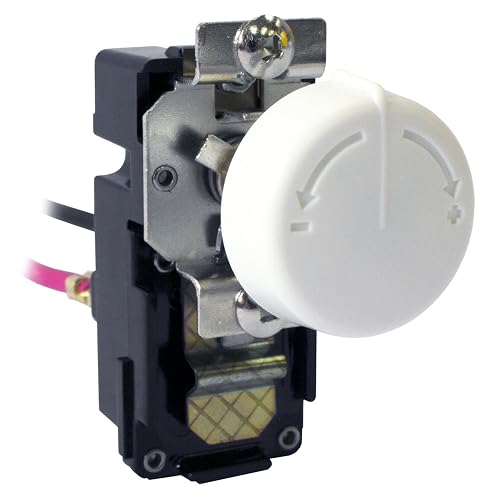
King Electric TKIT-1BW Single-Pole Built-In Thermostat Kit
The Details Behind The Selections
A refrigerator that keeps frosting over in the back of the freezer section often points at a tired defrost thermostat, the small switch that tells the heater when to cycle on. The Seentech W10225581 is built as a direct replacement for that part in many Whirlpool-built fridges.
It cross-references to a long list of OEM and aftermarket part numbers, including WPW10225581 and AP6017375, and it lists compatibility with Whirlpool, Kenmore, Maytag, Amana, KitchenAid, Jenn Air, and several other sister brands. For most homeowners dealing with a single freezer that will not stay defrosted, that broad coverage is the real selling point.
The Value In It
- Wide brand coverage across Whirlpool-family fridges, reducing the guesswork at checkout.
- Direct-fit form factor designed to slide into the existing evaporator housing without modification.
- Long list of cross-referenced part numbers, which makes it easier to match against an old label.
- Saves the cost of a service call for a repair that is usually a 20-minute swap.
Points To Note
- Always unplug the appliance and confirm the exact part number on your old thermostat before ordering.
- Defrost problems in fridges can also stem from a failed timer, heater, or control board, so this part may not fix every symptom.
Key Product Details
Right Fit For
Homeowners with a Whirlpool-family fridge that frosts up between defrost cycles and want to swap the part themselves.
Look Elsewhere When
You would rather keep a spare on the shelf, in which case the Seentech two-pack above offers the same part in a paired bundle.
Same switch, double the inventory. The two-pack version of the Seentech W10225581 gives you a primary part and a backup so you are not stuck ordering again if the diagnosis is right but the part fails early.
It keeps the same Whirlpool-family compatibility and the same long list of cross-reference numbers as the single unit above, so the installation story does not change. For people who own two fridges, manage rental units, or just like redundancy in the toolbox, the math tends to work out in their favor.
The Helpful Details
- Two units per order means you can fix one fridge and still have a spare sealed in the bag.
- Identical part-number coverage to the single pack, so no learning curve on fitment.
- Useful for landlords and property managers with multiple Whirlpool-built appliances.
Points To Keep In Mind
- Owners of a single fridge may not need the second unit and could prefer the single-pack for less up-front cost.
Built With In Mind
Anyone juggling more than one Whirlpool-built appliance or planning to keep a backup part on hand for the next defrost cycle.
Another Choice May Suit
A single-fridge household may be better served by the Seentech single unit earlier in this list.
Wall thermostats and refrigerator defrost switches share the same underlying technology, but the use case looks completely different. The Honeywell TH1100DV1000 is a wall-mounted, non-programmable heat-only unit aimed at straightforward furnace circuits.
The vertical layout gives the temperature dial a tall, narrow footprint that fits narrow wall sections, and the Premier White finish blends with most trim. Unlike the Seentech parts above, this is a user-facing control rather than an internal appliance component, so the buying decision is about daily interaction.
What Makes Sense
- Vertical orientation makes it a natural fit for narrow wall plates or stacked switch banks.
- Heat-only configuration simplifies wiring for systems without central air.
- Classic Honeywell build quality, which tends to age well in utility rooms.
Worth Noting
- Limited to heat-only systems, so households with central air will need a different model.
- Non-programmable design means no setback scheduling, which is a real trade-off for energy savings.
Whose Shelf It Belongs On
Homeowners with a heat-only forced-air furnace and a simple, manual preference for temperature control.
Swap It Out When
You need cooling control too, in which case the Heagstat 1 Heat/1 Cool unit later in this list covers a wider system range.
The Heagstat shifts the conversation from repair to replacement. It is a 24VAC, single-stage wall thermostat built for conventional forced-air systems with one heating and one cooling stage. A bimetal sensing strip reads room temperature and tells the system when to fire.
It accepts between two and five wires on the back plate, which covers most basic residential setups without the multi-stage complexity that scares off first-time installers. The white backlight keeps the readout legible in low light, a small but meaningful upgrade over non-illuminated dials.
Standout Benefits
- Wide compatibility with gas, oil, and electric furnaces paired with a separate AC condenser.
- Backlit display improves readability in hallways and bedrooms at night.
- Single-stage simplicity makes it approachable for homeowners with no HVAC background.
Trade Offs
- Not suitable for systems with six to eight wires, so multi-stage or heat-pump setups will not work.
- No scheduling features, so the temperature stays where you set it until you change it.
Quick Facts
Made For
First-time thermostat swappers in homes with a basic single-stage furnace and AC pair who want a no-programming control.
Skip It When
You want humidity feedback on the same display, where the Garystat unit further down adds that reading.
Where the Heagstat uses a backlight to soften a basic look, the ELECTECK leans fully into a digital readout in a black housing. It is still a single-stage, non-programmable thermostat, but the screen-forward design suits modern interiors.
The unit supports single-stage heating and cooling as well as heat-pump systems without auxiliary heat. Like the other wall controls here, it runs on 24VAC and assumes a fairly simple wiring layout. Homeowners with mid-2000s furnace and AC combos will usually find the wire count works without drama.
What It Does Well
- Digital interface gives clearer temperature feedback than older dial-based controls.
- Black finish stands out against light-colored walls as a deliberate design choice.
- Configurable for electric or gas/oil systems, adding a layer of installation flexibility.
Honest Caveats
- Not compatible with 120/240V electric baseboard heating, which needs a line-voltage unit instead.
- Multi-stage systems are out of reach, so larger homes with zoned equipment should look elsewhere.
Who It Suits Best
Anyone replacing a dated digital thermostat in a single-stage forced-air home who values a clean, screen-led look.
Where A Sibling Pick Shines
Owners of 240V baseboard heaters will be better served by the Honeywell TL7235A1003 in this list, since it is purpose-built for line voltage.
The Garystat takes the same single-stage platform as the Heagstat and ELECTECK and layers humidity on top. A built-in sensor reports current moisture alongside temperature, which matters in homes where summer dampness or winter dryness is a real comfort issue.
The large blue LCD display is the visual anchor. It is non-programmable, so there is no schedule to learn, but the extra environmental data gives you a fuller picture of why a room feels stuffy or dry at a given moment.
Everyday Advantages
- Humidity readout helps you correlate comfort complaints with moisture levels.
- Large blue LCD is readable from across most rooms.
- Same single-stage compatibility as the other wall units in this list, simplifying sourcing decisions.
Trade-Offs To Consider
- Like the others, it does not support multi-stage HVAC or central air handlers with more than basic staging.
- Non-programmable design means no automatic setback, so you adjust temperature by hand.
Feature Snapshot
Who Should Grab It
Households in humid or dry climates who want a single device that reports both temperature and moisture in plain numbers.
Reach For A Different Pick When
You only need basic heat and cool control without the humidity overlay, in which case the Heagstat covers the same system at a simpler price point.
Everything before this point assumes a low-voltage 24VAC system. The Honeywell TL7235A1003 changes the rules. It is a 240V line-voltage thermostat built for electric baseboard heaters and similar direct-wired loads.
Two practical features earn it a spot. The on-demand backlight brightens the display only when you interact with it, and the relay design quiets the audible click that older baseboard thermostats make every time the room crosses the setpoint. For bedrooms and living rooms, that silent switching is more than cosmetic.
Positive Takeaways
- 240V line-voltage design matches the wiring already in most electric baseboard installations.
- On-demand backlight saves power and avoids a glowing wall fixture at night.
- Soundproof relay operation eliminates the recurring click of mechanical thermostats.
- Heating indicator confirms at a glance that the system is calling for heat.
A Few Limitations
- Not for low-voltage systems, so the 24VAC furnace setups covered above will not work here.
- Wiring at line voltage is best handled by someone comfortable working with household mains.
Important Details
Perfect Match For
Owners of 240V electric baseboard heaters who want a quieter, modern control surface in living areas and bedrooms.
Consider Something Else When
Your home runs on a low-voltage forced-air system, which the Honeywell TH1100DV1000 from earlier in this list handles more appropriately.
The Miuputake is the most explicit DIY play in the wall-thermostat half of this list. The single-stage, 1 heat/1 cool design pairs with a blue backlight and a wiring layout that supports two to five conductors, so the install is approachable for homeowners with basic tools.
Like the Heagstat and Garystat, it expects a standard 24VAC conventional system. The difference is mostly cosmetic and a slightly different menu flow, but the practical effect is a thermostat that is forgiving during install and easy to live with after.
Notable Upsides
- Two to five wire compatibility covers most basic residential HVAC setups.
- Blue backlight is easy to read in dim hallways.
- Marketed toward easy DIY installation, with clear terminal labels for first-time swappers.
Less Ideal Details
- Not for systems with six to eight wires, ruling out more complex multi-stage equipment.
- Non-programmable, so comfort settings only change when you adjust them.
Best Suited To
Renters and homeowners who want a low-risk swap on a basic forced-air system and prefer a guided install experience.
Not Your Match When
You need cooling and heating with humidity data, which the Garystat covers on the same single-stage platform.
This Honeywell sits in the same Pro 1000 family as the earlier heat-only unit but leans into a 2-wire hookup and a backlit digital screen. For older homes with minimal thermostat wiring, the simpler circuit is the whole point.
The display shows the ambient room temperature at all times, and the adjustable temperature scale covers a 40 to 90°F range, which lines up with standard heat-only comfort expectations. Built-in compressor protection is less relevant on a heat-only model but shows the family DNA shared with cooling-capable siblings.
Bright Spots
- 2-wire compatibility works in older homes without a common wire.
- Backlit display makes the setpoint easy to confirm in any lighting.
- Always-on ambient reading helps you spot drift between setpoint and actual room temp.
Worth Bearing In Mind
- Heat-only design means households with central air will need a different wall control.
- Non-programmable, so no automatic setback without an external schedule.
Who Will Love This
Owners of older boilers, furnaces, or baseboard setups with only two thermostat wires who want a clear digital read.
A Better Fit Elsewhere
Homes with cooling needs may prefer the Heagstat or ELECTECK units for their 1 heat/1 cool coverage.
Closing the list is a thermostat that does not live on the wall at all. The King Electric TKIT-1BW is a built-in single-pole kit designed to slide into King PAW and W series wall heaters as a replacement or upgrade.
The 48 to 80°F operating range covers typical room comfort needs, and the fully protected bimetal sensor is shielded inside the heater housing. For a garage, basement, or addition heated by a King wall unit, this is the part that restores reliable mechanical temperature control without replacing the whole heater.
Features That Help
- Direct fit for King PAW and W series wall heaters, so no rewiring is required.
- 48 to 80°F range lines up with normal room comfort expectations.
- Snap-action positive response helps the heater react quickly to setpoint changes.
- Protected bimetal sensor reduces wear from dust and airflow inside the heater cabinet.
Small Caveats
- Single-pole design means no true off state, which is normal for this heater class but worth knowing.
- Specific to King PAW and W models, so it is not a universal wall-thermostat swap.
Right Fit For
Anyone maintaining a King PAW or W wall heater that needs a fresh internal thermostat rather than a full unit replacement.
Look Elsewhere When
You need a general-purpose wall thermostat for a forced-air system, in which case the Honeywell or Heagstat models above are the better match.
What To Weigh Before Choosing bimetal thermostats
Match the Part to the Job
The phrase “bimetal thermostat” covers two very different products: internal appliance switches and wall-mounted room controls. Refrigerator defrost thermostats like the Seentech W10225581 are designed to sense coil temperature inside a sealed housing, while wall units like the Honeywell TH1100DV1000 sense room air and call the furnace or AC. Confirming which job you are doing before shopping prevents most returns.
Voltage and Wiring Decide Compatibility
Low-voltage thermostats run on 24VAC from the HVAC system transformer and use two to five thin wires. Line-voltage thermostats like the Honeywell TL7235A1003 switch full 120V or 240V power to electric heaters directly. Mismatched voltage is the single most common reason a new thermostat fails to power on, so checking the existing wire count and rating matters more than feature lists.
Think About How You Will Live With It
Single-stage, non-programmable units are the right call for most households that want a set-and-forget wall control. Programming adds complexity that some users genuinely want, but for a guest room, rental, or workshop, a simple dial or push-button model is easier to live with and harder to misconfigure. A protected bimetal sensor, like the one in the King TKIT-1BW, is the right consideration for heater retrofits where dust and airflow are concerns.
Key Considerations Across These Picks
Common Shopping Slip Ups
The most frequent mistake is assuming any thermostat will fit any system. Single-stage thermostats will not run multi-stage equipment, and low-voltage models will not switch line-voltage baseboard loads. Another common slip is buying a defrost thermostat for a fridge whose real problem is a failed defrost timer, heater element, or main control board. Confirm the symptom, check the existing part number, and only then order.
What The Higher Tier Buys
The premium tier in wall thermostats adds features like larger backlit displays, humidity monitoring, and silent electronic relays. The Honeywell TL7235A1003 earns its place by removing the audible click that mechanical units make every time they cycle. For most single-stage homes, a mid-range non-programmable unit does the job, but the upgrade pays off in bedrooms, living rooms, and any space where the comfort and quiet really matter.
Frequently Asked Questions
What does a bimetal thermostat actually do?
It uses two bonded metal strips that bend at different rates as temperature changes, opening or closing an electrical circuit to control heating, cooling, or a defrost cycle based on a setpoint.
Can a refrigerator defrost thermostat fix a freezing-cold fridge?
It can if the defrost circuit is the cause, but a fridge that runs too cold often points to a separate temperature sensor, damper, or control board issue worth diagnosing first.
Are non-programmable thermostats harder to use than smart ones?
Not really, since most non-programmable models only require setting a temperature and leaving it. The trade-off is no automatic scheduling, which smart thermostats handle for you.
Will a 24VAC thermostat work with 240V baseboard heaters?
No, because low-voltage thermostats are not designed to switch the current a baseboard heater draws. A line-voltage model like the Honeywell TL7235A1003 is required for that setup.
How do I know if my wall thermostat is single-stage?
Count the wires at the existing thermostat and check whether you have separate heating and cooling wires. Two-wire heat-only and four or five-wire single-stage setups are the most common residential configurations.
Final Verdict
Start with the job description. Replacing a defrost switch in a Whirlpool-family fridge points to the Seentech W10225581, while upgrading a wall control means looking at voltage, wiring, and whether you want extras like humidity or silent switching. Most homes will be well served by a straightforward single-stage unit, and the right add-on features depend on which room you are controlling and how often you adjust the temperature by hand.