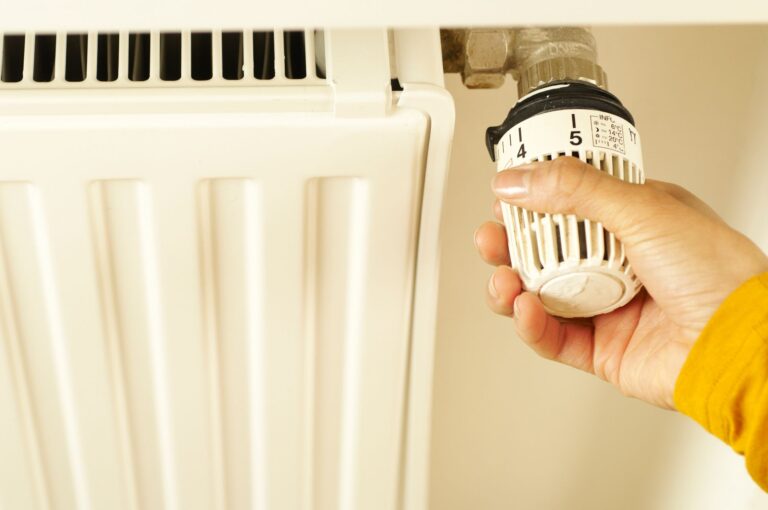

A wall thermostat is one of those things you only think about when it stops cooperating. A smart upgrade gives you app control, schedules, and small efficiency wins that add up across a long winter or a sticky summer. Choosing the right one matters more than the brand decal, because HVAC compatibility, wiring, and your daily routine do most of the work. This list covers app-driven smarts, learning thermostats, and a few no-frills digital options for homes that just need a reliable wall control. Pick the one that matches your system, your comfort habits, and how much you want your phone in the loop.
The Shortlist At A Glance
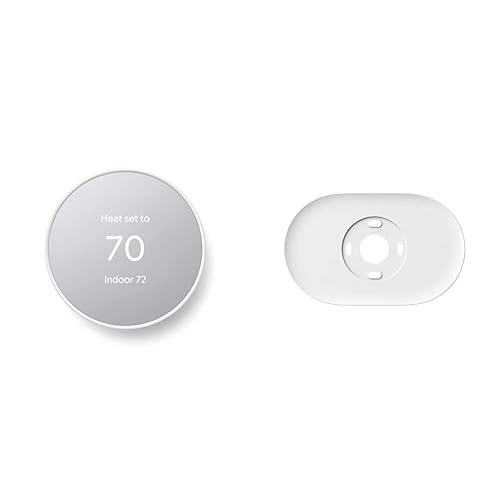
Google Nest Thermostat with Trim Kit (Snow)
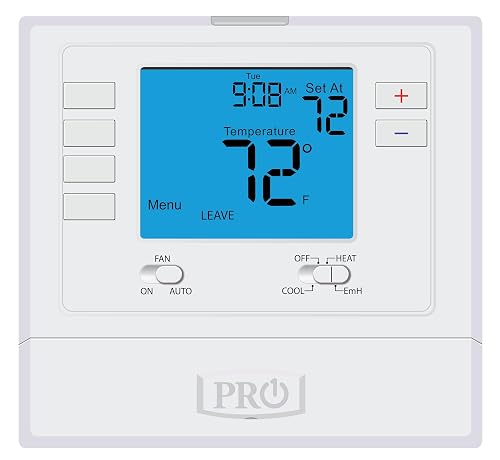
PRO1 T725 Heat Pump/Conventional Programmable Thermostat
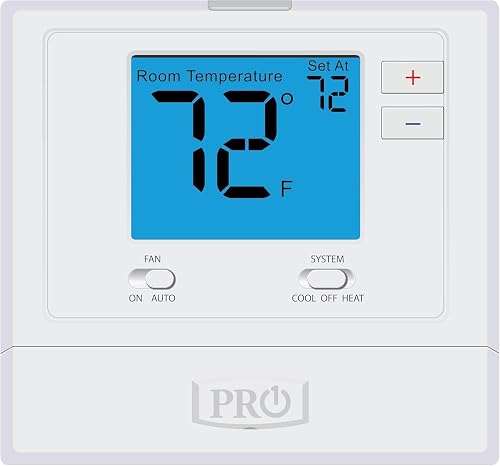
PRO1 T701 Single Stage Non-Programmable Thermostat

PRO1 T715 Multi-Stage Programmable Gas Thermostat
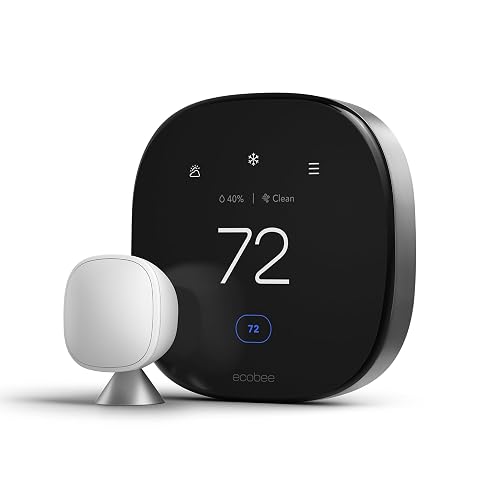
ecobee Smart Thermostat Premium with Smart Sensor
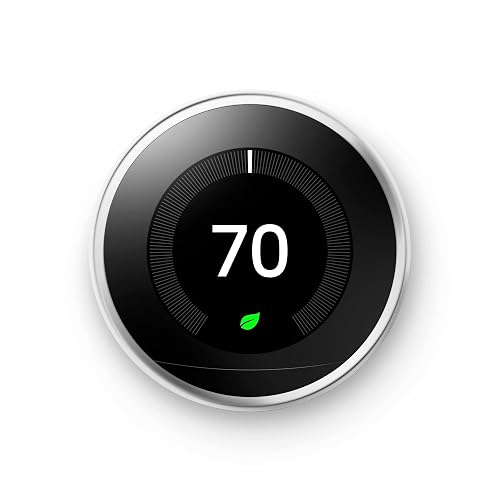
Google Nest Learning Thermostat (Polished Steel)
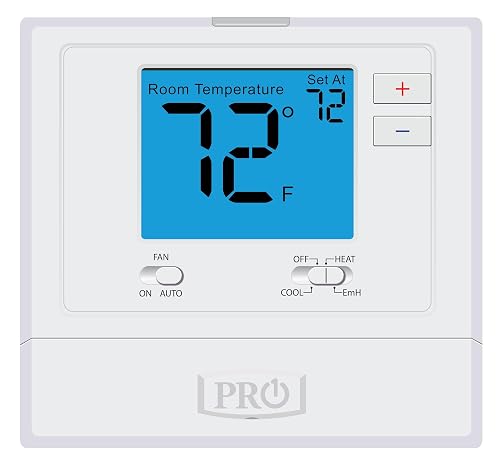
PRO1 T721 Non-Programmable Heat Pump Thermostat
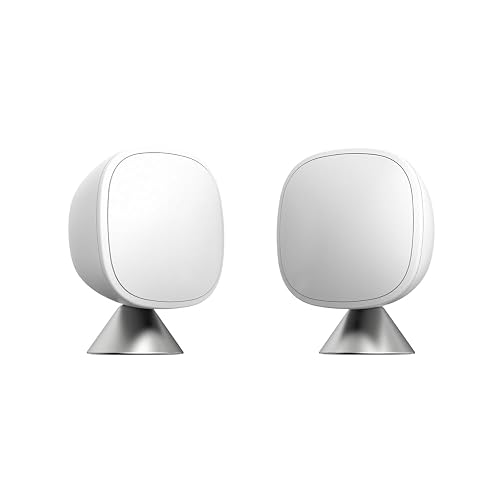
ecobee SmartSensor 2-Pack for Temperature and Occupancy
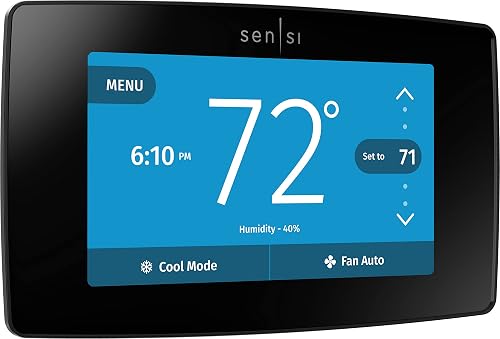
Sensi Touch ST75 Smart Thermostat (Black)
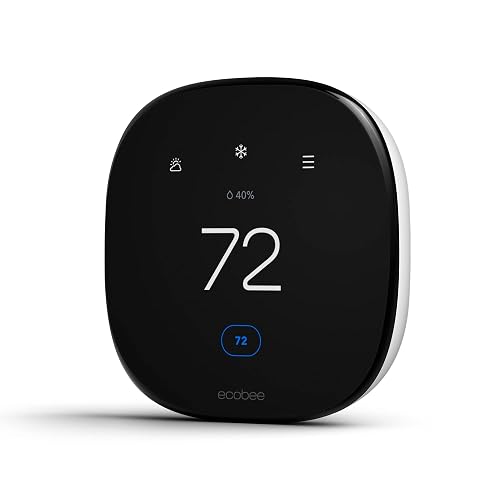
ecobee Smart Thermostat Enhanced
More On The Choices That Made The List
The Google Nest Thermostat is the entry point most people picture when they think “smart thermostat,” and the trim kit bundled in this version makes installation on bare drywall much friendlier. The “Snow” finish reads almost like brushed chalk, which helps the unit blend into light-colored walls rather than fight them. Schedule control lives inside the Google Home app, so Android and iPhone users both get the same toolset.
For renters and first-time smart-home owners, the appeal is the auto-away behavior: when the system notices nobody is home, it eases back on heating or cooling so the furnace isn’t working overtime. Compared with the PRO1 units a few picks down, this one trades raw HVAC flexibility for a polished app and broader smart-home integrations.
Noteworthy Benefits
- Trim plate and steel backplate included, useful when the old box left paint scars or wires exposed.
- Auto-away temperature setback trims run time in empty rooms without any programming effort on your part.
- Google Home app gives you a full weekly schedule editor that you can adjust from the couch.
- ENERGY STAR certification means it meets efficiency-program criteria in most regions.
Things To Consider
- You’ll want a C-wire (a common wire that supplies continuous power) in many older homes, otherwise installation may need an adapter or a pro.
- The app experience depends on your comfort sharing data within Google’s ecosystem.
Who It Suits Best
First-time smart thermostat shoppers with a compatible HVAC system who want app control without learning curves.
Look Elsewhere When
You run a multi-stage gas furnace, in which case the PRO1 T715 Multi-Stage Programmable Gas Thermostat offers a better stage match.
The PRO1 T725 is built for homes that lean on a heat pump rather than a gas furnace, with separate handling for 2 heat/1 cool heat pump setups and 1 heat/1 cool conventional systems. The T700 platform under the hood has been a contractor favorite for years, and the blue backlit display is easy to read in a dim hallway at 6 a.m.
For households that want a seven-day schedule with the wake/leave/return/sleep structure, this model gives that menu without a learning curve or an account login. It’s a step up in capability from the simpler T701 further down the list, mainly because of that schedule flexibility.
Benefits That Matter
- Compatible with both heat pump and conventional systems, so it covers most single-stage households.
- 7-day or 5/1/1 scheduling (five weekdays plus separate Saturday and Sunday blocks) lets work-from-home folks tweak weekend temps independently.
- 4-square-inch blue backlit display stays readable without glasses in a half-lit room.
- No app or account required, which sidesteps the privacy concerns some households have with cloud-connected controls.
Worth Noting
- It lacks app control, so changes mean walking to the wall, not tapping a phone.
- Wire labels follow the T700 convention, which can confuse DIYers who read generic wiring guides online.
Key Attributes
Made For
Heat pump households that want real scheduling without giving up the simple, no-app philosophy.
Reach For A Different Pick When
You want voice and app control, which the ecobee Smart Thermostat Enhanced handles at a similar complexity level.
Sometimes the right answer is a thermostat that just sets a temperature and moves on, and the PRO1 T701 leans all the way into that idea. It targets 1 heat/1 cool conventional systems, which describes the majority of older homes with a single-stage furnace and central AC.
The 4-square-inch blue backlit display and the glow-in-the-dark light button address the most common complaint about cheap thermostats: fumbling in the dark. For households that find app-driven scheduling more stress than it’s worth, this is a refreshingly simple replacement.
The Good Stuff
- Large, brightly backlit display works well in dim hallways or guest rooms.
- Glow-in-the-dark light button means you can find the right control at 2 a.m. without flipping a light.
- Gas or electric configurable, so it adapts to a wide range of single-stage setups.
Honest Caveats
- No scheduling means weekend and weekday temps need manual changes.
- Not compatible with heat pump systems, so two-stage or heat pump homes should skip to the T725 or T715.
- Common DIY maintenance like swapping batteries requires pulling the faceplate off the wall mount.
Best Suited To
Homeowners with a basic single-stage furnace who want reliable temperature control without any smart features.
Swap It Out When
You want any sort of weekly schedule, in which case the PRO1 T725 Heat Pump/Conventional Programmable Thermostat is a smarter fit.
The PRO1 T715 sits at the top of the T700 platform family and earns that spot by supporting 2 heat/2 cool gas systems. A two-stage furnace (one that can run at a low and a high burn rate) is wasted on a single-stage thermostat, so this unit is the right tool for that kind of equipment.
You can run it as 7-day, 5/1/1, or non-programmable depending on how hands-on you want to be. Battery or hardwired power gives you flexibility in older homes that lack a C-wire.
Standout Benefits
- 2H/2C support means it can drive a two-stage gas furnace and a two-stage AC system, which many smart thermostats refuse to handle.
- Three schedule modes (7-day, 5/1/1, non-programmable) accommodate everything from rigid work weeks to loose retiree routines.
- Power options include battery or hardwired common, easing installs in homes without a C-wire.
Points To Keep In Mind
- No app or voice integration, so you’re back to wall-button control for every adjustment.
- Wiring a 2H/2C system comfortably requires someone who’s read the furnace wiring diagram, otherwise call a pro.
Core Details
Whose Shelf It Belongs On
Homeowners with a two-stage gas furnace who want a capable wall thermostat without forcing the system onto a smart platform.
Not Your Match When
You have a heat pump rather than a gas furnace, which makes the PRO1 T725 Heat Pump/Conventional Programmable Thermostat a better fit.
The ecobee Smart Thermostat Premium is the unit you buy when the wall thermostat needs to do more than run the furnace. With Siri and Alexa built in, plus an included SmartSensor, it’s a small hub for room-by-room comfort decisions.
The included SmartSensor targets the most common complaint in two-story homes: one thermostat reading can’t satisfy both floors. The Premium builds on the standard ecobee Enhanced (covered later) by adding an air quality monitor, smoke alarm detection, and a doorbell live view feature in compatible setups.
Where It Excels
- Built-in voice assistants mean you don’t need a separate Echo or HomePod on the counter.
- SmartSensor adjusts temperature based on which rooms are occupied, not just where the wall unit sits.
- Air quality monitor surfaces particulates and CO2 trends in the app over time.
- Wide HVAC compatibility covers most conventional and heat pump systems, with accessory terminals for humidifiers and ventilators.
Practical Considerations
- Costs more than basic programmable thermostats, so the value comes only if you actually use the extra features.
- Full feature set (smoke detection, doorbell view) requires compatible smart-home accessories, otherwise the unit works fine without them.
- Setup needs a C-wire, and the trim plate options are slimmer than the Nest trim kit included with pick 1.
Perfect Match For
Smart home power users who want voice control, room sensors, and a single device that handles more than just heating and cooling.
Where Another Pick Suits Better
Privacy-focused households may prefer the Sensi Touch ST75 Smart Thermostat, which keeps more data local and skips voice integration.
The Google Nest Learning Thermostat is the original smart thermostat most people still picture, and the Polished Steel finish gives it a heavier, more substantial look than the entry-level Nest covered earlier. It watches your temperature tweaks for a few days, then builds a schedule on its own.
For households that don’t want to fiddle with a weekly schedule editor, the learning behavior is the whole appeal. Pair it with HVAC monitoring and the system will flag a struggling furnace before it becomes a cold-shower situation.
Strengths Worth Knowing
- Self-programming schedule removes the need to set seven different time blocks yourself.
- Home/Away Assist shifts to an Eco temperature when the house empties, then eases back when you return.
- Energy History in the app shows why your bill changed, not just that it did.
- HVAC monitoring can alert you to furnace or AC irregularities with helpful maintenance reminders.
Points To Note
- Learning behavior takes a week or more of consistent use to lock in, which can confuse first-time users.
- Polished Steel shows fingerprints more than matte finishes, so weekly wipe-downs tend to become routine.
Spec Overview
Right Fit For
Set-and-forget households whose routines stay fairly consistent week to week and who appreciate a heavier, polished look on the wall.
Skip It When
You want built-in voice assistants and room sensors, which the ecobee Smart Thermostat Premium delivers in a different form factor.
The PRO1 T721 fills a niche the rest of the list barely touches: a non-programmable wall control for 2 heat/1 cool heat pump or 1 heat/1 cool conventional systems. Most smart thermostats assume you want scheduling, but plenty of households just want a reliable wall unit that holds a temperature.
Built on the T700 platform, the T721 shares that big 4-square-inch blue backlit display and the glow-in-the-dark light button, which has become a small but real quality-of-life feature in this product family.
Key Advantages
- Supports heat pump systems, which rules out most of the cheaper non-programmable replacements.
- 4-square-inch blue backlit display is easy on aging eyes in low light.
- Glow-in-the-dark light button means no flashlight hunt at midnight.
Some Limits To Know
- No scheduling means manual changes for every shift in routine.
- Battery-only operation is a common configuration, and battery swaps mean pulling the unit off the wall mount.
Who Should Grab It
Heat pump households, especially renters, who want a dependable wall thermostat without giving up a landlord-friendly, no-account setup.
A Better Fit Elsewhere
You want scheduling built in, which makes the PRO1 T725 Heat Pump/Conventional Programmable Thermostat a more flexible choice.
The ecobee SmartSensor 2-Pack isn’t a thermostat on its own, but it changes how an ecobee system behaves across your home. Each sensor reads temperature and detects occupancy, then talks wirelessly to a compatible ecobee thermostat up to about 60 feet away.
For two-story homes with one wall unit, dropping a sensor upstairs eliminates the classic “thermostat is happy, bedroom is freezing” complaint. Compared to the Nest Learning Thermostat’s self-scheduling, this add-on is more about where comfort happens than when.
Useful Highlights
- Occupancy detection focuses conditioning on rooms people are actually using, which often trims wasted run time.
- Two-pack covers a common multi-room scenario, such as a primary bedroom and a home office.
- Wireless range around 60 feet handles most single-family layouts without mesh repeaters.
Trade Offs
- Only works with compatible ecobee thermostats, so it isn’t useful on a Nest, Sensi, or PRO1 system.
- Sensors run on coin-cell batteries that need replacing roughly every year or two, depending on traffic.
Who Will Love This
Owners of an ecobee thermostat whose homes have hot upstairs rooms or a chilly basement office that the wall unit never quite reaches.
Consider Something Else When
You haven’t picked a thermostat yet, because the ecobee Smart Thermostat Enhanced already ships with a sensor in many bundles.
The Sensi Touch ST75 leans into a familiar idea: a color touchscreen you tap like a phone, paired with a mobile app that doesn’t insist on cloud accounts to function. The Black finish keeps the wall unit understated against most paint colors, and the unit ships with everything needed for a typical DIY install.
Emerson’s century of HVAC experience shows in the compatibility list, which covers most conventional and heat pump systems. The trade-off is no built-in voice assistant, so you’ll need a separate Echo or Google Home if voice control is a must.
What Stands Out
- Color touchscreen makes schedule changes feel closer to using a phone than fighting a wall menu.
- Data privacy emphasis: Sensi has historically avoided selling user data, which matters for some households.
- Works with Alexa, Google Assistant, and Apple HomeKit through the app, covering most smart-home ecosystems.
- ENERGY STAR certification qualifies the unit for many utility rebate programs.
Potential Drawbacks
- Requires a C-wire for consistent power, so homes without one may need an adapter or a pro.
- Stock on this listing has been uneven at times, so verifying availability matters before planning a weekend install.
Built With In Mind
Privacy-minded households that want app and touchscreen control without a microphone always listening on the wall.
Another Choice May Suit
You want voice control built into the wall unit, which the ecobee Smart Thermostat Premium delivers with both Alexa and Siri inside.
The ecobee Smart Thermostat Enhanced sits below the Premium in the ecobee lineup and is the friendlier entry point for first-time smart thermostat shoppers. It still gets the eco+ feature set, which suggests schedule tweaks and tunes temperature when you’re away or asleep, but it skips the Premium’s air quality monitor and built-in voice assistant.
For households that want a sensible smart upgrade without paying for features they’ll never use, this is the version that tends to fit. Compared with the Google Nest Thermostat covered earlier, the ecobee Enhanced leans harder into occupancy-based scheduling.
Features That Help
- eco+ adjusts temperature automatically when you’re away or asleep, with no manual schedule editing required.
- Works with Apple Watch, plus Siri, Alexa, and Google Assistant through the app.
- Generally friendlier to install than the Premium because the wiring demands are a touch lighter.
Less-Strong Areas
- No included SmartSensor in the base unit, so multi-room comfort needs a separate purchase.
- No built-in voice control, so smart-speaker setups still depend on an external device.
Feature Rundown
Who It Suits Best
First-time smart thermostat shoppers who want occupancy-aware scheduling without paying for every premium feature.
Not Your Match When
You want a SmartSensor in the box and built-in voice control, which the ecobee Smart Thermostat Premium covers in one purchase.
What To Weigh Before Picking A Smart Thermostat
System Compatibility Comes First
A thermostat is useless if it doesn’t speak your HVAC’s language. Heat pump homes need a thermostat that lists “heat pump” in the system support, while two-stage gas furnaces need a unit that handles 2H/2C. The PRO1 T715, the PRO1 T725, and the ecobee models all list the configurations they support, so match that against the label on your furnace or air handler before anything else.
Wiring Realities And The C-Wire Question
The C-wire, short for “common wire,” supplies continuous 24-volt power to a smart thermostat, and most app-driven units need one to avoid battery swaps or flickering displays. Older homes often have only R, W, Y, and G wires, which forces an adapter or a pro installation. Pulling the faceplate off the existing thermostat and counting the connected wires is the fastest way to know.
App Control Versus Wall Buttons
Smart thermostats fall into two camps: those that lean on a phone app and those that stay button-driven. The Google Nest Thermostat and the ecobee units live mostly in the app, while the PRO1 T701, T721, and T715 are wall-button only. Households that want fewer logins tend to favor the PRO1 line, while renters with rotating schedules often prefer app-based control.
Schedules, Sensors, And Daily Comfort
If your home has uneven temperatures, room sensors matter more than scheduling depth. The ecobee SmartSensor 2-Pack covers a two-pack scenario for a primary bedroom and a home office. For weekly routines that shift around shift work, the 7-day programmable PRO1 thermostats give that flexibility without an account or app.
Key Considerations Across These Picks
Pitfalls Shoppers Hit
A common trap is buying a smart thermostat for a system it doesn’t support, then finding the fan or second stage simply doesn’t run. Another is assuming every home has a C-wire, which isn’t true for many older properties built before the 1990s. Finally, picking a thermostat for features you’ll never use wastes both money and setup time, so match the unit to the routines you actually keep.
Where The Extra Money Goes
Premium thermostats like the ecobee Smart Thermostat Premium bundle in features that basic units skip: built-in voice assistants, an air quality monitor, and a SmartSensor in the box. The Sensi Touch ST75 splits the difference with a color touchscreen and strong privacy practices. You pay for hardware, software polish, and a wider compatibility list, and the upgrade makes sense for households that will actually use those extras day to day.
Frequently Asked Questions
Do smart thermostats really cut energy bills?
Most smart thermostats can cut run time by easing back the temperature when nobody is home, which usually shows up as a noticeable dip in heating and cooling costs. Real savings depend on your climate, your HVAC efficiency, and how disciplined the auto-schedule is.
What is a C-wire and why does it matter?
A C-wire, or common wire, delivers continuous low-voltage power to a smart thermostat so it can run its screen, Wi-Fi radio, and sensors without draining batteries. Without one, some smart units will flicker, reboot, or refuse to power on at all.
Can a smart thermostat work with a heat pump?
Yes, but you need a thermostat that lists heat pump support, like the PRO1 T725 or the ecobee models. A conventional-only unit like the PRO1 T701 will leave the heat pump’s auxiliary heat and reversing valve controls stranded.
Are room sensors worth the extra cost?
For homes with two floors, a finished basement, or a sunny addition, room sensors fix the classic “thermostat says 70 but the bedroom is 76” problem. For single-zone apartments with one main living area, a wall thermostat alone is usually enough.
How hard is it to install a smart thermostat yourself?
Most replacements take 20 to 45 minutes with a screwdriver and a phone, and the app walks you through labeling each wire. Heat pump and multi-stage systems are more involved, and a pro is worth the call if your wiring doesn’t match the app’s guide.
Wrap Up
The right thermostat depends less on brand and more on what your system needs, how your week actually looks, and how much of your comfort you want to manage from a phone. A simple PRO1 unit does the job for homeowners who just want reliable wall control, while the ecobee and Nest options earn their keep in homes with uneven rooms or shifting schedules. Match the thermostat to your HVAC, your wiring, and your daily routine, and the rest tends to take care of itself.