

Shopping for a new thermostat gets confusing fast, especially when your HVAC system is a Carrier and you want the controls to actually play nicely with it. The good news is that most modern smart thermostats work with the wiring you’ll find behind a standard Carrier furnace, air handler, or heat pump, so you don’t need a proprietary model to get better scheduling, remote access, and meaningful energy savings. The trick is matching the thermostat’s features to your specific system, your comfort goals, and the level of control you want from your phone.
Below is a curated roundup of nine strong options that pair well with Carrier equipment in 2026, covering everything from set-it-and-forget-it simplicity to whole-home sensor networks. Each pick is broken down with its real strengths, honest trade-offs, and the type of home it suits best.
An Overview Of The Picks
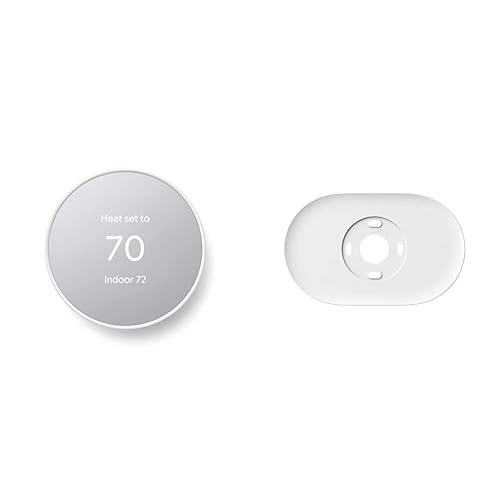
Google Nest Thermostat Smart Thermostat Trim Kit (Snow)
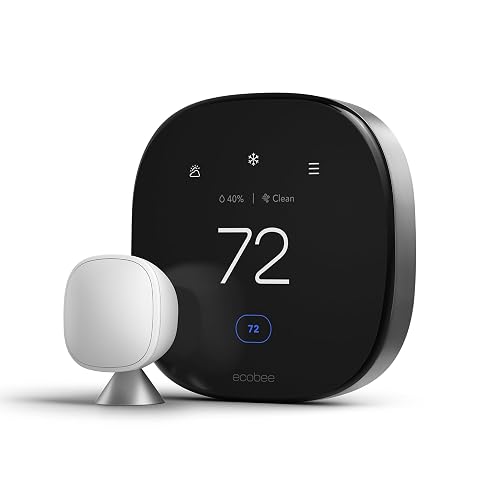
ecobee Smart Thermostat Premium with Smart Sensor
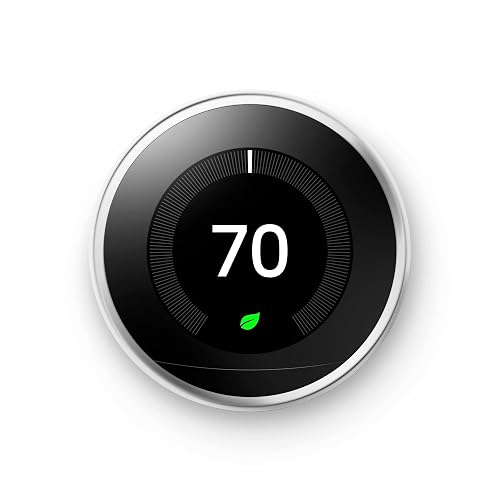
Google Nest Learning Thermostat (Polished Steel)

ecobee SmartSensor 2-Pack for Occupancy
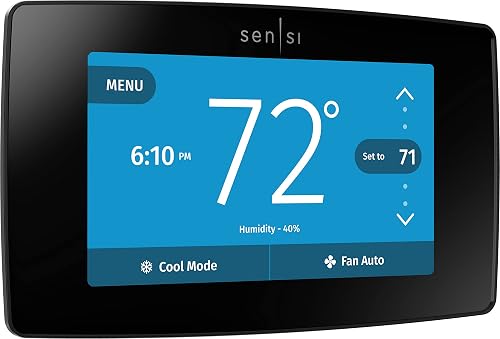
Sensi Touch ST75 Smart Thermostat (Black)
ecobee Smart Thermostat Enhanced (Wi-Fi)
Google Nest Learning Thermostat 4th Gen + Sensor (Obsidian)
Google Nest Learning Thermostat 4th Gen + Sensor (Silver)

Alarm.com Smart Thermostat
A Breakdown Of The Leading Choices
The Google Nest Thermostat is a friendly starting point for households that have never installed a smart thermostat before. The included trim plate hides the gaps left by an older wall unit, which matters if your current base is wider than the new face. A steel plate is also included for installations over an electrical box, a real plus for apartments or rentals where the wiring comes out of masonry instead of drywall.
Setup runs through the Google Home app on Android or iPhone, and you build a weekly schedule there rather than fumbling with buttons on the wall. The thermostat can detect when nobody is home and ease back to an energy-saving temperature on its own, which is the kind of automation that quietly pays off across a heating season. For most people upgrading from a basic programmable unit, this is the gentlest learning curve in the lineup.
What Makes Sense
- ENERGY STAR certified, so the savings claim is backed by an independent standard
- Trim plate and steel adapter ship in the box, sparing a separate trip to the hardware store
- Auto-away detection trims conditioning when the home is empty
- Schedule management lives inside the Google Home app most people already use
- Snow finish blends with lighter walls and modern trim
Points To Keep In Mind
- Lacks the learning behavior of the pricier Nest Learning Thermostat, so you set the schedule yourself
- No included remote room sensor, so upstairs or basement readings rely on a single point
Who It Suits Best
First-time smart thermostat users with a standard Carrier system who want simple app control and energy savings without a steep learning curve.
Where Another Pick Suits Better
Choose the Google Nest Learning Thermostat (Polished Steel) instead when you want the thermostat to build a schedule for you over time.
The ecobee Smart Thermostat Premium is the model to beat when comfort is the priority and the home is large enough that one thermostat cannot tell the whole story. It ships with a SmartSensor that reads temperature and occupancy in another room, then nudges the system to balance the spaces that actually matter. For a two-story home with a Carrier variable-speed system, that translates into fewer complaints from the bedrooms at night.
Built-in voice control through Siri and Alexa means the wall unit doubles as a smart speaker, which helps in kitchens and offices where a separate device would feel redundant. A built-in air quality monitor adds another layer of awareness for households sensitive to particulates or humidity shifts. The honest read is that this is overkill for a small apartment, but for a busy family home, the sensor network is the real value.
Practical Pluses
- Included remote sensor targets hot and cold spots the main unit cannot see
- Native Siri and Alexa support reduces the need for extra smart speakers
- Air quality monitoring surfaces alerts about ventilation issues
- Occupancy-aware scheduling helps empty rooms coast at a savings temperature
Worth Noting
- Higher price than the Enhanced model below, so the extras need to matter to you
- Voice features need stable Wi-Fi, and a router reboot will temporarily silence them
Feature Snapshot
Best Suited To
Multi-room households with uneven temperatures who want sensor-driven balancing and built-in voice control in one wall unit.
Not Your Match When
Skip this for the ecobee Smart Thermostat Enhanced when you want the ecobee experience at a lower price and do not need the built-in speaker or air quality monitor.
The Google Nest Learning Thermostat is the model that defined the category, and the polished steel finish still looks at home on a living room wall. It watches your manual adjustments for a week or two, then begins building a schedule around the temperatures you actually choose. After the learning phase, you barely touch it, which is the whole point for people who hate fiddling with apps.
It also keeps a watchful eye on your HVAC system, sending reminders about filter changes and flagging unusual runtime patterns that often precede a service call. Compared with the entry-level Nest Thermostat above, this one pays you back by handling the scheduling work itself. For a Carrier homeowner with a consistent routine, the time savings are real.
The Case For It
- Learns your patterns and programs itself, so manual scheduling fades into the background
- Energy history shows exactly why your bill shifted, not just the dollar amount
- System monitoring flags filter changes and odd HVAC behavior
- Polished steel finish suits modern interiors and reads as a piece of hardware, not a plastic toy
Honest Caveats
- Premium positioning means the upfront cost is higher than the basic Nest Thermostat
- Learning takes a week or more, and the early adjustments can feel random while it figures you out
- No included remote sensor, so a second zone needs an add-on purchase
Made For
Households with predictable daily routines who want a thermostat that programs itself and offers a polished metal finish on the wall.
Look Elsewhere When
Pick the ecobee Smart Thermostat Premium instead when multi-room sensor balancing matters more than learning behavior.
These are not a thermostat, they are the add-on that turns an ecobee into a real whole-home system. The two-pack lets you drop a sensor in the nursery and the home office, then have the system average or follow the room you choose. For a Carrier zoned home, this is the upgrade that finally balances the back of the house against the thermostat hallway.
Each sensor uses infrared to detect occupancy, so the system does not waste energy conditioning rooms nobody is using. The wireless range is enough for typical two-story layouts, though very thick masonry can shorten that reach. Pair them with the ecobee Enhanced or Premium models and the difference is noticeable within a day.
Good Reasons To Consider
- Two sensors cover the most common pain points in a larger home
- Occupancy detection trims conditioning in unused rooms
- Wireless pairing keeps installation to placing a small puck on a shelf or wall
Some Limits To Know
- Only useful if you already own a compatible ecobee thermostat
- Range can shorten through dense walls, depending on your home
Quick Facts
Right Fit For
Existing ecobee households with a Carrier system who want a real solution for the room that always feels too warm or too cold.
Skip It When
Skip this for the ecobee Smart Thermostat Premium when you do not yet own a compatible ecobee and want the sensor included in the box.
The Sensi Touch ST75 is built for homeowners who want a real color touchscreen and a straightforward install. The app walks you through wiring with a labeled terminal block, so even first-time installers can finish in under an hour for most systems. That ease matters when your existing Carrier thermostat sits on a C-wire setup and you would rather not call a technician.
Data privacy is a stated focus here, with the company emphasizing that it does not sell personal information or use thermostat data for advertising. That is a meaningful difference for households that treat the smart home like a quiet utility rather than a data stream. ENERGY STAR certification also keeps the efficiency claim grounded.
Bright Spots
- Color touchscreen is easier to read at a glance than monochrome displays
- App-guided install and labeled terminals simplify a DIY swap
- Privacy-first positioning appeals to households wary of data collection
- ENERGY STAR certified for documented efficiency performance
Where It Is Less Suited
- Requires a C-wire, so older homes without a common wire need an adapter or professional help
- Lacks the sensor ecosystem of the ecobee and Nest 4th gen bundles
Who Should Grab It
Privacy-minded DIYers with a C-wire ready at the wall who want a clean touchscreen interface and a quick install.
Another Choice May Suit
Pick the Google Nest Thermostat instead when the wiring behind your current Carrier thermostat does not include a C-wire.
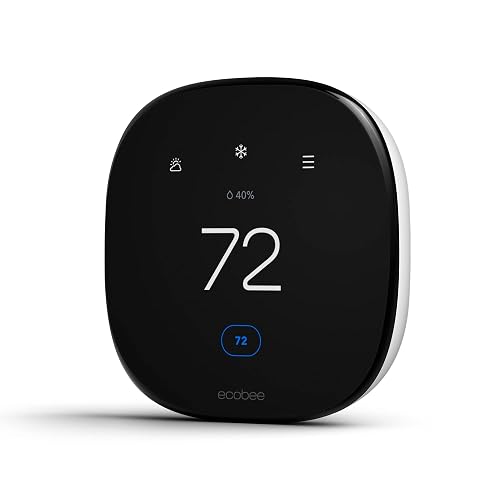
The ecobee Smart Thermostat Enhanced is the middle child in the lineup, and that is exactly why it earns a place in the roundup. It keeps the core ecobee experience, occupancy-aware scheduling, smart home compatibility, and a clean touchscreen, at a lower price than the Premium. For a Carrier homeowner who does not need a built-in speaker or air quality monitor, the trade feels sensible.
You still get the eco+ features that nudge temperatures down when the home is asleep or empty, and the thermostat works with Apple Watch for quick adjustments from the wrist. Adding a SmartSensor later is easy if the upstairs starts complaining, which makes this a smart starting point that can grow with the household. The honest read is that it is the practical everyday pick for most families.
Real Benefits
- Lower price than the Premium while keeping the core scheduling intelligence
- Compatible with Apple Watch and major voice platforms for flexible control
- SmartSensor-ready, so you can add room sensors later without replacing the thermostat
- eco+ features trim conditioning during sleep and away hours automatically
Practical Considerations
- No built-in voice assistant, so Siri or Alexa control needs a separate device
- No air quality monitor, unlike the Premium model
Core Details
Perfect Match For
Cost-conscious homeowners with a Carrier system who want ecobee scheduling intelligence without paying for the Premium’s extras.
Reach For A Different Pick When
Choose the ecobee Smart Thermostat Premium instead when built-in voice control and air quality monitoring are dealbreakers.
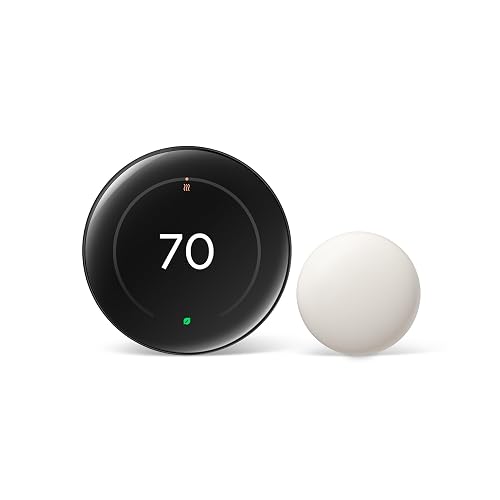
The 4th generation Nest Learning Thermostat is the most advanced entry in Google’s lineup, and the bundle adds a second-generation Nest Temperature Sensor for the rooms you care about. Compared with the 3rd generation model in this list, the display is larger and the learning engine handles routine changes more gracefully. For a Carrier-equipped home where the thermostat sits far from the bedroom, that added sensor makes a real difference.
The Obsidian finish gives it a darker, more architectural look that disappears against dark walls and stands out against lighter ones, depending on your taste. It also brings a refreshed focus on HVAC health monitoring, so the system flags odd runtimes that often precede a service visit. The honest read is that the upgrade from the 3rd gen is most meaningful if you plan to use the included sensor right away.
The Value In It
- Bundle includes a remote temperature sensor, saving a separate purchase
- Improved learning engine adapts faster to schedule changes
- Obsidian finish suits darker walls and modern interiors
- Stronger HVAC monitoring compared with earlier Nest generations
What To Weigh
- Premium price reflects the bundle, so the sensor needs to earn its keep
- Larger footprint may not match smaller wall plates from older installs
Feature Card
Whose Shelf It Belongs On
Style-conscious homeowners with uneven temperatures who want the latest Nest learning engine and a room sensor in one purchase.
Where A Sibling Pick Shines
Pick the Google Nest Learning Thermostat (Polished Steel) instead when you prefer a brighter metal finish and a lower price.
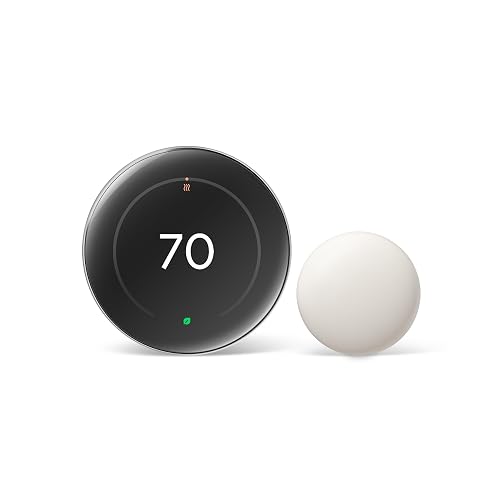
This is the same 4th generation bundle as the Obsidian version above, with the sensor and learning engine intact, dressed in a lighter silver finish. The silver tone reads softer on white or cream walls where a dark face would feel heavy. For Carrier homeowners in bright, sun-filled spaces, the lighter finish can blend in rather than dominate.
Functionally, you get every benefit of the newest learning thermostat, including routine adaptation, system monitoring, and the included remote temperature sensor. Choosing between this and the Obsidian version comes down to interior style, not capability. If you change wall colors often, the silver finish tends to look right in more rooms.
A Favorable Mix
- Same sensor bundle and learning engine as the Obsidian model
- Silver finish suits lighter walls and bright rooms
- Adapts to schedule changes faster than older Nest generations
- Works with the Google Home app for unified smart home control
Trade-Offs To Consider
- Same premium price as the Obsidian bundle, so the only difference is finish
- Larger display footprint may require a minor wall touch-up on older installs
Built With In Mind
Style-focused smart home owners with a Carrier system who want the 4th gen learning engine and a finish that works with bright interiors.
Swap It Out When
Choose the Obsidian version instead when dark walls and a more architectural look match the room better.
The Alarm.com Smart Thermostat lives in a different world from the standalone models in this list. It is designed to plug into an existing Alarm.com security and automation ecosystem, where the same app already manages sensors, cameras, and door locks. For households that already pay for that monitored service, adding the thermostat extends the dashboard rather than creating another account.
It supports custom schedules, remote access through the Alarm.com app, and critical temperature alerts that ping you when the home drops near freezing. Geo-services automation is part of the package, so the system can ease back when your phone leaves the area. The honest read is that this is a niche pick, useful for Alarm.com subscribers and a poor fit for anyone without that subscription.
Key Advantages
- Unified control inside the Alarm.com app for existing security subscribers
- Critical temperature alerts warn of freeze or overheating risks
- Geo-services automation eases conditioning when the home is empty
- Custom schedules match the rest of the home automation routines
Points To Note
- Limited value without an active Alarm.com monitoring plan
- Fewer standalone smart features compared with the Nest and ecobee models
Feature Rundown
Who Will Love This
Existing Alarm.com subscribers with a Carrier system who want their thermostat in the same dashboard as the rest of their security setup.
Where Another Pick Suits Better
Choose the ecobee Smart Thermostat Enhanced instead when you want smart control without a security subscription or service plan.
What To Weigh Before Choosing A Smart Thermostat
System Compatibility Comes First
Before anything else, confirm that the thermostat plays nicely with your specific Carrier system. A standard 24V forced-air furnace, heat pump, or dual-fuel setup will accept most models in this list, but multi-stage equipment and communicating systems sometimes need a specific model or a C-wire adapter. Pulling the cover off your current thermostat and photographing the wire labels takes two minutes and saves an hour of guesswork.
Decide How Much Scheduling You Want To Handle
Some thermostats, like the Google Nest Learning Thermostat line, build the schedule for you by watching your adjustments. Others, like the Sensi Touch and the entry-level Google Nest, expect you to set the schedule in the app. Choosing between them comes down to how much time you want to spend on setup and how much you trust an algorithm to learn your routine.
Room Sensors Solve Real Problems
If your home has one stubborn room that never matches the hallway, a thermostat with remote sensors is the right fix. The ecobee Premium, the ecobee SmartSensor 2-Pack, and the Nest 4th gen bundles all address this. The trade-off is price, and a single thermostat with no sensors works fine for open floor plans where the air mixes freely.
Consider Wiring, Wi-Fi, And Voice
A C-wire (the common wire that delivers continuous power) is required by some models and recommended for others. Wi-Fi reliability affects app response and voice control, so a weak signal near the thermostat location can be a real annoyance. If you already use a voice platform, match the thermostat to it for the smoothest experience.
Key Considerations Across These Picks
Wrong Turns To Avoid
The most common mistake is buying a thermostat that needs a C-wire when your existing wiring has none, which forces a last-minute adapter or a service call. Another trap is choosing a learning thermostat for a home with constantly shifting schedules, where the algorithm keeps getting confused and overwriting good settings. Confirm wiring, confirm routine, then commit.
Where The Extra Money Goes
The jump from the Enhanced ecobee to the Premium adds a built-in speaker, an air quality monitor, and a bundled sensor. The jump from the 3rd gen Nest to the 4th gen adds a larger display, a smarter learning engine, and a sensor in the box. Those extras only earn their price when you would actually use them, so pay up only if the upgrade maps to a real annoyance in your home.