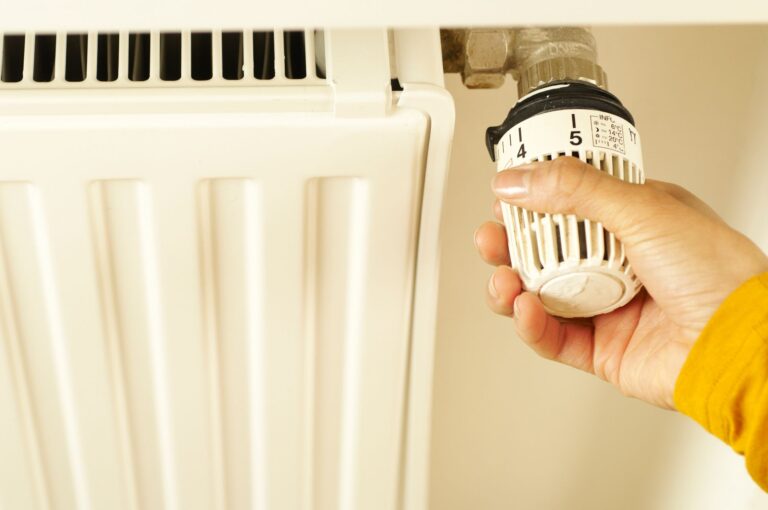

Bare feet on a cold tile floor in January is a small misery you can solve once and for all. The trick is matching the right thermostat to the right radiant system, and that decision shapes how comfortable, efficient, and easy to live with your heated floor becomes for the next decade. This lineup pulls together the most useful thermostats and sensors that pair with Ditra-Heat and similar radiant setups, so you can land on something that actually fits your home, your wiring, and the way you live.
The Lineup, Simplified
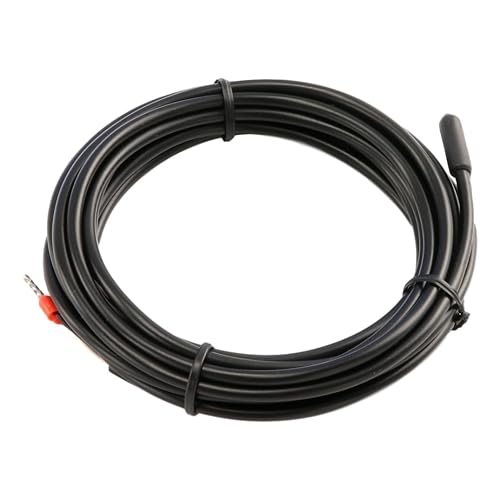
LuxHeat Temperature Floor Sensor for Radiant Heating 15ft Probe
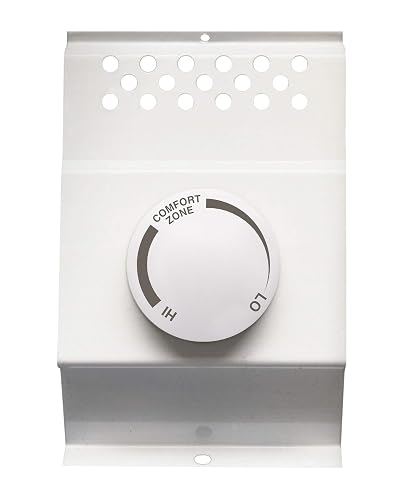
Cadet Single Pole Built-In Thermostat Kit for Baseboard Heaters (BTF1W)
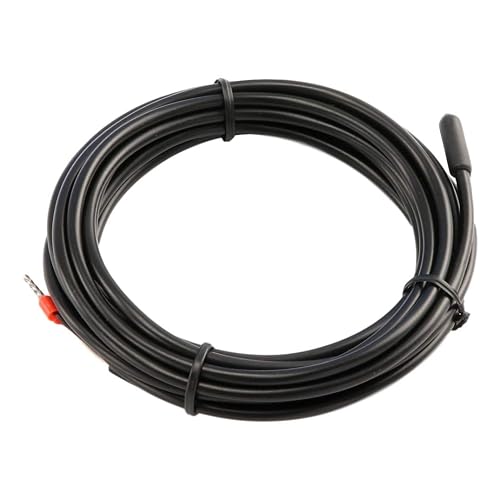
LuxHeat Universal NTC 10k Floor Sensor 15ft Probe
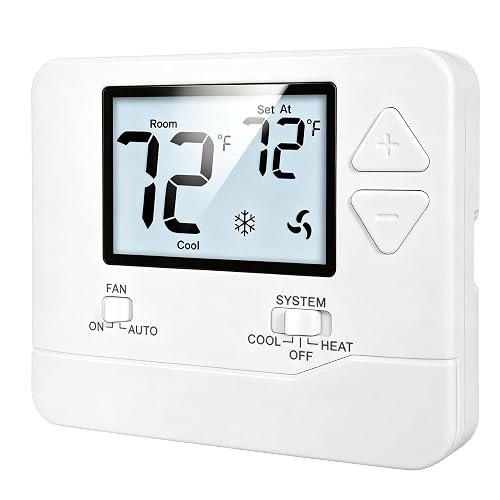
Heagstat NonProgrammable Thermostat 1 Heat/1 Cool (White Backlight)
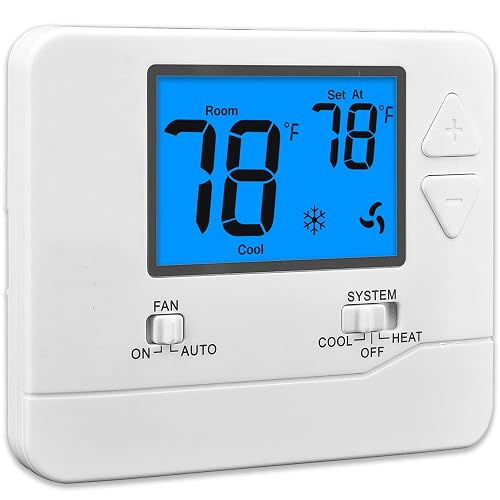
Suuwer Non-Programmable Thermostat 1 Heat/1 Cool (Blue Backlight)
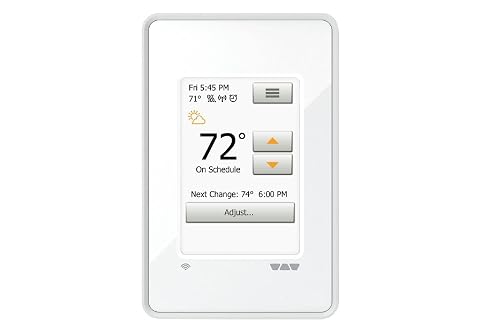
Schluter Ditra-Heat-E-WiFi Programmable Thermostat (DHERT104/BW)
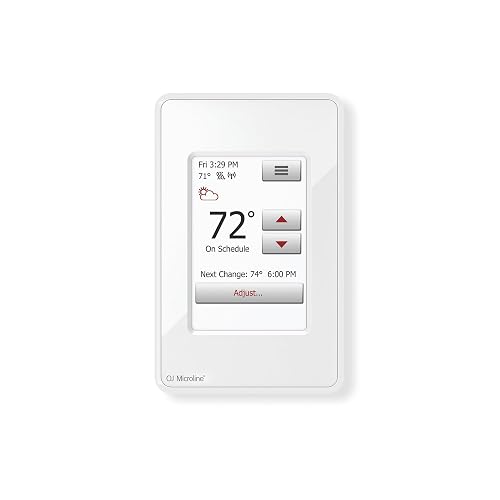
OJ Microline UWG4-4999 WiFi Radiant Floor Thermostat with GFCI
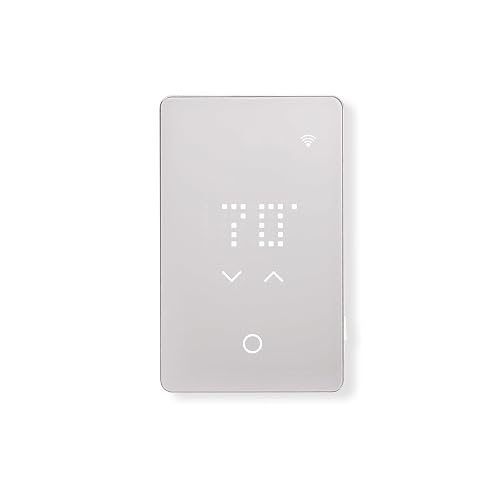
OJ Microline UWG5 Smart Heated Floor Thermostat WiFi Touchscreen
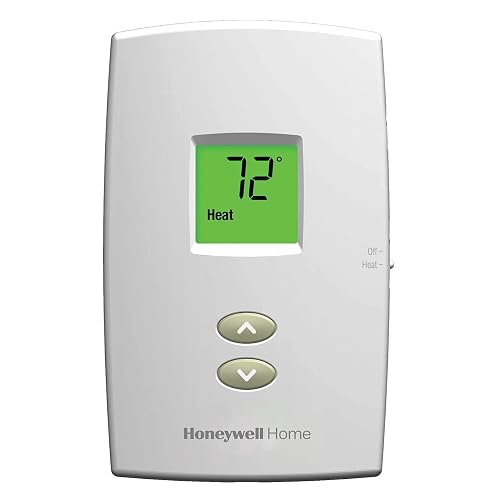
Honeywell TH1100DV1000 Pro-Digital 2-Wire Heat Only
A Deeper Look At The Lineup
A floor sensor sounds like a small part, and it is, until the original probe fails and your thermostat starts guessing. The LuxHeat Temperature Floor Sensor steps in as a replacement that talks to a wide range of radiant thermostats, including common Ditra, Honeywell, Aube, and NuHeat controllers, so you can swap it in without rewiring the wall.
It runs a 15-foot lead, which gives you enough slack to route it cleanly back to the thermostat in most medium-sized rooms. The NTC 10k ohm rating is a common standard, which is why the manufacturer lists broad compatibility across many brands. It is a one-trick part, but it does that trick well in most retrofits.
What Earns Its Place
- Works with Ditra, Honeywell, Aube, and NuHeat systems without adapters
- 15-foot lead reaches thermostats mounted across medium rooms
- NTC 10k ohm probe matches industry-standard thermostat inputs
- Slim profile tucks under tile or membrane without raising the floor
- A practical spare to keep in a drawer, since failed sensors are a common service call
Points To Keep In Mind
- Owners commonly route the lead inside the conduit during the original install, so replacement may require pulling tile or membrane depending on your setup
- This is the sensor only, with no thermostat hardware included
Made For
Homeowners replacing a failed or damaged probe on an existing radiant system and installers who keep a universal spare on the truck.
Where Another Pick Suits Better
You will want the Schluter Ditra-Heat-E-WiFi Programmable Thermostat instead if you need the thermostat itself replaced, not just the sensor.
Most radiant floor thermostats live on a wall, but the Cadet Single Pole Built-In Thermostat Kit is built into the heater itself. It mounts to either end of a Cadet F-series baseboard, so you skip the wall box and the extra wire run entirely. For homes already running Cadet heaters, that is a clean way to add control.
The 22-amp rating handles larger 240/208-volt baseboard loads, and the unit is also rated for 120-volt installations, which is helpful in older homes with mixed circuits. A large twist dial covers a 45 to 80°F range, which is plenty for room comfort without a programming curve to learn.
The Upside
- Mounts directly to the heater, removing the need for separate wall wiring
- 22-amp capacity supports larger baseboard loads at 240 volts
- Single-pole design keeps the wiring simple for most DIY-friendly installs
- Large twist dial is easy to read from across the room
Things To Consider
- Only fits Cadet F-series baseboard heaters, so it is a poor match for other brands or for in-floor radiant systems
- Single-pole wiring leaves the heater technically energized when off, which some electricians prefer to avoid
Key Specs
Best Suited To
Owners of Cadet F-series baseboard heaters who want a tidy, no-wall-box installation in a single room or addition.
A Better Fit Elsewhere
Skip this in favor of the Heagstat NonProgrammable Thermostat if your home runs a forced-air system instead of electric baseboard heat.
Much like the first LuxHeat sensor, this universal 10k ohm probe handles the same broad compatibility list, so the choice between the two often comes down to which listing is in stock. It is the kind of part you buy once and forget about until the day your floor starts running too hot or too cold, and then you are glad you have it on hand.
The 15-foot cable again gives you room to route the lead back to a wall thermostat in most bedrooms, bathrooms, and kitchens. Because the NTC value matches so many controllers, swapping a dead probe is usually a wire-for-wire replacement, which is friendly for first-time installers.
Practical Advantages
- Universal NTC 10k ohm rating pairs with most radiant thermostats on the market
- 15-foot lead reaches wall-mounted thermostats across most rooms
- Drop-in replacement that avoids reprogramming your existing thermostat
- A useful backup to keep in the workshop alongside other electrical parts
Honest Caveats
- Owners of older systems should double-check the NTC curve, since some legacy brands use slightly different resistance profiles
- No thermostat included, so it cannot fix a broken wall unit on its own
Right Fit For
DIY-minded homeowners stocking a spare for a future repair, or anyone replacing a sensor on a non-Ditra system that uses the same 10k standard.
Skip It When
You are better off with the OJ Microline UWG4-4999 if you need a full thermostat upgrade, not just a probe swap.
The Heagstat NonProgrammable Thermostat focuses on the basics, and that is the point. It runs on 24VAC conventional single-stage 1H/1C systems, which covers most gas, oil, and electric furnaces paired with a separate air-conditioning condenser. If your home has a standard forced-air setup and you do not want scheduling, this is a steady pick.
The white backlight makes the display readable in dim hallways, and the simple up-and-down setpoint keeps guests from reprogramming the house. The base accepts two to five wires, so it fits the most common low-voltage residential wiring layouts you will find.
Where It Delivers
- Works with most 24VAC single-stage heating and cooling systems
- White backlight stays legible at night without lighting the whole hallway
- No learning curve for family members or house guests
- A straightforward swap for a dying analog thermostat in older homes
Trade Offs
- Not designed for radiant floor systems, so a Ditra-Heat user would need a different thermostat altogether
- Connections requiring six to eight wires are not supported, which rules out some multi-stage setups
Who It Suits Best
Homeowners with a standard forced-air furnace who want a simple replacement wall thermostat and have no interest in app control.
Consider Something Else When
Pick the OJ Microline UWG4-4999 if your goal is controlling an actual heated floor rather than a furnace-and-AC combination.
The Suuwer Non-Programmable Thermostat looks and feels like a more expensive wall unit, but it keeps the controls pared back to the essentials. It targets the same 24VAC single-stage 1H/1C systems as the Heagstat above, which is helpful to know if you are comparing them head to head for a garage or workshop.
The blue backlight gives the screen a slightly more modern look, and the simple up-and-down keys keep adjustments quick. It is a sensible choice when you want something that looks intentional on the wall but does not need Wi-Fi or weekly programming.
Useful Highlights
- Blue backlight is easy on the eyes during late-night checks
- Compatible with most 24VAC single-stage heating and cooling systems
- Simple two-wire to five-wire installation in most homes
- A friendly choice for secondary spaces like guest rooms and basements
Things To Weigh
- Not built for radiant floor heating, so it is not the right match for Ditra-Heat systems
- Lacks the scheduling features you may want in a primary living area
Quick Facts
Perfect Match For
Garages, workshops, and bonus rooms where a simple wall thermostat is enough and a fancy display is not necessary.
Another Choice May Suit
Reach for the Honeywell TH1100DV1000 if your space only needs heat control with no cooling stage at all.
If you have already committed to Schluter’s Ditra-Heat membrane and cable system, this is the thermostat that was designed to live alongside it. The Ditra-Heat-E-WiFi Programmable Thermostat pairs natively with Ditra-Heat cables, so the wiring diagrams and floor sensor match without adapters. That alone removes a layer of guesswork during the rough-in phase.
The 3.5-inch color screen is large enough to read from across a bathroom, and the built-in Class A GFCI (Ground Fault Circuit Interrupter) handles a safety requirement that would otherwise demand a separate breaker. The unit supports both 120V and 240V cable systems, so it flexes with the size of the room.
Notable Gains
- Native compatibility with Ditra-Heat cables simplifies installation
- Built-in Class A GFCI removes the need for a separate GFCI breaker on many installs
- Wi-Fi programming lets you adjust the floor from your phone before getting out of bed
- 3.5-inch color screen is easy to read at a glance
- Supports both 120V and 240V cable systems for small and large rooms
Possible Compromises
- Larger 15-amp load may require a separate power module for very large floor areas
- Smart-home setup takes a few extra minutes the first time you pair it
Feature Snapshot
Who Will Love This
Homeowners and renovators building a Ditra-Heat system from scratch who want a thermostat that matches the cable set without extra adapters.
Look Elsewhere When
The OJ Microline UWG4-4999 is a better fit if your radiant system is not a Schluter membrane and you need broader third-party compatibility.
Where the Schluter unit locks you into the Schluter ecosystem, the OJ Microline UWG4-4999 is happy to talk to almost any electric radiant floor system. The touchscreen interface feels closer to a small tablet than a traditional wall stat, and the dual-sensing design watches both air and floor temperature at once, so the floor never gets uncomfortably warm or fails to heat up at all.
Dual voltage support covers 120V and 240V setups, and the included floor sensor means you can finish a retrofit without ordering a separate part. The Wi-Fi module adds phone control, which is genuinely useful in a bathroom where you want the floor warm before your alarm goes off.
Advantages To Know
- Compatible with most electric radiant floor systems, not just one brand
- Class A GFCI built in for code-compliant safety
- Floor sensor included, so no extra part run to the store
- Wi-Fi control works on both Android and iOS devices
- Touchscreen interface is easier to navigate than button-heavy units
Worth Bearing In Mind
- Setup is a longer process than a non-programmable wall unit like the Suuwer or Honeywell
- Touchscreen can show fingerprints in well-lit rooms, depending on your wall finish
Feature Rundown
Built With In Mind
Remodelers wiring a bathroom or kitchen radiant floor who want a flexible, app-friendly thermostat that works with several cable brands.
Reach For A Different Pick When
The Schluter Ditra-Heat-E-WiFi Programmable Thermostat is the cleaner match for a full Ditra-Heat cable install in a large open space.
The UWG5 is the newer, more connected sibling of the UWG4 above, and it leans hard into the smart-home angle. Voice control joins the touchscreen and Wi-Fi app, so you can nudge the floor up a few degrees without leaving the couch. The self-learning software adapts to how your room actually behaves, which is a small but welcome touch in homes with big windows or high ceilings.
It still supports 120V and 240V heating cable systems and includes a flooring sensor in the box, so the install experience is familiar. The LED display is a step up in clarity over older LCD designs, especially in sunlit kitchens where reflections can wash out a basic screen.
Features That Help
- Voice control adds hands-free temperature changes in busy rooms
- Self-learning software tunes the schedule to your room’s behavior
- LED display reads clearly even in bright daylight
- Works with 120V and 240V cable systems for flexible installs
- Flooring sensor included, saving an extra purchase at checkout
Things To Consider
- Smart features rely on a stable home network, so a flaky router can make the app feel sluggish
- Newer model means fewer long-term owner reports compared to the UWG4
Core Details
Whose Shelf It Belongs On
Tech-comfortable homeowners who already use voice assistants and want the heated floor to feel like a natural part of a connected home.
Swap It Out When
Stick with the Heagstat NonProgrammable Thermostat if your home runs a forced-air system and the smart features would go unused.
Not every space needs cooling control or a touchscreen. The Honeywell TH1100DV1000 is a 2-wire, heat-only digital stat that is purpose-built for baseboard and radiant setups that never run an air conditioner. The backlit display shows the ambient room temperature at all times, so you can read it from a few feet away without pressing anything.
One-touch access to the setpoint keeps adjustments quick, and the built-in compressor protection is a thoughtful detail, though it matters more on cooling-capable units than on this heat-only model. For a small cabin, basement, or addition, it covers the basics without overcomplicating the wall.
Strengths Worth Knowing
- 2-wire installation works with many older heating systems
- Backlit display is readable in dim basements and hallways
- Always shows ambient temperature without button presses
- One-touch setpoint access keeps adjustments quick for anyone in the home
Some Limits To Know
- Heat-only design rules out any cooling stage, so it does not replace a combined HVAC thermostat
- Lacks Wi-Fi or scheduling, which you may want in a primary living area
Who Should Grab It
Owners replacing a worn-out analog thermostat in a heat-only room, like a basement apartment or a single-zone addition.
Not Your Match When
The OJ Microline UWG4-4999 is the better route if you want a radiant floor thermostat that includes a floor sensor and Wi-Fi in one box.
What Matters Most Before Choosing Ditra Heat Thermostats
Match The Thermostat To The Cable System First
Every thermostat on this list speaks a slightly different language. Schluter’s Ditra-Heat-E-WiFi is designed to pair with Ditra-Heat cables, while the OJ Microline units speak to a wider range of brands. Before anything else, confirm the voltage (120V or 240V), the amperage draw, and the sensor type. A mismatch on any of those can mean the floor never heats properly, or worse, trips a breaker the moment you turn it on.
Decide How Much Control You Actually Want
A simple twist dial like the Cadet BTF1W is enough for a guest room or workshop. A Wi-Fi touchscreen like the OJ Microline UWG5 makes more sense in a primary bathroom, where you want the floor warm before your alarm goes off. The honest read is that most people overbuy on features and then never use half of them, so think about which controls you will actually touch day to day.
Don’t Forget The Floor Sensor
The sensor is the part that decides when the floor is warm enough, and a failed sensor is one of the most common service calls in radiant systems. The two LuxHeat sensors in this roundup make a sensible spare to keep on hand, since a 15-foot universal NTC 10k probe works with most thermostats on the market.
Check The Wiring Before You Order
Low-voltage thermostats like the Heagstat and Suuwer run on 24VAC, while line-voltage models like the Honeywell TH1100DV1000 and the Cadet BTF1W wire directly to the heating circuit. Count the wires in your wall, look at the breaker panel, and confirm the system type before you commit, since swapping between low-voltage and line-voltage is rarely a simple task.
Where Shoppers Go Wrong And When Paying More Pays Off
Pitfalls Shoppers Hit
A frequent trap is buying a beautiful touchscreen thermostat only to discover the cable set is incompatible. Another is forgetting that floor sensors wear out, and a thermostat without a working probe will either over- or under-shoot the temperature. Always check the included sensor and the listing for replacement part numbers, so a future swap is painless.
When Paying More Pays Off
Higher-tier models like the Schluter Ditra-Heat-E-WiFi and the OJ Microline UWG5 add Wi-Fi, app control, and built-in GFCI protection. The premium is worth it in a primary bathroom or kitchen where the floor runs daily, since the scheduling and energy tracking usually pay back the difference over a few winters. For a rarely used guest room, a simpler unit like the Honeywell TH1100DV1000 keeps the budget honest.
Frequently Asked Questions
Do I need a special thermostat for Ditra-Heat?
You can use a compatible third-party thermostat with Ditra-Heat cables, but the Schluter Ditra-Heat-E-WiFi is designed to drop in without adapters, which simplifies the wiring and programming for first-time installers.
What is an NTC 10k sensor, and why does it matter?
An NTC (Negative Temperature Coefficient) 10k sensor changes its electrical resistance as the floor warms, and the thermostat reads that resistance to decide when to call for heat. The 10k ohm value is a common industry standard, so a probe with that rating works with most radiant thermostats on the market.
Can I use one of these thermostats for forced-air heating?
The Heagstat, Suuwer, and Honeywell TH1100DV1000 all work with conventional 24VAC or line-voltage heating systems, while the OJ Microline and Schluter units are built for electric radiant floors. Match the thermostat to the system type before anything else.
How long do floor sensors last?
Floor sensors typically last many years, but they can fail from moisture, physical damage during renovation, or simple wear. Keeping a universal LuxHeat 10k probe on hand turns a future failure into a quick swap instead of an emergency.
Is a built-in GFCI required for heated floors?
Most electrical codes require GFCI protection for electric radiant floor heating in wet areas like bathrooms. Thermostats like the Schluter Ditra-Heat-E-WiFi and the OJ Microline units include a Class A GFCI internally, which often removes the need for a separate GFCI breaker.
Final Verdict
The right thermostat depends less on feature count and more on what your cables and walls already look like. If you are building a Ditra-Heat system from scratch, the Schluter Ditra-Heat-E-WiFi Programmable Thermostat is the cleanest match. For mixed-brand retrofits, the OJ Microline UWG4-4999 offers flexibility without sacrificing safety. And if you are just replacing a tired wall stat in a heat-only room, the Honeywell TH1100DV1000 keeps things simple and dependable.