
Running multiple ecobee thermostats across a single home is one of the cleanest ways to stop fighting over the thermostat, because each unit can manage its own zone while talking to the same app. The catch is choosing models that actually play well together, since older generations don’t always share sensors or schedule features with newer flagships. This roundup walks through the ten options that work cleanly in a multi-unit setup, with a focus on real homes rather than a spec arms race.
How The Shortlist Stacks Up
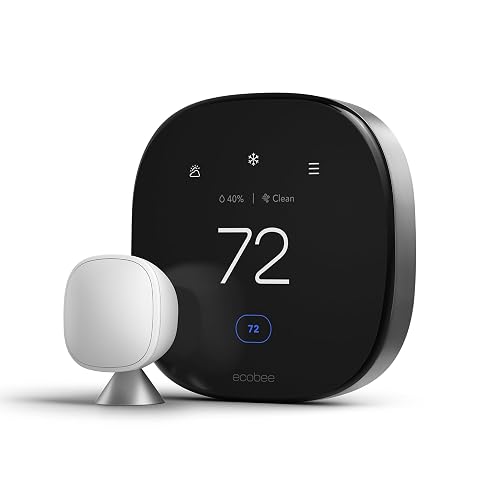
ecobee Smart Thermostat Premium (Smart Sensor)
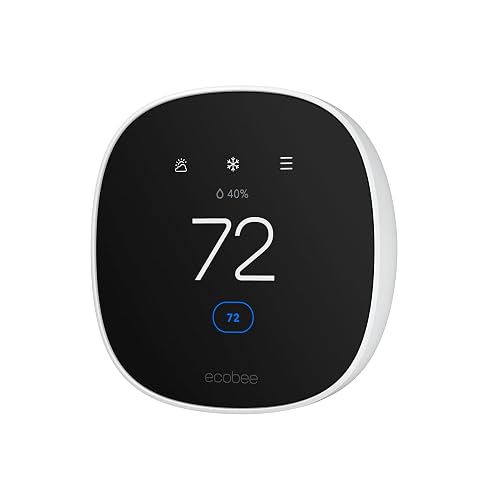
ecobee Smart Thermostat Essential (WiFi)

ecobee Smart Thermostat Enhanced (2022)

ecobee Comfort and Security Bundle
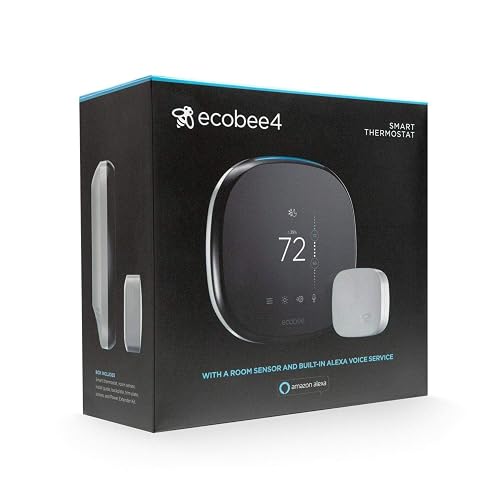
ecobee4 Smart Thermostat with Alexa

ecobee Smart Thermostat Premium (2022)
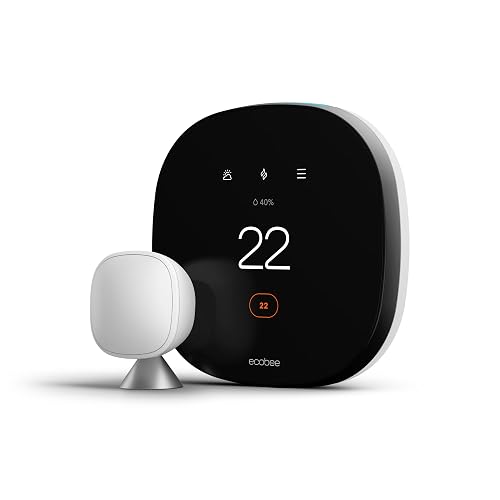
ecobee SmartThermostat with Voice Control
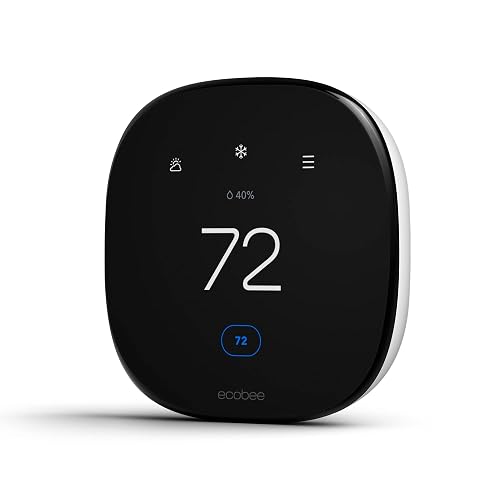
ecobee Smart Thermostat Enhanced (WiFi)
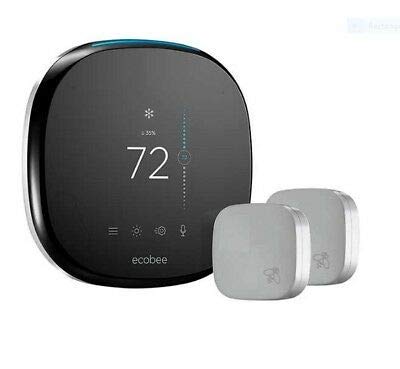
ecobee4 Thermostat with 2 Sensors
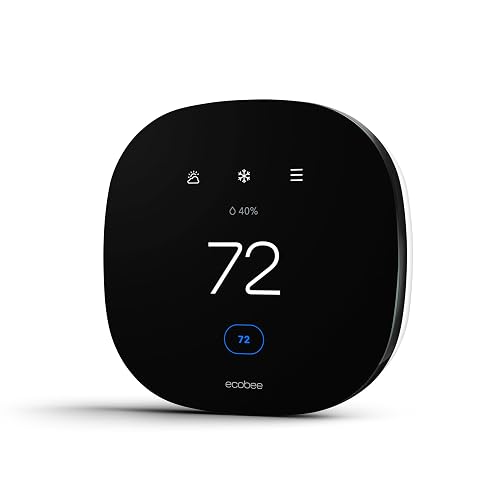
ecobee3 Lite Smart Thermostat (Black)
Inside Each Recommended Option
Running several Premium units on the same account turns each room into its own micro climate, and the included SmartSensor helps you chase the hot and cold spots that the wall thermostat alone never seems to catch. Voice control is built in, so a hallway unit doubles as a hands-free helper when your hands are full of groceries.
For most multi-zone homes, the Premium is the cleanest anchor because it shares features cleanly with mid-tier siblings like the ecobee3 Lite. You may find the on-wall look heavier than older ecobee designs, but the larger display reads easily from across a kitchen.
Useful Touches
- Built-in air quality monitor with filter change reminders, which is a quiet win during wildfire season.
- Compatible with Siri and Alexa directly, so no extra hub is needed for voice commands.
- Geofencing learns your arrival pattern, which trims heating bills without you thinking about it.
- Included SmartSensor ($60 value) lets one thermostat manage multiple rooms comfortably.
- Doorbell Live View support turns the wall unit into a glanceable security display.
Small Caveats
- Higher upfront cost than Essential or Lite models, so multi-unit installs add up quickly.
- Some safety features, like break-in alerts, require a paid ecobee Smart Security plan.
- Hardwired install means C-wire situations may need a PEK adapter in older homes.
Quick Facts
Who It Suits Best
Households outfitting three or more zones where a shared app and consistent sensor behavior matter more than budget.
A Better Fit Elsewhere
Shops with a single heating zone and a tight budget get more from the ecobee Smart Thermostat Essential (WiFi) instead.
The Essential is the friendliest on-ramp into the ecobee ecosystem, especially when you want to spread two or three units across a home without inflating the bill. Setup is genuinely short, and the app walks you through wiring in a way that feels reassuring for first-timers.
It skips the Premium’s air quality monitor and built-in voice, but it still does the core job of saving energy and learning your schedule. You may find the smaller display a touch less readable from across a large room, though in most hallways that’s a non-issue.
The Practical Payoff
- Lowest cost entry point, which makes outfitting several rooms realistic on a budget.
- Energy Star certified, so utility rebates sometimes apply in supported regions.
- Same ecobee app as Premium units, so multi-unit households share one dashboard.
- Simple touch interface keeps daily adjustments quick.
Trade-Offs To Consider
- No built-in voice control or air quality sensing.
- No SmartSensor in the box, so room-by-room balance requires buying sensors separately.
Right Fit For
First-time smart-thermostat shoppers who want a clean install and plan to add more units later.
Where Another Pick Suits Better
If built-in voice and air quality matter, the ecobee Smart Thermostat Premium (Smart Sensor) is the better long-term anchor.
The 2022 Enhanced model sits in the comfortable middle, balancing features that matter for multi-zone living without pushing into Premium pricing. It preheats or precools the house before you arrive, which sounds like a small thing until you walk into a warm home on a freezing Tuesday.
You can manage everything from a smartphone, tablet, or Apple Watch, and it works with both Alexa and Apple HomeKit. For most households running two or three units, this generation is the one that quietly disappears into the background and just works.
What Stands Out
- Home/away sensing automatically drops energy use when the house is empty.
- Apple Watch support, so quick tweaks don’t require pulling out a phone.
- Hardwired design means no battery swaps over a decade of use.
- Energy Star certified for potential utility rebates.
- Reported 45-minute DIY install for most homeowners.
Where It May Fall Short
- No built-in voice assistant or air quality monitor, unlike the Premium.
- No SmartSensor included in the base box, so multi-room balancing is an add-on cost.
Best Suited To
Owners with a mix of older and newer HVAC equipment who want reliable scheduling without a voice hub.
Skip It When
Homes chasing a full security-plus-comfort stack should look at the ecobee Comfort and Security Bundle instead.
This bundle pairs a Premium thermostat with a SmartSensor and the base station needed for ecobee’s smart security side, so you get climate control and basic monitoring in one stack. It’s a smart pick when you’d rather avoid juggling two separate apps and two separate subscriptions.
The thermostat itself behaves like the standalone Premium, while the base station listens for alarms and watches motion through paired sensors. For most homes starting from scratch, it’s the most efficient way to get a unified system.
A Few Strong Suits
- Combines comfort and security hardware, reducing device clutter on the wall.
- Premium thermostat brings air quality and voice to the main living area.
- One ecosystem means a single app view for both temperature and alarm status.
Where It Is Less Suited
- Higher upfront bundle cost than a single Premium thermostat.
- Full security features may require a paid plan, depending on region.
- More components to install, so setup time is longer than a solo thermostat.
Feature Snapshot
Made For
Households replacing both a thermostat and a basic security system at the same time.
Look Elsewhere When
You only need climate control and already have a separate security system; the standalone ecobee Smart Thermostat Premium (Smart Sensor) is the better call.
The ecobee4 was the first generation to bake Alexa directly into the thermostat, which is still a useful setup for rooms where you don’t want a separate Echo sitting around. One wall unit handles temperature, voice commands, and a small speaker in a tidy footprint.
It still pairs with SmartSensors, so multi-room setups work fine even if the hardware is older. You may find the on-device mic less sensitive than a dedicated Echo, though for most living rooms and bedrooms it’s plenty.
Bright Spots
- Built-in Alexa means no extra smart speaker needed in the room.
- Includes a room sensor, so basic multi-room balance is possible out of the box.
- Compatible with Apple HomeKit, Google Assistant, and SmartThings.
Honest Caveats
- Older generation lacks the Premium’s air quality monitor and modern display.
- Far-field voice pickup is shorter range than a dedicated Echo device.
The Right Fit
Alexa-first homes that want a tidy, single-device approach in a kitchen or entryway.
Another Choice May Suit
Owners wanting modern voice quality and richer sensors should pick the ecobee SmartThermostat with Voice Control.
The 2022 refresh of the Premium earned a larger, more cinematic display and upgraded occupancy sensing, which makes it the visual centerpiece of a multi-zone setup. The metal-and-glass body feels more deliberate on the wall than the older plastic generations.
It doubles as a home monitoring hub, listening for smoke alarms and tracking sudden temperature drops that could mean a frozen pipe. The included SmartSensor, valued around $60, helps each unit manage the rooms you actually live in.
The Helpful Details
- Air quality monitor with filter reminders, useful in dusty or wildfire-prone regions.
- Built-in smoke alarm detection adds safety without extra hardware.
- Spatial awareness and radar-style occupancy detection work through the wall.
- ENERGY STAR certified for potential utility rebates.
Practical Considerations
- Some monitoring features require an ecobee Smart Security plan.
- Premium pricing can feel steep when deploying four or more units.
- Display size is larger than older models, so check clearance on tight walls.
Perfect Match For
Owners who want one flagship thermostat in the main living area and are willing to mix in Enhanced units elsewhere.
Reach For A Different Pick When
Cost is the top priority and voice is not needed; the ecobee3 Lite Smart Thermostat (Black) covers the basics affordably.
This generation pushed the on-board speaker hard, with better far-field microphones and Bluetooth audio playback that turns the thermostat into a low-key kitchen speaker. For multi-zone homes, that means one less device cluttering the counter.
It ships with a SmartSensor in the box, so you can balance a stubborn back room right out of the packaging. The honest read is that newer Premium units have a sharper display, but the audio chops here still hold their own.
What Earns Its Place
- Improved far-field microphones catch voice commands across noisy rooms.
- Built-in Bluetooth speaker for casual music streaming.
- Includes one SmartSensor, which trims the add-on cost for multi-room setups.
- ENERGY STAR certified with reported savings on heating and cooling.
Points To Keep In Mind
- No air quality monitor, unlike the current Premium model.
- Speaker quality is fine for podcasts but won’t replace a real home speaker.
Who Should Grab It
Households that want a smart speaker and thermostat in one unit, especially in kitchens and open living areas.
Swap It Out When
Air quality alerts and a modern display matter more than audio; the ecobee Smart Thermostat Premium (2022) is the stronger flagship.
This Enhanced variant leans hard into longevity, with a hardwired install that should outlast a decade on the wall and no batteries to babysit. For multi-zone homes, that reliability is the real selling point, since you don’t want to swap units across several rooms every few years.
It works with the same ecobee ecosystem as its siblings, so adding sensors later is straightforward. The display is a step down from the Premium, but the operational behavior is nearly identical for daily temperature control.
Standout Benefits
- Hardwired power means no battery replacements over a long service life.
- eco+ features automatically adjust temperatures when you’re asleep or away.
- Connects with Apple Watch, smartphones, and tablets for flexible control.
- Compatible with Apple HomeKit and other major smart home platforms.
Some Limits To Know
- No SmartSensor in the box for room-level balancing.
- No built-in voice or air quality features.
Whose Shelf It Belongs On
Long-term homeowners who want set-and-forget reliability across several rooms without premium pricing.
Where A Sibling Pick Shines
Homes needing a sensor in the box for instant room balancing should pick the ecobee SmartThermostat with Voice Control instead.
The two-sensor bundle is the practical answer for larger or split-level homes where a single sensor won’t reach the rooms that matter. With sensors placed in two priority rooms, the thermostat can prioritize whichever space is occupied.
It’s built on the older ecobee4 platform, so the on-device voice is more of a bonus than the main draw. In most installations, the value here is really about the included sensor count rather than the thermostat itself.
A Favorable Mix
- Two room sensors included, which speeds up whole-home balancing.
- Sensors measure both occupancy and temperature for smarter mode switching.
- Same ecobee app experience as newer models for unified control.
Things To Weigh
- Older platform lacks the Premium’s air quality and modern display features.
- Sensor count caps sooner than what newer Premium models can scale to.
Built With In Mind
Split-level homes or households with a couple of stubborn rooms that always run too hot or cold.
Not Your Match When
You want the latest sensor behavior and a larger display; the ecobee Smart Thermostat Premium (Smart Sensor) is the modern pick.
The ecobee3 Lite is the budget workhorse of the lineup, and it’s been the go-to choice for homeowners wanting several units without bleeding the wallet. It still talks to Siri, Alexa, and Google Assistant, so multi-zone control feels cohesive even at the lower tier.
The trade-off shows up in the on-device experience, since there’s no built-in voice or air quality monitor. For most secondary rooms like a guest bedroom or finished basement, that is an honest and acceptable compromise.
What Pays Off
- Lowest price per unit, which makes outfitting several zones realistic.
- DIY-friendly install with the same ecobee app setup as premium models.
- Works with the three major voice assistants for unified control.
- ENERGY STAR certified, so the basic energy savings features are intact.
Factors To Consider
- No on-device voice control, so commands go through a separate speaker or app.
- Smaller display reads less crisply in bright, sunlit hallways.
Key Product Details
Who Will Love This
Shoppers who want to deploy three or more units in a home without paying flagship prices for each room.
Consider Something Else When
Air quality and built-in voice are deal-breakers; step up to the ecobee Smart Thermostat Premium (2022) for those features.
What To Weigh Before Buying Multiple ecobee Units
Picking thermostats for a multi-zone home is less about finding the flashiest model and more about matching features to the rooms they live in. The first decision is whether you want flagship behavior in every room or a tiered mix, with a Premium or Enhanced in the main living area and Lite or Essential units in secondary bedrooms. A flagship in every room is nice, but the cost difference across four units adds up quickly, and the day-to-day temperature control is nearly identical across the lineup.
Sensor count matters more than people expect, because a thermostat on a hallway wall has no idea what the back bedroom feels like. Including one or two SmartSensors per zone turns a single thermostat into a multi-room comfort manager, and the Premium-style models handle the most sensors without losing features. Match sensor placement to where the household actually spends time rather than empty guest rooms.
Wiring and HVAC compatibility are the quiet tripwire, since some older homes lack a C-wire (the common wire that provides continuous power to a smart thermostat). Most ecobee units ship with a power extender kit for those cases, but checking compatibility before ordering saves a frustrating install day. Voice platform also matters if your household is already locked into Siri, Alexa, or Google Assistant, since some units are stronger in one ecosystem than the other.
Key Considerations Across These Picks
Common Buying Missteps In This Category
The most common error is buying one Premium for every room when the house has a clear hierarchy of use, since secondary bedrooms rarely need air quality sensors or built-in microphones. A tiered approach, with one flagship and several Enhanced or Lite units, covers comfort without overspending. The other slip is forgetting the C-wire, which forces last-minute adapter runs and delays the install.
When The Premium Tier Earns Its Cost
The jump from Enhanced to Premium buys air quality monitoring, on-device voice, and a noticeably larger display, and that upgrade is worth it in main living spaces where you spend the most time. For a guest room or basement office, those features often go unused, and the saved money is better spent on extra sensors elsewhere. Spend up where you live, and save where you don’t.
Frequently Asked Questions
How many ecobee thermostats can one account handle?
A single ecobee account supports multiple thermostats across one home, and the app lets you group and control each zone independently. For most households, two to four units is the realistic upper end before overlap becomes hard to manage.
Will older ecobee models work with newer ones?
Generally yes, as long as both units are on the same ecobee app and account. Older models like the ecobee4 can still share scheduling and sensor behavior with newer Premium units, though some advanced features may only apply to the latest hardware.
Do I need a C-wire for every ecobee thermostat?
Most ecobee thermostats need consistent power, which typically comes from a C-wire. If your home lacks one in a particular room, the included power extender kit often solves the problem without rewiring, but it’s worth confirming before installation day.
Can different ecobee generations share SmartSensors?
Sensors are designed to pair across most modern ecobee models, which is what makes a mixed-generation multi-zone setup practical. The thermostat each sensor is paired to acts as the hub, so you can spread sensors across rooms even when thermostats vary in age.
Is a Premium thermostat worth it over Enhanced in a multi-unit setup?
The Premium earns its keep in main living areas where air quality and voice control get daily use. For less-trafficked zones, the Enhanced delivers nearly identical temperature control at a friendlier price point, which lets the overall budget go further.
Final Verdict
The honest read is that a well-mixed ecobee setup, with one flagship in the main living area and simpler units elsewhere, covers the comfort needs of most households without overpaying. Match the model to the room, lean on sensors for the stubborn spots, and verify the wiring before you order. Once the system is in place, it tends to fade into the background, which is exactly what a good thermostat should do.