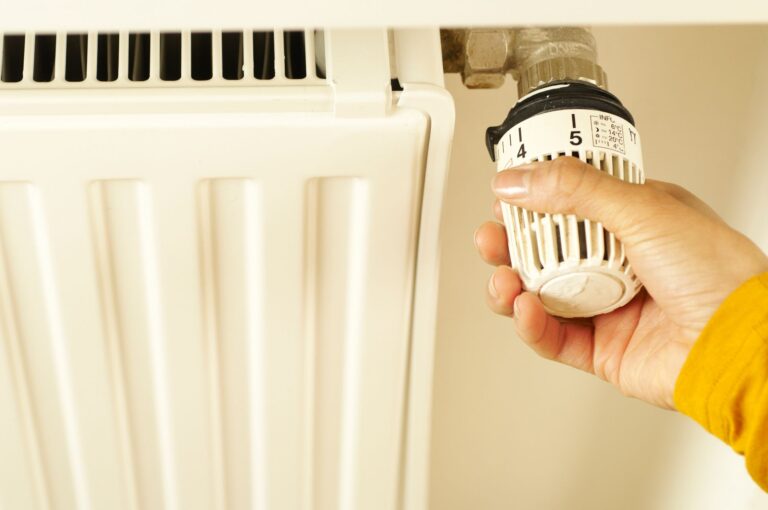

Picking a thermostat sounds easy until you stand in the hardware aisle staring at a wall of identical-looking boxes. The truth is, the right match depends on your system type, your daily routine, and how much brainpower you want the thermostat to do for you. This guide walks through ten solid options that cover basic, mid-range, and fully smart setups, so you spend less time guessing and more time enjoying a comfortable house.
A Quick View Of The Lineup
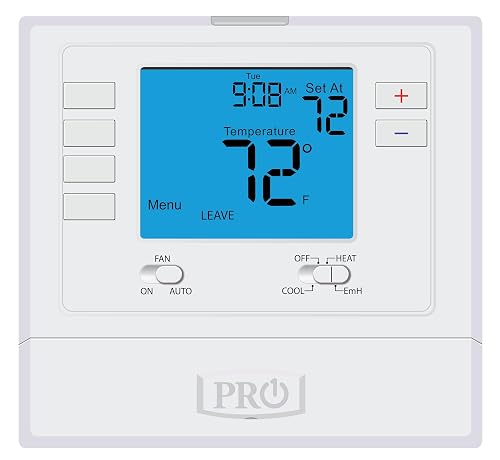
PRO1 T725 Heat Pump/Conventional Programmable Thermostat

PRO1 T771 Single Stage Non-Programmable Thermostat
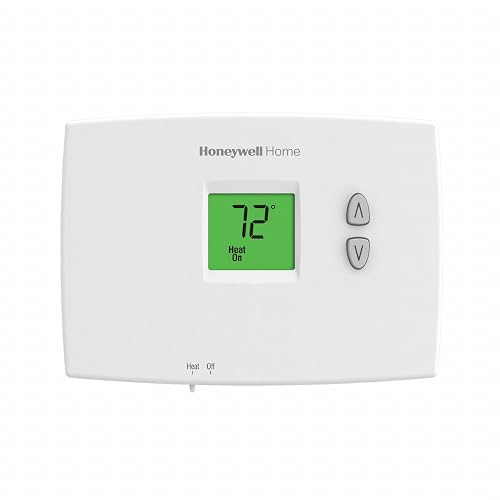
Honeywell TH1100DH1004 PRO 1000 Heat Only Thermostat
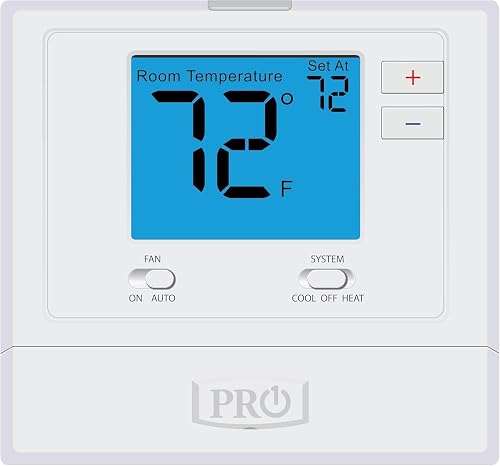
PRO1 T701 Single Stage Non-Programmable Thermostat

PRO1 T715 Multi-Stage Programmable Gas Thermostat
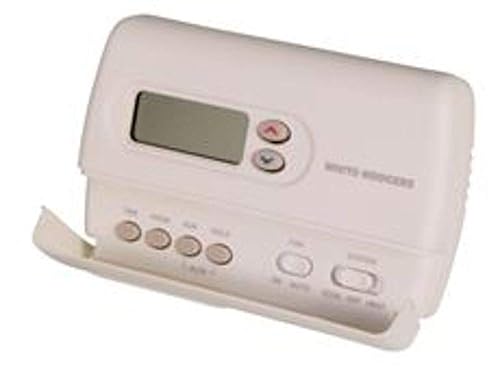
White-Rodgers 1F80-361 Emerson 80 Series Thermostat
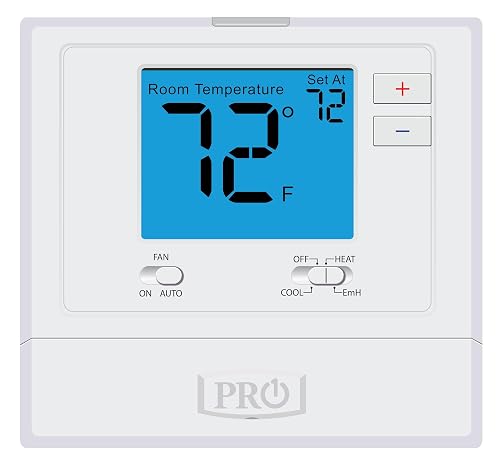
PRO1 T721 Non-Programmable Heat Pump Thermostat

PRO1 T805 Single Stage Programmable Thermostat
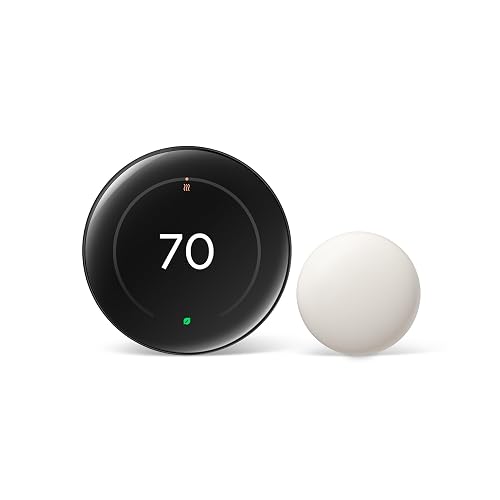
Google Nest Learning Thermostat (4th Gen) + Sensor
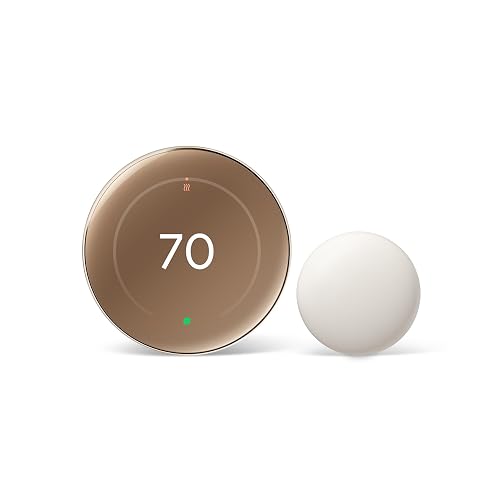
Google Nest Learning Thermostat (4th Gen, Polished Gold)
More On The Choices That Made The List
Heat pumps and conventional furnaces don’t always speak the same language, which is why a thermostat that bridges both saves headaches. The PRO1 T725 covers 2 heat/1 cool heat pump setups alongside 1 heat/1 cool conventional systems, so swapping equipment later won’t render the wall unit useless. Compared to the simpler Honeywell in this list, you get actual scheduling options rather than a single setpoint dial.
You program schedules with 7-day or 5/1/1 patterns, meaning weekdays can share one routine while Saturday and Sunday each get their own. For most households, that’s enough flexibility to trim runtime without learning curves.
Points In Its Favor
- Dual-system compatibility removes the need to replace the thermostat after a future equipment swap.
- The blue backlit screen reads cleanly in hallways and bedrooms at night.
- Scheduling flexibility trims furnace runtime during work hours, which can ease monthly bills.
- Built on the proven T700 platform, so replacement parts and documentation stay familiar.
Things To Consider
- Programming takes an afternoon the first time you set up custom weekday and weekend blocks.
- No Wi-Fi, so remote adjustments require being home or relying on the programmed schedule.
Who It Suits Best
Households running a heat pump with backup conventional strips or a hybrid setup benefit most from the dual compatibility.
Skip It When
You want app-based remote control and learning features, in which case the Google Nest Learning Thermostat (4th Gen) is a stronger match.
Most thermostats bottom out around 40°F, which is fine for a living room but useless in an uninsulated garage. The PRO1 T771 stretches its setpoint down to 25°F, so it can maintain winter temperatures low enough to keep pipes from freezing without overworking a heater. That wider range separates it from the Honeywell PRO 1000 reviewed below.
You also get swing adjustment, which controls how far the room temp drifts before the system kicks back on. For a workshop or shed, that swing can keep the heater from short-cycling all night.
Standout Benefits
- The 25°F low-end setpoint supports cold spaces like garages, basements, and outbuildings.
- Calibration and swing adjustment let you fine-tune cycling for less efficient areas.
- The 4 sq. in. blue backlit display stays readable in dim workshops.
- Single-stage design keeps wiring straightforward for older conventional furnaces.
Trade Offs
- No scheduling means you adjust setpoints manually when leaving or returning.
- Limited appeal for primary living spaces, where the broader PRO1 lineup offers more comfort features.
Made For
Homeowners with detached garages, workshops, or sheds that need freeze protection without smart controls.
Where Another Pick Suits Better
For a primary living area where you want scheduling, the PRO1 T701 Single Stage Non-Programmable Thermostat is the more logical sibling.
Not every household needs seven-day scheduling or a smartphone app, and the Honeywell TH1100DH1004 leans hard into that simplicity. This horizontal-mount unit handles heat-only single-stage systems, which covers a lot of older homes with straightforward gas furnaces. The dual-power design accepts either batteries or a hardwired common wire, easing installation in older walls without a C-wire.
An adjustable temperature scale jumps between a standard 40°F to 90°F range or a garage mode starting at 35°F. That extra headroom helps when the unit is mounted in a mudroom or workshop adjacent to the main living space.
Positive Takeaways
- Horizontal layout fits narrow wall sections where vertical thermostats look awkward.
- Dual-power flexibility (battery or hardwire) suits older homes missing a common wire.
- Backlit display keeps readings clear in dim hallways at night.
Points To Note
- Heat-only design rules out central air conditioning control on the same wall unit.
- Non-programmable means you’ll adjust setpoints manually every season change.
Best Suited To
Owners of older single-stage heating systems who want a reliable analog-feeling wall control.
Look Elsewhere When
You also run central cooling, in which case the PRO1 T805 Single Stage Programmable Thermostat handles heat and cool on one unit.
The PRO1 T701 keeps things simple without feeling stripped down. It’s built on the same T700 platform as the more advanced T725, but skips scheduling entirely in favor of a single setpoint you adjust on the fly. The glow-in-the-dark light button is a small touch that pays off in a dark hallway at 2 a.m. when you’re trying to nudge the temperature up.
Wiring is conventional-friendly, accepting gas or electric configurations common in mid-century homes. For most households, it’s the “set it and walk away” option that doesn’t punish you for not wanting to learn an app.
Noteworthy Benefits
- Glow-in-the-dark button makes night adjustments easier without flipping lights.
- The 4 sq. in. screen shows temperature and mode at a glance.
- Compatibility with gas or electric conventional systems broadens installation options.
Honest Caveats
- No scheduling, so energy savings rely on remembering to adjust setpoints manually.
- Single-stage only, which excludes multi-speed equipment owners.
Whose Shelf It Belongs On
Homeowners wanting a no-fuss wall thermostat for a 1 heat/1 cool conventional furnace or air handler.
Not Your Match When
You have a heat pump system, in which case the PRO1 T721 Non-Programmable Heat Pump Thermostat fits more cleanly.
Two-stage gas furnaces run more efficiently when their thermostat actually uses both stages, and the PRO1 T715 is built for that. With 2 heat/2 cool support, it can call for low fire on mild winter days and high fire when temperatures really drop. The same scheduling flexibility (7-day, 5/1/1, or non-programmable) carries over from the T725 above.
The T700 platform continues here, so installation and operation feel familiar to anyone who’s handled PRO1 gear before. For most multi-stage homes, that means a smoother upgrade path without learning a new menu system.
The Helpful Details
- 2 heat/2 cool support unlocks the efficiency gains of multi-stage equipment.
- Three scheduling modes let you choose between weekly planning or simple on-demand control.
- Battery or hardwire power options simplify retrofits in older homes.
- Large backlit display remains visible from across a room.
Worth Bearing In Mind
- Overkill for single-stage systems that won’t benefit from the second stage.
- No Wi-Fi connectivity, so remote adjustments require being home or using the schedule.
Who Should Grab It
Homeowners with two-stage gas furnaces who want a programmable wall thermostat that actually engages both stages.
Where A Sibling Pick Shines
For single-stage conventional systems, the PRO1 T805 Single Stage Programmable Thermostat pairs more sensibly with simpler equipment.
Key Product Details
The Emerson 80 Series has been a contractor go-to for years, and the 1F80-361 keeps that reputation intact. It supports 5+1+1 programming with up to four periods per day, which covers everything from wake-and-leave routines to overnight setbacks. Millivolt compatibility means it works with older gas fireplaces and some wall heaters too.
This model arrives in a contractor bulk pack with an anti-static bag, which suggests it’s sold frequently for professional installs. For most DIYers, the wiring labels and standard 24V setup feel familiar and forgiving.
The Practical Payoff
- 5+1+1 schedule with four daily periods covers complex household routines.
- Millivolt compatibility broadens use to fireplaces and some wall heaters.
- Works with gas, oil, or electric conventional systems for installation flexibility.
Potential Drawbacks
- Single-stage only, so multi-stage systems won’t fully benefit.
- Bulk-pack packaging may feel spare compared with retail-boxed units.
Perfect Match For
Single-stage conventional homes where a five-day-plus-weekend schedule lines up with a predictable work routine.
Consider Something Else When
You run a heat pump, since the PRO1 T721 Non-Programmable Heat Pump Thermostat covers that configuration more directly.
Hybrid systems pair a heat pump with a backup furnace, and the wiring between them gets confusing fast. The PRO1 T721 supports both 2H/1C heat pump and 1H/1C conventional configurations in a single thermostat, so the same wall unit can switch roles if your equipment changes. It’s a quieter cousin of the T725 above, dropping programming for plain setpoint control.
AA battery or hardwire power keeps installation flexible, and the backlit display with glow button reads clearly in dim bedrooms or hallways.
Everyday Wins
- Dual-mode compatibility covers heat pump or conventional without rewiring the wall plate.
- Glow-in-the-dark light button helps in dark hallways and night-time adjustments.
- Battery or hardwire power eases retrofits into older homes without a C-wire.
Small Caveats
- Non-programmable operation means manual setpoint changes for seasonal shifts.
- Lacks Wi-Fi, so remote control requires the schedule or someone at home.
Right Fit For
Owners of heat pump systems with backup heat strips who want straightforward wall control without app dependencies.
Where A Different Pick Suits
For households that prefer scheduling, the PRO1 T725 Heat Pump/Conventional Programmable Thermostat offers the same dual-mode support with weekly routines.
Feature Snapshot
If you want to read the temperature from across the room without your glasses, the PRO1 T805 is worth a closer look. Its 7 sq. in. display dwarfs the 4 sq. in. screens on most PRO1 units, with numbers large enough to spot from a hallway or bedroom doorway. The T800 platform also supports 7-day, 5/1/1, or non-programmable operation, matching the scheduling flexibility of its smaller T700 siblings.
For most single-stage conventional homes, the T805 hits a comfortable middle ground between simplicity and weekly automation.
Everyday Advantages
- The 7 sq. in. screen shows temperature and mode clearly from a distance.
- Three scheduling modes fit both rigid and flexible routines.
- Glow-in-the-dark light button helps in nighttime adjustments.
Less-Strong Areas
- Single-stage design excludes multi-speed furnace and heat pump owners.
- The larger footprint may not match decorator switch plates in tight wall sections.
Built With In Mind
Households wanting a larger, easier-to-read screen on a 1 heat/1 cool conventional system with optional weekly scheduling.
Swap It Out When
You run multi-stage equipment, in which case the PRO1 T715 Multi-Stage Programmable Gas Thermostat engages both furnace stages.
The Nest has earned its reputation by watching how you actually live and adjusting itself without a programming menu. The fourth generation adds an included Nest Temperature Sensor, which lets the system weigh the temperature of a specific room rather than just the hallway. That matters in homes with hot upstairs bedrooms or cold basements where one wall thermostat can’t represent the whole house.
For most connected households, the learning behavior eventually offsets its own cost through tighter runtime control. You may find the initial setup demands more patience than a wall dial, but the payoff shows up the first month a heat wave hits.
Strengths Worth Knowing
- Learning algorithm trims manual scheduling for households with shifting routines.
- Remote sensor helps balance comfort in rooms the wall thermostat can’t reach.
- Energy reports in the app surface patterns you can act on.
Some Limits To Know
- Requires a C-wire or compatible wiring setup in many older homes.
- Full benefit depends on a stable Wi-Fi connection and account setup.
Who Should Grab It
Connected households wanting a thermostat that learns routines and balances comfort across multiple rooms.
Not Your Match When
You prefer a non-connected wall control with simple setpoint behavior, in which case the PRO1 T701 keeps things uncomplicated.
The Numbers That Matter
The polished gold finish on this Nest variant makes it a standout piece on the wall, but the real story is the platform underneath. Like the Obsidian version above, it learns your preferred temperatures and shifts the schedule as routines change. Voice platform compatibility with Alexa, Apple HomeKit, and Google Home lets you fold it into the smart-home setup you already own.
For most households exploring smart thermostats, the gold finish is purely an aesthetic call. The energy-tracking reports and adaptive scheduling are where this thermostat justifies itself, regardless of housing color.
Key Advantages
- Voice platform support integrates with existing Alexa, HomeKit, or Google Home setups.
- Adaptive learning trims runtime without manual scheduling.
- Polished gold finish suits warm-toned interior palettes.
A Few Limitations
- Full feature set relies on stable Wi-Fi and a smart-home account ecosystem.
- Premium finish commands a higher cost than standard-color siblings.
Best Match For
Connected households prioritizing energy savings and voice assistant integration, with a taste for warm-toned wall hardware.
Where A Different Pick Suits
For a darker wall aesthetic, the Google Nest Learning Thermostat (4th Gen) in Obsidian is the same hardware with a different finish.
Feature Rundown
What To Weigh Before Choosing Furnace Thermostats For Home
System Type And Wiring Compatibility
The thermostat that performs beautifully in your neighbor’s house may not work in yours, because compatibility starts with what’s already in the wall. Single-stage conventional systems, multi-stage gas setups, and heat pumps each demand different terminal configurations. A “C-wire,” the common wire that delivers continuous power to smart thermostats, isn’t always present in older homes, so any Wi-Fi model needs verification before installation.
Programmable Versus On-Demand Control
Programmable thermostats earn their keep when routines are predictable, like a five-day work week with consistent wake and sleep times. Non-programmable units suit households where someone is home all day to adjust setpoints manually. For most families, the trade-off is comfort automation versus upfront setup time.
Smart Features And Connectivity
Wi-Fi thermostats add remote control, learning algorithms, and energy reports, but they also depend on account setup, app updates, and a stable network connection. For most households, the smart upgrade pays off when routines shift often, while simpler wall units feel less fragile when reliability matters more than data dashboards.
Display Size And Day-To-Day Readability
A 4 sq. in. screen is plenty for most living rooms, but a 7 sq. in. display becomes valuable in hallways, bedrooms, or any wall where you read the temperature from a distance. Glow buttons and backlit screens help in low-light conditions. For most older eyes or large rooms, bigger numbers reduce squinting at night.
Things To Think About Across These Picks
Common Buying Traps
Picking a smart thermostat without checking for a C-wire is the most frequent mistake, because the install hits a wall the moment the device asks for constant power. Buying a multi-stage unit for a single-stage furnace wastes capability you can’t use. Skipping setpoint range checks leads to disappointment in garages where temperatures need to drop lower than a standard 40°F floor. Match the thermostat to the system, then choose the features you actually want.
When The Higher Price Makes Sense
Spending more on a smart thermostat earns its keep when routines shift often, when you want room-by-room balancing, or when energy reports help trim waste over the year. Premium finishes matter only when the thermostat lives on a visible wall. For most households with predictable schedules, a mid-tier programmable unit handles comfort without the app overhead.