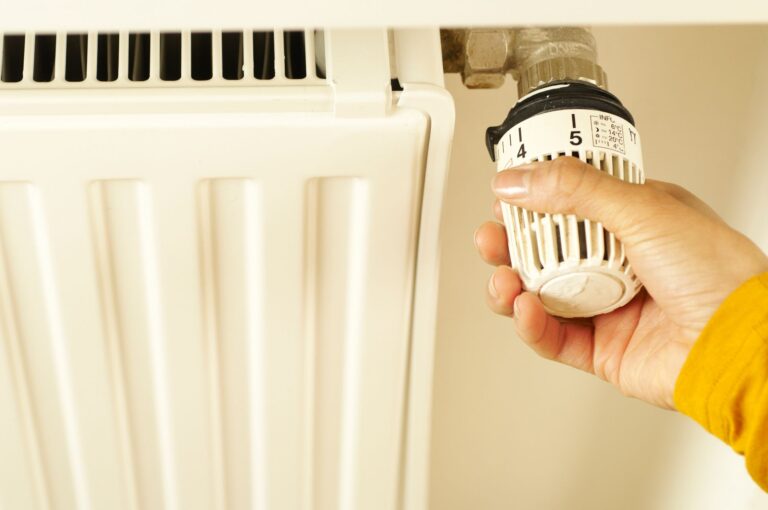

Shopping for Goodman thermostats and HVAC controls can feel like decoding a part number, especially when the “thermostat” label on a listing is hiding a pressure switch or a defrost sensor. This roundup sorts the genuinely useful picks from the look-alikes, mixing wall thermostats that talk to your system with the service parts techs reach for inside the unit itself. Whether you’re upgrading the wall control, rewiring a communicating condenser, or replacing a flaky defrost sensor, there’s a fit below worth your time.
A Fast Comparison Of The Options
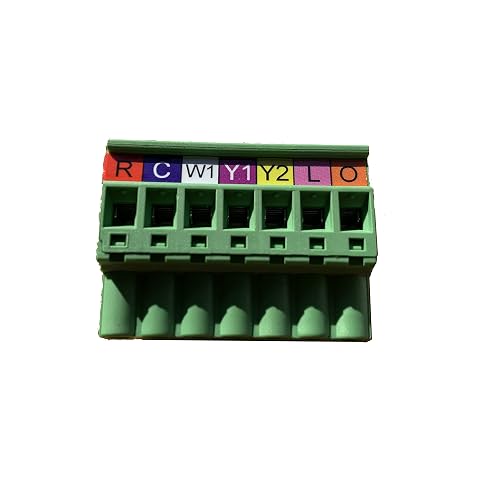
7 Pin Thermostat Wire Connector for Goodman GSXC & Amana ASXC Condensers
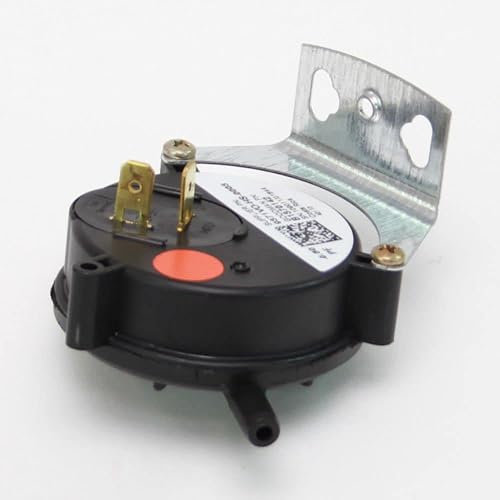
Goodman B1370142 60″ WC Pressure Switch Inducer
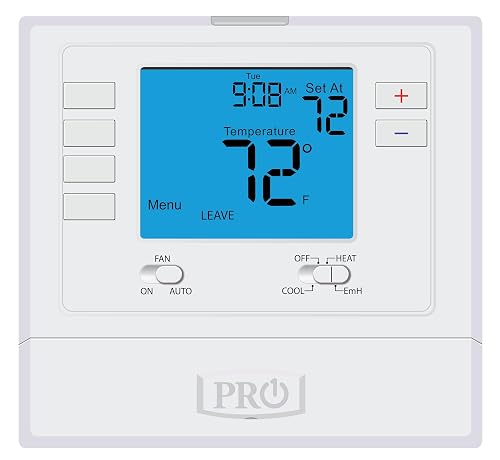
PRO1 T725 Heat Pump/Conventional Programmable Wall Thermostat

PRO1 T771 Single Stage Non-Programmable Wall Thermostat
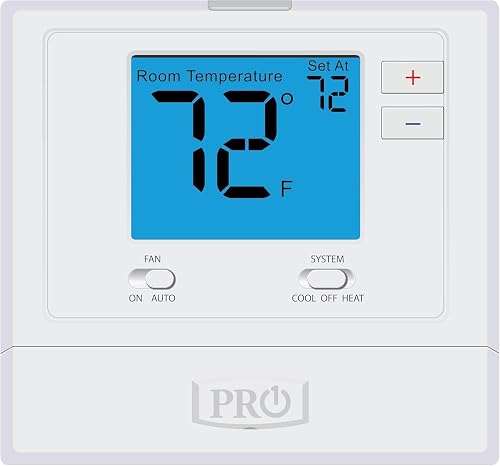
PRO1 T701 Single Stage Non-Programmable Wall Thermostat

PRO1 T715 Multi-Stage Programmable Gas Wall Thermostat
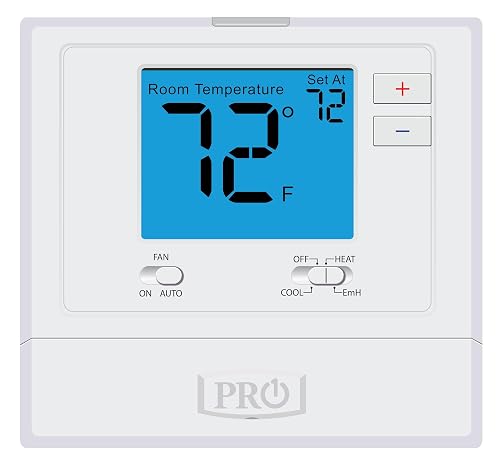
PRO1 T721 Non-Programmable Heat Pump/Conventional Thermostat
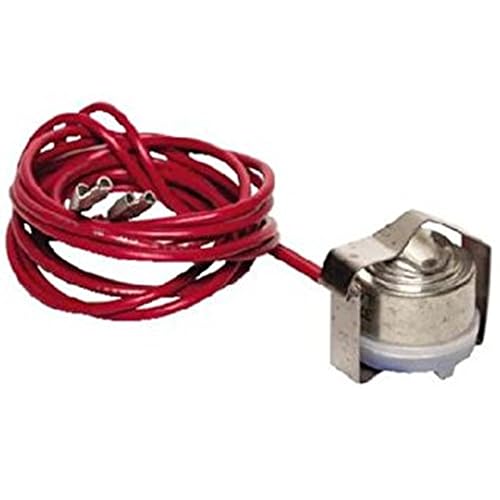
Goodman 0130M00105 Defrost Thermostat
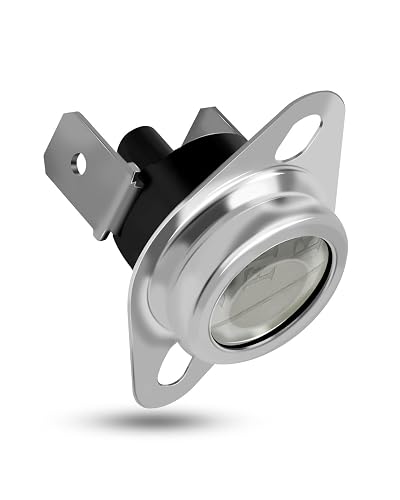
47-22861-01 Furnace Limit Switch L350 for Rheem Goodman Amana

PRO1 T805 Single Stage Programmable Wall Thermostat
More On The Choices That Made The List
This little 7-pin connector solves a specific headache. If you own a communicating Goodman GSXC or Amana ASXC condenser but want to wire it as a traditional, non-communicating unit, this harness bridges the legacy thermostat wiring to the control board. Most homeowners never need it; the tech who just replaced a Goodman GSXC16 and the DIYer rewiring a recently inherited system definitely do.
The part slots into the control board and accepts the standard thermostat wire runs, so your existing 18/7 cable keeps working without a communicating thermostat. For pros, it’s the kind of connector that lives in the truck for the rare but inevitable call where the homeowner doesn’t want a communicating setup. For most households with a communicating model already running, you may find this is one to skip and the PRO1 wall thermostats below are a more useful add.
Everyday Advantages
- Bridges communicating condensers to standard thermostat wiring without rewiring the home run
- Listed for both Goodman GSXC16, GSXC18, and matching Amana ASXC units
- Plug-in design keeps install time to minutes for anyone comfortable opening the control panel
Things To Consider
- Niche use only. Most homeowners with a working communicating thermostat will never touch this part
- Cross-check your exact model number against the supported list before ordering, since condenser revisions shift
Right Fit For
Service techs and experienced DIYers converting a GSXC or ASXC condenser from communicating to conventional thermostat control.
Look Elsewhere When
You just need a wall thermostat, in which case the PRO1 T701 single-stage model is a much friendlier place to start.
The Goodman B1370142 is a 60-inch water column inducer pressure switch, which is a small but critical sensor that proves the draft inducer is spinning before the burner fires. When this switch fails, the furnace typically short-cycles, locks out, or refuses to ignite, and the symptoms often look like a bigger problem than they are. For anyone diagnosing a Goodman furnace with a “pressure switch open” code, this is the OEM part the manufacturer ships.
The 60″ WC rating matters because it matches the airflow resistance of specific Goodman inducer designs, so swapping in the correct pressure setting keeps the safety circuit happy. For techs, the appeal is the OEM fit, meaning no improvised hose clamps or wire splices. For most homeowners, this is a “wait for the diagnostic” part, and your installer will likely pick it up rather than you ordering direct. It’s not flashy, but it tends to outlast generic switches because the diaphragm and hose barb match Goodman’s specs.
A Few Highlights
- OEM Goodman part designed to match the 60″ WC rating of compatible inducer assemblies
- Direct fit on the inducer housing for a clean swap with no improvised plumbing
- Made in the United States, which often signals tighter QC on small safety components
Worth Noting
- Replacement requires opening the inducer compartment and dealing with the hose and wiring, so most people hand this to a pro
- Specific to Goodman systems, so a cross-listed model number check before ordering is wise
Built With In Mind
HVAC technicians and hands-on homeowners replacing a failed 60″ WC pressure switch on a compatible Goodman furnace.
A Better Fit Elsewhere
Anyone shopping for a wall-mounted control should jump to the PRO1 T805 single-stage programmable unit instead.
The PRO1 T725 sits in a useful middle ground for households that run a heat pump but also want scheduling. It supports 2 heat/1 cool heat pump systems along with 1 heat/1 cool conventional setups, and it lets you pick between 7-day or 5/1/1 programming, which is the layout that handles weekday and weekend schedules with separate blocks. The 4-square-inch blue backlit display is small but readable from across a hallway.
Where it earns its keep is the wake, leave, return, sleep schedule structure, which trims runtime when the house is empty and preconditions the rooms before you walk in the door. For heat pump owners, that scheduling really matters because heat pumps like steady, moderate setpoints rather than big recovery swings. The trade-off is that the interface is utilitarian, and you’ll spend an afternoon with the manual the first time. If you’d rather skip programming altogether, the PRO1 T721 right below trades scheduling for simplicity.
Why It Works Well
- Dual system support, covering both 2H/1C heat pump and 1H/1C conventional configurations
- 7-day and 5/1/1 schedule options let you tune weekday, Saturday, and Sunday independently
- Backlit display stays readable in dim hallways and bedrooms
Points To Keep In Mind
- Initial programming takes patience, and the menu flow is more “service tech” than “app” in feel
- The 4-square-inch screen reads small from across a large room
Made For
Heat pump households with predictable weekday routines who want scheduling to trim their electric bill without going full smart-home.
Swap It Out When
You have a 2H/2C gas system, in which case the PRO1 T715 multi-stage programmable unit is the right tool.
The PRO1 T771 is the oddball of the bunch, and that’s the point. Its setpoint range stretches from 25°F to 90°F, which lets it cool a workshop in summer and protect a garage or shed from freezing in winter. Most living-room thermostats cap out around 60°F on the low end, so they can’t safely control a space that needs cold-temperature guarding. The T771 is built for exactly that specialty work.
It’s a non-programmable unit, so the day-to-day experience is one screen, two buttons, set the temp and walk away. The 4-square-inch blue backlit display keeps the readout visible without lighting up the whole room. Owners commonly report that swing adjustment and calibration controls give techs room to fine-tune cycling. For most main living spaces, you’d want a programmable model like the T725 instead, but for outbuildings, this is one of the few thermostats that actually fits the job.
Everyday Wins
- 25°F to 90°F setpoint range covers freeze protection and warm-weather cooling
- Non-programmable layout means almost no learning curve for anyone using it
- Backlit display and swing adjustment support flexible placement in utility spaces
Trade Offs
- No scheduling, so efficiency-minded households will underuse it in main living areas
- Single-stage only, so it won’t run a multi-stage furnace or heat pump properly
Best Suited To
Garages, sheds, workshops, and crawl spaces where freeze protection or a wide setpoint range matters more than scheduling.
Where Another Pick Suits Better
You’re controlling the main living area, in which case the PRO1 T701 single-stage model is the more natural fit.
The PRO1 T701 is a no-nonsense wall thermostat for a 1 heat/1 cool conventional system, the kind of setup most older homes and rentals still run. You set the temperature, the system reacts, and that’s the day. It sits on the larger T700 platform, so the 4-square-inch blue backlit display feels generous compared to legacy mercury switches or cheap digital replacements.
The glow-in-the-dark light button is a small touch that pays off in hallways at night, and owners commonly report the battery or hardwire power options simplify installation in older homes without a C-wire. For households that don’t want a learning curve or a phone app, the T701 is a refreshingly direct choice. The honest read is that you’re trading scheduling for simplicity, and if you want a programmable upgrade on the same single-stage platform, the PRO1 T805 higher up the list is the natural step up.
Key Advantages
- Single-stage 1H/1C support covers the majority of older conventional systems
- Glow-in-the-dark light button helps in dark hallways without needing a phone flashlight
- Battery or hardwire power gives flexibility when no common wire is present at the wall
Honest Caveats
- No scheduling, so absent households will pay for the runtime they didn’t trim
- Single-stage only, which doesn’t pair well with multi-stage furnaces
Who It Suits Best
Owners of single-stage conventional systems who want a simple, dependable wall control without programming or apps.
Reach For A Different Pick When
You want scheduling on a single-stage system, which makes the PRO1 T805 a smarter pick for the same wiring.
The PRO1 T715 steps up to a 2 heat/2 cool configuration, which is what most modern two-stage gas furnaces and matched air conditioners expect. The scheduling side offers 7-day, 5/1/1, or fully non-programmable modes, so the thermostat adapts to how hands-on you want to be. The T700 platform’s 4-square-inch blue backlit screen with a glow-in-the-dark light button rounds out a control that feels intentional rather than entry-level.
For two-stage gas systems, the difference shows up in comfort, not just spec sheets. A 2H/2C thermostat lets the furnace run on low fire most of the time and step up only when the outdoor temperature drops, which usually means quieter operation and steadier room temperatures. The trade-off is that programming two stages adds another layer in the menu, and first-time setup is longer than the single-stage T701. Owners commonly report that battery or hardwire power flexibility simplifies installs without a C-wire. If you don’t actually have two stages, the simpler T701 is the better match.
The Upside
- 2 heat/2 cool compatibility for modern two-stage gas systems
- Three operating modes, including 7-day, 5/1/1, and non-programmable, fit any comfort level
- Glow-in-the-dark light button helps locate the unit in dim basements and hallways
Practical Considerations
- First-time programming takes patience, especially if you want to use two-stage scheduling
- Overkill for single-stage systems that wouldn’t benefit from second-stage calls
Whose Shelf It Belongs On
Households running a two-stage gas furnace and central air who want a programmable wall control without stepping into smart-home territory.
Consider Something Else When
You have a heat pump system, where the PRO1 T725 handles 2H/1C heat pump configurations more cleanly.
The PRO1 T721 is a dual-system wall control without the scheduling complexity. It supports 2 heat/1 cool heat pump systems and 1 heat/1 cool conventional systems, so it works in homes that run a heat pump with backup heat strips or a basic furnace and AC. You can run it on AA batteries or hardwire it with a common wire, which matters in older homes where the previous thermostat didn’t need a C-wire.
The 4-square-inch blue backlit display and glow-in-the-dark light button feel right at home on the T700 platform. For households that want simple set-and-forget behavior but still need to talk to a heat pump, this lands in a useful middle space between the single-stage T701 and the programmable T725. The honest read is that you’re giving up the energy savings of a schedule in exchange for a much shorter learning curve. If you do want a schedule on the same heat pump setup, the T725 just above is the right step up.
Where It Excels
- Compatible with both 2H/1C heat pump and 1H/1C conventional systems
- Battery or hardwire power for installs without a common wire
- Backlit display and glow-in-the-dark light button suit dim utility rooms
Less Ideal Details
- No scheduling, so you lose the runtime savings of a programmable unit
- Single-stage conventional mode means it won’t run a two-stage furnace optimally
Perfect Match For
Heat pump or single-stage conventional households that want a simple wall control without a learning curve or app.
Not Your Match When
You want scheduling on a heat pump, which makes the PRO1 T725 a more flexible fit for the same wiring.
The Goodman 0130M00105 defrost thermostat is a small component that lives on the outdoor coil of a heat pump, where it tells the system when to run a defrost cycle. When frost builds up enough to block airflow, the thermostat closes, the board reverses the refrigerant flow, and the outdoor unit melts the ice. When the sensor fails, the heat pump either ices over or runs defrost cycles at the wrong times, both of which are bad news in winter.
This is a service part more than a homeowner purchase, but handy homeowners can swap it in a few minutes with the unit powered down. The cross-reference to Goodman part number B1370803 helps when checking against an old invoice. Made in the United States, it tends to match Goodman’s QC standards better than off-brand replacements. For most shoppers here, this is a “wait for the diagnosis” part; for the rest, the PRO1 T725 wall thermostat is the upgrade that affects comfort day to day.
The Case For It
- Direct OEM replacement for Goodman heat pump defrost sensors
- Cross-references part number B1370803 for easier invoice matching
- Simple snap-style install for techs and experienced DIYers
Soft Spots
- Specific to Goodman defrost board configurations, so compatibility must be confirmed
- Diagnostic work to confirm a failed sensor versus a board or refrigerant issue often requires a pro
Who Will Love This
Service techs and seasoned DIYers troubleshooting a Goodman heat pump with icing or erratic defrost behavior.
Skip It When
You want to control the system rather than service it, in which case the PRO1 T721 non-programmable thermostat fits the bill.
The 47-22861-01 is a furnace limit switch rated L350, which means it opens the electrical circuit when the furnace plenum reaches 350°F. That cutout protects the heat exchanger and ductwork from overheating, and when the switch fails closed or fails intermittently, the furnace can short-cycle or shut down entirely. It’s the kind of part that turns a cold house into a quick service call.
The switch is cross-listed for Rheem, Goodman, and Amana furnaces, so it covers a wide swath of common residential equipment. Owners commonly report a snug fit on the original mounting bracket, though you should always confirm the electrical spade orientation before swapping. It’s a one-piece service part, and most homeowners leave the install to a tech. For a fresh wall control instead, the PRO1 T701 single-stage thermostat covers the comfort side of the same system.
Useful Highlights
- 350°F high-temperature cutout protects the heat exchanger from overheating
- Cross-compatible with Rheem, Goodman, and Amana furnaces for a wide install base
- Direct snap-on style simplifies tech-side replacement
Possible Compromises
- Install requires working near the burners and control board, so most people call a tech
- Confirm the L350 rating matches your furnace’s specifications before ordering
The Right Fit
Technicians and hands-on homeowners replacing a high-temperature limit switch on a compatible Rheem, Goodman, or Amana furnace.
Another Choice May Suit
You need a wall thermostat rather than a service part, in which case the PRO1 T701 single-stage model is the better fit.
The PRO1 T805 is the T800-platform answer to the T701, and the upgrade is mostly visible. The screen jumps to a 7-square-inch blue backlit display, which is large enough to read from across most rooms without squinting. It supports 7-day, 5/1/1, or non-programmable modes, so you can use it as a programmable schedule or a plain set-and-forget control.
It fits 1 heat/1 cool conventional systems, the same wiring the T701 covers, and the glow-in-the-dark light button carries over. Owners commonly report that the bigger screen makes daily interactions less of a chore, especially for anyone who checks the thermostat from a few feet away. The trade-off is the larger footprint on the wall, which is worth measuring before you commit. If you want a smaller display on the same scheduling platform, the T725 heat pump unit above is the comparable step.
Where It Helps
- 7-square-inch display is much easier to read across a room than the T701’s 4-square-inch screen
- Three operating modes, including 7-day, 5/1/1, and non-programmable, adapt to any comfort level
- Glow-in-the-dark light button helps in dim hallways and basements
A Few Limitations
- Larger wall footprint than smaller T700-platform siblings, so the wall cavity needs the space
- Single-stage only, so it won’t pair with two-stage furnaces the way the T715 does
Who Should Grab It
Conventional single-stage homeowners who want a large, readable display with optional programming for weekday and weekend schedules.
Where A Sibling Pick Shines
You have a heat pump, in which case the PRO1 T725 schedules a 2H/1C heat pump configuration more naturally.
Choosing the Right Part for Your Goodman System
The first question is what you actually need: a wall thermostat that controls your system, or a service part that lives inside the equipment. The wall thermostats here cover conventional single-stage, two-stage gas, and heat pump households, while the service parts cover wiring adapters, defrost sensors, pressure switches, and high-temperature cutouts. Mixing those up is the most common mistake, so a quick identification step saves a return later.
Match the thermostat to your system first. A 1 heat/1 cool conventional system points you to the PRO1 T701, T771, or T805. A 2H/2C gas system wants the PRO1 T715, while a 2H/1C heat pump or 1H/1C conventional setup fits the PRO1 T721 or T725. Check your existing wiring count at the wall before ordering, since 5-wire thermostats on 4-wire systems usually need a common wire adapter or a fresh pull.
For service parts, the model number on your existing component is the single most important detail. The Goodman 0130M00105 defrost thermostat, the B1370142 pressure switch, and the L350 limit switch each match specific Goodman and Amana sub-models. Cross-check the part number on the broken component before ordering, and confirm the rating printed on the old part matches the new one. The 7-pin connector above is the exception; it only matters if you’re converting a communicating GSXC or ASXC condenser to conventional thermostat control.
Key Considerations Across These Picks
Common Shopping Slip Ups
The biggest slip is confusing a wall thermostat with a service part. Both are listed under the same “Thermostats & Accessories” category on the retailer, and the names overlap. A 7-pin connector, a defrost sensor, and a limit switch all contain the word “thermostat” somewhere, but only the wall units sit in your hallway. Before you add anything to the cart, write down whether you’re replacing the control on the wall or a component inside the equipment, then match from there.
The second slip is ignoring the system configuration label. A 1H/1C thermostat on a 2H/2C furnace will technically power on but won’t give you the second stage you paid for. The reverse is worse: a 2H/2C thermostat on a single-stage system usually works but adds a layer of menu you don’t need. Match the stages to the system before you match the brand.
Where The Extra Money Goes
Higher-tier thermostats in this list buy larger displays, more flexible programming, and dual-system support. The PRO1 T805’s 7-square-inch screen is the most obvious upgrade over the T701’s 4-square-inch panel, and for anyone who checks the thermostat from across a room, that difference matters day to day. The PRO1 T715 buys you two-stage scheduling for gas furnaces that benefit from low-fire operation most of the time.
The trade-off is that those upgrades only pay off when your system actually supports them. A two-stage thermostat on a single-stage furnace is wasted money, and a 7-square-inch display in a small powder room is overkill. Step up when the feature matches the system, not when it sounds nice on the listing.
Frequently Asked Questions
What Is A Communicating Thermostat And Do I Need One?
A communicating thermostat talks both ways with the HVAC equipment over a dedicated data wire, sharing diagnostics and fine-tuning performance. You only need one if your condenser, air handler, and thermostat were all designed to communicate; otherwise a conventional thermostat works fine.
Can I Install A PRO1 Thermostat Without A C-Wire?
The T701, T721, and T771 run on AA batteries, so they don’t need a C-wire at the wall. The T715 and T805 accept battery or hardwire power, which gives you a path around the C-wire issue if you prefer hardwired reliability.
How Do I Know If My Goodman System Uses A Heat Pump?
Look at the outdoor unit. If it has a reversing valve on the refrigerant line and runs year-round, it’s a heat pump. If the outdoor unit only runs in summer and shuts down for winter, it’s a conventional AC matched to a furnace.
Are OEM Parts Like The Goodman Defrost Thermostat Worth The Cost?
For safety components like limit switches and pressure switches, OEM fit usually means fewer callbacks, and the small price difference pays for itself. For the wall thermostats, the PRO1 units here are designed to be cross-compatible, so the brand-original argument matters less.
Will A Programmable Thermostat Really Lower My Bills?
Programmable schedules trim runtime when the house is empty and preheat or precool before you return. The savings show up most in homes with predictable weekday routines and tighter comfort windows. If your schedule is unpredictable, a programmable thermostat can be set to non-programmable mode and used like a manual unit.
Closing Remarks
The right pick depends on which side of the system you’re working on. Wall thermostats like the PRO1 T701, T721, and T805 cover most household comfort needs, while the T715 and T725 step up for two-stage and heat pump homes. Service parts like the Goodman defrost thermostat, pressure switch, and L350 limit switch solve specific equipment faults, and the 7-pin connector handles the rare communicating-to-conventional conversion. Start with the system you actually have, match the part to that, and the rest tends to fall into place.