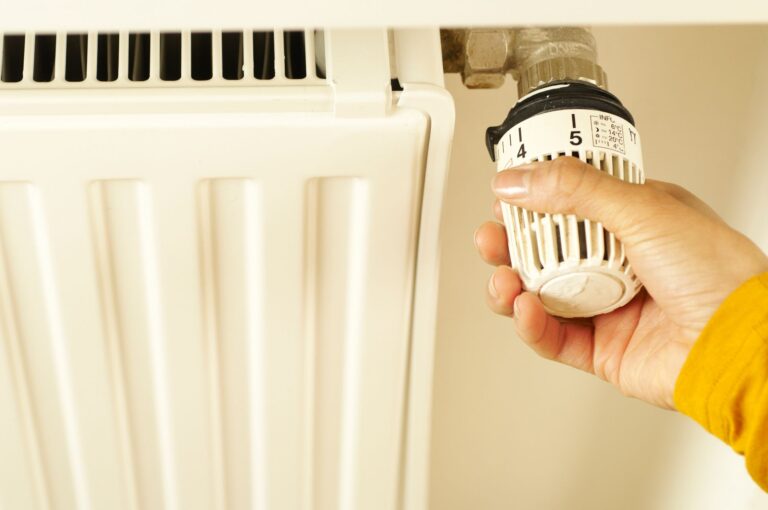

Keeping a home comfortable without overpaying on utility bills is a balancing act most households quietly struggle with. A well-matched Google Nest thermostat learns your patterns, trims waste while you sleep or work, and hands you control from the phone in your pocket. The nine options below cover first-time smart-home upgrades, multi-room households, and anyone chasing a polished wall-mounted look.
A Side-By-Side Look
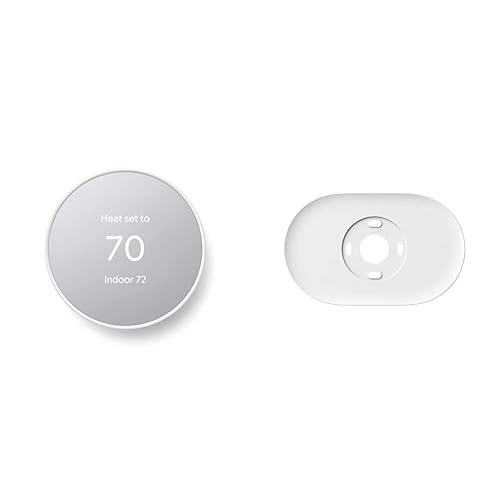
Google Nest Thermostat Snow with Trim Kit

Google Nest Thermostat Fog with Trim Kit
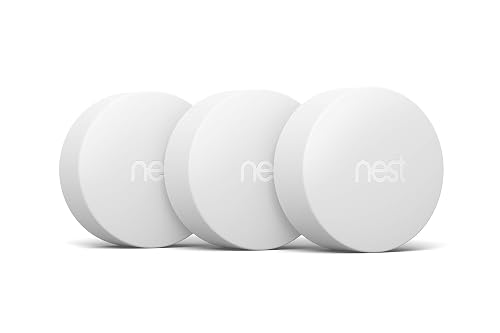
Google Nest Temperature Sensor 3-Pack
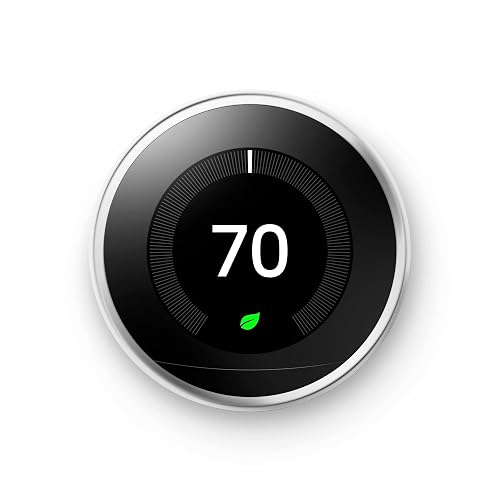
Google Nest Learning Thermostat Polished Steel
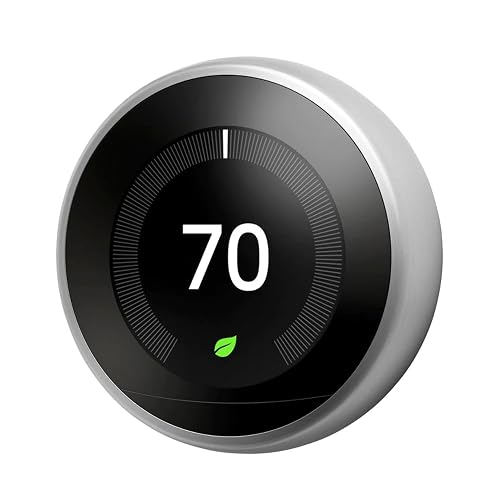
Nest T3007ES Learning Thermostat with Smart Plug 2-Pack
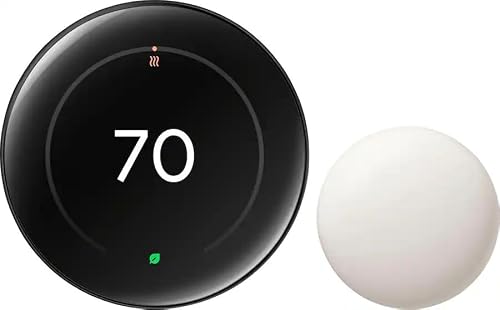
Google Nest Learning Thermostat 4th Gen with Sensor (Obsidian)
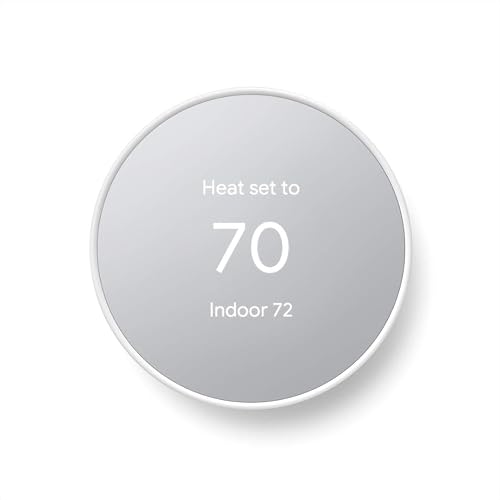
Google Nest Thermostat Snow (Standalone)
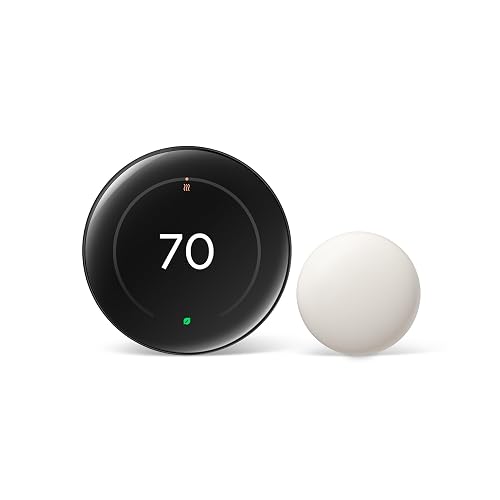
Google Nest Learning Thermostat 4th Gen with 2nd Gen Sensor
Google Nest Learning Thermostat 4th Gen Renewed (Obsidian)
A Breakdown Of The Leading Choices
For homeowners stepping into the smart-thermostat world for the first time, this Snow-finished Nest keeps the entry experience clean and forgiving. The bundled trim plate covers the gaps left by an older, larger thermostat, and the steel backplate helps when you are mounting over an electrical box where the drywall cutout is too wide.
Setup runs through the Google Home app, where you build a weekly schedule that matches your household rhythm, and the unit quietly drops to a lower setpoint when it senses nobody is home. Compared to the older Learning Thermostat in slot four, this model leans on you to program the schedule rather than learning it on its own, which actually helps newcomers understand how the savings stack up.
The Case For It
- Trim plate conceals old paint lines and oversized cutouts, saving a wall patch job.
- Steel backplate gives a solid mounting surface over electrical boxes, which older homes often need.
- Scheduling inside the Google Home app is approachable, so first-week setup rarely feels overwhelming.
- Snow finish reads as a near-white neutral that pairs with most trim colors.
Honest Caveats
- Does not learn your routine, so heavy schedule tweaks stay manual.
- Some older HVAC systems may need a C-wire adapter for steady Wi-Fi connectivity.
Who It Suits Best
First-time smart-thermostat owners in homes with standard 24V forced-air systems who want a tidy install.
A Better Fit Elsewhere
The Google Nest Learning Thermostat 4th Gen with Sensor (Obsidian) suits you more if you would rather skip manual scheduling and let the unit write its own program over time.
The Fog variant is essentially the same hardware as the Snow model above, finished in a soft, warm gray that disappears into modern interior palettes. If you have put thought into your wall color, this tone tends to read as intentional rather than a tech accessory bolted on.
Functionally you get the same Google Home scheduling, the same auto-away setback (the thermostat lowers heating or cooling when it senses nobody is home), and the same trim plate plus steel backplate bundle. Treat it as a style-first alternative to the Snow pick, not a feature upgrade.
Notable Upsides
- Soft fog finish blends with greige, taupe, and earthy wall colors.
- Same installer-friendly trim plate and steel mounting hardware as the Snow model.
- Schedule and remote control live entirely in the Google Home app, no separate account to juggle.
Worth Noting
- Color is the only differentiator, so do not pay a premium just for the finish.
- Same C-wire caveat applies for homes with aging wiring.
Feature Snapshot
Made For
Style-conscious owners with warm-toned or neutral walls who want the same Nest core without the bright Snow finish.
Look Elsewhere When
Pick the standalone Google Nest Thermostat Snow if you prefer crisp white or want to skip the trim kit to save.
One thermostat reads one room, and that is often the source of the “upstairs is hot, downstairs is freezing” complaint. This three-pack of Nest Temperature Sensors relays readings from each room back to a compatible Nest thermostat, which then prioritizes the space you care about at that hour.
The sensors pair over a low-energy Bluetooth connection and are designed to be placed in priority rooms like a nursery, home office, or a sun-soaked living room. The trade-off is clear: this is an accessory, not a standalone thermostat, so it only earns its keep when paired with a Nest Learning Thermostat or a Nest Thermostat E.
Features That Help
- Three sensors in a single pack covers most open-plan homes or two-story layouts.
- Prioritizes the room you choose per time of day, useful for nurseries or south-facing dens.
- Communicates over low-energy Bluetooth, so battery life tends to stretch across seasons.
Trade Offs
- Useless without a compatible Nest thermostat, so factor that into the total spend.
- Wireless range is best within roughly 50 feet of the thermostat in open sight.
Best Suited To
Owners of a Nest Learning Thermostat who want their bedroom or office to drive the comfort schedule rather than a hallway reading.
Skip It When
The Google Nest Learning Thermostat 4th Gen bundle already includes a sensor, so the standalone pack is redundant if you are buying fresh.
This is the model that put Nest on the map, and the polished steel ring is the version that disappears into high-end kitchens and renovated hallways. The headline feature is the learning engine, which watches your manual adjustments over the first week or two and then writes its own schedule, removing a chore you might otherwise forget.
Home/Away Assist drops the system to an eco setpoint after you leave, and the Energy History view inside the app explains why your bill moved up or down. For households with a steady weekday rhythm, the savings show up quickly because the thermostat stops heating an empty house during predictable windows.
What Pays Off
- Self-learning schedule means you stop fiddling with setpoints after the first weeks.
- HVAC monitoring flags unusual runtime patterns and nudges you to change filters.
- Quick View on the dial reaches energy use and settings without opening the app.
Points To Keep In Mind
- Costs more than the entry-level Nest Thermostat in slot one.
- Learning is only as good as your consistency; chaotic schedules confuse it.
Perfect Match For
Households with a predictable routine who want the thermostat to do the programming after a short onboarding period.
Another Choice May Suit
The Google Nest Learning Thermostat 4th Gen with Sensor (Obsidian) is a smarter fit if you want native temperature sensors and broader HVAC compatibility in one box.
The T3007ES stainless steel Learning Thermostat is the third-generation workhorse that still ships widely, and pairing it with two Wi-Fi smart plugs gives you a small starter kit for the rest of the home. The plugs handle lamps or fans, letting you build a basic routine where the lights and the thermostat respond to the same triggers.
You inherit the same self-learning schedule and Home/Away Assist as the polished steel model above, so the value here is really about convenience, not new functionality. For someone moving into a first apartment, this bundle softens the cost of adding multiple smart devices at once.
Real-World Strengths
- Stainless steel ring is a forgiving finish that hides smudges better than mirror polish.
- Bundled smart plugs cover lamps or fans in the same Google Home app.
- Self-learning schedule means less manual tuning once the first week passes.
Practical Considerations
- Stainless finish reads warmer than the polished steel, so check samples before committing.
- Older homes without a C-wire may need an adapter for stable Wi-Fi.
Spec Overview
Who Should Grab It
First-time smart-home owners setting up climate control and a couple of lamps in a single weekend.
Reach For A Different Pick When
You do not need the plugs, in which case the standalone Google Nest Learning Thermostat Polished Steel is a cleaner spend.
The 4th generation represents the current flagship, and this particular listing ships in non-retail packaging, which usually means a tighter spend for the same hardware. It pairs the learning thermostat with a Nest Temperature Sensor, so day one you have multi-room balancing without buying a separate accessory pack.
Compatibility is the quiet headline: this generation works with most 24V systems including gas, electric, oil, forced air, heat pump, and radiant, and no C-wire is required for installation in many homes. The Obsidian finish reads as a soft matte black that disappears against dark walls or stands out as a deliberate accent.
Positive Takeaways
- Broader HVAC compatibility reduces the chance your system is excluded.
- Included temperature sensor lets a priority room steer the schedule from day one.
- No C-wire needed in many installs, which simplifies older homes.
- Adaptive Eco logic refines energy savings as the unit learns your routine.
Honest Caveats
- Non-retail packaging means minimalist boxing, which can matter for gift purchases.
- Obsidian finish shows dust on lighter walls more than the Snow or Fog models.
Built With In Mind
Owners upgrading from a first-gen Nest or any older thermostat who want the widest HVAC fit plus a sensor in one box.
Where A Sibling Pick Shines
The Google Nest Learning Thermostat 4th Gen with 2nd Gen Sensor bundle is a stronger pick if you care more about the latest sensor revision than packaging quirks.
This is the simplest path into the Nest ecosystem: a single Snow-finish thermostat with no bundled trim plate, aimed at homeowners replacing a similarly sized unit on a clean wall opening. For a single-zone swap, the savings over the trim-kit version in slot one are usually worth it.
You still get the Google Home app, the auto-away setback, and ENERGY STAR efficiency. The trade-off shows up only when your old thermostat left a larger hole, in which case you will need to buy a trim plate separately or patch the wall before mounting.
Well-Handled Touches
- Lower price point for the same core Nest scheduling features.
- Self-install friendly on walls without paint gaps to hide.
- Snow finish suits white or pale trim without clashing.
Softer Spots
- No trim plate included, so larger openings need a separate plate or patching.
- Same learning gap as the other non-Learning Nest models, meaning you write the schedule yourself.
Right Fit For
Owners in newer homes or apartments where the existing thermostat cutout already matches the new footprint.
Swap It Out When
Your old thermostat left a large paint ring or hole, in which case the Google Nest Thermostat Snow with Trim Kit saves a wall repair.
Pairing the 4th generation Learning Thermostat with the 2nd generation Temperature Sensor is the configuration Google positions as its most refined setup. The 2nd gen sensor improves on older revisions with better wireless efficiency and a slimmer profile that sits more discreetly on a shelf.
Adaptive Eco is where this bundle earns its keep, automatically fine-tuning the eco setpoint based on the room reading rather than a fixed temperature. For two-story homes or spaces with a sunroom that always runs hot, that nuance is the difference between a thermostat you ignore and one that genuinely changes comfort.
Reasons It Performs
- Adaptive Eco adjusts the away setpoint using the room sensor, not a fixed assumption.
- 2nd gen sensor profile is smaller and easier to place on a bookshelf.
- Full 4th gen HVAC compatibility covers most 24V heating and cooling systems.
Small Caveats
- One sensor only; larger homes may still want the three-pack from slot three.
- Premium hardware commands a premium spend over the entry-level Nest.
Feature Card
Whose Shelf It Belongs On
Two-story homes or households with a stubborn room that never matches the hallway temperature.
Not Your Match When
The Google Nest Temperature Sensor 3-Pack is a better fit if your priority is covering more rooms with separate readings rather than one well-placed refined sensor.
This Renewed listing delivers the 4th generation Learning Thermostat paired with the 2nd gen Temperature Sensor at a friendlier price than a brand-new bundle. Renewed units are inspected and cleaned, and they run the same software as a fresh unit, so you do not lose any of the Adaptive Eco or HVAC compatibility advantages.
For shoppers who would rather redirect savings toward a smart plug or a new lock, the Renewed path keeps the flagship experience on the wall. The honest read is that cosmetic perfection is not guaranteed, so peek at the seller’s condition notes before checking out.
What Stands Out
- Full 4th gen feature set, including Adaptive Eco and broad HVAC compatibility.
- Includes the 2nd gen sensor for priority-room balancing.
- Lower spend than a brand-new equivalent bundle.
A Few Limitations
- Renewed condition may include light cosmetic marks; check the listing notes.
- Original retail packaging is not included.
The Right Fit
Value-focused upgraders who want flagship Nest behavior without the top-tier spend and who are comfortable with a Renewed condition note.
Where A Sibling Pick Shines
Pick the brand-new Google Nest Learning Thermostat 4th Gen with Sensor (Obsidian) if pristine packaging and untouched cosmetics matter more than the savings.
What To Weigh Before Picking A Nest Thermostat
Start with your HVAC system. Most Nest thermostats work with 24V low-voltage systems, which covers the majority of forced-air, heat pump, and radiant setups, but high-voltage baseboard heaters and some proprietary systems need a different path. Knowing the wire count at the wall saves a return trip later.
Next, decide whether you want the thermostat to learn your routine or to follow a schedule you build. The Learning Thermostat models in slots four, five, six, eight, and nine pay you back with automation once your week becomes predictable, while the standard Nest Thermostats in slots one, two, and seven keep you in charge of the schedule but cost less.
Finally, think about rooms that always feel different from the hallway. A single thermostat reads one spot, and a Temperature Sensor turns that hallway reading into the room you actually spend time in. Homes with two stories, finished basements, or a sun-baked addition benefit most from a sensor or two.
Key Considerations Across These Picks
Where Shoppers Go Wrong
The most common slip is assuming every wall opening will accept every Nest model. A wider opening from an older mercury thermostat needs a trim plate or a wall patch before the new unit sits flush, and skipping that step leaves an ugly gap.
Another trap is forgetting the C-wire, sometimes called the common wire, which delivers continuous power to the thermostat. Homes without one may see Wi-Fi drops or a screen that sleeps at random, and the fix is either a C-wire adapter or picking a model that explicitly states it does not need one.
Where The Extra Money Goes
The price jump from the standard Nest Thermostat to the Learning Thermostat pays for the self-programming engine and HVAC monitoring. For predictable households, that engine earns back its share in lower bills within a season or two, because it stops heating and cooling an empty home without you having to remember to change the schedule.
The 4th generation steps further with broader HVAC compatibility, Adaptive Eco, and an updated sensor. The upgrade is worth it when your system sits at the edge of compatibility, when you want the latest sensor revision, or when a finished basement or addition makes room-specific readings important to your daily comfort.
Frequently Asked Questions
Do Nest Thermostats work without Wi-Fi?
Yes, the thermostat still controls your heating and cooling from the wall, but you lose remote app control, schedule syncing, and energy history until Wi-Fi returns.
Will a Nest Thermostat fit where my old one was?
In most cases, yes, though older thermostats sometimes leave a larger paint outline. A trim plate covers the gap, and a Nest Trim Kit includes one for that reason.
Can I install a Nest Thermostat myself?
Many homeowners do, especially with the 4th gen models that often skip the C-wire. If you are not comfortable with the wiring, an electrician or HVAC tech can finish the job quickly.
Do Temperature Sensors work with every Nest model?
No, sensors pair with the Nest Learning Thermostat and the Nest Thermostat E. The standard Google Nest Thermostat in slots one, two, and seven does not currently support them.
How long does installation usually take?
For most homeowners, the swap runs from twenty minutes to an hour, with the app walking you through wiring labels and setup steps as you go.
Wrap Up
A well-chosen Google Nest thermostat quietly handles one of the most expensive systems in your home, trimming waste while keeping the rooms you actually use at the temperature you want. Match the model to your HVAC type, your appetite for scheduling, and the rooms that drive your comfort, and the rest of the decision takes care of itself.