

Heating and cooling decisions shape how comfortable a home feels hour to hour, and the thermostat running the show matters more than most people expect. The right control trims energy waste, keeps bedrooms steady through the night, and stops arguments over the hallway thermostat. This shortlist covers nine options that span budget basics, programmable workhorses, learning thermostats, and one water-heater control that earns its place. You will find a mix of DIY-friendly wall units, app-connected smart thermostats, and commercial-grade panels. Whether you are replacing a dead unit, upgrading to a smarter system, or solving a hot-cold room problem, the breakdown below is designed to help you match the right thermostat to the right situation.
How The Shortlist Stacks Up
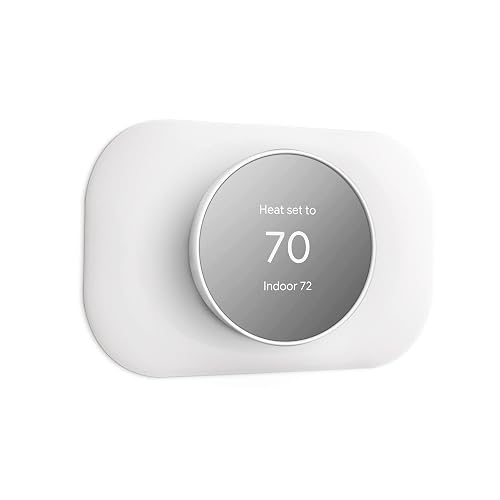
Petrichor Nest Thermostat Wall Plate (Snow)
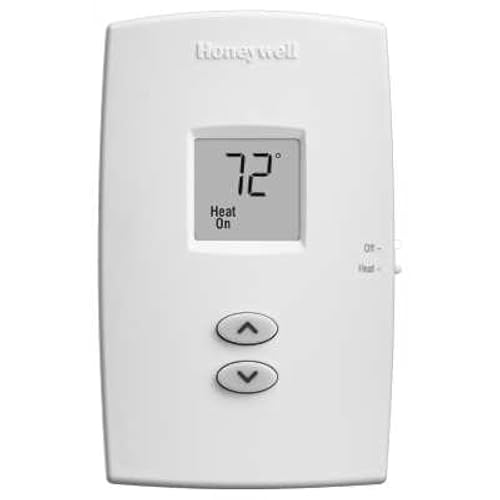
Honeywell TH1100DV1000 Pro 1000 Vertical Thermostat
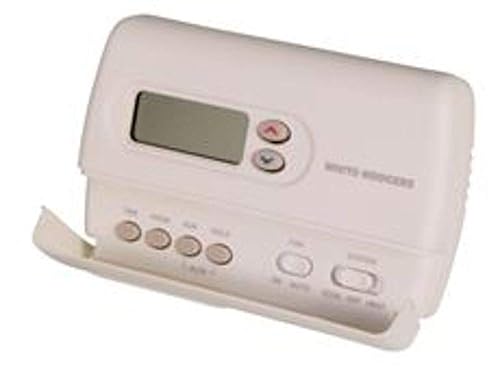
White-Rodgers 1F80-361 Emerson 80 Series Thermostat
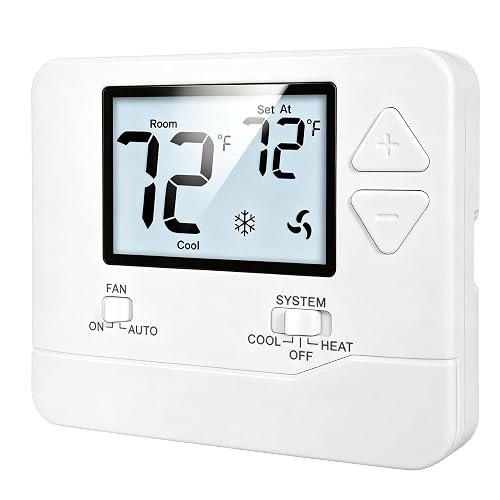
Heagstat 1 Heat/1 Cool Non-Programmable Thermostat
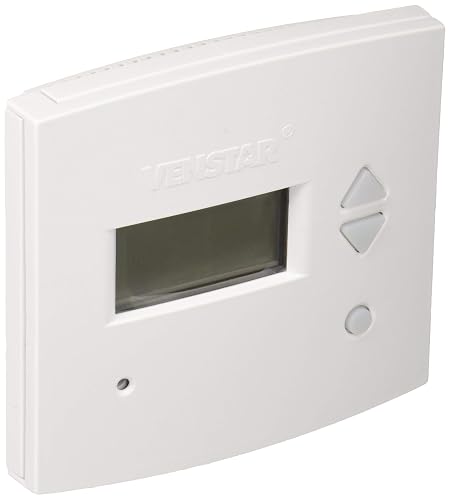
Venstar T2800 Commercial Platinum Slimline Thermostat
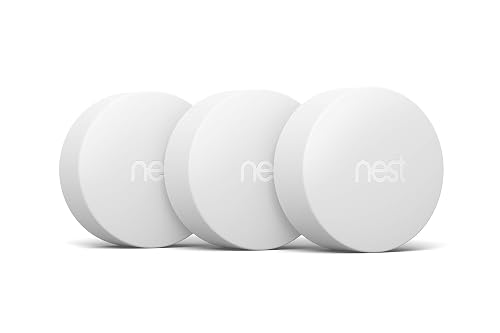
Google Nest Temperature Sensor 3-Pack

Zero KST203 Water Heater Upper Thermostat (Black)
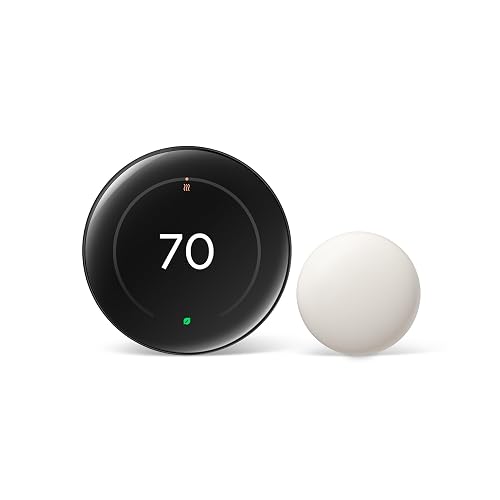
Google Nest Learning Thermostat 4th Gen + Sensor (Obsidian)
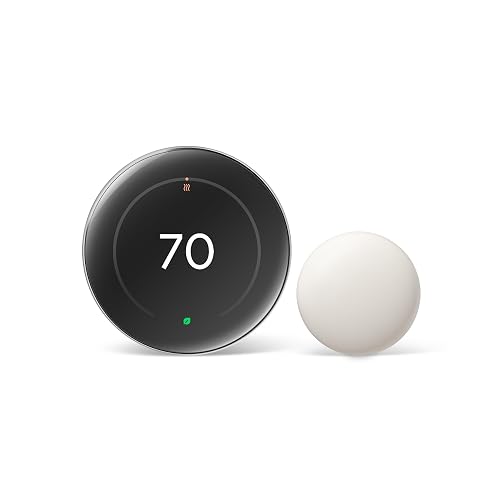
Google Nest Learning Thermostat 4th Gen + Sensor (Silver)
The Details Behind The Selections
Upgrading a thermostat usually leaves a scar on the wall, especially when the new base is smaller than the old one. The Petrichor Nest Thermostat Wall Plate solves that by giving the 2020 Nest Thermostat a clean, oversized canvas to mount on, hiding the holes, paint chips, and unpainted zones that older mercury switches leave behind.
Built specifically for the 2020 Nest Thermostat (models GA01334-US, GA02082-US, GA02081-US, and GA02083-US), the plate sits flush against drywall and adds a quiet, uniform frame that blends with most interior palettes. The Snow finish is one of several colorways, and the fingerprint-resistant surface holds up to years of incidental touching from kids, pets, and curious guests.
Strong Points
- Covers old mounting holes, old paint rings, and visible drywall patches in one install.
- Engineered for the 2020 Nest Thermostat footprint, so alignment with the Nest base stays exact.
- Snow finish resists smudges and matches light neutral walls common in modern builds.
- Removes the need to spackle, sand, and repaint after a thermostat swap.
Trade Offs
- Only fits the 2020 Nest Thermostat; earlier Nest versions will not align properly.
- Color matching is limited to the listed Petrichor finishes, so unusual wall colors may still show a faint border.
Feature Snapshot
Who It Suits Best
Anyone replacing a bulky old thermostat with a 2020 Nest Thermostat and hoping to avoid a weekend of drywall patching.
Where Another Pick Suits Better
Homeowners with a system that needs full control logic should look at the Google Nest Learning Thermostat (4th gen) + Sensor (Obsidian) instead.
The Honeywell TH1100DV1000 Pro 1000 is a heat-only vertical thermostat built for one job: turning a furnace up or down without ceremony. A slide switch on the side and a familiar dial on the front make it approachable for households that prefer physical controls over app screens.
At 4 11/16 inches tall by 2 7/8 inches wide and 1 1/8 inches deep, the unit takes up a slim vertical column on the wall, which works well in narrow hallways or boiler rooms. The premier white finish has been a Honeywell staple for years, and the simplicity means there is almost no learning curve, no firmware updates, and no Wi-Fi pairing step to worry about.
Notable Gains
- Slide switch and dial layout require no menu navigation or app setup.
- Vertical housing fits tight wall spaces where wide thermostats would crowd the trim.
- Premier white finish blends with most builder-grade paint colors.
Points To Note
- Heat-only design means homeowners with central air will need a different control for cooling.
- Single-stage operation is too basic for multi-speed HVAC equipment.
Right Fit For
Older homes and rental units running a single-stage furnace, where simple mechanical reliability matters more than smart features.
Skip It When
Households with central air should reach for the Heagstat 1 Heat/1 Cool Non-Programmable Thermostat instead, since it handles both heating and cooling.
The Emerson 1F80-361 sits in a comfortable middle ground between bare-bones dials and full smart thermostats. It is a single-stage programmable unit, which means you can set a schedule for weekdays and weekends without an internet connection or an app on your phone.
White-Rodgers supports 5+1+1 programming with up to four periods per day, giving you a morning, daytime, evening, and night setpoint for weekdays and a separate pair for Saturday and Sunday. Compatibility spans 24V and millivolt systems, so the unit works with most gas, oil, and electric setups found in older American homes.
Why It Works Well
- 5+1+1 scheduling with four daily periods covers most family routines.
- Works with 24V and millivolt systems, including many legacy furnaces.
- Manual operation is documented in the listing, useful when the screen goes dark after a power blip.
- Contractor-grade packaging hints at the durability contractors expect on the truck.
Worth Noting
- Single-stage design skips multi-stage and heat pump compatibility, so complex systems will need a different model.
- The interface uses small buttons that some users find fiddly when first setting the schedule.
Best Suited To
Homeowners with a straightforward gas, oil, or electric system who want real energy savings from a schedule, but do not want to deal with Wi-Fi setup.
Another Choice May Suit
Anyone running a heat pump system will find the Venstar T2800 Commercial Platinum Slimline Thermostat a more capable match.
For a lot of households, the smartest move is also the simplest one. The Heagstat 1 Heat/1 Cool is a non-programmable thermostat built for 24VAC conventional single-stage forced-air systems, which is the most common setup in suburban tract homes and older rental properties.
The white backlight makes nighttime adjustments easier, and the control layout sticks to up and down arrows plus a mode button. Compared with the earlier Honeywell Pro 1000, this Heagstat adds cooling control, so the same wall unit can run the furnace in winter and the air conditioner in summer. The catch is wiring: 6 to 8 wire systems are not supported, so homes with high-end communicating equipment should look elsewhere.
Positive Takeaways
- Backlit white display stays readable in dim hallways and basements.
- Handles both heating and cooling on a single conventional system.
- No scheduling or app setup, which keeps installation quick for a handyman or renter.
Small Caveats
- Wiring limit of 2 to 5 wires excludes some modern systems that need more conductors.
- Not designed for heat pump setups, multi-stage furnaces, or systems requiring a C-wire common.
Who Will Love This
Landlords, first-time homeowners, and anyone replacing a basic thermostat on a conventional single-stage system without smart home ambitions.
Not Your Match When
Households wanting room-by-room temperature control should consider the Google Nest Temperature Sensor 3-Pack to pair with a Nest thermostat.
The Venstar T2800 is a commercial-grade thermostat that travels well between a small office suite, a daycare center, and a garage workshop. It supports 3 heat and 2 cool stages, with three configurable outputs that contractors can wire to match the equipment in the mechanical room.
Compared with the consumer-oriented picks earlier on the list, this Venstar adds heat pump compatibility, a 7-day programmable schedule, and a smart fan mode for better air circulation between heating and cooling calls. The large backlit display and color-coded keys are easy to read across a room, and the LED indicator changes from green to red to show the active mode at a glance.
Well-Handled Touches
- 3 heat / 2 cool staging covers complex rooftop units and split systems common in light commercial spaces.
- Heat pump compatibility opens the door to ducted heat pump retrofits.
- Filter and UV service reminders help with routine maintenance scheduling.
- Non-volatile memory retains the schedule through power outages without a battery.
Trade Offs
- Commercial feature set adds setup steps that homeowners may not need.
- No native app control; smart features require Venstar’s separate Wi-Fi module.
Feature Snapshot
Made For
Small business owners and homeowners with multi-stage or heat pump systems who want commercial-grade reliability without a full building management system.
Look Elsewhere When
Anyone wanting app-based remote control out of the box will be happier with the Google Nest Learning Thermostat (4th gen) + Sensor (Silver).
A single thermostat on the wall can only see the temperature in the hallway, which is why some homes end up with hot bedrooms and a chilly living room. The Google Nest Temperature Sensor 3-Pack adds three wireless room sensors that tell a compatible Nest thermostat what the temperature actually is in the nursery, the bonus room, or the basement office.
Sensors communicate with compatible Nest thermostats up to 50 feet away, which covers most single-story homes and a good number of two-story layouts. The pack works with the Nest Learning Thermostat and the Nest Thermostat E, and the sensors run on common coin-cell batteries that last through years of typical use without intervention.
Practical Advantages
- Three sensors let you prioritize different rooms at different times of day from the app.
- 50-foot wireless range handles most home layouts without repeaters or extra hardware.
- Compact design fits unobtrusively on a bookshelf, dresser, or nursery shelf.
Things To Consider
- Only works with compatible Nest thermostats, so you need an existing Nest on the wall to get value from the pack.
- Sensor placement affects accuracy; positioning near lamps, vents, or drafty windows can skew readings.
Who Should Grab It
Nest households dealing with stubborn hot or cold rooms, especially families with a nursery or a home office far from the main thermostat.
Swap It Out When
People who do not yet own a Nest should skip this and start with the Google Nest Learning Thermostat (4th gen) + Sensor (Obsidian), which bundles the base unit with a sensor.
The Zero KST203 is a different kind of thermostat entirely. It is a replacement upper thermostat for a dual-element electric water heater, the kind of part you reach for when showers go lukewarm halfway through and the lower element checks out fine. The Double Throw (SPDT) design operates at 120 to 480 VAC, which matches the wiring on most residential electric tanks.
An adjustable temperature range helps target a specific setpoint, and the built-in high-limit safety switch cuts power if the tank overheats. UL certification covers the safety claims that matter for a part that lives in close quarters with 240-volt wiring.
Standout Benefits
- Double Throw (SPDT) design works with dual-element tanks found in most US electric water heaters.
- 120 to 480 VAC range covers standard residential and light commercial water heater voltages.
- UL certification backs the part’s safety claims for use around high-voltage circuits.
Potential Drawbacks
- This is a repair part, not a wall thermostat, and does not control home heating or cooling systems.
- Installation requires basic comfort with 240V wiring and a shut-off at the breaker panel.
Whose Shelf It Belongs On
DIY homeowners and maintenance pros who keep spare parts on hand for electric water heater service calls.
Reach For A Different Pick When
Anyone shopping for a room thermostat should look at the White-Rodgers 1F80-361 Emerson 80 Series Thermostat instead, which handles single-stage heating and cooling.
The 4th generation Nest Learning Thermostat is Google’s most advanced take on home climate control, and the Obsidian colorway gives it a dark, gallery-ready presence on the wall. The unit learns the temperatures you prefer, when you prefer them, and starts adapting the schedule within the first week of use.
Bundled with a 2nd generation Nest Temperature Sensor, the package targets a common household complaint: rooms that run a few degrees off from the hallway where the thermostat lives. The sensor feeds room-specific readings to the thermostat, which then runs heating and cooling to keep the chosen space at the chosen temperature.
What Makes Sense
- Learning algorithms reduce the need to fiddle with a manual schedule after the first few weeks.
- Included 2nd gen sensor helps balance comfort in the room that matters most.
- Obsidian finish coordinates with dark accent walls and modern interior palettes.
Worth Bearing In Mind
- Best results require some commitment to leaving the auto-schedule alone long enough for the unit to learn.
- Premium pricing means the upgrade only pays off in homes with HVAC equipment that actually cycles on and off often.
Feature Snapshot
Perfect Match For
Tech-forward households already living in the Google Home ecosystem and looking for a thermostat that quietly tunes itself over time.
Consider Something Else When
Households that prefer local-only controls without app or cloud features should consider the Venstar T2800 Commercial Platinum Slimline Thermostat.
The Silver edition of the same 4th generation Nest Learning Thermostat brings the same learning logic and included 2nd gen sensor in a lighter finish that suits traditional paint colors and white trim. Compared with the Obsidian version reviewed above, the Silver body reflects more ambient light and tends to disappear against pale walls.
Heating and cooling equipment stays the priority: the Nest helps run the system smoothly by tracking how long it takes to reach setpoint and adjusting early start times during cold mornings. For most households, the result is comfort without manual override nudging in the middle of the day.
Real-World Strengths
- Silver finish blends with classic white, beige, and light gray walls in most American homes.
- Learning schedule cuts down on manual override nudging once it has a week of data.
- Sensor pairing helps rooms that historically run hot or cold compared to the hallway.
Honest Caveats
- Full benefits depend on a stable Wi-Fi connection and a Google account for the app.
- Older HVAC systems without a common wire may need a power adapter or a professional wire pull.
Feature Snapshot
Built With In Mind
Homeowners upgrading from a basic programmable thermostat who want learning logic and a sensor in one box, with a finish that suits light walls.
A Better Fit Elsewhere
Anyone with a complex multi-stage system or a commercial space may prefer the Venstar T2800 Commercial Platinum Slimline Thermostat for its staging control.
What To Weigh Before Choosing a Heating and Cooling Thermostat
Match The Thermostat To The System, Not The Other Way Around
Before falling in love with a learning thermostat, confirm the wiring and equipment type in the mechanical room. Conventional 24VAC single-stage systems play nicely with most basic thermostats, while heat pumps, multi-stage furnaces, and communicating equipment need thermostats that explicitly list that compatibility. The Heagstat, Honeywell, and Emerson picks target the common 24VAC crowd, while the Venstar handles multi-stage commercial work, and the Nest thermostats need to confirm compatibility with high-voltage or proprietary systems before installation.
Decide How Much Scheduling Logic You Actually Need
A non-programmable thermostat is honest about what it does: it holds a temperature until you change it. A programmable unit like the White-Rodgers 1F80-361 adds a 5+1+1 schedule that handles weekdays plus Saturday and Sunday. A learning thermostat like the Nest 4th gen goes further and starts predicting your preferences. Pick the level of automation that fits the household; paying for a learning thermostat in a home where someone always adjusts the temperature manually leaves the feature on the table.
Think About Where The Thermostat Actually Lives
A thermostat in the hallway is not a thermostat in the bedroom. Single-sensor units assume the wall they are mounted on represents the whole home, which works fine in open floor plans and falls apart in two-story layouts or bonus rooms over a garage. Room sensors, like the Google Nest Temperature Sensor 3-Pack and the sensor bundled with the 4th gen Nest, feed additional readings back to the base unit and help it prioritize the room that matters at a given time of day.
Factor In Wiring, Wi-Fi, And Long-Term Service
Wi-Fi thermostats pull software updates, sometimes for years after purchase, and they assume a stable home network. Battery-powered or non-connected thermostats need almost no upkeep but cannot push remote alerts. Replacement parts like the Zero KST203 water heater thermostat sit in a different category altogether, since they are service components for a specific appliance rather than controls for the home HVAC system.
Key Considerations Across These Picks
Common Shopping Slip Ups
The biggest mistake in this category is buying a thermostat based on screen size or finish without checking system compatibility first. A 4th gen Nest installed on a heat pump without the right wiring or adapter can short-cycle the equipment or refuse to power on at all. Another common slip is ignoring the C-wire (the common wire that delivers continuous 24VAC power to the thermostat), which many Wi-Fi models need. Peek behind the existing wall plate, count the wires, and confirm the HVAC system type before clicking the buy button.
When Paying More Pays Off
Spending up makes sense when the home actually has a variable routine that a learning thermostat can model, or when a stubborn room swing makes a remote sensor worth every dollar. The Google Nest Learning Thermostat 4th gen earns its price in homes where the family is out during the day, home in the evening, and asleep on a different schedule on weekends. In a quiet guest room that holds one temperature year-round, the same money goes further on a reliable non-connected thermostat and a smart vent or two.
Frequently Asked Questions
What Is The Difference Between A Programmable And A Learning Thermostat?
A programmable thermostat runs a schedule you set yourself, while a learning thermostat watches your manual adjustments and starts predicting what temperature you want at different times of day. Programmable units cost less and behave more predictably, while learning units take a few weeks to settle in.
Do I Need A C-Wire To Install A Smart Thermostat?
Many Wi-Fi and learning thermostats need a C-wire, which is the common wire that supplies continuous 24VAC power from the HVAC system. Homes without a C-wire can sometimes use a power adapter that plugs into a nearby outlet, but a professional wire pull is the cleaner long-term fix.
Can One Thermostat Control Multiple Rooms?
A single thermostat on the wall only reads its own location, but room sensors can report temperatures from other spaces back to the base unit. The Google Nest Temperature Sensor 3-Pack and the sensors bundled with the 4th gen Nest both add that room-by-room flexibility.
Are Commercial Thermostats Worth Using At Home?
Commercial thermostats like the Venstar T2800 support more heating and cooling stages, which matters for complex equipment. For a typical single-stage residential system, the extra features go unused and the steeper setup gets in the way.
How Often Should A Home Thermostat Be Replaced?
Most thermostats last 10 years or more before the internal temperature sensor drifts or the display fades. Many homeowners replace thermostats sooner to take advantage of better scheduling, app control, and room sensors that older models simply do not support.
Closing Remarks
A thermostat is a small box on a wall that quietly shapes how every room in the house feels, so it pays to match the right one to the right system and the right routine. The picks above cover the full range, from a heat-only Honeywell that does one job well to a learning Nest that adapts over time. Pick the one that fits the home you actually live in, not the home a marketing page describes, and you will be more comfortable for it.