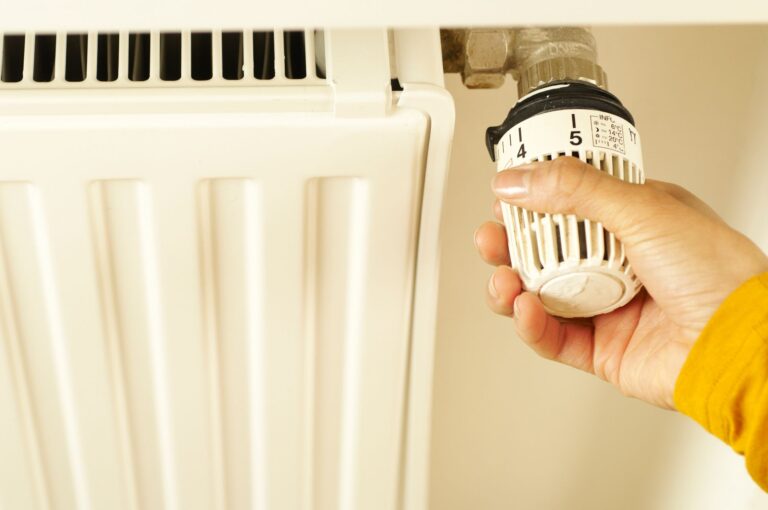

A thermostat swap sounds simple until you start reading spec sheets and realize the differences between “non-programmable” and “programmable” matter far less than the voltage, system type, and whether your home even has a common wire. Round Honeywell thermostats have earned their reputation for one reason: they do the job quietly, and the brand keeps a deep catalog so almost any forced-air, electric-heat, or heat-pump setup finds a match. This lineup pulls together the Honeywell (and one close sibling) options most homeowners and light-trade installers actually search for, with notes on compatibility and real-world use so you can stop second-guessing and choose confidently.
The Lineup, Simplified
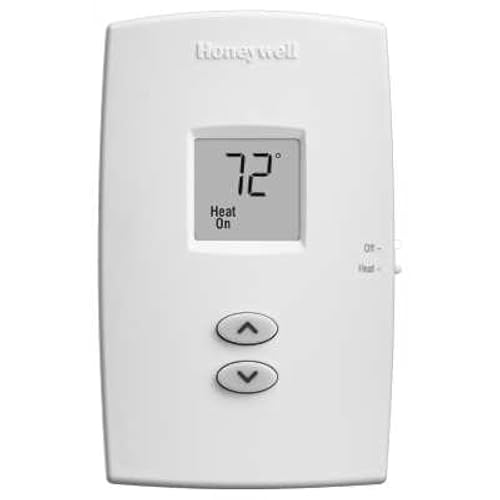
Honeywell TH1100DV1000 PRO 1000 Vertical Thermostat
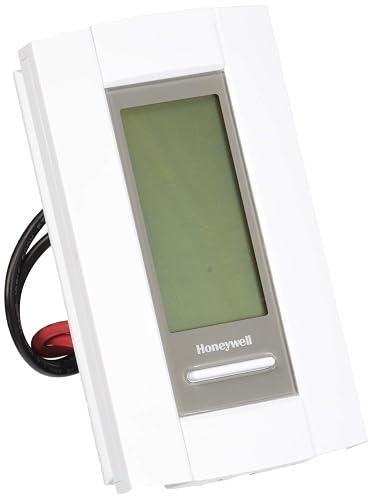
Honeywell TL8230A1003 Electric Heat Programmable Thermostat
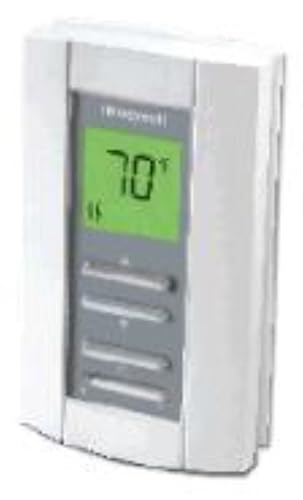
Honeywell TL7235A1003 Line Volt Pro Digital Thermostat 240V
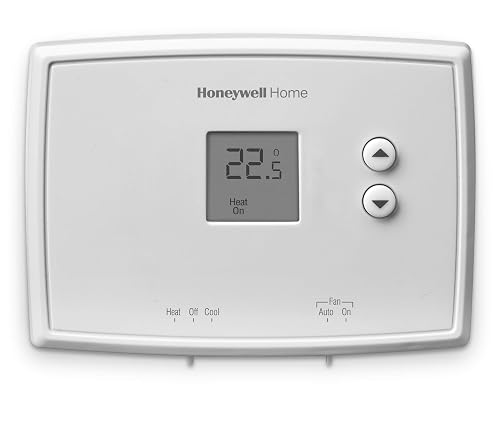
Honeywell Home RTH111B Digital Thermostat

Honeywell Home X2P Programmable Thermostat
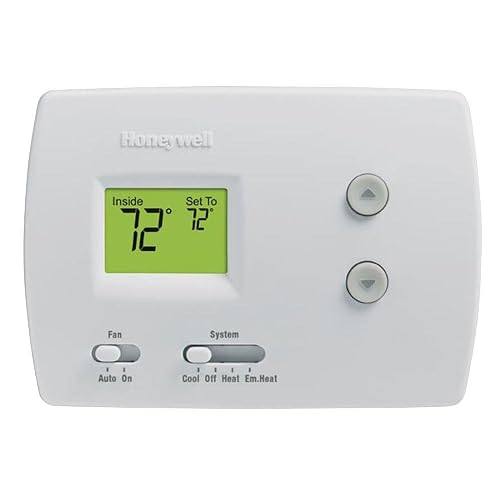
Honeywell RTH3100C1002/E1 Heat/Cool Pump Thermostat

Honeywell TH3210D1004 Pro 3000 Digital Thermostat
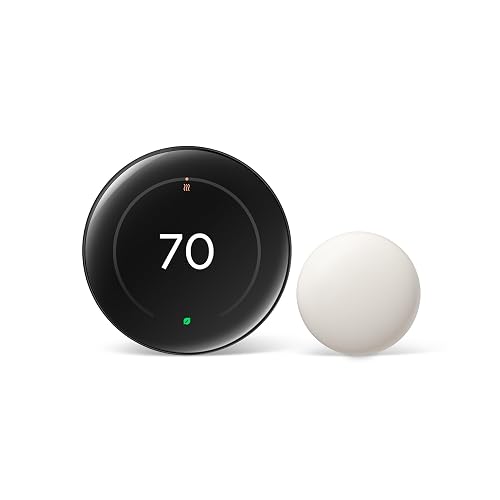
Google Nest Learning Thermostat 4th Gen (Obsidian)
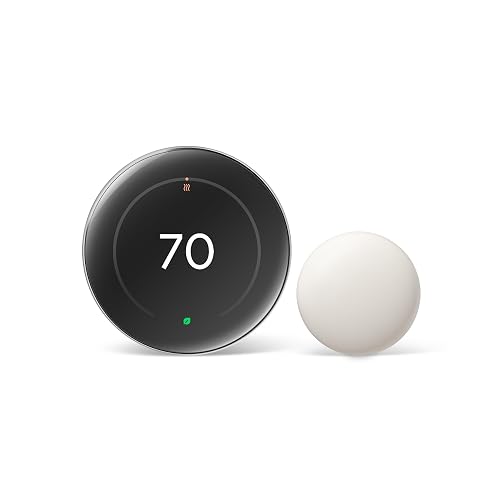
Google Nest Learning Thermostat 4th Gen (Silver)
A Deeper Look At The Lineup
The PRO 1000 is one of those workhorse thermostats that turns up in rental properties, basement workshops, and older homes where the system does one thing: make heat. At roughly 4-11/16 inches tall by 2-7/8 inches wide, its vertical body slips into tight gang-box openings, and the premier white finish blends into most wall paint without drawing attention.
It is a non-programmable single-stage heat-only unit, so the interface stays simple enough that anyone walking in can adjust the temperature without reading a manual. You may find the lack of cooling support limiting if your home uses the same wall location for a furnace in winter and a window unit in summer.
Strong Points
- No programming needed, ideal for short-term renters and guest spaces
- Compact vertical footprint fits older shallow wall openings
- Predictable, mechanical-style feedback that holds settings through brief power interruptions
- Premier white housing reads as neutral on most interior walls
Things To Consider
- Heat-only design means it cannot drive a central cooling system
- Lacks a common-wire requirement, which simplifies install but rules out some accessory integrations
- Older owners may prefer a clearer digital display over the analog-style readout
Whose Shelf It Belongs On
Property managers and homeowners running a straightforward single-stage furnace in a small residence.
Skip It When
The Honeywell Home X2P Programmable Thermostat is a smarter choice when you want scheduling and single-stage cooling on the same wall plate.
Line-voltage thermostats get less attention than low-voltage models, but the TL8230A1003 earns its spot for homes heated by 208/240V electric baseboards or fan-forced convectors. Where the PRO 1000 above is built for a furnace signal, this one switches higher voltage directly, so installers must shut off the breaker before touching wires.
The seven-day programming is the headline feature, letting you set different schedules for weekdays and weekends so bedrooms cool down automatically when the household leaves for work. Electronic temperature control narrows the swing between cycles, which can show up as a steadier room temperature and slightly lower energy use across a heating season.
What Pays Off
- Independent weekday and weekend scheduling fits irregular work shifts
- Quiet operation, so the click that often betrays older electric thermostats is largely gone
- Backlit display remains readable in dim hallways and basements
Honest Caveats
- Two-wire high-voltage configuration, so a quick swap from a 24V thermostat will not work
- Programming interface leans on small buttons that can frustrate first-time users
Who It Suits Best
Apartment dwellers and homeowners with electric baseboard heat who want a real schedule without rewiring the wall.
Not Your Match When
The Honeywell TL7235A1003 Line Volt Pro is the better fit if you prefer a non-programmable interface and 240V on-demand backlighting.
The TL7235A1003 takes the same line-voltage family and strips scheduling out of the picture entirely. For homeowners who keep forgetting to override a program, or who set a temperature once per season and walk away, the simpler interface is a real upgrade in daily life.
Two small touches make the experience nicer than older mechanical thermostats in the same category: an on-demand backlight that lights only when you tap the unit, and a small heating indicator that confirms the circuit is drawing power. You may find the on-demand backlight especially welcome in a dark hallway at night, since pressing a button briefly illuminates the display without leaving it glowing.
What Earns Its Place
- 240V compatibility for high-draw electric heat circuits
- On-demand backlight preserves night vision and uses less power
- Heating indicator provides at-a-glance confirmation during cold snaps
- Silent switching, ideal for bedrooms that share walls with baseboards
Small Caveats
- Requires the same high-voltage wiring and breaker precautions as the TL8230A1003
- Lacks a C-wire equivalent, so it cannot support wireless modules
Feature Snapshot
Made For
Owners of high-voltage electric baseboard or convector systems who want a no-schedule thermostat that just works.
Consider Something Else When
The Honeywell TL8230A1003 Electric Heat Programmable Thermostat is a stronger match if weekly scheduling is a priority.
The RTH111B is the digital face of the basic Honeywell thermostat. It is the model you recommend when a friend replaces a 15-year-old digital unit and does not want to relearn anything. The screen shows only what you need, the soft-touch buttons respond without a hard click, and the unit is small enough to leave the original wall paint mostly intact.
It supports a low-voltage call for heat, cool, or both depending on the wiring at the wall, which makes it a strong replacement for aging digital thermostats in condos and townhomes. Owners commonly report that the soft-touch buttons feel nicer than the membrane pads on older units.
What Works In Its Favor
- Minimalist display that only shows current and target temperatures
- Soft-touch button interface that does not require nails or a pen to press
- Lower cost entry into digital Honeywell quality
Points To Keep In Mind
- No scheduling, so you must adjust manually for sleep and away periods
- Not designed for line-voltage or multi-stage systems
Key Specs
Best Suited To
First-time thermostat swappers who want a no-learning-curve digital upgrade over a failing older unit.
A Better Fit Elsewhere
The Honeywell Home X2P Programmable Thermostat is a stronger pick when you actually want day-and-night scheduling without leaving the Honeywell Home family.
The X2P sits in a useful middle ground between the RTH111B above and a full smart thermostat. You can run it as a 5-1-1, 5-2, or 7-day program, or simply ignore the scheduling and use it like a non-programmable unit, which makes it a forgiving choice during the first month while you settle on a routine.
It is built for single-stage 1 heat/1 cool systems, the most common residential configuration in North America. Change-air-filter reminders and color-coordinated trim options make the X2P feel more like a finished home product than a contractor-grade box.
Everyday Wins
- Multiple scheduling formats accommodate mixed work-from-home and office schedules
- Filter reminder helps keep HVAC service intervals from drifting
- White faceplate is easy to swap for design coordination
Less-Strong Areas
- Limited to single-stage systems, so multi-stage equipment will not use its full capability
- No app control, which is the obvious next step up from this tier
Perfect Match For
Single-stage homeowners who want real scheduling but prefer a wall-mounted unit over a phone-driven interface.
Where Another Pick Suits Better
The Honeywell RTH3100C1002/E1 is the right call when your system is a heat pump with auxiliary heat rather than a conventional furnace.
Heat pump thermostats live by their own rules, and the RTH3100C1002/E1 is purpose-built for that role. It manages the heat pump cycle and a separate auxiliary heat strip, so the system can call for the more powerful electric heat when outdoor temperatures drop below the heat pump’s balance point.
The mercury-free design is a meaningful note for older homes still running a vintage Honeywell mercury switch. Swapping to a digital heat pump model like this also unlocks the backlit display and soft-touch interface that older mercury units simply cannot match.
Practical Advantages
- Dedicated support for heat pumps with auxiliary heat strips
- Backlit screen is readable in dim utility rooms and hallways
- Soft-touch buttons resist wear compared to early membrane pads
Worth Noting
- Heat-pump-only compatibility rules out electric baseboard or multi-stage systems
- Does not pair with gas-backup heat pump setups, which need a more advanced thermostat
Feature Card
Built With In Mind
Homeowners with a dedicated heat pump system who want a backlit, mercury-free replacement for an aging thermostat.
Reach For A Different Pick When
The Honeywell TH3210D1004 Pro 3000 is the better fit for conventional 2H/1C systems that do not use a heat pump.
The Pro 3000 series is what installers reach for when a homeowner wants a 2H/1C system handled correctly without paying for features they will never use. The TH3210D1004 supports two stages of heating and one stage of cooling, so homes with a two-stage gas furnace paired with a single-stage condenser get accurate staging instead of an oversimplified call.
The backlit display shows both current and set temperatures simultaneously, which sounds minor but matters when you are walking past in the dark and want to confirm the system is holding temperature. Depending on your ductwork layout, the precision of ±1°F (about ±0.5°C) translates into fewer noticeable temperature swings between cycles.
Reasons It Performs
- Two-stage heating support matches common modern furnace setups
- Simultaneous current and set temperature readout reduces guesswork
- ±1°F electronic accuracy keeps comfort consistent
Trade Offs
- Non-programmable operation requires manual adjustment for sleep and away periods
- No app connectivity, which is a step behind the Honeywell Home X2P
Who Should Grab It
Owners of two-stage conventional HVAC systems who value accurate staging over scheduling.
Look Elsewhere When
The Honeywell Home X2P Programmable Thermostat makes more sense for a single-stage system where weekly scheduling matters.
The Nest Learning Thermostat sits in a different universe from the dedicated Honeywell units above, and including it here is deliberate: if your home already runs a compatible 24V system and you are weighing whether to stay mechanical or jump to learning behavior, the 4th generation is the current reference point.
The included Nest Temperature Sensor (2nd gen) extends monitoring into a second room, which matters in homes where the hallway thermostat reads 70°F but the nursery does not. The Obsidian finish looks at home in modern interiors, and the rotating dial remains the most satisfying physical interface on a smart thermostat.
Noteworthy Benefits
- Learning behavior trims down manual schedule edits over the first weeks of use
- Bundled temperature sensor helps balance comfort in a priority room
- App-based control supports routines, geofencing, and energy reporting
Possible Compromises
- Requires a C-wire (common wire) or a power adapter in many older homes, adding an install step
- App-driven setup can feel slow to anyone used to a simple wall thermostat
Right Fit For
Connected-home owners with a compatible 24V system who want learning behavior and remote control from a phone.
Swap It Out When
The Honeywell Home X2P Programmable Thermostat is the better fit for a single-stage home where scheduling on the wall is enough.
The Silver version of the 4th-generation Nest is functionally identical to the Obsidian pick above. The only difference is the finish, and that difference carries more weight than it sounds. Against light gray walls, white trim, or natural wood paneling, Silver blends in where Obsidian stands out.
Because the hardware and sensor package are the same, every benefit and caveat from the Obsidian review applies here. The honest read is that the choice between the two comes down to how the thermostat will look on the wall.
Features That Help
- Same learning behavior, sensor bundle, and app integration as the Obsidian version
- Silver finish suits neutral, light, or Scandinavian-style interiors
- Compatible with most 24V heating and cooling systems
Where It Is Less Suited
- Same C-wire requirement as the Obsidian version
- Identical software experience, so choose on appearance alone
Whose Shelf It Belongs On
Design-focused homeowners who want a smart thermostat in a finish that complements lighter interior palettes.
Consider Something Else When
The Honeywell Home RTH111B Digital Thermostat makes more sense in a rental or guest space where app-driven controls are not needed.
## What Matters Most Before Choosing honeywells round thermostats ### System Voltage And Wiring Come First The most common mistake is treating a thermostat as a universal swap. Low-voltage thermostats like the PRO 1000, RTH111B, X2P, and Pro 3000 use a 24V control signal, while line-voltage models like the TL8230A1003 and TL7235A1003 switch 120V or 240V directly. If you are not sure which your wall wiring carries, take the existing thermostat off the wall and look at the wire thickness and the breaker label before ordering a replacement. ### Match The Stages, Not The Schedule A thermostat can be programmable and still underperform if it does not support your system. Conventional furnaces often run 1H/1C or 2H/1C, heat pumps require a unit that handles the reversing valve and auxiliary heat, and electric baseboards need a line-voltage design. Buying for the schedule before matching the stages is the most expensive way to lose comfort. ### Programmable Versus Non-Programmable Is About Your Routine Programmable thermostats deliver value only when the schedule gets used. Households with predictable weekday and weekend patterns will see the benefit quickly. Households that adjust the temperature multiple times a day often get more value from a clean non-programmable interface and a stable setpoint. ### Smart Features Earn Their Place In The Right Home A learning thermostat pays for itself in homes where someone actually opens the app. In a guest room, basement, or short-term rental, the network requirements, account setup, and C-wire adaptations are overhead with no payoff. Match the smart tier to the room, not the other way around. ## Key Considerations Across These Picks ### Pitfalls Shoppers Hit The most common trap is assuming any Honeywell will fit any wall. Voltage, stages, and wire count are not interchangeable, and a mismatch at the wall plate is the number-one reason a new thermostat goes back in the box. A second trap is overvaluing schedules: a five-day program only helps when the routine actually matches it, and many homes run better with a simple non-programmable setpoint than with a half-edited weekly plan. ### When Paying More Pays Off Spending more on a thermostat buys tighter temperature control, multi-stage handling, and a smarter interface. The Pro 3000 earns its step up from the RTH111B by supporting two-stage heating. The Nest earns its step up from the X2P by adding learning behavior, app control, and a remote sensor. If your system actually uses those capabilities, the upgrade shows up in comfort within a season; if it does not, the money buys features the wall never calls on. ## Frequently Asked Questions ### Do all Honeywell thermostats work with electric baseboard heat? No. Electric baseboard heaters run on line voltage, so they need a line-voltage thermostat like the TL8230A1003 or TL7235A1003. A 24V model wired into a baseboard circuit can fail immediately. ### What is a C-wire, and do I need one? A C-wire, or common wire, delivers continuous 24V power to a thermostat. Many older homes lack one, and some smart thermostats cannot run reliably without it. Honeywell’s mid-tier non-programmable units generally do not need a C-wire, while learning models like the Nest usually do. ### Can a heat pump thermostat work with a gas furnace? Generally no. Heat pump thermostats like the RTH3100C1002/E1 are built for the reversing valve and auxiliary electric heat that a heat pump uses. A conventional furnace expects different staging, so the wrong thermostat misreads the system and short-cycles the equipment. ### Is a programmable thermostat worth it without a fixed schedule? For most households without a routine, a clean non-programmable model like the TH3210D1004 or RTH111B delivers more daily comfort than a programmable unit that keeps getting overridden. The schedule only saves energy when it is actually used. ### How difficult is a typical thermostat swap? For a like-for-like low-voltage swap with a clear C-wire, most homeowners finish the job in under 30 minutes with a screwdriver and a phone photo of the existing wiring. Line-voltage swaps and any install that adds a C-wire benefit from a qualified electrician. ## Wrap Up The right pick comes down to your system first, your routine second, and your design preferences third. Match voltage and stages to the wall wiring, choose programmable only if the schedule will hold, and reserve the learning tier for rooms where the app will actually get used. With those three checks done, the lineup above gives you a clean answer for almost any single-stage, multi-stage, line-voltage, or heat-pump home.