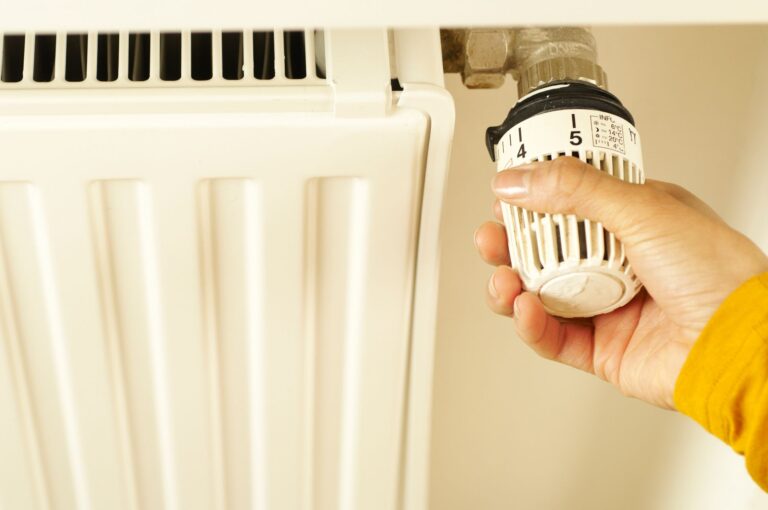

Picking a thermostat sounds simple until you stare at ten nearly identical wall boxes. Most homeowners just want steady comfort, predictable operation, and a screen they can read at a glance without paging through menus. The picks below lean toward non-programmable, single-stage controls because that’s what most 24VAC forced-air systems actually need. If your setup runs a heat pump, line-voltage baseboard, or wall heater, you’ll find a few specialty options in the list as well. Everything here is built around honest trade-offs, plain language, and the kind of details a service tech would actually point out.
The Essentials At A Glance
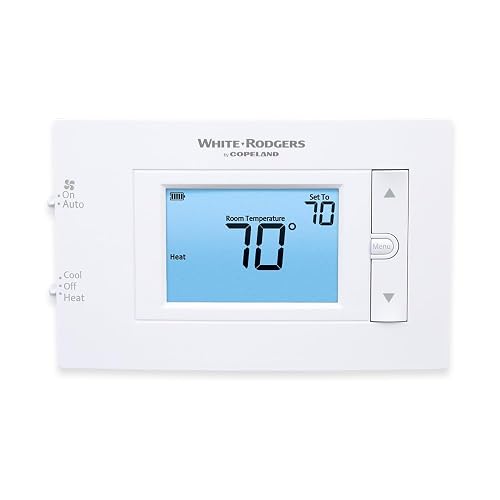
White-Rodgers 80 Series Non-Programmable Thermostat 1F83C-11NP

PRO1 T701 24V Non-Programmable Thermostat 4-Inch Display
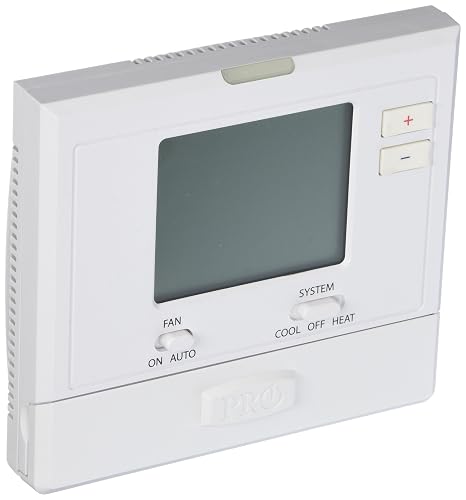
PRO1 IAQ T701 Non-Programmable Electronic Thermostat
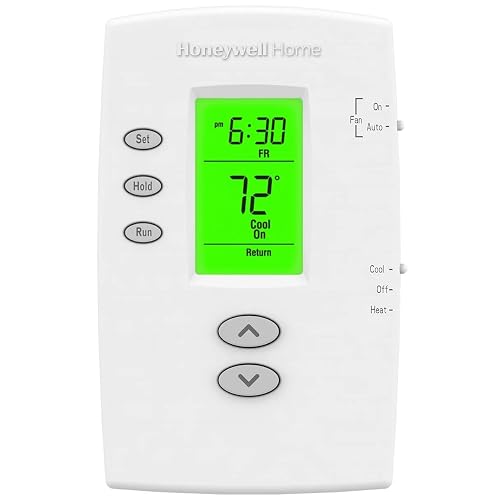
Honeywell TH2110DV1008 PRO 2000 Vertical Programmable Thermostat
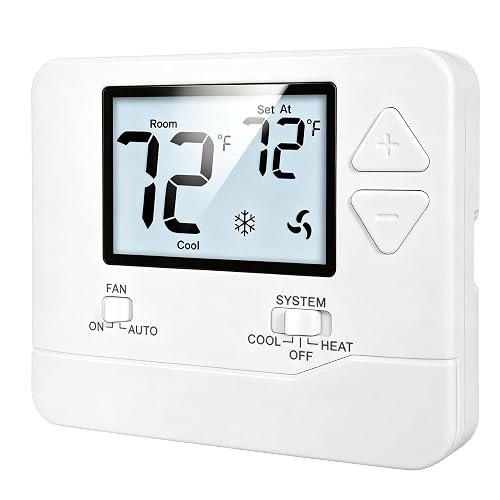
Heagstat Non-Programmable Thermostat 1 Heat/1 Cool White Backlight
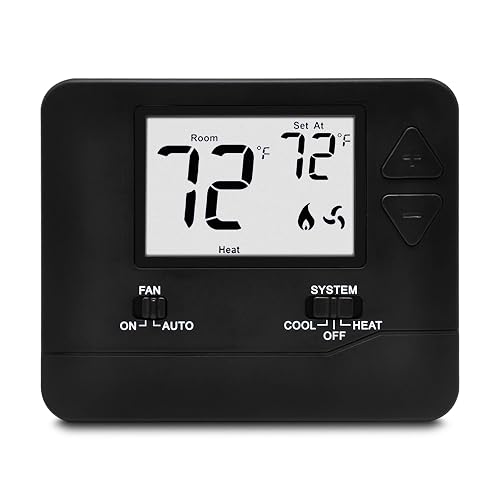
ELECTECK Digital Non-Programmable Thermostat 1 Heat/1 Cool Black
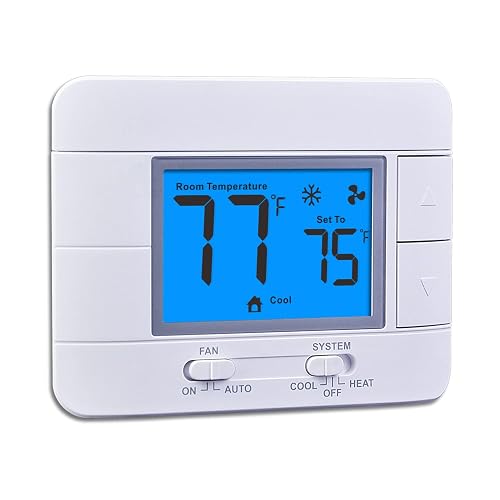
Garystat Digital Non-Programmable Thermostat with Humidity Monitor
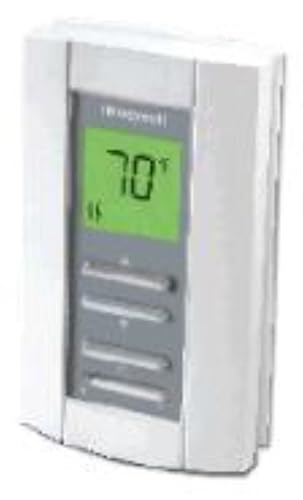
Honeywell TL7235A1003 Line Volt Pro 240V Digital Thermostat
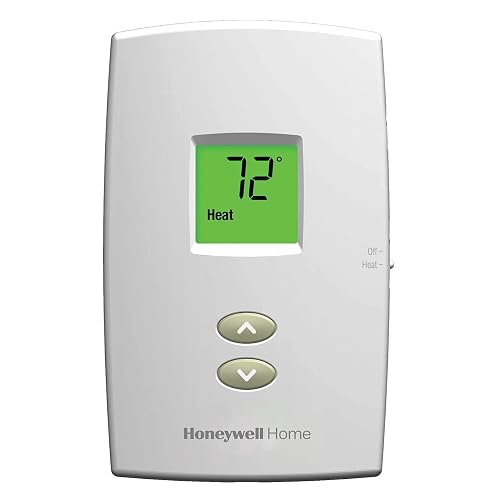
Honeywell TH1100DV1000 Pro-Digital 2-Wire Heat Only Thermostat
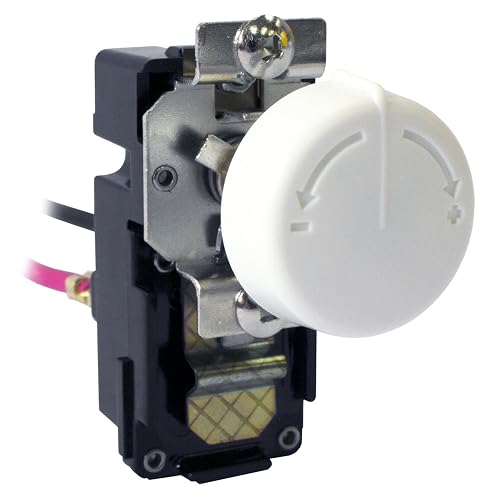
King Electric TKIT-1BW Single-Pole Built-In Thermostat Kit White
A Closer Look At Each Pick
The 1F83C-11NP is the kind of thermostat you can swap in and forget about. It’s a classic 80 Series face, single-stage, non-programmable, and built for the 24VAC systems that fill most US homes. The display is backlit, the menus are minimal, and the wiring labels are easy to follow on a first-time install.
Compared with the PRO1 options below, the White-Rodgers leans a little more residential than pro-grade, which actually suits many homeowners just fine. You won’t get humidity sensing or scheduling, but the trade-off is a wall control that does the basics without any learning curve.
Everyday Perks
- Backlit screen that stays readable in low light, helpful for hallway installs.
- Non-programmable design cuts setup time to roughly the length of a coffee break.
- White-Rodgers’ long HVAC history means parts and documentation are easy to source.
- Single-stage 1H/1C compatibility covers the most common US furnace-and-AC pairings.
Worth Noting
- No humidity display, so you’ll need a separate monitor if moisture is a concern.
- Not a fit for multi-stage systems or 120/240V line-voltage baseboard heat.
- Commonly reported finish shows smudges from frequent touching on glossy bezels.
Feature Snapshot
Who Will Love This
Homeowners with a single-stage forced-air system who want a quick swap and a clean, no-menu wall control.
Skip It When
The Garystat non-programmable thermostat suits you better, since it adds a humidity readout without a big jump in complexity.
PRO1 IAQ designs gear with the install tech in mind, and the T701 shows that off. The 4-inch blue backlit display is genuinely large, which makes life easier for anyone who squints at small numbers across the room. Rated for 24V systems with up to 90% non-condensing humidity, it handles a typical basement or utility room without fuss.
Where the White-Rodgers above keeps things residential-simple, the T701 nudges toward the spec side. You still don’t get programmable schedules, but the bigger screen and humidity tolerance read like gear a contractor would spec on a service call.
The Case For It
- Oversized 4-inch display reads clearly from across a living room.
- 90% non-condensing humidity tolerance suits damp basements and utility closets.
- Blue backlight cuts eye strain during late-night setpoint changes.
- PRO1’s installer-focused design keeps wiring terminals clearly labeled.
Trade Offs
- No scheduling, so it isn’t a fit if you want automatic setback during the workday.
- Single-stage only, so multi-stage heat pump systems are out of scope.
Right Fit For
Service techs, landlords, and homeowners with aging eyes who want a clearly readable 24V wall control.
Consider Something Else When
The Honeywell TH2110DV1008 PRO 2000 is a smarter match if you’d trade a smaller display for weekday/weekend scheduling.
This PRO1 IAQ T701 carries the same family DNA as the previous pick, with a footprint of roughly 4.7 by 4.4 inches. It’s a non-programmable electronic thermostat aimed at pro installers, which translates to sturdy internal electronics and a clean face that’s easy to mount flush against a standard electrical box.
For homeowners the appeal is reliability rather than flash. You lose the larger 4-inch display of the T701 above, but you keep PRO1’s reputation for components that hold up under repeat use over many seasons.
Why It Works Well
- Pro-grade internal electronics built for long service life.
- Non-programmable operation keeps user controls to a handful of buttons.
- Standard wall footprint fits most existing thermostat openings.
Points To Note
- Display is smaller than the dedicated 4-inch PRO1 T701 variant.
- Compatibility details are thin in the source data, so confirm your wiring count before buying.
Built With In Mind
Contractors and hands-on homeowners running a standard single-stage system who care more about longevity than extra features.
Look Elsewhere When
The Heagstat non-programmable thermostat is a smarter call on tighter budgets, especially for 2-to-5 wire installs.
The Honeywell PRO 2000 is the first programmable pick in this lineup, and it’s where the article shifts gears. Weekday and weekend scheduling, a backlit display, and a vertical layout that fits cleanly in narrow wall sections between door frames. It supports heat/cool or heat pump setups without auxiliary heat, which covers a meaningful slice of US homes.
Compared with the non-programmable PRO1 T701, the PRO 2000 trades instant setpoint simplicity for actual scheduling. For commuters, that usually means a cooler home during the day and a warm one before the front door opens.
Where It Excels
- 5-2 weekday/weekend scheduling fits typical nine-to-five routines.
- Backlit display keeps ambient temperature visible at a glance.
- Early-start logic aims to hit your setpoint by the scheduled time.
- Temporary and permanent override options cover surprise schedule changes.
Honest Caveats
- Setup requires a few minutes of button work, longer than the non-programmable picks above.
- Not designed for multi-stage systems or electric baseboard heating.
- Compressor protection shortens cycling, which can feel slow to some users.
Feature Snapshot
Who Should Grab It
Homeowners with a steady weekday routine who want the system to back off automatically while everyone’s at work or school.
A Better Fit Elsewhere
The Honeywell TH1100DV1000 makes more sense if your system only runs heat, since it strips out the cooling-side controls entirely.
The Heagstat 1H/1C thermostat is the budget pick in this list, built for conventional single-stage systems running on 24VAC. It accepts 2 to 5 wires, which is the common count on most older furnace-and-AC pairings where a C-wire wasn’t part of the original install.
You won’t get humidity sensing like the Garystat below, but the white backlight and the simple up/down setpoint controls make it approachable for first-time DIYers. In our view, the wire-count limit is the most important detail to confirm before checking out.
Benefits That Matter
- Low cost relative to most wall-mounted 24V controls in this category.
- White backlight keeps the screen visible without the blue hue some users find harsh.
- Single-stage 1H/1C compatibility fits many older gas, oil, and electric furnace installs.
- Non-programmable layout reduces menu hunting to a few buttons.
Small Caveats
- Not suitable for systems with 6 to 8 wires, which rules out some heat pump setups.
- No humidity readout, so humid climates will still want a separate monitor.
Perfect Match For
DIYers replacing an aging thermostat on a 2-to-5 wire conventional system who want a clean, low-cost wall control.
Swap It Out When
The Garystat non-programmable thermostat earns its place instead, especially if humidity tracking matters in your home.
The ELECTECK thermostat is essentially the same chassis as many low-voltage wall controls, dressed in a black face that suits modern interiors. It’s a non-programmable single-stage unit for 1 heating and 1 cooling, and it’s configurable for either gas/oil or electric systems.
Aesthetic preferences aside, the difference from the Heagstat above is mostly cosmetic. Where ELECTECK earns its slot is for homeowners who want the thermostat to blend into a darker accent wall rather than stand out in bright white.
Useful Highlights
- Black face works well against dark accent walls or contemporary trim.
- Configurable for gas, oil, or electric single-stage systems.
- Non-programmable operation keeps daily use to a single setpoint change.
Points To Keep In Mind
- Not compatible with multi-stage systems or 120/240V electric baseboard heat.
- Glossy black bezels show fingerprints, which is a common complaint on this style.
Whose Shelf It Belongs On
Design-focused homeowners with a single-stage system who want the thermostat to disappear visually rather than pop against the wall.
Reach For A Different Pick When
The White-Rodgers 80 Series is a smarter call if you’d rather have a classic white face with a backlit display.
The Garystat unit is the one that adds a humidity readout to a non-programmable single-stage 1H/1C thermostat. The large blue LCD display keeps both numbers visible at a glance, which matters in humid parts of the country where a separate hygrometer is a usual accessory.
Sticking with non-programmable operation keeps the controls approachable, so the humidity reading becomes the main upgrade over the Heagstat above. You may find this especially useful in coastal or basement rooms where moisture tends to spike overnight.
A Few Strong Suits
- On-screen humidity readout saves the cost of a separate wall hygrometer.
- Large blue LCD display is readable in low light and at a distance.
- Single-stage 1H/1C design covers most conventional gas, oil, and electric furnace installs.
Where It May Fall Short
- Not compatible with multi-stage heating or cooling systems.
- No scheduling, so this is purely a “set and forget” wall control.
Feature Snapshot
Made For
Homeowners in humid climates who want both numbers on one screen without giving up non-programmable simplicity.
Where Another Pick Suits Better
The Heagstat non-programmable thermostat is a cleaner fit if humidity tracking isn’t a priority and a lower price matters more.
The Honeywell TL7235A1003 leaves the 24VAC world and steps into line-voltage territory at 240 volts. This is the kind of control you’d see on electric baseboard or fan-forced heaters, where each circuit carries the full heating load instead of a low-voltage signal.
It’s a non-programmable digital unit with electronic temperature control, an on-demand backlight for low-light rooms, and a soundproofed relay that reduces the audible clicking common to mechanical line-voltage thermostats. Compared with the 24V picks above, installation demands more care, and a licensed electrician is the safer call if you’re unfamiliar with line-voltage wiring.
A Favorable Mix
- 240V electronic control replaces the typical mechanical dial on baseboard circuits.
- On-demand backlight improves readability without always-on glow.
- Soundproofed operation quiets the click heard during heating cycles.
- Heating indicator confirms at a glance that the system is calling for heat.
Practical Considerations
- Line-voltage wiring is riskier than the low-voltage picks above, and professional install is often the smart move.
- Not a fit for low-voltage 24V systems, so it cannot replace a typical furnace thermostat.
Best Suited To
Homeowners with 240V electric baseboard or fan-forced heaters who want a digital, quieter control surface.
Not Your Match When
The Honeywell TH1100DV1000 is the right call for a 24V heat-only furnace, since it matches the actual voltage on that circuit.
The TH1100DV1000 is Honeywell’s heat-only entry, designed for 2-wire systems that don’t have a cooling leg. Think of a boiler-only setup, a hot-water radiator loop, or a furnace with no central air. The heating range runs from 40 to 90 degrees Fahrenheit, which covers the comfort window in most homes.
Built-in compressor protection and a backlit display round it out. It’s intentionally narrow in scope, and that narrowness is the point. If your system only heats, paying for cooling-side controls is wasted money.
Real-World Strengths
- 2-wire heat-only design fits boilers and furnaces without central air.
- Backlit display reads cleanly during late-night setpoint checks.
- Built-in compressor protection helps extend equipment life.
- Heating range of 40 to 90 degrees F covers typical comfort needs.
Where It Is Less Suited
- No cooling controls, so it cannot be the thermostat for a system with central AC.
- Non-programmable only, which limits automatic setback options.
Who It Suits Best
Homeowners with heat-only boiler or furnace systems who want a clean digital upgrade from an old mechanical dial.
Another Choice May Suit
The Honeywell PRO 2000 is the upgrade if you want weekday/weekend scheduling and your system also includes cooling.
The King Electric TKIT-1BW is a built-in thermostat kit, not a wall-mounted replacement. It drops into King PAW and W series wall heaters as a single-pole, snap-action control with a bi-metal sensor and an operating range of 48 to 80 degrees Fahrenheit.
It’s a niche pick, and that’s the honest read. For most homes, the wall controls above are the right starting point. The TKIT-1BW earns its place for anyone replacing the internal thermostat on a King wall heater that’s lost its snap or stopped holding calibration.
Useful Strengths
- Direct-fit internal kit for King PAW and W wall heaters.
- Bi-metal sensor with positive response, simple to install and replace.
- 48 to 80 degree F range covers typical room comfort settings.
Things To Weigh
- Single-pole design, so it cannot be used as a generic wall thermostat.
- Limited to specific King wall heater models, not a universal replacement.
Made For
Owners of King PAW or W wall heaters who need a direct internal replacement rather than a wall-mounted thermostat.
Where A Sibling Pick Shines
The Honeywell TL7235A1003 is the smarter choice for whole-room electric baseboard control, since it sits on the wall and handles 240V circuits directly.
Choosing The Right Thermostat For Your System
The biggest fork in the road is voltage. Most US homes run 24VAC low-voltage thermostats, where a small control signal tells the furnace and AC what to do. If your breaker panel and baseboards run on 120V or 240V, you’re in line-voltage territory, and a different category of thermostat applies. Matching voltage to your equipment isn’t optional, since the wrong control simply won’t work, or worse, will create a hazard.
The next fork is staging. Single-stage systems have one heating speed and one cooling speed, and most of the picks in this list are built for exactly that. Multi-stage systems use two or more heating or cooling levels for tighter comfort and efficiency, and most of these controls won’t run them. Counting the wires at your existing thermostat is the fastest way to tell: 2 to 5 wires usually means a straightforward 24V setup, while 6 to 8 wires often signals multi-stage, a C-wire, or a heat pump.
Programmable versus non-programmable is the final call. Non-programmable units cost less and feel simpler, which suits anyone who rarely adjusts the temperature or lives in a steady routine. Programmable thermostats earn their place in homes with predictable weekday schedules, where automatic setbacks save real energy over a heating season.
Where Shoppers Go Wrong
A common slip is buying a thermostat that looks great but doesn’t match the wire count. A unit expecting a C-wire will behave unpredictably without one, and swapping in a multi-stage control on a single-stage system often leaves features locked. The fix is mechanical: pull the cover off the old thermostat, count and label the wires, and confirm the new model’s compatibility before you buy.
Where The Extra Money Goes
Higher-tier thermostats typically invest in better displays, wider compatibility with multi-stage systems, and humidity or scheduling features. The upgrade is worth it for homes with multi-stage HVAC, humid climates, or weekday routines that benefit from automatic setbacks. For a single-stage, single-zone home, the extra spend rarely translates into noticeable comfort gains.
Key Considerations Across These Picks
Common Shopping Slip Ups
Counting the wrong number of wires at the old thermostat is the most common mistake, followed by assuming every thermostat works with every system. Cross-check the wire count and the voltage before you order, and confirm that the new control supports your equipment type, whether that’s a furnace, boiler, heat pump, or baseboard heater.
What Separates Premium From Basic
Premium-tier controls tend to add multi-stage support, humidity readouts, and scheduling, while basic-tier units stick to single-stage setpoint adjustment. The gap matters most in homes with multi-stage HVAC, where a basic control simply can’t run the higher stage, or in households where automatic scheduling would replace daily manual adjustments.
Frequently Asked Questions
How do I know if my home uses a 24V or line-voltage thermostat?
Pull the cover off your current thermostat and look at the wire labels. A 24V system usually shows thin wires labeled R, W, Y, or G, while a line-voltage unit has thicker wires connected to screw terminals carrying the full heating load.
Can a non-programmable thermostat save energy?
It can, mostly by replacing an old, drifting mechanical control. Programmable units add scheduled setbacks, which save more energy in homes with consistent weekday routines, but a non-programmable digital control still runs the system more accurately than an aging dial.
What is a C-wire and do I need one?
A C-wire, or common wire, delivers continuous 24V power to the thermostat. Many newer controls need it for stable operation, and the absence of a C-wire is a common reason people swap wires around during a thermostat install.
Is a humidity readout worth the upgrade?
In humid climates, yes, since tracking moisture on the same screen as temperature helps you spot mold-friendly conditions early. In dry climates, a separate hygrometer is usually enough.
When should I hire a professional instead of doing it myself?
Line-voltage wiring at 120V or 240V is the clearest case for a licensed electrician. Multi-stage or heat-pump systems also benefit from a pro, since miswiring can short-cycle equipment and shorten its life.