

Picking the right thermostat used to mean walking up to a wall and turning a dial. Today’s learning thermostats read your routine, trim waste, and shift room to room, and the category has quietly grown into one of the more interesting upgrades in any house. Whether you’re building out a smart-home setup or just want a unit that stops heating an empty living room, this roundup covers the picks most worth your attention right now.
The Main Contenders
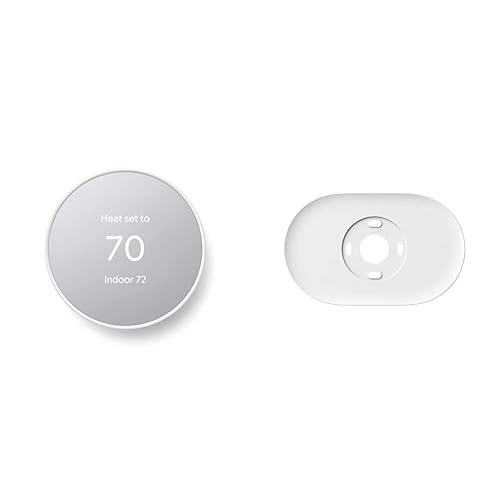
Google Nest Thermostat (Snow) with Trim Kit
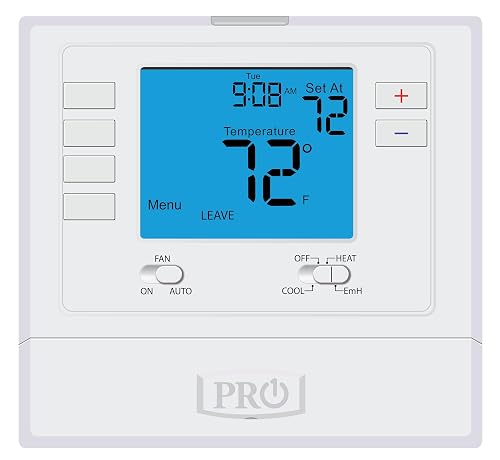
PRO1 T725 Heat Pump/Conventional Programmable Thermostat
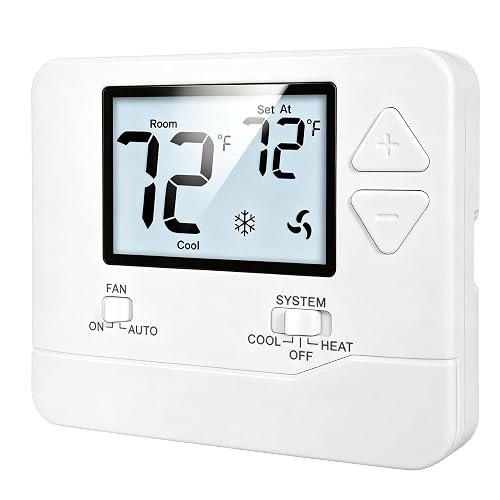
Heagstat Non-Programmable Thermostat 1 Heat/1 Cool
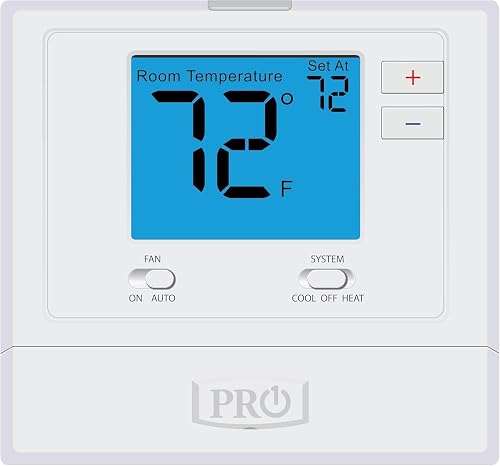
PRO1 T701 Single Stage Non-Programmable Thermostat

PRO1 T715 Multi-Stage Programmable Gas Thermostat
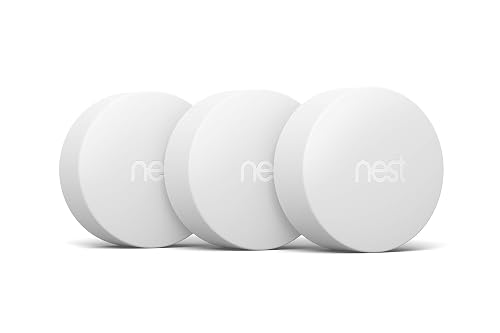
Google Nest Temperature Sensor 3-Pack
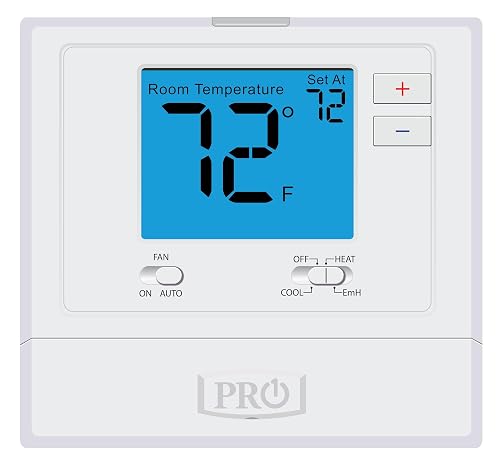
PRO1 T721 Non-Programmable Heat Pump Thermostat
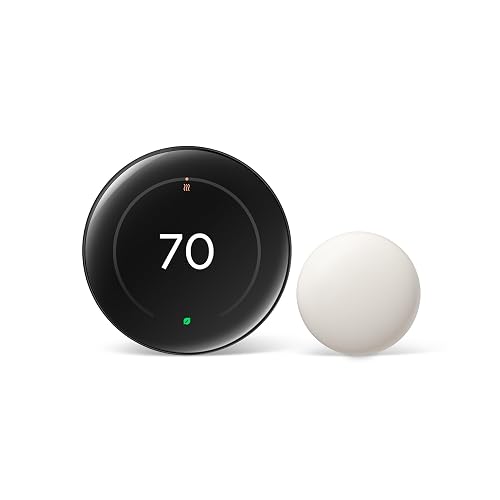
Google Nest Learning Thermostat (4th Gen) + Sensor (Obsidian)
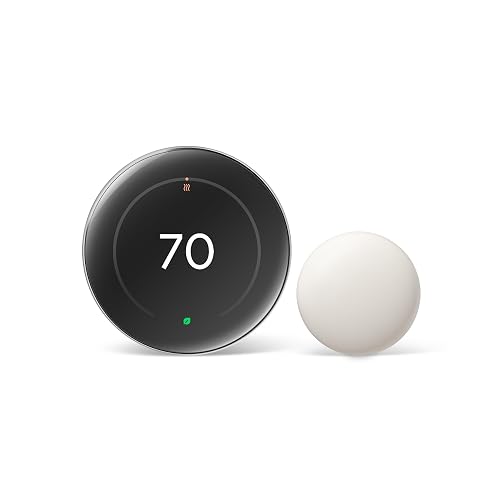
Google Nest Learning Thermostat (4th Gen) + Sensor (Silver)
The Strengths Of Each Pick
The Nest Thermostat in Snow is the most approachable spot in Google’s lineup for someone testing smart heating for the first time. The trim kit, which is included, hides the scars an old thermostat tends to leave on a wall, so renters and longtime homeowners alike avoid a repaint project.
Setup leans on the Google Home app, and the unit schedules itself once it learns a few days of your routine, a relief for anyone who finds weekly programming menus tedious. Auto-away behavior matters in real homes: a house that cools itself while you’re at work for eight hours sees the largest savings bump.
Positive Points
- ENERGY STAR certification, which signals verified efficiency claims rather than marketing language
- Included trim plate covers paint gaps left by older thermostats
- Schedule builds itself based on observed habits, saving you menu-diving
- Steel mounting plate covers electrical boxes cleanly during retrofits
- Setup lives inside Google Home, which most Android and iPhone households already have installed
Things To Consider
- Requires a C-wire (common wire, the low-voltage power line that keeps smart thermostats continuously powered) in many homes, otherwise an adapter or professional help is needed
- Without extra sensors, the unit only knows the hallway where it’s mounted
Who It Suits Best
First-time smart thermostat shoppers who want one polished, app-driven experience without juggling accessories.
Consider Something Else When
Rooms that run hot or cold far from the hallway point toward the Google Nest Temperature Sensor 3-Pack instead.
The PRO1 T725 is the kind of thermostat you buy when your HVAC label says “heat pump” and you don’t want to gamble on compatibility. It covers 2H/1C heat pump systems and standard 1H/1C conventional setups, so a household mid-renovation rarely has to swap it later.
The 4-square-inch blue-backlit display reads well from across a room, and the schedule modes (wake, leave, return, sleep) translate into a routine that actually trims runtime rather than just moving setpoints around.
Advantages To Know
- Handles both heat pump and conventional wiring, easing future system changes
- 7-day or 5/1/1 programming lets weekdays and weekends run on different tracks
- Large blue-backlit screen stays legible in dim hallways
- Built on the T700 platform, which PRO1 uses across its programmable lineup
Worth Noting
- Lacks learning behavior, so the schedule depends on your inputs, not its observations
- No companion app means remote adjustments happen at the wall only
Feature Snapshot
Made For
Homeowners with mixed or transitional HVAC systems who want programmed control without an app dependency.
Look Elsewhere When
Remote scheduling matters more than wall control, in which case the Google Nest Thermostat (Snow) offers a stronger app experience.
Heagstat’s non-programmable unit is the right answer for someone replacing a dead wall thermostat without paying for features they will never use. It targets the most common 1H/1C single-stage conventional setup, which describes a lot of older homes and rental units.
The white backlight keeps the screen readable at night, and installation is straightforward enough for a confident DIYer. Skip it if your system has six or more wires, since the baseplate accommodates two to five wires only.
What Earns Its Place
- Focused on standard gas, oil, and electric forced-air systems, the most common residential setups
- White backlight reads well during late-night adjustments
- Simple controls suit households that just want one temperature target
Room For Improvement
- No scheduling means manual adjustments every time routines change
- Wiring cap at five conductors excludes some heat-pump and multi-stage systems
- Widely reported to lack the premium feel of glass-front models, which matters on a featureless wall
Right Fit For
First-time installers with a basic 1H/1C conventional furnace who want a clean, no-frills replacement.
Skip It When
Any heat-pump setup is in play, where the PRO1 T725 handles wiring complexity more cleanly.
The T701 builds on PRO1’s T700 platform with a clear, glow-in-the-dark light button that solves a small but real problem: finding the right switch in a dark hallway at 2 a.m. It targets 1H/1C conventional systems, the most common residential wiring layout.
Compared to the Heagstat above, this model offers a more substantial housing and a backlit button that owners commonly report stays visible during a power blip. The trade-off is no schedule and no app, which is exactly the point for a low-fuss upgrade.
Bright Spots
- Glow-in-the-dark light button makes nighttime adjustments painless
- Large 4 sq. in. display matches the rest of the T700 lineup
- Compatible with gas or electric configurations, covering most non-heat-pump households
Trade Offs
- Non-programmable design keeps cost down but requires manual changes with the seasons
- Lacks Wi-Fi, so remote tweaks happen at the wall only
Best Suited To
Conventional 1H/1C homes that want a sturdier replacement without paying for app connectivity.
Not Your Match When
Smart scheduling matters at all, in which case the PRO1 T725 adds programmability to similar wiring.
The T715 is built for homes with two-stage heating and cooling, equipment common in newer or recently upgraded properties where one stage handles mild weather and the second kicks in during extremes. Running both stages efficiently takes a thermostat that knows what it’s doing, and this one does.
Programming runs 7-day, 5/1/1, or non-programmable, so the same unit works for a tightly tuned household or a set-and-forget cabin. Battery or hard-wired power gives installers flexibility when a C-wire isn’t in the wall.
A Strong Showing
- Supports 2H/2C systems, the upper limit of most residential HVAC equipment
- Three programming modes cover different household rhythms
- Glow-in-the-dark light button improves nighttime usability
- Battery or hard-wired power adapts to older wiring
Minor Gripes
- No Wi-Fi means adjustments happen at the wall, not from a phone
- Multi-stage compatibility isn’t useful in single-stage homes, where simpler units suffice
Quick Facts
Who Should Grab It
Owners of two-stage gas systems who want programmable control without buying into a smart platform.
Reach For A Different Pick When
Single-stage conventional systems are in play, where the PRO1 T701 or T725 matches the equipment more cleanly.
The Nest Temperature Sensor pack is an accessory rather than a standalone thermostat, and it earns its spot because the single thermostat in the hallway doesn’t know what the baby’s room or upstairs office feel like. Three sensors cover most floor plans without overbuilding.
Each sensor communicates with a compatible Nest thermostat via low-energy Bluetooth up to about 50 feet, so a craftsman-style home with thick walls should expect to test placement before settling.
Key Advantages
- Brings room-specific comfort to multi-zone complaints, like a nursery that runs warm
- Wire-free placement means renters can move sensors between rooms
- Pack of three covers a typical living room, bedroom, and home office
Practical Considerations
- Requires a compatible Nest thermostat, so it isn’t a standalone purchase
- Wireless range depends on wall construction; thick masonry may shorten the practical distance
Perfect Match For
Multi-room households already running a Nest thermostat who want the system to care about more than the hallway.
A Better Fit Elsewhere
Standalone shoppers need the Google Nest Thermostat (Snow) before these sensors make sense.
The T721 covers a wiring scenario that often catches homeowners off guard: a 2H/1C heat pump with backup heat, or a standard 1H/1C conventional system. That dual support means one thermostat survives a furnace-to-heat-pump swap without replacement.
It runs on the same T700 platform as the rest of PRO1’s wall lineup, sharing the 4-square-inch backlit display and glow-in-the-dark light button. Battery or hard-wired power keeps install flexible when there’s no C-wire behind the wall.
What Pays Off
- Dual-system compatibility protects the purchase through future HVAC changes
- Glow-in-the-dark button helps locate controls in a dark hallway
- Two power options ease installation in older homes
Small Caveats
- Non-programmable design means manual setpoint changes for every season
- No Wi-Fi, so adjustments stay at the wall
Whose Shelf It Belongs On
Heat-pump homeowners with backup heat strips who want a single, straightforward wall thermostat.
Swap It Out When
You want schedule automation, where the PRO1 T725 adds programmability on similar wiring.
The fourth-generation Nest Learning Thermostat is the most adaptive unit in this roundup, building a temperature schedule as it watches how you live week to week. Pairing it with the second-generation Temperature Sensor extends that awareness into the rooms where comfort actually matters.
The Obsidian finish suits darker interiors and modern cabinetry, while the larger display makes at-a-glance readings easier than earlier Nest generations. This is the right starting point for someone building out a Google-centric smart home rather than retrofitting an old thermostat.
The Practical Payoff
- Adaptive scheduling replaces manual programming, which matters in households with shifting routines
- Bundled sensor extends comfort awareness beyond the hallway
- Larger display improves visibility from across a room
- Obsidian finish blends with darker walls and modern fixtures
Areas To Watch
- Learning behavior takes a week or two to stabilize, so initial schedules feel approximate
- Premium positioning means costs exceed the entry-level Nest Thermostat (Snow)
Feature Rundown
Built With In Mind
Smart-home enthusiasts who want the thermostat to learn their patterns rather than the other way around.
Where A Sibling Pick Shines
Cost-focused households get more comfort per dollar from the Google Nest Thermostat (Snow) with a separate sensor 3-pack.
This is the same adaptive platform as the Obsidian version above, finished in Silver for homes with lighter walls, brushed hardware, or a more neutral palette. Performance and feature set match exactly, so the choice here is purely aesthetic.
The bundled second-generation sensor covers a second room out of the box, which is useful in homes where the thermostat lives near a stairwell that doesn’t reflect upstairs comfort. Combined with learning behavior, this bundle handles both visual and behavioral personalization.
Where It Delivers
- Adaptive scheduling trims manual programming over time
- Silver finish suits light walls, white trim, and modern farmhouse interiors
- Included sensor extends comfort awareness to a priority room
- Latest-generation Nest hardware supports the newest app features
Honest Caveats
- Premium pricing exceeds basic programmable thermostats in this roundup
- Learning behavior assumes consistent routines, which can confuse the unit during travel-heavy weeks
Key Product Details
Who Will Love This
Homeowners with light-toned interiors who want the full learning experience in a finish that disappears against a white wall.
Where Another Pick Suits Better
Conventional-only systems without app needs are covered more affordably by the PRO1 T701 wall thermostat.
What Matters Most Before Choosing A Learning Thermostat
Match The Wiring Before Anything Else
Pull the cover off your existing thermostat and count the wires. Two-to-five wires points to a basic conventional system; six or more usually means a heat pump or multi-stage equipment. A smart thermostat that supports only two to five wires won’t work on a six-wire wall, and buying the wrong match is the most common reason for returns.
Decide Whether Learning Behavior Matters
A learning thermostat observes your routine for a week or two, then writes its own schedule. That removes the friction of programming menus, which is the main appeal. Households with predictable weeks benefit the most; people with rotating shifts may find the suggestions miss more than they hit.
Think About Rooms Beyond The Hallway
Most thermostats mount in a hallway that nobody actually lives in, which is why the bedroom always feels off. Standalone thermostats can only sample one spot. Adding temperature sensors, like the Nest Temperature Sensor 3-pack, lets the system weigh a nursery or home office more heavily when it decides when to fire the furnace.
Check The Power Situation
Smart features draw a small amount of standby power, so most need a C-wire. Older homes without one can use an adapter, a power-stealing workaround, or a battery-only unit. The PRO1 lineup covers both routes by accepting battery or hard-wired power, which is one reason these models suit retrofits.
Key Considerations Across These Picks
Pitfalls Shoppers Hit
The fastest way to pick the wrong thermostat is to ignore wiring. Count the conductors behind the existing plate before anything else, then narrow by system type, whether that’s conventional forced-air, a heat pump, or multi-stage equipment. Skipping that step leads to a unit that powers up briefly and then resets, which is the most common issue reported on basic smart installs.
Why Top Tier Costs More
Higher-tier thermostats buy adaptive scheduling, room sensors, and broader HVAC compatibility. The fourth-generation Nest Learning Thermostat pairs with sensors that read other rooms and adjusts on its own, which removes ongoing tinkering. A household that lives with rotating guests, work-from-home weeks, or a nursery benefits more than a one-person apartment where a single setpoint already covers it.
Frequently Asked Questions
Do Learning Thermostats Actually Save Money?
Yes, when used over months, since they trim runtime during empty hours. The savings hinge on whether you let the auto-away behavior do its job, because manually overriding the schedule cancels most of the efficiency gain.
Will A Smart Thermostat Work Without Wi-Fi?
Most fall back to manual wall control without Wi-Fi, so you lose scheduling and remote adjustments but keep basic heating and cooling. The Nest 4th-gen units still need Wi-Fi for learning features, while PRO1 programmable models operate from the wall alone.
Are These Thermostats Compatible With Heat Pumps?
Several are, but not all. The PRO1 T721 and T725 specifically target heat pump wiring, while the Heagstat 1H/1C unit excludes them. Always match the thermostat’s stated system support to your equipment label.
How Many Temperature Sensors Do I Need?
One sensor usually covers a focused priority room like a nursery. Two or three handle most floor plans with a living room, bedroom, and home office combination, which is why the 3-pack exists.
Is Installation Difficult For A Beginner?
Most replacements take 20 to 40 minutes with a screwdriver and the existing wiring. A C-wire adapter adds complexity, and heat-pump wiring may benefit from a professional to avoid miswiring.
The Takeaway
Learning thermostats earn their place when the schedule you set yourself keeps drifting away from how you actually live. Pick by your wiring first, your HVAC type second, and your appetite for app-driven automation third. Each model here covers a slightly different household, so the right one is the one that matches the wall you have today.