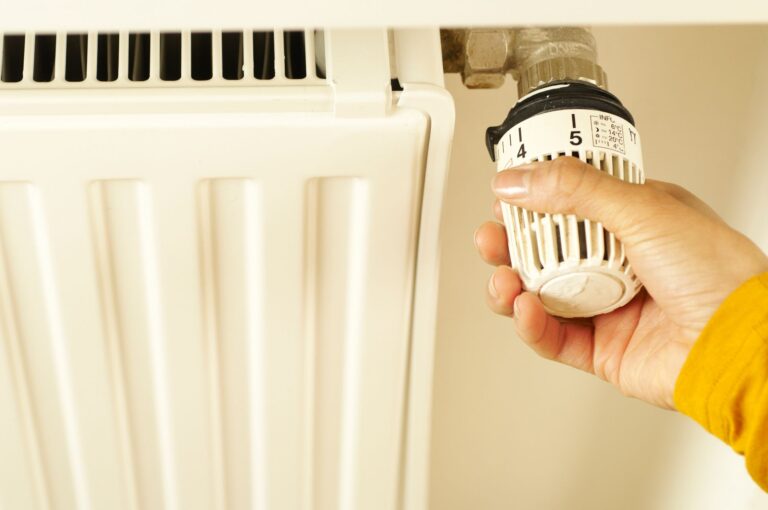

You know that feeling when the AC suddenly blasts at 3 a.m. because someone decided the office needed to feel like Iceland? Lockable thermostats exist for exactly those moments. Whether you’re managing a rental property, running a small business with curious customers, or just trying to keep the thermostat dial out of tiny hands, the right locking solution puts you back in control. This roundup covers clear polycarbonate covers that let you read the screen without touching it, plus a lineup of PRO1 thermostats with lockout capability built into the software side. You’ll find options sized for everyday home thermostats, larger commercial-grade units, and everything in between.
The Leading Options At A Glance

TRJ 2 PCS Large Thermostat Lock Box with Key
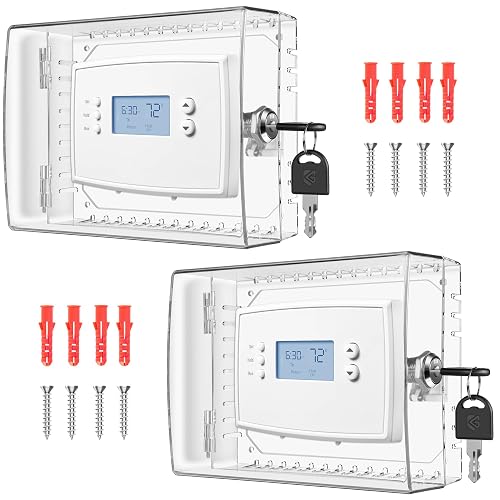
TRJ 2 PCS Thermostat Lock Box with Key
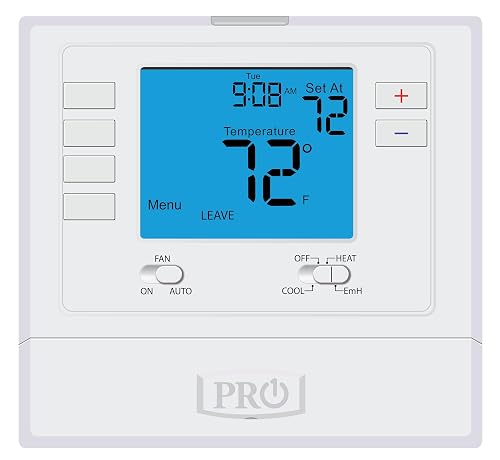
PRO1 T725 Heat Pump/Conventional Programmable Thermostat

PRO1 T771 Single Stage Non-Programmable Thermostat
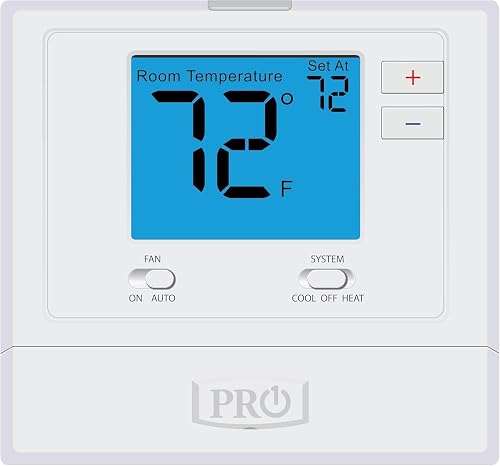
PRO1 T701 Single Stage Non-Programmable Thermostat

PRO1 T715 Multi-Stage Programmable Gas Thermostat
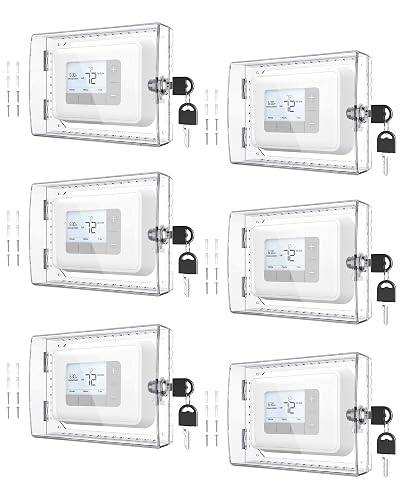
AUURIO 6 PCS Upgraded Thermostat Lock Box with Key
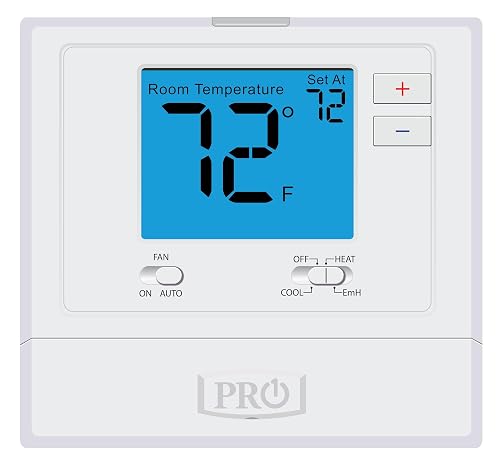
PRO1 T721 Non-Programmable Wall Thermostat
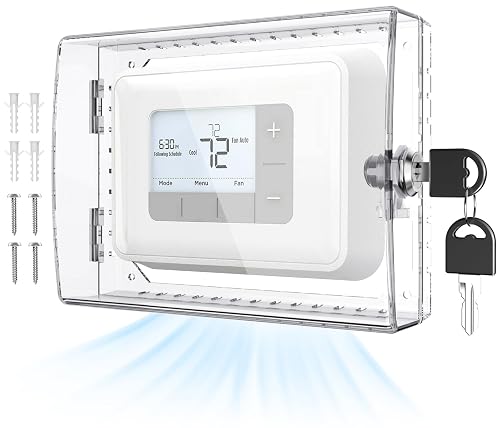
AUURIO Upgraded Thermostat Lock Box with Key

PRO1 T805 Single Stage Programmable Wall Thermostat
Why These Options Stand Out
The TRJ Large Thermostat Lock Box is built for landlords and parents who want visibility without vulnerability. Its clear polycarbonate shell means you can still see the temperature readout at a glance, while the keyed latch keeps curious fingers from cranking the dial to extremes.
Inside, the unit fits thermostats up to 5 inches tall by 6 inches wide, which covers most residential wall models. For most landlords outfitting a duplex or two, the two-pack format delivers convenience without overbuying.
Positive Takeaways
- Clear PC construction keeps the display visible for quick readings
- Two-pack format suits small multi-unit landlords
- Keyed latch deters casual tampering from tenants or children
- Compact footprint fits common residential thermostats
Things To Consider
- Larger commercial thermostats may exceed the stated dimensions
- Drilling is required for permanent mounting on some wall types
Who It Suits Best
Small-scale landlords managing duplexes or rental homes where tenants might crank the AC or heat unexpectedly.
Where Another Pick Suits Better
Property managers overseeing several units should consider the AUURIO 6 PCS Upgraded Thermostat Lock Box for greater bulk coverage.
The wider sibling in the TRJ lineup opens the door to thermostats measuring up to 6.3 inches across, catching the chunkier smart-home models that struggle to fit a standard guard. The two-pack gives apartment dwellers room to outfit both living and bedroom zones.
Like the previous TRJ pick, the polycarbonate shell stays transparent, so you still read temperatures without unlocking. Compared to the smaller TRJ unit, the extra horizontal clearance is the meaningful difference for anyone whose thermostat runs a bit wider than average.
Where It Helps
- Wider interior accepts larger smart-style thermostats
- Two-pack covers multiple zones in one purchase
- Transparent panel preserves at-a-glance readability
Honest Caveats
- Heavier than the smaller TRJ variant, requiring sturdier anchors
- Keyed access means you’ll want a spare key in a known spot
Made For
Apartment residents with wider smart thermostats who want a single purchase covering multiple rooms.
Consider Something Else When
Those guarding a single compact thermostat should save space with the AUURIO single-pack upgrade instead.
Moving from physical covers to software-based control, the PRO1 T725 brings locking capability to the thermostat itself. It handles both heat pump (a system that moves heat rather than generating it, working efficiently in mild climates) and conventional HVAC setups, so households running hybrid equipment won’t need a second unit.
The 4-square-inch blue backlit screen is comfortable to read at night without flooding the hallway with light. Compared to the lock-box options above, this route replaces the cover with built-in keypad lockout, an approach many facility managers prefer for cleaner aesthetics.
A Few Highlights
- Dual compatibility with heat pump and conventional systems
- 7-day or 5/1/1 programming adapts to varied work schedules
- Backlit display reduces fumbling in dark hallways
Worth Noting
- Wiring familiarity helps during installation
- Heat pump compatibility should be confirmed before ordering
Feature Snapshot
Best Suited To
Owners of dual-system homes who want built-in software lockout instead of an external cover.
Not Your Match When
Those needing physical tamper protection for an existing thermostat should look back at the TRJ Large Thermostat Lock Box.
Outbuildings and workshops rarely need a programmable brain, and that’s exactly where the PRO1 T771 earns its keep. Its wide setpoint range, spanning 25°F to 90°F, handles the deep cold of an uninsulated garage and the summer heat of a metal-roof shed equally well.
Like the T725, this unit is non-programmable on the schedule side but leans hard into the wide-temperature advantage. The backlit display stays legible when you’re squinting at it through dusty hands.
A Few Strong Suits
- Wide 25°F–90°F setpoint range suits unconditioned spaces
- Single-stage design keeps operation straightforward
- Backlit screen supports quick checks in low light
Trade Offs
- Lacks scheduling features found in programmable siblings
- Conventional-only compatibility excludes heat pump owners
Whose Shelf It Belongs On
Garage, workshop, and shed owners needing reliable temperature control without scheduling complexity.
Look Elsewhere When
Programmable scheduling is a priority, so the PRO1 T805 Single Stage Programmable Thermostat is a stronger match.
The PRO1 T701 sits on the same T700 platform as the T725 reviewed earlier, but strips out the programming layer for first-time installers who’d rather not configure a weekly schedule. The glow-in-the-dark light button is a small but appreciated touch for late-night adjustments.
Gas or electric compatibility broadens its appeal across different furnace configurations. For most homeowners swapping in their first wall thermostat, this is the least intimidating option in the lineup.
The Case For It
- Glow-in-the-dark light button aids nighttime use
- Gas or electric configuration flexibility
- Large T700 platform display is comfortable to read
- Simpler installation path than programmable models
Room For Improvement
- No scheduling means manual temperature adjustments
- Single-stage only, so multi-stage HVACs need an upgrade
Feature Card
Right Fit For
First-time installers replacing a basic thermostat who want simple controls without scheduling setup.
A Better Fit Elsewhere
Heat pump owners should consider the PRO1 T721 for its broader system compatibility.
The PRO1 T715 is the workhorse choice for homes running two-stage heating and cooling, where a single-stage thermostat would shortchange the system’s efficiency. Multi-stage simply means your HVAC runs at lower power most of the time and ramps up only when needed, saving energy and reducing wear.
You can run it as fully programmable, use a 5/1/1 schedule, or disable scheduling entirely if you prefer manual control. The T700 platform’s familiar blue backlit display carries over from the T701 reviewed earlier, so anyone upgrading keeps the same reading experience.
What It Does Well
- 2 heat/2 cool support handles multi-stage HVAC setups
- Three operating modes cover any scheduling preference
- Battery or hardwired power options simplify installation
- Glow-in-the-dark light button aids low-light adjustments
Points To Keep In Mind
- Wiring knowledge helps when connecting multiple stages
- More features than necessary for single-stage homes
Perfect Match For
Homeowners with two-stage gas furnaces who want to fully utilize their system’s efficiency curve.
Skip It When
Single-stage homes will be better served by the simpler PRO1 T701 covered earlier.
When you’re outfitting a small apartment building or several offices at once, the AUURIO 6-pack offers genuine bulk value. Each unit uses UV-resistant polycarbonate that resists yellowing, an issue owners commonly report with cheaper clear plastics over time.
The widened edges and extended latch design aim to block prying attempts from curious hands. Compared to the TRJ pair reviewed earlier, you trade some interior width for a more tamper-focused build.
Useful Strengths
- Six-unit pack covers multiple properties at once
- UV-resistant PC stays clear over years of sunlight
- Widened edges resist prying from sharp objects
- Reinforced screw joints reduce breakage risk
- Extended latch stays seated during vibration or bumps
Small Caveats
- Six units may exceed the needs of single-home owners
- Maximum thermostat size smaller than some TRJ models
Who Should Grab It
Multi-property landlords outfitting several units in one purchase to standardize tenant controls.
Reach For A Different Pick When
Single-home owners should save with the AUURIO single-pack version reviewed later in this list.
The PRO1 T721 fills a useful middle ground for homes that might run a heat pump today and a conventional furnace tomorrow. System compatibility covers 2 heat/1 cool heat pumps alongside 1 heat/1 cool conventional setups, giving you flexibility if you ever upgrade your equipment.
The familiar glow-in-the-dark light button returns from earlier PRO1 models. For most households with uncertain future HVAC plans, that built-in flexibility is the main draw here.
The Practical Payoff
- Heat pump and conventional dual compatibility
- Glow-in-the-dark light button for nighttime visibility
- AA battery or hardwired power options
Worth Bearing In Mind
- Non-programmable design lacks scheduling convenience
- 2H/1C configuration may not match larger multi-stage homes
Built With In Mind
Homeowners with mixed-system HVAC setups who want one thermostat that adapts across configurations.
Swap It Out When
Households needing full scheduling should step up to the PRO1 T805 Programmable Thermostat.
The single-pack AUURIO lock box is the right answer when you only need to guard one thermostat. It shares the same UV-resistant polycarbonate and tamper-focused edge design as the six-pack reviewed earlier, just without the bulk discount.
For a single rental unit, home office, or reception area, this version avoids the excess inventory of its multi-pack sibling. The keyless-by-design simplicity is refreshing for anyone who dislikes managing spare hardware.
The Good Stuff
- UV-resistant shell resists yellowing in sunny rooms
- Widened edges deter prying attempts
- Single-unit format suits modest guarding needs
- Clear panel preserves temperature visibility
Honest Caveats
- Less cost-effective than the multi-pack for multiple units
- Mounting hardware requires wall-drilling commitment
The Right Fit
Single-property owners wanting tamper protection without committing to a multi-unit purchase.
Another Choice May Suit
Landlords outfitting several properties save more per unit with the AUURIO 6-pack reviewed earlier.
Closing out the lineup, the PRO1 T805 brings the T800 platform’s oversized 7-square-inch display to a single-stage programmable thermostat. That extra screen real estate is a noticeable upgrade over the 4-square-inch T700 models reviewed earlier, especially for anyone who checks the temperature from across the room.
You get 7-day, 5/1/1, or fully non-programmable operation depending on preference. For most homeowners wanting one thermostat that adapts to scheduling changes without hardware swaps, this rounds out the list nicely.
Notable Upsides
- Oversized 7 sq. in. display improves readability
- Three scheduling modes suit varied lifestyles
- Glow-in-the-dark light button aids nighttime checks
- T800 platform offers room for future feature expansion
Areas To Watch
- Single-stage limits use in multi-stage HVAC homes
- Larger footprint may not match older wall cutouts
Feature Snapshot
Who Will Love This
Homeowners who want a glance-friendly, programmable thermostat without managing multi-stage complexity.
A Better Fit Elsewhere
Two-stage HVAC owners should consider the PRO1 T715 Multi-Stage Thermostat reviewed earlier in the list.
What To Weigh Before Choosing Lockable Thermostats
Picking the right locking solution starts with honestly assessing what you’re trying to prevent. Are curious toddlers the main concern, or is it tenants adjusting the AC in a rental property? Physical lock boxes make sense when you want to retrofit an existing thermostat, while software-based lockout features on PRO1 models offer cleaner aesthetics without a bulky cover.
Sizing matters more than most people expect. Measure your current thermostat’s height and width before ordering a lock box, since models like the TRJ units fit up to 5 by 6 inches while the AUURIO versions handle slightly smaller footprints. For PRO1 thermostats, confirm your HVAC system type (conventional vs. heat pump) and stage count (single vs. multi-stage) before committing.
Material quality directly affects longevity. Polycarbonate shells with UV resistance, like the AUURIO line, resist yellowing over years of sunlight exposure. Chearer plastics tend to cloud up, eventually hiding the display you’re trying to read.
Matching Solutions To Specific Spaces
Workshops and garages with extreme temperature swings benefit from wide-setpoint thermostats like the PRO1 T771. Office buildings with public access often need bulk-pack lock boxes for consistent coverage across rooms. Family homes with small children usually do fine with a single tamper-resistant cover.
When To Choose Software Over Hardware
Built-in thermostat lockout features work well in spaces where the cover’s industrial look would feel out of place, such as finished living areas. Physical covers are better for protecting thermostats that can’t be replaced, including older models or units with custom programming you’d rather not lose.
Installation Realities
Most lock boxes require wall drilling and anchors, which means commitment to the mounting location. PRO1 thermostats need low-voltage wiring familiarity, or an electrician’s help if the existing wire bundle is short. Either path benefits from planning the location before starting.
Key Considerations Across These Picks
Mistakes Worth Dodging
The most common error is buying a lock box without measuring first, ending up with a cover that’s too small for the existing thermostat. Another slip is assuming any thermostat works with any HVAC system, when heat pump owners specifically need compatible models like the PRO1 T721 or T725. Forgetting to plan for spare keys leads to frustration later, especially in multi-unit rentals.
Where The Extra Money Goes
Higher-tier lock boxes bring UV-resistant polycarbonate and reinforced screw joints, both of which extend service life in sunlit or high-traffic areas. On the thermostat side, upgrade costs pay for larger displays, multi-stage support, and flexible scheduling. For most homes, the upgrade makes a difference only when the system actually uses those capabilities.
Frequently Asked Questions
Do lockable thermostats require professional installation?
Most physical lock boxes need basic wall drilling and anchors, which handy homeowners can handle. PRO1 programmable thermostats involve low-voltage wiring, so professional help is wise if you’re not comfortable with electrical work.
Can lock boxes fit any wall thermostat?
No, sizing varies. TRJ models cover thermostats up to 6.3 inches wide, while AUURIO units fit slightly smaller footprints. Always check your existing thermostat’s dimensions before ordering.
Do software-locked thermostats need batteries?
Many PRO1 models support either AA batteries or hardwired power. Battery operation simplifies installation, while hardwiring avoids periodic replacements.
Are clear lock boxes prone to yellowing?
Standard polycarbonate can yellow over time with UV exposure, which is why AUURIO specifies UV-resistant material in its upgraded line. TRJ’s clear shells work well indoors but may show some clouding in direct sunlight.
What’s the difference between programmable and non-programmable thermostats?
Programmable models let you set temperature schedules by day or week, while non-programmable units require manual adjustment. For consistent daily routines, programmable saves energy without effort.
Final Verdict
Your best match depends on whether you want to retrofit an existing thermostat with a physical lock box or replace it with one that has software lockout built in. Landlords managing multiple units get strong value from the AUURIO 6-pack, while homeowners protecting a single thermostat may prefer the cleaner look of a PRO1 unit with keypad lockout. Either path puts you back in control of your indoor climate.