

A wall thermostat quietly runs your home for years, and a good Lux programmable model can shave real dollars off utility bills while keeping every room at the temperature you actually want. Most folks don’t think about that box on the wall until the seasons flip or the HVAC system acts up, which is exactly when choosing carefully pays off. The lineup below covers Lux classics alongside the new Nest Learning Thermostat, so you can match a control style to your system and your comfort habits.
The Leading Options At A Glance
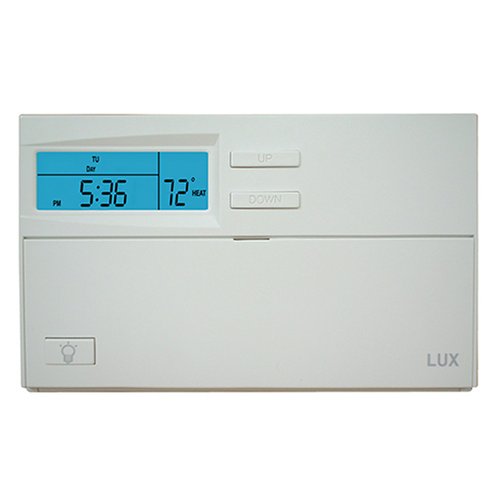
Lux Products TX9000 Smart Temp Programmable Thermostat
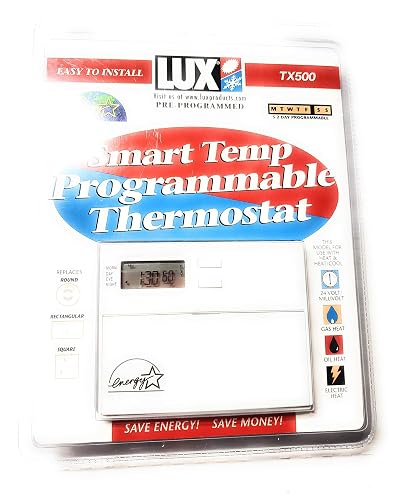
Lux Smart Temp TX500 Programmable Thermostat
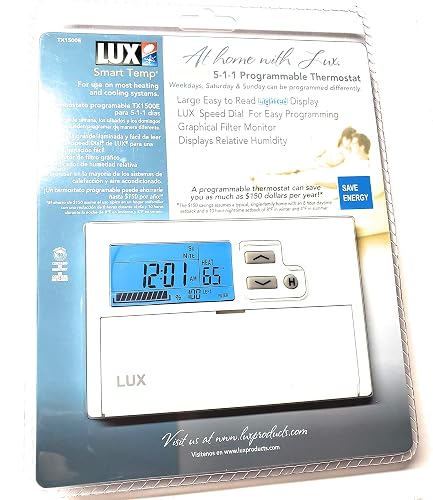
Lux Products TX1500E Smart Temp Programmable Thermostat
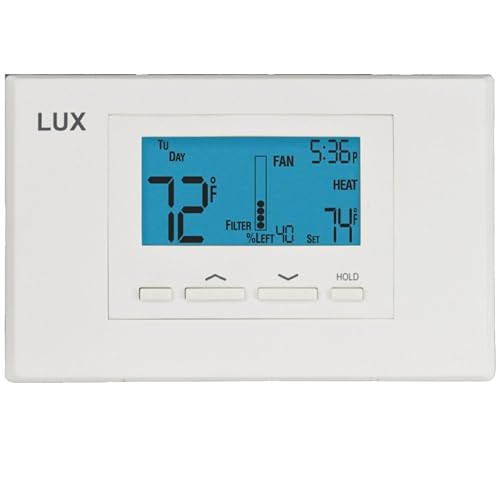
Lux Programmable Thermostat (LTX1500U)
P111 10-Pack Non-Programmable 1-Heat/1-Cool Thermostat

Lux TX9000TS Touch Screen Seven-Day Programmable Thermostat
Google Nest Learning Thermostat (4th gen) Obsidian
Google Nest Learning Thermostat (4th gen) Silver

P621U 10-Pack 5/1/1-Day Programmable Universal Thermostat
A Breakdown Of The Leading Choices
For most households, the TX9000 hits a comfortable middle ground. You get full seven-day programming, so Monday morning can look very different from Saturday night, and the on-screen prompts walk you through setup without needing the manual open on the kitchen counter. Compared to the simpler TX500 below, this model offers more granular daily control, which matters when your week swings between office days and shift-work days.
The display lights up with a button press, and the four periods per day let you tune wake, leave, return, and sleep temperatures to match a real routine. In homes where everyone leaves and returns at staggered times, that flexibility is the actual point of going programmable in the first place. You may find the button layout takes a day or two to get used to, but most people settle in fast.
Real Benefits
- Seven independent day schedules, ideal for shift workers and rotating routines
- Four daily periods (wake, leave, return, sleep) give meaningful temperature control
- Backlit display reads clearly from across a room at night
- Filter usage monitor reminds you when HVAC service is due
Honest Caveats
- No vacation hold feature, so extended absences need manual override
- Button-based interface feels dated next to touch-screen picks like the TX9000TS
Feature Snapshot
Whose Shelf It Belongs On
Homeowners and renters with a typical mixed schedule who want reliable scheduling without paying for smart-home connectivity.
Consider Something Else When
Pick the Lux Smart Temp TX500 instead if you want a simpler two-block weekday/weekend setup with a vacation hold mode.
The TX500 keeps the programming model simple on purpose. You set up one block of settings for the weekdays and another for the weekend, with four periods per day, and the on-screen menus guide each step. Compared to the TX9000 above, you trade daily customization for a faster initial setup, which is a fair exchange if your week looks pretty similar day to day.
The vacation hold feature is a quiet standout here: you can set a temporary temperature while you’re away, and the thermostat returns to the normal schedule on its own when you get back. For folks who travel a few times a year, that alone is worth the step down from a full seven-day unit. One thing worth considering is that four periods per day can feel like overkill for a one-person household with a flat routine.
What It Does Well
- Two-block weekday/weekend programming is approachable for first-timers
- Vacation hold keeps an empty home comfortable without permanent schedule changes
- On-screen prompts reduce manual-reading time during setup
Trade Offs
- No per-day customization, so rotating schedules don’t fit cleanly
- Lacks a filter usage monitor found on the TX9000
- Digital display is functional but not backlit for dark hallways
Made For
First-time programmable thermostat users who keep a steady weekday routine and travel a few times a year.
Where A Sibling Pick Shines
Step up to the Lux Products TX9000 Smart Temp Programmable Thermostat if your schedule genuinely shifts day to day and you want filter tracking too.
The TX1500E finds a useful middle path in the Lux lineup. You get weekday, Saturday, and Sunday programming as separate blocks, so a leisurely weekend morning doesn’t have to follow weekday wake-up rules. Where the TX500 above only splits weekday from weekend, this one gives Saturday and Sunday their own say, which matters for households where one partner works Saturdays.
The display lights up with a single button press, and the 12/24 hour clock keeps military-time users happy without forcing that format on everyone else. The filter usage monitor is a small but useful ownership feature, since forgetting a filter swap can quietly inflate energy use. The 4-period daily structure matches what most homes need, without overcomplicating setup for newcomers.
A Few Strong Suits
- Three independent day-blocks balance flexibility with simpler setup than full 7-day
- Filter usage monitor helps prevent missed HVAC maintenance
- User-selectable 12 or 24 hour clock for personal preference
Points To Note
- Lacks a vacation hold mode, so trips still need manual override
- No touch-screen interaction like the TX9000TS
Key Product Details
Best Suited To
Households that work weekdays and want Saturday and Sunday on their own temperature plans, with light filter-tracking built in.
Skip It When
Choose the Lux Programmable Thermostat (LTX1500U) instead if you run a heat pump and need broader system compatibility.
The LTX1500U is the model to look at when your HVAC setup is more involved than a single furnace and AC unit. It supports single and multi-stage heat pumps, along with most other common system types (a heat pump being a unit that heats and cools by moving heat rather than burning fuel), with the noted exception of electric baseboard heat. That wide compatibility means landlords, installers, and homeowners with mixed equipment don’t have to hunt for a niche model.
The Lux speed slide is a small but thoughtful programming aid, letting you move through menu options more intuitively than repeated button presses. Separate weekday, Saturday, and Sunday schedules with two or four periods per day give you weekend flexibility similar to the TX1500E above, while the large lighted display is easy to read at a glance. For most heat pump owners, this is where compatibility and usability meet at a sensible price.
Practical Pluses
- Works with single and multi-stage heat pumps, common in newer construction
- Three independent day-blocks let weekends stand apart from weekdays
- Speed slide programming speeds up setup versus pure button navigation
Possible Compromises
- Not compatible with electric baseboard heating systems
- Lacks the touch-screen polish of the TX9000TS
Right Fit For
Heat pump owners and anyone managing single or multi-stage HVAC equipment who wants Lux simplicity without system-specific shopping.
Another Choice May Suit
Pick the P621U 10-Pack 5/1/1-Day Programmable Universal Thermostat if you manage multiple properties and want a bulk option with similar universal compatibility.
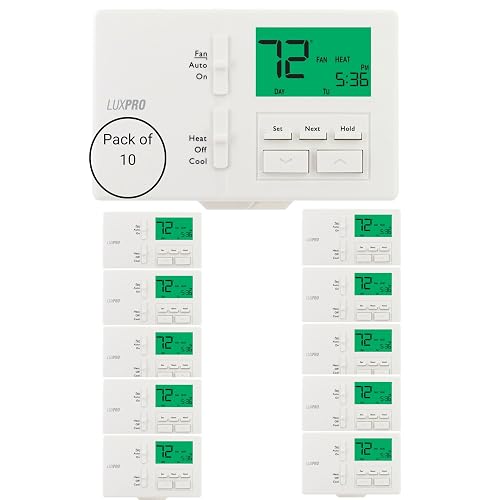
The P111 ten-pack flips the script: instead of a single high-end thermostat, you get ten straightforward, non-programmable units designed for properties where schedules aren’t a concern. For landlords managing duplexes, contractors handling multi-unit flips, or small commercial spaces with predictable occupancy, that math is hard to beat. Each unit handles single-stage heating and cooling, which covers the bulk of older and rental HVAC systems.
Dual power options (meaning the thermostat can run on either batteries or your home’s wiring, a flexibility that simplifies installation in older properties) make installs easier in older buildings without a common wire, and the easy-view backlight is a small comfort for tenants reading the temperature at night. The 5-year limited warranty on each unit also helps when managing a portfolio over time.
What Works In Its Favor
- Bulk ten-pack format lowers per-unit cost for property portfolios
- Dual power compatibility simplifies installs in older buildings
- Adjustable heating and cooling limits protect systems from extreme setpoints
Some Limits To Know
- Non-programmable design means no automatic scheduling savings
- Single-stage only, so multi-stage heat pumps need a different pick
Spec Overview
Who Should Grab It
Property managers, contractors, and landlords outfitting multiple units with simple, reliable temperature control.
Look Elsewhere When
Single-homeowners should consider the P621U 10-Pack 5/1/1-Day Programmable Universal Thermostat if they want scheduling flexibility in a similar multi-pack format.
The TX9000TS is essentially the TX9000 with a modern face. You trade the button grid for a touch screen that walks you through seven-day programming in a more visual flow, and the result looks much more at home in a renovated kitchen or open-concept living area. Where the original TX9000 felt utilitarian, this one steps up to a sleeker display that becomes part of the wall, not just a box on it.
The default Energy Star-approved program is genuinely useful: it loads a baseline schedule that meets efficiency standards, so you can start saving right away and then fine-tune. The filter usage monitor counts from zero to 720 hours of use, which translates to roughly a month of reminder intervals you can rely on. The two- or five-minute compressor delay protects HVAC equipment from short cycling, a real durability benefit for the system behind the wall.
Well-Handled Touches
- Touch screen interface simplifies programming for first-time users
- Default Energy Star-approved program offers a sensible starting point
- Filter monitor tracks up to 720 hours of runtime for timely replacements
- Built-in compressor delay reduces wear from short cycling
Factors To Consider
- Touch screens can show fingerprints and smudges in bright daylight
- No vacation hold feature for extended absences
Perfect Match For
Style-conscious homeowners who want a touch interface and full seven-day scheduling without jumping to a smart thermostat.
Swap It Out When
Move up to the Google Nest Learning Thermostat (4th gen) Obsidian if you want self-learning behavior and app control.
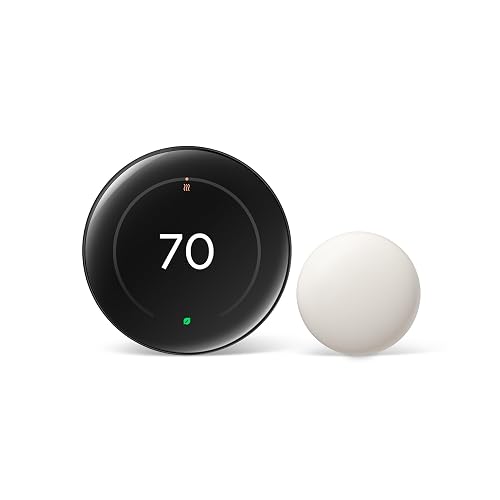
The fourth-generation Nest is the smart-home pivot point in this roundup. Instead of programming a schedule, you adjust the temperature for a few days and the thermostat builds a schedule around your patterns, which is genuinely useful for people whose lives don’t fit neat weekday blocks. The included second-generation Nest Temperature Sensor adds room-by-room awareness, so a nursery or home office can be prioritized over an unused guest room.
The Obsidian finish is a deep, near-black option that disappears into darker walls, while the round display remains one of the more recognizable smart-home designs on the market. Compared to the Lux TX9000TS above, you’re giving up explicit programming control for learning behavior, which can feel like a leap of faith for tinkerers. You may find the app adds as much value as the thermostat itself, since remote control and energy history live there.
Notable Upsides
- Self-learning schedule adapts to changing routines over time
- Included temperature sensor enables multi-room comfort balancing
- Obsidian finish suits modern, dark-toned interiors
Where It Is Less Suited
- Learning behavior takes a couple of weeks to settle
- Wi-Fi dependent for full feature access
Who It Suits Best
Smart home enthusiasts who want app control, learning behavior, and a thermostat that fits a connected household.
Reach For A Different Pick When
Pick the Google Nest Learning Thermostat (4th gen) Silver instead if you want the same smart features in a lighter finish that suits brighter walls.
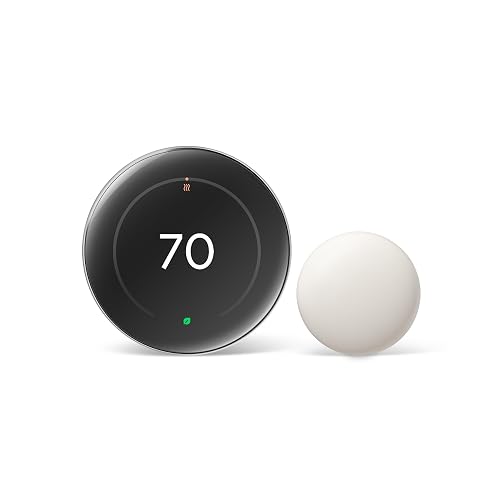
The Silver version of the fourth-generation Nest is functionally identical to the Obsidian above, only with a brighter, brushed-metal finish that pairs better with light walls, modern kitchens, and contemporary trim. For households where a dark thermostat would feel out of place, this color option solves a real design concern without giving up any features.
You still get the same self-learning scheduling, the second-generation Temperature Sensor for multi-room comfort, and the full Google Home app experience for remote control. The hardware compatibility story mirrors the Obsidian, including the same HVAC system support and learning curve. If your interior leans lighter, this is the version to pick; if your walls run dark, the Obsidian above will blend in better.
Positive Points
- Same self-learning engine and temperature sensor as the Obsidian sibling
- Silver finish pairs naturally with light walls and modern trim
- Multi-room sensor setup helps with uneven heating zones
Details To Watch
- Identical learning curve as the Obsidian model
- Silver finish shows fingerprints more readily than the darker option
Built With In Mind
Homeowners with lighter interior palettes who want the full Nest learning experience and multi-room temperature awareness.
A Better Fit Elsewhere
Choose the Lux TX9000TS Touch Screen Seven-Day Programmable Thermostat if you’d rather program explicit schedules than rely on a learning algorithm.
The P621U ten-pack is the programmable counterpart to the P111 above, aimed at the same kind of property manager or contractor who needs consistent hardware across many units. Each thermostat supports 2-heat/1-cool systems, with batteries included so installs aren’t held up by missing supplies, and the 5/1/1-day programming treats weekdays as one block with Saturday and Sunday on their own.
Universal compatibility covers all common system types except electric baseboard heat, which makes this a safe pick for mixed portfolios. The lighted display, keypad lockout, and manual temperature hold are the small tenant-friendly features that keep service calls down. For most maintenance operations, the keypad lockout alone pays for the pack by preventing thermostat tinkering.
What Makes Sense
- Bulk ten-pack format suits property upgrades and new construction
- 5/1/1-day programming balances flexibility with simple setup
- Keypad lockout prevents tenant tampering and lost setpoints
- Manual temperature hold and temporary override cover guest stays and turnover periods
Where It May Fall Short
- Not designed for electric baseboard heat installations
- No learning or app-based features like the Nest picks
The Right Fit
Property managers, landlords, and small contractors who need a programmable, tamper-resistant thermostat for multiple units.
Not Your Match When
Single-homeowners should consider the Lux Products TX9000 Smart Temp Programmable Thermostat for a more polished single-purchase experience.
What Matters Most Before Choosing lux programmable thermostats
Match The Thermostat To Your System Type
Before anything else, confirm whether your home runs on a standard furnace and AC, a heat pump, or a multi-stage setup. A model like the Lux Programmable Thermostat (LTX1500U) supports single and multi-stage heat pumps, while simpler units cover single-stage only. Picking the wrong compatibility tier can mean an installer swap or, worse, a thermostat that won’t drive your system correctly.
Decide Between Programming and Learning
Explicit scheduling gives you full control and predictable behavior, which suits folks who like to fine-tune settings. Learning thermostats like the Nest 4th gen study your patterns and adapt, which is great if your week already feels unpredictable. The honest read is that learning thermostats work best once you’ve lived in your home for a few months, while programmable models shine from day one.
Count The Periods And Days You Actually Need
Four periods per day covers wake, leave, return, and sleep for most households, while two periods suit flat routines. Seven-day programming matches shifting workweeks, and 5/1/1-day blocks treat Saturday and Sunday as their own plans. You may find that a simpler 2-block setup saves more mental energy than a 7-day unit you never fully program.
Plan For The Install Environment
Common-wire presence (a dedicated low-voltage wire that continuously powers the thermostat, present in newer homes but missing in many older ones) and dual-power compatibility matter if your wiring predates modern HVAC. The P111 ten-pack’s dual-power design, for instance, solves real headaches in older rental properties. Wall color and finish also matter more than people expect; a thermostat lives in plain sight every day.
Key Considerations Across These Picks
Where Shoppers Go Wrong
A common slip is choosing a thermostat by feature list without checking HVAC compatibility first. Heat pump owners in particular need a model that supports their equipment, not just a unit that looks modern. Another trap is buying a learning thermostat before you’ve lived in a home long enough to establish real patterns, which can lead to weird early schedules that take weeks to settle.
What The Higher Tier Buys
The jump from a basic Lux model to the Nest 4th gen brings app control, multi-room sensors, and learning behavior that adjusts as your routine changes. You’re also paying for a more refined display and broader smart-home integration, which matters if you already run Google Home routines. For most people, the upgrade pays off when schedules get complicated, but a programmable Lux still wins for predictable homes at a friendlier price.
Frequently Asked Questions
Are Lux thermostats compatible with heat pumps?
Several Lux models, including the LTX1500U, support single and multi-stage heat pumps. Always confirm your specific system’s stage count before purchasing, since single-stage-only models can limit heat pump performance.
Do Lux programmable thermostats need a C-wire?
Compatibility varies by model, and some units offer dual-power options that work without a common wire. Homes with older wiring may need a C-wire adapter or a battery-powered Lux model to avoid power issues.
Can I install a Lux thermostat myself?
Most Lux models are designed for DIY install, with on-screen programming prompts and included hardware. The honest caveat is that wiring mistakes can blow a fuse on the HVAC control board, so caution matters if your wiring looks unfamiliar.
How does a learning thermostat differ from a programmable one?
A programmable thermostat follows a schedule you set, while a learning thermostat builds a schedule from your adjustments over time. Learning models suit unpredictable routines, while programmable models suit folks who like explicit control.
Are these thermostats suitable for rental properties?
The P111 and P621U ten-packs are built with landlords in mind, offering tamper-resistant features and bulk value. For long-term tenant comfort, models with keypad lockout can reduce unnecessary service calls.