

Swapping a wall thermostat sounds simple until you’re staring at wiring labels and a dozen near-identical boxes online. Lux has been a steady name in this space for years, and their lineup covers everything from plain mechanical dials to seven-day touchscreen programmers. The right pick depends on your HVAC system, your patience for menus, and whether you actually want schedules at all. This roundup walks through ten current Lux thermostats, calling out what each does well, where it bends, and who it’ll suit best.
A Side-By-Side Look
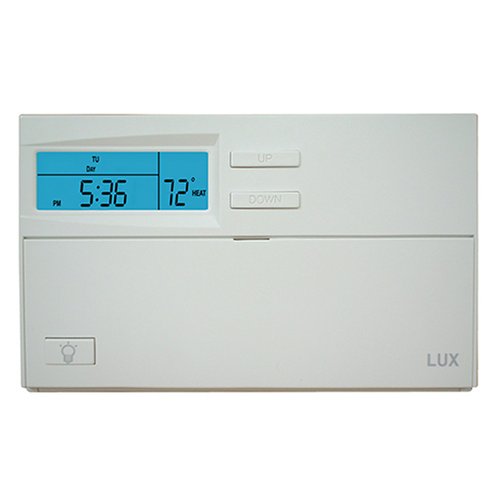
Lux Products TX9000 Smart Temp Programmable 7 Day Thermostat
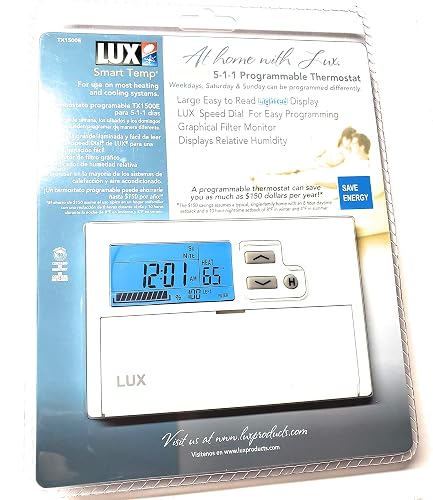
Lux Products TX1500E Smart Temp Programmable Thermostat
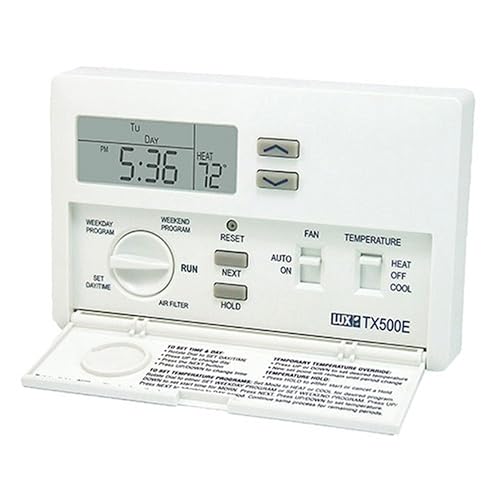
Lux Products TX500E Smart Temp Programmable Thermostat

PSD111B 10-Pack, Non-Programmable Vert/Horiz 1-Heat/1-Cool Thermostat
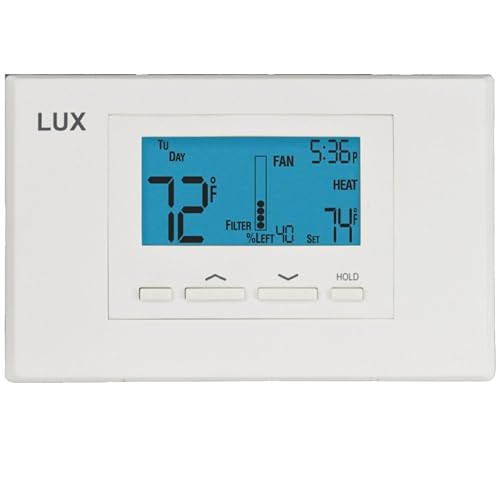
Lux Programmable Thermostat (LTX1500U)
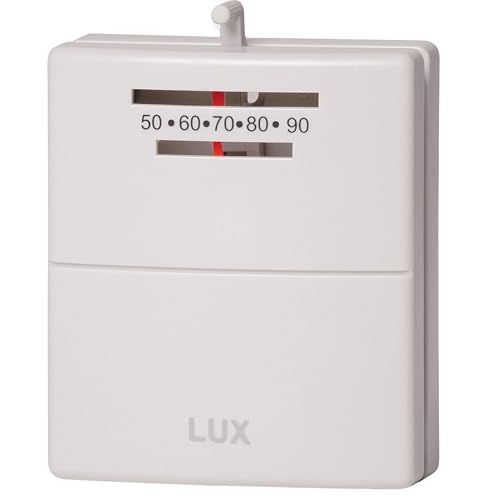
Lux BB101141SA Mechanical Non-Programmable Thermostat; 1 Heat Only
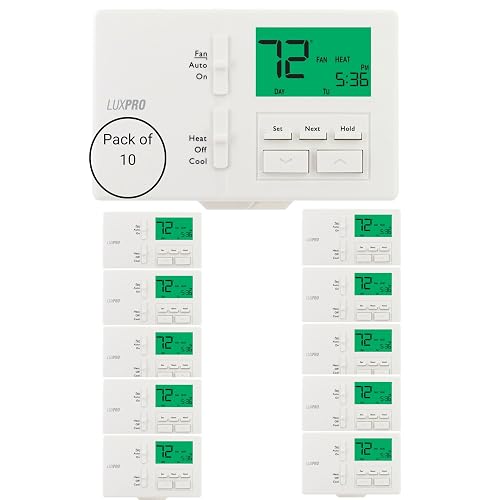
P111 10-Pack Non-Programmable 1-Heat/1-Cool Thermostat

Lux TX9000TS Touch Screen Seven-Day Programmable Thermostat
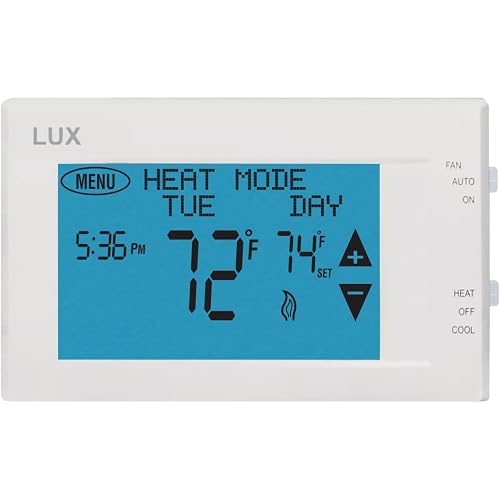
Lux LTX9600TS 7 Day Programmable Touch Screen Thermostat

P621U 10-Pack 5/1/1-Day Programmable Universal Thermostat
Taking A Closer Look At The Options
The TX9000 sits at the top of Lux’s button-driven programmable line, and for most households it’s the comfortable middle ground. A single-day schedule may feel restrictive once a routine settles in, but this unit hands you four daily periods across all seven days, so a Wednesday yoga class and a Saturday sleep-in both have room to breathe.
Setup happens entirely on the wall unit through on-screen prompts, which is helpful when a wireless app isn’t on the wish list. The display wakes with a tap of the light button and remains readable across a living room in low light. Compared with the simpler TX500E that appears later in this list, the TX9000 trades a stripped-down feel for granular weekday and weekend control.
What Works In Its Favor
- True seven-day programming, so a Monday can look nothing like a Sunday without compromise
- Four daily periods cover wake, leave, return, and sleep without manual fiddling
- On-screen prompts walk through setup without needing a phone or computer
- Filter usage monitor nudges you when the HVAC filter is due for a change
- Backlight on demand keeps nighttime adjustments simple
Things To Consider
- The button layout takes a few evenings to learn, especially when switching between day groups
- Lacks Wi-Fi, so remote adjustments from a phone aren’t possible
Feature Snapshot
Who It Suits Best
Homeowners with predictable weekday-to-weekend shifts who want full scheduling without a smartphone app dependency.
Where Another Pick Suits Better
Shoppers wanting a touchscreen interface should look at the Lux TX9000TS, which trades buttons for a tap-driven layout.
The TX1500E is the unit for people whose weeks behave like clockwork. Where the TX9000 gives every day its own voice, this one groups Monday through Friday into a single block, then treats Saturday and Sunday as separate programs. For an office commuter who’s home all weekend, that mapping feels natural rather than limiting.
Programming happens on the device itself, and the light button doubles as the wake-up trick for the display. The 12/24 hour clock setting is a small touch, but it matters in homes where one member thinks in military time and another doesn’t. Compared with the TX500E that appears next, this unit offers more daily periods to fine-tune.
What Pays Off
- 5-2 day scheduling matches the way most working households actually live
- Touch the light button and the screen lights up, no fumbling at night
- On-screen programming removes the need for a manual or smartphone
- Filter change reminder helps keep HVAC efficiency from drifting down
Worth Noting
- Saturday and Sunday share a single program, so varied weekend routines may feel boxed in
- Older wiring setups may need a common wire for consistent power
Made For
Working professionals with steady weekday hours who want the weekends to follow their own rhythm without learning a touchscreen menu.
Swap It Out When
Families needing every day programmed differently should reach for the Lux Products TX9000, which offers full seven-day independence.
The TX500E is the entry point into Lux’s programmable family, and that’s not a backhanded compliment. It keeps the brand’s on-screen programming approach, drops the backlight, and ships a manual hold plus a vacation hold feature for longer absences. For first-timers dipping a toe into scheduling, that’s a kind package.
Four daily settings on weekdays and weekends give enough granularity to handle a typical family rhythm without overwhelming the interface. The display stays readable in daylight, and the 3-year warranty offers peace of mind for landlords installing in rental units. Stack it against the TX1500E above, and you trade a backlight and a Saturday/Sunday split for a lower entry point.
Well-Handled Touches
- Vacation hold keeps pipes safe during long trips without losing your program
- Manual hold option for quick temperature overrides when guests visit
- On-screen setup avoids digging through a paper manual
- 3-year warranty adds confidence for long-term installation
- Digital display is clear enough for daytime hallway reading
Trade Offs
- No backlight, so nighttime adjustments require feel as much as sight
- Weekday and weekend share a single program, limiting variety
Quick Facts
Right Fit For
First-time programmable thermostat users and rental property owners who want a basic schedule without a learning curve.
Look Elsewhere When
Anyone needing a backlit screen for nighttime tweaking should consider the Lux Products TX1500E, which lights up on demand.
The PSD111B ten-pack is built for a different audience entirely. Think apartment buildings, duplexes, contractor jobs, and property managers refreshing a dozen units at once. Each non-programmable thermostat keeps tenants from fiddling with schedules while still delivering a clean digital interface.
Mounting flexibility is the quiet win here, since the unit installs in either horizontal or vertical orientation, and the backlit display reads clearly in low-light hallways. Two AA batteries ship in the box, so installation doesn’t stall waiting on a separate supply run. Compare that flexibility to a single retail unit, and the per-thermostat math looks reasonable for anyone outfitting multiple rooms.
Everyday Perks
- Bulk packaging drops the per-unit cost for property refreshes
- Vertical or horizontal mounting adapts to older wall openings
- Backlit screen makes it readable in dim hallways
- Non-programmable design keeps tenants from accidentally erasing schedules
Points To Keep In Mind
- Limited to single-stage heating and cooling systems, so multi-stage setups won’t work
- Bulk packaging means storage space matters before opening the box
Best Suited To
Landlords and contractors outfitting multiple units who want a tidy digital upgrade without programming complexity.
Reach For A Different Pick When
Single-homeowners needing a programmable schedule should consider the P621U 10-Pack, which offers five-day programming in a similar bulk format.
The LTX1500U is the one to look at when the HVAC system is more involved than a basic furnace and AC. It handles single and multi-stage heat pumps along with conventional systems, which means heat pump households don’t have to settle for a stripped-down model. Universal compatibility is the headline here, with electric baseboard heat being the notable exception.
Lux’s speed slide sits on the side of the unit, a tactile alternative to button mashing. Programming separates weekday, Saturday, and Sunday, with two or four daily periods depending on how granular you want to get. The lighted display wakes with a single touch, helpful in basements and utility rooms. Stack it next to the TX9000, and the difference shows up in system flexibility rather than scheduling depth.
Points In Its Favor
- Works with heat pumps, conventional systems, and multi-stage setups
- Speed slide programming is faster than deep menu diving
- Separate weekend programs keep Saturday and Sunday distinct
- One-touch display light aids quick nighttime reads
Honest Caveats
- Won’t work with electric baseboard heat, so verify your system before buying
- Wiring complexity grows with multi-stage systems, and a common wire may be needed
- Learning curve is steeper than the TX-series models for first-time installers
Feature Card
Whose Shelf It Belongs On
Heat pump owners and households with multi-stage HVAC who want one thermostat to handle the system without compromise.
Not Your Match When
Plug-in electric baseboard heat households should look at a model specifically rated for that load, since this unit isn’t compatible.
The BB101141SA pulls in the opposite direction. No screen, no menus, no programming to forget. A snap-action switch and a clean dial handle heating-only systems, which makes it a natural fit for older homes with straightforward furnaces, baseboard heaters, or simple hydronic setups.
Mechanical thermostats have a particular charm: nothing to update, nothing to reset after a power outage, and a repair process that’s usually just a replacement. For households that don’t need cooling control and don’t want a wall gadget, this is the kind of set-it-and-forget-it option that lasts. Compared with the digital lineup, it’s a different philosophy entirely, and the honesty of that simplicity reads on the wall.
A Few Highlights
- Mechanical design means no batteries, no firmware, no reset cycles
- Snap-action switch responds predictably to dial changes
- Heating-only focus suits older systems and baseboard setups
- Clean wall profile keeps small rooms from feeling cluttered
Some Limits To Know
- Heating-only, so it can’t control central air conditioning
- No scheduling, so temperature control is fully manual
Who Will Love This
Owners of older heating-only homes and anyone who prefers a simple dial over digital menus and programming.
A Better Fit Elsewhere
Households needing both heating and cooling control should consider the Lux Products TX500E, which handles both stages on a digital screen.
The P111 ten-pack is a slightly different shape than the PSD111B earlier in this list. It still targets multi-unit installations, but the dual power option (hardwire plus battery backup) and adjustable temperature limits give a bit more control to whoever’s installing. For a property manager, that mix is useful when older and newer systems sit in the same portfolio.
Adjustable heating and cooling limits keep tenants from cranking the dial to extremes, which can protect HVAC equipment from unnecessary strain. A 5-year limited warranty extends the appeal for landlords thinking long-term. The easy-view backlight makes late-night tenant adjustments less of a guess. Where the PSD111B focuses on raw simplicity, the P111 adds a small layer of practical guardrails.
The Practical Payoff
- Dual power options fit mixed wiring ages across a property
- Adjustable temperature limits protect HVAC from tenant overcorrection
- 5-year warranty covers long landlord horizons
- Easy-view backlight aids low-light adjustments
Where It May Fall Short
- Bulk format only makes sense for multi-unit buyers, not single-home installations
- Single-stage heating and cooling only, so multi-stage systems aren’t supported
Who Should Grab It
Property managers with mixed-age buildings who want simple non-programmable units with built-in protection limits.
Skip It When
A single-homeowner with multi-stage HVAC should reach for the Lux Programmable Thermostat LTX1500U, which handles more complex systems.
The TX9000TS is the touchscreen cousin of the TX9000 button model earlier in this roundup. Same seven-day capability, same four daily periods, but a tap-driven interface replaces the keypad. For people who’ve migrated to smartphones for nearly everything, a familiar tap-and-swipe flow on the wall just feels right.
An Energy Star-approved default program ships in the unit, so the first day of ownership is already efficient out of the box. The filter monitor tracks usage from zero up to 720 hours, which roughly maps to a quarterly reminder. The two-minute and five-minute compressor delay settings protect the equipment from rapid cycling, a small but meaningful touch for HVAC longevity. Compared with the LTX9600TS further down, the TX9000TS reads as a slightly more focused experience.
Useful Strengths
- Touchscreen interface mirrors the smartphone experience
- Energy Star-approved default program delivers efficient behavior from day one
- Filter monitor tracks up to 720 hours of use
- Compressor delay protects equipment from short cycling
What To Weigh
- Touch sensitivity may frustrate anyone used to tactile buttons
- Wiring access for power matters; older homes may need a common wire
Feature Card
Perfect Match For
Households that prefer touchscreen navigation and want an efficient default schedule they can refine over time.
Where A Sibling Pick Shines
Users who want a larger screen and home/away presets should consider the Lux LTX9600TS, which adds a bigger display and away-mode logic.
The LTX9600TS is the largest, most menu-rich offering in Lux’s touchscreen family. Where the TX9000TS feels focused, this one opens up a fuller menu-driven system with home and away presets for energy savings during longer stretches. The screen is generous, which matters for anyone who adjusts temperatures without reading glasses.
Programming runs across all seven days with four periods per day, and hold settings cover extended absences without losing your custom schedule. Installation is straightforward for anyone comfortable with low-voltage wiring. Set against the TX9000TS that appears earlier, the LTX9600TS is the model to pick when presets and screen real estate matter more than a stripped-down count of features.
A Strong Showing
- Large touchscreen aids visibility in dim hallways and far walls
- Home and away presets save energy during predictable absences
- Full seven-day menu programming with four periods daily
- Hold settings preserve custom schedules through long trips
Worth Bearing In Mind
- More features mean a longer first-time setup compared with simpler models
- Premium price tier may not pay off for households wanting only basic scheduling
Built With In Mind
Schedulers who want detailed weekly control plus home/away presets and a generous display.
Consider Something Else When
Anyone seeking a simpler touchscreen experience should consider the Lux TX9000TS, which offers a more focused interface.
The P621U ten-pack rounds out the list with the most flexible bulk offering. It programs on a 5/1/1 schedule, so Monday through Friday share one plan while Saturday and Sunday get their own, and you can also run it as non-programmable if needed. For contractors managing buildings where tenants want schedules and landlords want simplicity, that toggle is a quiet lifesaver.
Two-heat and one-cool compatibility covers the majority of residential HVAC setups, including single and multi-stage heat pumps. The lighted display, keypad lockout, manual hold, and temporary override add everyday polish that tenants notice without complaining about. Batteries ship in the box, so the first install doesn’t stall. The keypad lockout feature in particular keeps a curious kid from reprogramming the wall at 7 a.m. on a Sunday.
Where It Helps
- 5/1/1 programming balances tenant comfort with landlord flexibility
- Program or non-programmable modes in one unit
- Works with heat pumps and multi-stage systems across a property
- Keypad lockout prevents accidental reprogramming
- Batteries included, so install day doesn’t require a parts run
Possible Compromises
- Bulk packaging is overkill for single-home purchases
- Wiring compatibility with electric baseboard heat isn’t supported
- First-time configuration across ten units takes planning time
The Right Fit
Contractors and property owners outfitting multiple units who want a programmable option with strong tenant-friendly features.
Not Your Match When
Single-homeowners should look at the Lux Products TX9000, which offers similar scheduling in a single retail unit.
Factors To Consider When Choosing lux thermostats
System Type Comes First
Before looking at screens and schedules, confirm what your HVAC system actually is. A simple single-stage furnace and AC pair works with nearly every model on this list. Heat pumps, multi-stage equipment, and electric baseboard heat narrow the field considerably, and the LTX1500U or P621U make more sense for those setups. “C-wire” refers to a common wire, a low-voltage conductor that supplies continuous power to the thermostat, and many digital models need one. Older homes without it may require a workaround or a model that runs on batteries alone.
Programming Depth Matters More Than You Think
A 7-day program lets every weekday and weekend stand on its own, which sounds luxurious until you realize most people follow three or four distinct patterns. A 5/1/1 or 5-2 schedule maps cleanly to working households and reduces the setup burden. The honest read is that any schedule you actually set beats a 7-day program you never touch.
Display And Interface Preferences
Touchscreens feel modern, but they can be sluggish in cold entryways and tough to operate with wet hands from a back patio. Button-driven units trade elegance for reliability and tactile feedback. Mechanical dials remain unbeatable for simplicity, especially in homes where the thermostat isn’t a daily touchpoint. The right answer depends on how often you actually plan to interact with the wall.
Bulk Versus Single-Unit Purchases
Multi-pack options like the PSD111B, P111, and P621U only make sense for property-scale installs. Per-unit cost drops, but storage and identical model commitments become real factors. Single-homeowners are better served by one of the individually packaged units that can be returned, replaced, or upgraded without surplus inventory gathering dust in a closet.
Key Considerations Across These Picks
Common Shopping Slip Ups
The most frequent mistake is buying a thermostat before checking the wiring. Pull the faceplate off the existing unit and write down which terminals have wires attached, then compare to the new model’s compatibility list. Another slip is overestimating how much you’ll program. A touchscreen with seven-day flexibility ends up wasted in homes that leave the same temperature set year-round, and a simpler model would have done the same job.
What The Higher Tier Buys
Moving up the Lux lineup generally adds system compatibility, screen size, and scheduling granularity. The LTX9600TS earns its tier through a generous display, home/away presets, and menu-driven polish. Whether the upgrade pays off depends on whether you’ll actually use those features or just appreciate knowing they’re there. For most households, a mid-tier programmable model captures 90% of the practical benefits without the premium-tier price stretch.
Frequently Asked Questions
Are lux thermostats compatible with most HVAC systems?
Lux covers a wide range, from basic single-stage setups to multi-stage heat pumps. The universal models in this list explicitly exclude electric baseboard heat, so verify your system type before ordering.
Do lux thermostats need a C-wire?
Most digital models benefit from a common wire for steady power, though several models support battery operation. Homes without a C-wire should look for units that run on AA batteries or check whether their HVAC system can supply power through other terminals.
Can lux thermostats be programmed for different schedules on weekdays and weekends?
Yes, with the level of detail depending on the model. The TX9000 series offers true seven-day programming, while 5/1/1 and 5-2 models group weekdays together and treat weekend days separately. The TX500E keeps things simpler with one weekday and one weekend block.
Are touchscreen lux thermostats harder to install than button models?
Installation steps are similar, since both rely on the same low-voltage wiring at the wall. Touchscreens may need a steady power source, which sometimes requires a C-wire where a battery-powered button unit would not. The on-screen setup menus are typically guided and don’t add time to the wiring work.
Do non-programmable lux thermostats make sense for rentals?
They often do, since tenants cannot accidentally erase a custom schedule, and the simpler interface reduces support calls. The PSD111B and P111 ten-packs are common picks for property managers for exactly this reason.
Closing Thoughts
The right lux thermostat comes down to a clear picture of your system, your routine, and how much wall interaction you actually want. A heating-only cabin with a 1950s furnace lives happily with a mechanical dial, while a busy family home with a heat pump and shifting schedules benefits from a touchscreen with full seven-day programming. Match the thermostat to the life you actually live, not the one a product page assumes you do, and the rest of the decision tends to fall into place.