

You notice the imbalance first in winter: the bedroom stays toasty while the office sits cold, or the upstairs nursery runs warm while the basement stays damp. Multi zone smart thermostats fix that exact pain by letting each room follow its own schedule, learn its own patterns, and respond to occupancy on its own terms. If you live in a home with a finished basement, a bonus room over the garage, or a layout where one thermostat just cannot keep up, the right setup pays you back in comfort every single day. The list below gathers nine solid options worth comparing before you commit, and it factors in everything from compatibility quirks to everyday ownership realities.
The Picks In Brief
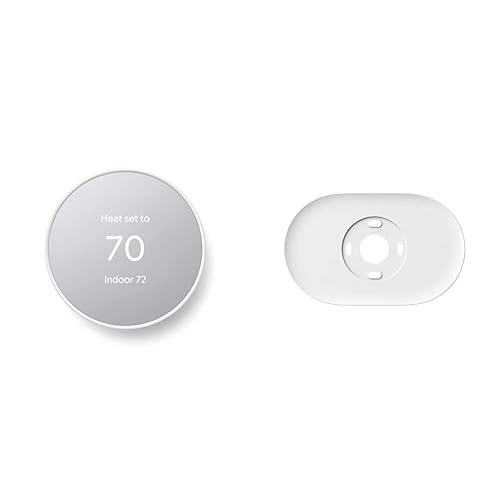
Google Nest Thermostat With Trim Kit (Snow)
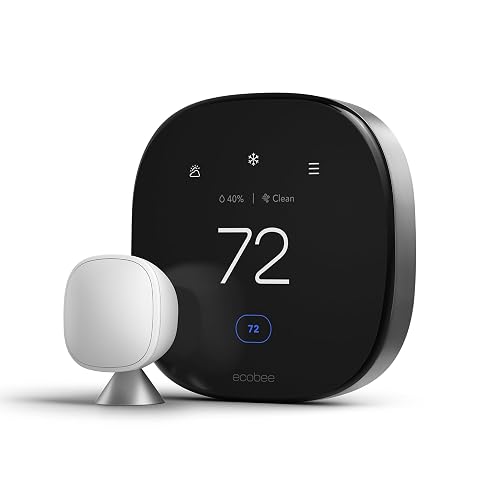
ecobee Smart Thermostat Premium With Smart Sensor
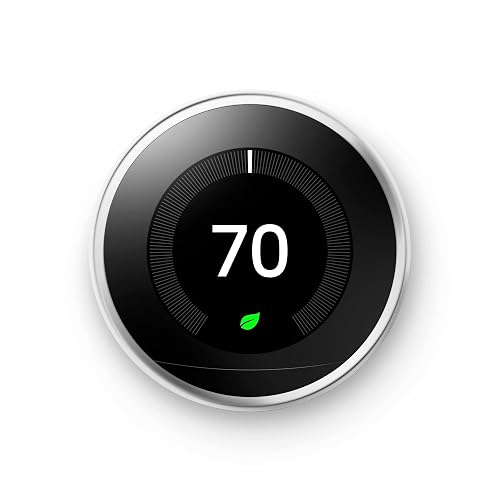
Google Nest Learning Thermostat (Polished Steel)

Mysa Smart Thermostat For Electric Baseboard Heaters 240V
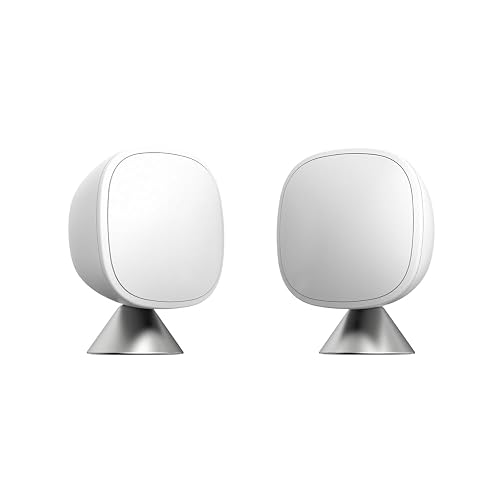
ecobee SmartSensor 2-Pack
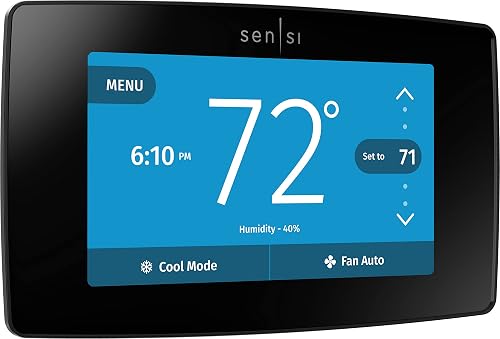
Sensi Touch Wi-Fi Thermostat ST75 (Black)
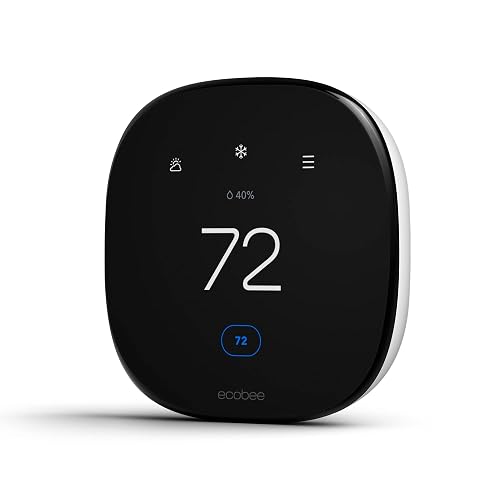
ecobee Smart Thermostat Enhanced
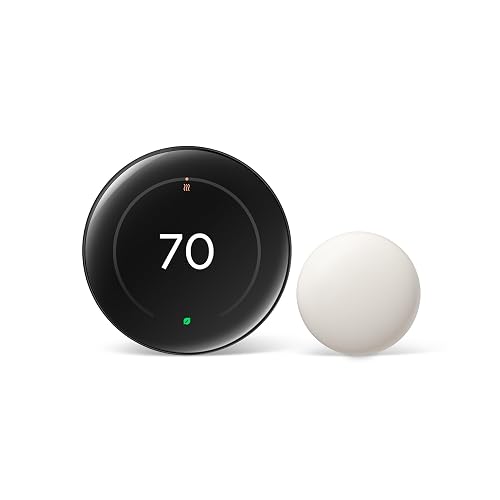
Google Nest Learning Thermostat 4th Gen With Sensor (Obsidian)
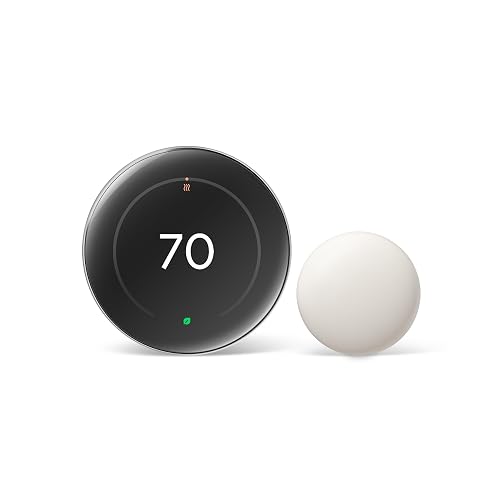
Google Nest Learning Thermostat 4th Gen With Sensor (Silver)
A Deeper Look At The Lineup
For households just stepping into the smart thermostat world, the snow-colored Google Nest Thermostat bundle softens the on-ramp considerably. The included trim plate and steel mounting plate cover older paint lines and electrical box gaps, which matters more than you might expect when swapping out a 1990s dial thermostat. The unit itself earns its ENERGY STAR certification, meaning it meets strict efficiency benchmarks set by the EPA. You can program heating and cooling schedules from the Google Home app on either Android or iPhone, then let the thermostat handle the rest.
Set up sensors in key rooms later to bring true multi-zone control to this base, since the thermostat alone reads only its own location. The auto-away feature drops into an eco temperature when it senses an empty house, which is genuinely useful for commuters. Compared to the ecobee picks coming up, you give up the bundled smart sensor and the broader voice assistant support, but you gain a clean entry point at a friendlier setup level.
Key Advantages
- ENERGY STAR certified for verified energy savings
- Trim plate and steel plate bundle simplifies retrofit installs
- Auto-away adjusts the temperature when the house sits empty
- Google Home app scheduling on Android or iPhone
- Snow finish blends cleanly with light-colored walls
Things To Consider
- No remote sensor in the box, so single-zone control out of the package
- Requires a stable Wi-Fi connection for app-based scheduling
Key Specs
Built With In Mind
First-time smart thermostat owners who want a low-friction install without paying for sensors they may not need yet.
Consider Something Else When
You want true room-by-room control out of the box, in which case the ecobee Smart Thermostat Premium with its bundled SmartSensor suits you better.
The ecobee Smart Thermostat Premium is the one to look at when you want the thermostat to do more than just nudge the temperature. It ships with a SmartSensor, so multi-zone control starts working the moment you pair the sensor and drop it into the room that always runs cold. The built-in air quality monitor adds a layer most thermostats skip, alerting you when indoor air takes a turn. Voice control through both Siri and Alexa is baked in, and the geofencing feature recognizes when your phone leaves the home zone and eases the system back.
Doorbell live view and smoke alarm detection round out the smart-home integrations, so the thermostat doubles as a quiet security hub on your wall. Where the Google Nest Thermostat from item 1 relies on Google Home, this one plays nicely across ecosystems. You pay for those extras, but for households already running a mixed smart home setup, the flexibility pays off. Maintenance is light: the touchscreen wipes clean with a dry microfiber cloth and the firmware updates itself.
Useful Touches
- Included SmartSensor addresses hot and cold spots from day one
- Built-in air quality monitor tracks indoor conditions
- Native Siri and Alexa voice control
- Geofencing automates away-mode based on phone location
Trade Offs
- Higher cost than the entry-level ecobee or Nest options
- Smoke alarm detection and doorbell live view require compatible accessories
Right Fit For
Whole-home comfort enthusiasts who run multiple rooms on different schedules and want air quality data at a glance.
Look Elsewhere When
You heat with electric baseboards, because the Mysa Smart Thermostat for Electric Baseboard Heaters 240V is built for that exact line-voltage setup.
The polished steel version of the Google Nest Learning Thermostat leans into the “program itself” promise, and it actually delivers for most households. After a week of manual adjustments, the thermostat starts predicting when you want the house warm and when you would rather it coast, building a schedule without forcing you to tap through menus. The Home/Away Assist feature slips into an Eco Temperature when the house empties, which is the kind of passive savings that compounds across a heating season. You can also pull up energy history on the display or the app, so the Nest Leaf indicator nudges you toward efficient settings in real time.
The HVAC monitoring feature is a quiet but useful addition. It watches your heating and cooling system and flags irregularities with maintenance reminders, which can save you a service call. Compared to the budget-friendly Nest in item 1, this one trades the trim kit for the learning brain, and that trade is worth it for most owners. Owners commonly report the polished steel finish showing fingerprints, so a soft cloth in the cleaning kit is a wise add-on.
Practical Advantages
- Self-programming schedule learns from your manual adjustments
- Energy history with the Nest Leaf efficiency indicator
- HVAC monitoring flags system issues early
- Home/Away Assist shifts to Eco Temperature automatically
- Polished steel finish elevates the wall aesthetic
Honest Caveats
- Steel finish tends to show fingerprints and smudges
- Learning phase takes about a week to feel dialed in
Made For
Households that want a thermostat to think for itself, especially owners with a regular weekday routine and minimal appetite for manual scheduling.
Skip It When
You prefer a touchscreen interface with explicit app controls, because the Sensi Touch Wi-Fi Thermostat ST75 delivers that experience with a full color display.
The Mysa exists because most smart thermostats simply cannot handle the wiring that electric baseboard heaters throw at them. This unit is purpose-built for high/line-voltage systems running 120V to 240V, which covers the bulk of older homes and condos that heat room by room through wall units. Installation requires at least four wires, including a neutral or a second live wire, so you will want to peek behind the existing thermostat before committing. The Mysa app is free with no subscription tier, and the unit pairs with HomeKit, Alexa, and Google Home for voice routines.
For multi-zone control in a baseboard-heated home, running several Mysa units is the playbook, since each room typically has its own heater and thermostat anyway. Temperature and humidity alerts add a layer of awareness, and the minimalist design looks at home on a modern wall. Compared to the ecobee picks above, you give up the air quality extras and gain genuine line-voltage compatibility, which is the whole point.
Benefits That Matter
- Engineered specifically for 120V to 240V baseboard heaters
- Free Mysa app with no subscription required
- Temperature and humidity alerts in the app
- Works with HomeKit, Alexa, and Google Home
Some Limits To Know
- Requires at least four wires, including a neutral or second live wire
- Not compatible with low-voltage or two-wire installations
- Supports up to 1900W at 120V or 3800W at 240V per unit
Best Suited To
Owners of baseboard-heated homes or condos who need a smart thermostat that actually fits their line-voltage wiring.
Another Choice May Suit
You run a standard central HVAC system, in which case the ecobee Smart Thermostat Enhanced handles the job with broader compatibility.
The ecobee SmartSensor 2-Pack is the upgrade path that turns a single-point ecobee thermostat into true multi-zone control. Each sensor reads both temperature and occupancy using infrared detection, then nudges the paired thermostat to adjust based on which room is actually in use. Place one in the nursery, one in the home office, and the system quietly redirects airflow to the spaces that matter most at any given moment. Sensors communicate wirelessly with the thermostat from up to about 60 feet, so most homes are covered without extra hardware.
This is also the right call for households that already run an ecobee thermostat and want to expand coverage without replacing the base unit. The 2-pack format is the practical size for a two- or three-bedroom layout, and you can add more sensors as your routines shift. Compared to the Google Nest Temperature Sensor ecosystem in picks 8 and 9, ecobee sensors handle both temperature and occupancy in a single unit, which simplifies placement decisions.
Standout Benefits
- Dual temperature and occupancy detection in one device
- Up to 60-foot wireless range from the paired thermostat
- Easy way to expand an existing ecobee system
- Two-pack covers a typical two-zone home layout
Points To Keep In Mind
- Requires a compatible ecobee thermostat to function
Feature Snapshot
Whose Shelf It Belongs On
Existing ecobee owners who want to push their system beyond single-room sensing without swapping the base thermostat.
Reach For A Different Pick When
You are still choosing the thermostat itself, because the Google Nest Learning Thermostat 4th Gen With Sensor bundle includes a sensor and a base unit in one box.
The Sensi Touch ST75 brings a full-color touchscreen to the wall, which sounds simple but matters when guests, kids, or roommates need to nudge the temperature without pulling out a phone. The display is bright enough to read from across a room, and the menus stay straightforward. The unit works with Alexa, and the Sensi mobile app handles scheduling and remote control on both major phone platforms. Data privacy is a clear focus here, with Emerson leaning on its long HVAC heritage to reassure shoppers.
DIY installation is the selling point for homeowners who do not want to call a pro. The app walks you through wiring step by step, and a C-wire is required, so check your existing setup before purchasing. Compared to the ecobee and Nest options above, you trade some of the deeper learning features for an interface that anyone in the household can use without a tutorial. Touchscreens do tend to attract fingerprints, and owners commonly report wiping the screen during weekly cleaning.
Noteworthy Benefits
- Full-color touchscreen for at-a-glance adjustments
- DIY-friendly install with step-by-step app guidance
- Data privacy focus from an established HVAC brand
- Works with Alexa for voice control
Things To Weigh
- Requires a C-wire for installation
- Touchscreen surface tends to collect fingerprints over the week
Who Will Love This
Families that want a thermostat the kids and grandparents can operate without needing the app open.
Where A Sibling Pick Shines
You want hands-free learning routines, in which case the Google Nest Learning Thermostat from pick 3 is a stronger match.
The ecobee Smart Thermostat Enhanced sits below the Premium in the lineup but keeps most of the day-to-day features that matter. The eco+ suite automatically nudges temperatures down when you are away or asleep, and occupancy-based adjustments keep the system from heating or cooling rooms nobody is using. You can control it through your phone, your Apple Watch, or your existing smart home setup, including Apple HomeKit, Alexa, and Google Assistant. The thermostat also suggests schedule changes based on your patterns, which feels like a small cheat code for new owners.
For shoppers who want ecobee’s reliability without paying for the air quality monitor and voice integrations baked into the Premium, this is the sensible middle ground. Pair it with a SmartSensor 2-Pack from pick 5 to unlock true multi-zone control, and you have a setup that rivals more expensive systems. Compared to the Premium in pick 2, you give up a few flagship extras and keep the energy-saving core.
Positive Takeaways
- eco+ features automate savings without manual tuning
- Works with Apple Watch for on-wrist adjustments
- Suggests schedule optimizations based on real usage
- Compatible with HomeKit, Alexa, and Google Assistant
Worth Noting
- SmartSensor sold separately for multi-zone sensing
- Lacks the built-in air quality monitor of the Premium
Quick Facts
Perfect Match For
Shoppers who want proven ecobee scheduling and energy savings without paying for flagship extras they may not use.
Swap It Out When
You want the air quality monitor and built-in voice control, because the ecobee Smart Thermostat Premium from pick 2 covers those.
The 4th generation Nest Learning Thermostat in obsidian black is Google’s most advanced take on the category, and the bundled Nest Temperature Sensor 2nd gen means multi-zone control starts working right out of the box. The learning engine studies your preferences and adapts as your routine changes, which removes the chore of hand-tuning schedules. The display is brighter and more detailed than earlier generations, and the system actively monitors your heating and cooling equipment to catch issues early. Obsidian pairs nicely with darker interior palettes and stays understated in hallways and bedrooms.
This is the choice for households that want the latest-generation learning experience without buying the thermostat and sensor separately. Setup is straightforward through the Google Home app, and the system rewards you for keeping it on a stable network. Compared to the polished steel model in pick 3, you trade the warm metallic finish for a deeper, modern color and the latest hardware revision.
The Helpful Details
- Bundled Nest Temperature Sensor for multi-zone sensing
- Latest-generation learning engine with adaptive scheduling
- Built-in HVAC monitoring for early issue detection
- Obsidian finish suits darker interior design schemes
- Brighter, more detailed display than earlier generations
Small Caveats
- Obsidian finish shows dust more visibly on the bezel
Who Should Grab It
Tech-forward households upgrading from an older Nest and wanting the latest hardware plus a sensor in one purchase.
Not Your Match When
Your home uses a different brand ecosystem, because the ecobee Smart Thermostat Enhanced from pick 7 works more flexibly across HomeKit, Alexa, and Google.
The silver variant of the 4th generation Nest Learning Thermostat brings the same learning engine and bundled Temperature Sensor as the obsidian model, wrapped in a finish that brightens up living spaces with lighter walls. The mirror-like silver bezel reads as a deliberate design choice rather than a utility appliance, which matters in open-concept homes where the thermostat is part of the visible decor. Multi-zone control kicks in immediately when you place the included sensor in the room that drifts furthest from the setpoint.
Beyond the finish, the experience mirrors the obsidian pick above in nearly every way: adaptive learning, HVAC monitoring, app-based remote control, and quiet auto-away behavior. Owners with bright kitchens and white-walled hallways tend to gravitate toward this finish for the visual lift. Compared to the obsidian option, the trade is purely aesthetic, so the choice comes down to which color sits better on your wall.
Practical Pluses
- Silver finish pairs with light, airy interior palettes
- Bundled Temperature Sensor supports multi-zone from day one
- Latest-generation learning engine adapts to routine shifts
- HVAC monitoring helps catch issues before they escalate
Trade-Offs To Consider
- Polished silver bezel tends to reflect nearby clutter and fingerprints
- Pricing sits above older Nest revisions
Best Suited To
Style-focused homeowners in bright, modern spaces who want a thermostat that contributes to the room rather than disappearing.
A Better Fit Elsewhere
You prefer a darker, more understated look, in which case the obsidian variant in pick 8 keeps the same internals with a different finish.
Matching The Right Thermostat To Your Home’s Wiring And Habits
Multi zone smart thermostats solve different problems depending on your home, so the first thing to check is your existing HVAC wiring. Low-voltage central systems (the most common setup in newer construction) work with nearly every thermostat on this list, including the Nest, ecobee, and Sensi models. High/line-voltage electric baseboard systems need a specialty unit like the Mysa, since most smart thermostats cannot handle 120V to 240V wiring. A C-wire (common wire) provides continuous power to the thermostat and is required by several picks here, including the Sensi Touch ST75.
Sensor strategy matters as much as the thermostat itself. True multi-zone control means placing remote sensors in the rooms that drift furthest from the setpoint, like a sun-soaked upstairs bedroom or a basement office. Bundles such as the 4th generation Nest with Temperature Sensor or the ecobee Premium with SmartSensor get you started in a single purchase. If you want to expand later, the ecobee SmartSensor 2-Pack from pick 5 is the cleanest add-on path for ecobee households.
Voice assistant and ecosystem fit is the last piece. Shoppers running Apple HomeKit, Alexa, and Google Assistant mixed setups get the most flexibility from ecobee models, while Google-centric homes align naturally with the Nest lineup. Energy monitoring, scheduling depth, and HVAC diagnostics vary across the picks, so weigh the features you will actually use against the ones that sound nice on the spec sheet.
Where Shoppers Trip Up And When The Upgrade Pays
Traps First Timers Fall Into
The most common mistake is buying a thermostat without confirming your wiring. Many shoppers assume any smart thermostat will work in any home, only to find the unit will not power on without a C-wire or refuses to connect to line-voltage baseboard heating. A two-minute peek behind your existing thermostat, or a quick call to your HVAC installer, saves the hassle of returns.
Another slip-up is buying a flagship model for a small apartment. The premium units shine in larger homes with multiple rooms and varied schedules, but a one-bedroom layout often gets the same comfort and savings from the Google Nest Thermostat in pick 1 or the ecobee Smart Thermostat Enhanced in pick 7.
Where The Extra Money Goes
Higher-tier models earn their price through better sensors, stronger learning algorithms, and extras like air quality monitoring and bundled remote sensors. The ecobee Premium from pick 2 includes an air quality monitor you will not find on cheaper ecobee units, and the 4th generation Nest bundles a Temperature Sensor rather than forcing a separate purchase. The upgrade pays off most in homes with at least three rooms on different schedules, where the learning engine and extra sensors noticeably reduce hot and cold spots within a few weeks.