

A home with one thermostat often leaves someone too hot and someone else too cold, especially across multiple floors or additions. Multi zone thermostats solve that by letting each area run its own schedule and temperature, so the nursery, home office, and basement can finally stop fighting over the same setting. The picks below cover everything from dedicated temperature sensors and plug-in controllers to line-voltage options and full learning systems, with honest notes on who each one actually fits.
Your Options, Compared
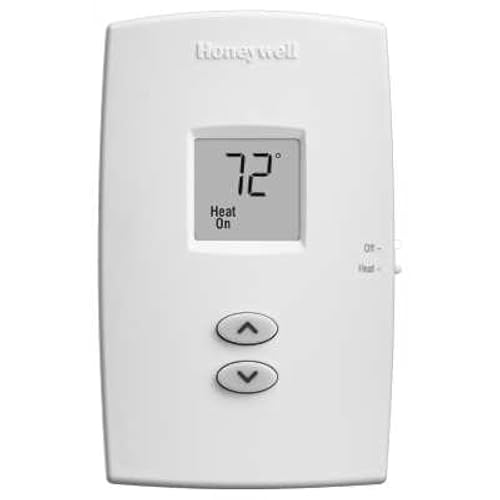
Honeywell TH1100DV1000 PRO 1000 Vertical Thermostat
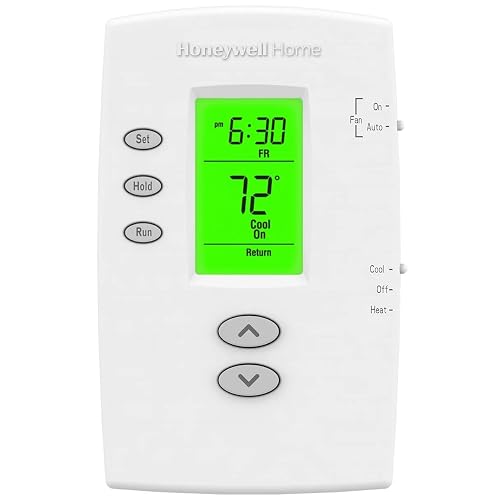
Honeywell TH2110DV1008 PRO 2000 Vertical Programmable Thermostat
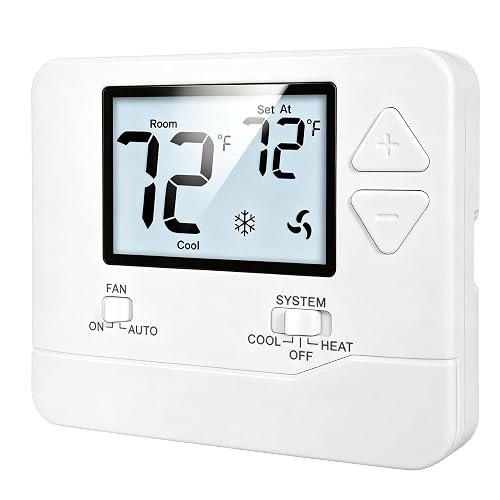
Heagstat Non-Programmable Thermostat 1 Heat/1 Cool
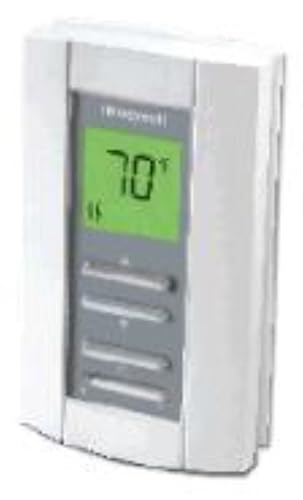
Honeywell TL7235A1003 Line Volt Pro Digital Thermostat 240V
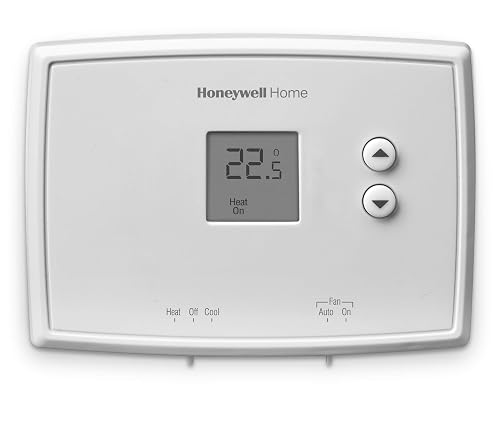
Honeywell Home RTH111B Digital Non-Programmable Thermostat
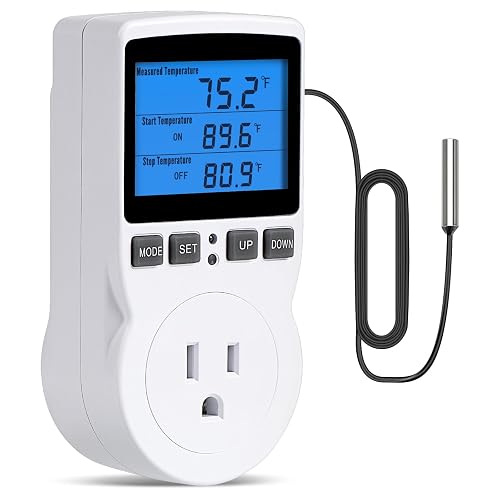
INKBIRDPLUS Plug-In Thermostat Outlet Heating and Cooling

Ventamatic XXFIRESTAT Adjustable Thermostat for Attic Fans
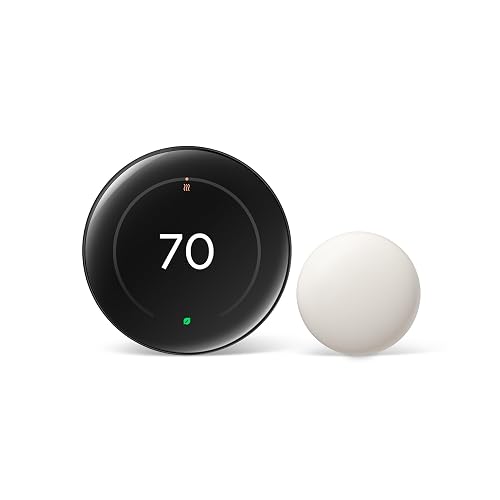
Google Nest Learning Thermostat 4th Gen Obsidian with Sensor
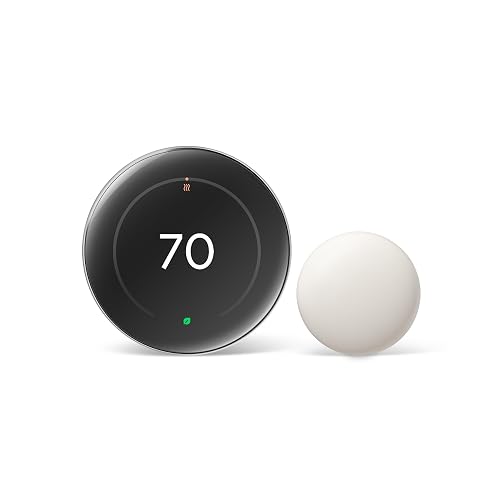
Google Nest Learning Thermostat 4th Gen Silver with Sensor
Why These Options Stand Out
The Honeywell TH1100DV1000 keeps things small and straightforward, with a vertical body that slips into a single-gang opening on most interior walls. It targets single-stage heating systems only, so it suits homes with a furnace or boiler that do not need cooling control from the same wall plate.
For an older home where the existing thermostat was a basic dial, this swap often feels like a quiet upgrade. The premier white face plate is about 4 11/16 inches tall, which leaves room for clear on-screen readouts without crowding the switch plate. You may find the lack of programming limiting, though, if you hoped to automate setbacks overnight.
A Favorable Mix
- Compact vertical footprint fits tight walls
- Backlit digital display reads easily in dim hallways
- Simple up and down setpoint buttons reduce confusion
- Pairs naturally with multi-zone relay panels for simple zoning
Trade Offs To Consider
- Heat only, with no cooling or fan control
- No scheduling, so weekly routines need manual changes
- Wiring is limited to low-voltage systems, not line-voltage baseboards
Who It Suits Best
Homeowners with a straightforward single-stage heating system who want a clean, modern wall control without learning curves or app setup.
Where Another Pick Suits Better
The Honeywell Home RTH111B fits better if you want soft-touch buttons and a wider low-voltage compatibility list, including cooling.
The Honeywell TH2110DV1008 steps things up with weekday and weekend scheduling in a 5-2 layout, which is a quiet win for working households. It supports both heat and cool operation on standard low-voltage systems, so it can serve as the brains of one zone in a larger multi-zone setup.
Compared with the simpler TH1100DV1000, this one adds an early-start feature that pre-conditions the home so the target temperature is already reached by the time you walk in. You may find the initial programming a touch fiddly, but once set, the schedule runs itself in the background.
What Pays Off
- 5-2 scheduling handles weekday and weekend routines separately
- Early-start logic pre-heats or pre-cools before the next setpoint
- Temporary and permanent overrides cover guests and day-off plans
- One-touch setpoint recall keeps manual changes painless
Points To Keep In Mind
- No seven-day flexibility, so a midweek day off still follows the weekday plan
- Display is small, which can be tough in low light from across a room
- Not suited for heat pumps with auxiliary strips, which need extra terminals
Made For
Households on a regular nine-to-five schedule who want predictable setbacks and a low-voltage controller for one zone of a multi-zone system.
Skip It When
Skip the TH2110DV1008 in favor of the Google Nest Learning Thermostat 4th Gen with sensor if you want per-room temperature sensing without a second control panel.
The Heagstat 1 Heat/1 Cool thermostat is a clean, budget-leaning wall unit that handles conventional single-stage forced-air systems with a simple up-down rocker and a backlit display. The white backlight helps in hallways and bedrooms, where waking up to a bright touchscreen would feel jarring.
It works with two to five wires only, which covers most gas, oil, and electric furnace setups paired with a separate air-conditioning condenser. You may find the lack of a fan mode toggle limiting, depending on how the existing wiring was run during the original install.
The Good Stuff
- Backlit digital readout reads clearly at night
- Compatible with most single-stage forced-air systems
- Simple up and down setpoint control reduces confusion
- Often a lower-cost replacement for a broken thermostat
Honest Caveats
- Limited to two to five wires, so six to eight wire systems do not fit
- No multi-stage heat pump support, which excludes many modern installs
- Build is functional rather than premium, with a light plastic feel
Best Suited To
Owners of older single-stage homes who want a sensible replacement thermostat that simply works, without learning a new app.
Consider Something Else When
Consider the Honeywell TH2110DV1008 instead if you need a basic weekly schedule and wider compatibility with heat-pump systems.
The Honeywell TL7235A1003 lives in a different world from the low-voltage units above, since it is built for 240-volt electric baseboard and convector heaters. That makes it a common choice when a multi-zone retrofit needs dedicated controls in rooms that run on line-voltage heat rather than a central furnace.
It uses electronic temperature sensing rather than a mechanical bi-metal strip, which delivers more consistent room temperatures across the day. The on-demand backlight and silent operation are thoughtful touches, though you will need to confirm the amperage of the heaters it will switch, since line-voltage thermostats must be sized to the load.
Where It Delivers
- Direct 240-volt switching without an extra relay in most cases
- Silent triac-style operation reduces the click of older line-voltage stats
- On-demand backlight reads clearly in dim hallways and bedrooms
- Suits one zone of a multi-room baseboard heating layout
Trade Offs To Consider
- Heating only, so cooling needs a separate controller
- No scheduling, which means setbacks are manual
- Requires careful load matching and proper line-voltage wiring
Feature Snapshot
The Right Fit
Homeowners with electric baseboard or convector heaters in individual rooms who need a clean digital control for each zone.
Look Elsewhere When
Look at the INKBIRDPLUS plug-in thermostat outlet if you want to control a portable space heater or fan without opening up the wall wiring.
The Honeywell Home RTH111B is the kind of thermostat that does one job and does it well, with a clear digital display, soft-touch buttons, and a low price that makes it easy to place in spare bedrooms or finished basements. It supports both heating and cooling, which broadens its role across the house.
In a multi-zone setup, it works as a tidy, low-cost wall control in zones that do not need a weekly schedule. You may find the screen a bit reflective in direct sun, but the large numeric readout stays readable from across a small room.
Key Advantages
- Soft-touch buttons feel nicer than older membrane pads
- Wide compatibility with common low-voltage systems
- Clean digital readout shows current and setpoint at a glance
- Often used as a secondary thermostat in zoned systems
Less Ideal Details
- No scheduling, so setback routines need manual changes
- Display is not backlit, which makes nighttime tweaks harder
- No smart features or remote sensor pairing
Who Should Grab It
First-time thermostat swappers and homeowners adding a control to a guest room or finished basement zone.
Reach For A Different Pick When
The Honeywell TH2110DV1008 is a better fit if you want weekday and weekend scheduling on the same wall footprint.
The INKBIRDPLUS plug-in thermostat sits between a wall control and an appliance, switching power to a heater or cooler based on a temperature window you set. With a 15-amp, 120-volt capacity and 1800-watt output, it covers most portable space heaters, fans, and even some heat mats.
For multi-zone projects, it shines in places that are not on the main HVAC loop, like a garage workshop, a reptile room, or a propagation tent. The backlit display and timing cycle help you tune run times, though you will need to leave the device plugged into a grounded outlet, which is worth thinking through before you mount anything overhead.
Everyday Perks
- Plug-and-play setup that skips thermostat wire runs entirely
- Switchable heating and cooling modes for year-round use
- Cycle timing helps avoid short-cycling on small appliances
- Wide control range opens up brewing, reptile, and grow use cases
Practical Considerations
- Does not control a central HVAC system on its own
- Maximum 15 amps at 120V caps the appliances you can plug in
- Needs a visible, accessible outlet rather than a recessed one
Quick Facts
Perfect Match For
Garage tinkerers, greenhouse growers, and pet keepers who want a dedicated temperature controller for a specific space.
A Better Fit Elsewhere
The Honeywell TL7235A1003 is a better fit if you want a clean in-wall control for permanent 240-volt baseboard heating in a living area.
The Ventamatic XXFIRESTAT is purpose-built for power attic ventilators, where it adjusts the activation temperature with a simple screwdriver and triggers a built-in firestat cutoff at 183 degrees Fahrenheit. That cutoff is the headline feature, since it can protect the fan and the attic from extreme heat events.
It controls up to three attic fans on a 10-amp load, which covers most residential power-vent setups. You may find the adjustment style old-school compared with digital thermostats, but in a hot attic, a sealed mechanical control can be a quiet advantage when electronics would suffer.
Bright Spots
- Built-in firestat cuts power at 183 degrees for safety
- Adjustable setpoint from 50 to 120 degrees covers most climates
- Drives up to three attic fans on a single 10-amp circuit
- Sealed design tolerates attic heat and dust better than many digital stats
Areas To Watch
- Designed only for power attic ventilators, not living space
- Adjustment is screwdriver-based, so precise setpoints are approximate
- 10-amp limit excludes some larger commercial attic fans
Whose Shelf It Belongs On
Homeowners replacing a worn attic-fan thermostat in a multi-zone home where attic ventilation is part of the comfort strategy.
Swap It Out When
Swap to the INKBIRDPLUS plug-in thermostat if you need digital precision for a garage, greenhouse, or other non-attic space instead.
The Google Nest Learning Thermostat 4th Gen shifts the multi-zone conversation from wall controls to remote sensors, since the included Nest Temperature Sensor lets a single thermostat respond to conditions in the room you actually use. The Obsidian finish gives it a darker, mirror-like look that suits modern interiors.
It learns your preferred temperatures over time and builds a schedule that adapts when your routine changes, which removes the chore of reprogramming every season. You may find the app setup heavier than a plain wall stat, but the payoff shows up when a single thermostat can prioritize the bedroom at night and the living room by day.
Where It Excels
- Remote temperature sensor extends comfort control into other rooms
- Learning routine removes the need to hand-build a weekly schedule
- Works with common voice and smart home platforms for hands-free tweaks
- Obsidian finish offers a sleek, darker alternative to standard colors
Some Limits To Know
- Needs a C-wire or compatible power adapter for clean installation
- Smart features require account setup and a stable home network
- Each thermostat needs its own sensor or grouping for true multi-zone logic
Feature Rundown
Who Will Love This
Tech-comfortable households that want one thermostat with sensor-driven multi-room logic and a learning schedule.
Not Your Match When
The Honeywell TH2110DV1008 is a better match if you prefer a set-and-forget weekly schedule without a smart home account.
The Silver version of the Nest Learning Thermostat 4th Gen delivers the same sensor-driven multi-zone experience as the Obsidian model, just with a lighter face that pairs nicely with white walls, light woods, and minimal hardware. It still ships with the 2nd-generation Nest Temperature Sensor for the second room.
It learns from your manual adjustments and builds a schedule that drifts with your week, which fits busy homes better than a fixed program. You may find the polished bezel shows fingerprints, so a quick weekly wipe is worth budgeting for.
A Few Highlights
- Sensor pairing balances temperatures across rooms without extra thermostats
- Adaptive learning trims the work of reprogramming each season
- Silver finish blends with most light-colored walls and trim
- Voice and app control simplify changes from the couch or office
Where It Is Less Suited
- Polished bezel shows fingerprints and dust more than matte finishes
- Setup takes longer than a traditional wall thermostat
- Smart features need a home network and account to stay current
Built With In Mind
Design-conscious smart-home households that want the Nest learning experience with a lighter, room-friendly finish.
Another Choice May Suit
The Honeywell TL7235A1003 is a better choice for older homes that need a 240-volt line-voltage control in a specific room instead of a smart hub.
How To Pick The Right Multi Zone Thermostat Setup
Match The Thermostat To The System Type
The first decision is whether the room uses low-voltage forced air, a heat pump, or 240-volt electric baseboard heat, since not every thermostat works on every system. A common wire is the small return wire that powers modern thermostats, so older homes without one may need a power adapter or a different model.
Decide Between Smart And Manual Control
Smart thermostats like the Nest 4th Gen learn your routine and use remote sensors to read the temperature where you sit, while non-programmable units are cheaper and faster to set up. For a family that wants predictable setbacks, a basic 5-2 programmable stat can hit the same comfort goals without an app.
Think About Sensors And Zoning Hardware
True multi-zone comfort usually comes from a mix of dampers in the ductwork, a zoning panel, and thermostats in each zone, plus remote sensors in priority rooms. Homes with line-voltage baseboards often achieve zoning simply by giving each room its own wall thermostat, like the TL7235A1003.
Plan For Wiring, Power, And Network
Before you click buy, count the wires at the wall, check whether a C-wire is present, and confirm the amperage on any 240-volt circuit. Smart thermostats add a dependency on home Wi-Fi and an account, which is fine for connected homes but worth weighing in rentals or spotty-network spaces.
Quick Context On These Picks
Common Shopping Slip Ups
A frequent mistake is buying a thermostat that looks right but does not match the system voltage or stage count, which leads to short-cycling or no power at all. Another is overlooking the C-wire, which many smart thermostats require for steady power, so the install can stall halfway through.
What The Higher Tier Buys
The premium Nest 4th Gen models cost more because they include a remote sensor and learning logic that replaces a hand-built schedule. That upgrade tends to pay off in homes with shifting routines, while a fixed 5-2 schedule on a Honeywell can be the smarter spend in a steady weekday household.
Frequently Asked Questions
What Is A Multi Zone Thermostat System?
A multi zone thermostat system uses more than one temperature control to manage different rooms or areas independently, often through a zoning panel with dampers or by placing a separate thermostat in each zone. The goal is to let the bedroom stay cooler at night while the living room stays warmer, without fighting over one shared setpoint.
Do I Need A C-Wire For A Smart Thermostat?
Most smart thermostats, including the Nest 4th Gen, need a C-wire (common wire) for continuous 24-volt power, since Wi-Fi and the display draw more current than simple stats. Some homes lack a C-wire, in which case a power adapter kit or a professional re-pull may be necessary before the smart unit will boot reliably.
Can A Single Thermostat With Sensors Replace Multiple Zone Panels?
A single thermostat paired with remote temperature sensors can balance comfort across a few rooms without a full zoning panel, especially in open layouts. Larger homes with ducted systems still benefit from physical dampers and a multi-zone controller, since one thermostat can only react to where its sensors are placed.
Are Plug-In Thermostats Like INKBIRDPLUS Worth It?
Plug-in thermostats are worth it for spaces that sit outside the main HVAC loop, like garages, basements, greenhouses, and pet rooms, where a portable heater or fan can do the work. They are not a replacement for a central thermostat, since they only control whatever appliance is plugged into them.
How Many Zones Can A Typical Home Support?
Most residential zoning systems support two to four zones, which covers common layouts like upstairs, downstairs, finished basement, and a separate addition. Adding more zones is possible, though each new zone adds dampers, a thermostat, and extra control wiring, so the cost climbs quickly past four.