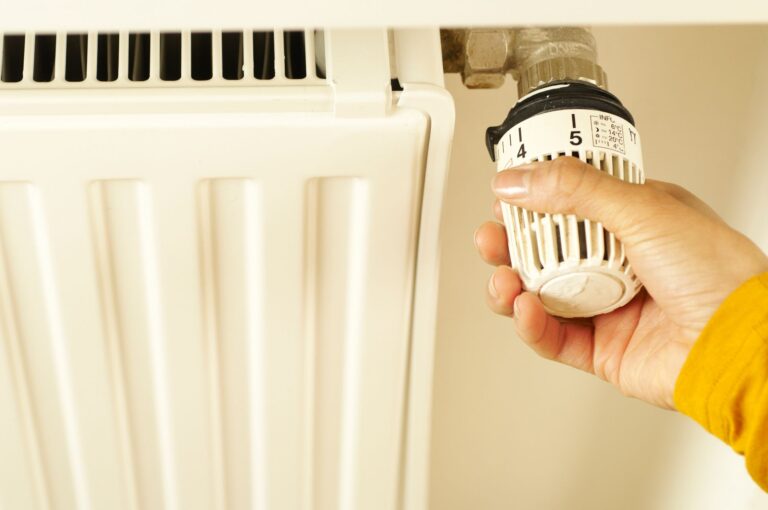

Picking a thermostat for a radiant system feels more technical than swapping a regular wall unit. The wrong control will short-cycle, underutilize, or simply refuse to talk to the mat beneath your tile. This roundup walks through ten thermostats that genuinely cover the radiant category, from whole-home wall units to a plug-in heat-cable controller, so you can match hardware to the system you already own.
A Fast Comparison Of The Options
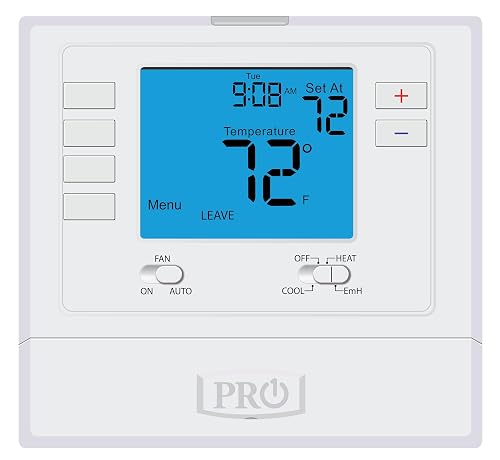
PRO1 T725 Heat Pump/Conventional Programmable Wall Thermostat

PRO1 T771 Single Stage Non-Programmable Wall Thermostat
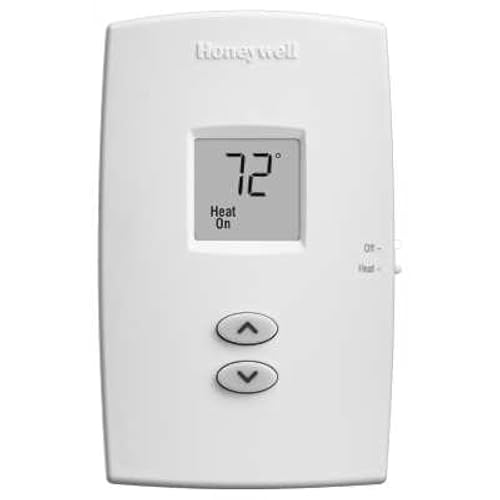
Honeywell TH1100DV1000 PRO 1000 Vertical Non-Programmable Thermostat
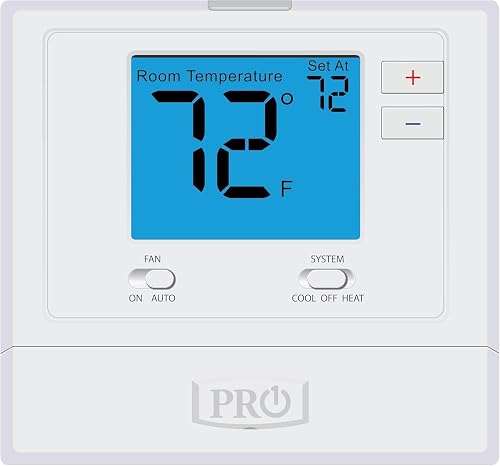
PRO1 T701 Single Stage Non-Programmable Wall Thermostat

PRO1 T715 Multi-Stage Programmable Gas Thermostat
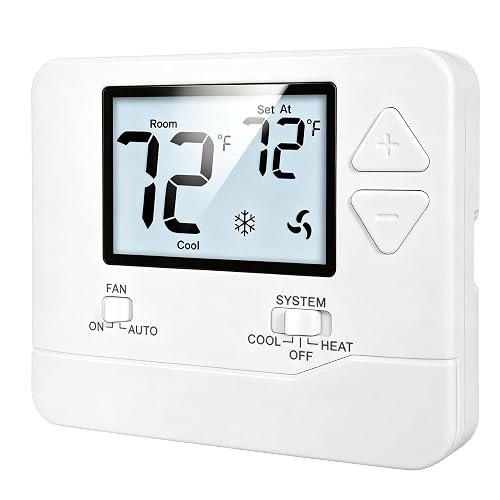
Heagstat NonProgrammable Thermostat 1 Heat/1 Cool
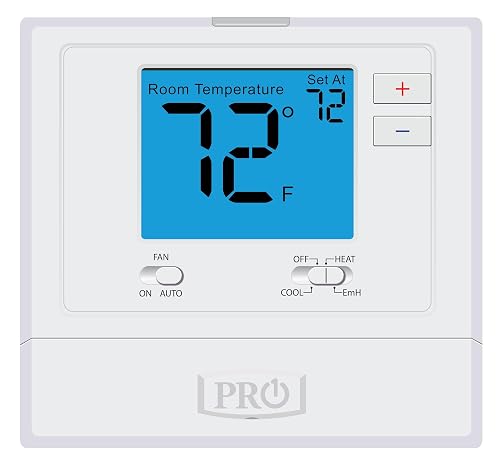
PRO1 T721 Non-Programmable Wall Thermostat for Heat Pump

ThermaCord 120V Heat Cable Controller

OJ Microline UTN4 Radiant Floor Heat Thermostat with GFCI

PRO1 T805 Single Stage Programmable Wall Thermostat
Taking A Closer Look At The Options
For homes running a heat pump with auxiliary strips, the T725 covers the unusual 2 heat/1 cool heat-pump stage plus a fallback 1 heat/1 cool conventional mode. That dual compatibility is rare at this feature level, and it lets the same wall plate follow you through a future equipment swap.
A 4 sq. in. blue backlit screen reads cleanly across a room, and the 7-day, 5/1/1 scheduling matches how most households actually live. Compared with the simpler T771 down the list, you gain weekly programming, which matters far more for variable schedules than for steady garages.
Positive Takeaways
- Heat-pump and conventional dual-use keeps options open
- 7-day and 5/1/1 programming adapts to real routines
- Large 4 sq. in. blue backlit display for easy reading
- Part of the consistent T700 platform for familiar menus
Points To Keep In Mind
- Overkill for simple single-stage homes where the T701 would do
- Programming features take a few minutes to learn on first setup
Whose Shelf It Belongs On
Homeowners with a 2 heat/1 cool heat-pump system who want a programmable wall control without stepping up to multi-stage.
Look Elsewhere When
The PRO1 T701 fits better for a basic 1 heat/1 cool conventional home where weekly scheduling isn’t needed.
The T771 is the practical cousin of the T725 above, built for spaces where you’d rather not fuss with a weekly schedule. A wider 25°F to 90°F setpoint range makes it unusually well-suited to garages, workshops, and sheds that need a lower frost-protection floor than a living room.
Swing adjustment and calibration controls live on the inside of the cover, so you can fine-tune cycling without a service call. In a workshop that swings between 35°F nights and 65°F workdays, that flexibility beats any locked-in factory cycle.
Well-Handled Touches
- Wide 25°F to 90°F range handles low-temp spaces
- Backlit 4 sq. in. display stays readable in dim shops
- Swing and calibration adjustments for tuning comfort
- Non-programmable design keeps the interface simple
Honest Caveats
- No scheduling, so daily users will adjust manually
- Single-stage only; not a fit for 2H/2C gas setups
Key Product Details
Made For
Garage and outbuilding owners who want a wide-range digital stat without programming complexity.
Reach For A Different Pick When
The Honeywell TH1100DV1000 PRO 1000 fits better for a heat-only baseboard retrofit needing a vertical form factor.
The Honeywell PRO 1000 does one thing and does it well: it runs a heat-only system from a slim vertical housing. For baseboard heaters, fan coils, and similar radiant-style appliances, the tall layout fits narrow baseboard runs and tight wall cavities better than the squarer T701.
Owners commonly appreciate the straightforward dial and the lack of menus to navigate. You won’t find programming here, which keeps the upfront cost lower and the learning curve nearly flat.
The Helpful Details
- Vertical footprint suits tight baseboard runs
- Heat-only configuration is purpose-built for radiant baseboards
- Premier white finish blends with most interior palettes
- Honeywell build quality in a simple non-programmable shell
Some Limits To Know
- No cooling stage, so AC systems need a different control
- Non-programmable means manual adjustments each day
Feature Snapshot
Best Suited To
Owners retrofitting 120V or 240V electric baseboard heat who want a clean Honeywell control with minimal setup.
Swap It Out When
The PRO1 T771 suits better for 1 heat/1 cool conventional systems needing both heating and cooling stages.
The T701 takes the T700 platform and strips it down to essentials. You get a single-stage 1 heat/1 cool conventional control with a backlit screen and a glow-in-the-dark light button that you can actually find during a midnight trip to the hallway.
Without programming menus to navigate, the T701 suits renters and second homes where set-and-forget simplicity matters more than schedules. Compared with the T725 above, the trade is fewer features for a more approachable price point.
Practical Pluses
- Glow-in-the-dark light button aids nighttime use
- 4 sq. in. blue backlit screen reads at a glance
- Compatible with gas or electric 1H/1C systems
- Simple installation and minimal learning curve
Trade Offs
- No weekly scheduling, so comfort is fully manual
- Single-stage only, not a fit for 2H/2C multi-stage setups
Who It Suits Best
Homeowners and renters running a basic 1 heat/1 cool conventional system who value simplicity over scheduling.
Not Your Match When
The PRO1 T715 fits better for a 2 heat/2 cool gas furnace household needing multi-stage control.
The T715 is the deepest control on the T700 platform, running a 2 heat/2 cool gas system with weekly programming. Multi-stage staging keeps the furnace from slamming on at full blast, which extends equipment life in larger homes with longer duct runs.
You can pick battery or hardwired power, and the 4 sq. in. blue backlit screen matches the rest of the family. The T715 makes more sense for a 2,000-plus square-foot home than the simpler T701 covered earlier.
What Helps Most
- 2 heat/2 cool control handles multi-stage gas furnaces
- 7-day, 5/1/1, or non-programmable modes in one unit
- 4 sq. in. blue backlit display with glow light button
- Battery or hardwired power options at install time
Less Ideal Details
- Setup takes longer than a single-stage swap
- More features than smaller homes really need
Feature Card
Right Fit For
Households with a two-stage gas furnace and central air who want weekly programming without a touchscreen premium.
Skip It When
The PRO1 T701 suits better for a smaller home with only a 1H/1C conventional system and no need for staging.
The Heagstat targets the most common single-stage setup in older homes: 24VAC forced-air gas, oil, or electric furnaces paired with a separate AC condenser. The white backlight helps the display pop in dim hallways, and the wiring is friendly to typical 2 to 5 wire retrofits.
Owners commonly note the straightforward install and predictable behavior. The trade-off is that six- to eight-wire systems with extra accessories won’t fit this base, so verify your existing terminal count before choosing.
Where It Helps
- White backlit display for easy nighttime reading
- Compatible with 24VAC gas, oil, and electric forced-air
- Designed for 2 to 5 wire single-stage retrofits
- Accessible price point for a full-house swap
Where It Is Less Suited
- 6 to 8 wire systems exceed the base plate
- Heat-pump systems are not supported on this model
Technical Reference
Perfect Match For
Conventional single-stage homeowners replacing an aging analog stat on a tight budget.
Consider Something Else When
The PRO1 T721 works better for heat-pump systems or homes that may switch between heat-pump and conventional setups.
The T721 sits in an unusual slot: a non-programmable wall unit that flexes between a 2 heat/1 cool heat-pump system and a 1 heat/1 cool conventional one. That dual-compatibility makes it handy during renovations when the equipment hasn’t been finalized yet.
You can run it on AA batteries or hardwired power, and the glow-in-the-dark light button helps during late-night adjustments. The T725 higher up this list is the programmable version, and the T721 trims the price by giving up weekly schedules.
Where It Excels
- Heat-pump and conventional modes in one unit
- Battery or hardwired power at install
- Glow-in-the-dark light button for nighttime use
- 4 sq. in. blue backlit screen matches the T700 family
Worth Bearing In Mind
- No programming means manual temp changes
- Only one stage of cooling, not multi-stage
Who Should Grab It
Renovators and homeowners transitioning from a conventional furnace to a heat-pump setup without locking in a specific control yet.
A Better Fit Elsewhere
The PRO1 T725 suits better for heat-pump households that want a full weekly programming schedule.
The ThermaCord is in a different class than the wall thermostats above. It’s an outdoor-rated, plug-in control for heat cable and heat tape that energizes the system near 37°F and cuts power near 50°F, protecting pipes and roof edges without manual intervention.
The bi-metal thermostat and 14 AWG wire inside the housing are sized for a 120V, 15A load, and the enclosure is listed for outdoor exposure. For a workshop or crawl space, an interior stat covers indoor comfort, while this controller guards the outside.
Bright Spots
- Activates around 37°F and shuts off near 50°F
- Outdoor-rated enclosure for exposed installs
- 120V, 15A capacity with 14 AWG wiring
- Universal fit across heat cable and heat tape brands
Practical Considerations
- No display or user adjustment, so behavior is fixed
- Limited to 15A, so verify the total cable load
Built With In Mind
Homeowners in cold-winter regions who need automatic control for pipe and roof heat cables without a hardwired install.
Where A Sibling Pick Shines
The OJ Microline UTN4 serves better for embedded electric radiant floor heating, which is a different category entirely.
The UTN4 is built specifically for electric radiant floor heating, with the Class A GFCI (Ground Fault Circuit Interrupter) that building codes typically require for floor-warming mats. Dual sensing reads both floor probe and ambient air, giving more accurate control than ambient-only stats.
It runs on 120V or 240V, which covers most North American mat installations, and includes the floor sensor in the box. The trade-off is a non-programmable design, so households that want seven-day schedules will need a different model in the OJ lineup.
Everyday Perks
- Built-in Class A GFCI for code-compliant floor warming
- Dual sensing from probe and ambient air
- Supports 120V and 240V mat installations
- Floor sensor included for install out of the box
Things To Weigh Up
- Non-programmable limits automated comfort routines
- Specialty pricing reflects the floor-warming category
Who Will Love This
Bathroom and kitchen renovators with electric radiant floor mats who need a code-compliant GFCI control.
Another Choice May Suit
The ThermaCord controller fits better for outdoor pipe and roof cables rather than indoor floor warming.
The T805 steps up to the larger T800 platform, and the headline feature is a 7 sq. in. display that nearly doubles the screen real estate of the T725. For older eyes or rooms with long sightlines, that extra size pays off the first time you read the schedule from across the room.
You still get 7-day, 5/1/1, and non-programmable modes for a single-stage 1H/1C conventional system, plus a glow-in-the-dark light button for nighttime use. Compared with the multi-stage T715 earlier in the list, this trades staging for the bigger screen.
Useful Strengths
- Extra-large 7 sq. in. blue backlit display
- 7-day, 5/1/1, or non-programmable modes
- Glow-in-the-dark light button for night trips
- T800 platform room for future expandability
Where It May Fall Short
- Single-stage only, no multi-stage option
- Larger display needs more wall space
Right Fit For
Conventional 1H/1C homeowners who prefer a larger, easier-to-read wall thermostat with weekly programming.
Not Your Match When
The PRO1 T715 serves better for households that need 2 heat/2 cool multi-stage control over display size.
Getting Comfortable With Radiant Heating Thermostats
Picking the right control starts with the equipment you already have. Confirm the system type and stage count before browsing, because heat-pump, conventional, and embedded electric floor-warming each call for a different class of stat. A mismatch usually surfaces as a wiring headache on install day, not a feature gap later.
For floor-warming applications, code typically requires a Class A GFCI, a safety device that cuts power fast on a ground fault, and many wall thermostats don’t include one. The OJ Microline UTN4 is one of the few that does. For pipe and roof cables, a hardwired indoor stat will not survive weather, so an outdoor-rated plug-in controller is the safer pick.
Sensors matter more than screens. Dual-sensing thermostats read a floor probe and the room air, which prevents overshooting under tile and lag in a cold morning. Single-sensing models work fine for forced-air conventional systems, where ambient air tracks the conditioned space quickly.
The wiring is the silent gatekeeper. Most non-programmable retrofits use 2 to 5 wires, but systems with accessories like dehumidifiers can climb to 6 to 8 wires. Match the base plate before falling in love with a screen size.
Things To Watch Before You Click
Pitfalls Shoppers Hit
The most common slip is choosing a thermostat for the wrong system type. A heat-pump control running on a conventional furnace will short-cycle and confuse staging. Check the existing wiring labels, count the wires, and confirm the heat/cool stage count before ordering.
A second trap is ignoring GFCI requirements for electric floor-warming. A standard wall thermostat on a floor mat without GFCI protection can create a code violation, and retrofitting GFCI later is more involved than choosing the right stat upfront. A plug-in outdoor controller also needs to be matched to the cable’s total amp draw to stay inside its rating.
When Paying More Pays Off
Stepping up to a programmable or multi-stage control generally costs more, but the upgrade pays off in comfort and equipment life. A weekly schedule trims runtime during hours when nobody is home, and multi-stage gas thermostats let a furnace ramp gently instead of blasting at full fire.
The larger-display models earn their keep in homes where someone actually struggles to read the smaller screens from a normal viewing distance. In an open-plan living room, a 7 sq. in. display beats a 4 sq. in. one every time, and you don’t have to squint across the room to confirm the temperature.
Frequently Asked Questions
Can a regular wall thermostat run a radiant floor system?
For hydronic radiant systems connected to a boiler, a conventional wall thermostat can usually control the system. Electric floor-warming mats typically need a stat with a Class A GFCI built in, like the OJ Microline UTN4, to meet code.
What’s the difference between programmable and non-programmable thermostats?
A programmable model runs a weekly schedule of setpoints, so the temperature drops automatically when you leave and recovers before you return. A non-programmable stat holds one setpoint until you change it manually.
Do I need a special thermostat for a heat pump?
Yes, heat-pump systems need a thermostat that understands the heat-pump staging and reversing valve logic. A non-programmable conventional stat will not manage a heat-pump system correctly, and that’s where models like the PRO1 T721 or T725 come in.
What wires does a typical thermostat need?
Most modern systems run on a common wire, or “C-wire,” that supplies continuous 24VAC power. Battery-only thermostats work without it, but Wi-Fi and backlit models usually need a C-wire to avoid battery drain.
Is an outdoor heat-cable controller safe in the rain?
Models listed for outdoor exposure, like the ThermaCord, use a weatherproof housing designed to handle precipitation. Indoor wall thermostats are not rated for outdoor mounting, even under an eave, so keep them inside.
Wrap Up
The right thermostat depends less on the brand and more on the system behind your wall. Start with the equipment you own, match the stage count and system type, then pick the level of scheduling and screen size that fits how you live. A correct match today means fewer wires to chase tomorrow, and a room that actually holds the temperature you set.