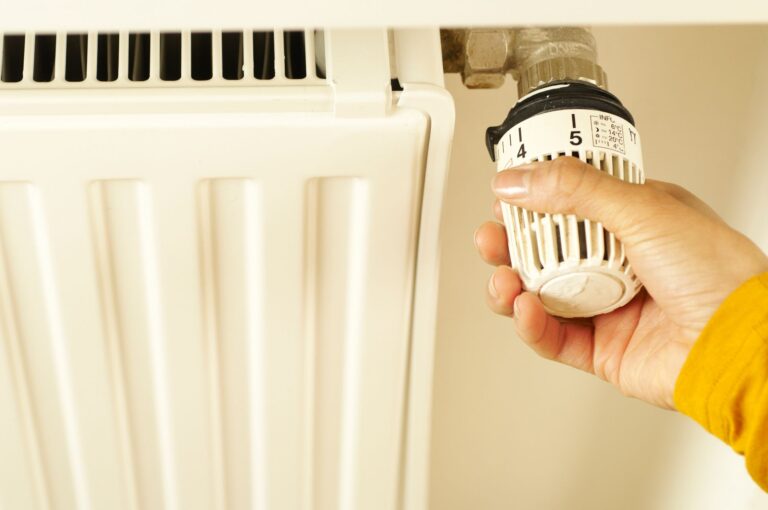

Replacing a thermostat sounds simple until you start matching terminals to your HVAC system. Ranco thermostats cover two very different worlds: dependable digital wall units for home heating and cooling, and rugged refrigeration controls for coolers, freezers, and walk-ins. The lineup below pulls from both ends of that range, so whether you’re chasing tighter comfort at home or more reliable cold-chain performance, there’s a fit waiting. We’ll walk through what each model actually does, where it earns its keep, and which scenarios call for a different pick.
The Choices Worth Comparing
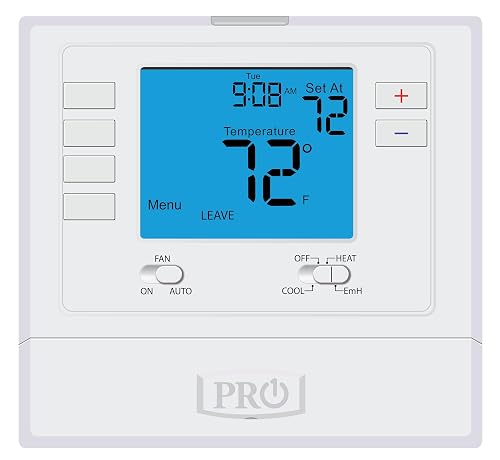
PRO1 T725 Heat Pump/Conventional Programmable Wall Thermostat

PRO1 T771 Single Stage Non-Programmable Wall Thermostat
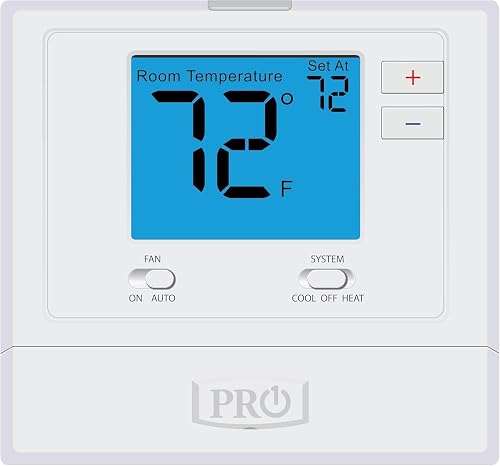
PRO1 T701 Single Stage Non-Programmable Wall Thermostat

PRO1 T715 Multi-Stage Programmable Gas Thermostat
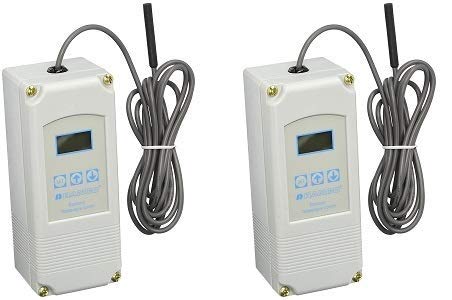
Ranco ETC-111000 Digital Cold Temperature Control (2-Pack)
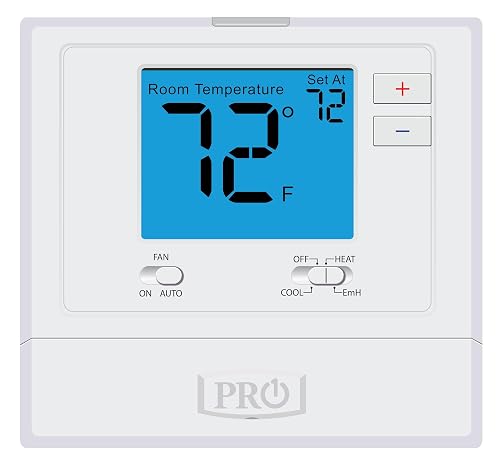
PRO1 T721 Non-Programmable Wall Thermostat
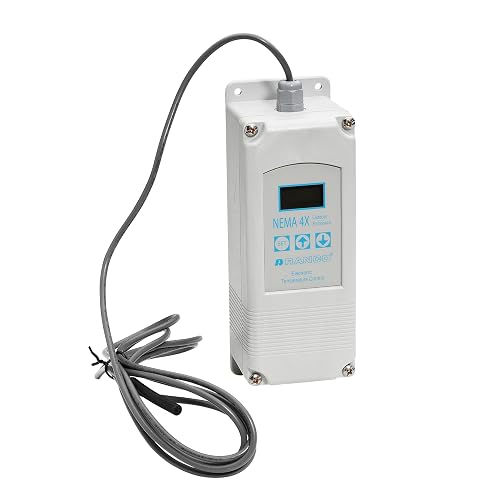
Ranco ETC-241000 2-Stage Refrigeration Temperature Control

PRO1 T805 Single Stage Programmable Wall Thermostat
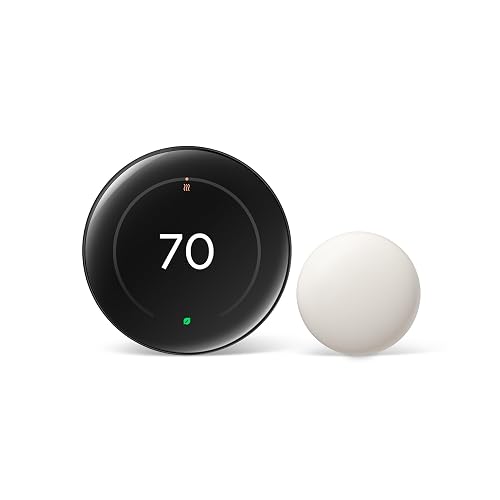
Google Nest Learning Thermostat (4th gen) – Obsidian
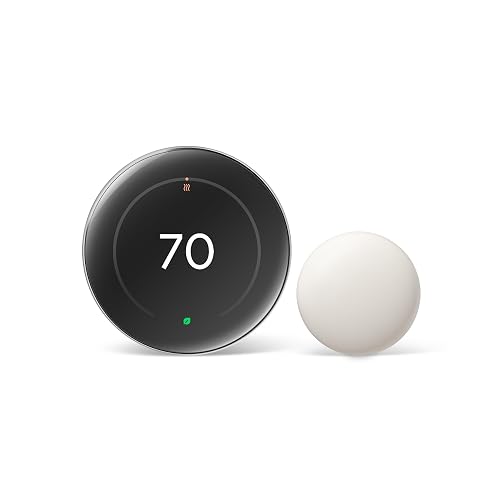
Google Nest Learning Thermostat (4th gen) – Silver
A Breakdown Of The Leading Choices
The PRO1 T725 sits in that sweet spot where flexibility meets everyday practicality, and that’s a big reason it leads off the list. A heat pump system and a conventional furnace run on different wiring logic, so having one wall unit that can switch between the two takes the guesswork out of replacements and upgrades.
For most homeowners, the value shows up in scheduling. The T725 supports 7-day or 5/1/1 programming, which means you can build a different plan for weekdays, Saturday, and Sunday without touching the unit again. The 4-square-inch blue backlit display is large enough to read from across a hallway, and the screen lights the active mode clearly so you’re never squinting at 6 a.m.
Advantages To Know
- Dual compatibility with 2 heat/1 cool heat pump and 1 heat/1 cool conventional setups, useful during system changes or rentals.
- Full 7-day or 5/1/1 scheduling reduces manual adjustments across a typical work week.
- Large backlit display stays readable in low light, helpful for hallways and bedrooms.
- Part of the T700 platform, which means familiar controls for anyone who’s used a PRO1 unit before.
Things To Consider
- Multi-stage heating and cooling needs (2 heat/2 cool gas setups) move you toward the PRO1 T715 instead.
- Programming takes an hour upfront to map out a realistic schedule, which may frustrate first-timers.
Who It Suits Best
Homeowners with a heat pump who want real scheduling without paying for a connected thermostat, especially those in mild climates with shoulder seasons.
Consider Something Else When
The PRO1 T715 is a stronger match when your home runs a 2 heat/2 cool gas system and needs finer stage control.
Most home thermostats assume a livable indoor range, somewhere in the high 60s to low 70s. The PRO1 T771 throws that assumption out the window with a setpoint range running from 25°F to 90°F, which is exactly what you need in spaces that get cold but shouldn’t freeze. Think detached garages, workshops, and pump houses.
What makes this unit feel right for utility spaces is the lack of programming. You don’t need a weekly schedule in a shop you only heat on weekends; you just need a reliable dial that hits the same temperature every time. The blue backlit display stays clear, and the unit is calibrated for the kind of low-temperature environments that would confuse a standard living-room thermostat.
Good Reasons To Consider
- Wide setpoint range (25°F to 90°F) supports freeze-protection and specialty heating needs.
- Non-programmable design keeps controls simple for shared or occasional-use spaces.
- 4-square-inch backlit display stays readable in dim garages and basements.
Room For Improvement
- Single-stage only, so it’s not the right match for multi-stage systems or heat pumps.
- No scheduling means you’ll need to adjust manually when your use of the space changes week to week.
Made For
Shop owners, weekend tinkerers, and anyone running heat in a garage or outbuilding that needs to stay above freezing without fuss.
Look Elsewhere When
Reach for the PRO1 T701 instead when the space in question is a finished living area with a standard 1 heat/1 cool conventional system.
Sometimes the most useful thermostat is the one that just sets a temperature and forgets about it. The PRO1 T701 is built around that idea, covering the most common 1 heat/1 cool conventional system without dragging in extra menus or learning curves. It’s the kind of unit you hand to a tenant, a guest, or a family member who never wants to think about a schedule.
Compared to the T771 we just covered, the T701 lands in a more typical comfort range, which makes it a better fit for finished living areas than specialty spaces. The T700 platform shows up again, with its 4-square-inch blue backlit display and a glow-in-the-dark light button that quietly solves the “where is the button in the dark” problem at 2 a.m.
What Stands Out
- Simple non-programmable operation removes setup friction for first-time installers.
- Glow-in-the-dark light button helps locate controls in a dark hallway.
- Clear blue backlit display reads well from across most rooms.
- Built on the same T700 platform as the T725, so service and replacements are familiar.
Worth Noting
- Lacks programmability, so energy savings will lean on user habits rather than the unit itself.
- Single-stage only, which means it won’t help homes with two-stage furnaces or heat pumps.
Feature Snapshot
Best Suited To
First-time installers and anyone replacing a basic wall thermostat who values simplicity over scheduling.
Skip It When
Move to the PRO1 T805 if you want a larger display and optional scheduling on the same single-stage foundation.
When the HVAC system in the home can fire up two heating stages and two cooling stages, a single-stage thermostat becomes a bottleneck. The PRO1 T715 steps into that role, designed around 2 heat/2 cool gas systems where temperature swings are larger and equipment needs more nuanced control.
What sets it apart from the T725 is the stage count, but the daily experience is similar. You still get the T700 platform, a 4-square-inch blue backlit display, and a glow-in-the-dark light button for nighttime adjustments. The T715 also adds flexibility on the programming side, with 7-day, 5/1/1, or non-programmable modes so you can run it as a set-and-forget unit once the schedule is locked in.
A Strong Showing
- Handles 2 heat/2 cool systems, suitable for homes with two-stage gas furnaces and AC units.
- Three programming modes (7-day, 5/1/1, non-programmable) cover both detailed and simple use cases.
- Battery or hardwire power gives installation flexibility for older homes without a common wire.
- Shares the T700 platform, so the interface feels familiar if you’re upgrading from a T701 or T721.
Points To Note
- Overkill for single-stage homes, where a T701 will do the same job at a lower tier.
- Setting up multi-stage scheduling can take an evening to map correctly, especially for first-time users.
Who Should Grab It
Owners of two-stage gas heating and cooling systems who want genuine staging control without jumping to a connected thermostat.
Reach For A Different Pick When
The Ranco ETC-241000 is the more appropriate choice for commercial refrigeration rather than residential HVAC, which is what the T715 is built for.
Most of the picks on this list are wall thermostats for living spaces, and that’s a very different world from the one Ranco originally built its name in. The ETC-111000 is a digital cold temperature control designed for refrigeration, walk-in coolers, and similar setups where maintaining a stable setpoint matters more than scheduling comfort.
This listing ships as a two-pack, which makes it a sensible option for anyone running two independent cold-storage zones. It doesn’t live on a wall next to a hallway, it lives near a compressor and a probe, and it reads and reacts to temperatures that most home thermostats would never see.
Notable Upsides
- Digital cold-control logic aimed at refrigeration rather than residential comfort.
- Two-pack format offers a value-friendly way to cover two zones at once.
- From the Ranco brand, a name long associated with commercial refrigeration controls.
Some Limits To Know
- Not designed for home heating and cooling, so it won’t replace a wall thermostat.
- Single-stage output, which won’t fit two-stage refrigeration systems; the ETC-241000 handles that role.
Perfect Match For
Small business owners and maintenance techs managing walk-in coolers, reach-in fridges, or similar single-stage refrigeration setups.
A Better Fit Elsewhere
Choose the Ranco ETC-241000 when the refrigeration system is two-stage and needs more sophisticated control logic.
The PRO1 T721 is a quiet workhorse, the kind of unit that doesn’t draw attention to itself but stays flexible when the home’s setup changes. It supports both 2 heat/1 cool heat pump and 1 heat/1 cool conventional systems, which means it can move with you from one HVAC type to another without forcing a replacement.
Because it’s non-programmable, the day-to-day experience stays simple. You set a temperature, the unit holds it, and you walk away. The 4-square-inch blue backlit display and glow-in-the-dark light button come straight from the T700 platform, so it feels familiar next to the T701 and T725 we already covered.
What Earns Its Place
- Dual-system compatibility (heat pump or conventional) simplifies replacements across property types.
- Non-programmable interface keeps daily operation easy for tenants and guests.
- Glow-in-the-dark light button helps in dark hallways and bedrooms.
- AA battery or hardwire power option covers a range of installation situations.
Soft Spots
- No scheduling means energy savings depend entirely on user behavior.
- Single-stage cooling limits its usefulness in homes with multi-stage AC equipment.
Feature Snapshot
Whose Shelf It Belongs On
Landlords and rental property managers who need a flexible, tenant-proof thermostat that handles either heat pump or conventional systems.
Swap It Out When
The PRO1 T725 is the better pick for owner-occupied homes where weekly scheduling would save more than manual tweaks.
The Ranco ETC-241000 sits at the heavier end of the refrigeration category. The ETC series was designed as a modern electronic replacement for older electromechanical controls in commercial refrigeration, and the two-stage capability is what separates it from the single-stage ETC-111000 covered earlier.
For most service techs, the value comes from the broad set of features in a single device. Two-stage output, selectable heating or cooling modes, and a multi-voltage input mean one model can be deployed across a range of equipment, which simplifies stocking and replacement jobs. The 2 heat/2 cool residential models in this list, like the PRO1 T715, are designed for home comfort, while this unit is squarely aimed at cold-chain performance.
A Favorable Mix
- Two-stage refrigeration logic supports systems that cycle between light and heavy demand.
- Multi-voltage input adds flexibility for various commercial installations.
- Selectable heating or cooling modes let the same control serve different applications.
Honest Caveats
- More involved to install and configure than a basic single-stage refrigeration control.
- Overkill for small residential fridges, where a simple mechanical thermostat is often sufficient.
Right Fit For
Commercial kitchen operators and refrigeration service techs working on two-stage cooling systems, cold rooms, and similar equipment.
Not Your Match When
The Ranco ETC-111000 fits better for single-stage refrigeration jobs where two-stage control adds cost without value.
The PRO1 T805 takes everything familiar about the T700 platform and stretches the screen, which sounds like a small change but makes a real difference in everyday use. The 7-square-inch blue backlit display is the largest on this list, and it shows the schedule, mode, and current temperature in much larger type than the 4-square-inch units above.
For most homeowners, that translates into fewer squints from across the room. The unit also supports 7-day, 5/1/1, or non-programmable modes, so it works whether you want a detailed weekly plan or a simple set-and-forget setup. Like the T715, it can run on battery or hardwire power, which keeps installation options open.
The Practical Payoff
- 7-square-inch backlit display is the largest in this lineup, ideal for hallways and far walls.
- Three programming modes (7-day, 5/1/1, non-programmable) cover a range of preferences.
- Glow-in-the-dark light button stays easy to find in the dark.
- Battery or hardwire power offers flexibility for older homes without a C-wire.
Less-Strong Areas
- Single-stage only, so it won’t help two-stage HVAC systems.
- Larger face may not match narrow wall plates or compact switch boxes.
Quick Facts
Who Will Love This
Homeowners with average vision who want a thermostat that reads clearly from across a room, especially in wide hallways or large living spaces.
Where Another Pick Suits Better
Step up to the PRO1 T715 when the home’s HVAC is a 2 heat/2 cool gas system that needs more stages than the T805 can drive.
The Nest Learning Thermostat (4th gen) takes the roundup in a different direction. It’s not a basic wall thermostat and it’s not a refrigeration control, it’s a connected device that learns from how you actually live. The Obsidian finish here is the darker of the two color options covered in this list, and it blends nicely into modern interiors.
What makes the 4th generation different from earlier Nest models is the bundle approach. The included Nest Temperature Sensor (2nd gen) lets the system read temperatures in multiple rooms, which matters in homes with hot upstairs floors and cold basements. For most connected households, the experience centers less on programming and more on the system quietly adapting over time.
Key Advantages
- Adaptive learning reduces the need to set and adjust schedules manually.
- Includes a 2nd-gen Nest Temperature Sensor for multi-room awareness.
- Obsidian finish suits modern, dark-themed interiors.
Practical Considerations
- Higher learning curve than a basic digital thermostat like the PRO1 T701.
- Requires Wi-Fi and app-based setup, which may not appeal to offline-only households.
Built With In Mind
Tech-comfortable homeowners who want a thermostat that tunes itself and supports remote app control across a connected household.
Another Choice May Suit
The PRO1 T725 makes more sense for homeowners who prefer a wall-mounted, schedule-driven unit with no app dependency.
The Silver version of the Nest Learning Thermostat (4th gen) is essentially the same connected experience as the Obsidian model, just in a lighter finish that suits brighter walls and more traditional interiors. You get the same adaptive logic, the same included 2nd-gen Nest Temperature Sensor, and the same multi-room awareness.
For most households, the choice between this and the Obsidian model comes down to interior styling rather than function. The silver face reflects more light, which can read as either classic or distracting depending on the wall color. In a living room with white or neutral paint, the silver version tends to disappear more than the Obsidian model does.
What Works In Its Favor
- Adaptive learning behavior that adjusts over time without manual programming.
- Includes a 2nd-gen Nest Temperature Sensor for zoning across rooms.
- Silver finish complements lighter, more traditional interior palettes.
Details To Watch
- Relies on Wi-Fi and app integration for full functionality.
- Reflections on the polished face can make the screen harder to read in direct sunlight.
The Right Fit
Connected households with lighter interior walls that prefer a thermostat to blend in rather than stand out.
Not Your Match When
Step to the PRO1 T805 when the priority is a large, schedule-driven wall display without app or Wi-Fi dependence.
What To Weigh Before Picking a Thermostat
The first thing to sort out is the system behind the wall. HVAC terminology gets fuzzy fast, so here are the basics: a “stage” is a level of heating or cooling output, and a single-stage system has one stage while a two-stage system has two (low and high). A “heat pump” is a system that moves heat rather than generating it, and it can usually run as both heater and air conditioner. Knowing whether your home uses a heat pump, a conventional gas furnace, or a two-stage system determines which of the picks above will actually work.
For most homeowners, the next question is whether programming matters. A programmable thermostat like the PRO1 T725 or T805 will save effort week to week, while a non-programmable unit like the T701 trades scheduling for a simpler interface. Refrigeration buyers live in a different world, where the goal is a stable setpoint, not a weekly schedule, which is why the Ranco ETC units stand apart from the wall thermostats.
Finally, think about wiring before you commit. Many older homes lack a common wire (often called a “C-wire”), which is the constant low-voltage power feed that some smart and programmable thermostats need. Units with battery or hardwire flexibility, like the PRO1 T805, sidestep that problem for retrofit installs. Connected thermostats like the Nest generally need a C-wire for full functionality.
Key Considerations Across These Picks
Common Shopping Slip Ups
The most frequent mistake is buying a thermostat before checking system compatibility. A 2 heat/2 cool gas setup won’t be served well by a single-stage unit, and a heat pump home shouldn’t be paired with a conventional-only thermostat. Match the terminals on your existing wall plate to the specs of the new model before anything else.
The other common slip is underestimating what “non-programmable” really means. A set-and-forget unit still asks you to remember to nudge the temperature when seasons change or when you travel. Households that want energy savings without thinking about it will benefit more from a programmable or learning model.
What The Higher Tier Buys
The jump from a basic non-programmable unit to a programmable multi-stage model like the PRO1 T715, or to a learning connected thermostat, mostly buys finer control and automation. Multi-stage handling means the system ramps up gradually instead of blasting at full output, which most owners find more comfortable. A learning thermostat adds remote control and a system that tunes itself over time, which is a real quality-of-life improvement for households that travel or have shifting schedules.
Frequently Asked Questions
What does a C-wire do, and do I need one?
A C-wire provides continuous low-voltage power to the thermostat, which many programmable and smart models need to stay connected. Battery-powered units like the PRO1 T701 can run without one.
Can a heat pump thermostat work with a conventional furnace?
Some models, like the PRO1 T725 and T721, are designed for both setups. Most thermostats only support one system type, so check the spec list carefully before installing.
How is a refrigeration thermostat different from a home thermostat?
Refrigeration controls like the Ranco ETC-111000 and ETC-241000 are designed to hold a narrow setpoint range for cold storage, not to manage comfort across a weekly schedule.
Do I need a programmable thermostat for a single-stage system?
A non-programmable unit like the PRO1 T701 will work fine, but a programmable model can save energy by adjusting temperatures automatically during the day.
What does a multi-stage thermostat actually do?
A multi-stage thermostat like the PRO1 T715 can control two heating and two cooling stages, letting your system run at lower output when full power isn’t needed.
The Takeaway
The right ranco thermostat depends on what you’re trying to control. Wall thermostats from PRO1 handle everything from garage heating to two-stage gas systems, the Ranco ETC series covers refrigeration and cold storage, and the Nest lineup adds connected learning for households that want the system to adapt itself. Match the system behind the wall first, then pick the level of programming or smart features that fits the way you actually live.