
Walking across a cold living room in February just to nudge the dial up one degree feels like a small punishment. The right wall control fixes that quiet annoyance, letting you adjust temperature from a phone, a voice assistant, or even a sensor in the next room. For anyone tired of playing thermostat jockey, this roundup sorts the genuinely useful options from the ones that overpromise. Below you’ll find ten solid picks covering simple single-stage replacements, RV-friendly controls, smart WiFi models, and even radiant floor heat thermostats for specialized setups.
A Fast Comparison Of The Options
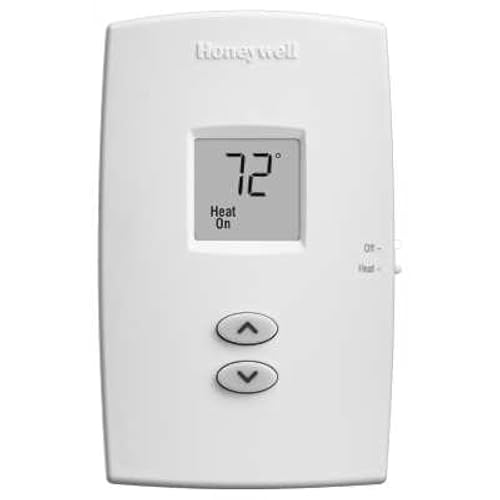
Honeywell TH1100DV1000 PRO 1000 Vertical Heat Only Thermostat

AIRXCEL 8330-3862 T-Stat Wall Digital Heat/Cool
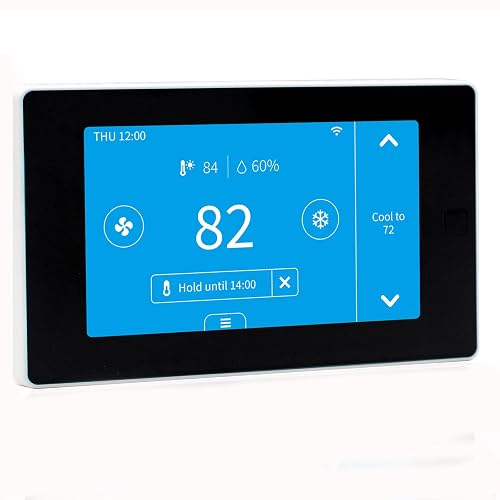
EdgeAnt WiFi Smart Thermostat with C-Wire Adapter
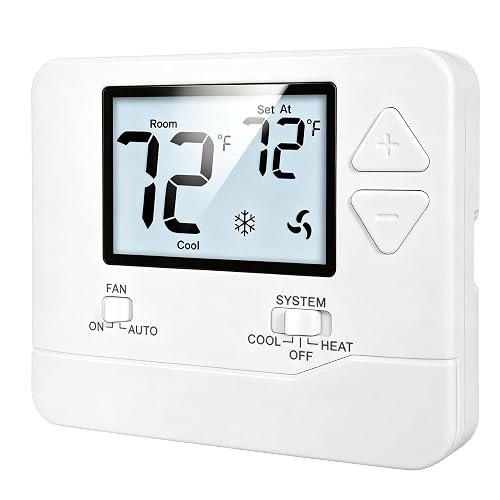
Heagstat 1 Heat/1 Cool Non-Programmable Thermostat

EconoHome Non-Programmable Heat & Cooling Thermostat
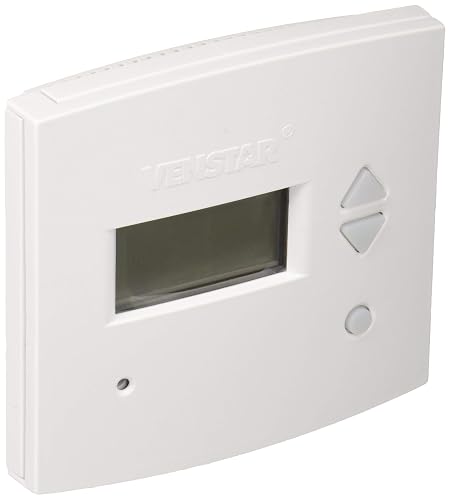
Venstar T2800 Commercial Platinum Slimline Thermostat
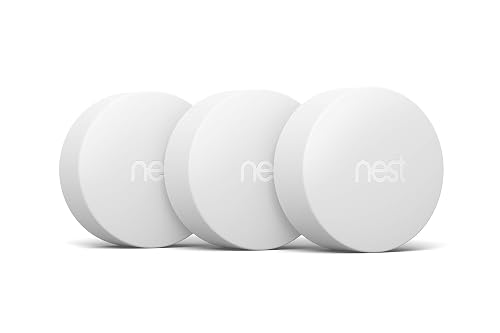
Google Nest Temperature Sensor 3-Pack
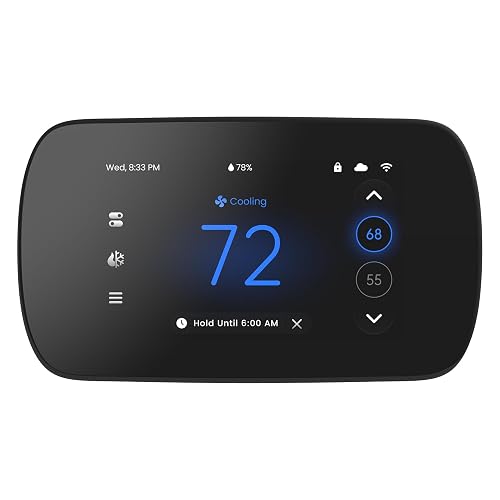
EdgeAnt 4.3-Inch Touch Screen WiFi Thermostat

OJ Microline UTN4 Radiant Floor Heat Thermostat
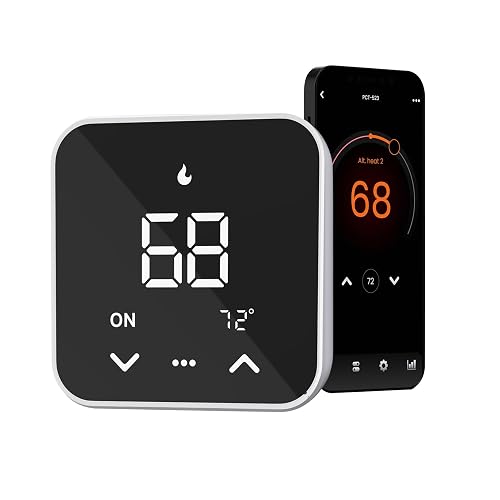
EdgeAnt Black WiFi Programmable Smart Thermostat
Taking A Closer Look At The Options
Sometimes the smartest move is the dumbest-looking control on the wall. The Honeywell TH1100DV1000 PRO 1000 is a vertical heat-only thermostat, a stripped-back unit built for single-stage forced-air furnaces and baseboard systems where cooling never enters the picture. Its 4 11/16-inch tall, 2 7/8-inch wide face in premier white slips into narrow wall spaces where wider horizontal stats would look squashed.
Homeowners with a standalone garage heater, a basement workshop, or a lake cabin furnace benefit most from this no-app, no-schedule approach. There is no WiFi to set up, no firmware to update, and no software bug to chase. For a parent tired of kids poking at touchscreens, mechanical simplicity is the feature.
Useful Strengths
- Vertical layout suits narrow wall sections and tight retrofits where a wider stat will not fit cleanly.
- Heat-only design eliminates cooling buttons, so the dial only does what you actually need.
- Premier white finish blends with most trim, light switches, and outlet covers without standing out.
- Single-stage logic keeps the wiring straightforward for older furnaces and replacement jobs.
Things To Consider
- No remote control capability at all, so plan to walk to the wall every time you want to adjust the room.
- Non-programmable, which means a fixed setpoint that does not shift on its own between day and night.
Who It Suits Best
Owners of single-stage heat-only systems who want a low-maintenance wall control without a learning curve or any app dependency.
Consider Something Else When
You want remote or scheduled control from a phone, in which case the EdgeAnt WiFi Smart Thermostat with C-Wire Adapter is the more obvious next step.
Most of these controls target a stick-built home, but the AIRXCEL 8330-3862 T-Stat is purpose-built for life on the road. This wall-mounted digital thermostat handles single-stage heating and cooling in an RV, where space is short, vibration is constant, and 12-volt wiring is the norm. The black face keeps a low profile against the wood paneling common in motorhomes and travel trailers.
Full-time RVers, weekend campers, and anyone with a converted van appreciate how the unit takes the place of a flaky analog dial. The screen reads in actual numbers, not a guessing game of which dot points to “warmer.” It is a focused, single-purpose control for a focused, mobile lifestyle.
Where It Helps
- Handles both heat and cool on a single stage, which covers most RV rooftop AC and furnace pairings.
- Wall-mount design keeps the control off the counter, where spills and shifting cargo could damage it.
- Digital readout takes the guesswork out of an analog dial, especially in dim cabin lighting.
Points To Keep In Mind
- Single-stage only, so it cannot manage multi-zone or dual-fuel RV systems if your rig is more elaborate.
- Designed for RV voltage, so it may not be a direct swap into a standard residential 24VAC setup without rewiring.
Made For
RV owners and travel trailer enthusiasts who want a reliable digital wall control rather than the factory analog dial.
A Better Fit Elsewhere
You need app-based remote control in a house, where the Honeywell TH1100DV1000 PRO 1000 is a simpler wired option, or the EdgeAnt WiFi Smart Thermostat with C-Wire Adapter is a smarter one.
The EdgeAnt WiFi Smart Thermostat is the first pick in this list that actually lives up to the “remote controlled” label. It links to your home network, talks to Alexa and Google Assistant, and runs through the Tuya or Smart Life app on a phone. A C-wire adapter ships in the box, which is a quiet gift for anyone whose old thermostat has only four wires behind the plate.
Compatibility covers most conventional 2H/2C systems and many 4H/2C heat pump setups, including natural gas, electric, and hot water sources. For someone finally ready to ditch the slide-rule era wall dial, this is the model that does it without forcing a rewiring project.
The Upside
- Remote control from anywhere using the Tuya or Smart Life app, a real quality-of-life bump for commuters.
- Compatible with Alexa and Google Assistant, so voice commands work alongside the touchscreen.
- C-wire adapter included, sparing you a separate part order when your existing wiring is short on conductors.
- Programmable schedules help trim run time on systems that fire constantly through the workweek.
Trade Offs
- Requires a C-wire (the adapter helps, but only when used correctly), so a 2-wire heat-only furnace will not work here.
- You will lean on the app for first-time setup, which can be a learning curve for anyone who has never paired a smart home device.
Quick Facts
Best Suited To
Homeowners on conventional or heat pump systems who want app and voice control without hiring an electrician to fish a new wire.
Skip It When
Your home has a 2-wire heat-only setup, where the Honeywell TH1100DV1000 PRO 1000 fits the wiring without an adapter.
For a thermostat that does one job and does it without complaint, the Heagstat Non-Programmable Thermostat punches above what its modest price suggests. It is a 1 heat, 1 cool unit, meaning one stage of each, aimed squarely at conventional forced-air systems that pair a furnace with a separate air-conditioning condenser. The white backlight makes the numbers readable at 2 a.m. without flooding the hallway with blue light.
It suits renters, first-time homeowners, and anyone whose HVAC system is plain enough that a programmable schedule adds nothing. Wiring tops out at 5 conductors, so installation stays quick for people comfortable with a screwdriver and a voltage tester.
Points In Its Favor
- Backlit display makes the setpoint easy to read in low light, a real plus for night owls.
- Supports up to 5 wires, which covers the majority of single-stage residential hookups.
- Manual controls mean a power outage does not wipe your settings, since there is no software to reset.
Less Ideal Details
- Not compatible with heat pump or multi-stage systems, so it is the wrong pick for higher-end equipment.
- No remote control or app support, so you are back to walking to the wall for every change.
Right Fit For
Owners of basic forced-air homes who want a reliable, easy-to-read manual thermostat without paying for features they will not use.
Not Your Match When
You want app-based remote control, where the EconoHome Non-Programmable Thermostat at least offers a fan switch, or the EdgeAnt WiFi Smart Thermostat with C-Wire Adapter offers full connectivity.
The EconoHome Non-Programmable Thermostat is a digital wall control designed to slide into almost any central gas, oil, or electric furnace plus AC combination. It supports a single stage of heating and a single stage of cooling, with a manual fan switch that lets you run the blower independently for fresh-air circulation. The interface is button-driven, no touchscreen, and no learning curve.
Renters and small-space dwellers get a friendly swap for the beige builder-grade unit that has been on the wall since 2003. Installation is straightforward enough for anyone who can turn off a breaker and match labeled wires to terminals. Just keep in mind it is not for heat pumps or systems with more than one stage.
Bright Spots
- Digital display replaces hard-to-read analog dials, which is a real upgrade for aging eyes.
- Manual fan switch gives you control over air circulation without involving the heating or cooling cycle.
- Works with most central gas, oil, and electric furnace systems found in older homes.
Worth Noting
- No remote or app control, so adjusting the room means getting up, every time.
- Single-stage design will not handle heat pump systems or multi-speed equipment, which rules out some modern installs.
Feature Snapshot
Who Will Love This
Renters and small-home owners with single-stage central HVAC who want a simple digital upgrade over an aging analog dial.
Look Elsewhere When
You need smartphone control, in which case the EdgeAnt 4.3-Inch Touch Screen WiFi Thermostat adds app, voice, and a 7-day schedule.
The Venstar T2800 carries “commercial” in its name, and the spec sheet earns the label. It runs 3 heat, 2 cool, supports 7-day programming, and offers a configurable output for things like humidifiers or ventilation controls. The color-coded backlit keys and a large backlit display make it readable in low light, while non-volatile memory remembers your schedule through a power outage.
This is the kind of wall control you see in dentist offices, light retail spaces, and accessory dwelling units where the equipment underneath is more sophisticated than the average home furnace. Anyone with a multi-stage system, a heat pump, or a building manager running a small commercial space will feel at home here.
Positive Takeaways
- 3 heat, 2 cool capacity handles multi-stage equipment found in upscale homes and small commercial spaces.
- 7-day programmable schedule with smart fan logic, so the blower does not keep running longer than needed.
- Non-volatile memory retains setpoints and schedules through a power interruption, no reprogramming required.
- Heat pump compatible, which broadens where the unit can be installed beyond a standard furnace-only setup.
Possible Compromises
- Slimline keypad uses tactile buttons rather than a full touchscreen, which may feel dated to users coming from app-first controls.
- No built-in WiFi on the base model, so remote control requires the separate WiFi module add-on if you want phone access.
Perfect Match For
Property managers, light-commercial spaces, and homeowners with multi-stage or heat pump systems who want scheduling depth without a subscription.
Another Choice May Suit
You want out-of-the-box app and voice control, in which case the EdgeAnt WiFi Smart Thermostat with C-Wire Adapter is more consumer-friendly and simpler to install.
The Google Nest Temperature Sensor 3-Pack is an accessory, not a thermostat on its own. Each little puck reads the temperature in the room where you place it and reports back to a compatible Nest thermostat, up to roughly 50 feet away over Bluetooth Low Energy. Think of it as a way to teach a single wall stat what the rest of the house is feeling.
Households with a sunny bonus room that cooks in the afternoon or a nursery that runs cold at night benefit most. Place a sensor in the baby’s room, another in the living room, and a third in a home office, then let the thermostat pick which room to prioritize. The trade-off is that you already need a Nest Learning Thermostat or Nest Thermostat E in play for any of this to do anything.
Key Advantages
- Three sensors cover multiple rooms in one purchase, useful for open floor plans and split-level homes.
- Communicates up to 50 feet, so most single-story layouts stay within range without repeaters.
- Pairs with the Nest ecosystem, allowing the main thermostat to prioritize whichever room matters most at a given time.
Potential Drawbacks
- Requires a compatible Nest thermostat to function, so it is useless on its own or with a non-Nest wall control.
- Bluetooth Low Energy range can be marginal in larger homes with thick walls, depending on your layout.
Built With In Mind
Existing Nest thermostat owners who want better room-by-room temperature balancing without replacing the main wall unit.
Reach For A Different Pick When
You do not already own a Nest thermostat, where the EdgeAnt WiFi Smart Thermostat with C-Wire Adapter is a more complete, single-box smart upgrade.
The EdgeAnt 4.3-Inch Touch Screen WiFi Thermostat is the more display-forward cousin of the earlier EdgeAnt model. The bigger touchscreen makes temperature, schedule, and mode changes feel closer to using a phone than working a button-driven stat. It links to Alexa and Google Assistant for voice control, plus the Tuya and Smart Life apps for remote adjustments from anywhere with a signal.
Programmable control spans 7 days with up to 8 periods per day, so you can fine-tune weekday mornings, weekend afternoons, and overnight setbacks separately. Tech-loving homeowners who already live in the app-first world will get the most from it. Anyone with a 2-wire heat-only system or line-voltage baseboard heat should pass, since those configurations are not supported.
What Stands Out
- 4.3-inch color touchscreen is the most visible upgrade here, making every menu easier to navigate than a button keypad.
- 7-day, 8-period programming gives weekday and weekend schedules their own slots, useful for shift workers and remote jobs.
- App and voice control combine for hands-free and phone-based adjustments, whichever feels more natural in the moment.
A Few Limitations
- Requires a C-wire for power, so a furnace without one will need an adapter or a different model entirely.
- Not compatible with line-voltage, millivolt, or electric baseboard heat, which rules out some older homes and additions.
Whose Shelf It Belongs On
App-first homeowners with a conventional or heat pump system who enjoy a touchscreen interface and detailed weekly scheduling.
Swap It Out When
You need radiant floor heat control, where the OJ Microline UTN4 Radiant Floor Heat Thermostat is purpose-built with built-in GFCI protection.
The OJ Microline UTN4 is not a general-purpose thermostat. It is a 120-volt or 240-volt radiant floor heat control with a built-in Class A GFCI, the kind of ground-fault protection required for electric underfloor heating mats. Dual sensing means it reads both ambient air and the floor sensor that ships in the box, so the system can prioritize slab temperature or room temperature depending on your setup.
Bathroom remodels, basement finishing projects, and tile-over-mat installations are the natural fit. The unit is non-programmable, which keeps the interface simple, and a 3-year warranty backed by USA-based product support softens any concerns about long-term reliability. The trade-off is that it has no WiFi, so any schedule changes happen at the wall.
Everyday Perks
- Class A GFCI is built in, so you do not need a separate breaker-mounted GFCI for code compliance on underfloor systems.
- Dual sensing reads both air and floor temperature, giving you a choice between room comfort and slab protection.
- Works with 120V or 240V systems, which covers most North American residential radiant installations.
- 3-year warranty and USA-based product support help if anything misbehaves after install.
Where It Is Less Suited
- No WiFi or app control, so every adjustment is a wall visit, which can feel limiting next to a smart stat.
- Non-programmable design means no overnight setbacks or weekday-specific schedules on this unit.
Spec Overview
Who Should Grab It
Homeowners with electric radiant floor heating who need a safe, code-friendly control and do not need app connectivity.
A Better Fit Elsewhere
You want app and voice control for central HVAC, where the EdgeAnt WiFi Smart Thermostat with C-Wire Adapter is a far more compatible option.
The EdgeAnt Black WiFi Programmable Smart Thermostat rounds out the list with the same scheduling depth and app control as its touch-screen sibling, in a darker colorway that suits modern interiors. It still talks to Alexa and Google Assistant, still runs through Tuya or Smart Life, and still offers 7-day programming with up to 8 periods per day for fine-grained scheduling.
If your walls are painted in moody tones, your switch plates are matte black, or your décor skews contemporary, the dark face ties in where a glossy white stat would look out of place. Functionally it lands in the same place as the earlier EdgeAnt models, so the choice between them is mostly aesthetic. Compatibility still requires a C-wire, so older 2-wire systems should look at the Honeywell TH1100DV1000 PRO 1000 instead.
The Helpful Details
- Black colorway blends with modern switch plates, dark accent walls, and contemporary décor schemes.
- 7-day, 8-period programming creates distinct schedules for weekdays, weekends, and overnight hours.
- Voice and app control through Alexa, Google Assistant, Tuya, and Smart Life keep options open across ecosystems.
Some Limits To Know
- Requires a C-wire, so installation in a 2-wire system means running a new conductor or picking a different model.
- Not compatible with line-voltage, millivolt, or electric baseboard heat, which excludes some older installs.
Quick Facts
Right Fit For
Homeowners with conventional or heat pump systems who want smart features wrapped in a darker, design-friendly color.
Not Your Match When
You need heat-only wall control for an older furnace, where the Honeywell TH1100DV1000 PRO 1000 is the simpler, app-free swap.
What To Weigh Before Picking A Wall Control
A thermostat is a thin piece of plastic doing one job, but the wrong one will frustrate you daily. Start with system compatibility, because even the prettiest touch screen will not help on a furnace it cannot talk to. Check whether your setup needs a C-wire, a common “common” conductor that supplies continuous 24VAC power for WiFi radios and backlit displays. A unit that needs a C-wire on a system without one is a non-starter unless you add an adapter or run new cable.
Next, think about how you actually live. A 7-day, 8-period schedule helps shift workers and families with different weekday and weekend rhythms. A simple non-programmable model works fine for the set-and-forget crowd who leave the house at 7 a.m. and return at 6 p.m. Remote control through a phone app earns its keep for commuters and frequent travelers, while voice integration with Alexa or Google Assistant pairs nicely with existing smart speakers. Finally, consider stages, the number of heating and cooling levels your equipment can run. Single-stage systems are common, but multi-stage furnaces and heat pumps need a control that can talk to more than one output, which is where options like the Venstar T2800 earn their keep.
Key Considerations Across These Picks
Where Shoppers Go Wrong
The most common misstep is buying a smart thermostat without confirming C-wire compatibility. Older homes with only 2 or 4 conductors behind the old wall plate will not power a WiFi radio reliably, and the result is a stat that reboots every few hours. Another trap is assuming “compatible with Alexa” means “compatible with your HVAC.” Voice integration is software, but system support is hardware, and the two are easy to conflate. Always check the wiring diagram against what is actually in the wall before clicking through.
When Paying More Pays Off
Higher-tier models in this category buy you two things: scheduling depth and connectivity. A 7-day, 8-period programmable unit lets you shape temperature around the real rhythm of your week, which pays back in lower run time on the systems that cost the most to operate. Add WiFi and app control, and the upgrade also buys you remote adjustment from a hotel room, a desk, or a stuck-in-traffic commute. For most households, that combination earns its price over a couple of heating seasons, especially in regions with long winters.
Frequently Asked Questions
What is a C-wire and why does it matter?
A C-wire, short for “common wire,” delivers continuous 24VAC power to a thermostat. It matters because smart thermostats with WiFi radios and backlit displays draw more current than older mechanical or battery units, and the C-wire keeps that draw steady. Without one, the stat may flicker, reboot, or fail to keep WiFi connected. Some models include a C-wire adapter to fake a common conductor from existing wires.
Can I install a smart thermostat myself?
Most homeowners with basic electrical confidence can swap a thermostat in under an hour. Turn off the breaker to the HVAC system, photograph the existing wiring, label each conductor, and mount the new base plate to match the same terminals. That said, if the existing wiring is unlabeled, if the system is multi-stage, or if you are not comfortable with a voltage tester, a licensed HVAC technician is worth the service call.
Do these thermostats work without an internet connection?
Yes, the wall control itself always works locally, even with no internet. You can adjust temperature, switch modes, and run the fan at the wall in every model on this list. What you lose without internet is the remote app access, the voice assistant integration, and any weather-based or schedule-cloud features. Schedules stored locally on the unit continue to run as programmed.
Will a programmable thermostat actually save money?
Programmable thermostats save money when the schedule matches your real life. A weekday setback of 7 to 10 degrees for eight hours trims heating and cooling run time noticeably in most climates, with the biggest payback in regions that swing between hot summers and cold winters. The savings shrink if the schedule is wrong for the household, since the system then spends extra energy recovering the setback every morning. A 7-day model lets you set different weekend behavior, which is where most schedules quietly fall apart.
Are radiant floor thermostats different from regular ones?
Yes, in important ways. Electric radiant floor systems need a thermostat with a built-in Class A GFCI, the same kind of ground-fault protection required for bathroom outlets, to meet code and prevent a shock hazard. They also use a floor sensor embedded in the slab or under the tile, so the control reads both ambient air and slab temperature. Standard wall thermostats, even smart ones, lack the GFCI and the floor sensing, which makes a unit like the OJ Microline UTN4 the right category of device for radiant installations.
Wrap Up
A good thermostat is the kind of upgrade you forget about within a week, because that is the sign it is doing its job. Whether you choose a stripped-back heat-only control, an app-driven smart unit, or a specialty stat for radiant floors, the right pick is the one that matches your system, your schedule, and your appetite for complexity. Start with wiring, then layers on features, and you will land on a wall control that quietly pays back every month on the utility bill.