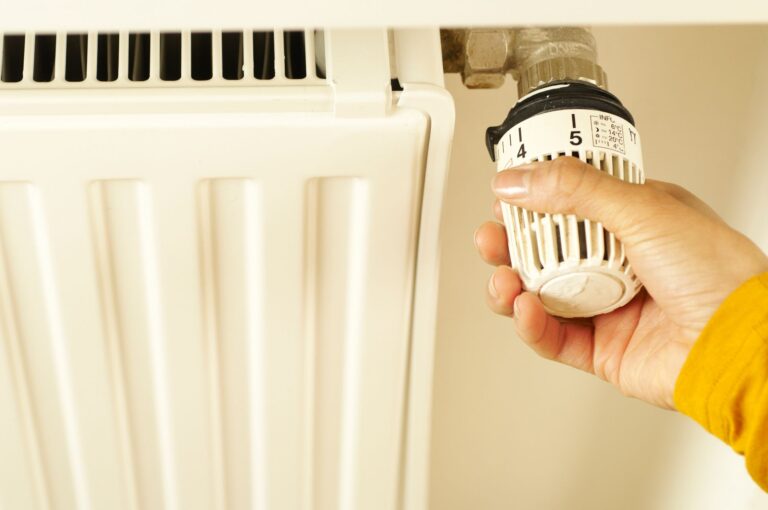

Picking a thermostat that actually fits your heating setup saves more than money, it ends the daily fiddling with a slider that never quite lands on “comfortable.” A wrong match leaves you rebooting settings every season; the right one fades into the background and quietly does its job. This roundup walks through ten options ranging from a classic Honeywell non-programmable wall unit to fully connected ecobee systems, with guidance on who each one actually serves.
An Overview Of The Picks
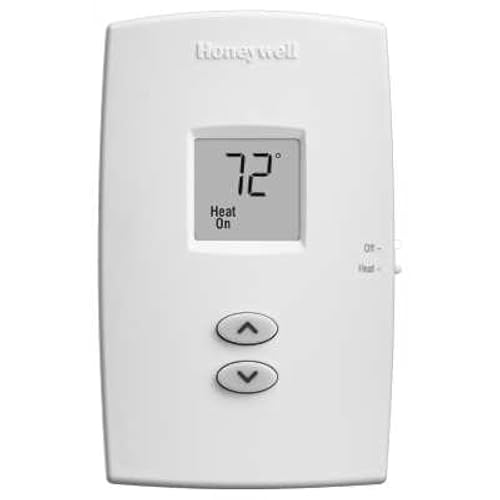
Honeywell TH1100DV1000 PRO 1000 Heat Only Non-Programmable Thermostat
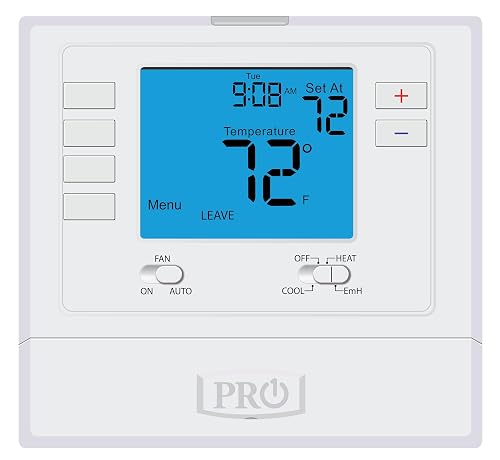
PRO1 T725 Heat Pump/Conventional Programmable Wall Thermostat
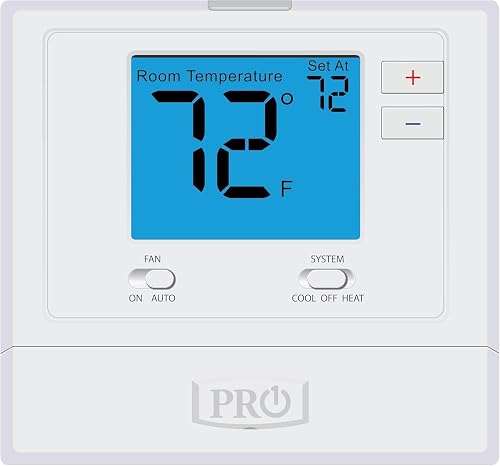
PRO1 T701 Single Stage Non-Programmable Wall Thermostat

PRO1 T715 Multi-Stage Programmable Gas Thermostat
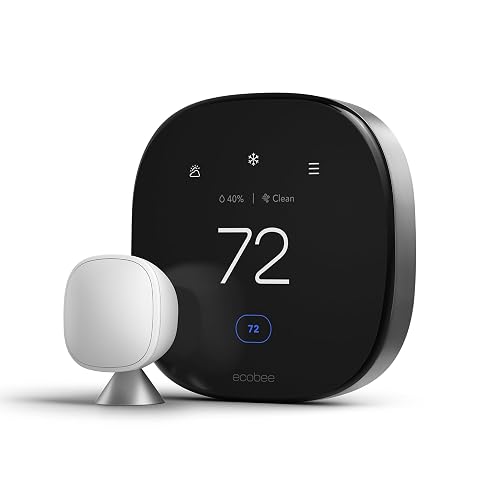
ecobee Smart Thermostat Premium with Smart Sensor
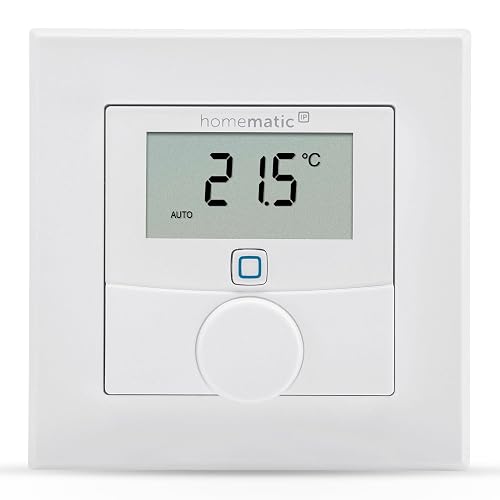
Homematic IP Wall Thermostat with Humidity Sensor
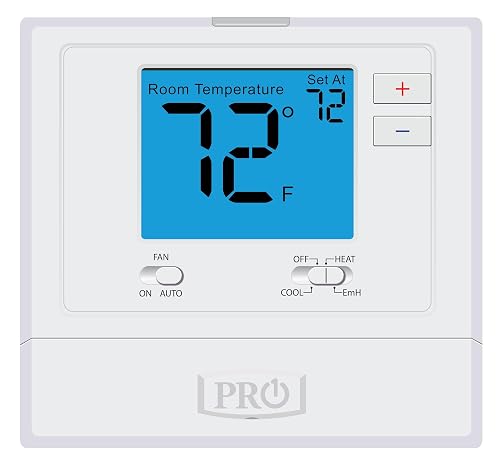
PRO1 T721 Non-Programmable Wall Thermostat
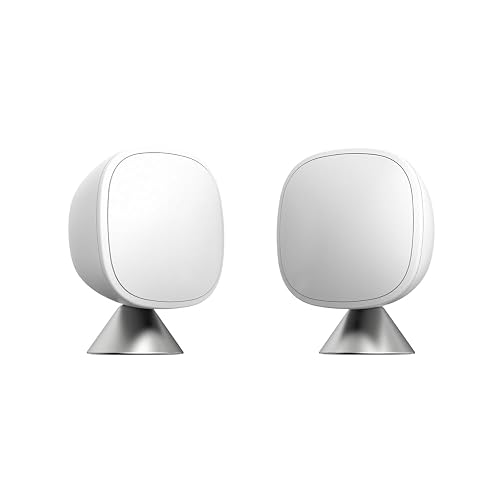
ecobee SmartSensor 2-Pack for Temperature and Occupancy
ecobee Smart Thermostat Enhanced WiFi Programmable

PRO1 T805 Single Stage Programmable Wall Thermostat
A Deeper Look At The Lineup
Heat-only homes with a single-stage furnace or boiler find a quiet fit in the Honeywell TH1100DV1000. The vertical layout keeps a small footprint on the wall, and a premier white housing blends into trim and hallways without drawing attention.
For someone who just wants to set a temperature and forget it, this is a low-maintenance answer. The lack of programming means no schedule to manage and fewer settings to accidentally nudge out of place.
Points In Its Favor
- Compact 4 11/16-inch tall vertical body fits narrow wall sections
- Pure non-programmable operation removes schedule management for set-and-forget users
- Heat-only compatibility suits furnaces, boilers, and similar single-stage systems
- Premier white finish reads clean against most interior trim
Things To Consider
- Cannot control cooling stages, so it leaves central air unaddressed in mixed HVAC homes
- Lacks a backlit display, which can make late-night adjustments harder in dim hallways
Who It Suits Best
Owners of heat-only households who want one dial and zero scheduling overhead.
Where Another Pick Suits Better
Anyone with central cooling should look at the PRO1 T701, which handles 1 heat and 1 cool on conventional systems.
Heat pump owners with a 2 heat/1 cool configuration get a capable digital controller in the PRO1 T725. It also steps into conventional 1 heat/1 cool systems, which gives it real flexibility across retrofits and replacement jobs where the equipment type is mixed.
The 4-square-inch blue backlit screen shows schedule modes labeled wake, leave, return, and sleep, so building a routine is mostly a matter of mapping your day onto the same labels. For households that want scheduling without learning a new app, this sits in a comfortable middle ground.
What Earns Its Place
- Handles both heat pump (2H/1C) and conventional (1H/1C) systems in one unit
- 7-day or 5/1/1 programming fits a wide range of weekly routines
- Blue backlit display improves readability in low-light hallways
- Schedule labels mirror common daily rhythms, easing setup for new users
Trade Offs
- No wireless or app connectivity, so remote adjustments require being near the wall unit
- The 4-square-inch screen can feel modest next to the larger PRO1 T805 display
Quick Facts
Made For
Heat pump households that want scheduled comfort but prefer tactile wall control over phone apps.
Consider Something Else When
Smart-home enthusiasts should weigh the ecobee Smart Thermostat Enhanced for app-driven scheduling and occupancy-aware adjustments.
Conventional 1 heat/1 cool systems that do not need a schedule find a tidy match in the PRO1 T701. It is purely non-programmable, so the focus is on simple up/down temperature changes rather than routine building.
A glow-in-the-dark light button helps you locate the controls in a dark hallway without flipping a wall switch. The 4-square-inch blue backlit display reads cleanly from a few feet away, which is a small thing until you are squinting at a 2 a.m. adjustment.
Noteworthy Benefits
- Pure non-programmable operation means fewer menus to navigate
- Glow-in-the-dark light button aids quick location in dim rooms
- Blue backlit display improves visibility across a range of lighting conditions
- Compatible with both gas and electric conventional setups
Worth Noting
- Single-stage support excludes multi-stage furnaces and heat pump systems
- No schedule automation, so temperature adjustments stay manual
Best Suited To
Conventional HVAC households that want a clear, no-schedule wall thermostat and minimal feature overhead.
Skip It When
Households with two-stage gas equipment should look at the PRO1 T715, which is built for 2 heat/2 cool systems.
Two-stage gas furnaces get a tailored fit in the PRO1 T715. It is built for 2 heat/2 cool systems, which is the kind of equipment common in larger homes where single-stage control feels coarse and the furnace cycles too obviously between low and high fire.
Programming options run through 7-day, 5/1/1, or full non-programmable modes, so the same unit adapts if you change your mind about scheduling. Power can come from batteries or a hardwire connection, which eases installation where a common wire is missing.
The Helpful Details
- 2 heat/2 cool system support fits multi-stage gas furnace installations
- Three programming modes (7-day, 5/1/1, non-programmable) offer flexible setup
- Battery or hardwire power options accommodate different wiring situations
- Glow-in-the-dark light button aids visibility in low-light rooms
Honest Caveats
- Built specifically for gas systems, so heat pump households should look at the PRO1 T725
- Setup menus require confirming stage configuration during installation, which adds a step for first-timers
Feature Snapshot
Right Fit For
Two-stage gas furnace homes that want real scheduling without adding a smart platform to the mix.
Look Elsewhere When
Heat pump owners running 2H/1C equipment will find a more direct match in the PRO1 T725.
Connected households that lean into voice control and whole-home sensing get a flagship experience from the ecobee Smart Thermostat Premium. It arrives with a SmartSensor in the box, supports Siri and Alexa on-device, and adds an air quality monitor for indoor awareness beyond temperature.
Geofencing tells the system when you actually leave and return, so setbacks feel less like guesswork. For mixed households with a primary room that never quite matches the hallway, the included sensor helps even out hot and cold spots without buying extras.
Well-Handled Touches
- Built-in Siri and Alexa support removes the need for a separate smart speaker at the wall
- Included SmartSensor helps reduce hot and cold spots in priority rooms
- Air quality monitor adds indoor environment context beyond temperature
- Geofencing automates setbacks when everyone leaves the house
Points To Note
- Full feature set expects a WiFi connection and a registered account, which adds setup steps
- Higher tier cost may be hard to justify for households that just need a single setpoint
Who Will Love This
Smart-home households that want voice control, room-level sensing, and air quality data in one wall unit.
A Better Fit Elsewhere
Anyone wanting app control without the air quality monitor and dual voice assistants may prefer the ecobee Smart Thermostat Enhanced.
Existing Homematic IP smart-home owners running underfloor or radiator heating get a humidity-aware wall control that ties into the same ecosystem. Operation depends on either a Homematic IP Access Point with the cloud app or a CCU3 central unit, so this only makes sense in homes already set up for the platform.
The built-in humidity sensor matters in bathrooms and basements where moisture swings affect perceived comfort. If your living space feels clammy in winter and dry in summer, that extra data point helps the system react rather than just chase a temperature setpoint.
Useful Touches
- Integrated humidity sensor captures moisture data alongside temperature
- Works with radiator and underfloor heating installations
- App control and voice integration with Alexa and Google Assistant through the ecosystem
Things To Consider
- Requires a Homematic IP Access Point or CCU3 hub to operate, which limits it to existing ecosystem users
- Standalone value is limited without the rest of the Homematic platform in place
Whose Shelf It Belongs On
Homematic IP households with underfloor or radiator systems that want humidity-aware control inside the same ecosystem.
Another Choice May Suit
Households without a Homematic IP hub should consider the ecobee Smart Thermostat Enhanced for a more self-contained smart experience.
The PRO1 T721 sits between the single-stage T701 and the heat pump-capable T725, covering 2 heat/1 cool heat pump or 1 heat/1 cool conventional systems. For households that want a no-schedule digital control but need heat pump compatibility, it fills a specific niche.
The 4-square-inch blue backlit display and glow-in-the-dark light button match the rest of the T700 platform, so the controls feel familiar if you have used a sibling model before. AA battery or hardwire options keep installation flexible across older and newer homes.
Key Advantages
- Supports both 2H/1C heat pump and 1H/1C conventional systems in one unit
- Non-programmable operation keeps adjustments manual and straightforward
- Blue backlit display with glow-in-the-dark light button improves night-time use
Minor Gripes
- No scheduling means manual setback discipline if you want nighttime savings
- No smart features, so it lacks app and voice integration some users expect
Who Should Grab It
Heat pump homeowners who prefer manual setpoint changes over a weekly schedule or app-driven automation.
Reach For A Different Pick When
Anyone wanting a 7-day schedule on the same hardware should look at the PRO1 T725, which adds full programmability.
The ecobee SmartSensor 2-Pack is an accessory rather than a standalone thermostat, and it makes sense for anyone who already runs an ecobee base unit. Each sensor detects both temperature and room occupancy through infrared, then communicates wirelessly to the thermostat.
A 60-foot range gives you room to place sensors in bedrooms, offices, or nurseries that have historically run hotter or colder than the hallway. The system then prioritizes the rooms that are actually in use, which is a real-world ownership benefit beyond what a single wall sensor can offer.
What Helps Most
- Dual temperature and occupancy detection in a single wireless sensor
- 60-foot wireless range covers most rooms in a standard home
- Two-pack configuration supports multi-room coverage out of the box
A Few Limitations
- Requires a compatible ecobee thermostat to function, so it is not a standalone product
- Battery replacements are part of long-term ownership on wireless sensors
Perfect Match For
Existing ecobee owners with a few stubborn rooms that never match the rest of the house.
Where A Sibling Pick Shines
Anyone without an ecobee base unit should start with the ecobee Smart Thermostat Enhanced, which pairs with these sensors once installed.
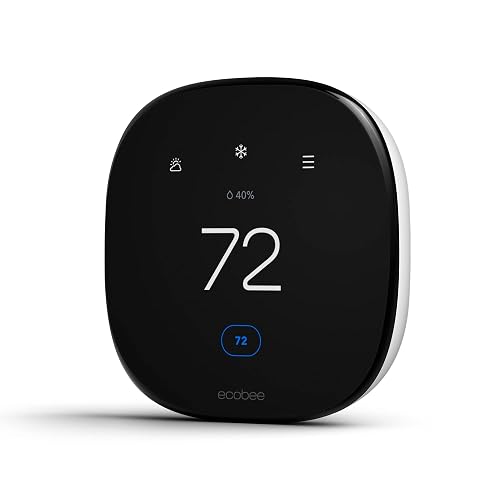
First-time smart thermostat owners who want app control without the full Premium feature set get a comfortable entry point in the ecobee Smart Thermostat Enhanced. It runs the same eco+ energy-saving suite that automates setbacks when you leave or fall asleep, and it pairs with Apple Watch and major smart home platforms.
Occupancy-based adjustments and schedule suggestions help the thermostat adapt to how you actually live, which is the kind of hands-off tuning older programmable units cannot do. For households stepping into connected climate control, the onboarding is approachable without being stripped down.
Why It Works Well
- eco+ features automate setbacks when the home is empty or everyone is asleep
- Occupancy detection and schedule suggestions help tune comfort automatically
- Works with smart devices, Apple Watch, and major smart home platforms
Worth Bearing In Mind
- Full functionality depends on WiFi and an ecobee account, which adds a setup step
- Does not include the air quality monitor found on the Premium model
Key Product Details
Built With In Mind
Households stepping into a smart thermostat for the first time and wanting app-based control without the full premium stack.
Swap It Out When
Users who want air quality monitoring and built-in voice control should consider the ecobee Smart Thermostat Premium instead.
Conventional 1 heat/1 cool homes where display readability matters find a comfortable fit in the PRO1 T805. The 7-square-inch blue backlit screen is the largest in this roundup, which makes a real difference for anyone checking the setpoint from across a room or with imperfect eyesight.
Programming runs through 7-day, 5/1/1, or full non-programmable modes, so the same unit handles scheduled and set-and-forget households. Built on the T800 platform, it shares the glow-in-the-dark light button and battery or hardwire power options found elsewhere in the lineup.
Bright Spots
- Extra-large 7-square-inch blue backlit display improves readability across a room
- Three programming modes (7-day, 5/1/1, non-programmable) cover a range of routines
- Glow-in-the-dark light button aids quick location in dim hallways
Where It Is Less Suited
- Single-stage support excludes multi-stage furnaces and heat pump installations
- Larger footprint takes more wall space than the more compact T701
The Right Fit
Conventional HVAC households that prioritize a large, easy-to-read display and flexible scheduling.
Look Elsewhere When
Heat pump owners running 2H/1C equipment should consider the PRO1 T725 for matched system support.
What To Weigh Before Choosing a Smart Heating Thermostat
Match The Hardware To The HVAC System
The single most important step is matching the thermostat to what is actually on the wall behind it. A heat-only Honeywell TH1100DV1000 will not talk to central cooling, and a 2 heat/2 cool PRO1 T715 will overreach on a simple single-stage furnace. Count the number of heating and cooling stages on your equipment, note whether you have a heat pump or a conventional system, and check whether a common wire is present before you settle on a model.
Decide How Much Scheduling You Really Want
Non-programmable wall units like the PRO1 T701 and Honeywell TH1100DV1000 keep things simple but require manual setback discipline. Programmable units such as the PRO1 T725, PRO1 T805, and PRO1 T715 let you build weekly routines for 7-day or 5/1/1 schedules. Smart thermostats like the ecobee Enhanced and ecobee Premium add occupancy and geofencing automation, which removes schedule maintenance for most households.
Consider Connectivity And Ecosystem Fit
App-driven models add WiFi setup and account registration, but they also unlock remote control, occupancy-based setbacks, and integrations with voice assistants and smart home platforms. The Homematic IP Wall Thermostat only fits inside an existing Homematic IP Access Point or CCU3 hub, so it makes sense for households already invested in that ecosystem and not much sense for anyone else.
Think About Long-Term Ownership
Battery-powered models need periodic cell changes, and backlit displays eventually dim. Wall units with hardwire power and a common wire tend to feel more stable year over year. If display readability matters, the PRO1 T805’s 7-square-inch screen is a meaningful upgrade over the 4-square-inch panels found on most sibling models in this roundup.
Key Considerations Across These Picks
Where Shoppers Go Wrong
The most common slip is choosing a thermostat by features instead of by system compatibility. A multi-stage PRO1 T715 on a single-stage furnace leaves settings in the wrong configuration, and a heat pump unit on a conventional system ignores equipment the home already has. Count your stages, check whether you have a heat pump, and confirm wiring before anything else.
Where The Extra Money Goes
Premium models like the ecobee Smart Thermostat Premium add an air quality monitor, built-in voice control, and bundled SmartSensors that rebalance hot and cold rooms. For households with a single setpoint and a small footprint, the ecobee Smart Thermostat Enhanced covers the smart features without the air quality hardware, and a PRO1 T701 or T805 handles scheduling at a more approachable entry point if you do not need connectivity.
Frequently Asked Questions
Do I need a C-wire for these thermostats?
Several models in this roundup, including the PRO1 T715, T721, and T805, list battery or hardwire power options that work without a common wire in many homes. Smart thermostats like the ecobee Enhanced and Premium typically expect a C-wire or include a power adapter, so check your existing wiring before installation.
Can one thermostat handle both a heat pump and backup furnace?
Units like the PRO1 T725 and PRO1 T721 are designed to support heat pump systems with conventional backup. The Honeywell TH1100DV1000, PRO1 T701, and PRO1 T805 are built for conventional single-stage systems and do not address heat pump control.
What does a SmartSensor actually add?
The ecobee SmartSensor 2-Pack detects temperature and occupancy in the rooms where it is placed, then shares that data with the base thermostat. In homes with a chronically hot or cold room, the system adjusts based on the occupied space rather than only the hallway sensor.
How are programmable and non-programmable models different in daily use?
Programmable thermostats run a 7-day or 5/1/1 schedule, so temperature changes happen automatically at set times. Non-programmable units require manual adjustment whenever you want a different setpoint, which is fine for set-and-forget users but limits nighttime setbacks.
Are smart thermostats worth it for smaller homes?
In apartments or small single-zone homes, occupancy features and room sensors add less value because one setpoint usually covers the space. The ecobee Enhanced or a programmable PRO1 unit tends to be a balanced fit, while the Premium model makes more sense in larger homes with multiple problem rooms.
Closing Remarks
The right thermostat depends less on brand and more on the equipment already installed in your home. Heat-only households, single-stage conventional systems, multi-stage gas furnaces, and connected heat pump setups each have a tailored match in this list. Start with your system type, then layer in scheduling and connectivity based on how much daily tuning you actually want to do.