

Picking the right thermostat used to mean a simple wall dial and a yearly battery swap. Today, smart home thermostats learn your routine, balance room temperatures, and trim HVAC run time when the house sits empty. The trick is matching the model to your system, your wiring, and how much you actually want to fiddle with an app.
The Lineup, Simplified
The Lineup, Simplified
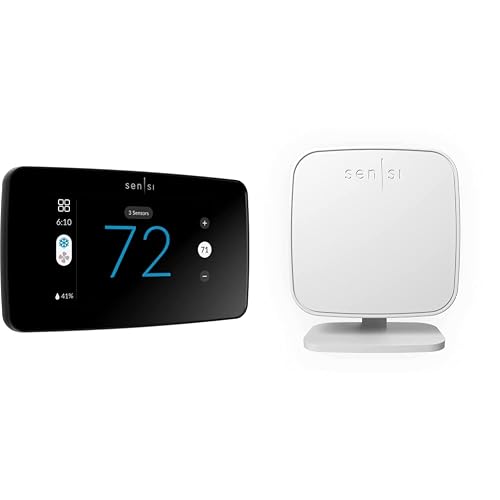
Sensi Touch 2 Smart Thermostat
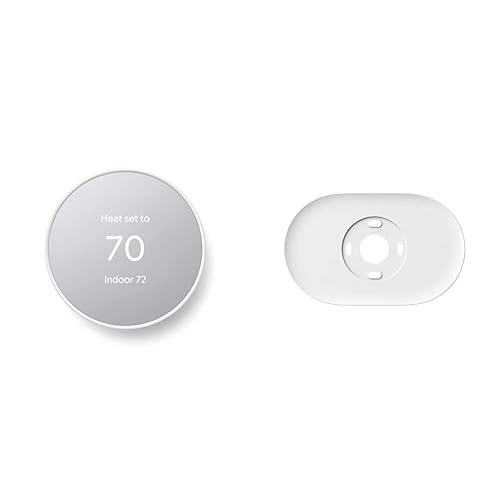
Google Nest Thermostat with Trim Kit

SunTouch ConnectPlus Floor Heating Thermostat
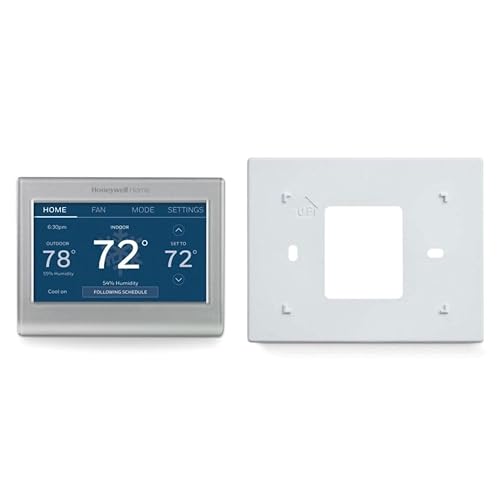
Honeywell RTH9585WF Wi-Fi Color Thermostat
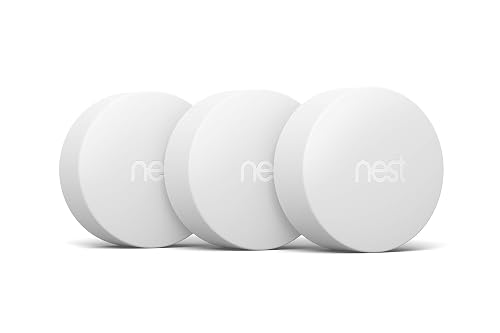
Google Nest Temperature Sensor 3-Pack
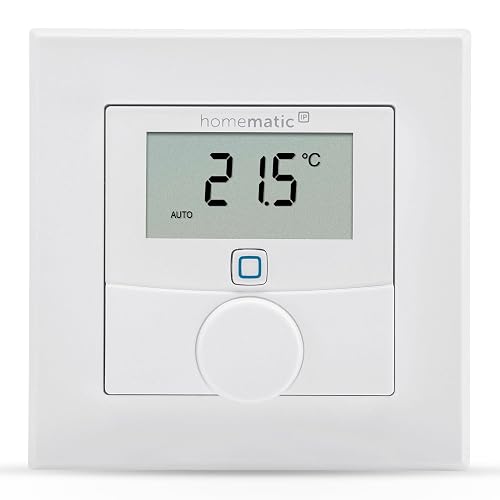
Homematic IP Wall Thermostat with Humidity
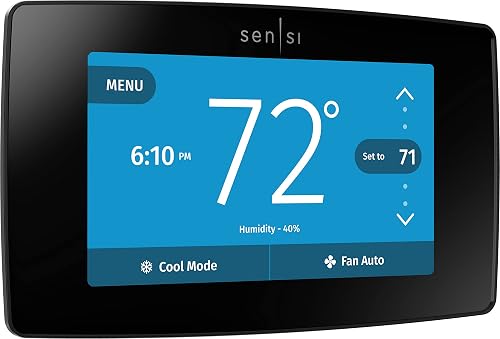
Sensi ST75 Touch Wi-Fi Thermostat
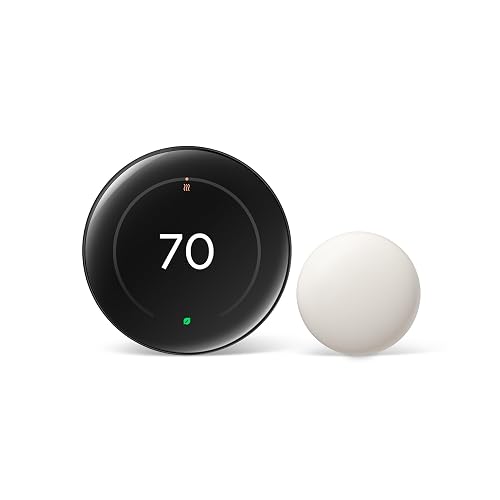
Nest Learning Thermostat 4th Gen (Obsidian)
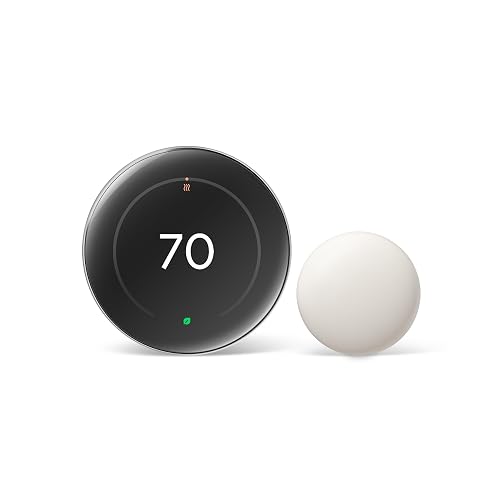
Nest Learning Thermostat 4th Gen (Silver)
More Details On Our Top Picks
The Sensi Touch 2 lives in the sweet spot for households that want app control without giving up a color touchscreen. It slots into most forced-air and heat-pump setups, and the accompanying app walks you through wiring step by step, which matters if the breaker panel is a source of mild dread.
You get flexible seven-day scheduling, remote access from your phone, and energy-use reports that translate runtime into readable numbers. Where the Nest leans on learning, the Sensi leans on you, which most first-timers seem to prefer.
Everyday Perks
- Privacy-first approach: Sensi does not sell your personal information to third parties, a rare stance in this category.
- Touchscreen color display makes manual adjustments fast for guests and family members who skip the app.
- Detailed energy-use reports help you spot when the system is running longer than it should.
- Universal Bluetooth-assisted setup reduces the usual wiring guesswork for DIYers.
- ENERGY STAR certification supports the efficiency claim, with manufacturer-reported HVAC savings of roughly 23%.
Things To Consider
- A common wire (c-wire) is required, so older homes without one will need a small rewiring step before installation.
Feature Snapshot
Who It Suits Best
Privacy-conscious homeowners with a c-wire already in place and a touchscreen preference over learning algorithms.
Look Elsewhere When
The Google Nest Thermostat is a stronger fit when you want a self-dimming dial face and the cleanest Google Home app integration on the market.
Compared with the Sensi’s app-first personality, the Google Nest Thermostat is the quieter roommate. It programs itself in the background, watching when you walk past and learning when to ease off the heating or cooling. The Snow finish keeps it understated on most walls.
Setup happens through the Google Home app on Android or iPhone, and the bundle includes a trim plate plus a steel plate for older electrical-box installs. Owners commonly find the auto-schedule useful within the first week, and the away-mode energy trim is the kind of feature you stop noticing until you check your bill.
Notable Upsides
- ENERGY STAR certification and self-dimming behavior when nobody is home.
- Includes a trim plate and a steel plate, covering common retrofits out of the box.
- Quick schedule setup inside the Google Home app, no PC required.
Trade Offs
- The included trim plate tends to need careful leveling during install to avoid visible gaps on textured walls.
- No dedicated room sensor in the box, so whole-home balancing requires an add-on purchase.
Made For
First-time smart home users who already use Google Home and want a thermostat that programs itself with minimal fiddling.
Swap It Out When
The Honeywell Home RTH9585WF is a better fit when your system runs hot water, steam, or multi-stage heat pumps and you need the widest HVAC compatibility on this list.
Most of this list runs your furnace, but the SunTouch ConnectPlus is built for a different job entirely: electric radiant floors. A 4.3-inch color screen anchors the wall unit, and the floor sensor tail drops into the mat or cable loop to keep tile from getting too toasty.
Wi-Fi brings outdoor temperature, weather compensation, and a warm-weather shut-down feature that prevents the system from kicking on during a July heat wave. The honest read is that this is a specialist, not a generalist, so it earns its spot for the right bathroom or basement renovation.
Strong Points
- Weather compensation adjusts run time based on outdoor conditions.
- Warm-weather shut-down prevents wasted cycles in summer.
- Smart-home compatibility with voice assistants for hands-free control.
Points To Keep In Mind
- Designed specifically for floor heating, so it is not a drop-in replacement for a central HVAC thermostat.
- Proper floor-sensor placement during install is critical, since a misplaced probe leads to uneven tile temperatures.
Right Fit For
Homeowners finishing a bathroom, kitchen, or basement with electric radiant floor heating who want app and voice control.
Skip It When
You only need a thermostat for forced-air heating, in which case the Sensi Touch 2 will serve you far better for the same wall space.
Where the Nest favors the Google Home crowd, the Honeywell Home RTH9585WF leans into raw system flexibility. The color touchscreen is bright and readable from across the room, and the included wall plate hides the gap that older openings tend to leave behind.
You get flexible programming, including the kind of peak-rate pricing schedules that utility companies quietly encourage. For multi-stage heat pumps or hot water systems, this model is a stronger match than most touchscreen units at this level.
What Pays Off
- Wide HVAC support covering forced air, hot water, steam, and heat pumps with electric backup.
- Customizable color screen adds a small décor win for visible hallways.
- Peak-rate programming helps shift heavy HVAC use to off-peak hours where utilities offer them.
Some Limits To Know
- Does not work with electric baseboard heat rated 120-240V, so verify your system type before purchasing.
- The interface is functional rather than minimalist, which can feel busy next to the Sensi’s cleaner layout.
Quick Facts
Best Suited To
Owners of multi-stage or non-standard central HVAC systems who want flexible scheduling and a color screen without paying for learning features.
Another Choice May Suit
Skip the Honeywell in favor of the Google Nest Thermostat when Google Home integration and a self-programming dial are higher on your priority list than HVAC breadth.
Think of this 3-pack as the add-on you buy once you already own a Nest Learning Thermostat or Nest Thermostat E. Each small puck reports the room temperature back to the base unit, and the system prioritizes the rooms you actually use.
Where the Honeywell concentrates control on a single wall reading, the Nest sensors spread the data. Drop one in a nursery, another in a home office, and a third in the upstairs hallway, and the thermostat stops fighting your home’s quirks.
Useful Touches
- Communicates temperature back to the Nest thermostat up to about 50 feet away.
- Low Energy Bluetooth keeps the small batteries running for long stretches.
- Three sensors in one box let you balance a whole floor without a second order.
Factors To Consider
- Only works with compatible Nest thermostats, so it is not a standalone product.
Spec Overview
Perfect Match For
Nest thermostat owners with hot or cold spots who want balanced comfort in a nursery, office, or bonus room without rerunning ductwork.
Not Your Match When
You do not yet own a compatible Nest thermostat, in which case the Sensi Touch 2 is a smarter starting point than sensors with nothing to talk to.
The Homematic IP Wall Thermostat shifts the focus from just temperature to temperature plus humidity, a useful pair if you run a whole-home automation system already. Unlike the Sensi or Nest, this is a modular piece that ties into a Homematic IP Access Point or compatible central controller.
It can also handle underfloor heating in dedicated zones. For apartments, vacation homes, or anyone already inside the Homematic ecosystem, it slips in without much fuss. For everyone else, the gateway requirement is the headline trade-off.
Noteworthy Benefits
- Built-in humidity sensor captures moisture data alongside temperature.
- Supports radiator and underfloor heating control in one unit.
- Voice and app integration through compatible Homematic setups.
A Few Limitations
- Requires a Homematic IP Access Point or compatible central control unit to operate, raising the total investment.
- Less useful as a standalone upgrade, since the value comes from a wider ecosystem.
Whose Shelf It Belongs On
Homeowners invested in the Homematic IP ecosystem who want humidity and underfloor heating visibility in a single wall unit.
Where A Sibling Pick Shines
The Honeywell Home RTH9585WF is a more practical choice when you want a strong standalone thermostat without buying into a separate smart-home gateway first.
The ST75 is the older sibling of the Touch 2, and it earns its spot as the friendlier entry point for households that want Sensi’s data-privacy stance without paying for the newest display. It still delivers a touchscreen, Wi-Fi scheduling, and the same app-driven install process.
For an older home where the Sensi Touch 2 might feel like overshoot, this is the calmer option. Owners commonly report that the setup app handles wiring diagrams cleanly, and the black finish blends with darker switch plates and outlets.
Useful Highlights
- Color touchscreen in a black housing, suitable for darker wall finishes.
- DIY-friendly app install backed by Sensi’s privacy promise.
- Programmable schedules with remote app access from anywhere.
Where It May Fall Short
- The source listing marks availability as limited at times, so it is worth checking before committing.
- A c-wire is required, same as the newer Sensi Touch 2, which older homes may not have at the wall.
Who Should Grab It
First-time DIY installers on a tighter budget who still want a Sensi touchscreen with app control and privacy protection.
Reach For A Different Pick When
You would rather have the latest hardware, in which case the Sensi Touch 2 Smart Thermostat offers the refreshed version of the same family.
The 4th-generation Nest Learning Thermostat is the headline upgrade on this list, pairing adaptive scheduling with a noticeably refined display. The Obsidian finish is the darker, more architectural option, and the bundled Nest Temperature Sensor helps the system keep tabs on rooms beyond the hallway wall.
Compared with the entry-level Nest Thermostat, this model spends less time asking for input and more time tweaking itself. Routine changes get absorbed naturally, which is a quiet win for households whose schedules shift week to week.
Strengths Worth Knowing
- Adaptive learning adjusts to schedule changes without manual reprogramming.
- Refined display and Obsidian finish elevate the look on a focal wall.
- Comes with a 2nd-gen Nest Temperature Sensor for room-by-room balancing.
Practical Considerations
- Sits at a higher price tier, which may feel steep if your schedule is already predictable.
- Best experience assumes a committed Google Home setup, similar to its silver sibling below.
Technical Reference
Who Will Love This
Committed Google Home households with shifting weekly schedules and a dark-finish design preference on the wall.
Where Another Pick Suits Better
The Honeywell RTH9585WF makes more sense for steam, hot water, or unusual HVAC setups where the Nest’s ecosystem focus is less valuable.
Same brains, brighter shell. The Silver version of the 4th-gen Nest Learning Thermostat brings the same adaptive scheduling and bundled 2nd-gen temperature sensor to rooms that lean toward lighter palettes, like white shiplap, beige paint, or brushed metal switch plates.
Functionally, the silver pick behaves identically to the Obsidian sibling. The honest read is that this choice comes down to which finish suits the wall you have, not which one is technically better.
Real-World Strengths
- Silver finish pairs cleanly with light or neutral wall colors.
- Adaptive scheduling eases daily thermostat management.
- Includes the 2nd-gen Nest Temperature Sensor for room-level data.
Honest Caveats
- Same price-tier cost as the Obsidian model, so aesthetics drive the choice rather than savings.
Core Details
Built With In Mind
Google Home households with lighter interior finishes who want flagship learning features and a brighter wall presence.
Consider Something Else When
You prefer a darker thermostat body, in which case the Obsidian version above is the more natural match for the same capability.
What To Weigh Before Picking a Smart Thermostat
Compatibility comes first. Confirm your HVAC type, since heat-only, heat-pump, multi-stage, and high-voltage electric baseboard systems all carry different wiring needs. A c-wire, short for common wire, supplies continuous power and is required by most touchscreen models, including both Sensi picks. Without one, you will need either a power adapter or a small rewiring step before install.
Connectivity is the next decision. Wi-Fi handles app control and remote scheduling, while Bluetooth assists during setup on models like the Sensi Touch 2. If you want room-level comfort, a sensor-friendly ecosystem such as the Nest line or the SunTouch floor thermostat gives you finer control over hot and cold spots.
Voice and app ecosystems shape daily use. If you already live inside Google Home, the Nest thermostats integrate most naturally. If you are starting fresh and value data privacy above all, the Sensi line keeps your information out of third-party hands. If your home already runs a Homematic IP system, the Homematic IP Wall Thermostat slots in cleanly.
Floor heating deserves its own shortlist. Radiant systems need a thermostat with a floor sensor, not a wall-only unit. The SunTouch ConnectPlus is purpose-built for that job, while the Sensi or Nest picks are designed for forced air and standard heat pumps, not in-floor loops.
Smart Shopping Notes for This Category
Pitfalls Shoppers Hit
Skipping the wiring check is the most common mistake. Many homes do not have a c-wire at the thermostat opening, and the symptom only shows up mid-install, when the touchscreen keeps rebooting. Pull the faceplate off your current thermostat before you order and photograph the wiring if you are unsure.
Another trap is picking a model with a gorgeous display but the wrong system type. The Honeywell RTH9585WF explicitly excludes 120-240V electric baseboard heat, so a quick check of the breaker label or furnace plate saves a return trip. Same story for floor heating: a standard smart thermostat will not read a floor sensor, which is exactly why the SunTouch exists.
What The Higher Tier Buys
Stepping up to the Nest Learning Thermostat 4th generation brings adaptive scheduling that pays off when your routine genuinely shifts. For predictable weekday-only schedules, the lower-tier Nest Thermostat or Sensi Touch 2 captures most of the savings without the premium. Bundled room sensors cost more up front, but in homes with upstairs bedrooms and downstairs living areas, they often solve a comfort problem that no amount of wall thermostat tweaking can fix.