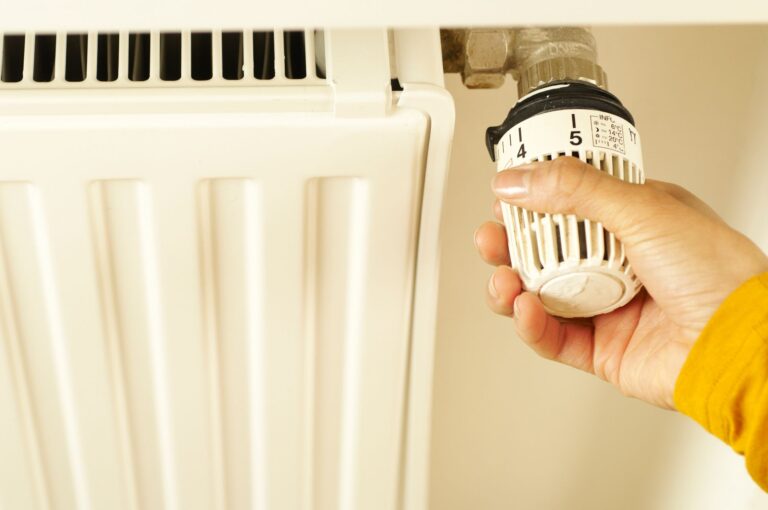

A thermostat that learns your routine can quietly trim your energy bill while keeping the bedroom cool at night and the bathroom warm on a frosty morning. The challenge is sorting through the field: app-first designs, learning algorithms, and specialty units for electric baseboards all solve comfort a little differently. This guide lines up nine strong options so you can match a pick to your home, your HVAC setup, and how much hands-on tweaking you actually want to do.
A Closer Look At The Lineup
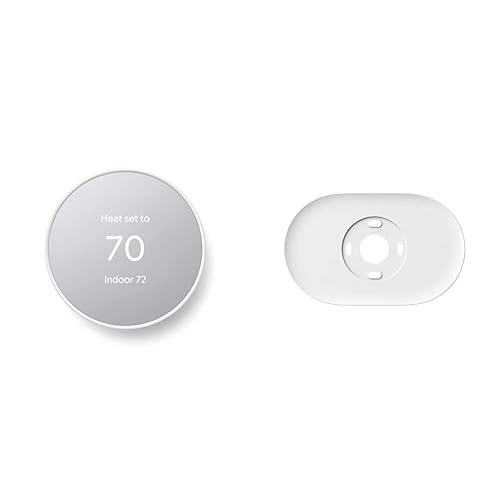
Google Nest Thermostat (Snow) with Trim Kit
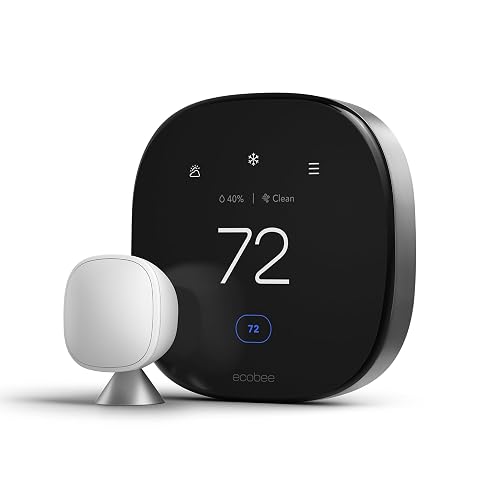
ecobee Smart Thermostat Premium with Smart Sensor
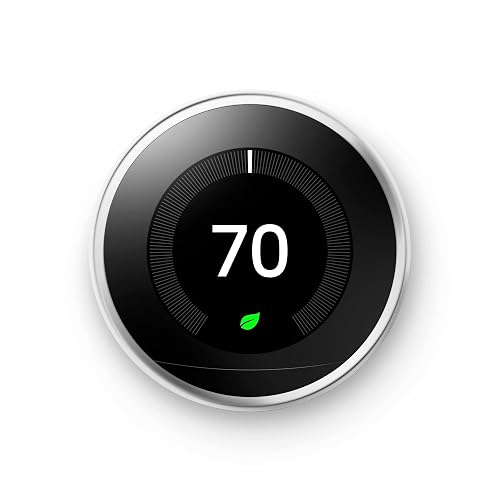
Google Nest Learning Thermostat (Polished Steel)

Mysa Smart Thermostat for Electric Baseboard Heaters 240V
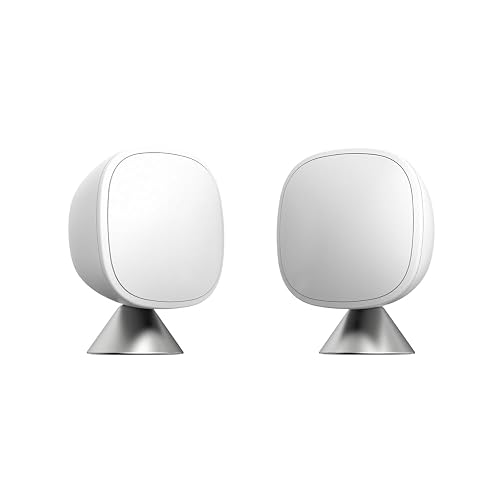
ecobee SmartSensor 2-Pack
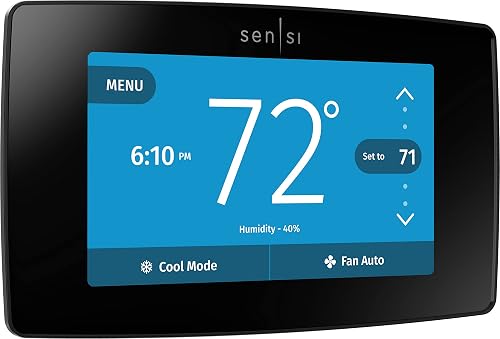
Sensi Touch Smart Thermostat ST75 (Black)
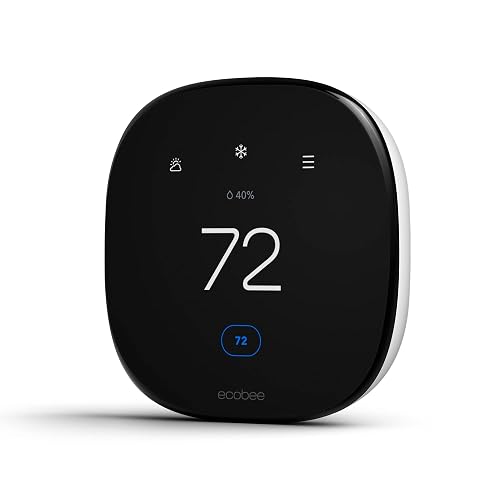
ecobee Smart Thermostat Enhanced
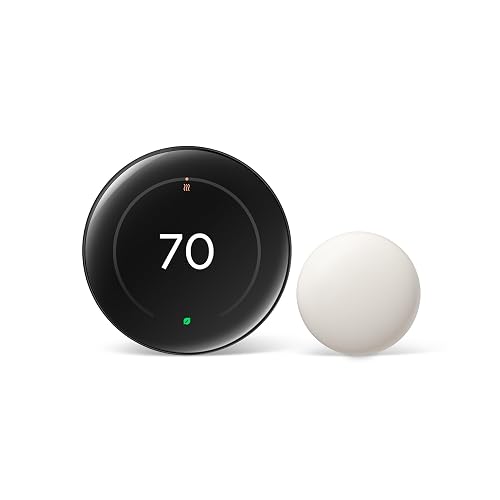
Google Nest Learning Thermostat 4th Gen (Obsidian) + Sensor
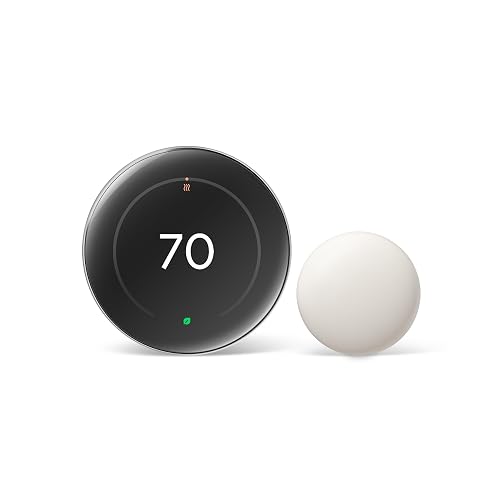
Google Nest Learning Thermostat 4th Gen (Silver) + Sensor
The Details Behind The Selections
The Snow edition of the Google Nest Thermostat keeps things simple: a frosted mirror face, a side-mounted touch strip, and the Google Home app handling scheduling from your phone. Compared to the learning-driven Google Nest Learning Thermostat reviewed later, this model leans on you to build the schedule, which is honestly easier for someone who wants predictable control on day one.
The included trim plate and steel mounting plate handle most retrofit situations, so you won’t need a separate adapter kit for a clean wall finish. It carries ENERGY STAR certification, and the auto-away behavior is genuinely useful for commuters with a regular weekday pattern.
Real-World Strengths
- ENERGY STAR certification helps reduce wasted heating and cooling in an empty home.
- Included trim plate and steel electrical-box plate cover most retrofit jobs out of the box.
- Setup through the Google Home app is friendly for Android and iPhone households.
- Auto-away temperature drop is a quiet, hands-free way to save energy.
- Frosted Snow finish blends into light-colored walls and modern interiors.
Trade Offs
- No full learning algorithm, so the schedule relies on your own input rather than adaptation.
- Side-strip controls take a short learning curve for first-time Nest users.
Key Product Details
Who It Suits Best
First-time smart thermostat shoppers with a standard central HVAC system who want app-based scheduling without paying for full learning features.
Consider Something Else When
Shoppers who want a thermostat that programs itself should look at the Google Nest Learning Thermostat (Polished Steel) reviewed below.
ecobee’s top-tier unit is the one to look at when you want a thermostat that doubles as a small smart-home hub. Built-in Siri and Alexa mean you can ask for a temperature change without a separate Echo, and the included SmartSensor helps the system focus comfort on the rooms where you actually spend time.
Where the Google Nest Thermostat in pick 1 keeps things minimal, the Premium adds an air quality monitor, geofencing, and a sharper glass display. In a multi-room home, that sensor alone solves the classic hot and cold spot problem that single-point thermostats tend to ignore.
Strengths Worth Knowing
- Built-in voice assistants remove the need for a separate smart speaker for quick adjustments.
- Included SmartSensor targets comfort in priority rooms rather than just the hallway.
- Air quality monitor adds a layer of awareness beyond temperature alone.
- Works with Apple Watch and most major smart home platforms for flexible control.
Points To Note
- Premium price tag may feel steep for smaller homes or single-zone systems.
- More features means a slightly steeper learning curve during setup.
Best Suited To
Multi-room households and smart home enthusiasts who want a single device to handle temperature, voice control, and air quality monitoring.
Look Elsewhere When
Owners heating or cooling a small apartment may find the ecobee Smart Thermostat Enhanced a more measured match for the same brand experience.
The Polished Steel Learning Thermostat has been the flagship Nest for years, and the formula is well understood. Turn the dial a few times and the system quietly watches your patterns, then writes a schedule for you. Over a few weeks, it usually settles into something close to what you would have built yourself.
Compared to pick 1, this model swaps the mirror face for a rotating stainless steel ring and adds HVAC monitoring that flags odd runtime patterns. The Nest Leaf icon on the display is a small but effective nudge toward more efficient setpoints.
Useful Highlights
- Self-programming schedule reduces the need to fiddle with the app after the first week.
- Energy History in the app shows why the bill looks the way it does.
- HVAC monitoring flags unusual system behavior before it becomes a service call.
- Polished steel ring gives the wall a slightly upscale look.
Honest Caveats
- Learning phase can feel inconsistent in the first two to three weeks.
- Stainless ring shows fingerprints more than plastic-bodied units.
- No included remote temperature sensor for room-level comfort.
Quick Facts
Made For
Homeowners who want the thermostat to figure out the schedule for them over time, with minimal manual programming.
A Better Fit Elsewhere
Shoppers wanting bundled room sensors should look at the Google Nest Learning Thermostat 4th Gen (Obsidian) reviewed in pick 8.
Mysa exists because most smart thermostats cannot talk to high-voltage electric heating. If your home runs on 120V or 240V baseboards, the wall units you grew up with need a thermostat rated for that load, and that is exactly what this pick delivers.
It pairs with HomeKit, Alexa, and Google Home, so the rest of your smart home setup stays intact. The companion app is free, and the device ships with temperature and humidity alerts that matter more for electric heat than for forced-air systems.
Good Reasons To Consider
- Built specifically for 120 to 240V electric baseboard and fan-forced heaters.
- Free companion app with no subscription for scheduling.
- Supports up to 1900W at 120V or 3800W at 240V per thermostat.
- Temperature and humidity alerts help track room-level changes.
Things To Consider
- Not compatible with low-voltage or two-wire installations, so check your wiring first.
- Requires a neutral or second live wire, which some older homes lack.
Key Product Details
Whose Shelf It Belongs On
Homeowners with electric baseboard or fan-forced heating who want the first real smart-thermostat option for that setup.
Skip It When
Households with central forced-air HVAC will get more out of the ecobee Smart Thermostat Enhanced in pick 7.
The SmartSensor 2-Pack is not a thermostat on its own, but it is the simplest way to fix a problem that no wall unit can solve alone: uneven temperatures across rooms. Drop one in the nursery and one in the upstairs office, and your ecobee thermostat will weigh those readings more heavily.
Each sensor uses infrared motion detection to tell whether a room is actually occupied. That matters because the system only spends energy conditioning rooms people are using, instead of fighting a hallway thermostat’s reading of an empty den.
The Value In It
- Occupancy detection nudges the system toward the rooms you actually use.
- Wireless range of up to 60 feet covers most homes without extra hardware.
- Two-pack layout covers a typical primary bedroom and home office setup.
- Clean pairing with existing ecobee thermostats already covered in this guide.
Small Caveats
- Requires a compatible ecobee thermostat to do anything useful.
Perfect Match For
Existing ecobee owners looking to expand comfort control into bedrooms, offices, or finished basements.
Swap It Out When
Shoppers without an ecobee base unit should start with the ecobee Smart Thermostat Enhanced in pick 7, which already includes a sensor.
The Sensi Touch leans into the kind of straightforward usability that comes from a brand with deep HVAC roots. The color touchscreen reads well from across the room, and the mobile app is one of the more polished in the category.
Where ecobee emphasizes whole-home intelligence and Nest emphasizes self-learning, Sensi focuses on data privacy and DIY installation. The C-wire requirement is worth verifying before you buy, but for many homes the wiring is already in place.
Reasons It Performs
- Color touchscreen offers clear feedback without opening the app.
- Strong data privacy stance compared to some competitors.
- Backed by Emerson’s long history in HVAC components.
- ENERGY STAR certified for efficiency-focused shoppers.
A Few Limitations
- C-wire required, which may mean an extra step in older homes.
- Fewer premium extras like built-in voice or air quality monitoring.
- Black finish shows dust more than lighter options.
Spec Overview
Who Should Grab It
DIY homeowners with a C-wire who want a touchscreen interface and a privacy-conscious app experience.
Reach For A Different Pick When
Shoppers wanting built-in voice control should look at the ecobee Smart Thermostat Premium in pick 2.
The Enhanced sits one tier below the Premium, but keeps most of the daily-use features that matter. The eco+ suite handles the small decisions for you, dropping temperatures when nobody is home and nudging you toward more efficient setpoints when you sleep.
It plays nicely with the same SmartSensor 2-Pack in pick 5, which makes it easy to expand comfort control without replacing the thermostat. For households that liked the ecobee idea but balked at Premium pricing, this is the middle path that usually works.
Useful Touches
- eco+ features automate small efficiency gains without much input.
- Works with Apple Watch, smartphones, and major smart home platforms.
- Pairs with ecobee room sensors for whole-home temperature balancing.
- Scheduling suggestions adapt to your routine over time.
Room For Improvement
- No built-in voice assistant like the Premium offers.
- No air quality monitor, so that data point requires a separate device.
- Glossy display attracts smudges from regular touch use.
Built With In Mind
Mid-sized homes and ecobee fans who want smart scheduling and sensor support without the Premium’s voice and air quality extras.
Another Choice May Suit
Households wanting air quality and built-in voice should stretch up to the ecobee Smart Thermostat Premium in pick 2.
The 4th generation Learning Thermostat brings the modern Nest display into a brighter, edge-to-edge design, and this bundle adds the second-generation Temperature Sensor for room-level comfort. Compared to the Polished Steel model in pick 3, the screen real estate is meaningfully larger and easier to read from across the room.
It still learns your routine the way older Nests did, but now you can hand off room-specific decisions to the bundled sensor. The Obsidian finish suits darker walls and modern interiors where chrome would feel out of place.
Everyday Perks
- Bundled Temperature Sensor addresses hot and cold spots in a specific room.
- Larger, brighter display improves readability from a distance.
- Self-learning schedule reduces manual programming over time.
- Obsidian finish pairs well with darker walls and contemporary decor.
Worth Bearing In Mind
- Higher cost than the older Polished Steel model in pick 3.
- Glass face shows fingerprints from regular use.
- Obsidian finish can look stark against light-colored walls.
Feature Rundown
Who Will Love This
Existing Nest owners ready to upgrade, or new shoppers who want the latest learning thermostat with room-level comfort from day one.
Where A Sibling Pick Shines
Shoppers preferring a lighter finish should consider the Google Nest Learning Thermostat 4th Gen (Silver) in pick 9.
The Silver version of the 4th gen Learning Thermostat is essentially the same package as the Obsidian bundle, just with a lighter metallic finish. The Temperature Sensor is still included, so room-level comfort is part of the deal from the start.
For most homes with light or neutral wall colors, Silver tends to blend in more gracefully than darker alternatives. It carries the same learning engine and HVAC monitoring that the older Polished Steel model became known for, refined for the latest generation.
Why It Works Well
- Polished silver finish suits light or neutral wall palettes.
- Same learning engine and HVAC monitoring as other 4th gen Nest units.
- Bundled Temperature Sensor delivers room-level comfort out of the box.
- Bright display is easy to read in hallways and living areas.
Small Limitations
- Learning phase still takes a couple of weeks to feel consistent.
- Premium price over the older 3rd gen model in pick 3.
- Glass face is reflective under direct sunlight.
The Right Fit
Design-conscious homeowners who prefer a lighter metallic finish and want the latest learning engine with a room sensor included.
Not Your Match When
Shoppers who want a darker aesthetic should consider the Google Nest Learning Thermostat 4th Gen (Obsidian) in pick 8.
What To Weigh Before Choosing a Smart Thermostat
HVAC Compatibility Comes First
Before falling in love with a touchscreen, confirm what your system actually supports. Central forced-air, heat pump, and electric baseboard setups each have different thermostat requirements. A common term worth knowing is C-wire, a low-voltage common wire that powers many Wi-Fi thermostats. Some homes lack one, and adding it can mean an extra installation step.
The Mysa in this roundup exists specifically for line-voltage electric heat, and using a standard thermostat there simply will not work. Match the thermostat to the system first, then narrow down by features.
Learning vs. Programmable vs. Sensor-Driven
Learning thermostats like the Nest line build the schedule on your behalf over time. Programmable thermostats like the entry-level Google Nest or Sensi Touch follow a schedule you set manually. Sensor-driven systems like ecobee use remote sensors to weight comfort toward occupied rooms. Your tolerance for tweaking should drive this choice, not brand loyalty.
Smart Home Ecosystem Fit
Check which voice assistants and platforms your household already runs. ecobee models lean toward Apple and Alexa households, while Google Nest thermostats pair naturally with Google Home setups. Some thermostats also work with Apple Watch, which is a nice touch for commuters who want a quick glance at indoor temperature.
Energy Reporting and Monitoring
Most modern smart thermostats show an energy history somewhere in the app, but the depth varies. If you want to understand exactly why your bill shifted last month, look for a model with HVAC monitoring alerts. That feature spots unusual runtime patterns and can warn you before a minor issue turns into a service call.
Key Considerations Across These Picks
Pitfalls Shoppers Hit
The most common mistake is buying a thermostat that does not match the HVAC system, especially with high-voltage electric baseboards where a standard unit will not work. Another slip is ignoring the C-wire requirement until installation day, which can stall the whole project.
It is also easy to overbuy on features you will not use. Built-in voice and air quality monitoring are useful, but for a small apartment they may sit idle. Match the feature list to the way you actually live.
What The Higher Tier Buys
Stepping up to a premium model like the ecobee Smart Thermostat Premium or the 4th gen Nest Learning Thermostat with a sensor typically adds room-level comfort control, sharper displays, and extras like voice or air quality monitoring. For multi-room homes with uneven temperatures, the upgrade usually pays off in daily comfort.
Frequently Asked Questions
Do smart thermostats really save money?
For most households, yes, especially with auto-away features that drop heating or cooling when nobody is home. The savings depend on your climate, utility rates, and how disciplined you were with a manual thermostat before.
Will a smart thermostat work without Wi-Fi?
You can still adjust temperature directly on the wall unit, but scheduling, voice control, and remote access all depend on a working Wi-Fi connection.
What is a C-wire and do I need one?
A C-wire, short for common wire, delivers continuous low-voltage power to the thermostat. Many Wi-Fi models need one to stay online consistently, and some homes require an adapter or new wiring.
Can I install a smart thermostat myself?
Most models in this list are designed for DIY installation if you are comfortable with low-voltage wiring and the system is compatible. If you are unsure, an HVAC technician can usually handle the swap quickly.
Are smart thermostats compatible with heat pumps?
Many modern models support heat pumps, but compatibility varies by stage and configuration. Check the manufacturer’s compatibility tool before you buy to avoid mismatches.
Wrap Up
Comfort comes down to matching the right thermostat to your HVAC system, your daily rhythm, and how much automation you actually want. A learning Nest suits someone who prefers the thermostat to do the thinking, while ecobee models shine in homes with uneven room temperatures. The Mysa fills a real gap for electric baseboard owners, and the Sensi Touch offers a privacy-forward, DIY-friendly experience. Whichever direction you lean, this lineup gives you a confident place to start.