
Walk into any home improvement aisle and you will see a wall of wall controls, all promising smarter comfort, smaller energy bills, and a setup that takes minutes. The real question is which thermostat actually fits your system, your schedule, and the way you live. These ten picks span full smart hubs, floor-heating specialists, and reliable non-programmable workhorses, so you can match the right dial to the right job without overspending on features you will never touch.
The Essentials At A Glance
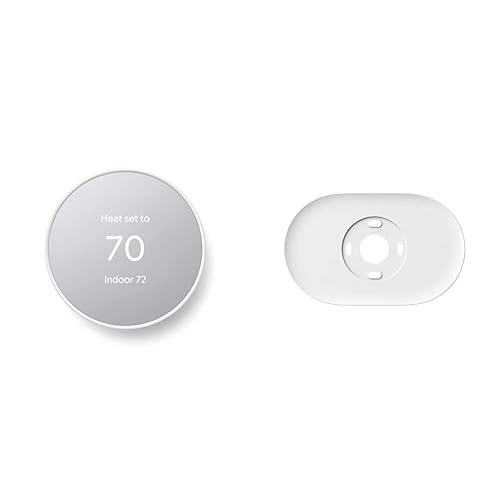
Google Nest Thermostat with Trim Kit (Snow)

SunTouch SunStat ConnectPlus Floor Heating Thermostat 4.3″
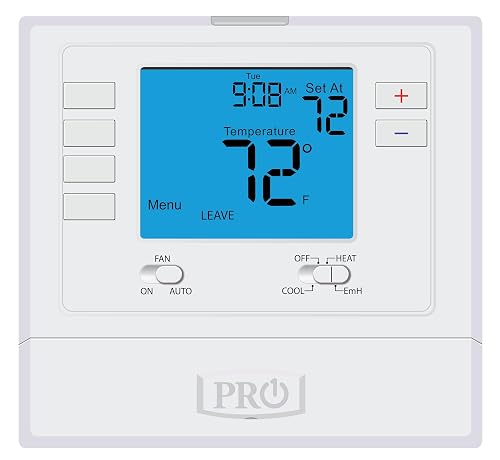
PRO1 T725 Heat Pump/Conventional Programmable Thermostat
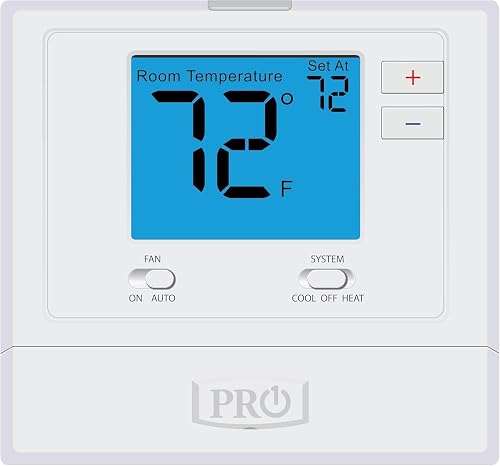
PRO1 T701 Single Stage Non-Programmable Thermostat

PRO1 T715 Multi-Stage Programmable Gas Thermostat
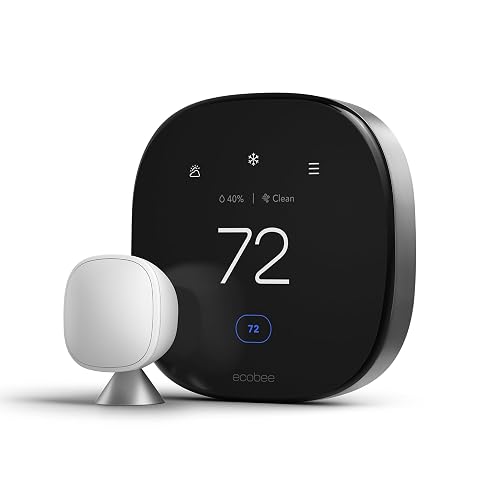
ecobee Smart Thermostat Premium with Smart Sensor
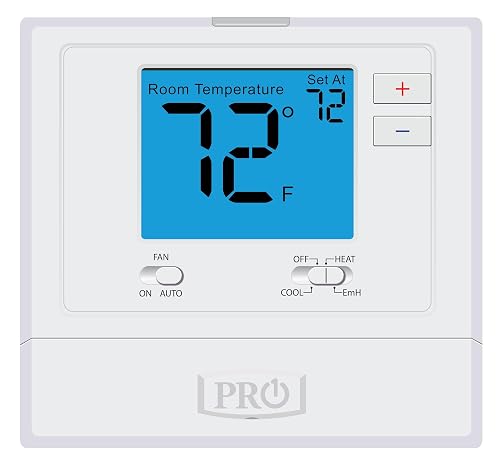
PRO1 T721 Non-Programmable Heat Pump Thermostat
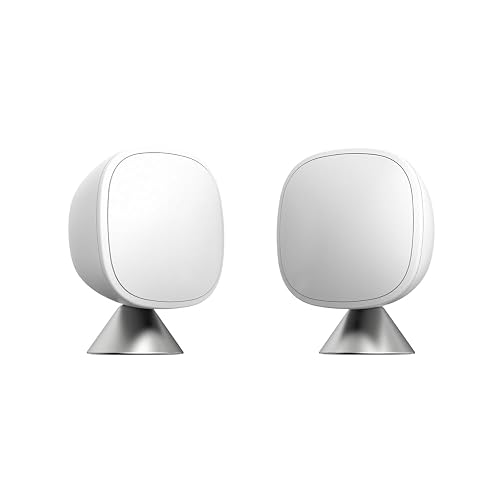
ecobee SmartSensor 2-Pack
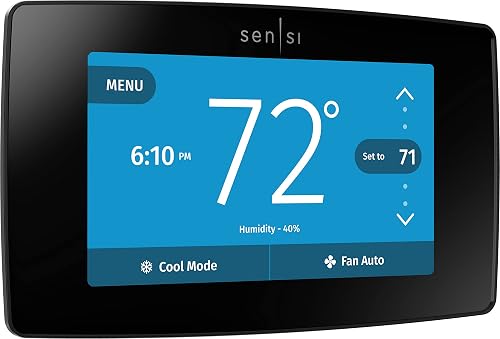
Sensi Touch Smart Thermostat ST75 (Black)
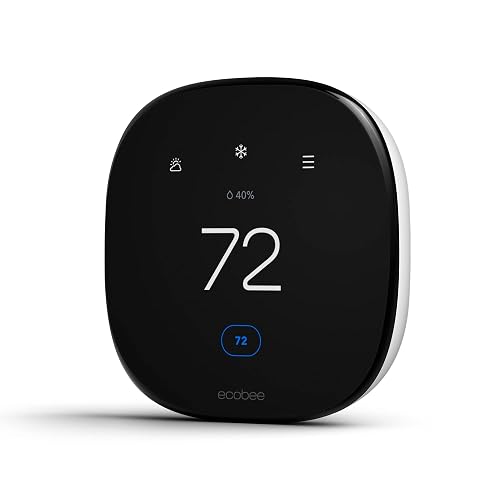
ecobee Smart Thermostat Enhanced
The Strengths Of Each Pick
The Google Nest Thermostat is the dial most people picture when they imagine a wall control, and the included trim plate makes it a friendly install for older homes where the original opening is bigger than the new body. The Snow finish keeps the look low-key, so it disappears into painted drywall rather than competing with the rest of the room.
For daily living, the appeal is the auto-away behavior. When the house empties for work, the Nest Thermostat steps the temperature back on its own, which matters for households that forget to adjust before rushing out the door. The setup is handled in the Google Home app on your phone, where you build a weekly schedule and tweak it whenever routines shift.
Practical Pluses
- ENERGY STAR rated for documented efficiency gains in typical homes
- Auto-away mode trims conditioning while you are out, easing monthly bills
- Trim plate hides gaps from older, larger openings without repainting
- Steel mounting plate covers standard electrical boxes for cleaner installs
- App-based scheduling keeps programming accessible for non-technical users
Honest Caveats
- No native display of humidity, so dry winter air goes unnoticed
- Some C-wire-free installs pull power from the heating circuit, which can cause a brief click on call for heat
Who It Suits Best
Renters and first-time smart-home owners who want a recognizable brand, a quick install, and app control without a steep learning curve.
Where Another Pick Suits Better
The ecobee Smart Thermostat Enhanced is a smarter match for anyone who wants occupancy-driven scheduling out of the box, since the Nest relies on phone location and a single onboard sensor.
SunTouch focuses on a different layer of comfort. Where most picks on this list control forced air, the SunStat ConnectPlus is built specifically for electric radiant floor heating, the kind of system that turns tile in a bathroom or basement into a warm surface on cold mornings. The 4.3-inch color screen reads at a glance from across the room.
Wi-Fi is where it earns its keep, syncing the clock automatically, pulling outdoor temperature, and adjusting the floor target based on weather. Compared with the Google Nest Thermostat in slot one, this unit is doing a much narrower job, and it does that job with the kind of detail a general thermostat ignores.
Good Reasons To Consider
- Designed for radiant floor systems, with floor and air sensing combined
- Weather compensation and warm-weather shut-down protect floors from overheating
- Voice control compatibility through Alexa and Hey Google for hands-free changes
- 4.3-inch color display is generous for a wall-mounted thermostat
Practical Considerations
- Only useful if your home runs electric radiant heat, otherwise overkill
- Initial floor-sensor calibration adds a setup step that general thermostats skip
Made For
Bathroom, kitchen, and basement remodels where radiant heat is part of the design and the homeowner wants scheduling and weather response from the same panel.
Look Elsewhere When
The PRO1 T701 is the better fit for a guest room with a basic forced-air system, since floor-only features would simply sit unused on a standard furnace.
Heat pump owners live by a different rulebook, and the PRO1 T725 was designed with that in mind. It handles two-stage heating with one stage of cooling on a heat pump, then flips to a conventional one-heat, one-cool layout when the system calls for it, so a single wall control covers both setups without rewiring.
The blue backlit screen is a small detail that pays off in dim hallways and late-night checks. Compared with the smart hubs above, the T725 trades app control for tactile buttons and a four-square-inch readout, which feels right for households that prefer physical interaction over phone menus.
Bright Spots
- Supports both heat pump and conventional systems from the same unit
- 7-day or 5/1/1 programming matches varied weekly routines
- Large 4 sq. in. backlit display is comfortable for older eyes
Points To Keep In Mind
- No Wi-Fi, so remote adjustments require being near the wall
- Programming interface takes patience on the first run-through
Best Suited To
Two-stage heat pump owners in mild-to-moderate climates who want dependable scheduling without connecting the thermostat to the home network.
Skip It When
The ecobee Smart Thermostat Enhanced is the smarter match for households that want phone-based scheduling and energy reports on top of heat pump compatibility.
Sometimes the smartest move is the simplest one. The PRO1 T701 strips the experience down to temperature up, temperature down, and a clear readout. No schedules to build, no app to install, no accounts to manage, which makes it a clean swap for a dated mechanical dial.
It runs on a single-stage conventional system, the kind found in most older homes, and the glow-in-the-dark light button is a quiet touch that helps during a late-night check. The honest read is that this is the kind of control you hand to a guest room or a rental where simplicity beats features.
Noteworthy Benefits
- Large, easy-to-read display is friendly for less tech-comfortable residents
- Glow-in-the-dark light button avoids fumbling in dark hallways
- Compatible with gas or electric conventional systems in most homes
Trade-Offs
- Non-programmable, so temperature drops require manual changes
- No Wi-Fi, so no remote access or energy reporting
Right Fit For
Guest rooms, short-term rentals, and households that want a familiar wall control without committing to a smart platform.
Consider Something Else When
The Sensi Touch Smart Thermostat ST75 is a better call for owners who want app control but still want a tactile color screen on the wall.
When the furnace has more than one stage, the thermostat needs to keep up, and the PRO1 T715 was built for exactly that. Two stages of heat and two stages of cooling let the system ramp gradually on milder days and push hard on the bitter ones, which is easier on equipment and gentler on energy use.
The unit offers 7-day, 5/1/1, or non-programmable modes, so you can dial the level of automation to your comfort. Owners commonly appreciate the option to run on AA batteries or hardwire, which simplifies replacement in older homes where the C-wire situation is uncertain.
Key Advantages
- Two-stage heating and cooling support extends furnace life and trims fuel use
- Three programming modes cover everything from full schedules to manual control
- Backlit display with glow-in-the-dark light button for low-light operation
- Battery or hardwire power for flexible installation
Less Ideal Details
- Interface feels dated next to app-driven thermostats
- No humidity readout or air quality information
Who Will Love This
Owners of two-stage gas furnaces who want tighter temperature control without bringing the system onto the home network.
Not Your Match When
The ecobee Smart Thermostat Premium is the better match for anyone who wants multi-stage control along with voice assistants and air quality monitoring in one unit.
The ecobee Smart Thermostat Premium is the densest package in this list. It pulls double duty as a wall control, a built-in voice assistant for Siri and Alexa, and a quiet monitor of the air you breathe. The included Smart Sensor ships in the box, so you can balance a stubborn room from day one rather than buying accessories later.
For households that live in a smart ecosystem, the value compounds: routines trigger on occupancy, the unit reaches the right temperature in the room you actually use, and the panel doubles as a home hub for the rest of the gear on your counter. Compared with the PRO1 T715 in slot five, this is a noticeable step up in capabilities and a noticeable step in cost as well.
What Makes Sense
- Built-in air quality monitor adds context beyond temperature
- Voice control through Siri and Alexa without extra hardware
- Smart Sensor included to address hot and cold spots immediately
- Geofencing reacts to comings and goings without manual nudging
Trade-Offs
- Premium price compared to basic programmable thermostats
- Doorbell live view and smoke alarm detection require a compatible ecosystem to do anything useful
Perfect Match For
Smart home power users who already use voice assistants and want a thermostat that acts as a hub for occupancy, air quality, and household routines.
Swap It Out When
The ecobee Smart Thermostat Enhanced is a better fit if you want ecobee’s scheduling logic and Smart Sensor support at a lower entry cost.
The PRO1 T721 sits in a useful middle ground for heat pump homes that want a digital readout without weekly programming. It handles two-stage heat and one stage of cool on a heat pump, and switches to a one-heat, one-cool conventional system when called for, so a single unit covers either layout.
Like the T701, the T721 is a set-and-forget wall control with no Wi-Fi and no app. What it adds is heat pump awareness, including the changeover valve logic that those systems require. AA batteries or a hardwire both work, which makes the swap easier when an old mercury thermostat finally gives up.
Well-Handled Touches
- Heat pump and conventional compatibility in one model
- Glow-in-the-dark light button is helpful during nighttime checks
- Blue backlit 4 sq. in. display balances size and readability
Points To Note
- No scheduling, so weekday and weekend routines need manual tweaks
- No remote access from a phone or computer
Built With In Mind
2H/1C heat pump owners who want a digital upgrade from a mechanical dial without signing up for a connected platform.
Where A Sibling Pick Shines
The PRO1 T725 is the better call for the same system when 7-day programming is part of the plan, since the T721 skips schedules entirely.
The ecobee SmartSensor 2-Pack is not a thermostat on its own. It pairs with a compatible ecobee main unit, like the Smart Thermostat Enhanced from slot ten or the Premium from slot six, and tells the system what is happening in the rooms that matter most. Two sensors in the box let you cover a nursery and an office, or a finished basement and a main living area, without buying individually.
Infrared technology detects occupancy up to about 60 feet away, so the system can dial back conditioning in empty rooms and warm or cool the ones in use. Compared with the SunTouch SunStat ConnectPlus, which manages a single radiant zone, this is a different approach: more rooms, smarter priorities, and a tighter focus on actual human presence.
Practical Advantages
- Two sensors in one box spreads coverage across key rooms
- Occupancy detection pulls conditioning toward rooms in active use
- Wireless communication simplifies placement without rewiring
Possible Compromises
- Requires a compatible ecobee thermostat to function, which is an added investment
- Sensor batteries need occasional replacement, often noted in owner reviews
The Right Fit
Existing ecobee households that want to address hot and cold spots across multiple rooms without running new wires.
Reach For A Different Pick When
The ecobee Smart Thermostat Premium is the better starting point for anyone who does not yet own a compatible main thermostat.
The Sensi Touch brings a generous color touchscreen to the wall in a way that feels familiar to anyone who has used a phone. The ST75 ships in a black finish, the app guides installation step by step, and the data privacy stance from Emerson is unusually direct for the category, which is worth something to households that prefer minimal data sharing.
A C-wire is required, so this is not a free swap in older homes, but the screen and app tend to make the install feel like a project you can finish in an afternoon. Compared with the Google Nest Thermostat in slot one, the Sensi leans toward hands-on wall interaction rather than auto-away magic, which is a fair trade for some users.
Where It Helps
- Color touchscreen offers at-a-glance temperature and system status
- Step-by-step app guidance makes DIY installation approachable
- Strong data privacy positioning from a brand with HVAC heritage
- ENERGY STAR rated for documented efficiency in typical homes
Trade-Offs
- C-wire required, which rules out the simplest no-C-wire swaps
- No built-in voice assistant, so commands need a separate speaker
Whose Shelf It Belongs On
Privacy-focused households that want app control, a polished color display, and a brand with a long HVAC track record behind the product.
A Better Fit Elsewhere
The ecobee Smart Thermostat Premium is a smarter match for households that want voice control and air quality monitoring built into the same panel.
The ecobee Smart Thermostat Enhanced is the gentler on-ramp to ecobee’s lineup, sitting below the Premium in slot six but keeping the scheduling and sensor logic that makes the brand useful. It adapts to your routine, suggesting schedule changes rather than forcing you to build one from scratch, which is friendlier for new smart-thermostat owners.
eco+ features nudge the temperature down when the house is asleep or empty, and the unit plays nicely with Apple Watch, smartphones, and major voice ecosystems. For many readers, this lands as the practical sweet spot: smart enough to feel modern, simple enough to live with every day.
Where It Excels
- Automatic energy savings through occupancy-based scheduling
- Schedule suggestions help new users build routines without spreadsheets
- Compatible with major smart home platforms for flexible control
- Supports SmartSensor accessories for room-by-room comfort
Practical Considerations
- Lacks the built-in air quality monitor of the Premium model
- No integrated voice control, so an external speaker handles commands
Who Should Grab It
Schedulers who are new to smart HVAC and want adaptive automation at a lower cost than the Premium line.
Consider Something Else When
The ecobee SmartSensor 2-Pack is the better add-on for households that already run this thermostat and want to balance temperatures across multiple rooms.
What Drives The Real Cost Of A Smart Thermostat
A thermostat is a small box on the wall, but the price spread across this list reflects what is happening under the hood. Basic non-programmable units like the PRO1 T701 and T721 keep costs down by skipping radios, antennas, and app servers, which is why they make sense in rooms where nobody needs remote control. Programmable models like the PRO1 T725 and T715 add scheduling logic and multi-stage switching, which raises the cost but extends furnace life and trims fuel use over the seasons.
The bigger jump comes with full smart hubs like the Google Nest Thermostat and the ecobee Smart Thermostat Enhanced, which add Wi-Fi radios, app ecosystems, occupancy learning, and ongoing software support. Premium picks like the ecobee Smart Thermostat Premium stack on built-in voice assistants and air quality sensors, which means a single wall unit is doing the work of three separate devices. Then there are niche specialists like the SunTouch SunStat ConnectPlus, where the price reflects a smaller market and a focused radiant heating skill set, rather than a stripped-down feature list.
Picking The Right System Match
Before anything else, confirm what your HVAC system actually is. A two-stage gas furnace wants a thermostat that can switch between low and high fire, which the PRO1 T715 handles cleanly. A heat pump home needs a unit that understands changeover valves, which is where the T725, T721, and ecobee line all do the job. A radiant floor system asks for a controller built for floor sensors, which only the SunTouch in this roundup really covers.
C-wire status matters as well. A C-wire, or common wire, is the low-voltage return line that powers Wi-Fi and color screens continuously. Units like the Sensi Touch require one, while the Google Nest Thermostat can often pull from the heating circuit in a swap, though that can introduce a faint click on call for heat. Older homes without a C-wire tend to land on the non-programmable PRO1 models or on the Google Nest, which adapts to the simpler wiring.
Features That Pay Off In Daily Use
Scheduling depth is the most underrated detail. A 7-day schedule lets weekday and weekend routines differ, which fits modern work patterns. 5/1/1 programming, where weekdays share one block and Saturday and Sunday stand alone, covers most households at a slightly simpler setup. Non-programmable units save cost but expect you to adjust the dial when life changes.
Sensor support changes the comfort equation more than the screen size. A single thermostat measures one spot, usually a hallway, which is rarely the room you actually live in. The ecobee SmartSensor 2-Pack and the SmartSensor included with the Premium push decisions toward occupied rooms, which is the kind of upgrade you feel the first week. Voice control is convenient but optional, since the Sensi Touch and ecobee Enhanced both lean on a separate speaker rather than baking one in.
Key Considerations Across These Picks
Common Shopping Slip Ups
The single biggest misstep is matching a thermostat to the wrong system. Buyers occasionally pick a one-stage unit for a two-stage furnace, or a conventional-only model for a heat pump, and the result is a control that never quite commands the equipment the way it should. Check the label on your existing thermostat or the spec plate on your air handler before choosing.
The other quiet trap is ignoring the C-wire. Smart thermostats with color screens and Wi-Fi radios pull steady current, and a missing C-wire can cause flickering, resets, or short cycling of the heating system. Read the install guide before you buy, and budget a few minutes of wire work if your current setup is older. Skipping that step turns a one-hour swap into a longer project.
What The Higher Tier Buys
Spending more on the ecobee Smart Thermostat Premium gets you a built-in air quality monitor, integrated voice control, and bundled sensors, which means the wall unit absorbs the role of a hub plus a small speaker plus a room sensor. That is genuinely convenient for households that already use voice assistants, since one panel does three jobs.
The PRO1 T715 over the T701 buys you two-stage control, which can stretch fuel use on milder days by running the furnace at a lower setting. The Google Nest Thermostat over the non-programmable PRO1s buys you app-based scheduling, which is worth it the moment your weekly routine changes. The honest answer is that the higher tier pays off most when its added features match a real part of your day, not when they sit unused behind a forgotten account login.
Frequently Asked Questions
Do smart thermostats actually cut energy bills?
Programmable and learning thermostats can trim conditioning in empty hours, which is where most wasted energy hides. The exact savings depend on your climate, your setpoints, and how often the schedule is allowed to back off during the day. ENERGY STAR-rated models like the Google Nest Thermostat and the Sensi Touch ST75 are independently verified to meet efficiency standards, which is a useful baseline.
What is a C-wire and why does it matter?
A C-wire, short for common, is the low-voltage return line that gives a smart thermostat continuous power for its Wi-Fi radio and color screen. Without it, some units pull current from the heating circuit, which can introduce a faint click on call for heat or cause the screen to flicker. Units like the Sensi Touch require a C-wire, while the Google Nest Thermostat can often work without one in certain systems.
Can I install a smart thermostat myself?
Most modern thermostats are designed for DIY installation, with step-by-step app guidance and clear labeling on the wall plate. The Sensi Touch and the ecobee line are especially friendly for first-time installers. Heat pump wiring and C-wire conversions can complicate the job, so it is worth reading the install guide before you buy and being honest about your comfort with low-voltage wiring.
Will a smart thermostat work with a heat pump?
Yes, but only if the thermostat is designed for heat pump systems, which means it understands the changeover valve that flips between heating and cooling modes. The PRO1 T725, PRO1 T721, Google Nest Thermostat, and the ecobee Enhanced and Premium models all support heat pumps. The PRO1 T701 and T715 are built for conventional systems and are not the right match for heat pump homes.
Do I need extra sensors?
A single thermostat measures one spot, which is rarely the room where comfort matters most. Smart sensors, like the ecobee SmartSensor 2-Pack, push decisions toward rooms in actual use, which is the kind of upgrade you feel on the first cold night. For most homes, a couple of well-placed sensors make a bigger difference than any single spec on the main unit.
Wrap Up
The right thermostat is the one that matches your system, fits your routine, and respects the way you actually want to interact with your home. A guest room is a different decision than a primary living space, a heat pump is a different conversation than a forced-air furnace, and a smart hub is only worth the spend when its features will see daily use. Pick from this list based on your home rather than the spec sheet, and the comfort and efficiency follow naturally.