

Walking into a home that’s already at the right temperature feels like a quiet luxury, especially after a long commute or a freezing morning school run. The right smart thermostat takes the fiddling out of climate control, learning your patterns and trimming waste while you focus on everything else. This roundup covers nine solid options, including standalone hubs and room sensors, so you can match the setup to your home’s quirks. Whether you rent a small apartment or manage a multi-room house, there’s a path here that won’t require an electrician on speed dial.
The Shortlist At A Glance
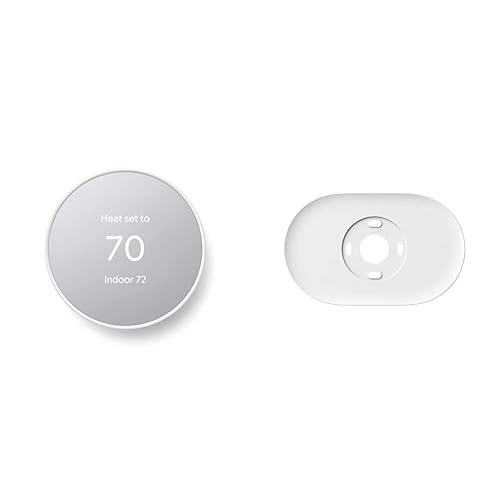
Google Nest Thermostat with Trim Kit (Snow)
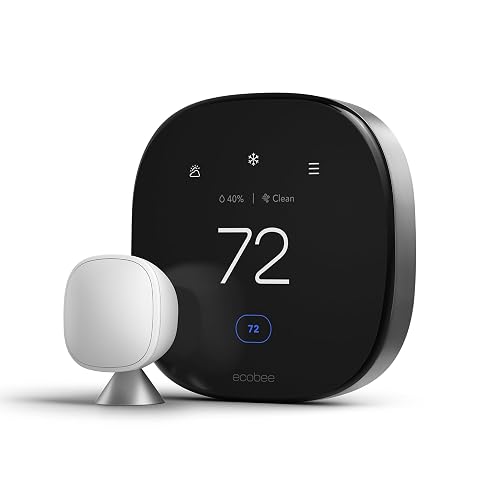
ecobee Smart Thermostat Premium with Sensor
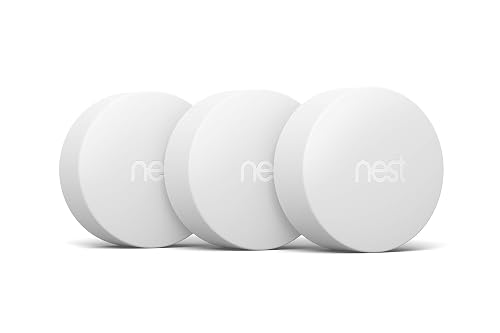
Google Nest Temperature Sensor 3-Pack
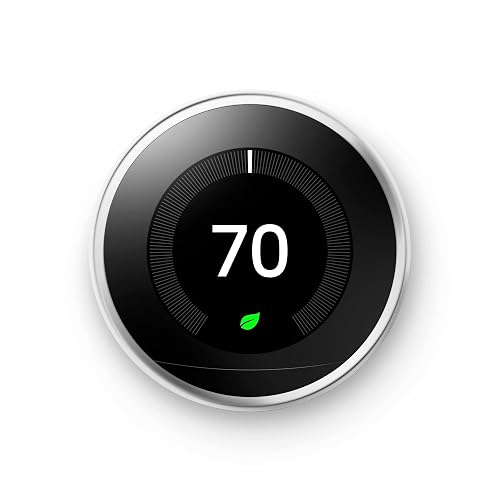
Google Nest Learning Thermostat (Polished Steel)

ecobee SmartSensor 2-Pack
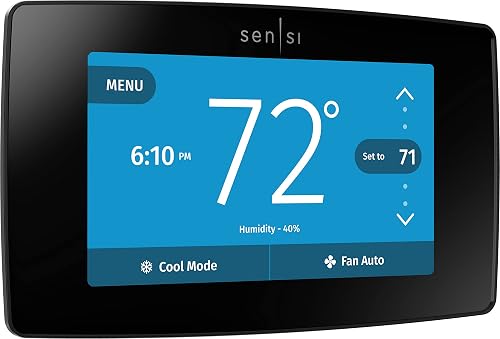
Sensi Touch ST75 Smart Thermostat (Black)
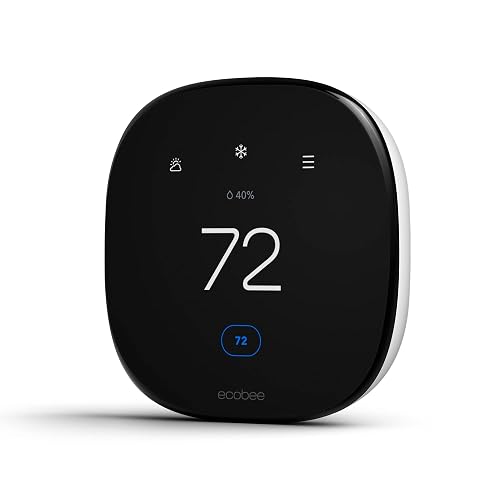
ecobee Smart Thermostat Enhanced
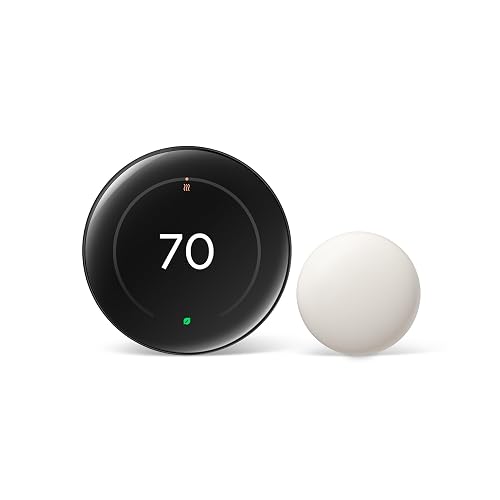
Nest Learning Thermostat 4th Gen + Sensor (Obsidian)
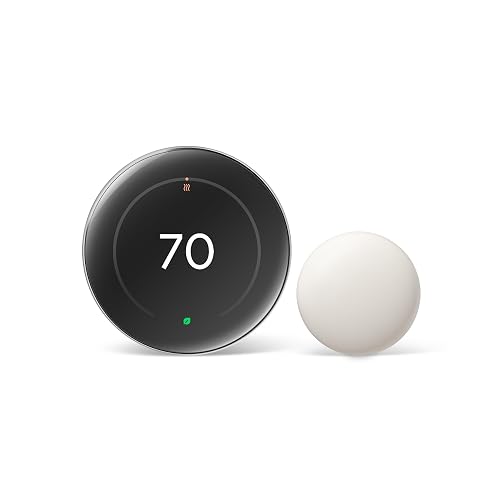
Nest Learning Thermostat 4th Gen + Sensor (Silver)
More On The Choices That Made The List
The Google Nest Thermostat with Trim Kit is a friendly entry point for anyone leaving a basic programmable model behind. Its Snow finish brightens up a neutral wall, and the included trim plate covers old paint lines if you’re swapping from a wider thermostat. The setup is handled in the Google Home app on Android or iPhone, which most people already have open daily.
You get the essentials: a weekly schedule, an away mode that drops heating or cooling when nobody’s home, and remote control from your phone. In our view, this is the pick that gives first-time smart thermostat owners the most room to grow without overwhelming them on day one.
Everyday Wins
- ENERGY STAR certified, so you know it meets federal efficiency benchmarks for heating and cooling savings.
- Auto-away behavior trims energy use when the house sits empty, which is helpful for commuters and weekend travelers.
- Includes a steel plate for installing over a standard electrical box, a small detail that saves an extra trip to the hardware store.
- App-first controls mean the thermostat blends into your wall instead of demanding constant physical attention.
Points To Note
- Lacks the learning behavior of the Nest Learning Thermostat, so you build the schedule yourself in the app.
- Doesn’t ship with a separate room sensor, so readings come from the hallway where it’s mounted.
Feature Snapshot
Who It Suits Best
A first-time smart thermostat owner who wants app control and ENERGY STAR efficiency without a steep learning curve.
Consider Something Else When
Pick the ecobee Smart Thermostat Premium instead if you want built-in voice control and a room sensor in the box from day one.
The ecobee Smart Thermostat Premium arrives loaded for people who treat the wall unit as the hub of a real smart home. You get a built-in air quality monitor, native Siri and Alexa, and a SmartSensor that targets the rooms you actually use, all in one box. Compared to the Google Nest Thermostat above, this one trades simplicity for a deeper feature set.
The metal body and glass face feel substantial on the wall, and the included sensor kills the hot-cold room problem that haunts two-story houses. Geofencing uses your phone’s location to ease off the HVAC when you leave, which most homeowners find saves noticeable money over a heating season.
Practical Pluses
- Built-in air quality monitor alerts you to poor ventilation, handy for homes with wood stoves or wildfire season.
- Native Siri and Alexa support removes the need for a separate smart speaker on the kitchen counter.
- Included SmartSensor targets the room you’re in, which can finally settle the upstairs-versus-downstairs thermostat war.
- Smoke alarm detection adds a layer of safety when paired with compatible smoke detectors.
- Doorbell Live View lets you peek at a compatible doorbell camera from the thermostat screen.
Trade Offs
- Heavier feature set means a steeper setup curve than the simpler Google Nest Thermostat.
- Some advanced features, including video doorbell streaming, require compatible third-party hardware to feel complete.
- Smart home owners sometimes find the metal body shows fingerprints near the touchscreen.
Best Suited To
Households that want a thermostat to double as a small smart display and air quality gauge in one wall-mounted unit.
A Better Fit Elsewhere
Reach for the Google Nest Thermostat with Trim Kit when you prefer a stripped-down Google Home app setup without a sensor to position.
The Google Nest Temperature Sensor 3-Pack is an add-on, not a standalone thermostat, and that framing matters. It works alongside compatible Nest thermostats to read temperatures in the baby’s room, the upstairs office, or the basement playroom. Three sensors cover most mid-size homes without forcing you to choose favorites.
Each small puck runs on low-energy Bluetooth and reports back to the thermostat, so the system can target the room that matters most at that moment. Compared to the ecobee SmartSensor 2-Pack later in this list, this set trades ecobee’s occupancy detection for a third sensor at the same general price tier.
The Good Stuff
- Three sensors cover a multi-room home at a lower per-sensor cost than buying singles.
- Useful for prioritizing the nursery at night and the living room during the day, all without touching the thermostat.
- Low-energy Bluetooth keeps battery life long between swaps.
- Wire-free placement means you can move them when the seasons shift.
Worth Noting
- Requires a compatible Nest thermostat, so it isn’t useful on its own.
- No occupancy detection, so it can’t tell if a room is actually in use, just what the air temperature is.
Made For
Nest owners with a two-story layout where the hallway thermostat always seems to miss the room you actually live in.
Look Elsewhere When
Choose the ecobee SmartSensor 2-Pack instead if your home already runs an ecobee thermostat and you want occupancy awareness.
The Google Nest Learning Thermostat in Polished Steel is the original “set it and forget it” play. After a week or two of tweaks, it builds a schedule around your habits, so manual programming fades into the background. The Polished Steel ring rotates with a satisfying tactile click, which is one of those small joys that keeps this model feeling premium years after launch.
Home/Away Assist drops the system to an Eco Temperature when it senses an empty house, and the Energy History view in the app explains where your heating dollars actually go. For homeowners who want a thermostat that gets smarter with time, this one earns its reputation.
Standout Benefits
- Learns your patterns over a week or two and builds a schedule for you.
- Polished Steel finish looks at home next to stainless kitchen hardware.
- Energy History and the Nest Leaf in the app nudge you toward savings-friendly temperature choices.
- HVAC monitoring alerts you when something looks off, such as short cycling or filter reminders.
Small Caveats
- The learning phase can feel a little jumpy for the first week, which some homeowners find frustrating.
- Polished Steel shows fingerprints on the rotating ring, especially in kitchen-adjacent hallways.
Quick Facts
Perfect Match For
Homeowners who like the idea of a thermostat that adapts on its own and rarely needs app attention.
Reach For A Different Pick When
Pick the ecobee Smart Thermostat Premium if you want a built-in air quality monitor and native voice control without buying extra hardware.
The ecobee SmartSensor 2-Pack brings occupancy detection into the room-sensor game, which is the real upgrade over a temperature-only puck. Each sensor reads the air and senses when a room is actually in use, then nudges the system to react. That’s a meaningful difference in a home office that sits empty most weekdays.
Wireless communication up to about 60 feet means most homes stay in range without extra repeaters. The two-pack covers a primary bedroom and a living area, which is the most common starting setup, and you can add more later as needs grow.
The Practical Payoff
- Occupancy detection means the system can ignore an empty guest room and warm the one you’re working in.
- 60-foot wireless range covers most two-story homes without signal drops.
- Compatible with multiple ecobee thermostats, so you can add sensors over time without rebuying hubs.
Points To Keep In Mind
- Only works with ecobee thermostats, so Nest households should look at the Google Nest Temperature Sensor 3-Pack instead.
- Two sensors may be one short for larger homes with a basement or finished attic.
The Right Fit
ecobee owners who want the system to react to where people are, not just where the air feels warm.
Swap It Out When
Choose the Google Nest Temperature Sensor 3-Pack if you already run a Nest thermostat and want a temperature-only option at a lower cost.
The Sensi Touch ST75 from Emerson leans on a century of HVAC experience, which gives it a different personality from the Google and ecobee options. The full-color touchscreen is the loudest feature on the wall, and the app has a no-data-sharing policy that privacy-minded shoppers tend to appreciate right away.
DIY-friendly wiring guidance and a C-wire requirement keep this in a defined lane: it suits homeowners comfortable identifying their existing thermostat wires. The black face looks sharp against light paint and disappears against darker walls, depending on the room.
Useful Highlights
- Touchscreen color display gives quick access to temperature, humidity, and schedule previews at a glance.
- Emerson’s HVAC heritage translates into detailed compatibility information for older systems.
- No data selling, which matters for households cautious about smart home telemetry.
- Works with Alexa voice assistants for hands-free adjustments.
Honest Caveats
- A C-wire is required, so homes without one may need an extra wiring step during install.
- The app experience feels less polished than the Google Home or ecobee apps, depending on your familiarity.
Feature Card
Whose Shelf It Belongs On
Privacy-focused homeowners with a C-wire who want a full-color touchscreen without giving up data they care about.
Another Choice May Suit
Pick the Google Nest Learning Thermostat (Polished Steel) instead if you want a self-learning schedule and prefer a Google Home app workflow.
The ecobee Smart Thermostat Enhanced sits in the middle of the ecobee lineup, which makes it the right answer for a lot of households that want more than the basics without paying for the Premium. It auto-adjusts based on occupancy, suggests schedule tweaks, and runs eco+ features that ease temperatures when you sleep or leave.
It works with your phone or an Apple Watch and ties into Apple HomeKit, Google Assistant, and Alexa, so the smart home side rarely feels like a compromise. For shoppers comparing this to the Premium model above, the honest read is that the Enhanced covers the daily energy savings most people care about.
What Stands Out
- eco+ features automatically trim temperatures during sleep and away hours, no manual scheduling required.
- Works with Apple Watch for quick adjustments from the wrist.
- Connects to Apple HomeKit, Google Assistant, and Alexa without a separate hub.
Where It May Fall Short
- No built-in air quality monitor, unlike the ecobee Smart Thermostat Premium above.
- SmartSensor sold separately, which raises the real cost for multi-room homes.
Right Fit For
Mid-range shoppers who want ecobee energy features and broad voice assistant support without paying for the Premium extras.
Where A Sibling Pick Shines
Choose the ecobee Smart Thermostat Premium instead if a built-in air quality monitor and included SmartSensor matter to you.
The Nest Learning Thermostat 4th Gen arrives in Obsidian, the darkest finish Google offers, paired with a 2nd generation Temperature Sensor in the same box. That bundle structure is the whole pitch: you skip the part where you wait two weeks, then buy sensors to fix uneven rooms.
The 4th gen model builds on the polished steel version earlier in this list with a brighter display and a slightly larger, more modern body. It still learns your schedule and watches your HVAC system for odd behavior, so existing Nest owners get the new hardware without losing the routines they already trust.
Points In Its Favor
- Bundled sensor means you address hot and cold rooms from the day you install, no extra purchase required.
- Obsidian finish reads almost black, which suits darker walls and minimalist interiors.
- Brighter display helps readability from across the room, especially in sunlit hallways.
Practical Considerations
- Bundled sensor doesn’t include occupancy detection, so it only reports temperature.
- Premium finish means a higher starting cost than the standalone Google Nest Thermostat above.
Who Should Grab It
First-time Nest buyers who want a sensor bundled in and a darker finish that disappears into modern walls.
Skip It When
Choose the Nest Learning Thermostat 4th Gen in Silver below if Obsidian reads too dark for your wall color.
The Nest Learning Thermostat 4th Gen in Silver shares every internal feature with the Obsidian bundle above, but the lighter finish makes it a more visible design element. It looks at home against light or neutral walls, and the rotating ring catches the eye without shouting for attention.
You still get the 2nd generation Temperature Sensor in the box, so multi-room balancing starts on day one. Compared to the polished steel version earlier, the 4th gen offers a brighter display and a more refined body shape.
Key Advantages
- Silver finish blends into light-colored walls and modern trim work.
- Included sensor means even temperatures across the home from the first day of use.
- Same self-learning scheduling and HVAC monitoring as the Obsidian bundle.
Details To Watch
- Higher cost than the standalone Nest Learning Thermostat (Polished Steel) above.
- Sensor lacks occupancy detection, so it only handles temperature readings.
Who Will Love This
Style-conscious shoppers who want the latest Nest hardware with a sensor and a finish that complements lighter walls.
Not Your Match When
Pick the Nest Learning Thermostat 4th Gen in Obsidian instead if your wall color calls for a darker, low-contrast finish.
What To Weigh Before Picking A Smart Thermostat
Smart thermostats earn their keep by trimming waste, so the right model depends on how your home loses (or holds) heat. Start with HVAC compatibility. Some systems need a C-wire, a common wire that delivers continuous power, while others pull enough current from the heating circuits to skip one. The Sensi Touch ST75 in this list calls out a C-wire requirement up front, which is worth checking against your existing wiring before you fall for a touchscreen.
Next, think about room layout. A single hallway thermostat can’t read the nursery at night or the basement office during the day, which is where the Google Nest Temperature Sensor 3-Pack and ecobee SmartSensor 2-Pack earn their place. Bundles like the 4th gen Nest with a sensor in the box solve this from day one. If you live in a smaller apartment, a single-unit pick like the Google Nest Thermostat is often enough.
Finally, weigh your smart home habits. Households deep in Google Home tend to prefer Nest, while Apple Watch owners often lean toward ecobee for wrist-level control. Voice assistant support, data privacy policies, and HVAC monitoring features all shift the balance, and the Premium Pick in this list shows what a fully-loaded option looks like in practice.
Key Considerations Across These Picks
Pitfalls Shoppers Hit
A common trap is buying a thermostat with the wrong wiring assumption. Many smart models, including the Sensi Touch ST75, need a C-wire, and skipping that check leads to a return trip. Another is underestimating the value of room sensors: a single hallway reading can leave a bedroom too warm or too cold, which is why bundles with sensors included often feel like a smarter starting point.
When Paying More Pays Off
Higher tiers earn their cost through extras you don’t notice until you use them: built-in air quality monitors, native voice control, and HVAC health alerts. The ecobee Smart Thermostat Premium illustrates that, since the included sensor and the air quality readings add real value for homes with allergies or wildfire season concerns. If your system is older or you want one device to do more, the upgrade tends to earn its keep over a couple of heating cycles.
Frequently Asked Questions
Do smart thermostats work without Wi-Fi? Most run their basic schedule on-device, so heating and cooling continue during a network outage. You lose remote control and app features until the connection returns.
How long does installation usually take? For most homeowners with a C-wire, the swap runs 20 to 30 minutes. If you need to pull a new C-wire from the furnace, plan on a longer project or a service call.
Will a smart thermostat work with my old HVAC system? It depends on the system voltage and wiring. Compatibility checkers from Google, ecobee, and Emerson help you confirm before you buy, which is the easiest way to avoid a mismatch.
Do room sensors really make a difference? In multi-room homes, yes. A sensor in the room you actually use lets the system focus comfort where you spend time, rather than the hallway where the thermostat lives.
Can I install one without an electrician? Many homeowners handle the swap themselves, especially with app-guided steps. The Sensi Touch in this list, for example, ships with detailed DIY instructions, though a C-wire check still matters.
Wrap Up
A smart thermostat pays you back in comfort and modest energy savings, and the right model fits your home’s wiring, your daily patterns, and the rooms you actually use. Start with the basics, add sensors only if your layout calls for it, and let the thermostat do the adjusting once it’s installed. The picks above give you a clear ladder from a simple app-controlled model to a fully-loaded hub, so the upgrade path stays open as your needs shift.