

Heating and cooling quietly drain the household budget, and a thermostat that genuinely talks to your iPhone changes that math. If you’ve been itching to pull a finicky wall dial into a proper HomeKit scene, this roundup lines up ten thermostats that play nicely with Apple’s smart home framework. We focused on real fit: wiring realities, system compatibility, sensor support, and how each one feels to live with day to day. Whether your home runs on baseboard heaters, a heat pump, or a central forced-air setup, there’s a HomeKit-aware option below worth a closer look.
The Lineup, Simplified

Mysa Smart Thermostat for Electric Baseboard Heaters 240V

ecobee Comfort and Security Bundle with Smart Thermostat Premium
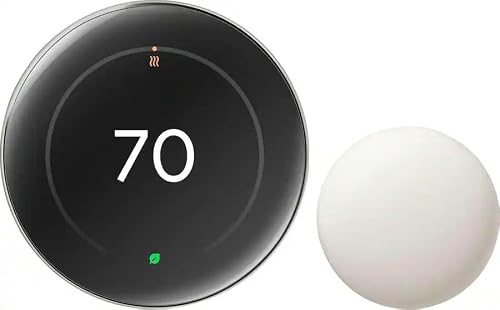
Google Nest Learning Thermostat (4th Gen, 2024) with Temperature Sensor
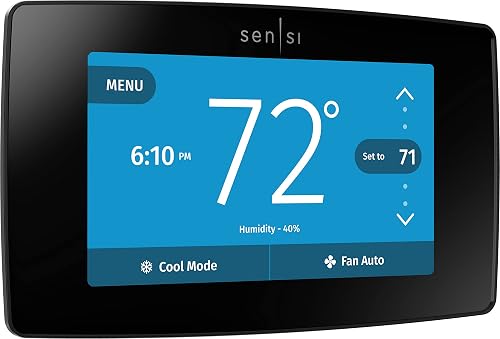
Sensi Touch Smart Thermostat by Emerson (ST75, Black)

Honeywell Lyric T6 Pro Wi-Fi Programmable Thermostat
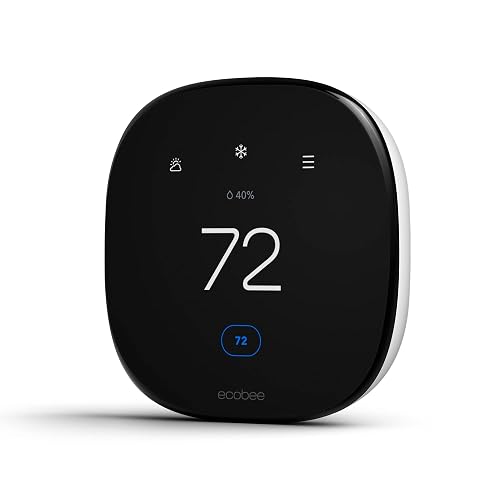
ecobee Smart Thermostat Enhanced
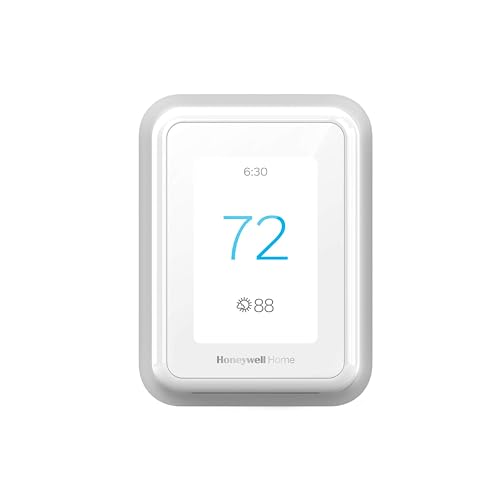
Honeywell Home T9 WiFi Smart Thermostat with Smart Room Sensor
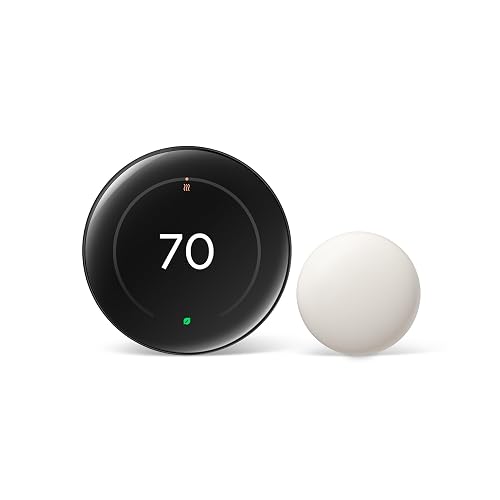
Google Nest Learning Thermostat (4th gen) with Temperature Sensor, Obsidian
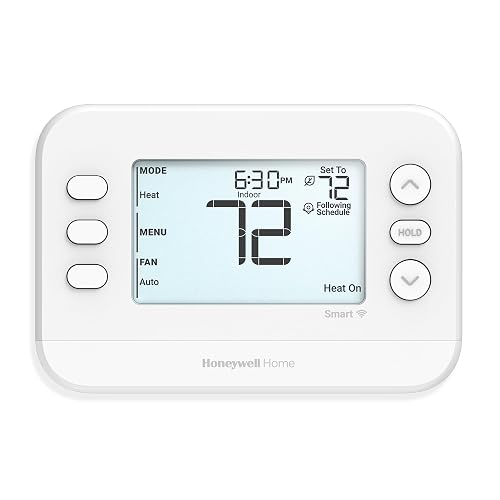
Honeywell Home X2S Smart Wi-Fi Thermostat
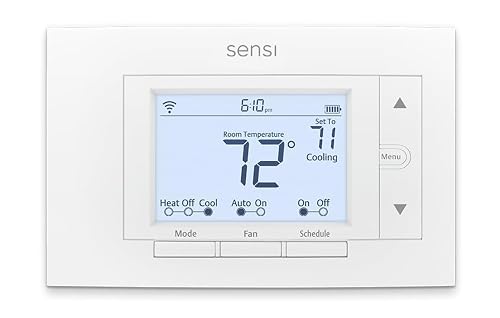
Sensi Smart Thermostat by Emerson (ST55)
A Closer Look At Each Pick
Most smart thermostats assume you have a low-voltage system, which makes them useless for homes heated by electric baseboards. Mysa sidesteps that problem entirely by building for high/line-voltage circuits (120–240V) common in older apartments and condos across North America. If your walls have those chunky white heaters along the baseboard, this is one of the few HomeKit-compatible options that will actually wire in.
Setup requires at least four conductors at the existing thermostat location, including a neutral or a second live wire, and the unit handles loads up to 1900W at 120V or 3800W at 240V. The minimalist black faceplate looks tidy on a plain wall, and the companion app handles scheduling without a subscription. For most renters and owners of electric-heated homes, the install is genuinely approachable with basic tools.
Advantages To Know
- Built specifically for 120–240V electric baseboards and fan-forced heaters, a niche most competitors ignore.
- Native HomeKit, Alexa, and Google Home support means you can mix ecosystems without losing automation.
- Free companion app with no recurring fees for scheduling, geofencing, or temperature alerts.
- Humidity monitoring included, useful for managing dryness that often comes with electric heat.
Things To Consider
- Not compatible with low-voltage or two-wire installations, so check your wiring before purchasing.
- Higher per-zone cost compared to central HVAC thermostats, especially in homes with many rooms.
Who It Suits Best
Apartment dwellers and homeowners with electric baseboard or fan-forced heating who want HomeKit control without rewiring the whole panel.
Where Another Pick Suits Better
The ecobee Smart Thermostat Enhanced is a better fit for households with central forced-air HVAC that don’t need high-voltage handling.
The ecobee Comfort and Security Bundle pairs the Smart Thermostat Premium with sensors and security hardware in one box, which is rare in this category. For households building out a connected home from scratch, having the thermostat double as a base station simplifies the gear shelf. Compared to the standalone ecobee Smart Thermostat Enhanced (covered later), this bundle pushes deeper into whole-home awareness.
The thermostat side handles scheduling, occupancy-based adjustments, and HomeKit integration, while the included SmartSensor helps the system focus on the rooms people actually occupy. The package makes sense if you want to consolidate hubs rather than run a separate alarm panel. For shoppers who only need temperature control, the bundle may feel like more than necessary.
Well-Handled Touches
- Combines climate control and home security entry points in a single purchase.
- SmartSensor inclusion helps redirect comfort toward occupied rooms instead of empty hallways.
- HomeKit support is mature, with reliable scene integration alongside lighting and locks.
- Premium thermostat body includes a built-in speaker and air quality monitor on supported models.
Worth Noting
- Higher entry cost than a thermostat-only purchase, which may stretch budgets for renters.
- Security features depend on subscription tiers for full functionality, depending on the region.
Feature Snapshot
Right Fit For
Shoppers outfitting a new connected home who want thermostat and security hardware sourced together rather than pieced apart.
Skip It When
The Honeywell Home T9 makes more sense if room-level comfort is the priority and security hardware isn’t on the list.
Google’s fourth-generation Nest Learning Thermostat is the most polished piece of wall hardware in this lineup, with a domed glass face that reads like a small sculpture. The included Nest Temperature Sensor extends that reach into rooms the main unit can’t see, so a nursery or home office can hold priority. If you’ve been waiting for a thermostat that disappears into the design of your home rather than dominating it, this is the one to handle first.
Compatibility is broader than earlier Nest generations, working with most 24V systems including gas, electric, oil, forced air, heat pump, and radiant. For most homes without a C-wire (a common wire that provides continuous power), the install path is simpler than it used to be. The unit also plays nicely with HomeKit alongside the Google Home app, which is a notable shift from older Nest hardware.
Points In Its Favor
- Learning algorithm builds a schedule from your manual adjustments, reducing fiddling over time.
- Broad 24V system support covers most North American HVAC configurations without extra parts.
- Premium glass-and-metal construction that holds its own next to high-end light switches and hardware.
- Included temperature sensor lets you prioritize rooms that matter most, not just the hallway.
Trade Offs
- Premium pricing reflects the materials and learning features, which may exceed tight budgets.
- Full learning potential takes a few weeks of use, so the benefits ramp up gradually rather than immediately.
Quick Facts
Made For
Homeowners who want premium build quality, a thermostat that learns routines, and broad system compatibility without paying attention to wiring.
Consider Something Else When
The Mysa Smart Thermostat is the better fit for high-voltage electric baseboard heating, where this Nest is not designed to operate.
The Sensi Touch ST75 leans into the classic rectangular thermostat shape but adds a color touchscreen, which keeps the learning curve gentle for anyone upgrading from a programmable model. Built by Emerson, a company with deep HVAC roots, the unit feels like a deliberate bridge between traditional wall controls and modern smart features. The black finish looks at home in contemporary interiors.
HomeKit support is present alongside Alexa, and the Sensi app handles scheduling, geofencing, and usage reports. A C-wire is required for installation, so older homes without that common conductor will need an adapter or professional help. For homeowners comfortable with light electrical work, the install is straightforward and well documented.
Practical Advantages
- Color touchscreen offers quick adjustments without pulling out a phone for every tweak.
- Data privacy focus with on-device processing and no selling of usage data.
- Energy Star certification supports utility rebate eligibility in many regions.
- Emerson’s HVAC heritage translates to broad system compatibility across common setups.
Room For Improvement
- C-wire required, which may complicate retrofits in older homes without that conductor.
- Touchscreen responsiveness can feel less fluid than the Nest 4th gen’s display.
Who Will Love This
DIY-inclined homeowners with a C-wire who want a familiar thermostat shape upgraded with smart features and a color screen.
A Better Fit Elsewhere
The Google Nest Learning Thermostat (4th gen) is a stronger match for households that want a learning schedule and broader 24V compatibility without worrying about the C-wire.
The Honeywell Lyric T6 Pro is the kind of thermostat an HVAC contractor reaches for when a system has more than one stage of heating or cooling, since it supports up to 2 heat/1 cool heat pump or 2 heat/2 cool conventional setups. That multi-stage flexibility is unusual in this price bracket and a key reason it appears in so many installer recommendations. For homes with a two-stage furnace or a heat pump with auxiliary heat, compatibility matters more than flashy displays.
The interface is more utilitarian than the Nest or ecobee, with a smaller screen and a focus on functional controls. HomeKit support is present alongside the Honeywell Home app, though the touchscreen experience feels dated compared to the Honeywell T9. It’s a workhorse pick rather than a showpiece, and that trade-off will appeal to the right shopper.
Everyday Wins
- Multi-stage support handles complex HVAC systems that simpler smart thermostats reject.
- Honeywell Home app offers flexible scheduling and geofencing without subscription fees.
- Compact footprint fits standard decora-style wall plates common in newer construction.
- Wi-Fi connectivity is stable for most households, with a straightforward setup process.
Honest Caveats
- Display and interface feel utilitarian next to the Nest 4th gen and ecobee Premium.
- Some advanced features require Honeywell’s app, which can feel busy on first launch.
Feature Card
Best Suited To
Homeowners with multi-stage heating or cooling systems who prioritize compatibility over touchscreen glamour.
Look Elsewhere When
The Honeywell Home T9 is a stronger match for households that want room-priority sensors and a friendlier touchscreen experience.
The ecobee Smart Thermostat Enhanced sits below the Premium model in the lineup but keeps most of the day-to-day features that matter. You get occupancy-based scheduling, eco+ energy optimizations, and HomeKit support without paying for the bundle’s security extras. For households that want ecobee behavior at a friendlier price point, this is the practical middle ground.
The thermostat adapts to your routine by adjusting temperature based on whether you’re home, asleep, or away, and it surfaces schedule suggestions through the app. The unit works with your smart device, including Apple Watch, which makes sense for people who live on their wrist. Setup is DIY-friendly with a C-wire or the included power adapter for homes that lack one.
The Value In It
- eco+ features automatically adjust temperature when you’re away or asleep, easing utility bills.
- HomeKit support is mature, with reliable scene integration alongside lights and locks.
- Included power adapter simplifies installation in homes without a C-wire already in place.
- Works with Apple Watch for wrist-based adjustments without pulling out a phone.
Points To Keep In Mind
- Missing the Premium model’s speaker and air quality monitoring features.
- Full eco+ benefits require the ecobee app, which adds a layer if you prefer Apple’s Home app alone.
Perfect Match For
Mid-budget households that want ecobee scheduling and HomeKit integration without paying for the security bundle or Premium hardware.
Another Choice May Suit
The Sensi Smart Thermostat ST55 is a better fit for shoppers on tighter budgets who can live without occupancy-based learning.
The Honeywell Home T9 is built around the idea that one thermostat on the wall shouldn’t decide the comfort of your whole house. The included Smart Room Sensor can be placed in a bedroom or nursery, and the T9 uses it to prioritize that room’s temperature over the hallway reading. For homes with stubborn hot or cold spots, this room-priority approach is more useful than fiddling with manual schedules.
The touchscreen is clean and responsive, and the Resideo app handles multi-room focus, scheduling, and geofencing. The Smart Room Sensor uses a wireless signal that reaches up to 200 feet in typical home construction, which covers most single-family homes without issue. HomeKit support sits alongside Alexa and Google Assistant, so the thermostat plays well across ecosystems.
Bright Spots
- Room-priority focus redirects comfort toward the spaces people actually use, not just the hallway.
- Smart Room Sensor signal range covers most homes without needing extra repeaters or hubs.
- Multi-room support means you can add sensors to several rooms, not just one.
- HomeKit, Alexa, and Google Home compatibility keeps your automation options open.
Practical Considerations
- Additional Smart Room Sensors are sold separately, raising the cost for whole-home coverage.
- Sensor battery replacement is a minor maintenance item owners commonly report forgetting about.
Feature Rundown
Who Should Grab It
Households with noticeable temperature differences between rooms who want the thermostat to follow the people, not the hallway reading.
Not Your Match When
The Honeywell Lyric T6 Pro is a better fit for homes with multi-stage HVAC systems that don’t need room-priority sensors.
The Obsidian finish on the 4th gen Nest gives the same learning intelligence as the silver version but with a darker, more sculptural face. In rooms with darker wall paint or moody lighting, the obsidian body reads as deliberate decor rather than a tech afterthought. It carries the same Nest Temperature Sensor (2nd gen) as the silver variant, so room-priority comfort is identical.
Like its silver sibling, this model works with most 24V systems and supports HomeKit alongside the Google Home app. The learning algorithm gradually builds a schedule from your manual adjustments, which is a quiet convenience once the system has a few weeks of data. If design matters as much as function, the Obsidian finish is the reason to pick this one over the silver variant.
What Pays Off
- Obsidian finish offers a darker aesthetic that pairs well with modern interior design choices.
- Learning thermostat behavior builds a personalized schedule over a few weeks of use.
- Included temperature sensor adds room-priority comfort without buying extra hardware.
- Broad 24V system support covers most common HVAC configurations.
Worth Bearing In Mind
- Premium pricing is essentially identical to the silver version, so the finish is the only real differentiator.
- Dark face may show fingerprints more readily than the silver alternative.
Built With In Mind
Design-conscious households that want Nest’s learning features wrapped in a darker finish that blends with moody or modern interiors.
Swap It Out When
The Sensi Touch ST75 is a better fit for shoppers who want a color touchscreen with a more traditional rectangular shape.
The Honeywell Home X2S is the kind of thermostat that disappears into a routine once you set it up. It supports conventional systems up to 2 heat/2 cool and heat pump systems up to 2 heat/1 cool, which covers most residential HVAC configurations. For households that want smart features without paying premium prices, the X2S is a quiet workhorse.
Energy Star certification means the unit meets efficiency benchmarks, and auto-away functionality adjusts temperature when no one is home. The Honeywell Home app handles flexible scheduling, air filter reminders, and indoor humidity monitoring. HomeKit support sits alongside other platforms, so iPhone users can fold it into existing scenes.
Notable Upsides
- Broad system compatibility covers conventional and heat pump setups common in most homes.
- Energy Star certification supports efficiency standards and potential utility rebates.
- Auto-away mode adjusts temperature when the home is empty, easing energy use.
- Indoor humidity monitoring adds context beyond temperature for comfort decisions.
Soft Spots
- Display and interface are functional rather than flashy, which may feel plain to design-focused shoppers.
- Lacks the room-priority sensors found on the Honeywell T9, so whole-home balance relies on the main unit.
The Right Fit
Households that want a reliable, Energy Star-rated smart thermostat with HomeKit support and broad HVAC compatibility, without premium pricing.
Where A Sibling Pick Shines
The Honeywell Home T9 is a stronger match for homes with hot and cold spots that benefit from room-priority sensor support.
The Sensi ST55 is the budget-friendly sibling to the Sensi Touch, trading the color touchscreen for a simpler interface and a lower entry price. For shoppers stepping into their first smart thermostat, the ST55 keeps the experience approachable without skimping on HomeKit support. It’s the kind of pick that quietly does the job while leaving room in the budget for other smart home gear.
Emerson’s HVAC experience shows in the install process, which is genuinely DIY-friendly, and the Sensi app handles scheduling, geofencing, and usage reports. Energy Star certification means it meets efficiency benchmarks, and data privacy is treated seriously. For most households with a standard 24V system, the ST55 is a sensible first upgrade.
Where It Excels
- Entry-level pricing makes it accessible for first-time smart thermostat shoppers.
- DIY-friendly install process with clear instructions for common wiring configurations.
- HomeKit support alongside Alexa means you don’t sacrifice ecosystem flexibility at the lower price.
- Emerson’s HVAC heritage translates to solid compatibility across common residential systems.
A Few Limitations
- Lacks the color touchscreen found on the Sensi Touch ST75.
- No built-in occupancy sensors, so comfort adjustments rely on scheduling and geofencing.
Key Product Details
Whose Shelf It Belongs On
First-time smart thermostat shoppers with standard 24V systems who want HomeKit support without paying for a color touchscreen or learning features.
Reach For A Different Pick When
The Sensi Touch ST75 is a better fit for shoppers who want a color touchscreen and don’t mind spending a bit more for that upgrade.
What To Weigh Before Choosing A HomeKit-Compatible Thermostat
System Compatibility Comes First
Before any feature comparison, confirm the thermostat matches your HVAC system. A C-wire (a common conductor that delivers continuous 24V power) is required by several models, while others work without it. High-voltage baseboard heaters need thermostats like Mysa rather than central-air options. Checking wiring before purchasing saves the frustration of unboxing a unit you can’t install.
Sensor Support And Room Priority
Single-point thermostats measure the hallway, not the bedroom where you sleep. Models like the Honeywell Home T9 and the Nest Learning Thermostat include or support room sensors that redirect comfort toward occupied spaces. For homes with noticeable temperature differences between rooms, sensor support often matters more than a faster processor or a sleeker screen.
Ecosystem And Privacy
HomeKit support means Apple’s Home app can control the thermostat alongside lights, locks, and shades. Some models also work with Alexa or Google Home, which helps if your household mixes platforms. Privacy practices vary by manufacturer, so reviewing how each brand handles data, especially with on-device processing versus cloud storage, is worth a few minutes before committing.
Installation Realities
DIY-friendly units include power adapters for homes without a C-wire, while others require professional installation. Honeywell’s Lyric T6 Pro and Sensi’s ST55 lean toward contractor-friendly installs, while the Nest 4th gen simplifies wiring for most homeowners. If you rent, a model that doesn’t require rewiring is often the practical path.
Key Considerations Across These Picks
Common Shopping Slip Ups
One frequent mistake is choosing a thermostat that doesn’t match the HVAC system, leading to install frustration or limited functionality. Another is overlooking the C-wire requirement, which is the small common conductor that delivers continuous power to many smart thermostats. Confirming wiring before purchasing saves a return trip. For shoppers with electric baseboard heating, a standard 24V thermostat simply won’t work, and a high-voltage model like Mysa is the realistic option.
What The Higher Tier Buys
Premium thermostats like the ecobee Premium bundle and the Nest Learning Thermostat add features such as learning algorithms, air quality monitoring, and bundled security hardware. The upgrade pays off when you want a thermostat that adapts to your routine over time, or when consolidating hubs matters more than entry price. For shoppers who only need basic scheduling and HomeKit integration, mid-tier or value picks handle the job without the extra cost.