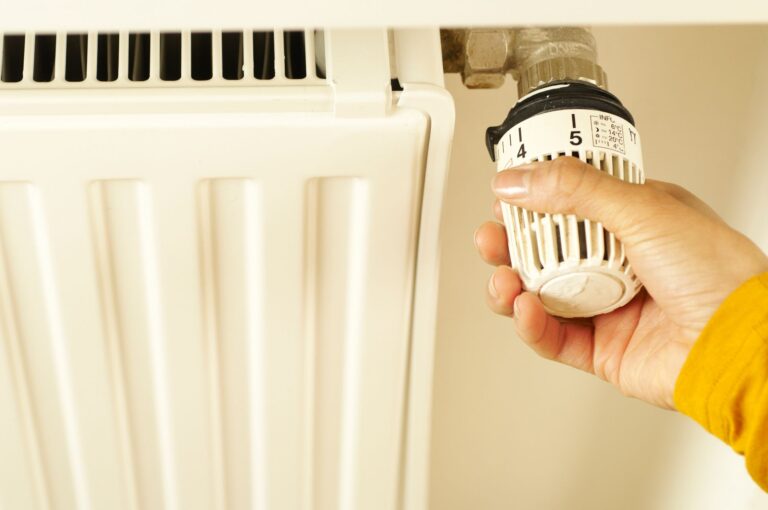

Temperature control sits at the heart of countless daily routines, from brewing beer in a basement to keeping a greenhouse within the perfect range. You want gear that reacts accurately and holds its setpoint without constant fiddling. The right pick turns a finicky space into a hands-off environment, whether you’re managing a chest freezer full of kegs or dialing in a reptile enclosure.
The Picks In Brief
The Picks In Brief
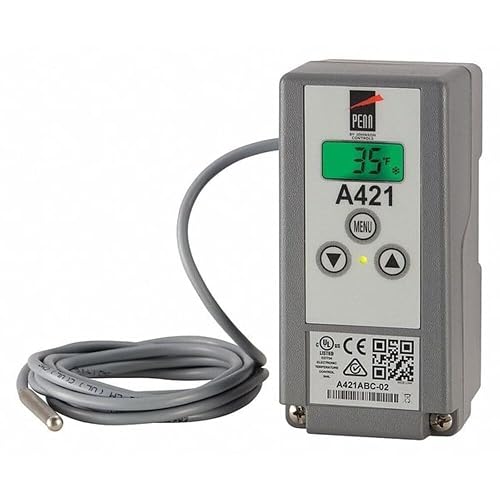
Johnson Controls A421ABC-04C A421 Line-Voltage Temperature Control

Jonson Controls A19AAT-2C Freezer Temperature Controller
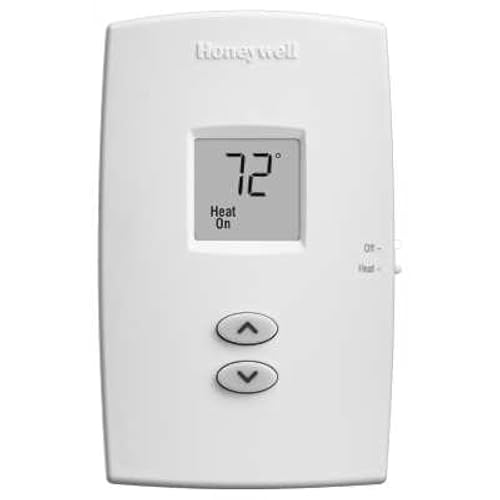
Honeywell TH1100DV1000 PRO 1000 Non-Programmable Thermostat
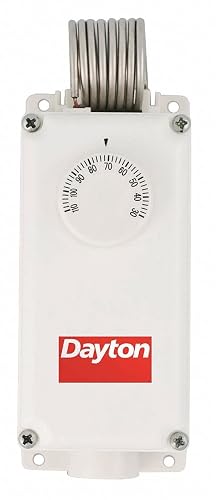
Dayton 6EDY5 Line Voltage Thermostat, SPDT
WH2408 Digital Temperature Controller Outlet Plug
Pymeter Attic Fan Thermostat Controller Plug Outlet
Hydrofarm Digital Temperature Controller
Inkbird ITC1000 Dual Stage Temperature Switch Controller
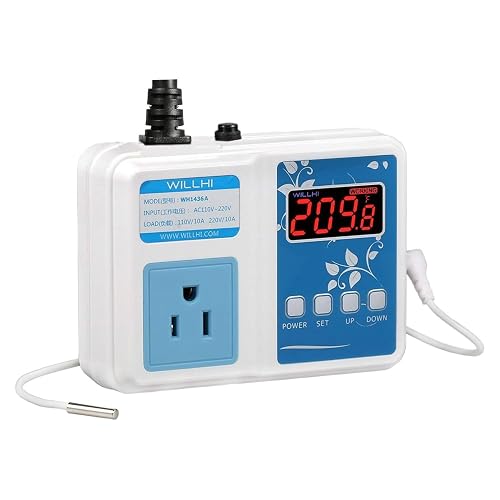
WH1436A 10A Temperature Controller
Taking A Closer Look At The Options
This is the unit you’d see wired into a rooftop unit or a walk-in cooler panel. A single-stage, line-voltage electronic control rated for 120/240 VAC, it ships with the A99BB-400C sensor on a 13-foot cable. The Type 1 enclosure (the standard mounting style for indoor panels) carries an IP20 rating, meaning it’s protected against finger contact with live parts but not water, so it belongs inside a control box rather than a wet environment.
The bright backlit LCD (a screen lit from behind for visibility in dim electrical rooms) adjusts to your lighting, and a three-button touchpad handles both basic setup and advanced menus. A dedicated LED shows whether the relay (an electrically operated switch that opens and closes the circuit to your equipment) is calling for heat or cooling. For commercial HVAC technicians managing rooftop units or refrigeration contractors wiring condensing units, the A421 brings digital precision to jobs that used to demand a mechanical box.
The Case For It
- Adjustable backlit LCD stays readable in dark mechanical rooms.
- Three-button programming lets you restrict user adjustments after setup.
- SPDT (single-pole double-throw) output relay handles either heating or cooling loads.
- On/Off LED gives an instant visual confirmation of relay status.
- The included 13-foot sensor cable reaches remote sensing locations.
Points To Keep In Mind
- IP20 enclosure means it needs a panel or NEMA-rated (National Electrical Manufacturers Association standards for enclosure protection) box for any wet or dusty environment.
- Single-stage output won’t drive separate heat and cool equipment simultaneously.
Built With In Mind
HVAC contractors and refrigeration techs replacing mechanical line-voltage thermostats in commercial spaces.
A Better Fit Elsewhere
Home brewers turning a chest freezer into a fermentation chamber will find the simpler A19AAT-2C from Jonson Controls easier to wire.
You won’t find a screen on this one, and that’s the whole point. The A19AAT-2C is a purely mechanical thermostat that regulates a freezer between roughly 20 and 80 degrees Fahrenheit using a gas-filled bulb on a six-foot capillary tube (a thin, flexible line that carries temperature pressure from the sensing bulb back to the controller). When the gas expands or contracts with temperature swings, it physically actuates a switch inside the control. No programming, no menus, no firmware updates.
Its main claim to fame is turning a chest freezer into a kegerator without the cost of a Johnson Controls digital unit. You set the dial, drop the probe inside the freezer, and it cycles the compressor (the pump that circulates refrigerant to cool the cabinet) on and off just like the original freezer thermostat did. Home brewers have used this exact model for years because it’s economical, dependable, and repairable.
Real Benefits
- Mechanical design means no electronics to fail in a cold, damp basement.
- Cooling-only operation is exactly what a freezer conversion requires.
- Six-foot capillary tube reaches from the freezer interior to a wall-mounted control.
- Economical compared to programmable electronic alternatives.
Honest Caveats
- No display means dialing in the exact temperature requires a separate thermometer.
- Mechanical cycling tends to drift slightly compared to digital precision.
- Not suitable for heating applications, only cooling.
Whose Shelf It Belongs On
Home brewers and hobbyists converting chest freezers into keg refrigerators on a modest budget.
Swap It Out When
Anyone needing precise digital readouts and both heating and cooling control should look at the Inkbird ITC1000 instead.
This is the wall thermostat most people picture in a hallway. The Honeywell TH1100DV1000 is a single-stage heat-only vertical unit in a clean Premier White finish, measuring roughly 4-11/16 inches tall by 2-7/8 inches wide. The vertical layout fits narrow wall spaces better than square thermostats, and the non-programmable design keeps operation to a simple up/down setpoint dial.
You’ll find it most at home controlling a baseboard heater, a wall furnace, or a simple hot-water system that only needs one heating stage. There’s no cooling side, no scheduling, no Wi-Fi, which is exactly why landlords and homeowners with minimal systems install it. It draws power directly from the heating circuit, so no batteries to replace.
Features That Help
- Vertical footprint fits narrow wall sections between door frames.
- Heat-only design simplifies wiring on single-stage heating systems.
- Hardwired power eliminates dead-battery surprises.
- Premier White finish blends into most interior trim.
- Made in the United States, a detail that matters for some replacement projects.
Some Limits To Know
- No cooling control, so it can’t manage a central air system.
- Non-programmable means no setback schedules for energy savings.
Quick Facts
Right Fit For
Homeowners and landlords replacing a basic wall thermostat for a baseboard or single-stage heating system.
Skip It When
Anyone needing cooling control or programmable scheduling should consider the Johnson Controls A421 for a more flexible setup.
Dayton makes the kind of controls you find in workshops and light-industrial panels. The 6EDY5 is a line-voltage mechanical thermostat rated for 120 to 240 volts with an SPDT (single-pole double-throw) contact arrangement, meaning the internal switch can route power to either of two outputs depending on temperature. That gives you flexibility for either a heating or a cooling load without rewiring the box.
The mechanical design sidesteps the firmware worries that come with cheaper digital units. In a dusty garage or an unconditioned pole barn, where temperature swings can punish electronics, a bimetallic strip (a bonded metal element that bends with temperature changes to physically open or close a switch) keeps working through humidity and vibration. Electricians and HVAC installers reach for Dayton parts specifically because they hold up.
Positive Points
- Mechanical construction tolerates dust and temperature extremes common in workshops.
- SPDT contact handles heating or cooling loads without rewiring.
- 120 to 240 VAC range covers most residential and light-commercial line-voltage equipment.
- Dayton brand carries weight with professional tradespeople.
Trade Offs To Consider
- No digital display means less precise setpoint adjustment.
- Mechanical cycling has a wider differential (the gap between the temperature that turns the unit on and the temperature that turns it off) than digital alternatives.
Perfect Match For
Workshop owners and garage hobbyists controlling 240V heaters or ventilation fans on a rugged mechanical thermostat.
Consider Something Else When
Anyone wanting precise digital temperature displays for a fermentation chamber should pick the Inkbird ITC1000 over this mechanical unit.
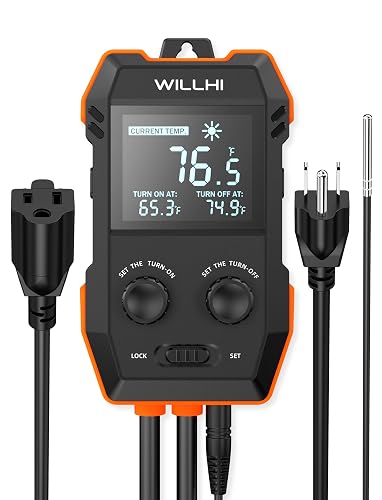
This is the controller you plug a heating mat or a small fan into, and it sits between the wall outlet and the appliance. The WILLHI WH2408 runs on 110V with a 10-amp relay (rated for loads up to roughly 1200 watts), and instead of menu-diving through a digital screen, you set the on and off temperatures with two simple knobs on the front panel.
The range covers minus 58 to 230 degrees Fahrenheit, which spans everything from a chilled fermentation fridge to a warm seedling heat mat. It also remembers your settings during a power outage, so a tripped breaker doesn’t wipe your carefully dialed-in parameters. The bundled temperature probe reads accurately enough for reptile keepers, brewers, and greenhouse hobbyists, and you can flip it between heating and cooling modes depending on what you’re controlling.
Practical Advantages
- Two-knob interface avoids the menu frustration common on cheaper digital thermostats.
- 1200W capacity handles most seedling mats, heat cables, and small fans.
- Memory retention preserves settings through brief power outages.
- Wide temperature range covers cold fermentation and warm propagation.
- Switchable heating or cooling mode adapts to seasonal needs.
Where It Is Less Suited
- 10A rating limits it to lighter loads, not whole-room heaters.
- Knob resolution is coarser than digital push-button alternatives.
Feature Snapshot
Made For
Reptile keepers, home brewers, and seed starters who want a plug-and-play controller without menu complications.
Look Elsewhere When
Greenhouse growers running simultaneous heating and cooling equipment should consider the Pymeter dual-relay controller for more flexibility.
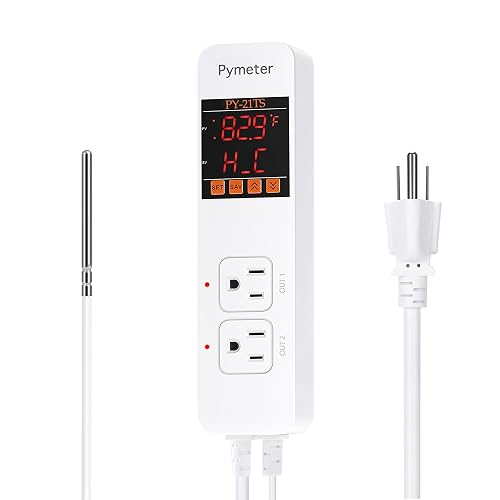
The Pymeter unit takes the plug-and-play concept and pushes it into more serious climate management. Two relays (electrical switches that the controller uses to turn connected equipment on and off) run simultaneously, so you can connect both a heater and a cooler and have the controller switch between them automatically. A dual-window display shows the current reading and your setpoint side by side, which removes the guesswork that single-display controllers create.
For greenhouse hobbyists managing a propagation tent or a fermentation chamber, the dual-relay setup is genuinely useful. The controller also fires a beeping alarm if the measured temperature crosses your high threshold or if the sensor fails, which protects seedlings during a heat wave or a stuck probe on a cold night. °F or °C switching is built in, and the unit handles fermentation, rooting, and incubation duty without complaint.
The Value In It
- Dual relay design controls heating and cooling equipment at the same time.
- Beeping alarm flags high-temperature excursions and sensor failures.
- Simultaneous measured and setpoint display removes menu-diving.
- Switchable °F and °C scales for international or scientific use.
Possible Compromises
- Menu-driven programming is less intuitive than the WILLHI knob approach.
- Wired probe limits placement compared to fully wireless alternatives.
Feature Rundown
Best Suited To
Greenhouse hobbyists and fermentation enthusiasts running both heating and cooling on the same controlled space.
Another Choice May Suit
Reptile keepers running a simple heat mat will find the simpler WH2408 from WILLHI a more streamlined fit.
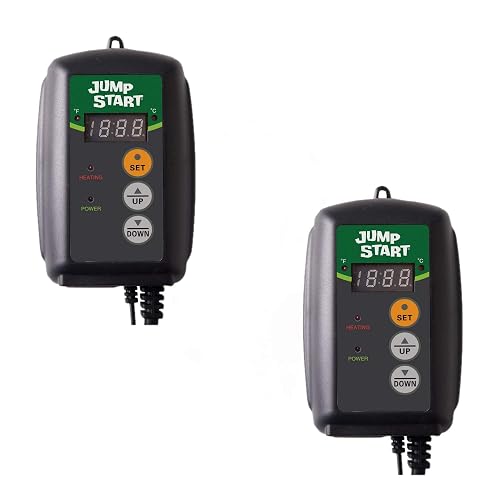
Hydrofarm built its name in the indoor growing world, and this temperature controller fits cleanly into that ecosystem. It’s a digital unit designed for grow tents, hydroponic tents, and climate-controlled rooms where temperature swings can stress a crop. Hydrofarm pairs it with their fans and heaters as part of a coordinated climate package.
You typically plug a circulation device or a heater into the controller, set the threshold on the digital display, and let it cycle equipment on and off. Indoor gardeners running a sealed grow room already trust Hydrofarm for environmental gear, and this controller slots into the same workflow. It’s a practical, recognizable brand choice for growers who want parts that share documentation and support.
Advantages To Know
- Hydrofarm brand recognition simplifies sourcing compatible climate accessories.
- Digital setpoint display avoids the dial-and-guess approach.
- Plugs into a standard outlet for fast grow-room installation.
Potential Drawbacks
- Single-purpose design compared to dual-stage options from Pymeter or Inkbird.
Who Should Grab It
Hydroponic growers and indoor gardeners already running Hydrofarm climate accessories in their grow space.
Reach For A Different Pick When
Growers who need simultaneous heating and cooling control should pick the Pymeter dual-relay controller instead.
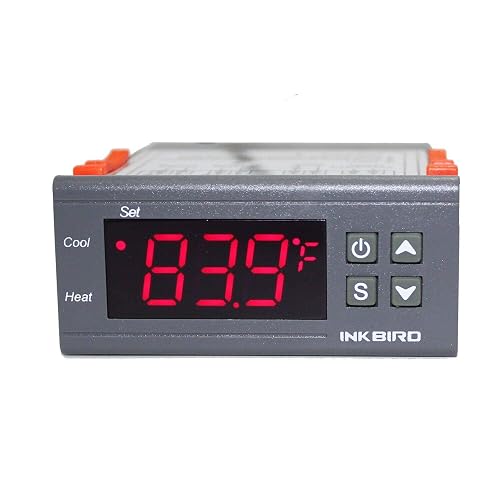
Inkbird has cornered the home fermentation and incubation market, and the ITC1000 sits at the center of that reputation. This dual-stage digital controller runs on 110 volts and supports both heating and cooling output modes through the included NTC (Negative Temperature Coefficient) sensor, a probe whose resistance drops as temperature rises, letting the controller read precise changes.
The interface is more approachable than the older STC-1000, with clearer °F and °C switching and a high-temperature alarm. It will fire a beeping warning if the reading crosses your alarm threshold or the sensor fails, which is critical for a fridge full of aging cheese or a hatcher full of eggs. The unit handles kegerator conversions, sous-vide circulators, 3D printer enclosures, and incubator duty with the same firmware, making it the most versatile controller in this lineup for serious hobbyists.
Notable Gains
- Dual-stage operation manages heating and cooling from one controller.
- High-temperature and sensor-fail alarms protect valuable loads.
- Switchable °F and °C display matches any documentation standard.
- Versatile enough for fermentation, hatching, and printing enclosures.
- NTC sensor delivers accurate readings across a wide range.
Factors To Consider
- Wiring requires basic electrical comfort, unlike plug-and-play alternatives.
- Menu structure takes a learning curve compared to knob-based units.
Spec Overview
Who It Suits Best
Home brewers, fermenters, and egg hatchers who want a dual-stage controller with reliable alarm protection.
Not Your Match When
Plug-and-play users wanting a simple heat-mat controller should pick the WH2408 from WILLHI for easier setup.
WILLHI’s WH1436A rounds out the list as the no-nonsense budget option. It’s a 10-amp plug-in controller running on 110 volts, designed to turn on a heater at one temperature and off at another, or run a similar cycle for cooling. You set the differential (the temperature gap between the on and off triggers, which prevents the equipment from rapid-cycling) yourself, which gives you more control over how often your compressor or heater kicks in.
The included probe reads across a wide range, and the unit stores its settings through power interruptions. It’s the controller you’ll find under the bar of a home kegerator, inside a fermentation fridge, or wired into a small greenhouse fan setup. For a price-conscious shopper who wants more flexibility than a basic mechanical thermostat without paying for the dual-stage bells and whistles, the WH1436A hits a useful middle ground.
Points In Its Favor
- Independent on/off temperature settings allow custom differentials.
- 10A rating covers most homebrewing and small greenhouse loads.
- Settings memory survives short power outages.
- Budget-friendly entry into digital temperature control.
Potential Sticking Points
- Single-stage operation means no simultaneous heating and cooling.
- Display reading can be small in bright grow-room lighting.
Who Will Love This
Homebrewers and hobbyists on a budget who want more control than a mechanical thermostat offers.
Where A Sibling Pick Shines
Growers needing dual heating and cooling relays will find the Inkbird ITC1000 a stronger fit for their setup.
Matching The Right Controller To Your Application
Know Your Voltage Class First
Line-voltage thermostats switch the full 120 or 240 volts going to the equipment, while low-voltage thermostats send a small signal to a relay or furnace board. Mixing them up is the single most common wiring mistake in this category, and it can fry a control or trip a breaker. The Johnson Controls A421, the Dayton 6EDY5, and the Honeywell TH1100DV1000 all operate at line voltage for their respective loads. When in doubt, check the nameplate on the equipment you intend to control before purchasing.
Match The Sensor Range To Your Use Case
Freezer conversions and refrigeration work typically run between 20 and 80 degrees Fahrenheit, so a controller with that range suffices. Seedling heat mats, reptile basking zones, and fermentation fridges demand wider ranges. The WILLHI WH2408 and the Pymeter controller both span from sub-freezing to over 200 degrees Fahrenheit, covering cold storage and warm propagation in one unit. A narrow-range controller may be cheaper, but you’ll regret the limitation the first time your application changes.
Decide Between Single and Dual Stage
Single-stage controllers switch one load, either a heater or a cooler, but not both. Dual-stage units like the Inkbird ITC1000 and the Pymeter run heating and cooling simultaneously and decide which one to activate based on the setpoint. A greenhouse in a temperate climate needs dual stage because summer days call for cooling and winter nights call for heating. A simple basement fermentation chamber with one compressor and one heat wrap can get by with single stage.
Consider Display and Interface Preferences
Knob-based controllers like the WILLHI WH2408 are faster to set up but offer coarser adjustments. Digital menu-driven units like the Inkbird ITC1000 deliver finer resolution but require reading the manual. Mechanical thermostats like the Jonson Controls A19AAT-2C need no power and survive harsh environments but sacrifice precision. Your comfort with each interface style should weigh as much as the spec sheet.
Key Considerations Across These Picks
Where Shoppers Go Wrong
Treating a temperature controller as a one-size-fits-all device is the most common slip-up. A controller sized for a 10A seedling mat cannot safely drive a 15A garage heater, and a freezer-only mechanical thermostat cannot run a propagation tent. Always match the controller’s load rating (measured in amps, the maximum current the relay can handle continuously) to the wattage of the equipment you’re plugging into it. Confirming the voltage class, the load capacity, and the sensor range before clicking purchase saves the hassle of returns and damaged equipment.
What The Higher Tier Buys
The premium end of this category adds features that matter when loads are valuable or environments are demanding. Dual-stage control, audible alarms, and dual-relay designs cost extra because they protect against silent failures that ruin cultures, hatches, or crops. The Johnson Controls A421 and the Inkbird ITC1000 carry the build quality and the alarm features that justify their place at the top. If your application involves a fridge full of aging cheese or a greenhouse full of seedlings, the upgrade from a basic plug-in controller to a dual-stage unit pays for itself the first time the alarm saves a load.
Frequently Asked Questions
What Is The Difference Between A Temperature Switch And A Thermostat?
A temperature switch simply opens or closes a circuit at a set threshold, while a thermostat maintains a target temperature by cycling equipment on and off within a configured range. Most household and hobbyist devices use thermostats because they regulate continuously rather than trigger once.
Can I Use A 110V Controller On A 240V Appliance?
No, mismatched voltage will damage the controller or fail to switch the load properly. Always match the controller’s rated voltage to the equipment it is switching, and confirm the amperage rating covers the appliance draw.
Do I Need A Dual-Stage Controller For A Greenhouse?
A dual-stage controller is helpful if your greenhouse experiences both heating and cooling demands in the same week, which most do outside tropical zones. A single-stage controller works only if your climate requires one mode exclusively.
How Long Do Digital Temperature Controllers Typically Last?
Most digital controllers in this category last several years of continuous use, with the relay contacts being the most likely wear point. Mechanical thermostats often outlast digital ones in harsh environments because they have no capacitors or solder joints to degrade.
Can I Install These Controllers Without An Electrician?
Plug-and-play units like the WILLHI WH2408 and the Pymeter controller require no wiring beyond plugging into a wall outlet. Hardwired units like the Johnson Controls A421 and the Inkbird ITC1000 should be installed by someone comfortable working with line voltage, especially if local electrical codes apply.
Bottom Line
A temperature switch or thermostat earns its place by matching your voltage, load, range, and stage requirements to the actual equipment it controls. The picks above cover everything from a single baseboard heater to a multi-zone greenhouse, and each one fits a specific niche. Take a minute to confirm the specs against your application, and the right controller will run quietly in the background for years.