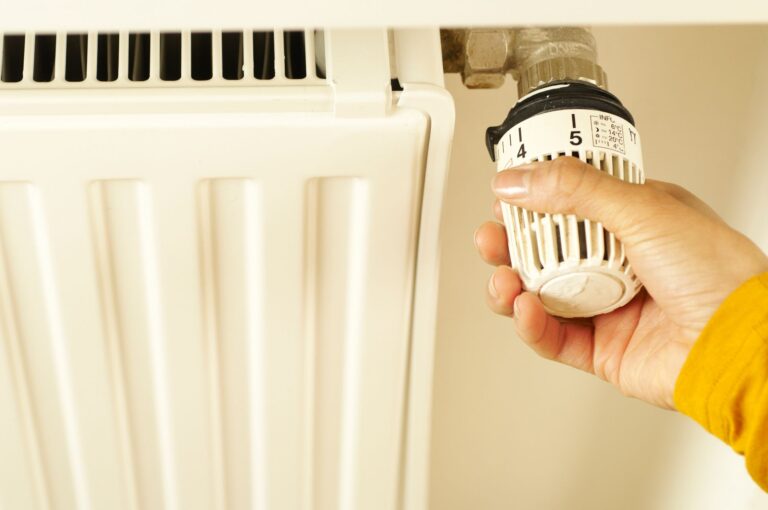

Swapping in a smart thermostat is one of those rare home upgrades that pays you back in comfort, not just bragging rights. The catch shows up when your old system lacks a C wire, the common return conductor that keeps Wi-Fi thermostats powered. Running a new cable through the wall is often the cleanest fix, and the right gauge plus conductor count matters more than most people realize. This shortlist pairs dependable thermostat cables across lengths and conductor counts with two non-programmable thermostats for simpler installs.
How The Shortlist Stacks Up
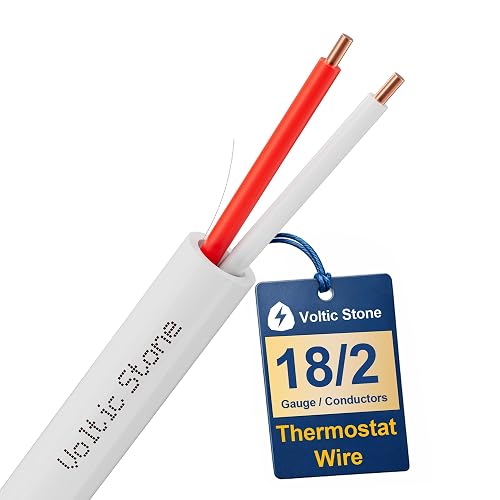
Voltic Stone 18/2 Thermostat Wire 50FT Solid Copper
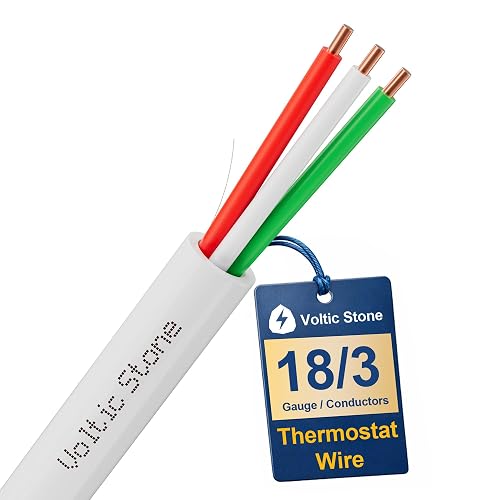
Voltic Stone 18/3 Thermostat Wire 50FT Solid Copper

Voltic Stone 18/2 Thermostat Wire 20FT
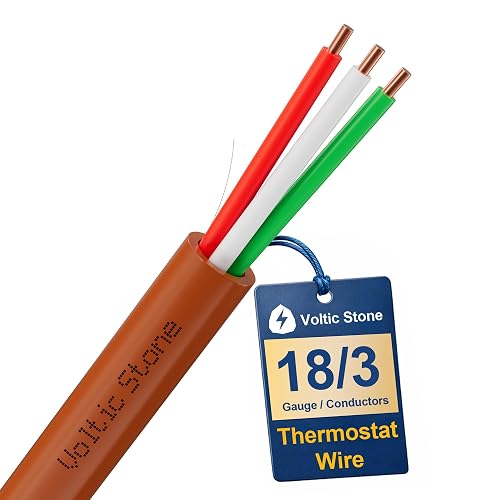
Voltic Stone 18/3 Thermostat Wire 20FT
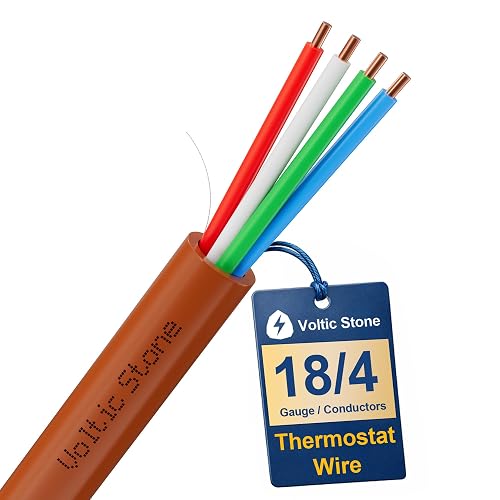
Voltic Stone 18/4 Thermostat Wire 50FT

Voltic Stone 18/5 Thermostat Wire 20FT
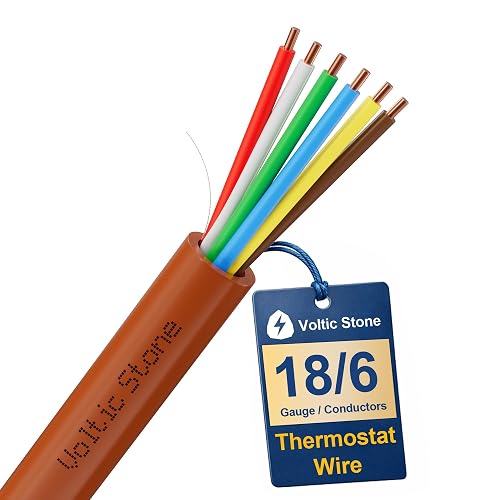
Voltic Stone 18/6 Thermostat Wire 100FT
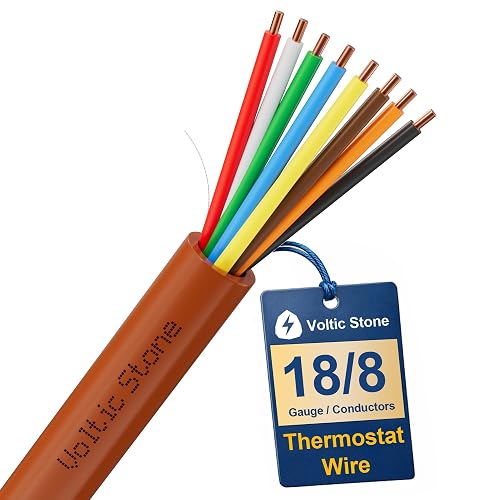
Voltic Stone 18/8 Thermostat Wire 20FT
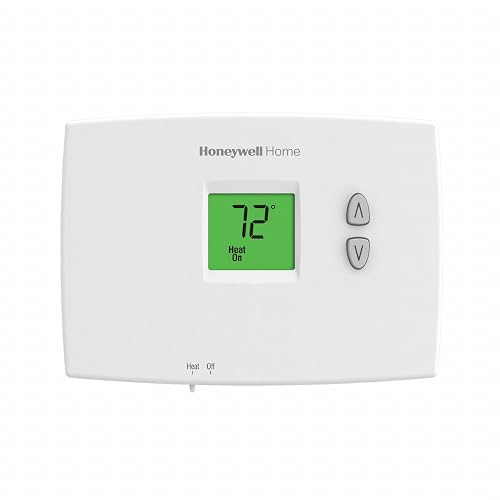
Honeywell TH1100DH1004 PRO 1000 Non-Programmable Thermostat
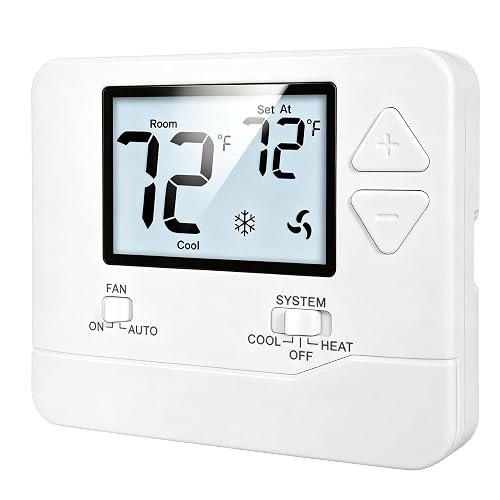
Heagstat Non-Programmable Thermostat 1 Heat/1 Cool
The Strengths Of Each Pick
A two-conductor cable is the textbook answer when you only need to feed a C wire and a single control line back to the furnace. The 50-foot length gives you headroom for a second-story thermostat drop without leaving coils of slack stuffed in the wall cavity.
Oxygen-free solid copper keeps the signal stable across that distance, which matters once your new thermostat starts polling sensors constantly. Compared with the 20-foot options later in the list, this roll covers most single-family homes without forcing a mid-run splice.
Positive Takeaways
- True 18 AWG solid copper holds conductivity over long vertical drops
- CL3R/CMR riser-rated jacket meets in-wall code expectations
- UV-resistant PVC handles attic and basement exposure gracefully
- Built-in rip cord speeds up jacket removal during trim work
- Bonus wire nuts and tape keep a first-time DIY install moving
Things To Consider
- Two conductors leave no spare if your system needs a third wire later
- Solid copper is stiffer than stranded, so tight corners call for patient pulling
Key Product Details
Best Suited To
Homeowners running a new C wire to a heat-only system, or anyone replacing a short stretch of damaged legacy cable.
Reach For A Different Pick When
Your system needs a common wire plus a third conductor for cooling, in which case the Voltic Stone 18/3 Thermostat Wire 50FT keeps everything in one jacket.
Three conductors is the workhorse count for most forced-air systems, because it covers R, W, and a common return in one pull. The extra conductor also future-proofs the run if you swap thermostats again in a few years.
Build quality mirrors the 18/2 sibling above, with the same oxygen-free copper and riser-rated jacket. Where this one pulls ahead is the spare wire that absorbs a mid-project change of plan without a trip back to the hardware store.
What Makes Sense
- Third conductor handles a standard C wire plus heat and fan call
- Same flame-retardant jacket rating as the two-conductor version
- 50-foot spool reaches attic furnaces from a second-floor hallway
Points To Note
- Unused conductor must be capped and tucked safely at both ends
- Slightly thicker jacket needs a bit more room at the thermostat backplate
Whose Shelf It Belongs On
DIYers running power to a Wi-Fi thermostat on a conventional cooling and heating system where the old cable is missing or too short.
Swap It Out When
A heat pump setup needs a fourth conductor, in which case the Voltic Stone 18/4 Thermostat Wire 50FT adds the extra control line without mixing cable types.
Short cable runs get overlooked, but they are where a 20-foot spool saves you from coiling leftover wire inside a junction box. This pick suits a closet furnace with the thermostat on the same interior wall, no attic gymnastics required.
Conductor specs match the longer 18/2 Voltic Stone spool, including the riser-rated jacket. The trade-off is obvious: you give up reach in exchange for a tidier install where slack would just create a future snag.
What Stands Out
- Right-sized for single-story or open-layout thermostat swaps
- Same ETL listing and RoHS compliance as the 50-foot roll
- Class 3 300V insulation rating adds a safety margin for control wiring
Honest Caveats
- 20 feet runs short for basement furnaces with a wall thermostat on the main level
- No spare conductor for accessories like a humidifier call
Right Fit For
Apartment dwellers and condo owners running a short C wire pull from a nearby mechanical closet to a hallway thermostat.
Look Elsewhere When
Your furnace sits below the living area and the run climbs a wall, where the Voltic Stone 18/2 Thermostat Wire 50FT gives you the extra length to spare.
For tight footprints, this three-conductor 20-foot roll keeps the same wiring standard without the waste. You get a dedicated C wire path plus control lines for heating and cooling in a closet-friendly package.
Setup is straightforward in rentals where opening more wall than necessary can cost you the deposit. The riser-rated jacket still meets residential code for the visible in-wall segment, which matters if your building inspector ever peeks.
Where It Helps
- Three conductors fit common heat and cool setups in small units
- UV-resistant jacket survives sun exposure near exterior wall chases
- Bonus wire nuts speed up a one-evening install
Potential Drawbacks
- Limited length rules out multi-floor installations
- Solid copper needs careful bending around tight old-work boxes
Made For
Tenants and condo owners adding a smart thermostat where the furnace lives on the same level as the living space.
Consider Something Else When
You need extra conductor headroom for a heat pump or accessory control, in which case the Voltic Stone 18/5 Thermostat Wire 20FT covers more terminals without a length penalty.
Heat pumps and multi-stage furnaces ask for more conductors than a simple R and W pair. The 18/4 count adds a common return plus the typical reversing valve or second-stage call without leaving you one wire short at the terminal block.
Compared with the 18/3 Voltic Stone run covered earlier, this version absorbs a heat pump conversion without forcing a second cable pull. The 50-foot reach still handles most two-story layouts, and the jacket specs carry over unchanged.
Strong Points
- Four conductors cover reversing valve and auxiliary heat on heat pumps
- 50-foot length clears basement-to-upstairs pulls with room to spare
- ETL listing to UL 13 supports code-conscious installs
Worth Noting
- Larger jacket diameter needs a wider drill bit for through-stud routing
Feature Snapshot
Who It Suits Best
Homeowners upgrading to a heat pump thermostat or a multi-stage system that needs more than a basic C wire feed.
Not Your Match When
You only need to power a simple smart thermostat on a single-stage furnace, where the 18/3 Voltic Stone spool saves you a conductor you will never use.
Five conductors covers accessory outputs like a humidifier, dehumidifier, or fresh-air ventilator alongside the usual control lines. If your equipment cabinet has a handful of extra terminals waiting for power, this cable is built for that reality.
Length is the trade-off, sitting at a short 20-foot spool that targets compact layouts. For whole-home zoning or multi-floor basements, stepping up to a longer count is the smarter call.
Useful Highlights
- Five conductors absorb humidifier and ERV wiring in a single pull
- Solid copper core holds signal integrity for accessory switching
- Riser-rated jacket keeps the run code-compliant indoors
Trade Offs
- Bundled cable is stiffer, which complicates old-work fishing
Perfect Match For
Homeowners with a high-end system that drives a humidifier or air quality accessory from the thermostat board.
A Better Fit Elsewhere
Simpler two-stage systems get along fine with the Voltic Stone 18/4 Thermostat Wire 50FT, which leaves extra length to absorb routing surprises.
Six conductors opens the door to zoning panels, multi-speed fan control, and dual-fuel systems. The 100-foot spool covers almost any residential layout, including a detached furnace room with a thermostat in the main living area.
Compared with the shorter Voltic Stone spools earlier in the list, this one trades tidiness for reach. The 300V insulation rating still applies, and the jacket carries the same UV-resistant and riser-rated credentials.
The Case For It
- Six conductors handle zoning and dual-fuel equipment cleanly
- 100-foot roll covers long basement or garage furnace runs
- RoHS-compliant materials support modern environmental standards
Less Ideal Details
- Bulkier jacket needs careful routing through narrow framing bays
- Excess length creates storage concerns in a small parts bin
Feature Rundown
Who Should Grab It
Owners with multi-zone HVAC equipment or a long cable path between the thermostat location and the air handler.
Skip It When
Your system is a simple single-stage setup, because the Heagstat Non-Programmable Thermostat pairs more naturally with a basic two- or three-conductor Voltic Stone spool.
Eight conductors is the upper end of residential thermostat cabling, and it covers whole-home zoning, communicating thermostats, and equipment that reads multiple sensors. The 20-foot length is intentional, aimed at equipment rooms and short chase runs.
You give up reach, and the cable is noticeably stiffer than the smaller counts. For most people, this is overkill, but the niche it serves is real and often underserved by generic hardware store options.
Where It Excels
- Eight conductors support communicating and multi-zone control boards
- Solid copper construction preserves signal clarity on every line
- Riser-rated jacket meets commercial-grade residential expectations
Where It May Fall Short
- 20-foot length is restrictive for anything beyond an adjacent wall
- Stiff jacket complicates fishing through finished walls
Built With In Mind
Installers wiring advanced zoning panels or communicating thermostats that demand every available terminal.
Another Choice May Suit
Anyone running a standard smart thermostat setup, where the Voltic Stone 18/4 Thermostat Wire 50FT offers more practical length with fewer unused conductors.
The Honeywell PRO 1000 is purpose-built for heat-only systems where schedules, apps, and learning algorithms just get in the way. You set the temperature and walk away, which is the appeal for garages, basements, and rental properties.
Backlit display reads clearly in dim mechanical rooms, and the dual-power design handles both hardwired and battery setups. Unlike the cabling picks above, this one is the thermostat itself, a clean match for anyone who values simplicity over connectivity.
What Helps Most
- Adjustable temperature scale suits both living spaces and garages
- Backlit screen is easy to read in low-light mechanical rooms
- Precise comfort control holds temperature within tight tolerances
A Few Limitations
- Heat-only design excludes cooling setups from the start
- No Wi-Fi means you lose remote control and scheduling
Quick Facts
Who Will Love This
Owners of workshops, garages, and rental units who want set-and-forget temperature control without a learning curve.
Where A Sibling Pick Shines
You need both heating and cooling in a single thermostat, where the Heagstat Non-Programmable Thermostat covers the conventional 1H/1C configuration.
The Heagstat is built for the most common residential setup: a single-stage gas, oil, or electric furnace paired with an outdoor AC condenser. The 24VAC compatibility matches what most homeowners already have on the wall, which simplifies the swap.
It works with two to five wires, giving some flexibility if your existing bundle is on the short side. The white backlight reads clearly at a glance, and the absence of scheduling keeps the interface approachable for anyone who avoids apps.
Real Benefits
- 24VAC compatibility covers the majority of forced-air homes
- Two to five wire support handles common legacy bundles
- White backlight improves visibility in dim hallways
Potential Sticking Points
- Not compatible with heat pump systems, so verify equipment first
- No C wire guidance for Wi-Fi upgrades; you still need to run a common return separately
At A Glance
The Right Fit
Conventional homeowners replacing an aging manual thermostat with a no-frills digital unit that handles both heating and cooling.
Not Your Match When
You run a heat pump, in which case the Honeywell TH1100DH1004 PRO 1000 fits a different simple-thermostat niche, while heat pump wiring calls for the Voltic Stone 18/4 Thermostat Wire 50FT.
Choosing Thermostat Wire And A Matching Control
Selecting the right cable starts with the terminals on your equipment board. Count the screws at the furnace and the wires already in the wall, then add one for a C wire if your new thermostat needs constant power. That count is the conductor number you actually need, not the highest number on the shelf.
Length matters more than people expect. Measure the path from thermostat to furnace, add a service loop of several feet, then round up to the next spool size. Solid copper is the standard for in-wall runs because it holds signal cleanly, while CL3R/CMR riser-rated jackets satisfy the in-wall portion of most residential electrical codes. The UV-resistant jacket from Voltic Stone also handles attic or basement exposure where temperatures swing.
If you want a simpler route and do not need Wi-Fi, a non-programmable thermostat like the Honeywell PRO 1000 or the Heagstat sidesteps the C wire conversation entirely. Battery or hardwire power means you can swap in a clean control without opening the wall. Pick this path when the goal is straightforward temperature management, not smart-home integration.
Key Considerations Across These Picks
Mistakes Worth Dodging
The most common error is buying the wrong conductor count. A 4-wire cable on a 5-terminal system leaves you stuck mid-install, while running 8 wires where you need 3 wastes money and creates stiff bundles that fight you inside the wall. Count terminals at both ends before you order.
A second slip-up is underestimating length. Pulling a cable that arrives a foot short means a junction splice, which inspectors do not love inside residential walls. Always overshoot your measured distance by at least ten percent so you can land the conductors neatly on the terminals.
What The Higher Tier Buys
Spending more on a higher conductor count mostly buys spare capacity. A 6- or 8-conductor cable costs more per foot, but it absorbs future thermostat upgrades, accessory wiring, and last-minute change-of-plan decisions without a second trip to the hardware store.
Longer spools carry a similar logic. A 100-foot roll that exceeds your measured run still costs less per foot than buying two shorter spools and joining them. The premium is really paying for flexibility when the actual wall cavity turns out longer than your tape measure suggested.
Frequently Asked Questions
How Do I Know If I Need A C Wire?
Check the terminals at your current thermostat. A C terminal already connected means you have a common return in the wall. No C terminal and a bundle of fewer than five wires usually means the system lacks one, which is when a new thermostat cable becomes the cleanest solution.
Can I Use Any Wire For A Thermostat C Wire?
Not safely. Thermostat circuits are low-voltage control wiring, around 24V, and they need cable rated for that purpose. A riser-rated, low-voltage control cable like the Voltic Stone 18 AWG line carries the right jacket and conductor sizing for in-wall runs.
How Many Conductors Do I Need For A Smart Thermostat?
Most smart thermostats want five conductors, covering R, C, W, Y, and G, though some run on four by sharing functions. Count the terminals on your equipment board first, then match the cable count to that number plus any spares you want for future use.
Is Solid Copper Better Than Stranded For Thermostat Wire?
Solid copper is the standard for in-wall runs because it holds shape during pulling and connects cleanly under terminal screws. Stranded cable is more flexible but is usually reserved for short patch cords or equipment whips rather than the full wall run.
Do I Need An Electrician To Replace Thermostat Wire?
Many homeowners handle a short thermostat cable pull themselves with basic tools, fish tape, and a drywall saw. Longer runs through multi-story walls, or situations where you are unsure which breaker controls the HVAC, benefit from a licensed electrician to keep the install safe and code-compliant.
Wrap Up
A clean C wire run turns a flaky smart thermostat into a reliable one, and matching the cable to your equipment’s terminal count is the move that makes everything else click. The Honeywell PRO 1000 and Heagstat thermostats sit on the opposite end of the spectrum for anyone who prefers a simpler wall control without a learning curve. Pick the cable length and conductor count that fits your home today, leave yourself one extra conductor for tomorrow, and the rest of the upgrade is straightforward.