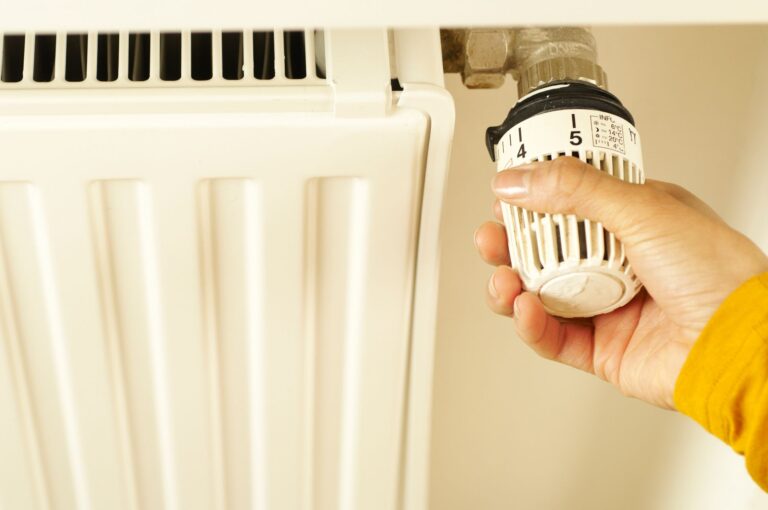

A water heater thermostat decides how hot your shower runs, how much energy your tank burns through each month, and whether your unit keeps working past year ten. When the original control starts drifting or fails, swapping in the right replacement can save a service call and stretch the life of an otherwise healthy tank. This roundup covers ten options that match common residential setups, from RV-specific cutoffs to dual-element tune-up kits for standard electric tanks. You’ll find universal-fit picks for the most common repairs, a Bradford White-specific part, a basic wall thermostat, and a couple of complete refresh bundles.
The Lineup, Simplified
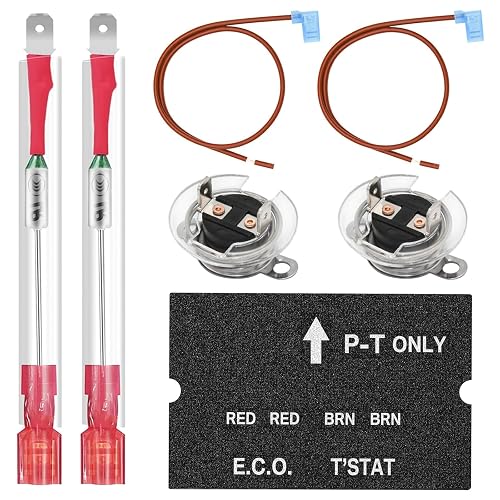
WTNYOU RV Water Heater Thermal Cutoff Kit with ECO Thermostat
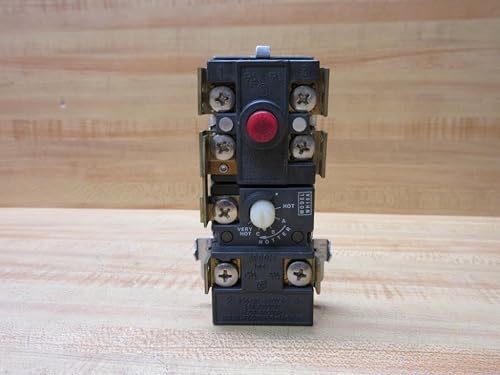
Apcom WH10-A Bradford White Upper Water Heater Thermostat
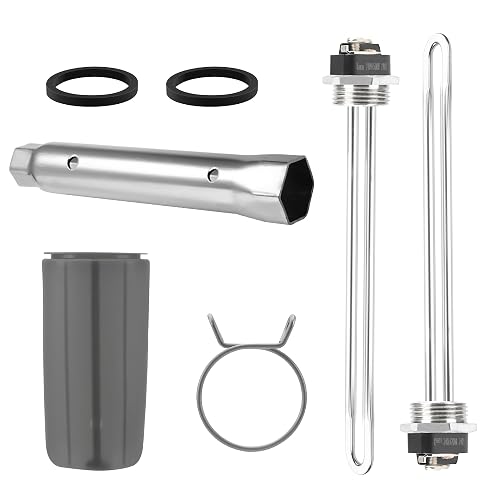
NISHCON 4500W 240V Water Heater Element Pack with Wrench and Quick Change Tool
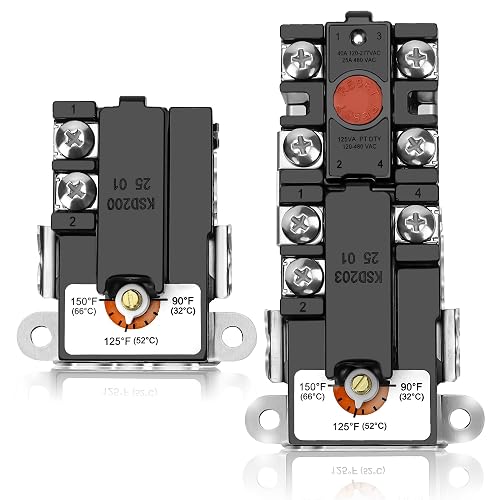
NISHCON EWH-00 Water Heater Thermostat for Double Element Heater
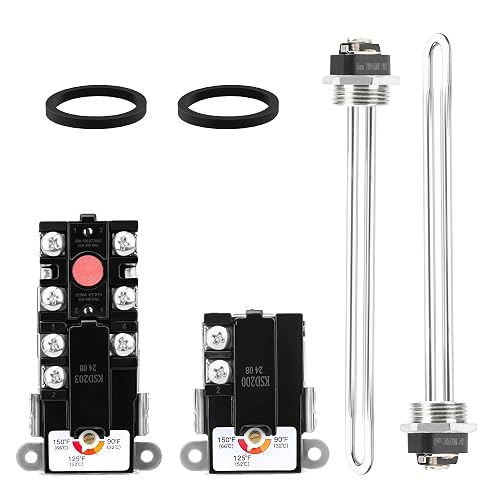
NISHCON EWH-01 Electric Water Heater Tune-Up Kit with Elements and Thermostats
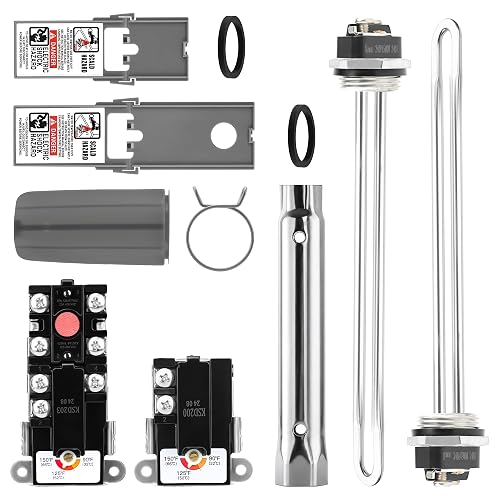
NISHCON Electric Water Heater Tune-Up Kit with Tools and Terminal Covers
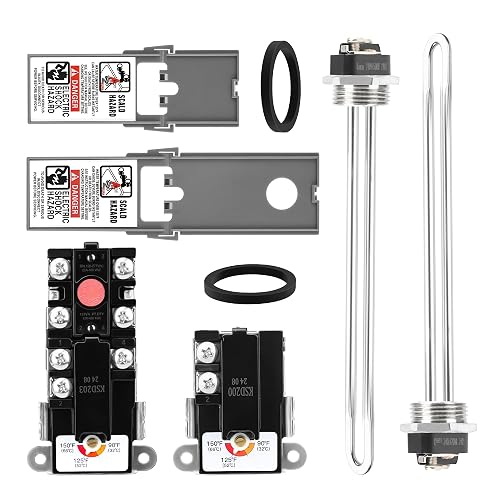
NISHCON EWH-02 Electric Water Heater Tune-Up Kit for Most Brands
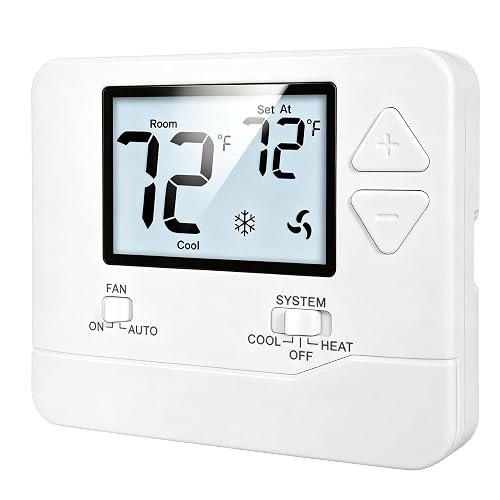
Heagstat NonProgrammable Thermostat 1 Heat/1 Cool Single-Stage
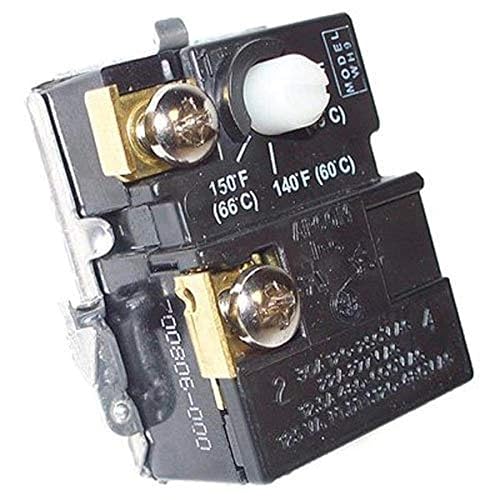
Reliance 9000507-045 Lower Electric Thermostat
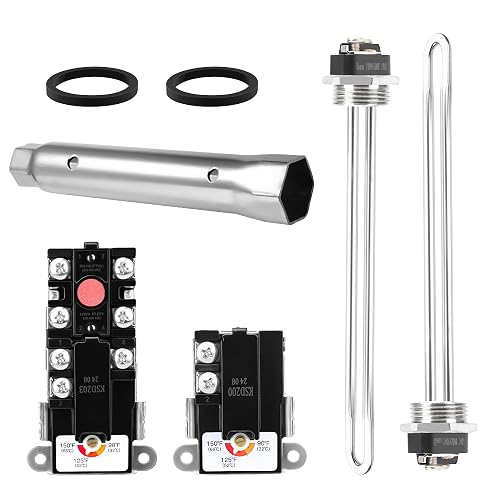
NISHCON EWH-03 Electric Water Heater Tune-Up Kit with Element Wrench
Taking A Closer Look At The Options
RV water heaters live a harder life than their residential cousins, cycling through temperature swings as you travel between climates and elevations. This WTNYOU thermal cutoff kit targets Atwood-style tanks (compatible with part numbers 91447 and 93866) and pairs a temperature regulation thermostat with an emergency safety fuse. The emergency cutoff, often called an ECO (energy cut-off) switch, is the part that trips when water overheats and prevents the tank from running away in a fault condition.
If your camper shower runs hot then cold, or you have noticed the unit tripping its breaker under normal demand, this kit covers the two pieces that most often wear out at the same time. Compared to the residential-focused options further down the list, this one is purpose-built for the smaller, propane-heated Atwood tanks, so it is not a swap for a 40-gallon electric tank at home.
A Few Highlights
- Combines a regulating thermostat with an emergency cutoff fuse in one package
- Direct fit for Atwood 91447 and 93866 series RV water heaters
- Stabilizes tank temperature during the wide ambient swings RVs see on the road
- Compact form factor designed for tight RV utility compartments
Things To Consider
- Specific to Atwood-style RV units, so it will not help on residential tanks
- Working around gas fittings and electrical connections means propane should be shut off before any service
Who It Suits Best
RV owners running an Atwood tank who want to replace the thermostat and safety fuse in a single service.
Consider Something Else When
You own a Bradford White residential tank, in which case the Apcom WH10-A reviewed next is a more direct match.
Apcom thermostats have a long track record in the water heater repair world, and the WH10-A is their upper-thermostat drop-in for Bradford White residential tanks. In a dual-element electric water heater, the upper thermostat runs the show: it senses tank temperature, controls power to the lower thermostat, and houses the high-limit safety switch that cuts current if things run too hot.
If your tank delivers a short burst of hot water then tapers to lukewarm, the upper control is usually the first suspect. This part is sold as a single unit, so homeowners with a single-element problem (or those who already replaced the lower element) can swap just the failed side instead of buying a paired set.
Noteworthy Benefits
- Direct replacement designed specifically for Bradford White tanks
- Includes the high-limit safety switch on the same body
- Sold as a single unit for targeted repairs
Worth Noting
- Limited to Bradford White units, so cross-brand compatibility is narrow
- Does not include the lower thermostat, which some tanks will need at the same time
Feature Snapshot
Made For
Homeowners with a Bradford White electric tank whose upper thermostat has failed but whose elements still test good.
Look Elsewhere When
You need a pair for a full refresh; the NISHCON EWH-00 kit gives you both upper and lower controls together.
This NISHCON pack is technically a heating element kit, not a thermostat, but most owners who replace a thermostat also test (and often replace) the elements at the same time. The kit includes two 4500W 240V copper-sheath screw-in elements, gaskets, a quick-change water guide board, and a dual hex socket wrench sized for the common element sockets.
The 4500W rating at 240V (3500W at 208V) covers the standard residential circuit most US homes run, and the 1-1/4 inch thread fits most dual-element tanks. The included wrench is the part most DIYers forget to buy, so the kit saves a second trip to the hardware store.
Practical Pluses
- Two copper-sheath elements at the most common residential wattage
- Element wrench and water guide board included in the box
- Screw-in design that fits most modern residential tanks
Trade Offs
- Does not include thermostats, so it is only part of a full service
- Copper elements are efficient but can burn out faster in hard water than low-watt-density options
Feature Rundown
Best Suited To
DIYers testing elements as part of a thermostat diagnosis and replacing them in the same service.
Not Your Match When
You need the thermostats themselves, in which case the NISHCON EWH-01 reviewed further down bundles both.
For a standard residential dual-element tank, replacing just one thermostat often turns into a return trip when the second one fails a few months later. The EWH-00 ships as a pair, one upper and one lower, with a Thermo-O-Disc (TOD) design that runs in non-simultaneous mode, meaning the elements fire in sequence rather than at the same time. That sequencing matters because it keeps the draw on your home’s electrical panel within the circuit’s rating.
Temperature range runs from 90 to 150 degrees Fahrenheit, and the units are rated for 120V through 480V operation, which covers the full spread of residential hookups. Apcom-style interchangeability means most technicians can install these without a lookup chart.
Where It Excels
- Both thermostats in one box for a complete swap
- TOD design matches the standard non-simultaneous operating mode
- Wide voltage range covers 120V through 480V installations
- Interchangeable with Apcom-style units used on many brands
Room For Improvement
- Does not include heating elements, so the tank’s existing elements stay in place
- High-limit reset behavior varies by tank, so check your manual for the trip temperature
Quick Facts
Perfect Match For
Homeowners with a dual-element electric tank doing a full thermostat refresh on a budget.
A Better Fit Elsewhere
You also want to swap elements and covers, in which case the NISHCON EWH-02 tune-up kit bundles everything together.
The EWH-01 is the kind of kit that pays for itself the first time your tank ages past year eight. It ships with two 4500W 240V elements, gaskets, one upper thermostat, and one lower thermostat, covering the four parts that fail most often in an electric tank. The high-limit trips at 170 degrees Fahrenheit, a standard safety threshold for residential electric heaters.
Replacing all four components in a single service is the move most plumbers recommend once a tank crosses the seven-year mark, because you are already draining the unit and pulling the access panels. Bundling the parts keeps you from running back to the store mid-job.
Notable Upsides
- Full set of wear parts in one box
- Standard 90 to 150 degree adjustment range with a 170 degree high limit
- Designed to fit most common electric water heater brands
Points To Note
- No specialized installation tools in the kit, so you may need a separate element wrench
- Replacing all four parts at once assumes the tank itself is still in good condition
Whose Shelf It Belongs On
Homeowners with a tank approaching the back end of its expected life who want to do one complete refresh.
Swap It Out When
You want a wrench and protective covers included as well, where the NISHCON tune-up kit with the same parts plus tools comes in handy.
Where the EWH-01 stops at the parts, this kit keeps going. You get the same two elements, gaskets, upper and lower thermostats, plus two protective terminal covers, a water guide board, and a dual hex socket wrench. Terminal covers are the plastic shields that sit over the wiring connections on each element, and they are easy to crack or lose when you pull the old parts out, so spares in the box save a return trip.
The water guide board is a small but useful add-on: it directs cold water entering the tank down toward the drain rather than letting it stir up sediment at the bottom. The included dual hex wrench handles both element and anode rod sizes, so first-time DIYers do not need to hunt for the right socket.
Everyday Wins
- Includes the full parts set plus installation tools and safety covers
- Protective terminal covers protect the wiring after reassembly
- Water guide board helps reduce sediment mixing on tank refills
Some Limits To Know
- Larger kit means a bigger box to store until you use it
- Tool quality is functional rather than heavy-duty, so very stuck elements may still need extra muscle
Feature Snapshot
Who Should Grab It
First-time DIYers who want a complete kit so nothing has to be sourced separately mid-job.
Another Choice May Suit
You only need the thermostats and do not plan to touch the elements, where the NISHCON EWH-00 pair keeps things simpler.
The EWH-02 is a slightly trimmed version of the previous kit: two elements, gaskets, one upper and one lower thermostat, plus two terminal covers, without the wrench or water guide board. If you already own an element wrench from a past repair, this trim keeps the price lower while keeping the parts that wear out together.
NISHCON markets this as fitting most brands, which in practice means the standard 1-1/4 inch thread and the Apcom-style thermostat footprint that A.O. Smith, Rheem, and many private-label tanks share. The element length of 13-9/16 inches lands inside the range that fits the majority of 30 to 50 gallon residential tanks.
Bright Spots
- Broad compatibility across common residential electric tank brands
- Full wear-parts refresh in a single box
- Includes spare terminal covers, which often crack during the swap
Honest Caveats
- No installation tools included, so add a wrench to your order
- Cross-brand fit assumes a standard 1-1/4 inch thread, which is not universal
Built With In Mind
Landlords and homeowners managing multiple tank brands who want one kit to keep on the shelf.
Reach For A Different Pick When
You need the installation tools bundled, in which case the NISHCON tune-up kit with the wrench and water guide board is the more complete option.
This entry steps outside the tank’s internal controls and into the wall thermostat that calls for heat. The Heagstat 1 Heat/1 Cool is built for conventional single-stage forced-air systems running on 24VAC, the kind of setup most older gas, oil, or electric furnace homes use. The white backlight makes the display readable in low light, and the lack of programming keeps the interface to up, down, and fan.
It pairs with an independent outdoor air-conditioning condenser for cooling and needs full indoor ductwork, so it fits a typical suburban HVAC layout. Crucially, this is a home climate control, not a tank thermostat, so it belongs in a different conversation than the immersion-style controls in the rest of this list.
The Helpful Details
- Simple, non-programmable interface for users who prefer manual control
- Works with common 24VAC single-stage heating and cooling systems
- White backlight supports nighttime readability
Things To Weigh
- Limited to two to five wire hookups, so multi-stage or heat-pump setups are out
- No scheduling features mean you set it manually each time you want a different temperature
Feature Overview
The Right Fit
Homeowners with a basic forced-air furnace and air conditioner who want a no-frills wall control.
Skip It When
You need a tank-side thermostat; the NISHCON EWH-00 pair is the right tool for that job.
Reliance has been outfitting residential electric water heaters for decades, and the 9000507-045 is their lower-thermostat replacement for single-element tanks. The lower thermostat is the simpler of the two controls in a dual-element setup, but it takes over once the upper thermostat has done its job and the tank starts reheating from the bottom up.
On a single-element tank, this is the only thermostat, so a failure here stops the tank from heating at all. If you have a Reliance or compatible private-label tank and a known failed lower control, this is the OEM-style drop-in to reach for.
The Case For It
- Direct replacement for single-element and lower-position setups
- Manufactured for residential electric water heater use
- Simple swap for homeowners with a confirmed lower-element failure
Less Ideal Details
- Position-specific, so it will not work as a universal upper control
- No bundled gaskets or covers, so a complete service needs extra parts
Who Will Love This
Homeowners with a single-element tank or a confirmed lower-thermostat failure on a dual-element setup.
Where A Sibling Pick Shines
You need both upper and lower controls; the NISHCON EWH-00 pair covers both positions in one kit.
Rounding out the list, the EWH-03 is another full-refresh kit from NISHCON, with two 4500W 240V elements, one upper and one lower thermostat, and a dual hex socket wrench. The wrench ends are sized for both residential screw-in elements (1-1/2 inch hex) and standard anode rod fittings (1-1/16 inch hex on 3/4 inch NPT), so it stays useful for future maintenance beyond this job.
Temperature range matches the other NISHCON kits at 90 to 150 degrees Fahrenheit with a 170 degree high limit. The big practical reminder in the documentation is to shut off power to the water heater before doing any service work, and to be aware that residual hot water increases scald risk if you drain the tank right after a heating cycle.
Good Reasons To Consider
- Combines a full parts set with a useful dual-socket wrench
- Wrench covers both element and anode rod service sizes
- Standard adjustment range with a common 170 degree high limit
Practical Considerations
- Like the other NISHCON kits, no protective terminal covers are included
- Hard water areas may shorten element life regardless of the kit quality
The Right Fit
Homeowners planning a single service visit that covers thermostats, elements, and future maintenance needs.
Look Elsewhere When
You already have an element wrench and just want the protective covers, where the NISHCON EWH-02 keeps the kit compact.
What To Know Before You Pick a Water Heater Thermostat
Match The Part To Your Tank
Most residential electric water heaters use immersion-style thermostats that sit against the tank wall and read water temperature through direct contact. A Bradford White tank typically takes an Apcom-style control, while many other brands use the same physical footprint. A common mistake is grabbing a “universal” thermostat and discovering that the mounting bracket or wiring terminals do not line up.
RV and propane-heated water heaters are a different category entirely. They run on 12V DC or millivolt systems and use ECO cutoff fuses that you will not find on residential parts. Always confirm the brand, model, and voltage before ordering.
Voltage, Wattage, and Element Compatibility
Residential electric water heaters in the US run on 240V circuits at the panel, and the most common element rating is 4500W (3500W at 208V for condo and apartment hookups). If your home has a 30-amp breaker, you can usually run 4500W elements; smaller breakers may limit you to 3500W. Mixing wattage ratings within the same tank throws off the upper thermostat’s sequencing logic and shortens element life.
Element length matters more than most buyers expect. A 13-9/16 inch element fits most 30 to 50 gallon tanks, but compact 20 gallon units often need shorter elements. Measure the old element before ordering, or check the tank’s spec plate.
Replace Parts As A Set When Possible
Thermostats, elements, and sacrificial anode rods all live inside the same tank and age at roughly the same rate. If you are already draining the unit to replace one thermostat, the labor savings of swapping both thermostats and both elements in the same visit are significant. The same logic applies to anode rods: a fresh rod buys another several years of tank life.
The kits in this list that bundle multiple parts exist because that single-visit refresh is a well-established approach among plumbers and DIYers. Bundling also reduces the chance of mismatched brands or ratings, which can cause nuisance tripping on the high-limit safety.
Safety And Code Considerations
Always shut off the breaker to the water heater before opening any access panel. The wires inside carry full household current even when the thermostat is off. Draining a tank that was heated recently also carries scald risk, so let it cool for several hours before opening the drain valve.
Local code in some jurisdictions requires a permit and licensed plumber for water heater work, especially if you are replacing the tank itself. Thermostat and element swaps are generally considered maintenance, but check with your local building department if you are unsure.
Key Considerations Across These Picks
Common Shopping Slip Ups
Buyers sometimes order by wattage alone and skip checking the element thread size or the thermostat footprint. A 4500W element with the wrong thread will not seat, and a thermostat with the wrong mounting pattern will not clip onto the tank wall. Always cross-check the model number on the existing part against the replacement before clicking through to the cart.
Another frequent error is treating a “fits most tanks” label as universal. The phrasing usually means the part matches the dominant residential standard, not every tank ever made. Reading the compatibility list and matching it to your tank’s brand and capacity avoids returns.
What The Higher Tier Buys
Premium kits in this category typically add protective terminal covers, water guide boards, and installation wrenches, while keeping the core thermostats and elements at the same specifications. The extra pieces save time and small-parts headaches on the day of service rather than changing how the tank performs afterward.
For most homeowners, the upgrade from a thermostat-only kit to a full tune-up kit pays back the first time a service call is avoided. The cases where it does not make sense are newer tanks with healthy components, or single-element repairs where a paired kit adds parts that will not be used.
Frequently Asked Questions
How do I know my water heater thermostat has failed?
Common signs include water that never gets fully hot, water that scalds unexpectedly, or a tank that runs constantly without reaching the set temperature. A multimeter can confirm an open circuit on the high-limit switch.
Before replacing the thermostat, test the heating elements. A burned-out element will keep a good thermostat from doing its job, and replacing only the control will not solve the underlying issue.
Can I replace a water heater thermostat myself?
Homeowners with basic electrical comfort can usually handle a thermostat swap, since the steps are shutting off the breaker, removing the access panel, swapping the control, and restoring power. The work is straightforward but does involve live household voltage.
Local code in some areas requires a licensed plumber for any water heater service, so check your jurisdiction before starting. If you are not comfortable working around 240V circuits, a professional service call is the safer choice.
What is the difference between upper and lower thermostats?
In a dual-element tank, the upper thermostat is the master control. It senses tank temperature, controls power to the lower thermostat, and houses the high-limit safety switch. The lower thermostat runs the bottom element once the upper one has done its share of the heating.
Most failures show up on the upper thermostat first because it cycles more often. Replacing both as a pair, like the NISHCON EWH-00, is a common way to avoid a return visit when the lower control follows suit months later.
How long does a water heater thermostat typically last?
In a residential electric tank, thermostats commonly last eight to twelve years before contacts wear or calibration drifts. Hard water, high usage, and frequent temperature swings tend to shorten that range, while steady moderate use can stretch it past the upper end.
Replacing thermostats and elements together near the eight-year mark is a common preventive move, especially in tanks where the anode rod has already been changed once.
Do universal thermostat kits really fit most water heaters?
Kits marketed as fitting most residential electric tanks cover the dominant 1-1/4 inch element thread and the Apcom-style thermostat footprint used by A.O. Smith, Rheem, and many private-label brands. They fit a wide range of standard tanks.
Bradford White, some commercial units, and propane-heated RV tanks sit outside that standard. Confirming brand and model against the kit’s compatibility list is the fastest way to avoid a return.
Closing Thoughts
The right thermostat or tune-up kit depends almost entirely on your tank’s brand, age, and what is actually worn out. A targeted swap fits single-failure repairs, while a full kit makes sense when the tank is past the mid-point of its expected life. Match the part to the tank first, then layer in the extras like wrenches and covers based on how often you plan to do future service. With the right parts in hand, a thermostat refresh is one of the more approachable home maintenance projects a homeowner can take on.