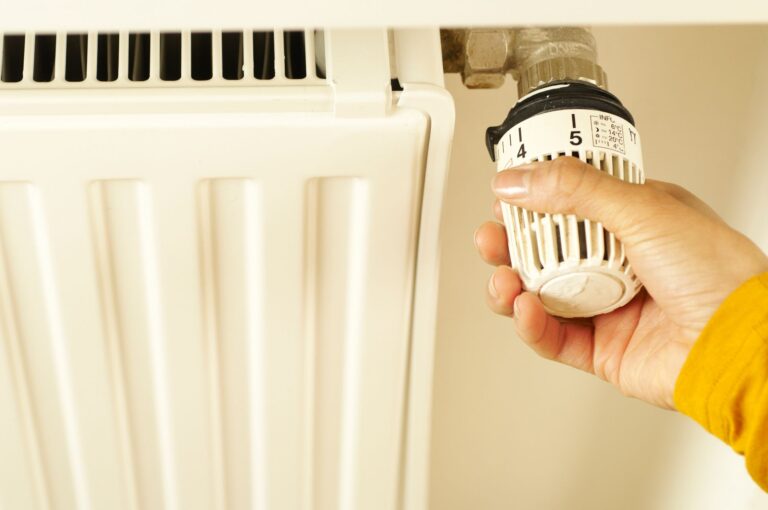

Swapping a wall thermostat sounds simple, yet the wrong choice can leave you with a display that won’t talk to your HVAC system or a schedule you’ll fight every week. The thermostats markets for 2026 lean heavily into dual-fuel compatibility, larger backlit screens, and simple non-programmable designs for garages and rentals.
This list walks through ten wall-mount and smart options built around real HVAC setups, from single-stage conventional systems to multi-stage gas rigs and learning thermostats. Each pick is matched to the system it actually serves, with honest notes on wiring, display size, and scheduling depth.
How The Shortlist Stacks Up
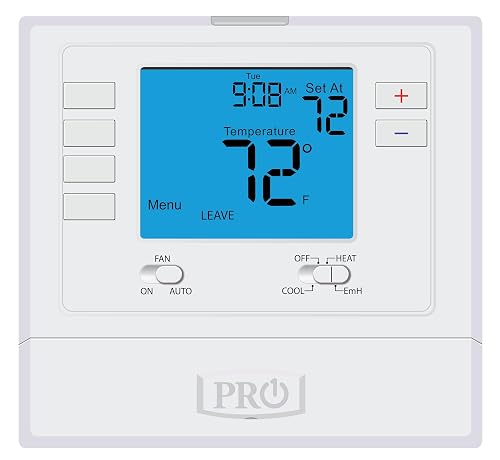
PRO1 T725 Heat Pump/Conventional Programmable Thermostat

PRO1 T771 Single Stage Non-Programmable Wall Thermostat
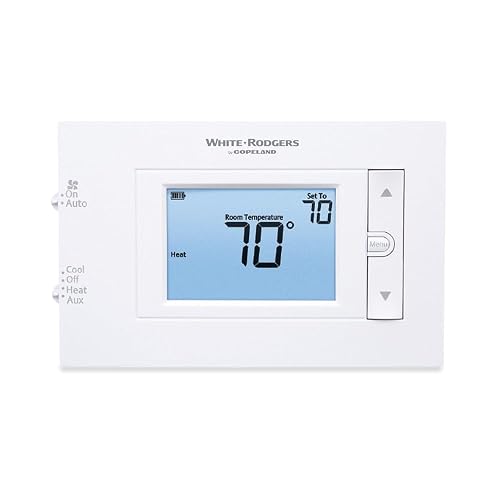
White-Rodgers 80 Series Non-Programmable Heat Pump Thermostat 1F83H-21NP
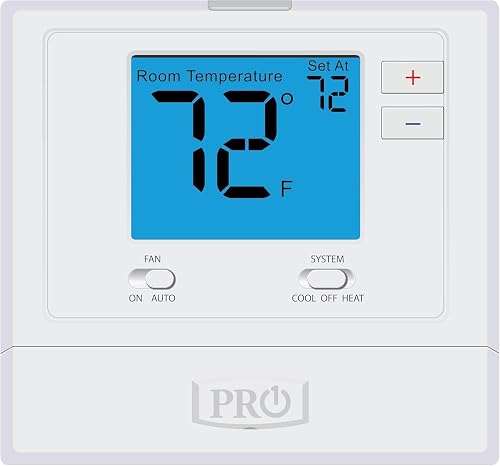
PRO1 T701 Single Stage Non-Programmable Wall Thermostat

PRO1 T715 Multi-Stage Programmable Gas Thermostat
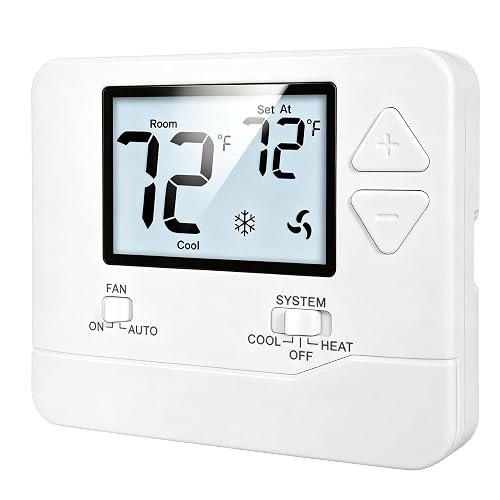
Heagstat Non-Programmable Thermostat 1 Heat/1 Cool
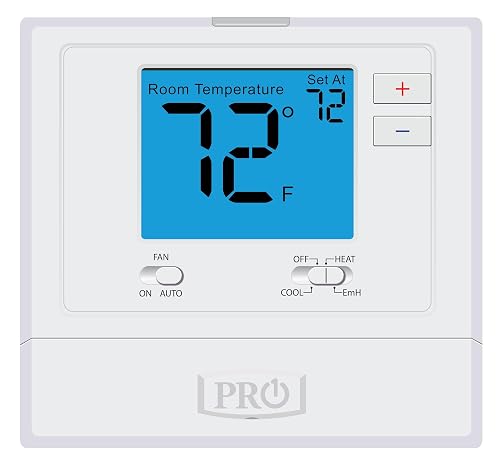
PRO1 T721 Non-Programmable Heat Pump/Conventional Thermostat

White-Rodgers 1E78-144 Single Stage Non-Programmable Thermostat

PRO1 T805 Single Stage Programmable Wall Thermostat
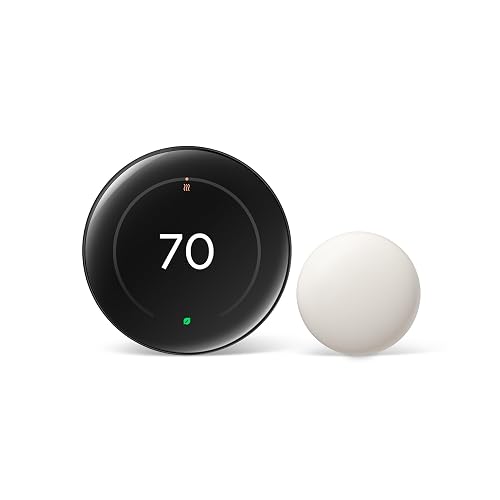
Google Nest Learning Thermostat 4th Gen with Temperature Sensor
Why These Options Stand Out
The T725 sits in a sweet spot for households that aren’t sure whether to call their system a heat pump or a conventional furnace, because it handles both with a jumper setting. It works on 2 heat/1 cool heat pump configurations and falls back to 1 heat/1 cool conventional mode without rewiring the base.
Daily operation leans on a 4 sq. in. blue backlit screen that wakes up at the touch of a button. Programming runs through the standard wake, leave, return, and sleep blocks, with 7-day or 5/1/1 schedules for households that anchor the same routine Monday through Friday but break the mold on weekends.
Useful Touches
- Two-system flexibility means fewer returns when the home’s HVAC gets diagnosed differently than expected
- 7-day and 5/1/1 schedule options cover everything from strict weekday routines to rotating shifts
- Backlit display reads clearly from across a hallway during a midnight check
- Common-wire detection helps you avoid the short-cycling glitches that come from a weak C-wire
Trade-Offs Worth Knowing
- Lacks the learning automation you’ll find on the Google Nest Learning Thermostat 4th Gen later in this list
- Requires more setup time than the no-menu PRO1 T701 since the schedule has to be programmed, not just dialed in
Best Match For
You split time between home and travel and want a programmed schedule that mirrors that two-rhythm life.
Consider Something Else When
You’d rather skip schedules entirely, in which case the PRO1 T701 keeps things dial-and-forget simple.
The T771 leans into the side of the thermostats markets that most smart-home reviews ignore: the unheated garage, the detached workshop, the pole-barn gym. Its setpoint range stretches down to 25°F, which is unusual for residential wall units.
There is no schedule to set and no learning curve beyond adjusting the swing and calibration. A 4 sq. in. blue backlit display shows the current temperature at a glance, and the wide range gives you room to dial in freeze protection without false cycling.
Practical Pluses
- Low-end setpoint protects plumbing in spaces that risk freezing
- Swing and calibration adjustments let you fine-tune comfort without a service call
- No programming menu means it stays out of reach of curious kids in a busy garage
Points To Keep In Mind
- No programmability rules it out for main living areas where schedules save money
- Wide setpoint range can confuse first-time installers who don’t read the manual
Right Fit For
You need reliable freeze protection in a garage, shed, or workshop where schedules are unnecessary.
Not Your Match When
You’d rather have a programmable schedule in the main house, where the PRO1 T725 earns its keep.
The 1F83H-21NP aims squarely at first-time DIYers who want a heat pump thermostat that doesn’t require a service call. White-Rodgers built a level into the base plate, which sounds trivial until you’ve hung three crooked thermostats in a row.
It’s strictly non-programmable, so you set the temperature and the system holds it. A backlit display helps during evening adjustments, and the interface stays simple enough to hand to a family member without a walkthrough.
What Stands Out
- Built-in level removes the crooked-mount frustration that derails first installs
- Straightforward wiring labels support a confident self-install
- Heat pump compatibility covers the most common residential setup in southern climates
Trade-Offs Worth Knowing
- No scheduling means no overnight setbacks, which can run up utility bills
- Heat pump focus rules it out for conventional-only systems where the PRO1 T701 fits cleanly
Quick Facts
Made For
You own a heat pump home and want a no-fuss replacement you can mount straight and forget about.
A Better Fit Elsewhere
You need scheduling and dual-system flexibility, where the PRO1 T725 steps in without drama.
The T701 takes the same T700 platform that powers the T725 and strips it down to the basics. For a single-stage conventional system, that means gas or electric compatibility without the scheduling bells that some households never touch anyway.
The glow-in-the-dark light button is a small but practical touch for anyone who has fumbled for the thermostat in a dark hallway at 2 a.m. Owners commonly report that the 4 sq. in. blue backlit display stays readable from across the room.
Notable Gains
- Glow-in-the-dark button prevents the midnight wall-fumbling routine
- Gas or electric compatibility covers most single-stage conventional installs
- Larger T700 display keeps the readout legible for aging eyes
Honest Caveats
- No programmability means you’ll nudge the temperature manually at every schedule change
- Single-stage focus leaves multi-stage homes wanting the PRO1 T715
Best Suited To
You live in a single-stage conventional home and prefer a plain dial-and-set thermostat without schedules.
Skip It When
You run a multi-stage system and want 2H/2C scheduling, where the PRO1 T715 fits the bill.
The T715 is the deep end of the PRO1 lineup, designed for 2 heat/2 cool gas systems that need staged output for both seasons. It runs the T700 platform with a blue backlit display and a glow-in-the-dark light button for late-night tweaks.
Programming can run as 7-day, 5/1/1, or non-programmable, which keeps it flexible when the household schedule shifts. Owners can choose battery or hardwire power depending on the wiring they have at the wall.
What Makes Sense
- 2H/2C staging matches more efficient two-stage furnaces and AC compressors
- Three scheduling modes adapt to rigid work weeks, rotating shifts, or set-and-forget operation
- Power-source flexibility helps in older homes without a common wire
A Few Limitations
- More setup time than a single-stage non-programmable unit like the PRO1 T701
- No learning automation, so it won’t adapt to your patterns the way the Google Nest Learning Thermostat 4th Gen does
Key Product Details
Perfect Match For
You run a multi-stage gas system and want precise control over both heating and cooling output.
Look Elsewhere When
You’d rather let software learn your routine, in which case the Google Nest Learning Thermostat 4th Gen earns the premium.
The Heagstat lands in the thermostats markets as a budget-friendly non-programmable unit for 24VAC conventional systems. It’s built around 2 to 5 wire installs, which covers most older homes and rental units where 6 to 8 wire setups are rare.
The white backlight keeps the screen readable without the blue glow some buyers find harsh. It works with gas, oil, and electric furnaces paired with an outdoor AC condenser, which gives it cross-system flexibility in mixed-fuel homes.
Why It Works Well
- 2 to 5 wire compatibility fits older homes without rewiring
- White backlight reads softer than the blue glow found on many competitors
- No programming menu keeps tenants from accidentally wiping a schedule
Softer Spots
- Not compatible with heat pumps, which the White-Rodgers 1F83H-21NP handles without issue
- No C-wire or multi-stage support limits future HVAC upgrades
Whose Shelf It Belongs On
You manage a rental or guest space and need a setpoint thermostat that tenants can’t accidentally reprogram.
Reach For A Different Pick When
You need heat pump support, where the White-Rodgers 1F83H-21NP earns its beginner-friendly reputation.
The T721 lives in the middle of the PRO1 family as a non-programmable dual-mode unit. It handles 2 heat/1 cool heat pump setups and falls back to 1 heat/1 cool conventional systems, which is a useful bridge for homes converting between equipment types.
Daily operation revolves around a 4 sq. in. blue backlit display and the same glow-in-the-dark light button found on the T701. You can run it on AA batteries or hardwire it if the wall offers a C-wire.
Standout Benefits
- Dual-mode compatibility suits homes transitioning from conventional to heat pump equipment
- Glow-in-the-dark button removes the hallway fumbling that the T771 ignores
- Battery or hardwire power keeps older wiring compatible
Some Limits To Know
- No programmability limits the energy savings available from overnight setbacks
- Single-stage conventional fallback won’t stretch to multi-stage gas systems where the PRO1 T715 shines
Who Should Grab It
You’re mid-renovation and need a thermostat that can switch between heat pump and conventional mode without replacing the wall unit.
Where A Sibling Pick Shines
You want full scheduling on a 2H/1C heat pump, where the PRO1 T725 earns its editor’s choice badge.
The 1E78-144 leans toward light commercial and older millivolt systems, which is a corner of the thermostats markets most home-focused reviews skip. It works with 24-volt and millivolt setups, the latter often found in wall heaters and floor furnaces.
It’s strictly non-programmable, with a backlit digital display that reads cleanly during a quick adjustment. The single-stage focus keeps the interface simple, though you may find the lack of scheduling limiting in a main living area.
Positive Takeaways
- Millivolt compatibility opens the door to wall heaters and floor furnaces most thermostats can’t touch
- Backlit display makes adjustments quick during evening walk-throughs
- Heat pump support (without aux) widens residential use cases
What To Weigh
- Not compatible with electric baseboard heat, so it rules out a chunk of older apartments
- No scheduling or learning features, so it won’t automate comfort in a primary residence
Who Will Love This
You maintain a small commercial space or older millivolt system that most residential thermostats can’t run.
Swap It Out When
You want learning automation and remote sensors, where the Google Nest Learning Thermostat 4th Gen pulls ahead.
The T805 is the T800 platform’s single-stage answer, aimed at households that want a programmable schedule without stepping up to multi-stage equipment. Its standout feature is the 7 sq. in. blue backlit display, which is roughly 75% larger than the 4 sq. in. screens on the T701 and T721.
Schedule options include 7-day, 5/1/1, and non-programmable, so you can fall back to manual mode if the routine gets complicated. A glow-in-the-dark light button rounds out the nighttime usability story.
Everyday Perks
- Oversized 7 sq. in. display reads from across a large room or for low-vision users
- Three schedule modes adapt to mixed routines, including set-and-forget operation
- Glow-in-the-dark button prevents hallway fumbling at night
Practical Considerations
- Larger footprint may crowd small wall plates or sit awkwardly next to a wide light switch bank
- Single-stage only, so multi-stage homes will need the PRO1 T715 instead
Feature Snapshot
Built With In Mind
You want a programmable thermostat with a screen big enough to read without squinting or stepping close.
Where Another Pick Suits Better
You want a smaller wall footprint, where the more compact PRO1 T701 keeps the plate tidy.
The Nest Learning Thermostat 4th Gen in Obsidian sits at the high end of the thermostats markets, pairing a learning algorithm with the included 2nd-gen Nest Temperature Sensor for room-by-room comfort. Over the first few weeks it builds a schedule from your manual adjustments, so you spend less time programming and more time ignoring it.
Compared with the wall units earlier in this list, the Nest pulls double duty as a smart-home control point. It works with most common HVAC setups, though homes with exotic two-stage gas systems may want to confirm compatibility before committing.
Where It Excels
- Learning schedule removes the manual reprogramming that the PRO1 T725 and T805 still require
- Included temperature sensor adds room-level comfort in homes with hot or cold spots
- Obsidian finish reads as a deliberate design object, not a builder-grade wall plate
Less-Strong Areas
- Higher tier price puts it out of reach for shoppers who just want a setpoint thermostat like the Heagstat
- Learning automation depends on consistent manual adjustments, which can confuse the algorithm early on
Core Details
The Right Fit
You want a smart-home-ready thermostat that learns your patterns and pairs with remote sensors for tricky rooms.
Not Your Match When
You’d rather have a no-app, no-learning wall unit, where the PRO1 T701 keeps the experience dial-and-done.
What To Match Up Before You Buy
The first call is system type. Single-stage conventional setups pair with the PRO1 T701, Heagstat, or White-Rodgers 1E78-144, while multi-stage gas homes need the PRO1 T715. Heat pump households land on the White-Rodgers 1F83H-21NP or a PRO1 model that explicitly lists heat pump compatibility.
Next, count the wires at your current thermostat. The Heagstat accepts 2 to 5 wires, the PRO1 T701 and T721 offer battery or hardwire options, and smart units like the Google Nest usually need a C-wire (common wire) for steady power. Pulling a new wire is sometimes possible, but it’s the kind of job that decides between a non-programmable install and a smart upgrade.
Finally, decide how much you want the thermostat to think. Non-programmable units like the T771 and Heagstat hold whatever temperature you set, programmable models like the T725 and T805 follow a written schedule, and the Nest 4th Gen learns the schedule for you. For most households, the middle ground saves the most without adding app fatigue.
Key Considerations Across These Picks
Mistakes Worth Dodging
Buying a thermostat that doesn’t match your HVAC type is the most common slip in this category. A heat pump model on a conventional system, or vice versa, usually shows up as a system that short-cycles, ignores calls for heat, or never reaches setpoint.
Wire count matters just as much. Don’t assume a smart thermostat will work without confirming the presence of a C-wire, and don’t assume any 6 to 8 wire setup will fit a unit built for 2 to 5 wires, since the Heagstat explicitly excludes the higher wire count.
Where The Extra Money Goes
The jump from a basic non-programmable to the Google Nest 4th Gen pays for two things: learning automation and remote sensor data. You stop programming the schedule, and the included temperature sensor helps balance rooms that the main thermostat can’t see.
For multi-stage systems, the premium on the PRO1 T715 covers 2H/2C staging, which keeps high-efficiency furnaces and AC compressors running closer to their designed output. In most homes, the extra spend shows up as quieter operation and fewer wide temperature swings between cycles.
Frequently Asked Questions
Do I need a C-wire for a programmable thermostat? Most modern programmable units, including the PRO1 T701 and T721, offer battery operation if a C-wire isn’t present. Smart thermostats like the Nest 4th Gen typically need a C-wire for steady power, so check the wall plate before ordering.
Can a non-programmable thermostat save money? A non-programmable unit only saves money if the setpoint is set sensibly. Schedules on the PRO1 T725 or T805 cut energy use more aggressively by adjusting temperatures automatically when nobody is home.
Will any of these work with a heat pump without aux heat? The White-Rodgers 1F83H-21NP, PRO1 T721, and PRO1 T725 all support heat pump systems. The White-Rodgers 1E78-144 also supports heat pump without aux, making it a flexible pick for mixed equipment.
Are these thermostats compatible with electric baseboard heat? No, the models in this list exclude electric baseboard heat, which requires a line-voltage thermostat rather than the 24VAC low-voltage units reviewed here.
How hard is self-installation? Most homeowners comfortable with a screwdriver and a voltage checker can swap a wall thermostat in under an hour. The White-Rodgers 1F83H-21NP includes a built-in level to take the guesswork out of mounting straight.
Wrap Up
The thermostats markets for 2026 span everything from a $20 garage-friendly wall unit to a learning smart thermostat with remote sensors. Match the system type first, count the wires second, and choose the scheduling style that fits how you actually live. The right thermostat should fade into the background of your home, not demand your attention every week.