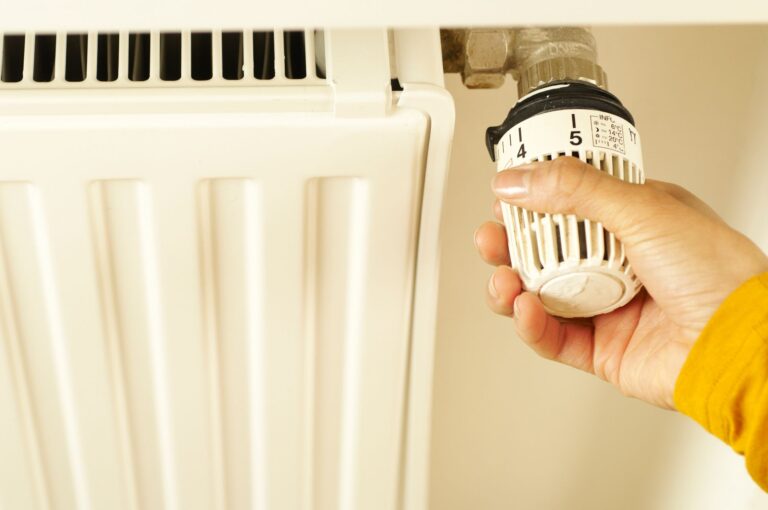

Shopping for a thermostat that fits your wiring, your system, and your patience level feels harder than it should be. The listings blur together, and the wrong one ends up returning a blank screen. This guide sorts through nine options covering line voltage, heat pumps, single-stage, and smart learning thermostats so you can match the right hardware to your setup.
The Choices Worth Comparing
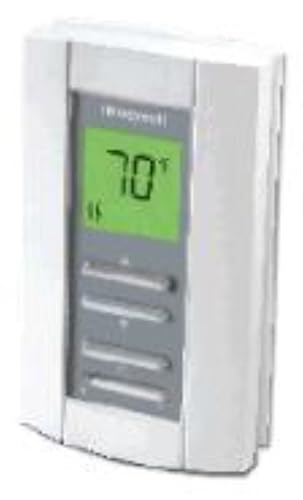
Honeywell TL7235A1003 Line Volt Pro Digital Thermostat 240V

EconoHome Non-Programmable Thermostat for Home
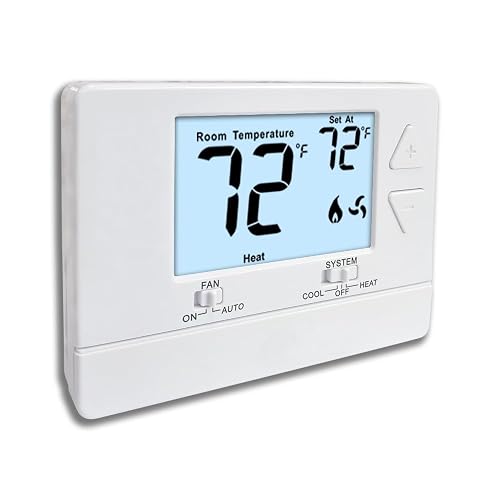
Non-Programmable Thermostat 1 Heat/1 Cool White Backlight
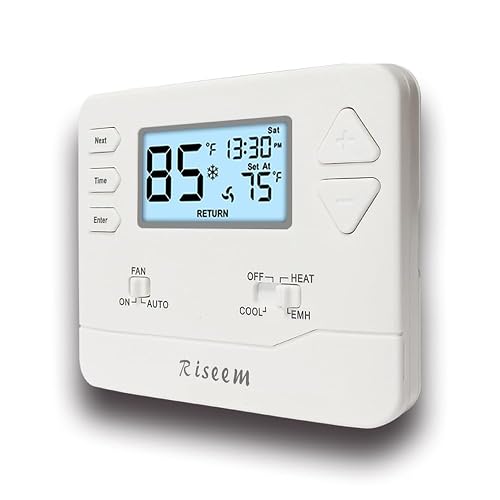
Riseem Thermostat for Heat Pump 2H/1C White Backlight
Miuputake Heat Pump Thermostat 2H/1C Blue Backlight
ELECTECK Non-Programmable Digital Thermostat 1 Heat/1 Cool
INKBIRDPLUS Plug-In Thermostat Outlet Heating Cooling
Google Nest Learning Thermostat 4th Gen Obsidian
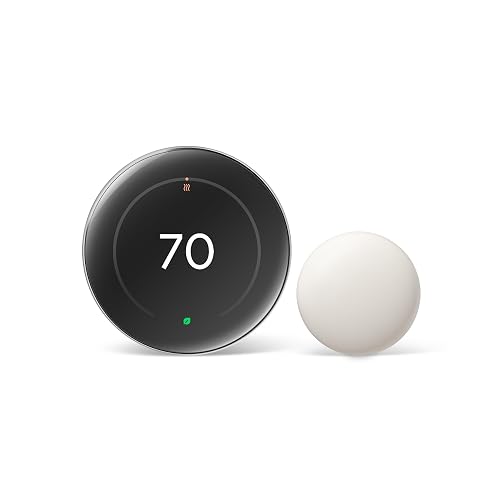
Google Nest Learning Thermostat 4th Gen Silver
A Deeper Look at the Lineup
The Honeywell TL7235A1003 targets a specific corner of the market: homes with 240-volt electric baseboard or convectors running on line voltage. Most cheap thermostats will not switch that load safely, and the TL7235 handles it without needing a separate relay. For a remodeled condo with a tangle of electric heaters along the baseboards, this unit gives precise digital control where a mechanical dial once left rooms swinging between too warm and too cool.
Compared with the plug-and-play options further down this list, the Honeywell expects you to work with thicker wire and confirm the circuit rating before mounting. Owners of newer properties with low-voltage forced-air systems will find it overkill, but in a baseboard apartment you can feel the accuracy right away.
A Favorable Mix
- Rated for 240V line-voltage systems without extra relays
- Digital accuracy replaces the swing of an old bimetallic dial
- On-demand backlight helps in dim hallways at night
- Silent triac switching removes the audible clicks older units make
- A heating indicator confirms the system is actively calling for warmth
Worth Noting
- Not suitable for low-voltage central HVAC setups
- Wiring is thicker and less forgiving for first-time installers
- No scheduling features, so manual adjustments become routine
Whose Wall This Belongs On
Homeowners with 240V electric baseboards or convectors in older apartments who want a digital upgrade without rewiring the whole system.
Where Another Pick Suits Better
Low-voltage central air shoppers should jump to the EconoHome Non-Programmable Thermostat, which is built for single-stage forced-air rather than line voltage.
The EconoHome sits in the easy-swap category. It accepts single-stage heat and cool from a central gas, oil, or electric furnace, plus a basic cool-only air conditioner, which covers most apartments and small houses. You can install it in well under an hour with a standard screwdriver and the included wiring labels, which is a real plus for anyone who has never opened a thermostat backplate before.
Unlike the Honeywell above, this is a low-voltage wall unit, so the wires are thin and forgiving. The display is readable from across a small living room, and the mode switch toggles between heat, cool, and fan without buried menus.
Useful Highlights
- Broad compatibility with gas, oil, and electric furnace systems
- Clear, labeled terminals reduce wiring mistakes during install
- Manual mode switch keeps the controls visible without submenus
- Compact body fits over most existing wall cutouts
Trade Offs
- No scheduling or app connectivity
- Will not drive 240V baseboard heaters directly
Feature Snapshot
Who Will Love This
First-time DIYers replacing an aging manual thermostat in a standard central-air home who want a no-learning-curve upgrade.
Skip It When
Heat pump owners should look at the Riseem Heat Pump Thermostat instead, since it adds a second heating stage the EconoHome cannot control.
This Miuputake model is one of the most pared-down digital thermostats in the lineup. It runs a 1-heat, 1-cool single-stage system, so a typical suburban home with a furnace and central A/C plugs in directly. The white backlight keeps the temperature reading visible in a dim hallway without flooding the room with blue light, which is a small thing you only appreciate after sleeping next to a glowing screen.
The trade-off is wiring complexity at install. The base plate only accepts two to five wires, so anyone with a six- or eight-wire setup from an older Honeywell needs to double-check before pulling the old unit off the wall.
Notable Upsides
- Soft white backlight is easy on the eyes at night
- Supports the most common residential wiring layouts
- Manual temperature dial with a tactile feel
- Energy-saving mode nudges setpoints toward efficiency
Points To Keep In Mind
- Limited to 2 to 5 wires on the mounting base
- Lacks multi-stage and heat-pump control entirely
- No app or smart-home integration
Made For
Owners of modest single-stage systems who want a clean, minimal thermostat face and are comfortable verifying their wire count first.
Look Elsewhere When
Anyone with a heat pump or multi-stage furnace should choose the Riseem Heat Pump Thermostat for full compatibility.
The Riseem sits one rung up from the single-stage Miuputake, with a 2-heat, 1-cool profile that handles a heat pump with auxiliary heat or a single-stage conventional system. For a home in a four-season climate, that flexibility is the difference between choosing correctly the first time and rewiring in a year. The large terminal blocks and universal sub-base mean you can land the wires without a magnifying glass, and a typical install reportedly wraps up in around half an hour.
One important note: this unit is not for everyone. It explicitly excludes electric baseboard, line voltage, dual-fuel hybrids, mini splits, and 12V RV systems. If your home uses any of those, you keep scrolling.
Benefits That Matter
- 2H/1C profile covers most heat pump configurations
- Universal sub-base shortens the install window
- Large terminals make wire landings easier on aging hands
- Backlit LCD improves readability in low light
Honest Caveats
- Cannot handle dual-fuel or two-transformer systems
- Not rated for 110-240V baseboard or line-voltage heat
Feature Card
Right Fit For
Homeowners with a single-stage heat pump who need a dependable, no-schedule controller and are willing to verify their system type first.
Not Your Match When
Anyone running line-voltage baseboard heat should look back at the Honeywell TL7235A1003, which is built for that exact job.
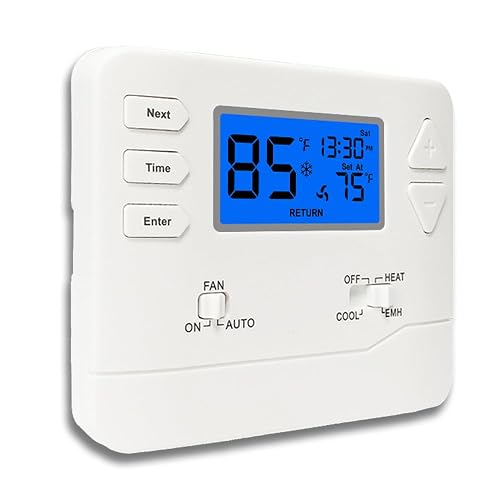
The blue-backlight version of the Miuputake heat pump thermostat trades the soft white glow of its sibling for a slightly more visible blue readout. That single change matters in a bright sunroom or a south-facing kitchen, where a dim display gets washed out by midday glare. Functionally, it covers the same 2H/1C heat pump profile and falls back to a 1H/1C conventional setup if needed.
Compatibility is broad on paper, with forced-air gas and oil, hot water steam, gravity radiant, and even 24V gas fireplaces listed as supported. Two-transformer systems and electric baseboard are still off the table, so read the system list before you commit.
Why It Works Well
- Blue backlight stays visible in bright rooms
- Supports heat pumps with or without auxiliary heat
- Works with millivolt systems and 24V gas fireplaces
- Large terminal blocks ease DIY wiring
- Compatible with cool-only setups during shoulder seasons
Some Limits To Know
- Excludes electric baseboard, line voltage, and dual-fuel hybrids
- Blue backlight may feel harsh in a dark bedroom
Who Should Grab It
Households with mixed or older heating systems in sun-filled rooms who need the broader compatibility list this unit provides.
A Better Fit Elsewhere
Bedroom walls that need a softer glow at night are better served by the white-backlight Miuputake single-stage model, which is also gentler on sleep.
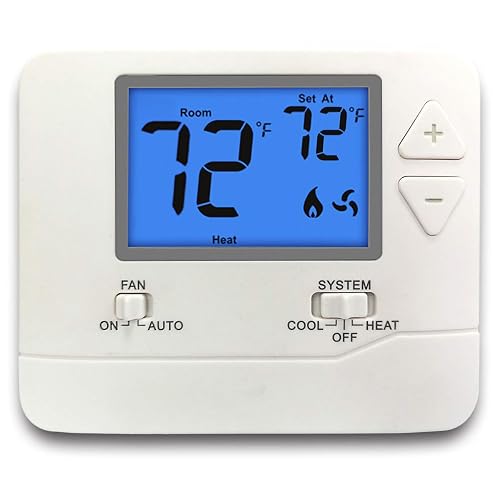
Where the ELECTECK stands out is the screen. The big LCD uses oversized digits that are readable from across a moderately sized room, so you can check the setpoint without walking up to the wall. For anyone with mild vision trouble, or a living room with high ceilings and tall furniture, that is the single feature that matters most.
Under the hood, it is a straightforward 1-heat, 1-cool single-stage controller configurable for gas, oil, or electric systems. Compared to the EconoHome, the interface feels slightly more polished, but the underlying function is similar.
The Case For It
- Large-format LCD suits users with reduced vision
- Gas, oil, and electric single-stage compatibility
- Manual mode and fan switches keep the controls visible
- Neutral white housing blends with most wall paint colors
A Few Limitations
- No scheduling or app support
- Not compatible with electric baseboard or line-voltage heat
Feature Snapshot
Best Suited To
Anyone who values a large, glanceable temperature readout in a living room or hallway and runs a single-stage central system.
Swap It Out When
Households ready to invest in learning behavior and app control should consider the Google Nest Learning Thermostat 4th Gen Obsidian instead.
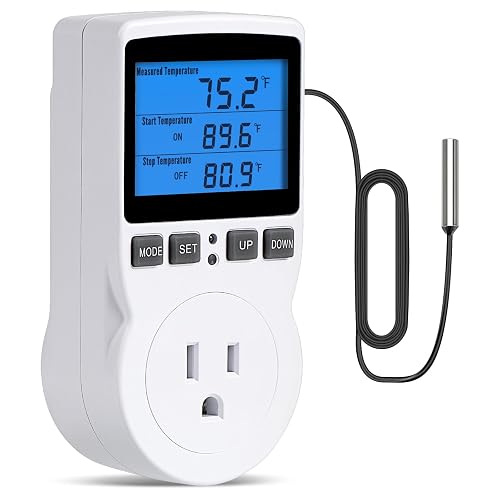
The INKBIRDPLUS is not a wall thermostat. It is a plug-in module that sits between a wall outlet and a space heater, fan, or window unit, reading ambient temperature and switching the appliance on or off. For a detached garage workshop, a small greenhouse, or a reptile room, that simple approach beats running new thermostat wire through finished walls.
It carries a 15A/120V/1800W load capacity, so most portable heaters fall within range, and a backlit display on the front of the plug keeps the setpoint visible even when the unit is mounted low to the floor.
Where It Delivers
- Plug-and-play install with no wall wiring needed
- Handles heating and cooling modes with start and stop setpoints
- Timing cycle function adds automation beyond a simple on/off
- Wide temperature range covers most garage and greenhouse needs
Where It May Fall Short
- Not a replacement for whole-home HVAC control
- Limited to 1800W, so it will not drive hardwired equipment
- Outlet form factor clutters power strips
Feature Card
Whose Shelf It Belongs On
Garage tinkerers, greenhouse growers, and hobbyists who need targeted climate control in a single room without modifying the home system.
Where Another Pick Suits Better
Whole-home central HVAC shoppers should pivot back to the ELECTECK or EconoHome for traditional wall-mounted control.
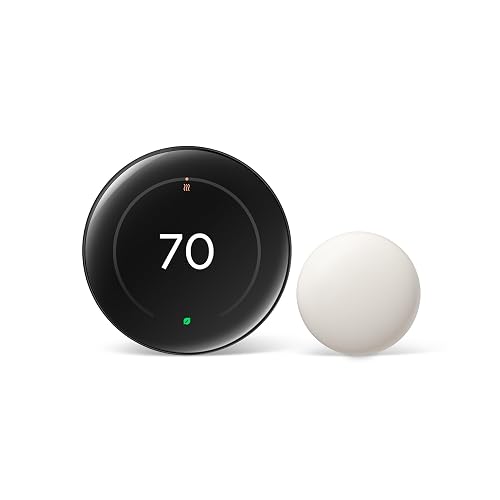
The Nest Learning Thermostat jumps categories entirely. Rather than a fixed manual dial, it tracks the temperatures you set, the times you set them, and your routine, then drafts a schedule you can edit. The Obsidian finish is a deep, near-black surface that disappears into a dark accent wall better than the silver version. Pair it with the included Nest Temperature Sensor and you can prioritize one room at a specific time, like the bedroom at night.
For renters, the value is more limited. You need a C-wire in most installs, and the smart features only pay off when you actually adjust the temperature often enough to teach it your habits.
Key Advantages
- Learns user patterns and builds a schedule automatically
- Companion sensor helps balance hot and cold rooms
- Dark Obsidian finish suits modern interior palettes
- Works with major voice assistants for hands-free control
Practical Considerations
- Most installs need a C-wire or the Nest Power Connector
- Smart features are wasted on a rarely-tweaked home
- Setup takes longer than a basic wall unit
Perfect Match For
Connected homeowners with a stable C-wire setup who like the idea of a thermostat that adapts to their week without manual programming.
Reach For A Different Pick When
Anyone in a low-voltage-only rental without a C-wire may find the Riseem 2H/1C model a friendlier install, even if it lacks learning features.
The silver variant of the Nest Learning Thermostat is the same hardware, software, and learning engine as the Obsidian above, just finished in a brighter metal tone that pairs well with stainless hardware, white walls, or Scandinavian-style kitchens. If the Obsidian is a black tuxedo, this is a polished silver watch.
It bundles the same second-generation Temperature Sensor, so the priority-room trick still works for the nursery during the day and the bedroom at night. The trade-off between Obsidian and Silver is purely visual.
What Pays Off
- Polished metal finish suits lighter interior palettes
- Includes the second-gen Temperature Sensor
- Same adaptive learning engine as the Obsidian model
- Voice assistant compatibility out of the box
- Higher visibility on a white wall than darker finishes
Where It Is Less Suited
- Silver finish can look out of place on dark accent walls
- Same C-wire requirement as the Obsidian version
Whose Wall This Belongs On
Design-conscious renovators finishing a kitchen, entryway, or living room in a brighter palette who still want learning-based control.
Consider Something Else When
Owners with darker interior walls may prefer the Obsidian finish for a more seamless look in the same smart category.
What Matters Most Before Choosing Thermostats Ouellets
Match The System Type First
Start with the actual equipment in your home: single-stage, multi-stage, heat pump, or line voltage. The wrong match is the most common reason for a thermostat to behave oddly, and most wall units will not warn you at the box. Pull the old thermostat off the wall, count the wires, and note the labels before you order.
Heat pump owners especially should look for explicit 2H/1C or multi-stage support, since the auxiliary heat strip on a heat pump needs its own control wire that single-stage units cannot address.
Decide Between Manual and Learning
A non-programmable thermostat is honest: you set the temperature, the system reacts, and nothing else happens. Learning thermostats introduce scheduling, sensors, and app control, which is wonderful in a stable household and overkill in a guest room that only sees use twice a year.
For most homes, the honest middle ground is a non-programmable unit with a clear backlight. Learning thermostats earn their keep when routines actually vary week to week.
Check The C-Wire Situation
Smart thermostats typically need a C-wire, or common wire, which provides continuous 24V power for the Wi-Fi radio and display. Older homes with only four wires behind the wall sometimes need a power adapter or a new pull. If you are not ready to open the wall, a non-smart model sidesteps the issue entirely.
Consider Where The Screen Lives
Display brightness, digit size, and backlight color change how comfortable the thermostat feels at night. A blue backlight is great in a sunlit kitchen and harsh in a dark bedroom. White or amber glows tend to read more softly in sleeping spaces.
Key Considerations Across These Picks
Common Shopping Slip Ups
The most common mistake is buying a low-voltage thermostat for a 240V baseboard system, or assuming any thermostat will work with the wires already in the wall. Counting and labeling wires before ordering prevents both. The second slip is overbuying smart features in a guest room or a rarely adjusted space, where a plain manual unit outperforms a learning model.
Where The Extra Money Goes
The jump from a basic wall unit to the Nest Learning Thermostat pays for adaptive scheduling, a remote sensor, app control, and a refined metal housing. For households with predictable routines that shift seasonally, that automation can be worth it. For everyone else, a sub-twenty-dollar non-programmable model with a clear backlight will deliver the comfort improvement you actually use.
Frequently Asked Questions
What is a C-wire and why does it matter?
A C-wire, or common wire, delivers continuous 24V power to a smart thermostat so its screen and radio stay on. Many older homes only have four wires, and adding a C-wire may require an adapter or a new wire pull.
Can I install one of these thermostats myself?
Most non-programmable wall units install in under an hour with a screwdriver and the included wiring labels, as long as you confirm the system type first. Smart thermostats may need a C-wire and a longer setup process.
What is the difference between 1H/1C and 2H/1C?
1H/1C means one stage of heating and one of cooling, which fits standard furnaces and central air. 2H/1C adds a second heating stage, often used with heat pumps that have auxiliary heat strips.
Will any of these work with electric baseboard heat?
Only the Honeywell TL7235A1003 in this list is rated for 240V line-voltage baseboard heat. The other wall units are built for low-voltage central systems.
Are learning thermostats actually worth the cost?
Learning thermostats earn their keep in homes with routines that shift week to week and in households that adjust the temperature often. For rarely changed rooms, a simple non-programmable unit does the job for less.
Bottom Line
The right thermostat depends almost entirely on what is behind your wall. Match the system first, count the wires, and only then weigh the comfort of a backlight, a learning engine, or a polished metal finish. The Honeywell earns its slot for line-voltage heat, the Miuputake and Riseem cover the heat pump middle ground, and the Nest pair handles the smart-home tier. Whichever you choose, the honest win is a thermostat that quietly does its job without you thinking about it.