
Finding a thermostat that plays nicely with Apple HomeKit used to mean hunting through forums and decoding compatibility charts. Today, the category has matured, and a wide range of models now join your Home app, respond to Siri voice commands, and fold into the routines you already run. The trick is matching the right thermostat to the heating and cooling system sitting on your wall, then choosing the feature set that actually fits how you live.
This guide walks through ten current options that work with Apple HomeKit, covering everything from high-voltage baseboard systems to multi-zone smart homes. Each pick is framed around real use cases, with honest trade-offs called out so you can choose the one that fits your home, not just the most popular name on the shelf.
A Quick View Of The Lineup

Mysa Smart Thermostat for Electric Baseboard Heaters 240V
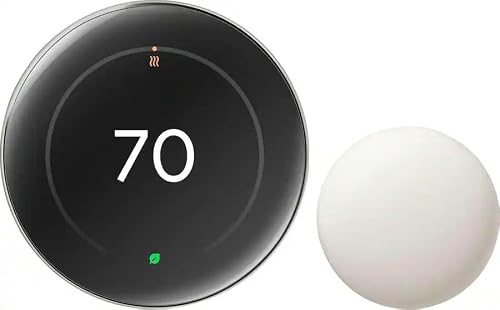
Google Nest Learning Thermostat (4th Gen, 2024)
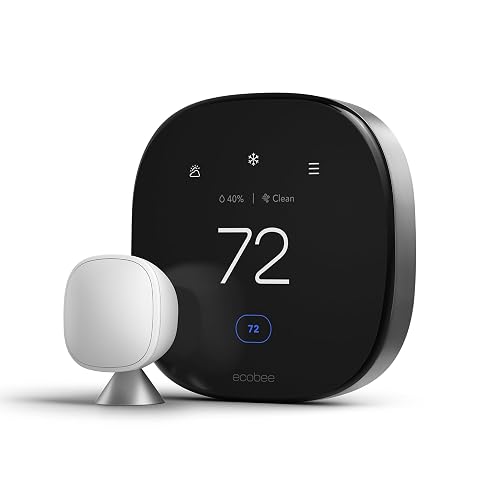
ecobee Smart Thermostat Premium with Smart Sensor
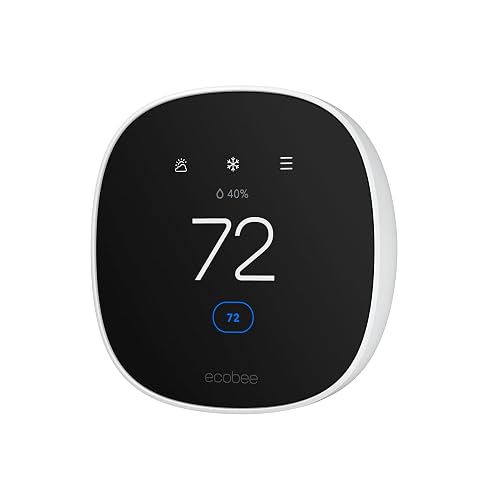
ecobee Smart Thermostat Essential
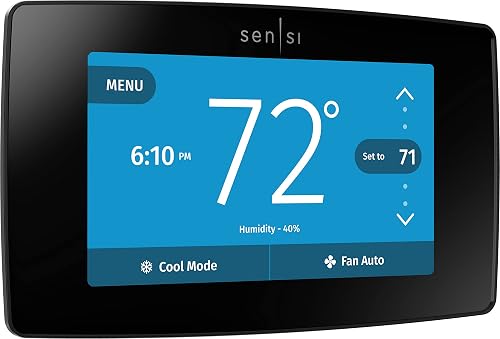
Sensi Touch Smart Thermostat ST75 (Black)

Honeywell TH6220WF2006 Lyric T6 Pro Wi-Fi
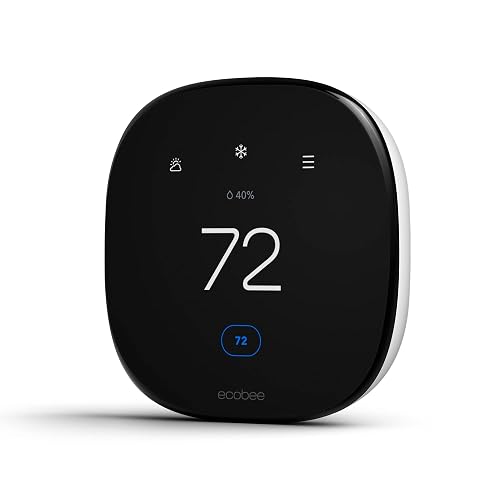
ecobee Smart Thermostat Enhanced
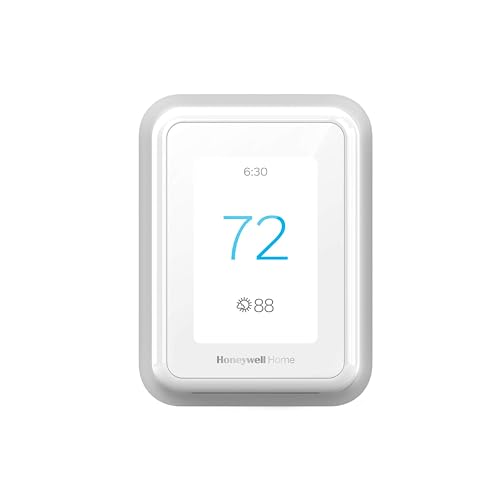
Honeywell Home T9 WiFi with Smart Room Sensor
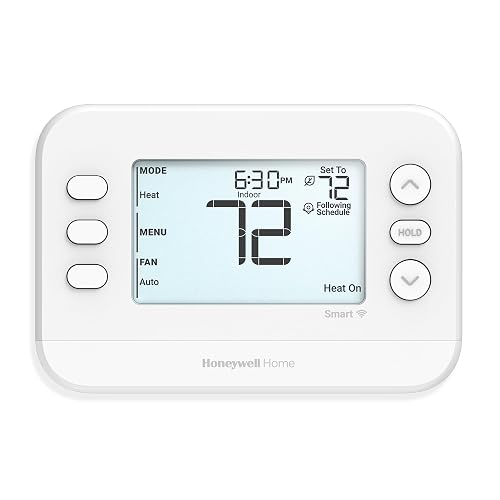
Honeywell Home X2S Smart Wi-Fi Thermostat
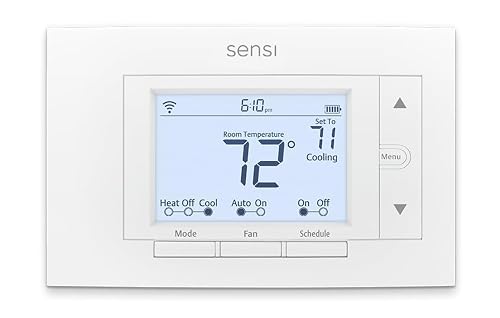
Sensi Smart Thermostat ST55
Inside Each Recommended Option
Most smart thermostats quietly ignore homes that heat with electric baseboards, but the Mysa Smart Thermostat was designed specifically for that job. It handles 120V to 240V high-voltage systems, including fan-forced convection units, and pairs directly with Apple HomeKit alongside Alexa and Google Home for those who mix ecosystems.
The companion app is genuinely free with no subscription tier, and you get temperature and humidity alerts pushed to your phone. In homes where each room has its own baseboard heater, zoning becomes possible without rewiring the whole panel.
Practical Advantages
- Handles 240V baseboards and fan-forced heaters that other smart thermostats refuse
- Free app with scheduling, geofencing, and energy usage tracking
- HomeKit, Alexa, and Google Home all supported in one unit
- Sleek, low-profile design that looks intentional on a modern wall
- Humidity alerts help prevent dry winter air issues
Things To Consider
- Requires at least four wires including a neutral or second live wire, which older homes may lack
- Not compatible with low-voltage or two-wire installations, so renters in older buildings should check first
- No battery backup means schedules reset after extended outages
Built With In Mind
Owners of homes with electric baseboard or fan-forced heating who want Siri voice control and reliable scheduling.
Skip It When
You run a standard central HVAC system, where the ecobee Smart Thermostat Enhanced offers broader features for the same kind of wall setup.
The fourth-generation Nest is the smartest version of the line yet, and the one most people picture when they think of a learning thermostat. It works with most 24V systems, including gas, electric, oil, forced air, heat pump, and radiant, and it does not require a C wire in most homes, which removes a common installation barrier.
Pairing with Apple HomeKit is a welcome addition for households that live in the Apple ecosystem but still want Nest’s signature learning behavior. Over a few weeks, the thermostat figures out when you leave, when you sleep, and when you actually need heat or cooling, trimming energy use without constant tinkering.
A Few Highlights
- Self-learning algorithm removes the need to program schedules manually
- Compatible with gas, electric, oil, heat pump, forced air, and radiant systems
- No C wire required in most installations, simplifying retrofit projects
- Works across HomeKit, Alexa, and Google Home for flexible voice control
- Bundled Nest Temperature Sensor helps balance hot and cold rooms
Worth Noting
- Some households prefer a fully manual schedule rather than algorithm-driven changes
- Compatibility is broad but worth verifying with the Nest Compatibility Checker for unusual HVAC setups
- The polished metal body shows fingerprints more readily than matte plastic alternatives
Key Specs
Whose Shelf It Belongs On
Homeowners who want the thermostat to do the thinking, especially in mixed-ecosystem households that lean on both Siri and Google Assistant.
Look Elsewhere When
You want built-in voice microphones and a speaker at the wall, where the ecobee Smart Thermostat Premium delivers a richer on-device voice experience.
The ecobee Smart Thermostat Premium is the company’s most capable model, layering a built-in air quality monitor, smoke alarm detection, and an included SmartSensor onto the standard ecobee foundation. The result is a wall unit that doesn’t just control temperature but quietly watches the room it sits in.
For Apple households, the built-in Siri speaker is a quiet superpower, letting you dictate messages, set reminders, and control HomeKit gear right from the thermostat. Geofencing adjusts temperatures when the last person leaves and warms things back up on the return trip home.
Standout Benefits
- Built-in air quality monitor surfaces issues before you notice them
- Smoke alarm detection can trigger HVAC shutoff during emergencies
- Geofencing adjusts comfort automatically based on whether anyone is home
- Included SmartSensor targets the rooms that matter, not just the hallway
Honest Caveats
- More expensive than basic smart thermostats, which may feel steep for small apartments
- Premium sensors and voice features need a working Wi-Fi connection at all times
Right Fit For
Households that want a single hub-like device on the wall to handle temperature, voice control, and a layer of indoor air awareness.
Where Another Pick Suits Better
Budget-focused shoppers should consider the ecobee Smart Thermostat Essential, which keeps the HomeKit and core scheduling at a lower entry cost.
The Essential sits at the entry point of the ecobee lineup, trimming back the premium features while keeping the HomeKit integration, app quality, and Energy Star certification that ecobee built its reputation on. It’s the kind of thermostat you buy when you want ecobee behavior without paying for sensors and air quality hardware you don’t need.
For typical households with a single-zone forced-air system, the Essential handles scheduling, away modes, and Siri voice control through HomeKit. Installation tends to be quick, and the interface stays clean enough for less tech-leaning members of the household.
Everyday Wins
- Lower price than the Premium while keeping HomeKit and Alexa compatibility
- Energy Star certified for households focused on consumption
- Scheduling and away modes are simple to set up through the ecobee app
- Works with the same smart home platforms as the higher-tier ecobee models
Small Caveats
- Lacks the Premium’s built-in air quality monitor and voice speaker
- No included room sensor, so multi-room balancing requires an add-on purchase
Quick Facts
Best Suited To
First-time smart thermostat shoppers who want ecobee’s app polish and HomeKit support without the higher-tier extras.
Swap It Out When
You need room-by-room sensors out of the box, which the Honeywell Home T9 includes with its bundled smart room sensor.
The Sensi Touch stands out for people who actually like touching their thermostat. The color touchscreen replaces the small monochrome displays common in this category, making the wall unit look and feel like a small tablet. Behind the screen sits a capable smart thermostat that supports Apple HomeKit, Alexa, and traditional scheduling.
Emerson designed the Sensi line with data privacy in mind, which earns it a spot in households that want a connected device without surrendering too much personal information. The Touch model requires a C wire, so older homes may need a quick wiring check before installation.
Real Benefits
- Bright color touchscreen is far easier to read at a glance than older LCD models
- Strong data privacy stance from a brand with deep HVAC roots
- HomeKit, Alexa, and Google Home supported in one unit
- DIY-friendly wiring with clear terminal labels for self-installers
Trade Offs
- Requires a C wire, so very old homes may need a small wiring upgrade
- Glossy touchscreen shows smudges in kitchens and entryways
Who Should Grab It
People who prefer a large, colorful display on the wall over tap-to-rotate dials or app-only control.
Where A Sibling Pick Shines
Installers without a C wire should consider the Sensi Smart Thermostat ST55, which is more forgiving on older wiring.
The Lyric T6 Pro is less flashy than the touchscreen models above, but it earns its place by handling complex HVAC systems that confuse most consumer thermostats. It supports up to 2 heat/1 cool heat pump stages or 2 heat/2 cool conventional systems, which covers a lot of staged equipment in larger homes.
For households with multi-stage furnaces, dual-fuel systems, or a heat pump plus a backup heat source, the T6 Pro is the kind of thermostat an HVAC contractor reaches for. HomeKit support sits on top of that pro-grade hardware, giving Apple users scheduling and voice control without surrendering system flexibility.
Key Advantages
- Supports multi-stage conventional and heat pump systems up to 2 heat/2 cool
- Reliable Honeywell Home build quality trusted by HVAC professionals
- HomeKit and Alexa compatibility layer onto the pro-grade controls
- Geofencing and flexible scheduling through the Resideo app
Points To Keep In Mind
- Interface is utilitarian rather than stylish, which may matter in design-led interiors
- Configuration is best handled with professional guidance for complex staged systems
Core Details
Who Will Love This
Owners of multi-stage or heat pump systems who want a pro-grade wall control plus Apple HomeKit voice and app integration.
Consider Something Else When
You have a single-stage system and want a more lifestyle-focused interface, where the Sensi Touch ST75 feels friendlier on the wall.
Slotting between the Essential and the Premium, the ecobee Smart Thermostat Enhanced is the model most families end up choosing. It keeps the SmartSensor support that lets you balance temperatures room by room, while skipping the air quality monitor and built-in speaker that push the Premium’s price higher.
For Apple households, the Enhanced is comfortable in HomeKit scenes, supports Siri shortcuts, and runs the same app as the more expensive units. Automatic energy savings, occupancy-based adjustments, and suggested schedule changes make it a quietly capable workhorse for the average home.
What Helps Most
- Supports ecobee SmartSensors for room-by-room temperature balancing
- Automatic energy savings features that don’t demand a learning curve
- Works with HomeKit, Alexa, and Google Assistant on one device
- Apple Watch control for quick adjustments without opening the phone
Some Limits To Know
- Sensors typically ship separately from the thermostat unit
- Lacks the Premium’s onboard voice and air quality hardware
Perfect Match For
Typical family homes running a single-zone forced-air system that want a smart upgrade without jumping to flagship pricing.
Another Choice May Suit
Owners focused on multi-room balancing out of the box should look at the Honeywell Home T9, which includes a Smart Room Sensor in the box.
Most thermostats measure the hallway you walk through twice a day, not the bedroom where you actually sleep. The Honeywell Home T9 fixes that with battery-powered Smart Room Sensors that report temperature and humidity from the rooms you care about, with a signal range that handles most homes.
The thermostat itself is a clean touchscreen unit that supports HomeKit, Alexa, and Google Assistant, so voice control through Siri works alongside the sensor-driven comfort logic. Place a sensor in the nursery and another in the home office, and the T9 focuses conditioning where people actually are.
Strong Points
- Includes a Smart Room Sensor in the box for multi-room comfort from day one
- Multi-room focus prioritizes whichever rooms are occupied
- Touchscreen display is readable from across a room
- HomeKit, Alexa, and Google Assistant all supported on one device
- Works with up to 20 sensors for larger homes
Where It Is Less Suited
- Sensor range depends on home construction, with signal performance varying wall to wall
- Smaller screen and a less premium feel than the ecobee Enhanced
Made For
Bedrooms, nurseries, and home offices where comfort in a specific room matters more than hallway readings.
Reach For A Different Pick When
You want a learning thermostat that gradually takes over scheduling, where the Google Nest Learning Thermostat 4th Gen fits the bill.
The X2S is the sensible middle child of the Honeywell Home line, offering Energy Star certification, flexible scheduling, and auto-away functionality without piling on extras. It works with conventional and heat pump systems up to 2 heat/2 cool or 2 heat/1 cool, which covers most residential setups.
For Apple households, the X2S joins HomeKit cleanly and adds the kind of maintenance reminders that get overlooked on older thermostats, like change-air-filter alerts and indoor humidity monitoring. It feels purpose-built for homeowners who want a reliable, set-and-forget smart thermostat.
Benefits That Matter
- Energy Star certified with auto-away to cut waste when no one is home
- Supports conventional and heat pump systems up to 2 heat/2 cool
- Filter change reminders and humidity monitoring built into the app
- HomeKit, Alexa, and Google Assistant voice compatibility
Minor Gripes
- Display is functional rather than eye-catching compared to the Sensi Touch
- Lacks room sensors, so balancing multiple rooms requires manual scheduling
Feature Snapshot
Who It Suits Best
Households that want a reliable, scheduling-friendly smart thermostat that handles most residential HVAC equipment without the learning curve of flagship models.
Not Your Match When
You want room-by-room comfort and a sensor in the box, where the Honeywell Home T9 Smart Room Sensor bundle fits better.
The Sensi ST55 is the model that makes smart thermostat upgrades feel approachable. It installs without a C wire in many homes, walks you through wiring with clear labels, and pairs quickly with the Sensi app. For homeowners nervous about swapping a thermostat for the first time, that low-friction setup is the main selling point.
Once running, the ST55 supports Apple HomeKit, Alexa, and Google Home, with scheduling and geofencing handled in the Sensi app. Emerson builds the unit with a privacy-first design, which is reassuring if you’d rather not have a thermostat collecting more data than it needs.
What It Does Well
- Often installs without a C wire, ideal for older homes and retrofits
- Step-by-step in-app wiring guidance for first-time installers
- HomeKit, Alexa, and Google Home compatibility in one unit
- Energy Star certified for efficiency-minded households
Things That May Matter
- Display is more utilitarian than the Sensi Touch’s color screen
- Some installations still require a C wire, depending on system type
Who Should Grab It
First-time smart thermostat shoppers and homeowners with older wiring who want a smooth self-install and clean HomeKit integration.
A Better Fit Elsewhere
People who prefer a color touchscreen and don’t mind running a C wire should look at the Sensi Touch ST75, which keeps the same ecosystem with a richer wall display.
What Matters Most Before Choosing A HomeKit Thermostat
The first thing to nail down is what sits on your wall today. A central forced-air furnace, a heat pump, a multi-stage system, and a high-voltage baseboard heater all need different thermostats, and the wrong match can mean no compatibility at all. Most of the picks here cover standard 24V systems, but the Mysa is the only one designed for high-voltage electric baseboards.
Next, think about how you actually live with a thermostat. Households that want the device to learn and adjust on its own lean toward the Google Nest Learning Thermostat. Homes with bedrooms, nurseries, or offices that need targeted comfort benefit from sensor-equipped models like the Honeywell Home T9 or any of the ecobee units paired with SmartSensors.
A C wire, which delivers continuous power to the thermostat, is a smaller decision but a meaningful one. The Sensi ST55, ecobee Enhanced, and the Google Nest handle many installs without one, while the Sensi Touch ST75 and ecobee Premium tend to expect it. Older homes with limited wiring may need a small adapter or a quick electrician visit before installation.
Voice control through Siri is a given across this list, but the experience varies. The ecobee Premium has a built-in Siri speaker, so it talks back from the wall. Other models route Siri through your iPhone, HomePod, or Apple TV. Knowing where you’ll speak commands from shapes which model feels natural in daily use.
Key Considerations Across These Picks
Pitfalls Shoppers Hit
The most common mistake is choosing a thermostat before checking HVAC compatibility. High-voltage baseboard homes, low-voltage systems, and multi-stage heat pumps each rule out most of the consumer-friendly models. A two-minute look at the existing wiring and equipment label saves a return trip.
Another trap is assuming HomeKit support is identical across brands. The visible badge is the same, but the depth of integration differs. Some models expose every setting to the Home app, while others only surface the basic on, off, and target temperature controls. Worth confirming before you commit to a wall swap.
What The Higher Tier Buys
Moving up the price ladder typically adds sensors, on-device voice hardware, or both. The ecobee Premium’s built-in Siri speaker and air quality monitor don’t just feel premium; they reduce the number of separate devices on the counter or shelf. For larger homes with comfort complaints, that layering often justifies the jump from a basic model to a sensor-rich one.
The premium tier also tends to bring stronger scheduling intelligence, more responsive apps, and longer support windows. For a device that lives on your wall for years, that extra polish tends to pay off in everyday use rather than in headline features.
Frequently Asked Questions
Do all HomeKit thermostats need a C wire?
Not all of them. The Sensi ST55, ecobee Enhanced, and Google Nest Learning Thermostat can install without a C wire in many homes, while the Sensi Touch ST75 and ecobee Premium typically expect one. Your existing wiring decides the real answer.
Can I use Siri to control these thermostats?
Yes. Each model on this list supports Apple HomeKit, which means you can adjust temperature, switch modes, and build HomeKit automations using Siri through your iPhone, HomePod, or Apple TV.
Will these work with my existing smart home setup?
Most of these thermostats support HomeKit, Alexa, and Google Home at the same time, which keeps mixed-ecosystem households happy. Confirming your voice platform preference before buying helps avoid surprises.
Do any of these work with electric baseboard heaters?
Only the Mysa Smart Thermostat is designed for high-voltage electric baseboard and fan-forced systems. The other models target standard 24V central HVAC equipment.
Are these thermostats difficult to install?
Most models on this list are designed for DIY installation, with the Sensi ST55 and ecobee Enhanced especially friendly for first-time installers. Complex multi-stage systems may still benefit from a professional’s eye.
Closing Remarks
The right HomeKit thermostat depends less on a feature checklist and more on the heating and cooling system already in your home, plus how much you want the device to think for you. Start with HVAC compatibility, then weigh whether a learning algorithm, room sensors, or on-device voice makes sense for your routine. The ten models above cover the most common household setups, so the best fit is likely sitting somewhere in this list.